



The dilemma facing Kuminga is also the dilemma facing the Warriors.


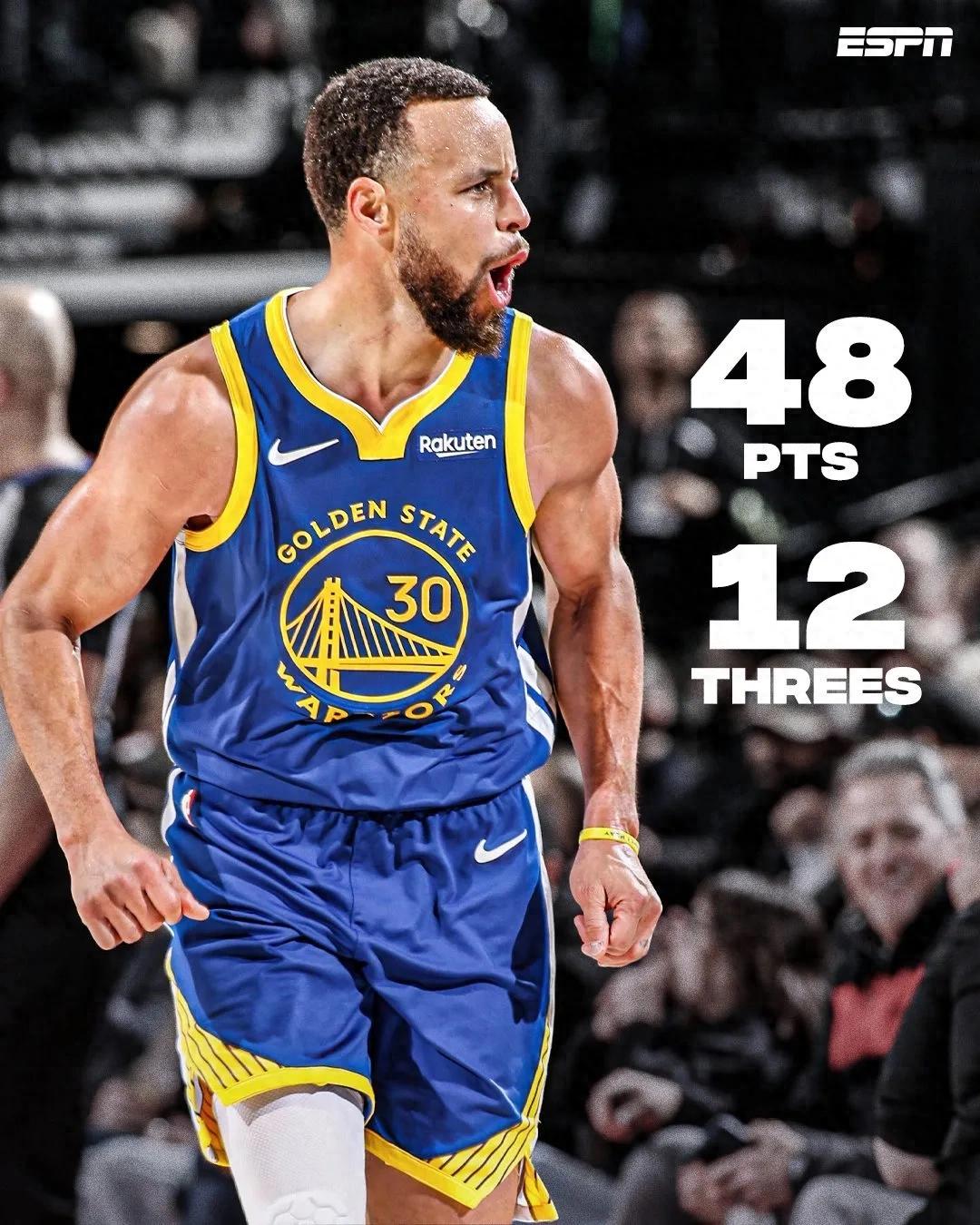
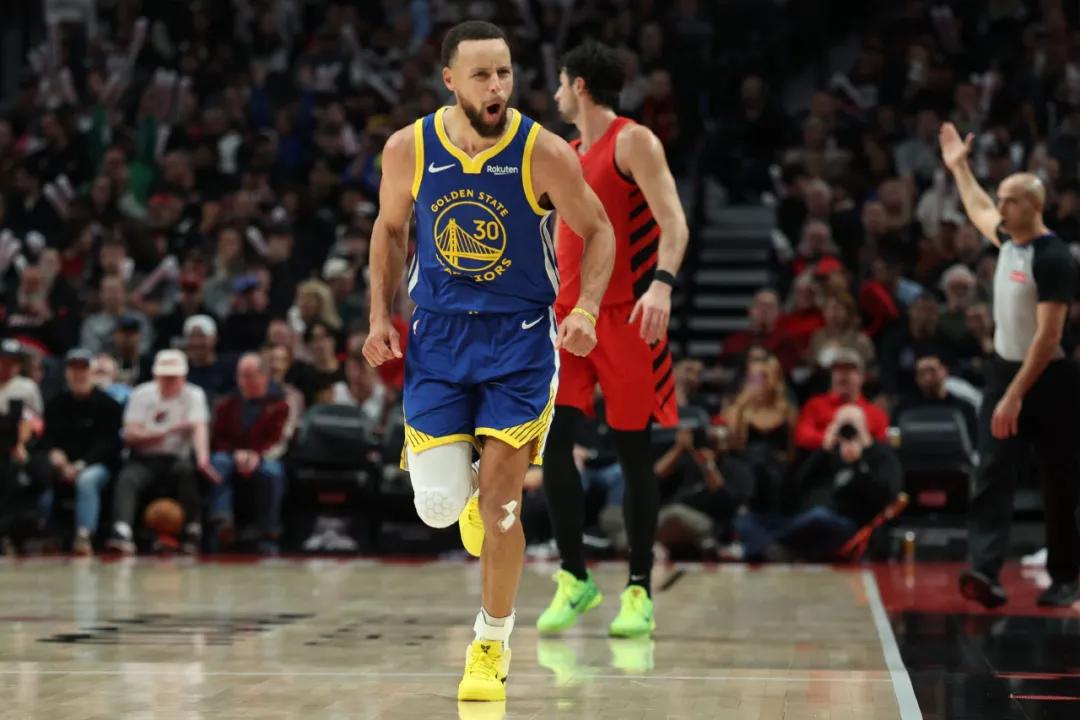
Making 12 out of 19 three-pointers and scoring 48 points in total, losing such a game is extremely frustrating for Curry. In the past, when Curry was this hot, his teammates usually provided ample support, but yesterday, just like many other nights this season, Curry found himself isolated and unsupported once again.
Besides Curry, no other Warrior scored more than 20 points, while the opposing Trail Blazers had three players scoring 20 or more, with Grant and Sharpe even exceeding 30 points. The Trail Blazers, who have the worst three-point shooting percentage in the league, made 20 threes yesterday, clearly exposing major defensive issues for the Warriors.
Don’t be fooled by the Warriors’ fourth-best defensive efficiency in the league this season. In the two games since Curry’s return, the Warriors allowed 127 and 136 points respectively. Curry averaged 43.5 points per game, shooting 55.6% from the field, 52.9% from three, and a true shooting percentage of 73.9%, yet the team still failed to win a single game.
The recent defensive collapse of the Warriors, especially being dominated by the Trail Blazers, is largely due to the lack of a strong defensive leader. In the final moments yesterday, the Warriors’ defensive leader was 1.88m Melton, while the Trail Blazers’ ball handler was 2.03m Avdija. Melton can guard point guards adequately, but defending a ball-handling forward like Avdija is too challenging for him.
Because the defensive leader cannot contain the opponent’s ball handler, the Warriors had to allocate more defensive resources to limit Avdija. Increasing defensive attention on the ball handler inevitably creates gaps elsewhere, and those two corner threes by Grant yesterday looked like they were practice shots.
The Warriors’ closing lineup has major flaws. The trio of veterans (Curry, Green, Butler) and the three-guard lineup (Curry, Melton, Poole), with Butler performing poorly overall, can only rely on Curry for scoring and hope the defense can prevent opponents from hitting open threes.
Honestly, does Butler’s performance this season justify a $54 million max contract? Averaging 19 points per game with a 44.4% three-point percentage but less than one three made per game, he poses almost no threat from beyond the arc. Offensively, he relies heavily on drawing fouls and exploiting mismatches, but often struggles when matched against similarly built opponents.
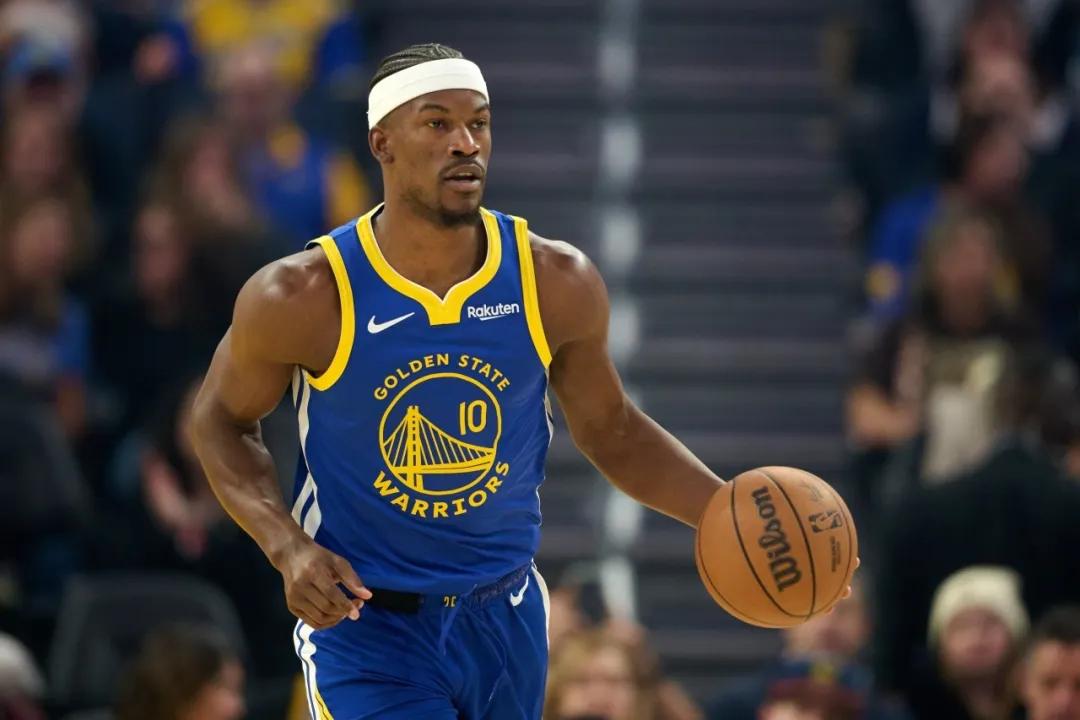
The Warriors being swept three times by the Trail Blazers this season is not only due to their inability to stop the opponent’s forwards but also because Butler cannot break through the Blazers’ front line. In the three games against Portland, Butler averaged just 16.7 points.
Actually, whether it’s the lack of a defensive leader or Butler’s low production, the Warriors have solutions; it’s just that Coach Kerr chooses not to use them. Against the Blazers, Kuminga has been a DNP (Did Not Play) for three consecutive games. Facing a strong front line, Kerr hasn’t given Kuminga a single minute, indicating he has fully given up on him.
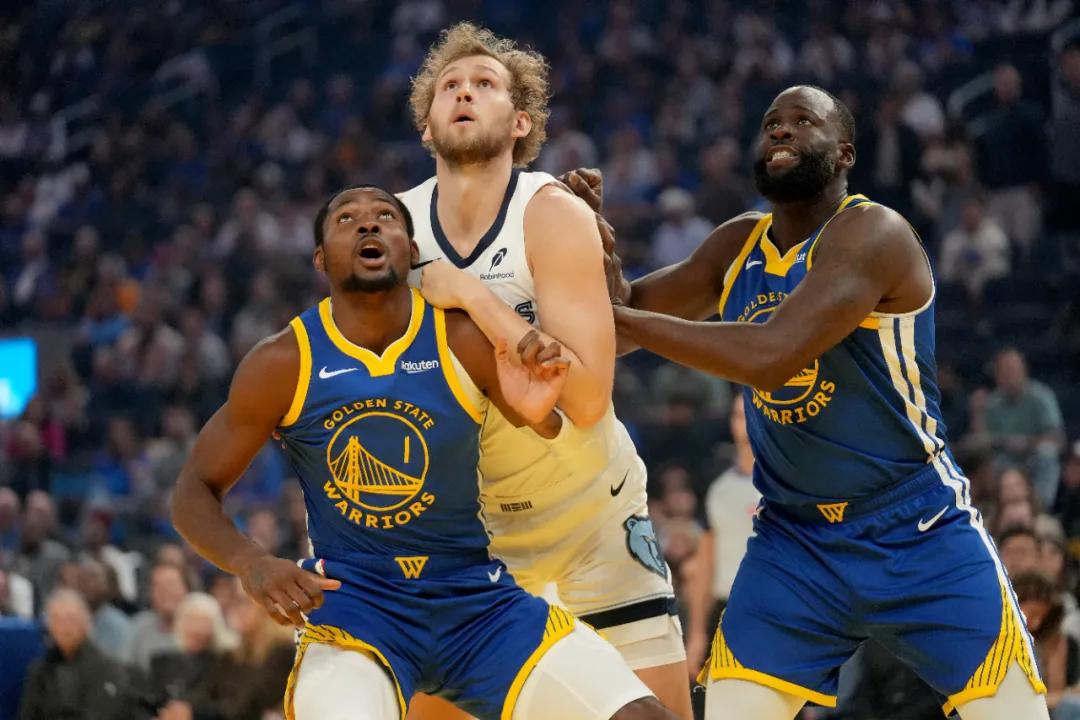
Kerr’s decision to DNP Kuminga this season is the most baffling to me. After lengthy offseason negotiations, Kuminga and the Warriors seemed to reach an agreement upon re-signing — granting Kuminga a starting role and some ball handling. If things went well, everyone would be happy; if not, Kuminga’s stats would at least preserve some trade value.
At the start of the season, Kuminga indeed played quite well, showing signs of a breakthrough. His rebounds, offensive rebounds, and assists all reached career highs. His aggressive rebounding is a sign of maturity. With his physical abilities, if he fully commits to rebounding, he can be very impactful on the court.
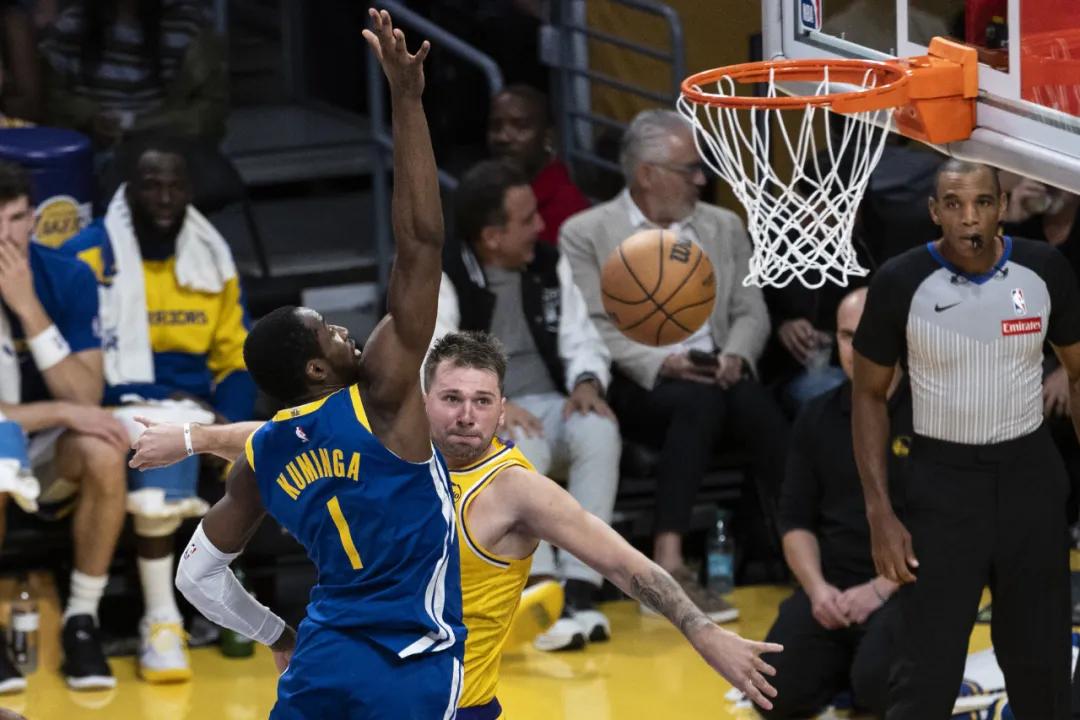
Defensively, Kuminga has also been tasked with guarding the opponent’s key players. In the opening games, he evolved from a reckless player into a well-rounded contributor for the Warriors in all aspects. Although he still needs time to fully grasp the tactics, Kuminga clearly is on a positive path.
But soon, Kuminga lost Kerr’s trust. After shooting 3-for-10 in one game and 1-for-9 in another, his playing time began to decrease. In the November 12 loss to the Thunder, Kuminga scored 13 points with 4 assists but had 5 turnovers, causing Kerr to lose the last bit of faith he had in him.
In the next game, Kuminga was demoted to the bench, then suffered a knee injury causing him to miss several games. Upon returning, he didn’t regain his starting spot. In the last three games, Kuminga scored 8, 9, and 4 points respectively, shooting 8-for-32 overall, giving Kerr ample reason to keep him as a DNP.
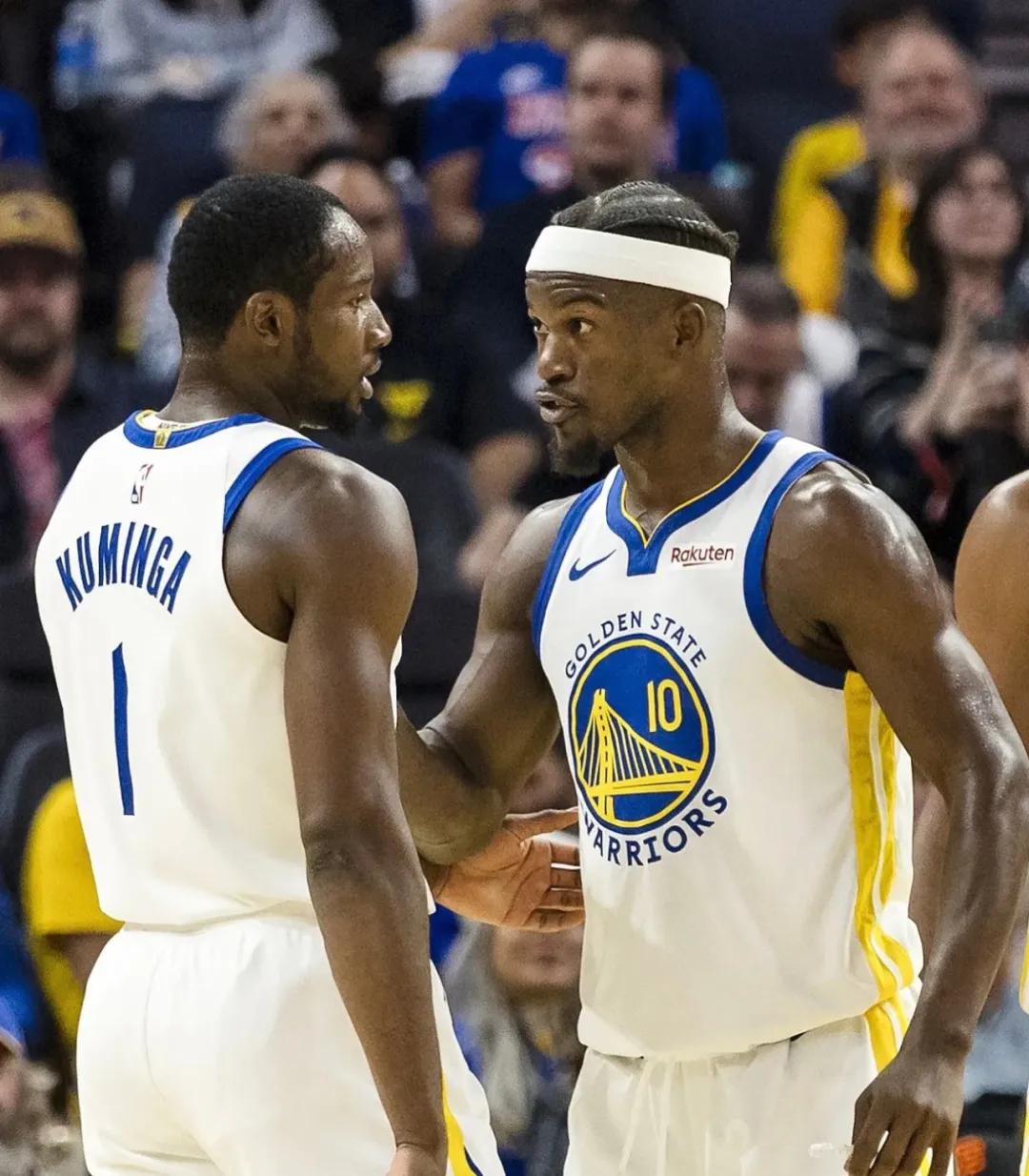
From Kuminga’s perspective, he has shown a willingness to “turn over a new leaf” this season and started well, but due to a few poor performances, Kerr quickly made him the scapegoat. Meanwhile, other teammates, especially Poole, enjoy unlimited tolerance from Kerr. This double standard is hard for anyone to accept.
The Warriors’ current roster is both old and young, and Kuminga is exactly the young forward they need. His presence on the court can help relieve pressure on Butler. However, within Kerr’s rotation, Kuminga is not getting playing time.
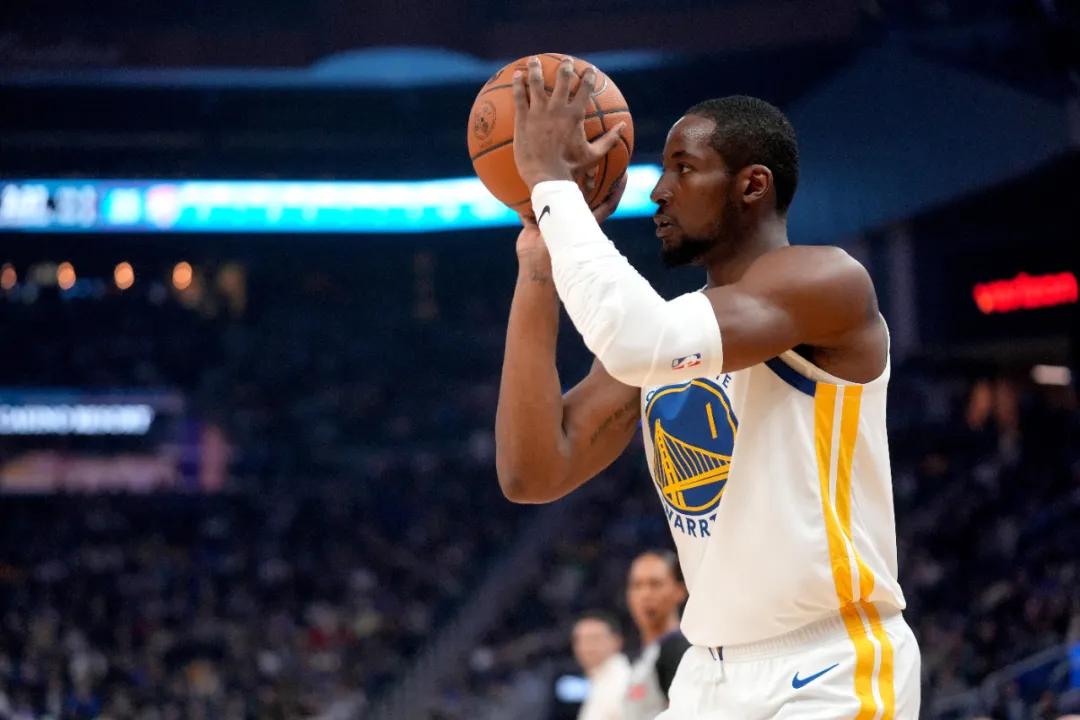
Kuminga’s current predicament is also the Warriors’ predicament. He won’t be eligible for trade until January 16, meaning a whole month remains. During this period, the already estranged “mentor and mentee” of Kerr and Kuminga must continue to pretend harmony in front of the media.
In reality, this tug-of-war between the Warriors and Kuminga is meaningless. They should have parted ways peacefully last summer but are now forced to drag it out for half a season or even longer.
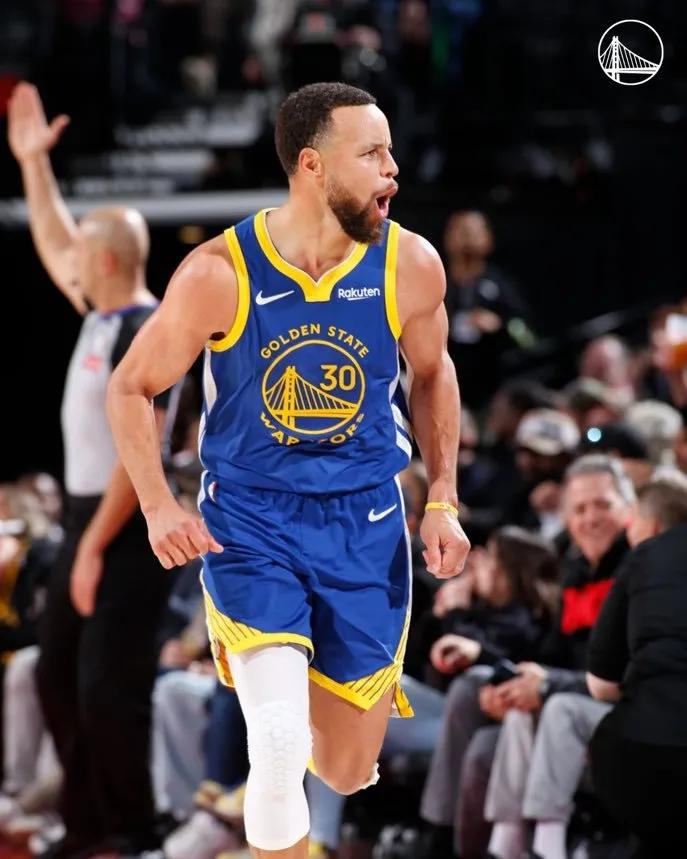
For Curry, from now through the foreseeable future, the Warriors will remain stuck in mediocrity, gradually wearing down the last peak years of his career. This is deeply regrettable for both Curry and the fans.


Wonderfulshortvideo
LaMelo knocks down the tough one-legged three 😮💨


This game was cinema 🙌
Who’s the most famous person in Snoop’s phone?
"It's the shhh with a hyphen." More Slovenian lessons 😂
This sequence was INSANE 🤯
Jaxson Hayes really brought out the eastbay slam 😱
What a FANTASTIC FINISH by the @warriors 🤩
 Links
Links
 Contact
Address:UNIT 1804 SOUTH BANK TOWER, 55 UPPER GROUND,LONDON ENGLAND SE1 9E
Number:+85259695367
E-mali:[email protected]
 App
App


