



US media ranks the five most overrated players in the league: LeBron leads, Kairo second, Kuminga and Porter also listed



On January 6th Beijing time, Bleacher Report identified the five most overrated players in the current league. The key evaluation standard is that the public’s anticipation and admiration for these players greatly surpass their real performance and impact on their teams’ victories. The following is the reverse order reveal and breakdown—
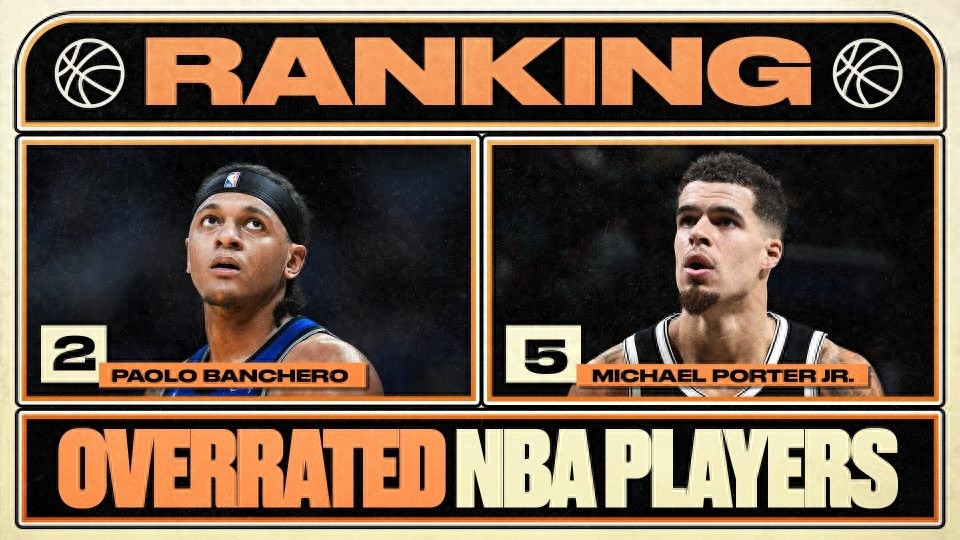

5. Michael Porter Jr., Brooklyn Nets
Last season, Porter Jr. missed his entire rookie year due to a severe back injury, yet he still entered the lottery pick range thanks to his outstanding talent. This season, he has delivered the best performance of his career, which is undeniable.
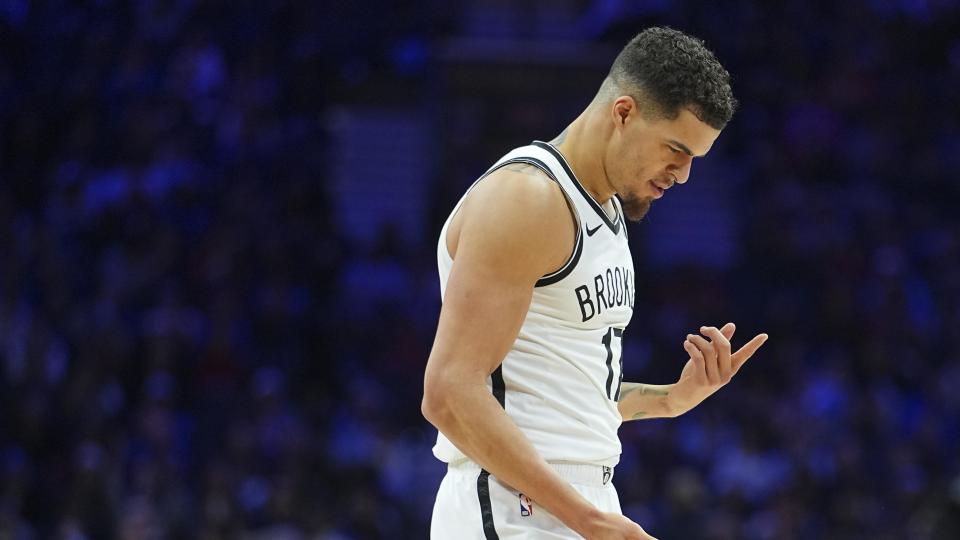
His personal stats have repeatedly hit career highs and he is largely credited for the Nets exceeding external expectations. But to many, isn’t this just a typical case of “padding stats on a weak team”?
His style of play hasn’t fundamentally changed. Porter Jr. has always been a precise shooter, but this season he enjoys unprecedented offensive freedom—with a usage rate of 29.9%, compared to his previous career high of only 22.7%. He remains passive in playmaking, averaging 3.3 assists but also 2.3 turnovers per game; defensively, he is almost non-existent, ranking in the bottom 19% of the league in defensive plus-minus.
Porter Jr. does have his strengths, but his technical flaws are obvious, coupled with a worrying injury history and a hefty $38.3 million annual salary. Given the current league salary environment, almost no team is willing to take him on. The hype around him as a “rising star” is really exaggerated.
4. Jonathan Kuminga, Golden State Warriors
Kuminga certainly has suitors; teams like the Mavericks, Kings, and Bulls have been linked to him. But frankly, what exactly do these teams see in him? His physical gifts are top-tier and he can occasionally put on a scoring show, but aside from his inconsistent scoring, does he have any other notable strengths?
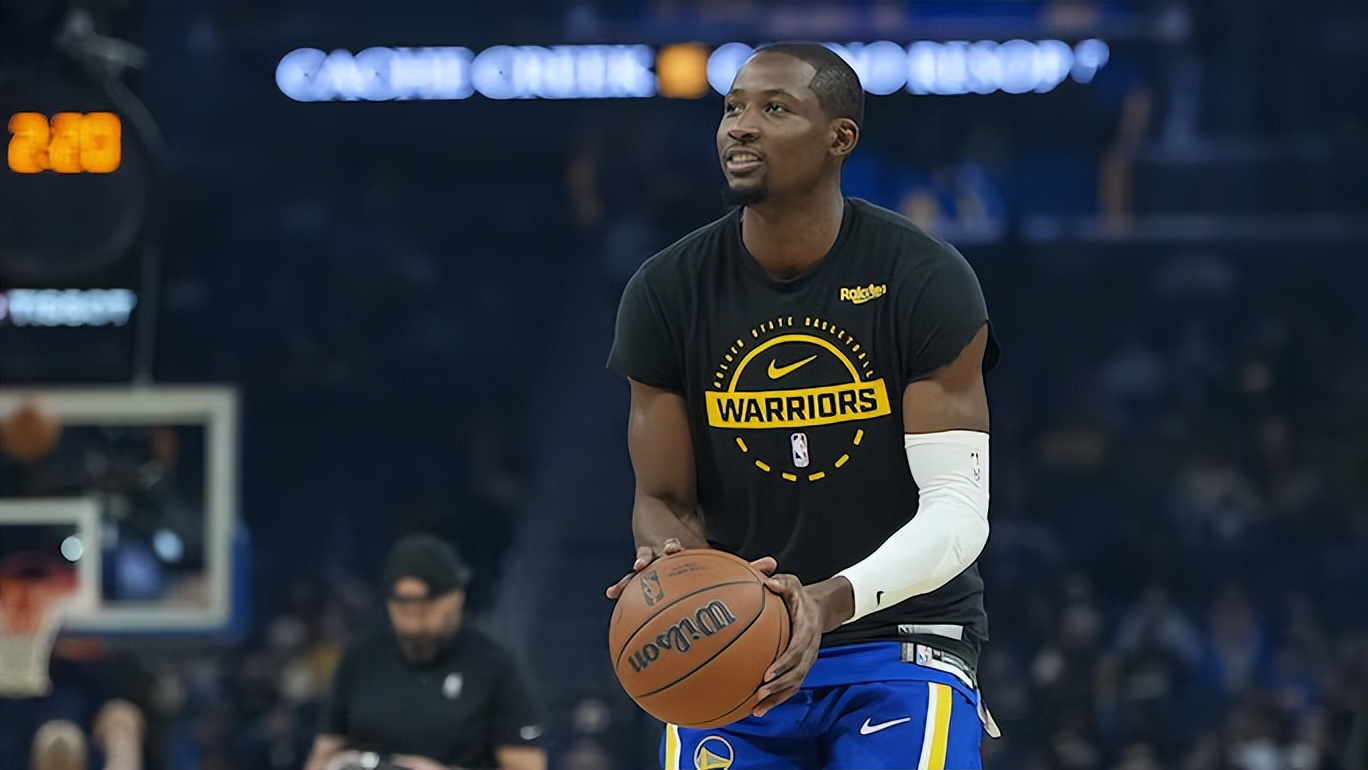
So far in his career, his average assists (1.8) and turnovers (1.5) are nearly equal; defensively, despite his excellent physical traits, he has never performed up to his potential; his rebounding, steals, and blocks are unimpressive; as a modern wing scorer, his outside shooting is both unstable (career 33.1% from three) and infrequent.
You might say he’s still young and could flourish on a team that emphasizes developing young talent. But remember, this is already his fifth NBA season, with over 6000 minutes played. While he may still improve, the public often treats him like a raw rookie with unpolished talent.
This season, Kuminga’s plus-minus is middle of the pack, on par with the extremely underperforming De’Andre Hunter, the Kings’ unresolved point guard Dennis Schröder, and the free agent Obi Toppin who flopped with the Knicks. Statistically, Kuminga is an insignificant role player. Were it not for being on the spotlighted Warriors, he wouldn’t receive this much attention.
3. Jared McCain, Philadelphia 76ers
Is playing just 46 games enough to label someone “overrated”? The answer is: yes and no. The sample size is too small to definitively judge a player, but precisely this factor is why McCain made this list.
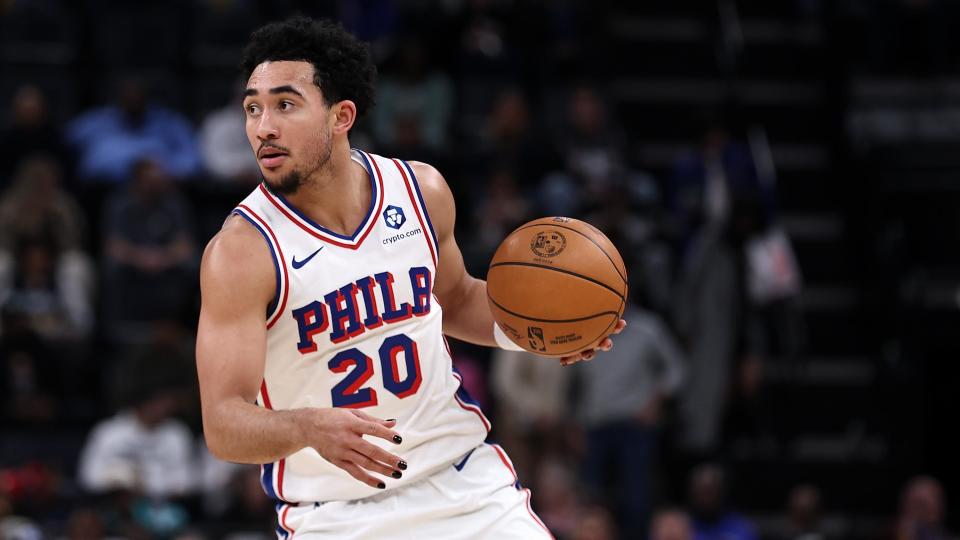
Last season, McCain’s rookie year was cut short by a left knee meniscus tear, but a month before the injury, he showed impressive form. The 76ers were plagued by injuries and had a terrible start, and McCain’s breakout made many see him as the team’s future cornerstone.
But isn’t a small, scoring-focused guard already out of fashion? At just 1.91 meters tall and with average athleticism, what else can McCain offer besides scoring?
He’s not a nimble playmaker, averaging 2.2 assists but 1.3 turnovers; his rebounding and steals are negligible; limited by height and wingspan, defense remains a major challenge. Worse, injuries have interrupted his progress two seasons in a row. This season’s performance has been disastrous—averaging only 7.1 points per game with shooting splits of 35.5%, 31.7%, and 84.2%.
We hope McCain has a bright future because his hot shooting is exciting to watch. But realistically, his long-term potential is nowhere near the hype he received as a rookie.
2. Paolo Banchero, Orlando Magic
This 23-year-old has shown no real improvement in shooting. At this rate, there’s good reason to doubt if his shooting will ever get better. His career shooting percentages have never surpassed 46% overall, 34% from three, or 76% from the free-throw line. For context, this season’s league averages are 47%, 36%, and 78.8%, respectively.
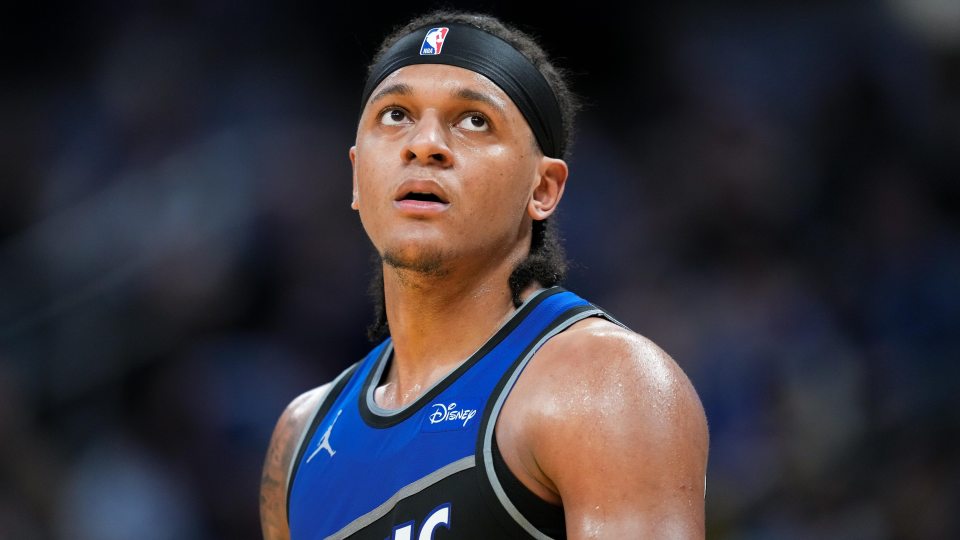
He has never averaged at least 1 block or steal per game in any season; his assist numbers have declined for two consecutive years, now at just 4.6 per game.
Though the Magic have given him a stronger supporting cast, allowing more selective offense (career lows in shot attempts and usage rate), this has only reduced his scoring output without improving efficiency. If the season ended now, his 54.3% true shooting would be his second-lowest career mark.
Banchero’s “star status” is mostly upheld by reputation; his per-48-minute contribution is just 0.090, ranking 131st in the league, behind players like Anfernee Simons, Miles Bridges, and Quentin Grimes.
His size and ball-handling skills spark lofty expectations about his ceiling, but he has yet to fulfill that potential. This explains why he was recently included in Sports Illustrated’s John Hollinger’s “most disappointing team.”
1. LaMelo Ball, Charlotte Hornets
Creating a list of “overrated players” is tough, but the difficulty isn’t where to start — it’s that LaMelo Ball will always hold a clear lead. The expectations fans have for him are vastly different from what he actually contributes to his team.
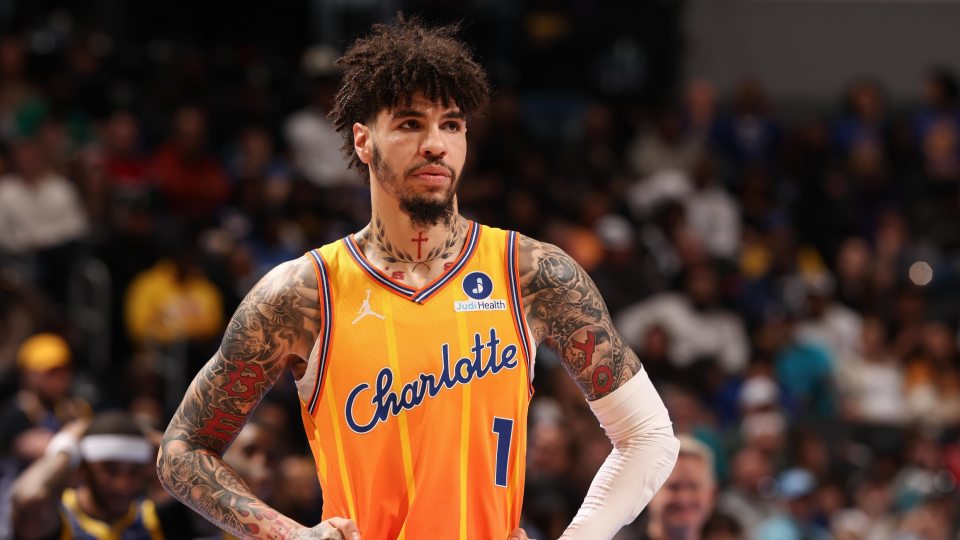
The Hornets’ perennial losing can’t be pinned entirely on Ball, but the public expects him to be a franchise-changing superstar. In reality, when he’s on the court, the team’s net rating is only 1.5 points better per 100 possessions than when he’s off.
His signature skills—undeniably flashy in highlight reels—are practically negligible in real game situations.
Despite having one of the league’s longest shooting ranges, his poor shot selection keeps his three-point percentage at league average (career 36.5%); his flashy dribbling contrasts with a dismal finishing efficiency (career 42% shooting); his ability to draw fouls is weak, averaging just 3.7 free throws per game.
He can deliver some jaw-dropping passes but often risks flashy plays, resulting in 7.5 assists but also 3.4 turnovers per game, which is only average in assist-to-turnover ratio; at 2.01 meters tall, he’s a rebounding monster for a point guard, but this height advantage has never translated into defensive impact.
More criticized is his attitude toward the game. Earlier this season, a Western Conference scout told ESPN’s Tim Bontemps bluntly: “Ball’s approach to basketball is just not serious enough.” If that wasn’t harsh enough, NBA insider Jack Fisher revealed on a live show that a league salary expert labeled Ball as “the most unprofessional player in the league.”
His flashy style and huge social media presence certainly boost his entertainment value, but in terms of real on-court impact, Ball is all style and no substance.


Wonderfulshortvideo
UNBELIEVABLE 🤯


These two really put on a show tonight 🍿
That legendary step back 3-pointer move 😂👑
Luka 🤝 LeBron
What a shot by Luka! 🤯
Luka & LeBron each drop 30 points leading the @Lakers to the dub ✨
VINTAGE LEBRON 👑
 Links
Links
 Contact
Address:UNIT 1804 SOUTH BANK TOWER, 55 UPPER GROUND,LONDON ENGLAND SE1 9E
Number:+85259695367
E-mali:[email protected]
 App
App


