



NBA Insight: How Did the Cavaliers Acquire LeBron James? The Process Is Far More Complicated Than You Think



On February 1st Beijing time, rumors about LeBron James returning to the Cavaliers have been circulating wildly. Earlier reports indicated that the Cavaliers genuinely want to work with LeBron for a third time; however, from a practical standpoint, being a team above the second luxury tax line means that obtaining LeBron is a much more complicated process than it seems. Forbes Sports has provided some clarification on this matter—
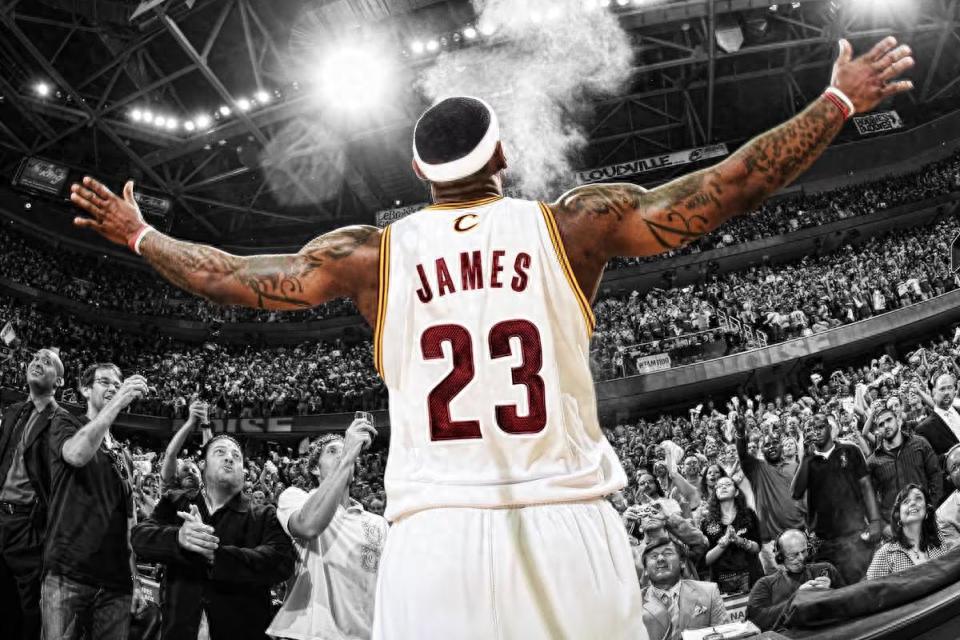
According to NBA regulations, any team whose payroll exceeds the second luxury tax threshold is not allowed to combine two smaller contracts to match a larger contract. This means thatit is extremely difficult from a regulatory perspective for the Cavaliers to bring LeBron James on board this season.
LeBron’s salary this season is $52.6 million, while the Cavaliers’ highest-paid players, Mitchell and Mobley, each earn $46.4 million annually. Theoretically, if the Cavaliers manage to reduce their payroll below the second luxury tax line after the trade deadline, they could pursue LeBron by merging contracts, but this would require cutting over $20 million in salary elsewhere on the roster.
The Cavaliers might use the “Hunter for Hachimura” trade as a starting point to reduce payroll during the offseason. If they sense that LeBron is strongly motivated to return to Cleveland, they could even alter the trade plan by dropping Hachimura and instead pushing for a sign-and-trade arrangement.
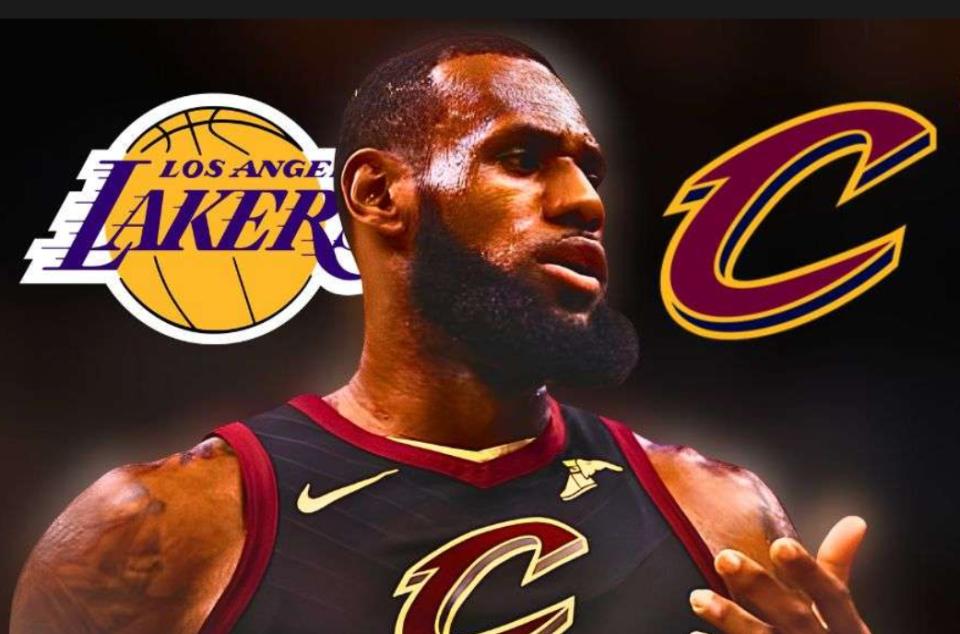
It is absolutely impossible for the Cavaliers to clear enough salary space in the 2026-27 season to offer LeBron a max contract as a free agent. The only way to propose a near-max deal is through a sign-and-trade transaction.They could structure a trade package around Garland and Strus, whose combined value roughly equals LeBron’s expected max salary of $58.1 million.
However, the rules pose another obstacle:Teams exceeding the first luxury tax threshold are prohibited from participating in sign-and-trade deals.The Cavaliers’ payroll next season is expected to surpass the first luxury tax line by over $15 million. Trading Hunter for Hachimura and then letting Hachimura leave might reduce the payroll below the first luxury tax threshold, but this would severely limit the team’s salary flexibility for the remainder of the current season.
Even if the Cavaliers find a loophole within the luxury tax rules, they still need to solve the issue of trade assets. With Doncic already on the Lakers roster, it is highly unlikely they would take on Garland’s contract, especially considering the team plans to re-sign Reeves this summer. Therefore, this sign-and-trade deal involving LeBron would require a third team to absorb Garland and send corresponding assets to the Lakers.
Aside from sign-and-trade, the Cavaliers’ only options for LeBron are a veteran minimum contract or a mid-level exception contract.Given LeBron’s legendary status, a veteran minimum deal is clearly unrealistic, even though it would be the cheapest way for him to join any team this summer.
If the Cavaliers manage to reduce payroll below the first luxury tax line and secure the full mid-level exception worth $15.1 million, this could be a relatively reasonable compromise. But in reality, the Cavaliers are more likely to only qualify for the $6.1 million taxpayer mid-level exception—or possibly lose the right to use any mid-level exception at all due to exceeding the second luxury tax threshold—meaning the only offer they could make to LeBron might be a veteran minimum contract.
In the NBA world, superstars often get what they want.If LeBron is determined to return to Cleveland next season, the Cavaliers will likely do whatever it takes to make it happen. But this is far from simply signing LeBron as a free agent this summer.
That is why every move the Cavaliers make at the trade deadline is worth watching closely. If they convert several long-term contracts into expiring ones, it could be a clear sign that the team has at least begun preparing to chase LeBron this summer.


Wonderfulshortvideo
Steph & LaMelo shot the lights out 🤩


Who’s the most famous person in Snoop’s phone?
"It's the shhh with a hyphen." More Slovenian lessons 😂
Jaxson Hayes really brought out the eastbay slam 😱
Short… SIKE
What a FANTASTIC FINISH by the @Phoenix Suns 🤩
This was too tough 💪 💥
 Links
Links
 Contact
Address:UNIT 1804 SOUTH BANK TOWER, 55 UPPER GROUND,LONDON ENGLAND SE1 9E
Number:+85259695367
E-mali:[email protected]
 App
App


