



Harden's team switch is not a habitual betrayal! What he is chasing is not a championship but a contract extension.



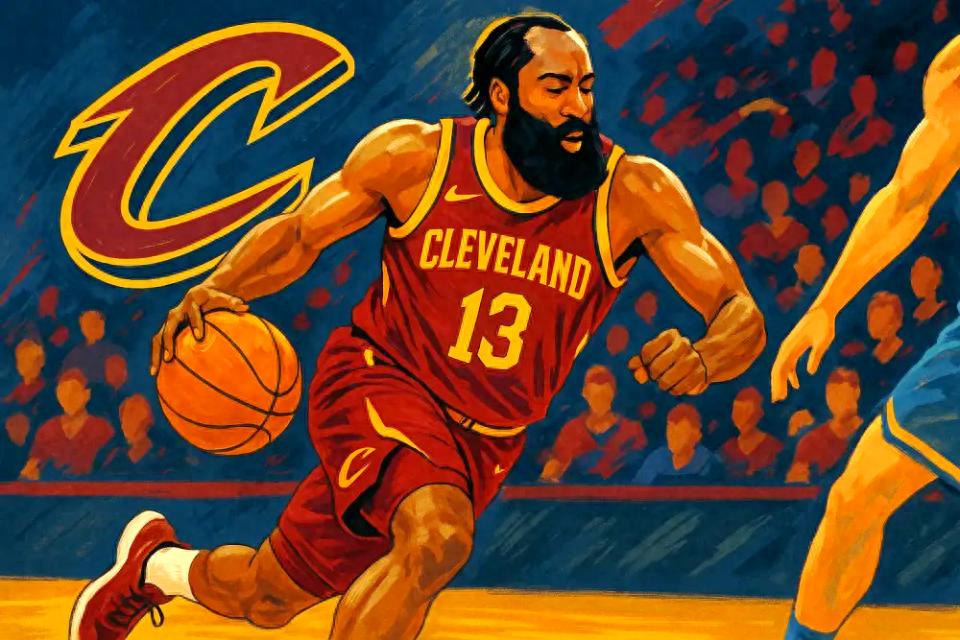
On February 4th Beijing time, Harden was traded from the Clippers to the Cavaliers for Garland and a second-round pick, a news that quickly dominated major headlines. CBS Sports expert Botkin commented on the trade, emphasizing that Harden’s exit is not a habitual flight; after parting ways with the Rockets, his real pursuit was never the championship but a contract renewal. The detailed analysis follows—
People often say, "In adversity, Harden must rise up." However,the way he rises is by moving on to the next destination.
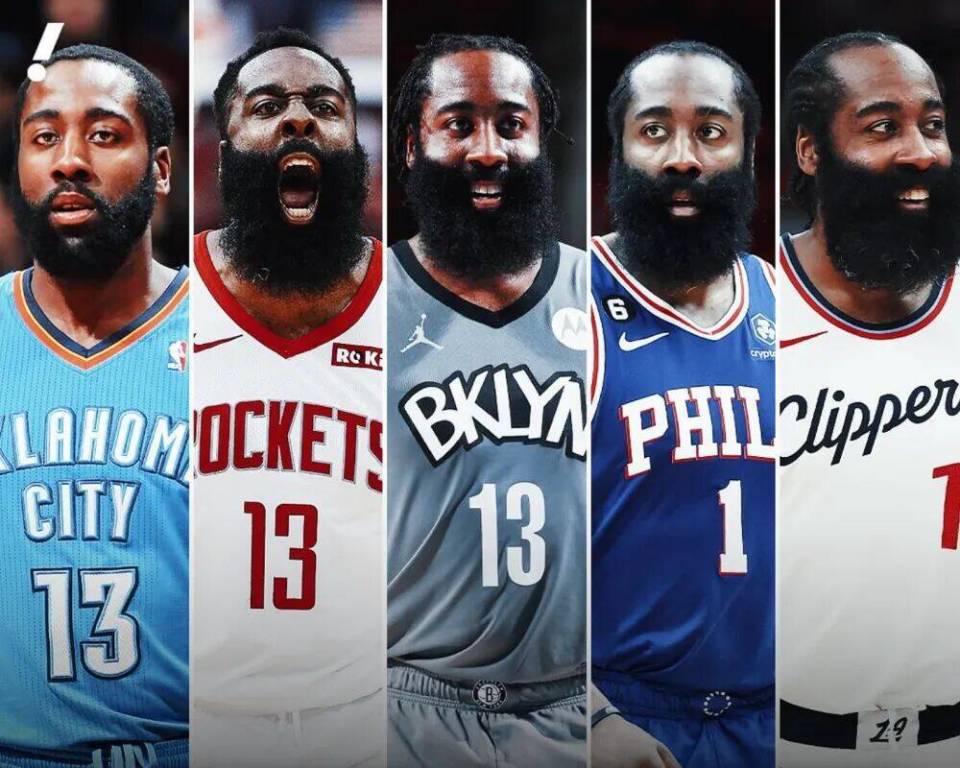
This time, the destination is Cleveland—after an unfulfilled stint with the Clippers, a bitter split with Philadelphia, and a brief stay in Brooklyn. Frequent team changes and early playoff exits have become indelible marks on Harden’s career record. On paper, his post-Rockets career path has certainly drawn criticism from outsiders.
But we must not forget that Harden once wrote a very different legend in Houston. He stayed loyal to the team for eight years, repeatedly challenging the most dominant dynasty teams in NBA history. In an era crowded with super teams, Harden year after year carried almost solo offensive firepower to contend with the Golden State Warriors.
Of course, this lone hero style of play was also part of the problem, but the key point is,in the 2010s, Harden never chose any shortcuts. On the contrary, he took the toughest path—choosing to stay with his team every year,fighting fiercely in the fiercely competitive Western Conference against a nearly unbeatable opponent, firmly believing he would one day reach the top.
He almost fulfilled that dream. If it weren’t for Paul’s hamstring tear in 2018, Harden might already have a championship ring. If that had happened, his subsequent team changes after leaving Houston (if they even occurred) would have been just a minor footnote in an otherwise remarkable career.
But the reality is,the "team rotation game" Harden started in the latter part of his career is gradually overshadowing all the brilliance he created in the first half.Starting from Cleveland, how the final chapters of his career will be written remains to be seen.
However, if we were to sum up his career now, three keywords would clearly stand out—
a historic-level scorer,
one of the most controversial foul-drawing masters in history,
and a player who has switched teams multiple times yet never won a championship.
The first label is undeniable. The second is an unavoidable topic—frankly, disliking Harden is not difficult. He is arguably one of the most controversial superstars in league history, labeled as extremely selfish in his playing style, often showing lackluster defense, and frequently exploiting rules to draw fouls that don't exist. Harden lacks the charisma to win hearts; his style is pragmatic and not entertaining, and his playoff performances in crucial games have often been disappointing. If you want to brand him a "failure," these facts strongly support that, and a "failure" changing teams frequently draws more criticism than a successful player doing so.
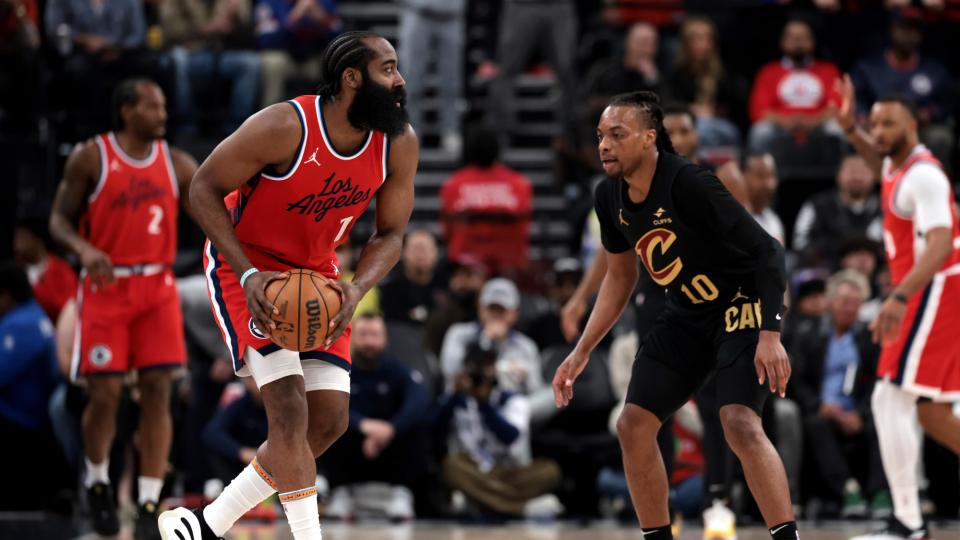
But these are just stereotypes from the outside. In fact,the reasons behind Harden’s last three team changes are far more complex than they appear.Indeed, he once forced his way out with a tough stance and completely broke ties with the 76ers’ management, but during his stints in Los Angeles and Brooklyn, he got caught up in many controversies unrelated to him. Leonard’s "load management" issues were constant, and during the Nets’ Big Three era, teammate Kyrie Irving was frequently absent. If it were you, would you stay loyal and waste years on such a team?
"Kid, loyalty comes at a price."
Since leaving the Rockets,what Harden has truly been chasing is never a championship but a contract extension. A contract he knew the Clippers would never offer, one he thought the 76ers would promise, and one he hoped the Cavaliers could fulfill.
You might think it absurd for someone who has already earned $375 million playing basketball to still prioritize a contract extension. I might agree, but we must acknowledge one fact: Harden’s actions are less about a player throwing a tantrum and more about chasing money—after all, most things in this world fundamentally revolve around money.
At the twilight of a Hall of Fame career, as long as there’s a chance to sign a big contract again, Harden will pursue it; this is almost an instinct shared by all athletes. If the 76ers had met his extension demands, he would still be wearing Philadelphia’s jersey; if the Clippers had clearly expressed willingness to keep him beyond 2027, he likely wouldn’t have left Los Angeles.
But in this trade, it was actually the team more eager than the player to make the deal happen.This is understandable—Clippers exchanged a 36-year-old Harden for 26-year-old Garland, a healthy All-Star point guard who would typically cost multiple draft picks on the market. This was not a superstar at his peak with absolute leverage forcing the team into an unwilling decision.
The bigger question is why the Cavaliers were willing to make this trade? Although recent examples show teams acquiring Harden haven’t improved, the Cavaliers’ choice makes sense. The answer is simple: every situation is unique. Therefore,we shouldn’t label every Harden departure as a "habitual betrayal" but judge each case on its own merits,as each departure has different circumstances and is not entirely his fault. Even at the end, his way of leaving can be considered capricious.
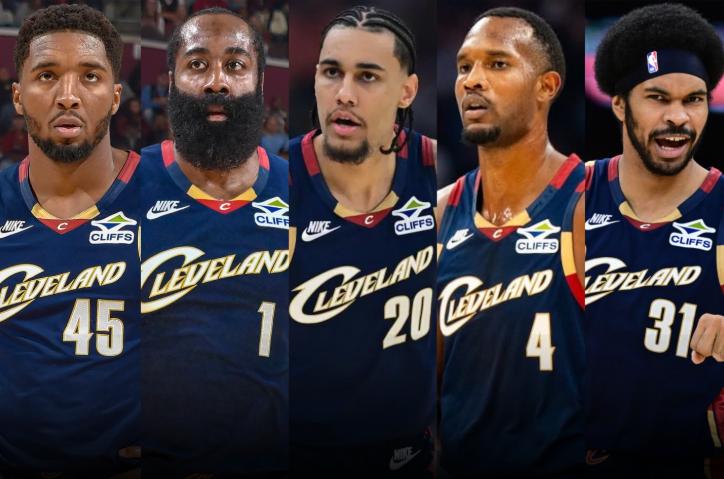
For the Cavaliers, they are playing a short-term game. The team will not build around Harden and might not even meet his contract extension demands.But this season, the Cavaliers face a great opportunity to challenge for the Eastern Conference title and the championship. Garland has struggled with injuries, and it’s uncertain if he will fully recover before playoffs, while Harden is currently averaging an impressive 25 points and 8 assists per game.
In the short term, the Cavaliers have upgraded their strength with this trade today; in the long run, the Clippers have gained a brighter future. Ultimately, this trade was completed because it created a win-win situation, not simply because Harden pressured the teams.


Wonderfulshortvideo
Who’s the most famous person in Snoop’s phone?


"It's the shhh with a hyphen." More Slovenian lessons 😂
Jaxson Hayes really brought out the eastbay slam 😱
Short… SIKE
What a FANTASTIC FINISH by the @Phoenix Suns 🤩
This was too tough 💪 💥
Wemby drains the tough middy 🔥
 Links
Links
 Contact
Address:UNIT 1804 SOUTH BANK TOWER, 55 UPPER GROUND,LONDON ENGLAND SE1 9E
Number:+85259695367
E-mali:[email protected]
 App
App


