



Anthony Davis traded in a blockbuster 4-for-9 deal + Ratings! Mavericks gain double benefits rated B, Wizards form new dual core rated C



On February 5th Beijing time, Anthony Davis's era in Dallas officially ended, marking one year since the Mavericks shocked the entire league by trading Luka Dončić to the Lakers for this ten-time All-Star. The Mavericks and Wizards completed a 4-for-9 trade, with details as follows—
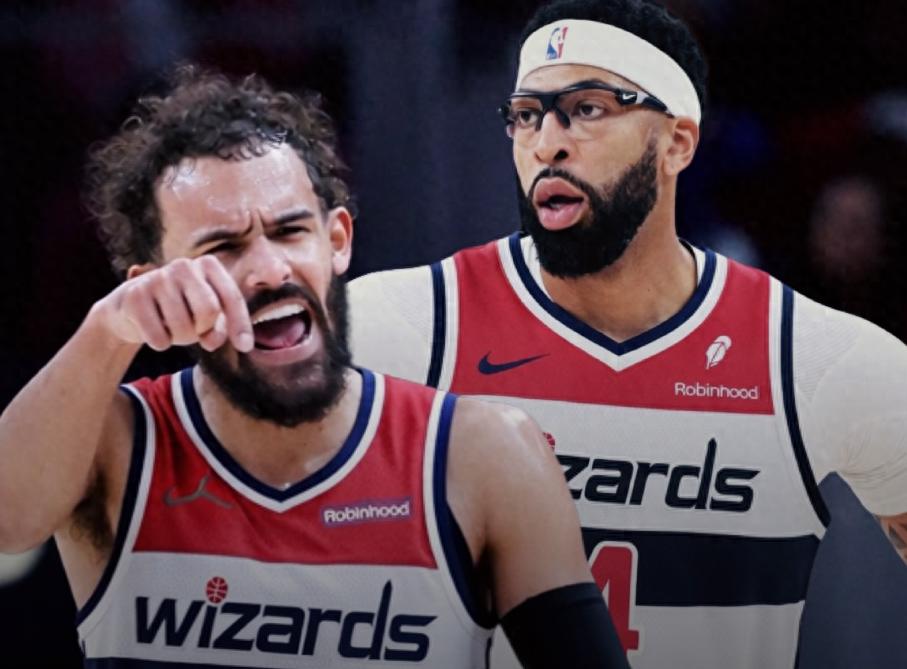
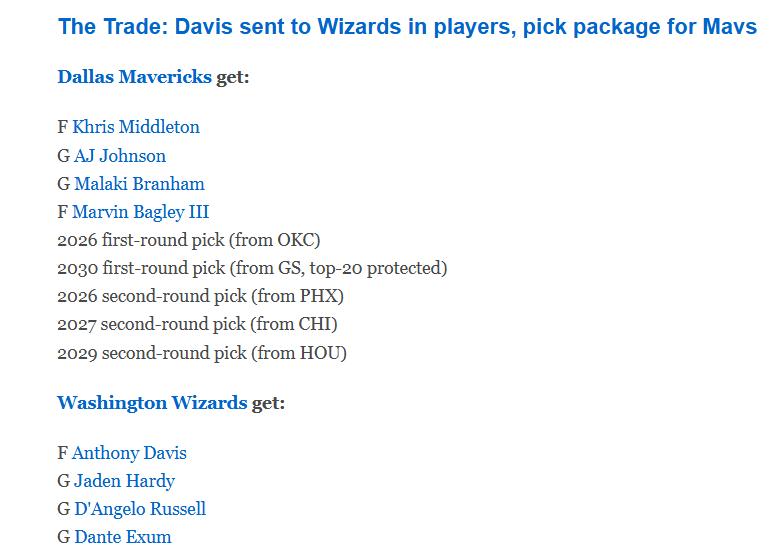
Wizards receive:Davis, Hardy, Russell, Exum
Mavericks receive:Middleton, AJ Johnson, Brannum, Bagley, 2026 first-round pick (from Thunder), 2030 protected first-round pick (from Warriors, top 20 protected), 2026 second-round pick (from Suns), 2027 second-round pick (from Bulls), and 2029 second-round pick (from Rockets).
The Mavericks have now shifted their core to number one overall pick Cooper Flagg, prioritizing salary cap space clearance. Just a year ago, former GM Nico Harrison insisted Davis’s star power on both ends made him a better bet than Dončić to lead Dallas to a championship.With this trade, the Mavericks successfully cleared the remaining $120 million on Davis’s contract and gained two late first-round picks, achieving a win-win outcome.
Meanwhile, the Wizards continue their rebuild by acquiring veteran stars through another major trade. They plan to pair Davis with fellow newcomer Trae Young, building a core around 2024 first-round rookie Keion George and Alex Caruso among other young talents.
So, how will this revamped Wizards roster perform in the 2026-27 season? And what are the Mavericks’ next steps as they focus on building around Flagg? ESPN provides detailed ratings—
Mavericks trade rating: B
Currently, teams clearly value Davis much lower than the Mavericks did a year ago. Plagued by injuries—including a recent hand sprain sidelining him for nearly a month—his trade appeal has diminished. Davis is no longer seen as a dominant two-way star but rather as a risky player earning the league’s seventh-highest salary with uncertain availability.
With tighter luxury tax penalties, teams are more cautious about salary management than ever, making it difficult for Dallas to get high-value picks or promising prospects in return for Davis. The Mavericks likely faced two options: accept a deal like this to clear salary or keep Davis and try trading him again in the summer.
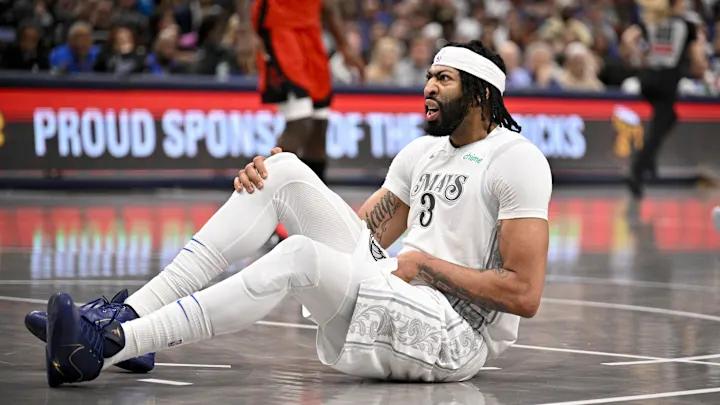
In hindsight, trading now was a sensible move for the Mavericks, the best way to avoid massive luxury tax bills for a lottery-level team. This trade significantly reduces their 2025-26 payroll, while pushing the Wizards’ salary closer to the luxury tax threshold—an unexpectedly surprising result.
Some argued Dallas could have retained Davis to chase the 2026-27 playoffs—by then Kyrie Irving would have recovered from his ACL tear, and Cooper Flagg might have emerged as a championship contender’s core player. Notably, Dallas’s 2027 first-round pick has a special clause: if it lands in the top two, the team keeps it; otherwise, it must be conveyed. From this viewpoint, going all-in to win seems reasonable.
However, this approach risks repeating past mistakes made by teams rushing to build championship rosters around young stars. Flagg is only 20 years old; pushing for immediate contention now is less wise than accumulating ready talent to support his development and recoup lost draft assets.
Admittedly, this trade doesn’t provide Dallas with high lottery picks. The 2026 first-rounder will most likely be the 30th pick (though Detroit’s record might drop it to 29), and the 2030 first-rounder is protected, capping its highest possible position at 21.
Still, gaining more draft assets is positive for the Mavericks, who currently lack control over their own first-round picks from 2027 to 2030—two have been traded away, and two swapped with potential contenders. They now hold up to three first-round picks from other teams, including the one acquired in the Dončić trade with the Lakers.
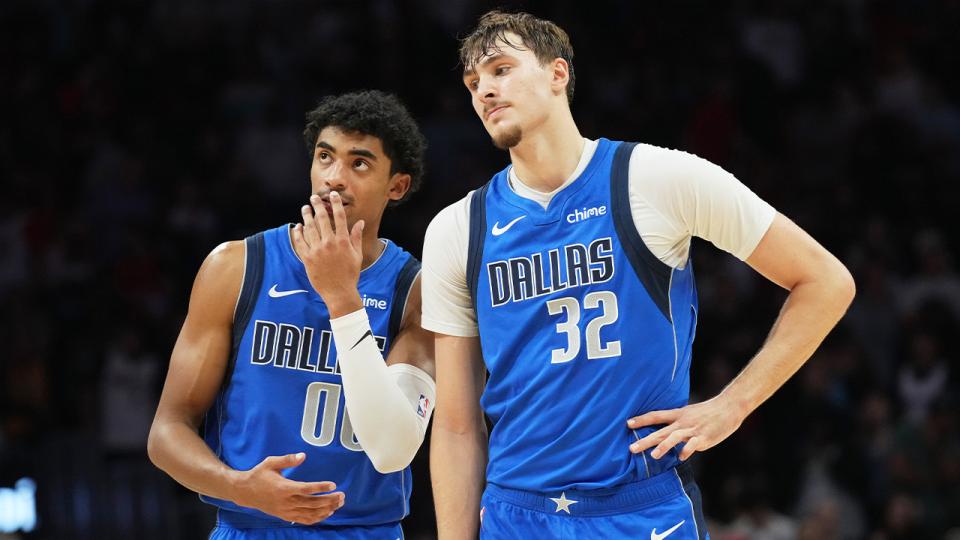
Dallas’s rebuild might just be beginning, with more trades possible depending on their commitment to overhaul the roster. Role players Max Christie, Daniel Gafford, Naji Marshall, and P.J. Washington carry cost-effective contracts and could be traded for additional picks. When the time is right, Irving might also be included, though he is the least likely to remain long-term—by the time Flagg fully matures, Irving will probably have moved on.
This trade can free up to $67 million in salary cap space for the Mavericks in 2026-27 (depending on whether Russell exercises his player option), allowing them to accumulate more picks. To create additional cap room this summer, they would need to trade more contracts but could structure deals to generate a trade exception worth over $20 million—the exact salary difference between Davis and Middleton.
Currently, the Mavericks’ priority is to improve their 2026 first-round pick’s lottery position—now seventh in the lottery based on their record. However, competition is fierce: the Bucks might tank this season, and the Grizzlies have traded core player Jaren Jackson Jr. These three teams each have 19 wins, with Dallas ranked lowest due to two more losses.
While competing for a higher pick, Dallas can also give AJ Johnson more playing time to evaluate his potential and role on the team. The 2024 first-round 23rd pick has been traded twice in two trade deadlines and has only logged 853 minutes in his NBA career. Yet, in recent games with the Wizards, he showed promise: in his last two appearances, he shot 11-for-21, scoring 31 points with 8 assists (albeit with 7 turnovers).
Wizards trade rating: C
After acquiring Trae Young and Davis within a month, what exactly is the Wizards’ current identity?
Bringing in an injured Davis actually aligns with the Wizards’ short-term goal—to aim for one of the league’s bottom four records, thus preserving their first-round pick (which would be forfeited to the Knicks if it falls outside the top eight). The Wizards currently share a 13-win record with the Pelicans, tied for fourth in the lottery, but since the Pelicans show no tanking intentions, the Wizards are likely to surpass them for a better pick.
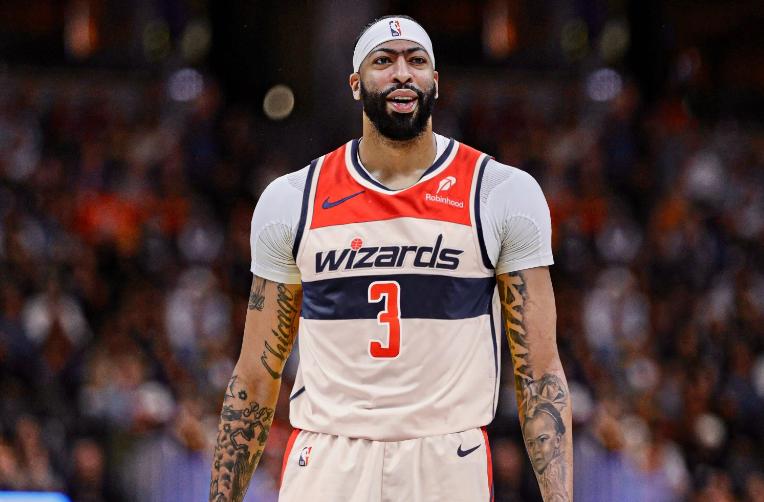
Davis is expected to miss the remainder of this season, meaning the Wizards will need to develop a new lineup for next season’s training camp. So far, the Wizards have mostly played a "one big, four small" lineup centered on center Alex Caruso. According to NBA advanced lineup data, Caruso has only spent 7.4 minutes this season playing at power forward.
However, as a rookie, Caruso did start alongside traditional center Jonas Valančiūnas in four games, totaling 138 minutes at power forward. Next season, whether Davis or Caruso officially plays center is less important than how well the two mesh on the court.
Defensively, this duo shows promising potential to cover Trae Young’s defensive weaknesses. Second-year Caruso has improved significantly in rim protection; when he is the primary defender, opponents’ shooting percentage within 5 feet of the basket ranks just outside the top ten league-wide. Davis’s stats in this area are slightly better. Notably, last season’s Mavericks were the only team with two players ranking among the league’s best in this category—their interior duo was Davis and Gafford (this stat might make Nico Harrison shed a silent tear).
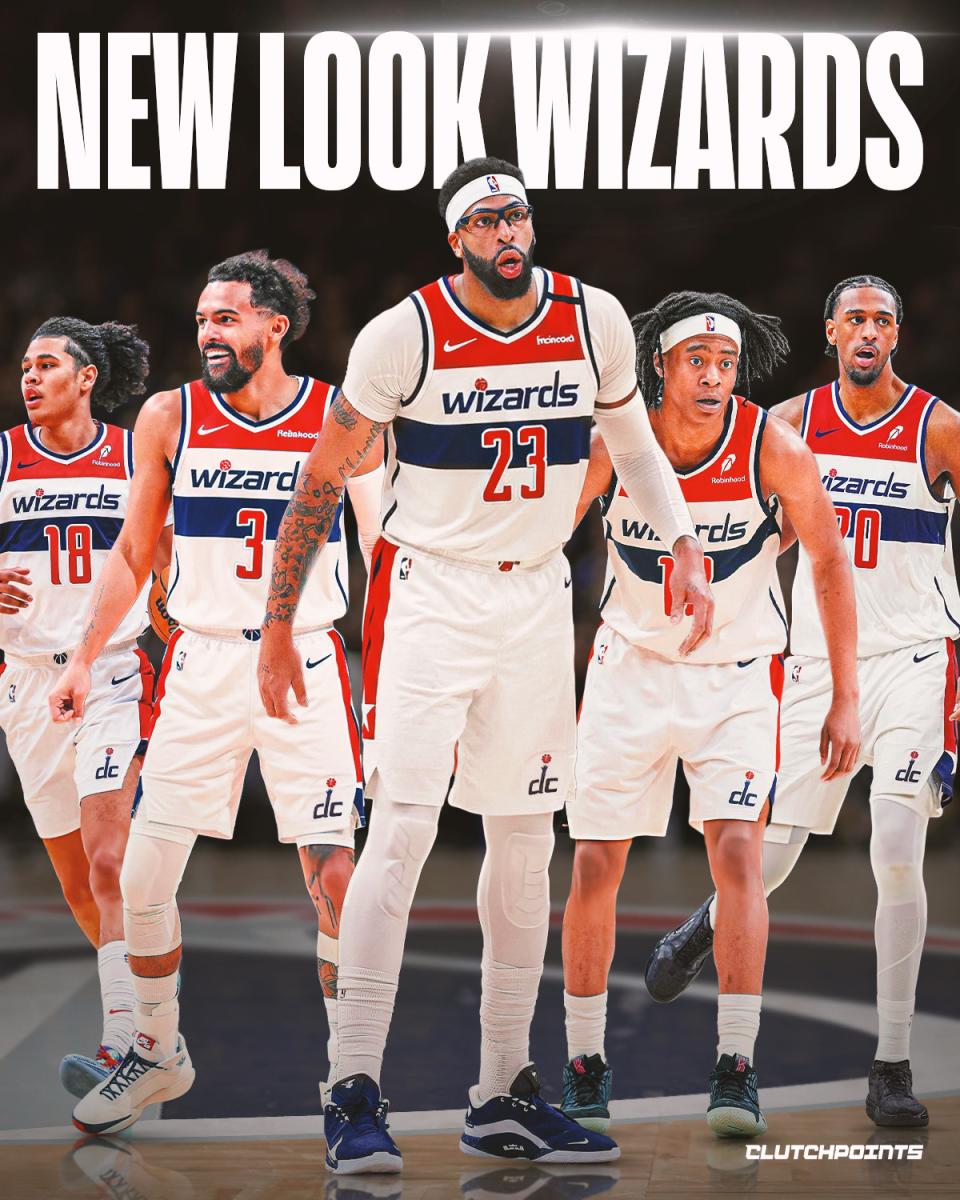
In contrast, questions remain about their offensive fit. Caruso’s rookie season featured an “outside-in” style with a 39% shooting rate; in his second year, his efficiency improved as he shifted focus closer to the basket. His average shot distance dropped from over 14 feet as a rookie to under 10 feet this year.
If Davis becomes the main pick-and-roll screener for Trae Young next season, Caruso will need to stretch the floor again. Although his three-point percentage rose from 31% to 33%, defenders clearly prefer to concede Caruso’s outside shots rather than let him attack the rim.
From a broader perspective, concerns exist that the Wizards are rushing their rebuild, like taking unbaked bread out of the oven too soon. With Davis and Young onboard, the team faces immense pressure next season, especially if both secure lucrative new contracts—Young could become a full free agent if he declines his $49 million player option this summer, while Davis will seek an early extension before his $62.8 million player option in 2027-28.
The Wizards do have promising young players: Caruso and Keion George are considered rebuilding cornerstones, and Karrington and 2025 lottery pick Trae Johnson have shown talent. Yet objectively, none of their rookies match Flagg’s potential—Caruso was the only Wizard named in ESPN’s December list of top 25 players under 25, ranked 22nd.
Perhaps the Wizards can leverage their youthful energy and depth to build a balanced starting lineup and establish themselves in the Eastern Conference. But realistically, they need a breakout star or a top-four lottery pick in 2026. Given this, I believe the Wizards should have exercised more patience after acquiring Trae Young instead of rushing into such a large trade.


Wonderfulshortvideo
Who’s the most famous person in Snoop’s phone?


"It's the shhh with a hyphen." More Slovenian lessons 😂
Jaxson Hayes really brought out the eastbay slam 😱
Short… SIKE
What a FANTASTIC FINISH by the @Phoenix Suns 🤩
This was too tough 💪 💥
Wemby drains the tough middy 🔥
 Links
Links
 Contact
Address:UNIT 1804 SOUTH BANK TOWER, 55 UPPER GROUND,LONDON ENGLAND SE1 9E
Number:+85259695367
E-mali:[email protected]
 App
App


