



The most impressive move of the year! Can the Timberwolves really play like this?



Veteran Mike Conley is making a comeback to the Timberwolves.
Here is the prior trade:
The Wolves traded Conley to the Bulls and sent the 2026 protected first-round pick swap rights to the Pistons.
The Bulls acquired Conley along with Pistons guard Jaden Ivey.
The Pistons received Bulls shooters Huerter, Saric, and the Timberwolves' first-round pick swap rights.
The Timberwolves only gained cash compensation from this transaction.
Minnesota not only made money but also lowered their luxury tax from $24 million to $3.8 million.
At that time, they even submitted an offer to the Bucks for Giannis, which added flexibility to their moves.
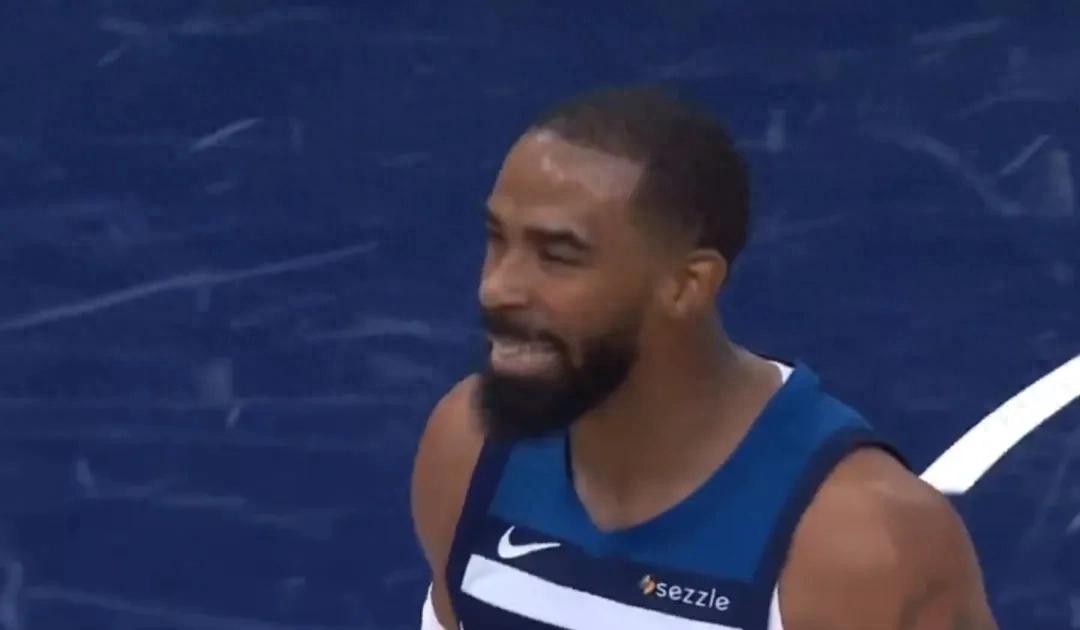
Within 24 hours after the trade, the Bulls immediately sent Conley to the Hornets, who then officially waived him.
In less than 72 hours, Conley changed teams twice and was waived.
Naturally, he then appeared on the free agent market.
The Timberwolves chose to sign him back for the minimum salary.
At this point, it’s necessary to explain a small NBA rule: if a player is traded and then waived by the new team, he cannot directly sign back with his original team during that season.
In other words, if the Bulls had waived Conley directly, the Timberwolves would not have been allowed to sign him.
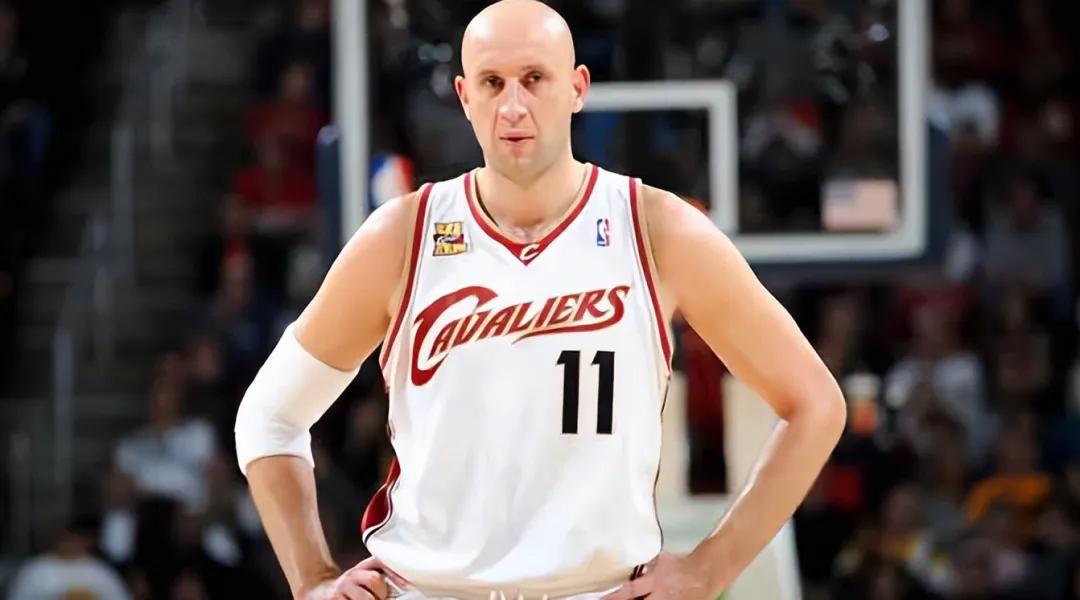
This brings us to the so-called "Big Z Rule":
In the 2009-10 season, the Cavaliers traded their key center Ilgauskas to the Wizards to strengthen their roster.
The Wizards then reached a buyout agreement with Big Z.
A month later, Big Z re-signed with the Cavaliers as a free agent.
According to American media reports at the time, Ilgauskas only went to Washington for a physical, stayed a few hours, and then returned to his home in Cleveland.
This move caused dissatisfaction among other teams, who felt Cleveland was exploiting a loophole in the rules.
To prevent such situations from happening again, the NBA, building on the Gary Payton rule (which requires players to wait 30 days after a trade before signing with their original team), further amended and strengthened the regulations.
The "Big Z Rule" extended the restriction period to the entire season, closing the loophole that allowed players to quickly return to their original team through trade and buyout.
However, where there is a rule, there is always a way around it.
Timberwolves GM Connelly is certainly well-versed in league regulations.
Regarding Conley’s maneuver, neither of the NBA’s two key rules applies...
Conley probably didn’t even have to pack up, as this was a pre-arranged plan.
After this incident, it’s unclear if the league will impose a blanket rule: once traded during a season, no matter how many times, a player cannot re-sign with the original team.
If such a rule is introduced, it might be called the "Conley Rule."
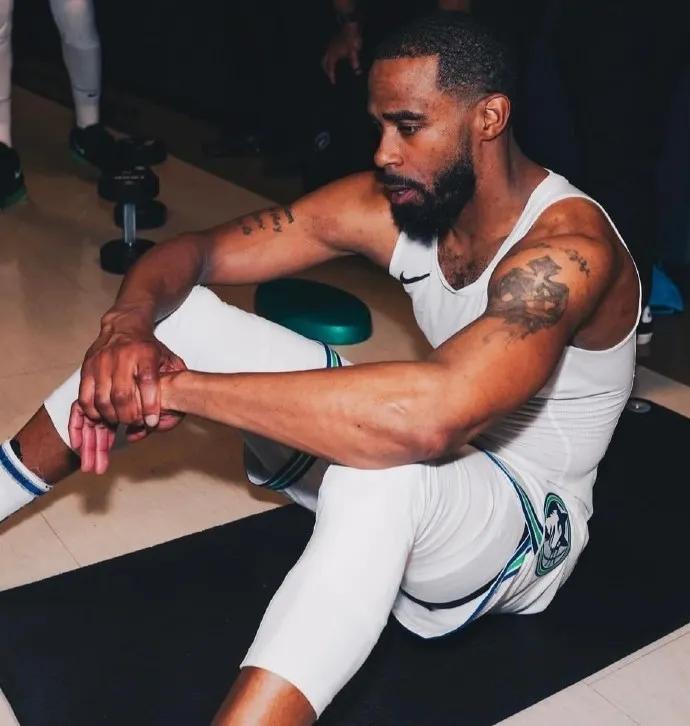
But this is just a flashy move and likely won’t cause much uproar, mainly because Conley is no longer a top player.
This season, he averages 18.4 minutes, 4.4 points, 1.8 rebounds, and 2.9 assists per game, shooting 32.2% overall and 32.1% from three-point range, gradually becoming marginalized.
The former Conley, who once earned over a hundred million, now mostly contributes in the locker room.
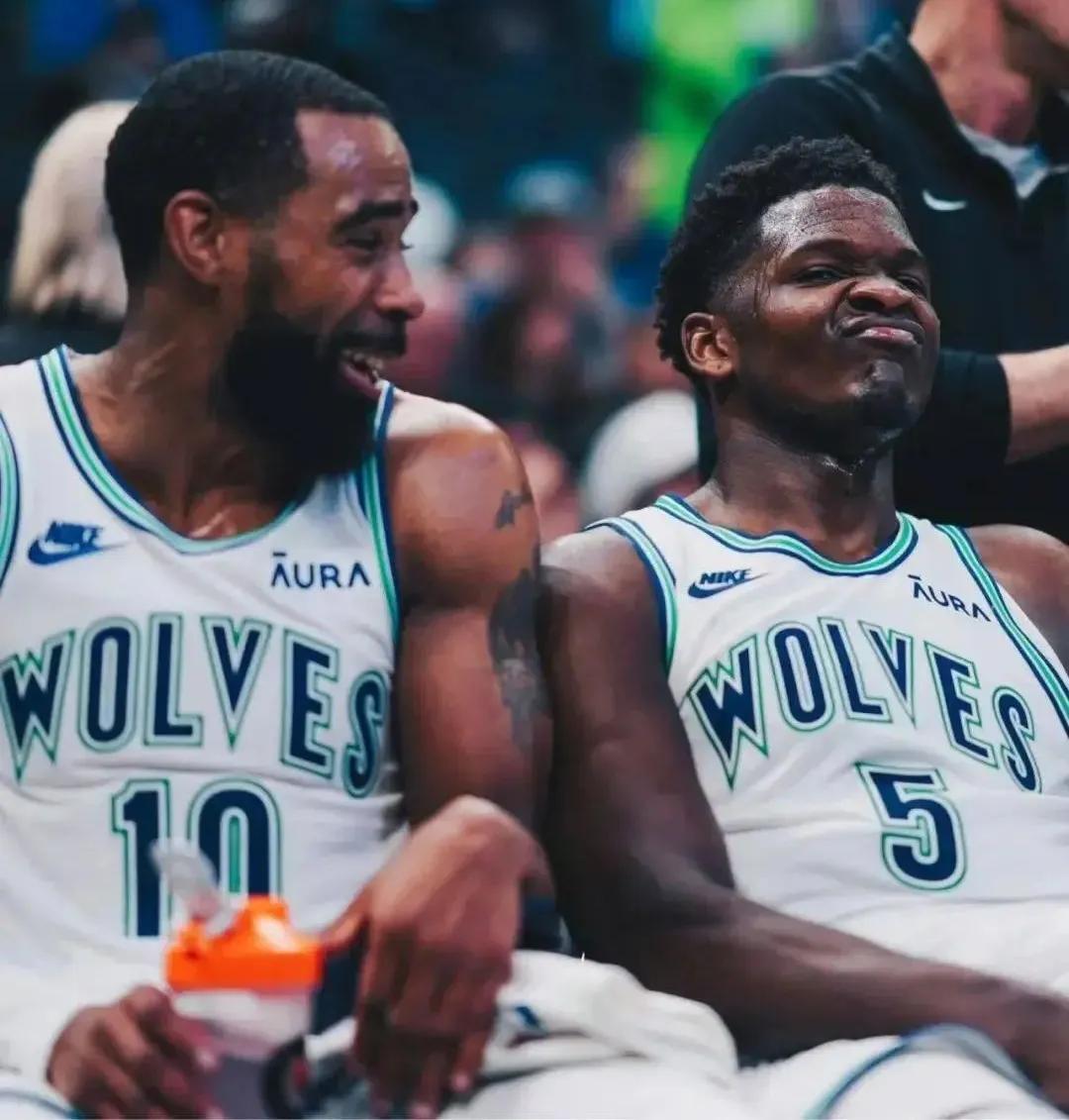
He’s known as a great teammate who mentors Edwards, so signing him back for the minimum salary is a smart move for the Timberwolves.
Just to add, Conley was drafted in the same class as Yi Jianlian.
For a guard to still be playing through 2026, that’s already quite an achievement...


Wonderfulshortvideo
LaMelo knocks down the tough one-legged three 😮💨


This game was cinema 🙌
Who’s the most famous person in Snoop’s phone?
"It's the shhh with a hyphen." More Slovenian lessons 😂
This sequence was INSANE 🤯
Jaxson Hayes really brought out the eastbay slam 😱
What a FANTASTIC FINISH by the @warriors 🤩
 Links
Links
 Contact
Address:UNIT 1804 SOUTH BANK TOWER, 55 UPPER GROUND,LONDON ENGLAND SE1 9E
Number:+85259695367
E-mali:[email protected]
 App
App


