



The rule of making the All-Star team after switching teams continues.



When Curry was sidelined for the All-Star game due to injury and the league had to pick a substitute, Harden’s name was the most prominent. Still, today the league revealed that Ingram grabbed the final All-Star spot.
Truthfully, both Harden and Ingram could have been reasonable picks, but after Harden’s team switch and considering his prior performance with the Clippers, Ingram, who ranks fifth in the Eastern Conference, was selected.
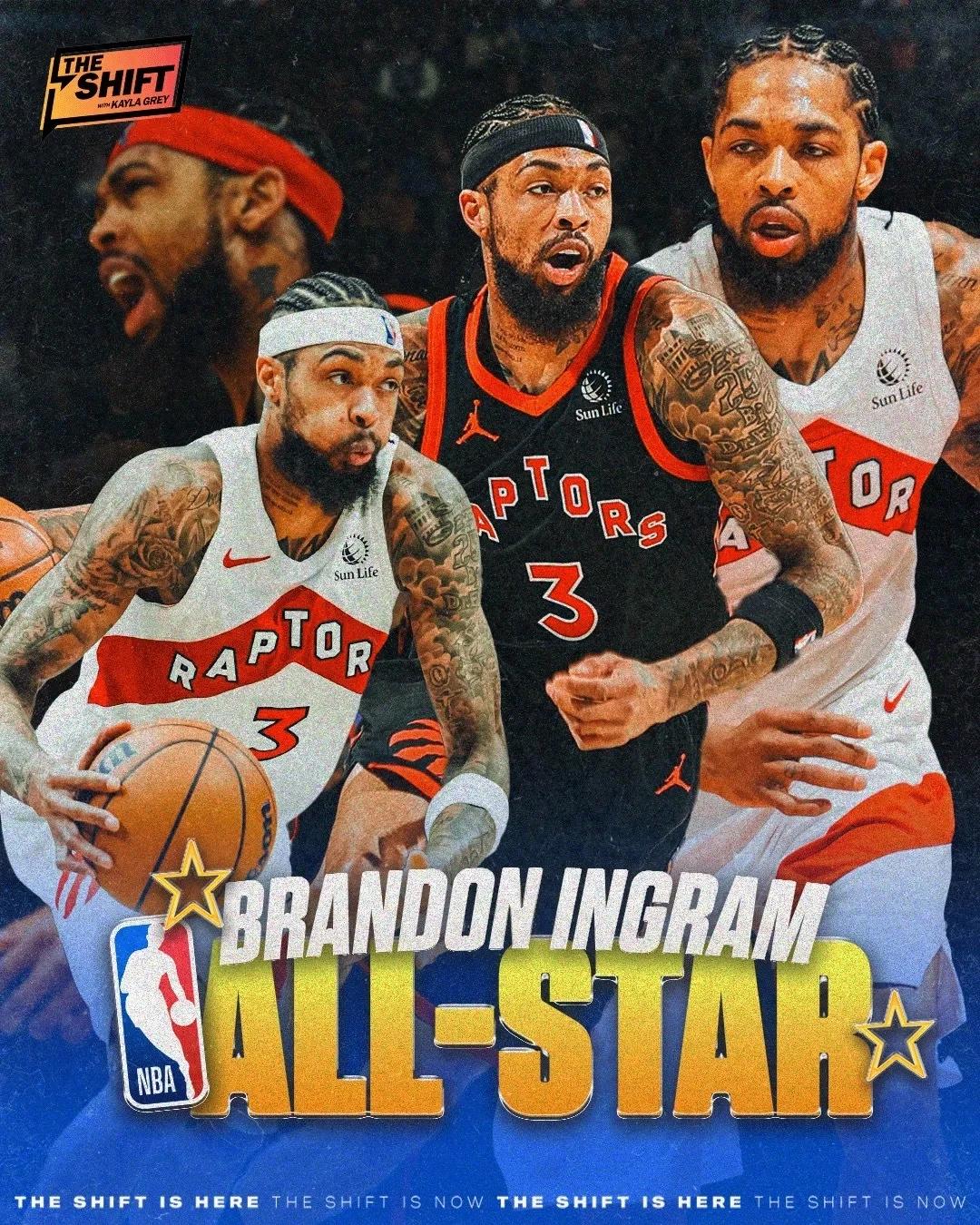
This marks Ingram’s first All-Star appearance in six years; the last time was in 2020. That season, Ingram had also just changed teams, moving from the Lakers to the Pelicans. He performed impressively, not only making the All-Star team but also earning the Most Improved Player award.
Whether fans of Ingram himself or casual observers, everyone hoped to see a story of Ingram rising after leaving the Lakers. Unfortunately, that Pelicans team was ultimately hampered by injuries. After spending five and a half seasons there, Ingram was traded to the Raptors last season.
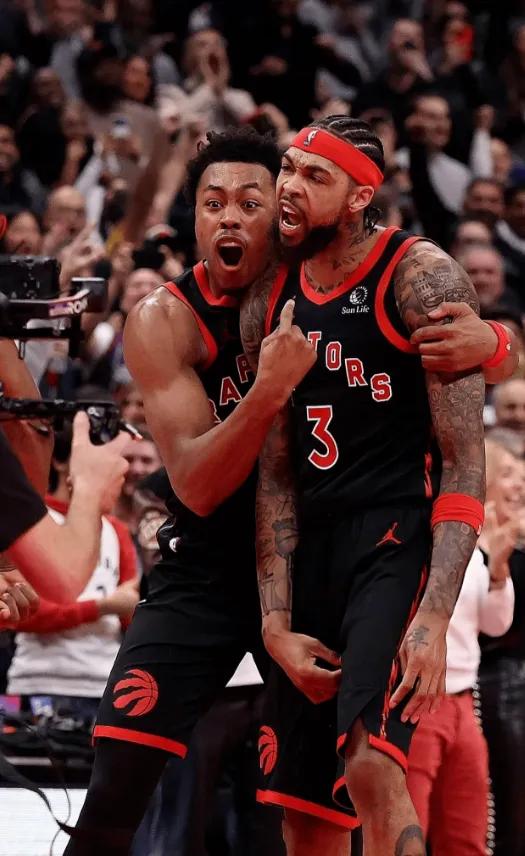
However, Ingram missed the entire last season due to injury and did not play a single game for the Raptors. Therefore, this season is technically Ingram’s first active year with Toronto, and once again, he continues the trend of making the All-Star team after switching teams. This also highlights how much Ingram has boosted his new team.
For the Raptors’ All-Star selection this season, either Ingram or Barnes could have been chosen, and it would have been unfortunate for whoever missed out. Ingram leads the team in scoring, while Barnes serves as the team’s glue, a core presence on both offense and defense, and is considered the nominal leader of the Raptors. Ultimately, Barnes was selected first, and right after his All-Star nod, he spoke up for Ingram:
“Look at the changes in our team from last year to this year. His contribution to our success has been decisive. So, it’s absolutely ridiculous that he wasn’t included in the selection list.”
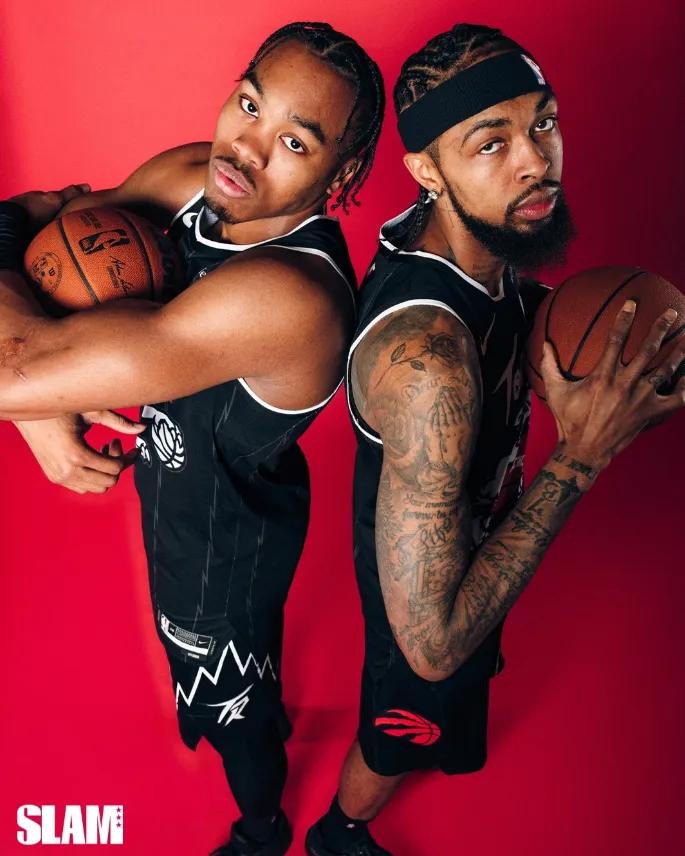
Last season, the Raptors finished with a 30-52 record, ranking eleventh in the East. This season, after just 22 games, they have already won 15, reaching half of last season’s total wins. Currently, the Raptors stand at 32-22, fifth in the East, surpassing last season’s win total.
Ingram has played 52 of 54 games, averaging 22 points, 5.8 rebounds, and 3.7 assists per game. His shooting percentages remain steady at around 47% from the field and 36% from three-point range, consistent with his career averages.
From New Orleans to Toronto, from the U.S. to Canada, Ingram has quickly adapted to his new environment. Previously, under Barnes’ leadership, the Raptors were a defense-and-transition-focused team lacking sufficient half-court offensive options, which Ingram’s arrival has thoroughly addressed.
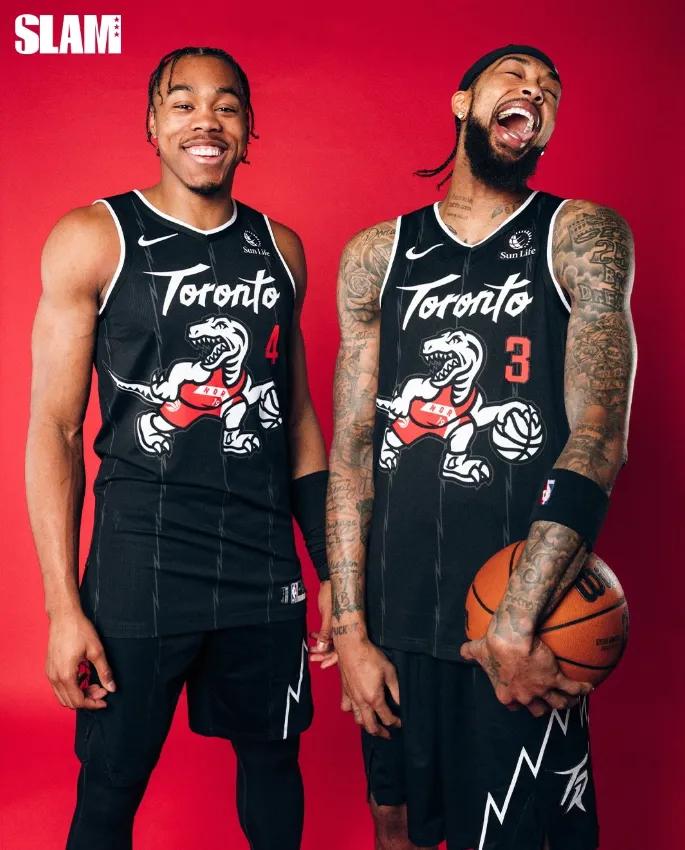
This season, the Raptors still lead the league in fast-break points and rank sixth in defensive efficiency. Ingram’s clutch performances have been a key reason for the Raptors’ improved record this season.
In an era where everyone is obsessed with three-point shooting, Ingram’s mid-range game stands out as his unique trademark. Growing up watching Kobe, McGrady, and Iverson, mid-range shots have always been Ingram’s favorite scoring method while honing his basketball skills.
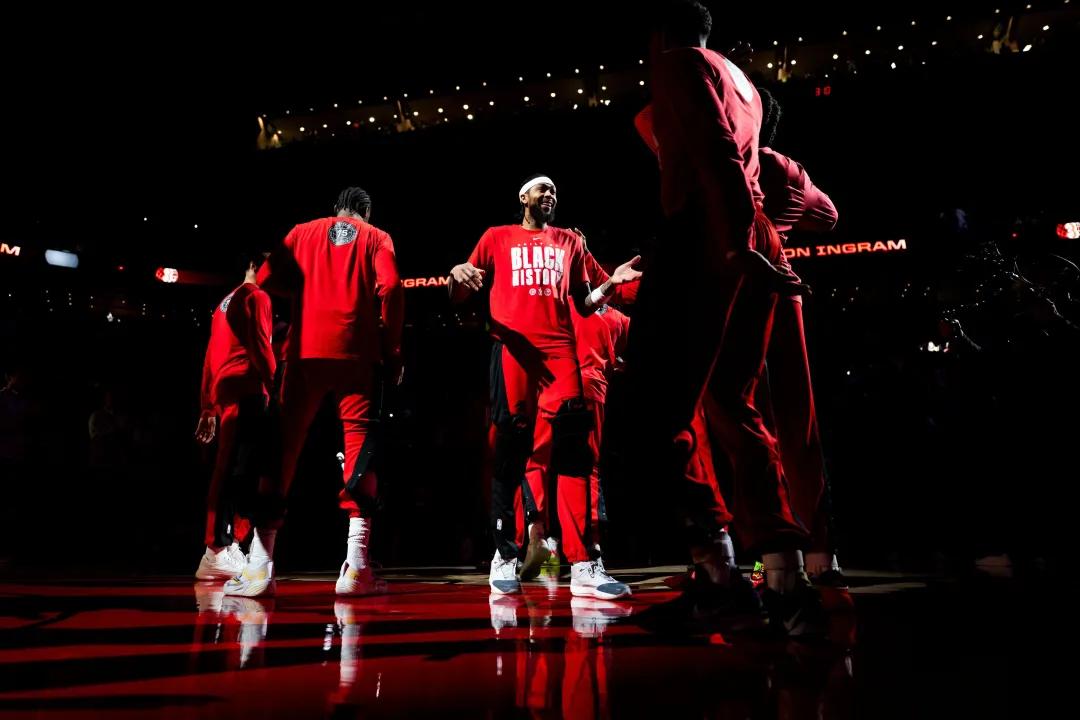
Because in today’s game, defenses focus heavily on the three-point line and the paint, mid-range areas have become somewhat neglected. Ingram’s height and wingspan allow him to shoot over most defenders, so he has never lost this mid-range shooting skill.
Ingram has a tattoo that reads, “The fear of pain is worse than the pain itself.” This phrase has been his long-standing motivation. When facing being traded by the Lakers, frequent injuries, and an uncertain future, this saying helps Ingram calmly accept whatever comes, good or bad, fully embracing all outcomes.
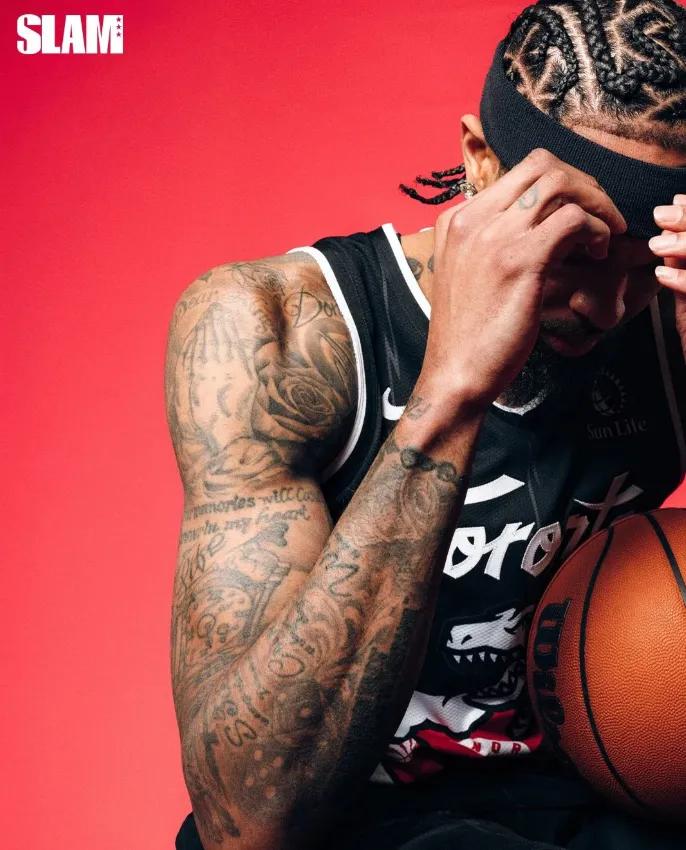
Ingram entered the league very young; this year marks his tenth NBA season, yet he only turned 29 last September. He has experienced early fame, a decline, and now has returned to peak form this year.
Life isn’t always good nor always bad; it’s a one-way path with no turning back. Only by moving forward can one reach distant destinations.


Wonderfulshortvideo
LaMelo knocks down the tough one-legged three 😮💨


This game was cinema 🙌
Who’s the most famous person in Snoop’s phone?
"It's the shhh with a hyphen." More Slovenian lessons 😂
This sequence was INSANE 🤯
Jaxson Hayes really brought out the eastbay slam 😱
What a FANTASTIC FINISH by the @warriors 🤩
 Links
Links
 Contact
Address:UNIT 1804 SOUTH BANK TOWER, 55 UPPER GROUND,LONDON ENGLAND SE1 9E
Number:+85259695367
E-mali:[email protected]
 App
App


