



Yang Liwei, she really speaks her mind.



The Chinese women's basketball team has successfully secured their ticket to this year's World Cup.
The journey was bumpy and may not have satisfied fans, but the outcome was ultimately positive.
Today, let's take this opportunity to discuss a long-standing topic:
Should the national team undergo prolonged training camps?
Many might not know that this Chinese women's basketball team began its training and selection process in January. What happens when the WCBA league is still ongoing?
Players are called up, and a policy you might not have seen before is implemented:
If a player is recruited by the national team during the league period, during that time, the foreign player participation quota for that club adjusts to "3 players, 4 quarters, 8 appearances (maximum 2 per quarter and each decisive period)," applicable only in the regular season.
In the playoff stage, no special policy for foreign player participation is set; all revert to 3 players (maximum) 4 quarters 7 appearances (maximum 2 per quarter in the first three quarters, maximum 1 in the fourth quarter and decisive periods).
This is a compensation mechanism for clubs that provide national team players.
So, is prolonged training camp beneficial?
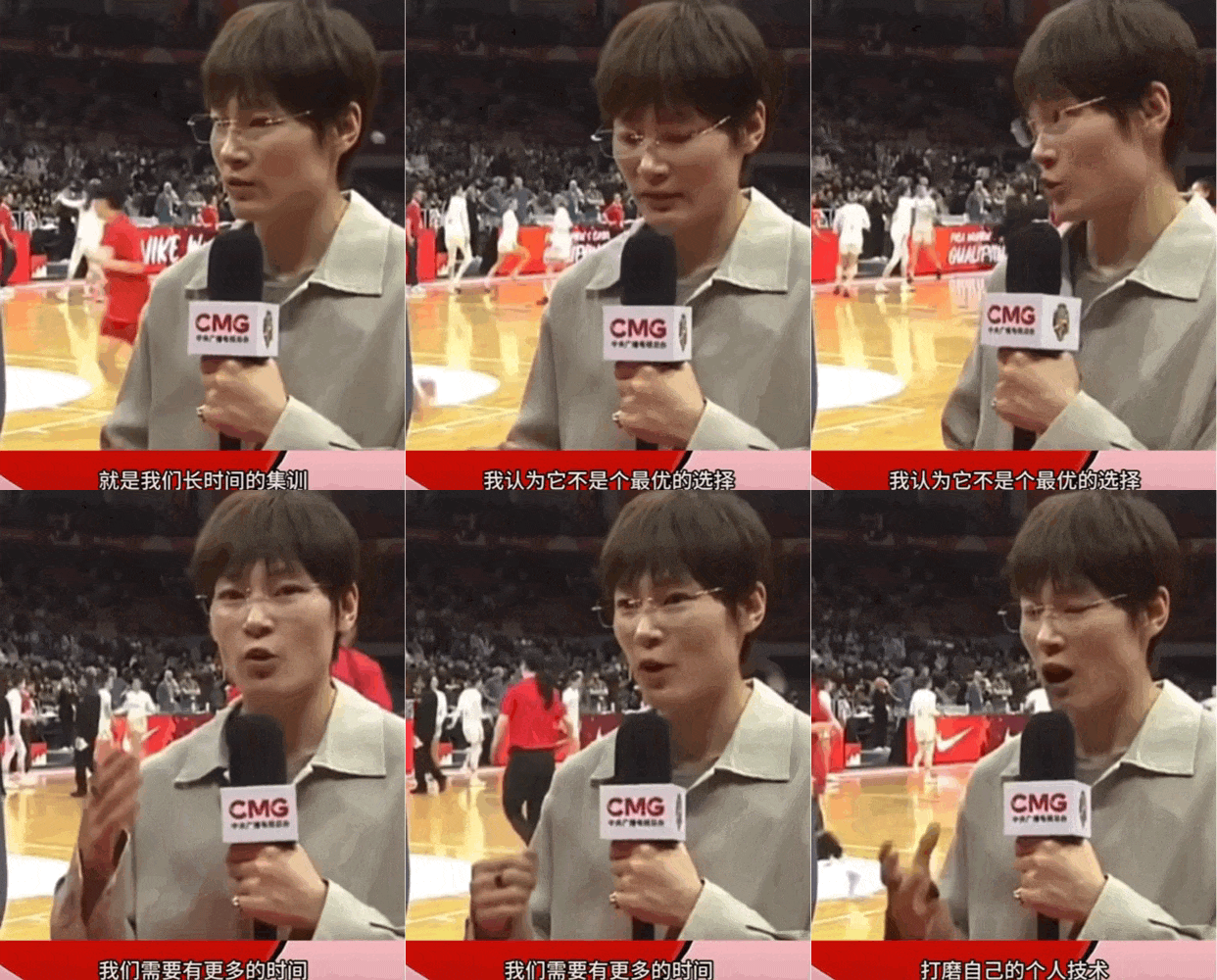
Yang Liwei, in front of CCTV's cameras last night, made an exceptionally brave statement:
“I believe our prolonged training camps are not the optimal choice. We need to work together to build synergy, but we also need to return to our lives. We need more time to refine our individual skills, then focus on team integration, and test our training through high-level competitions. Such a process is healthy, rather than keeping us continuously in a closed, isolated state. I think staying in one state for too long diminishes proactive initiative and lacks a sense of hunger.”
Some argue: without training camps, there's insufficient默契 and discipline, leading to disarray on the international stage.
Others say: long-term封闭 training makes players increasingly tired and prone to injuries, draining both the league and the national team.
Let's share personal views.
First, why we一直 rely on long training camps—there must be a rationale.
The league's level is inadequate, which is the core reason.
WCBA is the world's largest league, but its intensity, pace, and对抗 lag behind top-tier standards.
Many players perform well in their clubs but struggle with intensity,战术 comprehension, and positioning on the international stage.
At this point,集中封闭, unifying mindset, strengthening defense, and refining coordinationcan mold a team together.
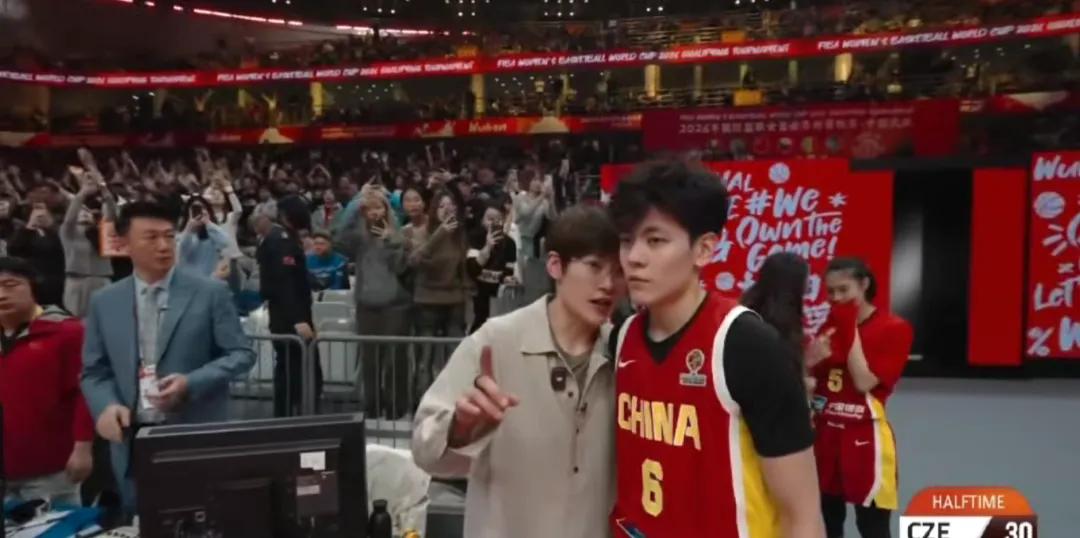
In 2022, when the women's basketball team won the world亚军, at that特殊 time, the benefits of集中 training were indeed observed.
However...
We don't need a national team that is "the hardest-trained" or "with the longest training camp."
Rather, we need one thatplays the smartest, healthiest, and most战斗力national team.
The most baffling point is that after the Chinese men's basketball team lost two games to Korea, some still attributed the原因 to insufficient training camp time and默契.
The Korean men's basketball team only集中 for a week...
Does Yang Liwei's point hold merit? Absolutely!
She has experienced it firsthand.
Players are already physically fatigued, then无缝 transition into national team封闭 training, severely压缩 recovery time.
Accumulated fatigue最容易 leads to injuries, performance decline, and mental exhaustion.
Players aren't machines; long-term封闭, repetitive training, and高压 environments反而 dull game sense, reduce creativity, and result in stiff, unconfident play.
Take an example: in school days, you'd find that those who excel in高考 aren't necessarily those who skip午休 or even study with flashlight at night...
An individual's精力 is limited.
Training for over two months during the league season is indeed...
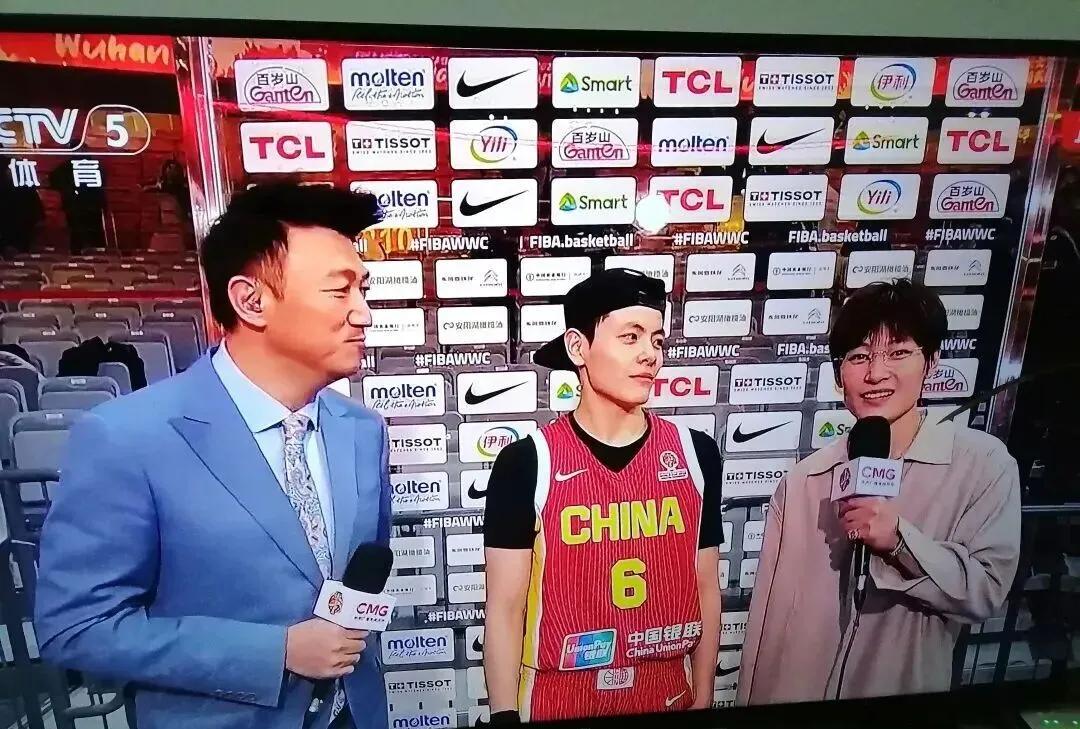
I can understand Yang Liwei's mention of "hunger," and admire her courage in expressing it.
But one issue needs直面: the intrinsic drive of Chinese players.
Yao Ming, in that interview, already articulated it clearly.
For instance, how many players can, like贺希宁, go to the U.S. during the offseason to train on skills?
To put it bluntly, even if he didn't go, it wouldn't hinder his role as a core player in the深圳队.
The women's basketball situation is similar; league竞争 is inherently weaker,待遇不如男篮, would they spend their own money主动 to train skills?自律,上进 individuals like Yang Liwei are perhaps rare.
Thus, debates on this topic may很难 yield a definitive answer.
Here, the criterion for correctness is单一: major tournament results... If this year's World Cup performance is good,舆论恨不得 advocates half-year training camps.
But can a神奇再现 like 2022 happen again?
With the current personnel配置, I am pessimistic.
If the women's basketball team had seven high-level overseas players, then prolonged training camps wouldn't be needed; they could return just a week before the tournament.
The men's basketball team, likewise.
All debates绕来绕去, the root is singular:There are too few talents.
The talent断层 in Chinese women's basketball appears even more distressing than in the men's team.


Wonderfulshortvideo
@Keegan-Michael Key mic’d up during the @RUFFLES Celeb Game 😂 😂 😂


Players and coaches were honored to have President Barack Obama in the building for the 2026 NBA All-Star Game
Listen as the crowd roars at the sight of Tatum’s first run out this season! 🤩
Replying to @NBA Giannis was loving the Intuit Dome popcorn too 😭
Watch as SGA drills the game-winning three 🙂↕️
Tatum gets the putback ➡️ three as his first and second buckets back since returning 🔥 🔥 🔥
AND with .6 to spare 🔥
 Links
Links
 Contact
Address:UNIT 1804 SOUTH BANK TOWER, 55 UPPER GROUND,LONDON ENGLAND SE1 9E
Number:+85259695367
E-mali:[email protected]
 App
App


