



Detailed breakdown of 4 major Cavaliers issues: Will Harden, Mitchell, and the head coach stay? Extremely high obstacles for LeBron to return?



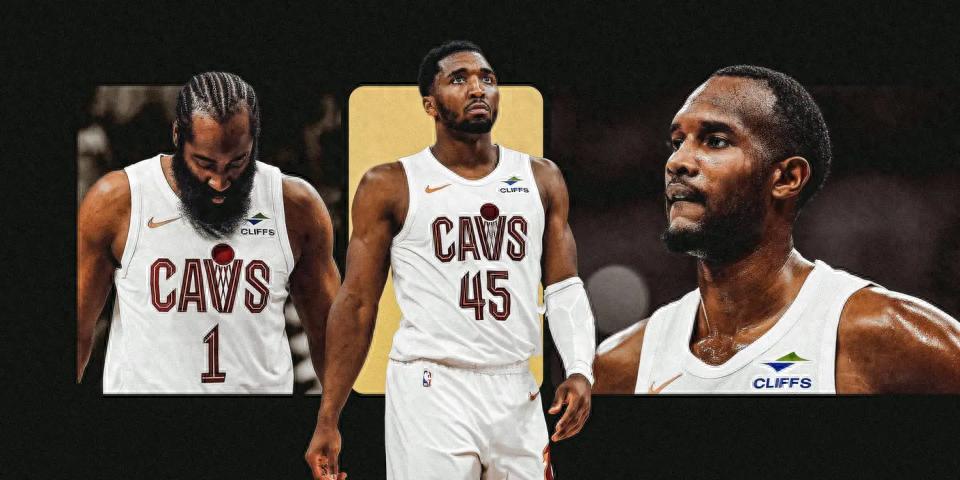
On May 26th Beijing time, the Cavaliers were swept 4-0 by the Knicks, exiting the Eastern Conference Finals. The well-known American media outlet The Athletic (TA) analyzed the Cavaliers' offseason in detail, focusing on four key issues they will face—
First, Mitchell’s contract extension issue
Mitchell has a strong fondness for the city of Cleveland and has stated this repeatedly in public. After the loss on Monday, he again admitted: “I love it here, there’s nothing else to say.” As early as this April, he told TA that when he signed a major contract with the Cavaliers, it was because the organization treats its players well.
This sentiment has never changed. Now that Mitchell has another opportunity for an early extension, the Cavaliers are willing to offer him a lucrative deal.
Based on current salary cap projections, starting July 8, Mitchell can sign a four-year, $277 million early extension. If he takes this deal, he would need to decline his player option for the 2027-28 season, with the new contract running through the 2030-31 season, at which point he will turn 34.
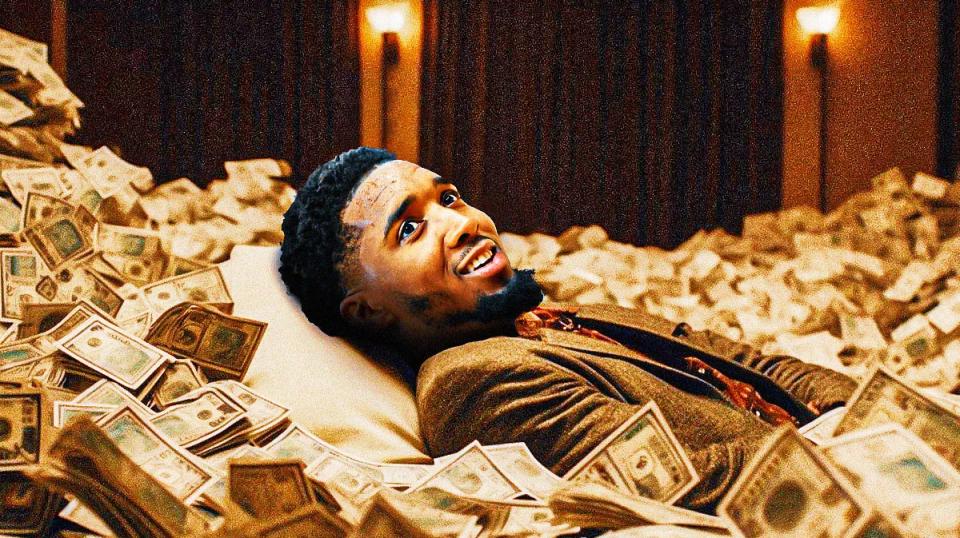
However, a variable exists: Next season will be Mitchell’s 10th NBA season. According to league rules, if he waits until after next season to sign, the Cavaliers could offer him a five-year contract worth roughly $352 million, with a 35% max salary cap percentage.
Both sides must weigh carefully: Is the Cavaliers management willing to take the risk of letting Mitchell become an unrestricted free agent next summer? And is the soon-to-be 30-year-old Mitchell willing to gamble a year of his career for a larger contract?
The two most pointed questions are: Does the Cavaliers front office believe they can win a championship with Mitchell? And does Mitchell himself think he can fulfill his championship dream in Cleveland?
These are mutual goals. But over the four years of their partnership, despite many bright moments, they have never truly been in contention for a title.
Second, Atkinson’s coaching job security
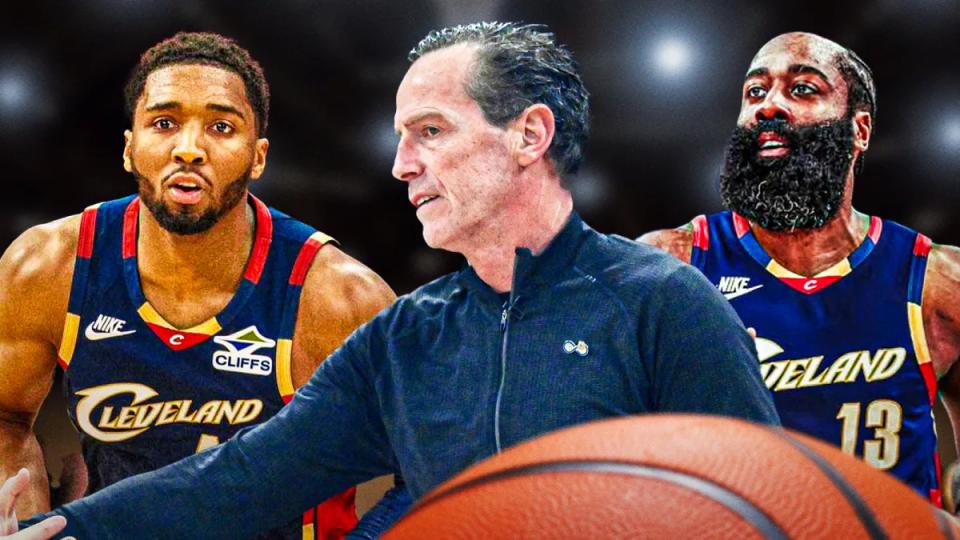
Atkinson has three years left on his current contract. In his first season coaching the Cavaliers, he led the team to 64 wins and was named Coach of the Year. This season, he guided the team to its best playoff run since LeBron James left, ranking second in franchise history for that period.
According to sources, Atkinson has a good relationship with Mitchell and Harden. Harden was reportedly persuaded by Atkinson to accept the trade to Cleveland.
In their first season together, Mobley made significant progress under Atkinson, earning an All-Star selection and winning Defensive Player of the Year. However, Mobley’s performance in the regular season this year declined: he won no individual honors, and when Atkinson assigned him more playmaking responsibilities, his offensive output struggled. Mobley’s stalled development was one of the reasons former head coach Bickerstaff was dismissed.
Atkinson’s playoff coaching this year also drew heavy criticism: the team repeatedly collapsed in the fourth quarter—the first game of the Eastern Conference Finals being a prime example—and his timeout usage was conservative while his rotations were questionable. The team’s struggles in the first two playoff rounds also set the stage for the conference finals collapse.
After the Cavaliers lost three straight games to the Knicks, Atkinson made a controversial statement: “From a data model perspective, we actually won two out of three games.” This comment clearly failed to convince anyone.
Furthermore, according to league sources, there was friction between the coaching staff and management from the moment the Cavaliers hired him: many team executives originally favored hiring Borrego, but it was owner Gilbert who ultimately decided on Atkinson. When the team struggled early in the season, management was quietly evaluating his coaching ability behind the scenes.
After the Harden trade was completed, internal tensions temporarily eased, and Gilbert publicly supported Atkinson during the second-round playoffs. But now, after a crushing defeat in the conference finals, Atkinson has become one of the primary scapegoats.
When asked whether his job was safe, Atkinson responded: “First of all, I have confidence in myself, and I trust the entire team.” He added: “As a coach and as players, we’ve come this far together, and I’m proud of what everyone accomplished this season.”
If Gilbert decides to look for another responsible party, the team’s president of basketball operations, Koby Altman, will also face scrutiny. It was Altman who assembled the league’s most expensive roster, investing heavily in Mitchell, Mobley, and Harden.
Altman, 43, has been the only executive under Gilbert to receive multiple contract extensions since taking over roster operations in 2017, and he was extended again last summer. But if the owner believes the team’s issues go beyond the coach, the spotlight will turn to the players or the management that built this roster.
Third, Harden is essentially staying with the team
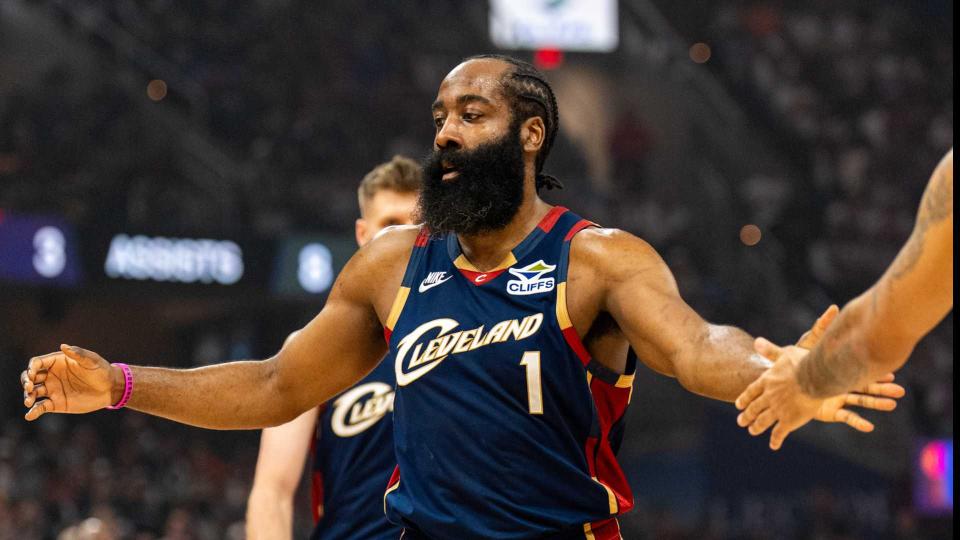
Harden will turn 37 on August 26, and he is likely to sign a new two-year contract with the Cavaliers around that time.
Harden’s current contract includes a $42.3 million player option for next season, but only $13.3 million of that is guaranteed as of July 12. Per league rules, if Harden exercises his option before June 30, the Cavaliers could waive him by July 12 and owe only that $13.3 million.
However, that scenario is highly unlikely. When Harden agreed to the trade to Cleveland, he was confident the team would offer him a new contract. The Cavaliers value their reputation highly, and Harden is well-liked and respected around the league. Even though he is older, mistreating him could hurt the team’s future ability to attract free agents.
Therefore, the most logical outcome is: Harden declines his player option and signs a two-year deal with the Cavaliers (due to the "Over-38" rule, he can only sign a maximum of three years, but not longer). The annual salary on the new contract will be lower than the original $42.3 million, but Harden is satisfied with that, and he also wants to have a full season of integration with the team.
In an interview today, Harden stated clearly: “I am 100% willing to stay, and I believe I will continue to wear a Cavaliers jersey next season. I think we are heading in the right direction. This season’s ending was disappointing, but this team gives me hope.”
Fourth, how much resistance is there for LeBron James to return to Cleveland?
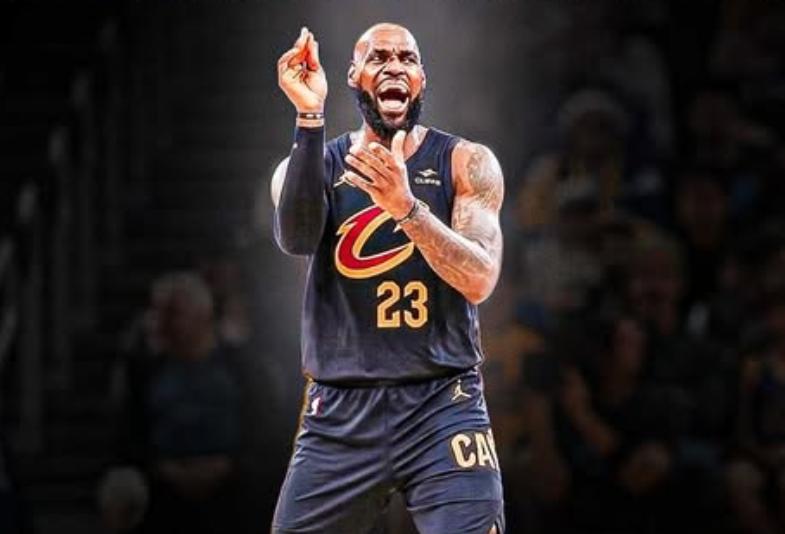
Many fans hope LeBron James will return to the Cavaliers. In theory, it’s not entirely impossible, but the practical obstacles are enormous.
Based on 2026-27 salary cap projections: the salary cap is $165 million, the luxury tax threshold is $201 million, the first apron is $209 million, and the second apron is $222 million.
Excluding Harden’s $42.3 million player option and Craig Porter Jr.’s $2.4 million non-guaranteed team option, the Cavaliers’ current guaranteed salary already stands at $177.1 million.
If Harden exercises his option, the team retains Porter, and they account for the 29th pick’s salary, the total team payroll would reach $224.8 million, exceeding the second apron by nearly $5 million. At that point, the team would have 12 players on the roster, and any further additions would have to be on minimum contracts.
Free agents Dean Wade and Ellis on the team are certain to command offers well above the minimum on the open market. If the Cavaliers want to keep them with high salaries, the total payroll would skyrocket even more, plunging them deep into salary cap hell.


Wonderfulshortvideo
Shaq is too funny 😭


The stare-down too 👀😮💨 He got UP🔥
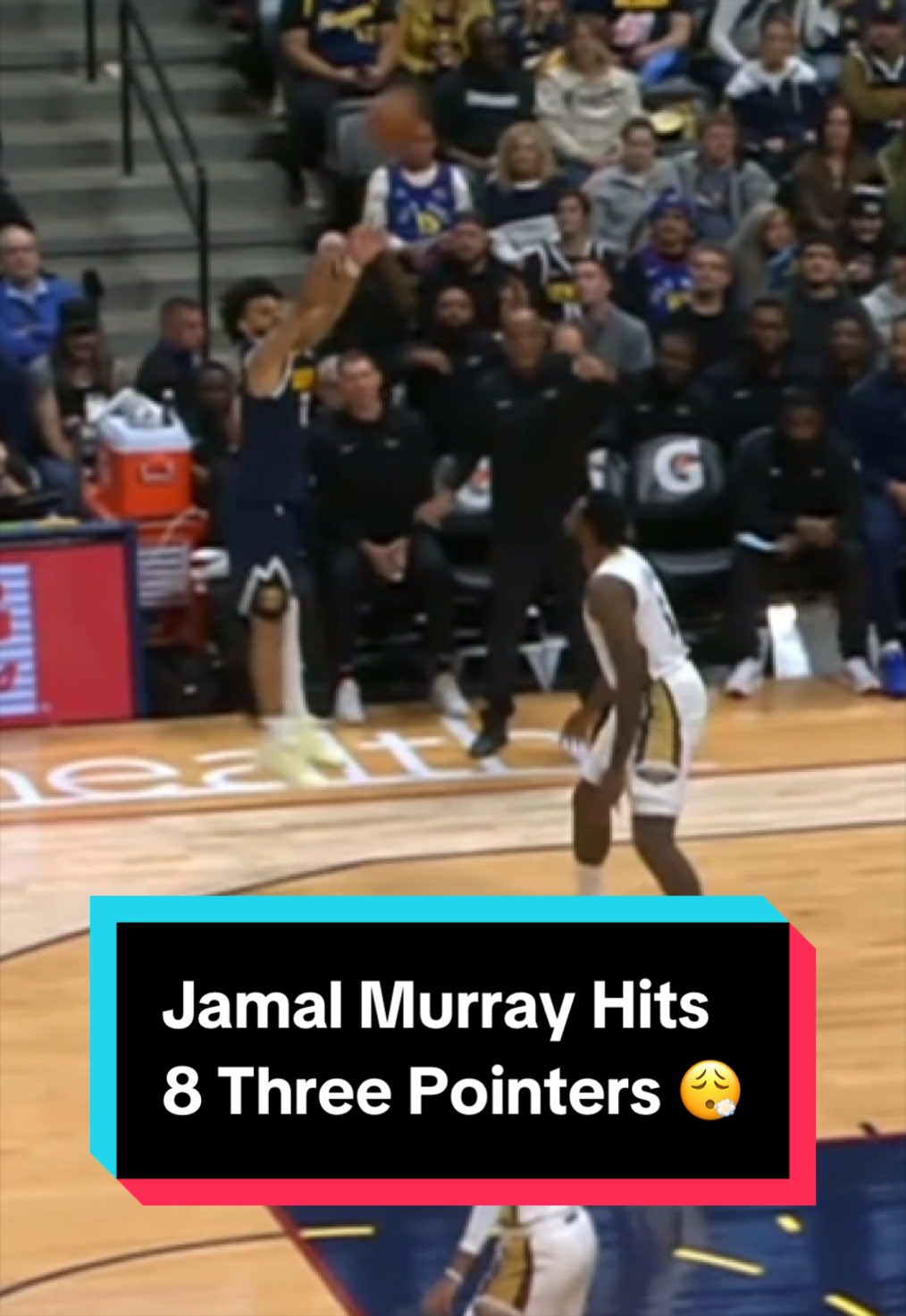
Jamal Murray went CRAZY putting up 42 points in the @Denver Nuggets overtime win! 🔥🙌

Jokić went off tonight 👀🔥
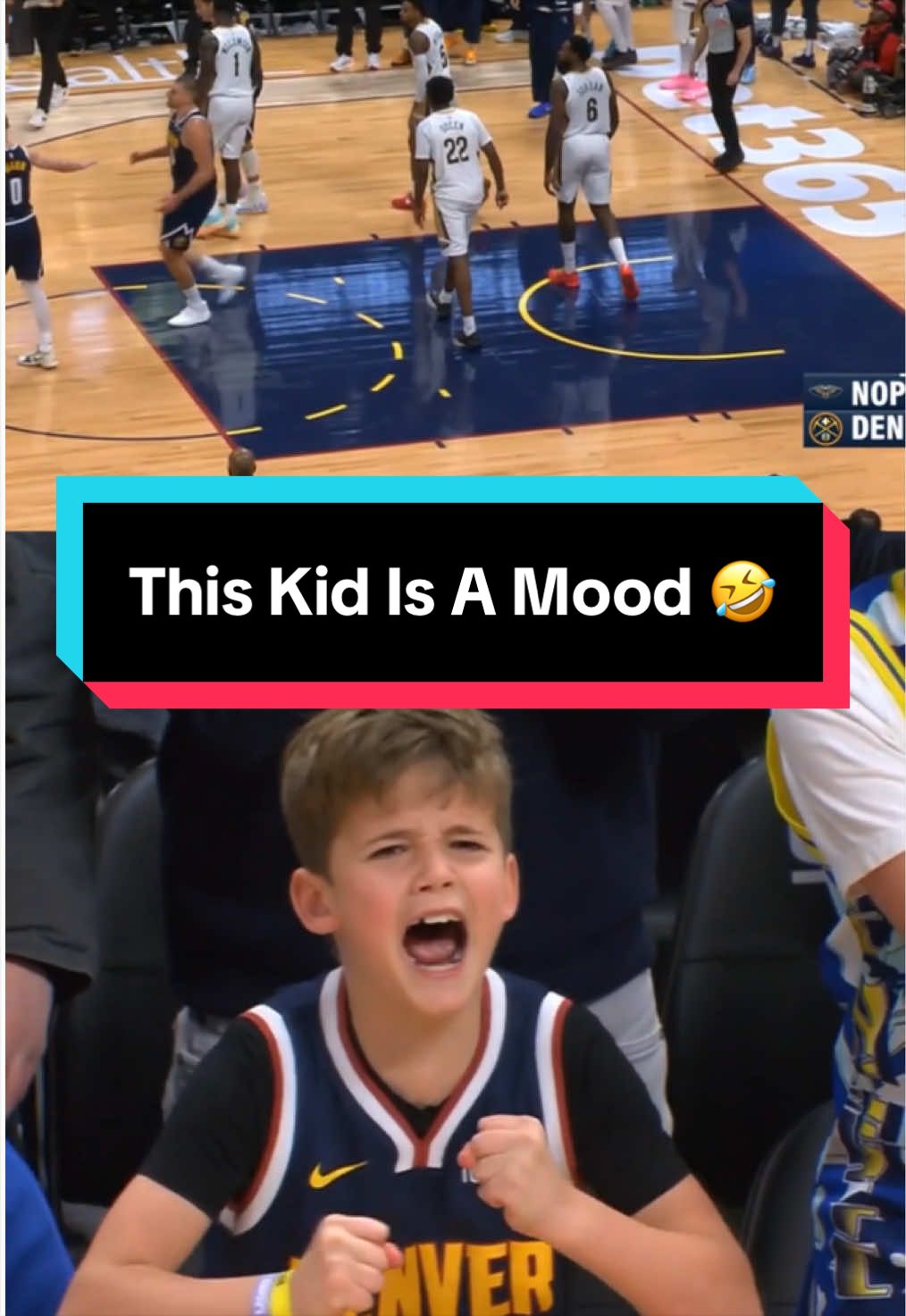
He was going through all the emotions 😭
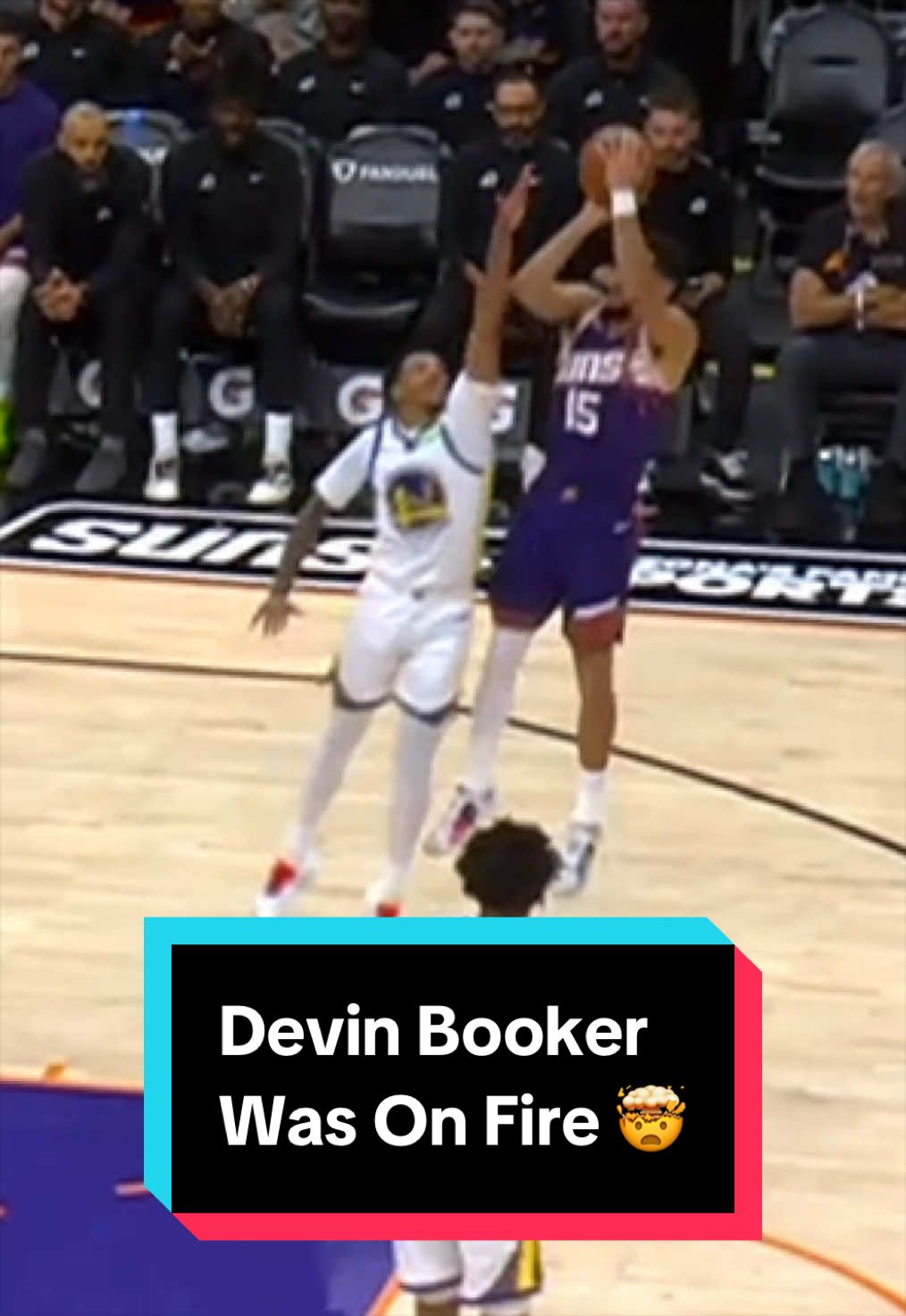
Devin Booker was AUTOMATIC from the floor 🎯🙌
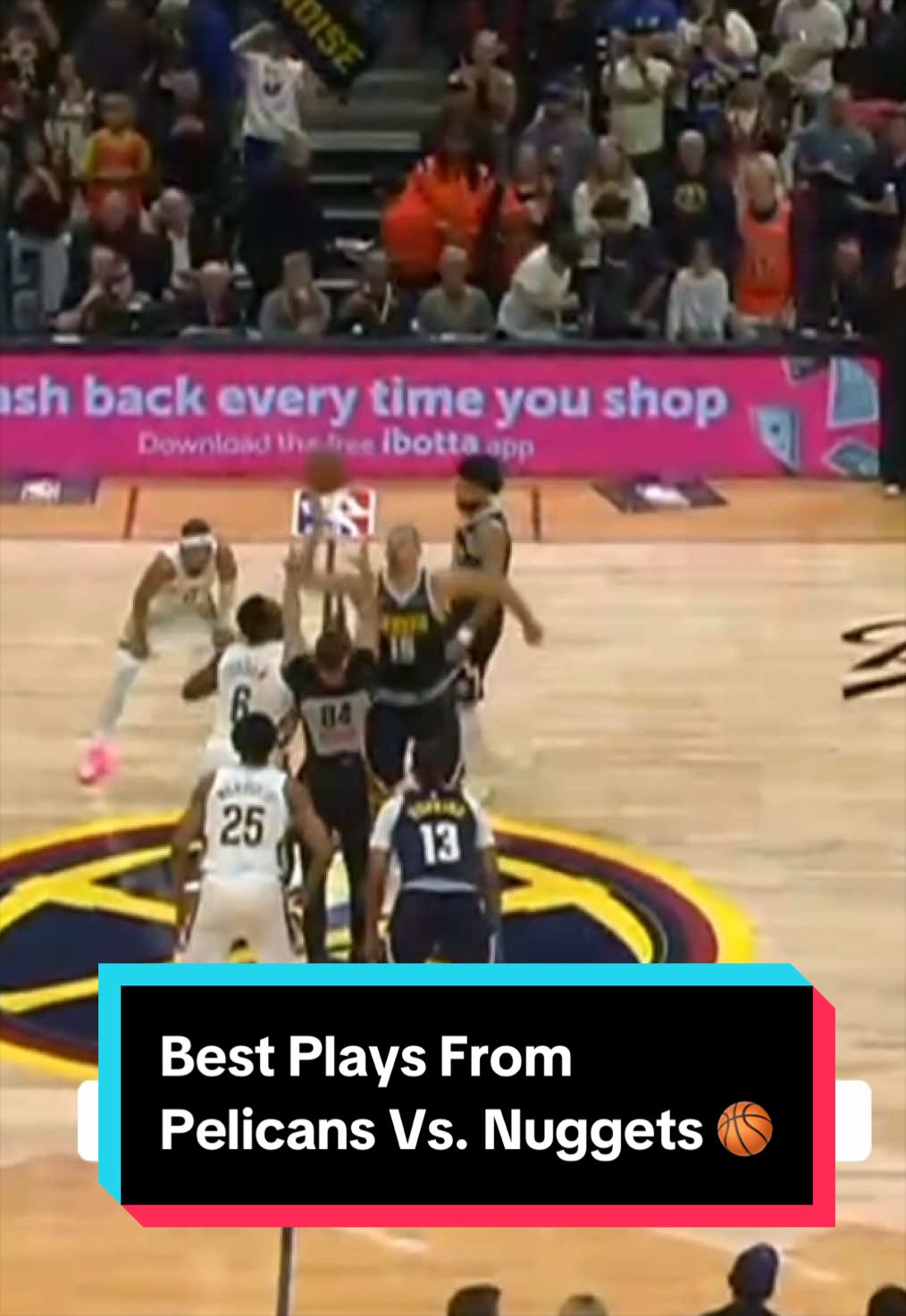
Quick rewind, full recap. Here’s everything from @Pelicansnba vs. @Denver Nuggets matchup ⏪🏀
 Links
Links
 Contact
 App
App