



Silver responds to flopping topic! Reveals NBA future innovation: Out-of-bounds calls to be automatically determined by AI


On May 28, Beijing time, NBA Commissioner Adam Silver joined a podcast to talk about recent officiating problems and share his vision for future rule innovations.
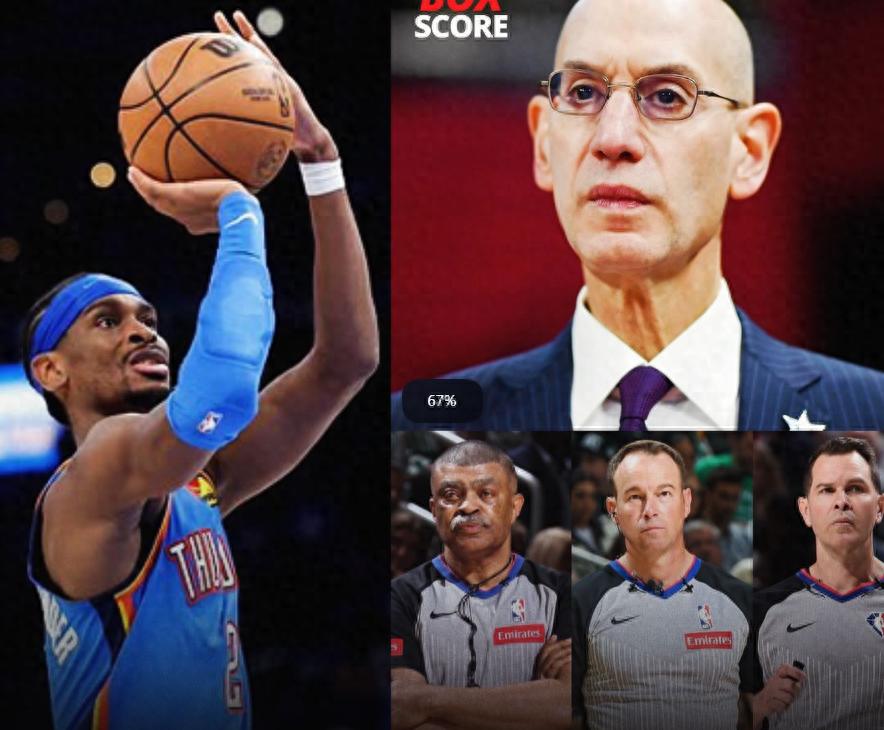
Addressing the flopping topic, Silver said: "First, we need to distinguish three scenarios: drawing a foul, exaggerating contact, and pure malicious flopping—the latter being intentionally deceiving the referee. When I sit courtside, I also see players fall down and overreact after contact. As long as they are not deliberately misleading the referee, it can be understood. Today's players are also taught to use movements reasonably to draw calls."
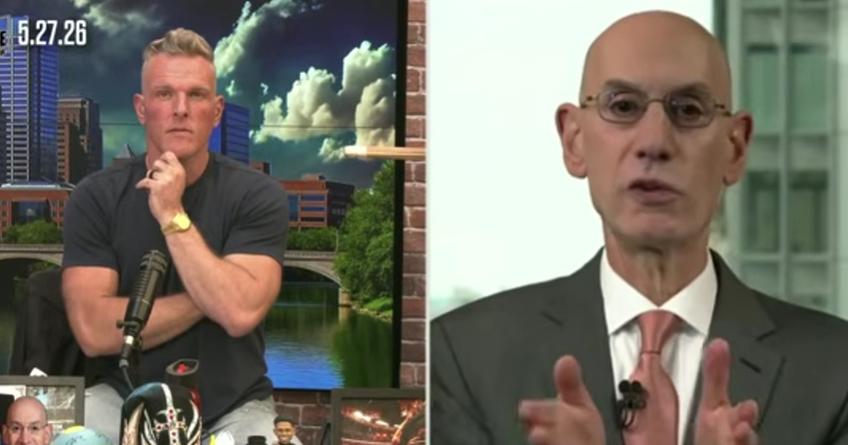
"Does the quality of officiating fluctuate? Of course it does, and we have been continuously improving. Do referees occasionally get fooled by players' acting? That does happen, and we are making targeted adjustments. Overall, today's referees are performing at a very high level."
"I believe instant replay technology will soon undergo a major upgrade. Think of tennis's Hawk-Eye system, which clearly shows whether the ball is in or out. The NBA will also introduce a similar fully automated system: cameras placed around the court, using AI to make objective calls like out-of-bounds and possession. Possession for the Lakers, Knicks, or Thunder will all be decided by machines."
"These objective calls will be completely removed from human judgment, with results taking effect in real time and the game flowing seamlessly. For example, when the Spurs inbound the ball, the process moves forward directly, with no need to challenge such calls."
"This way, referees can fully focus on more complex subjective calls. Almost every possession involves physical contact, but contact does not equal a foul. Referees need to judge whether the contact impedes the player's movement and how intense it is—details that cameras alone cannot capture. Referees are on the court and can sense the physicality firsthand, which machines cannot do. In short, technology will definitely bring great assistance to game officiating."


Wonderfulshortvideo
Shaq is too funny 😭


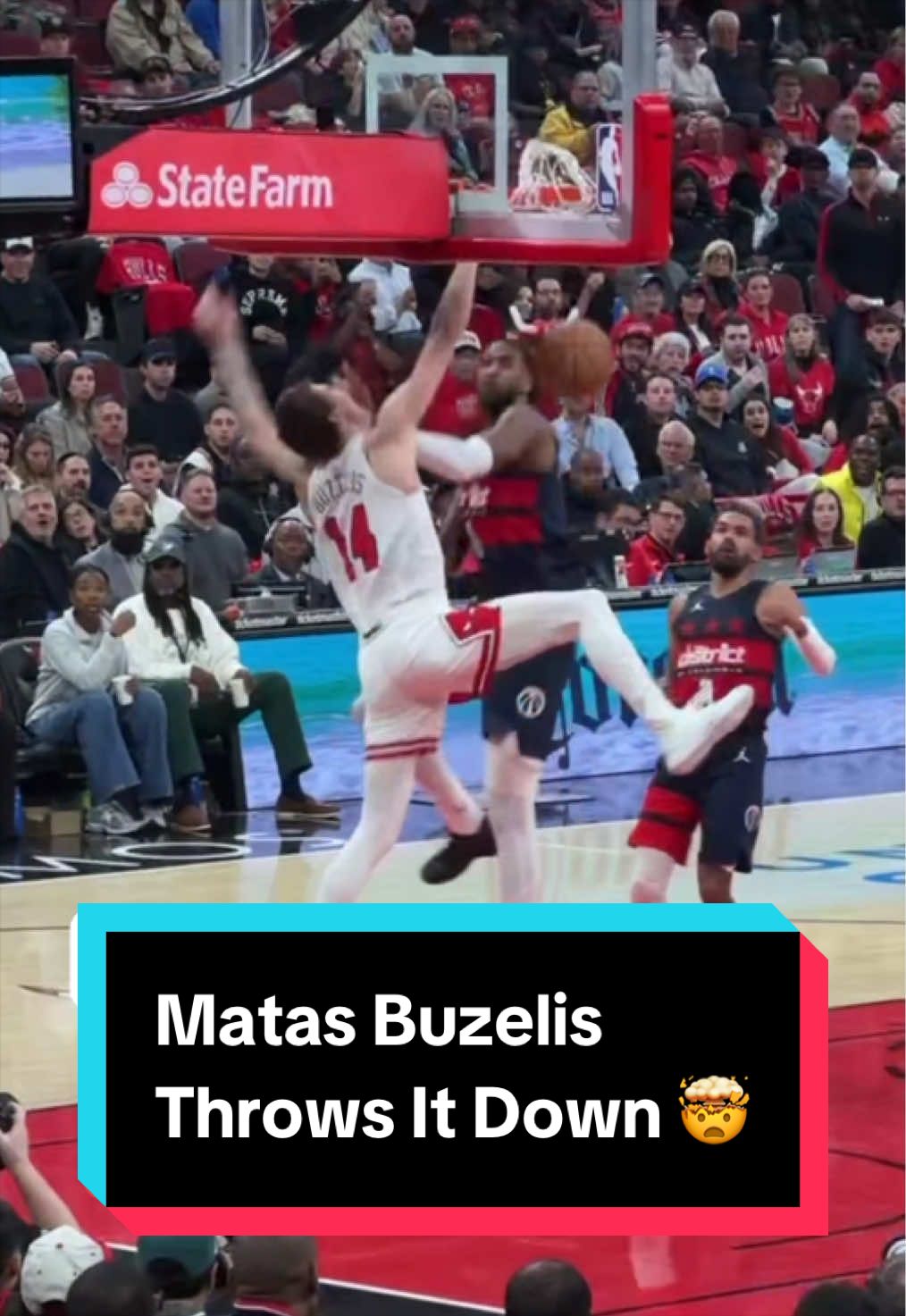
The stare-down too 👀😮💨 He got UP🔥
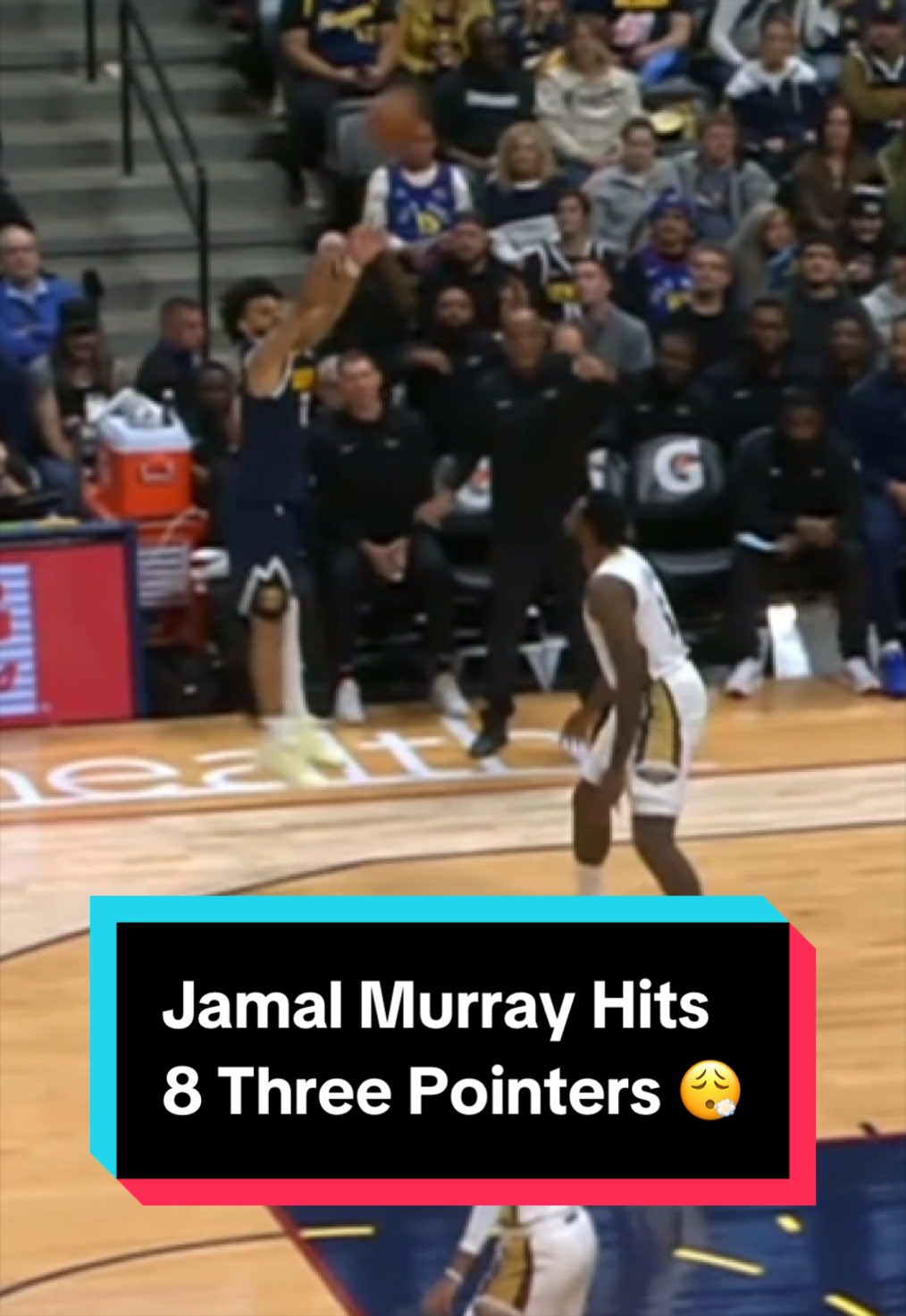
Jamal Murray went CRAZY putting up 42 points in the @Denver Nuggets overtime win! 🔥🙌

Jokić went off tonight 👀🔥
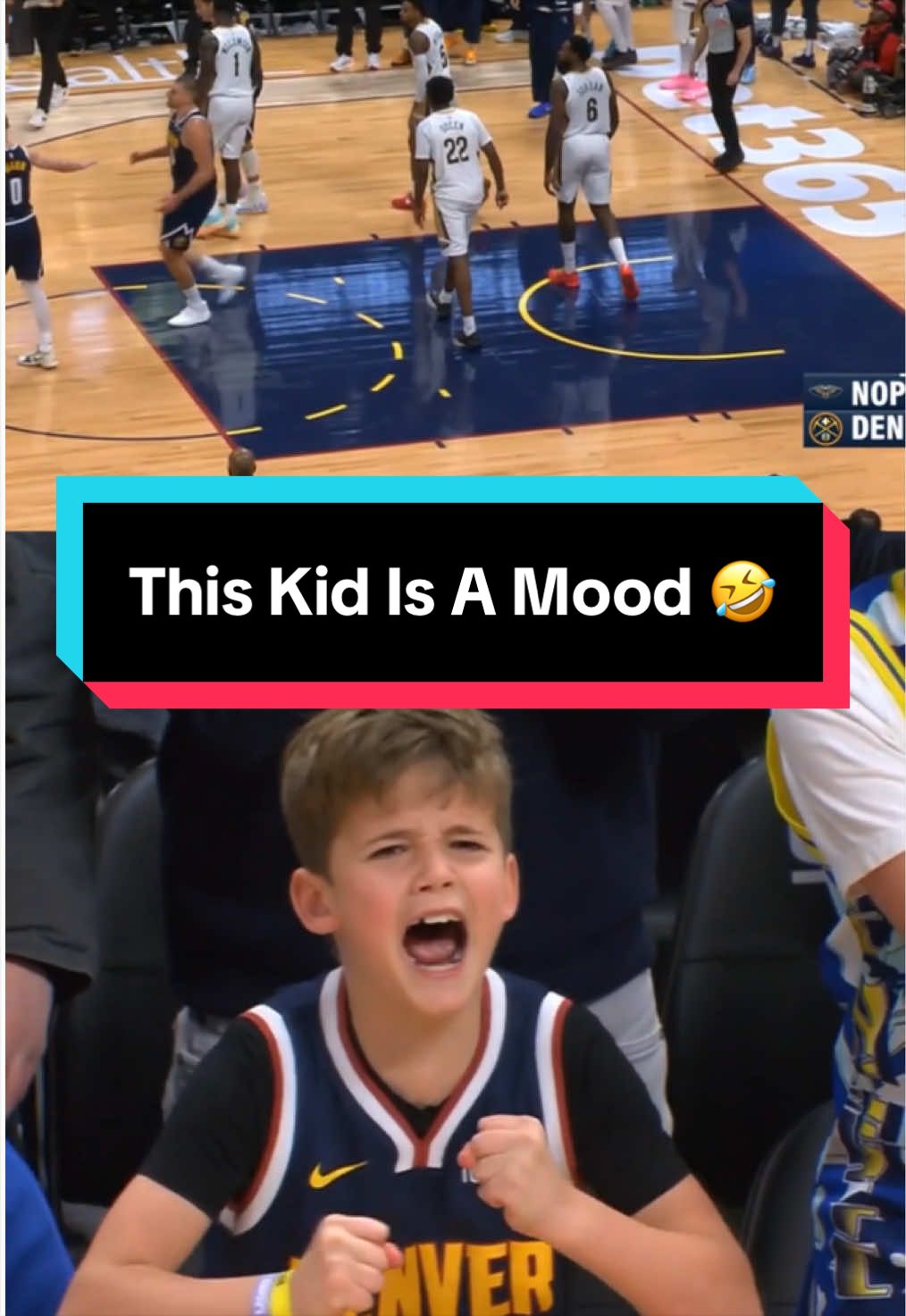
He was going through all the emotions 😭
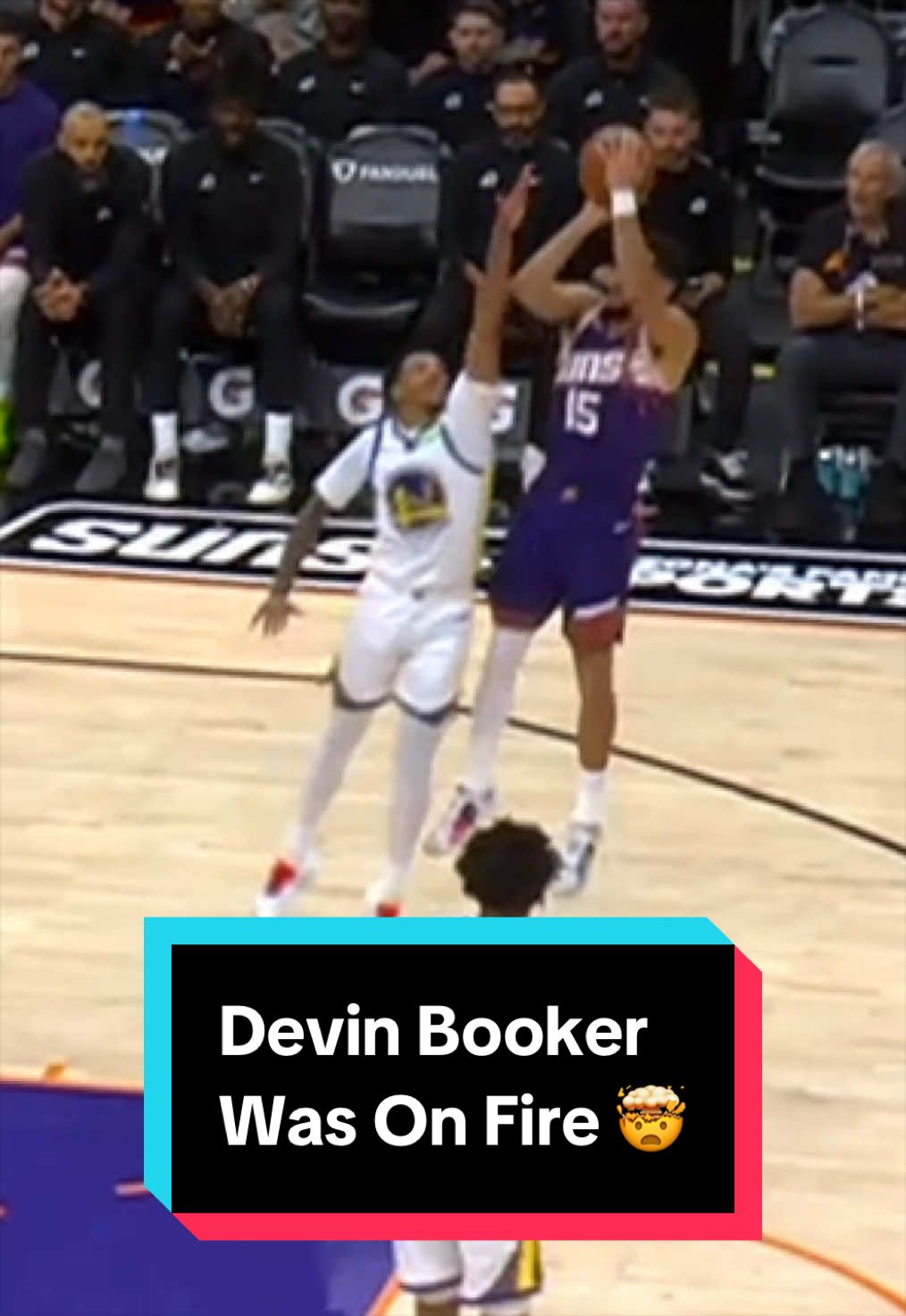
Devin Booker was AUTOMATIC from the floor 🎯🙌
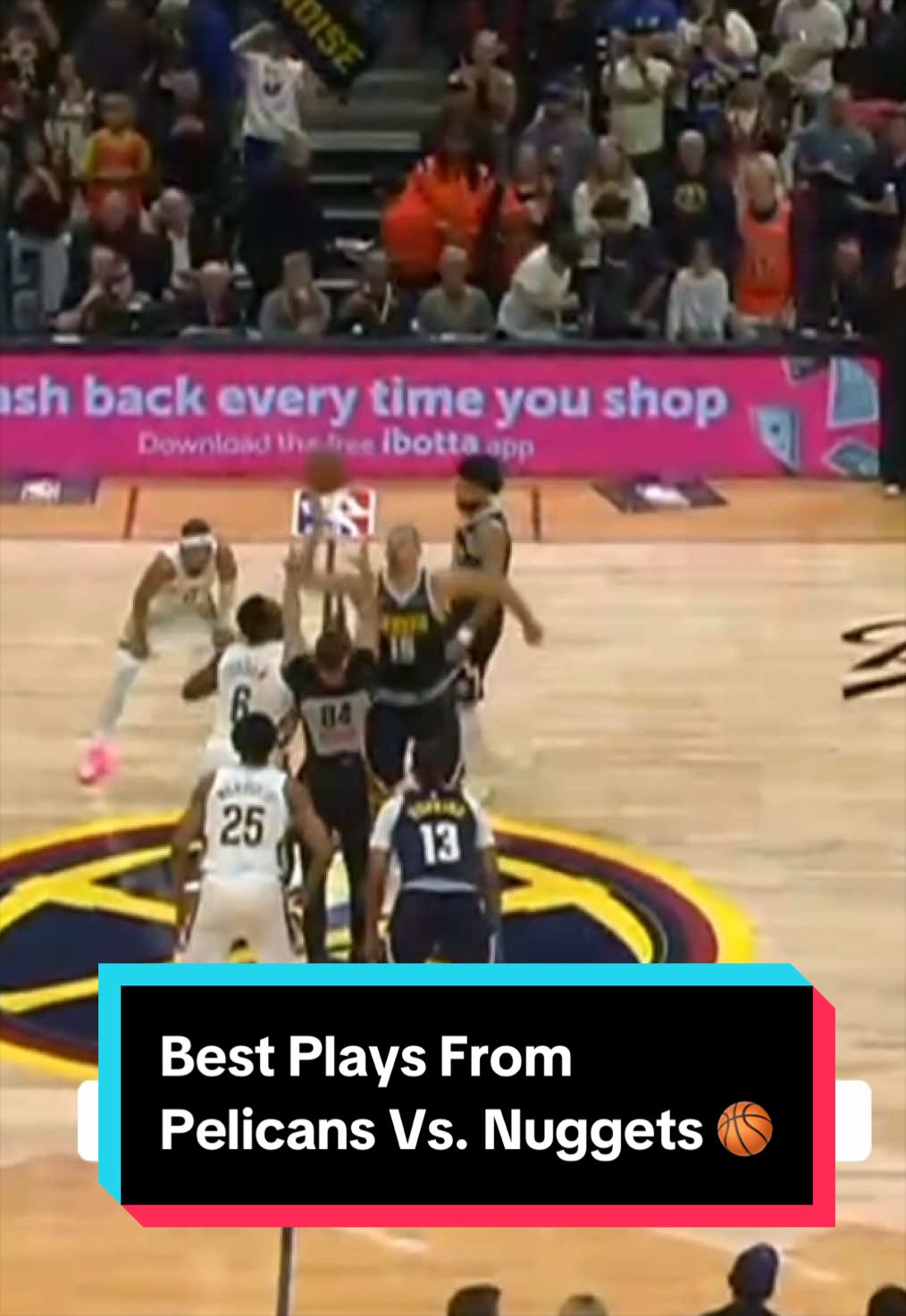
Quick rewind, full recap. Here’s everything from @Pelicansnba vs. @Denver Nuggets matchup ⏪🏀
 Links
Links
 Contact
 App
App