



Detailed Analysis of the Impact of the NBA's New Lottery Rules: Four Major Advantages and Four Major Drawbacks



On May 29, Beijing time, the NBA Board of Governors passed a brand-new anti-tanking regulation by a 29-to-1 margin: the number of lottery participants increases from 14 to 16, further equalizing the probability of winning the lottery for each team, and introduces a draft downgrade tier—the three bottom-ranked teams will have their odds of securing the top pick cut.
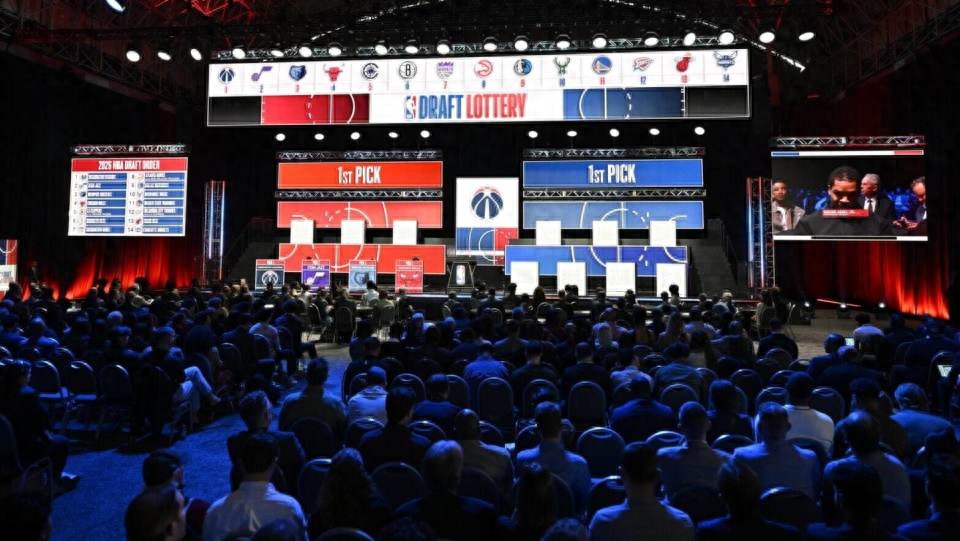
This new 3-2-1 lottery rule represents a major overhaul of the draft system, designed to immediately curb the league's persistent problem of deliberate tanking and push more teams to fight for wins at the end of the season.
ESPN promptly analyzed the pros and cons of the new rules and their impact on future lottery draws, team roster construction, and asset management. They outlined four major advantages and four major drawbacks—
Advantage: Significant reduction in extreme tanking behavior
For a long time, the league has explored various solutions to address tanking, including radical proposals such as giving the best teams the highest picks or even abolishing the draft entirely.
Unlike many European sports leagues that use promotion and relegation, NBA teams at the bottom have no inherent incentive to avoid finishing last under the old system. The new rules can effectively curb extreme tanking.
This season, the Washington Wizards lost 27 of their final 28 games, finishing with a league-worst 17-65 record. To lock in a top-five pick, they brought in Trae Young in December and Anthony Davis before the trade deadline, but the two stars combined for only five games played.
Similarly, the Memphis Grizzlies went 5-28 down the stretch, dropping to the sixth-worst record. This mirrors the Philadelphia 76ers' 2024-25 season, where they deliberately tanked to protect a top-six protected pick, eventually using it to select VJ Edgecombe, a finalist for Rookie of the Year.
With the lottery expanded to 16 teams and a new rule barring teams from setting pick protection between 12 and 15 in trades, the league has essentially removed the excuse for intentionally losing to keep a pick. Bottom-tier teams will strive to escape the bottom three, giving weaker teams a reason to compete (though the incentive still has room for improvement).
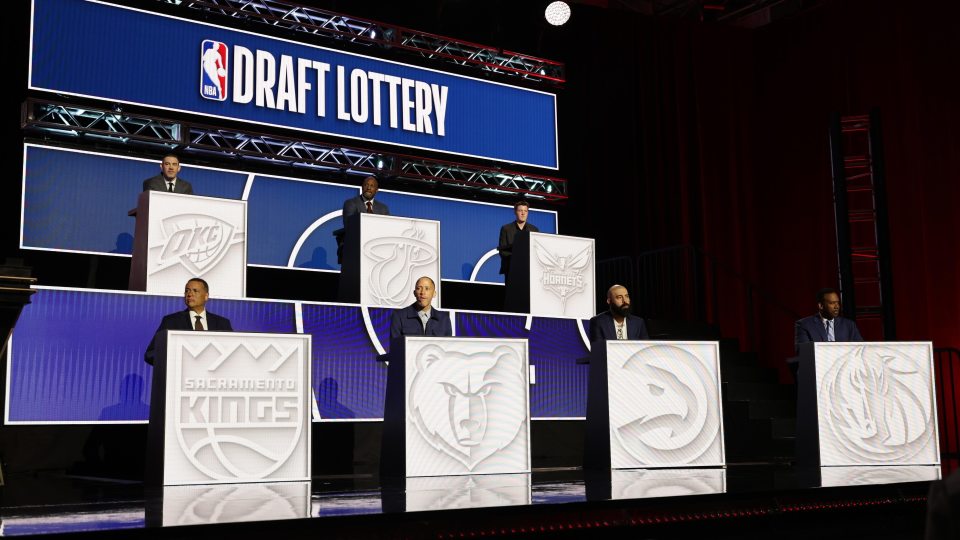
Drawback: Draft restrictions penalize teams that consistently land high picks
The new rules rely heavily on random drawing but add restrictions that reduce randomness: no team can get the No. 1 pick in consecutive years, nor can they land a top-five pick three years in a row.
The league introduced this rule clearly to avoid a repeat of the San Antonio Spurs' situation. From 2023 to 2025, the Spurs secured the No. 1, No. 4, and No. 2 picks, selecting Victor Wembanyama, Stephon Castle, and Dylan Harper, building a core that could potentially form a new dynasty.
While Spurs fans welcome the influx of young talent, the league prefers a more even distribution of talent across teams.
But the issue is that draft classes vary widely in quality. There are strong classes like those with Wembanyama, LeBron James, and the 2026 class, and weak ones with busts like Andrea Bargnani, Anthony Bennett, or Greg Oden. If a team gets the No. 1 pick in a weak year but then is barred from the top five in a strong year due to the restriction, that seems unfair to both the team and its fans.
For example, after getting the No. 1 and No. 4 picks, the Spurs would be unable to take Harper at No. 2 this year under the new rules. If a team gets the No. 5 pick two years in a row, they'd also be blocked from the top five in the third year—such restrictions feel overly rigid. The lottery system itself is well-designed; adding these limits is unnecessary.
Advantage: Play-in teams have stronger motivation to win
Expanding the lottery to 16 teams creates an interesting dynamic: just as the Miami Heat made the Finals as the East's No. 8 seed in 2023, a team could reach the Finals while their own pick becomes the No. 1 pick that same year.
The new rules include the loser of the 7-8 play-in game, plus the No. 9 and No. 10 seeds in each conference, in the lottery pool. More teams will fight hard for the playoffs, boosting overall competitiveness.
After the draft rules were proposed, questions arose: why stop at 16 teams? If the lottery expanded to 18 teams, all play-in teams would have lottery balls, eliminating any incentive to deliberately lose a play-in game to stay in the lottery. But further expansion could push truly weak teams even lower in the draft order.
At its core, the league's goal is to prevent teams from manipulating results for better picks. Another proposal—using reverse-order lottery for the first 16 picks of the second round instead of standings—would eliminate tanking but was deemed too radical and not adopted.
Under the current rules, the 11th-place team gets 3 lottery balls, while the 10th-place team gets 2. Even so, teams still have a chance to compete for the playoffs while boosting their lottery odds, balancing risk and opportunity.
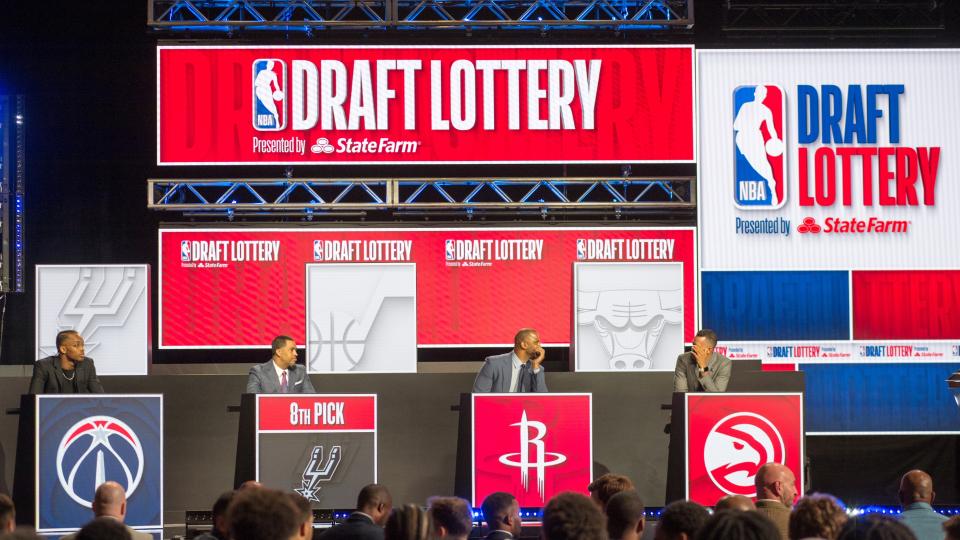
Drawback: The value of already-traded future picks changes
This is the most controversial ripple effect of the rule change.
The new rules completely upend the league's previous draft trade logic, and many picks from 2027, 2028, and 2029 have already been traded. Their value is now rewritten.
The Memphis Grizzlies are the most directly affected. The Jazz landed the No. 5 and No. 2 picks in the past two years; under the new rules, their 2027 pick cannot be in the top five. That devalues the asset the Grizzlies acquired by trading Jaren Jackson Jr. three and a half months ago. Sources say the league considered adjusting the rule for this specific trade to preserve its top-five potential, but ultimately did not.
Implementing such a major rule change mid-cycle affects nearly every team. As Silver said in March, the reform was inevitable, and teams in the transition period can only accept it. At least the Grizzlies used this year's No. 3 pick before the new rules took effect, providing some consolation.
Advantage: More diverse team-building approaches
This is a positive aspect of the new rules. For years, bottom-feeders followed a fixed pattern: tank for three or four years to stockpile high picks, then build a contender.
That model has indeed worked. The current powerhouses—Oklahoma City Thunder and San Antonio Spurs—both rose through prolonged tanking. The New York Knicks took a different route: signing Jalen Brunson and then trading for Karl-Anthony Towns, OG Anunoby, Mikal Bridges, and Josh Hart to form a complete starting five. The Cleveland Cavaliers used top-five picks on Evan Mobley and Darius Garland, then traded for Donovan Mitchell, James Harden, and Jarrett Allen.
It will be interesting to see how future elite teams are built. Will the value of draft picks in the trade market change? Will teams continue to hoard picks, or will they become less conservative given the randomness of the lottery?
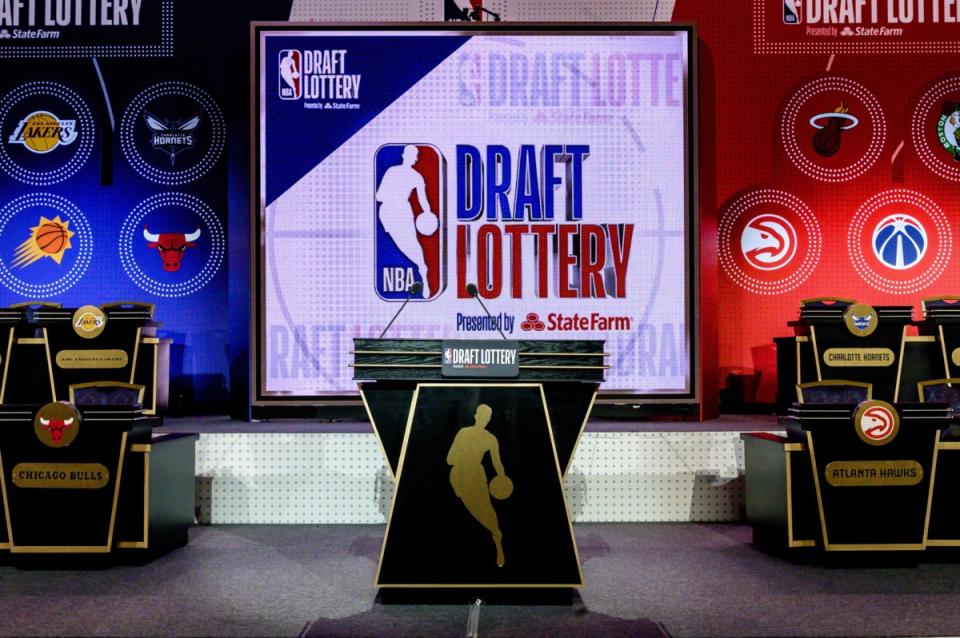
Drawback: The floor for bottom-tier teams is too low
Reducing the lottery odds for the three worst teams is intended to ensure the truly worst team finishes at the bottom. At the same time, the new rule states that if these three teams are not drawn in the top 12, they will fall to No. 12 as a floor.
Sources say there was intense debate over the floor. Some argued it should be raised to No. 8, while others believe setting it at No. 12 is enough to force weak teams to compete. But like the restrictions on the No. 1 pick and top-five picks, this rule may also be overcorrecting.
Advantage: The lottery drawing may be televised live
According to ESPN's Brian Windhorst, there are indications that the entire lottery drawing process will be broadcast live in the future, rather than just announcing results. This would dispel various conspiracy theories, and live coverage would greatly enhance entertainment value and drama.
The specific format hasn't been finalized. The current method—drawing ping-pong balls sequentially to determine picks—reduces suspense. The industry prefers a reverse-order approach: first draw the No. 16 pick, then work up to No. 1. Operationally, it could be done by using the last drawn ball to determine the order, which fits television pacing better.
Drawback: Another round of reform is already on the horizon
The 3-2-1 lottery rule largely achieves Silver's goal of curbing tanking, but it's not perfect. In fact, the rule includes a sunset clause: the league will reassess the entire system before the 2030 draft.
Planning to adjust this core league rule after just three years hardly seems like a long-term solution for tanking. The rule might continue beyond 2030, or as league insiders recently hinted, a new draft points system could be introduced to further guide teams toward rational roster management.
The fact that the league has already left room for changes before the new rules are even implemented signals that more adjustments are likely to come.


Wonderfulshortvideo
Shaq is too funny 😭


The stare-down too 👀😮💨 He got UP🔥
Jamal Murray went CRAZY putting up 42 points in the @Denver Nuggets overtime win! 🔥🙌
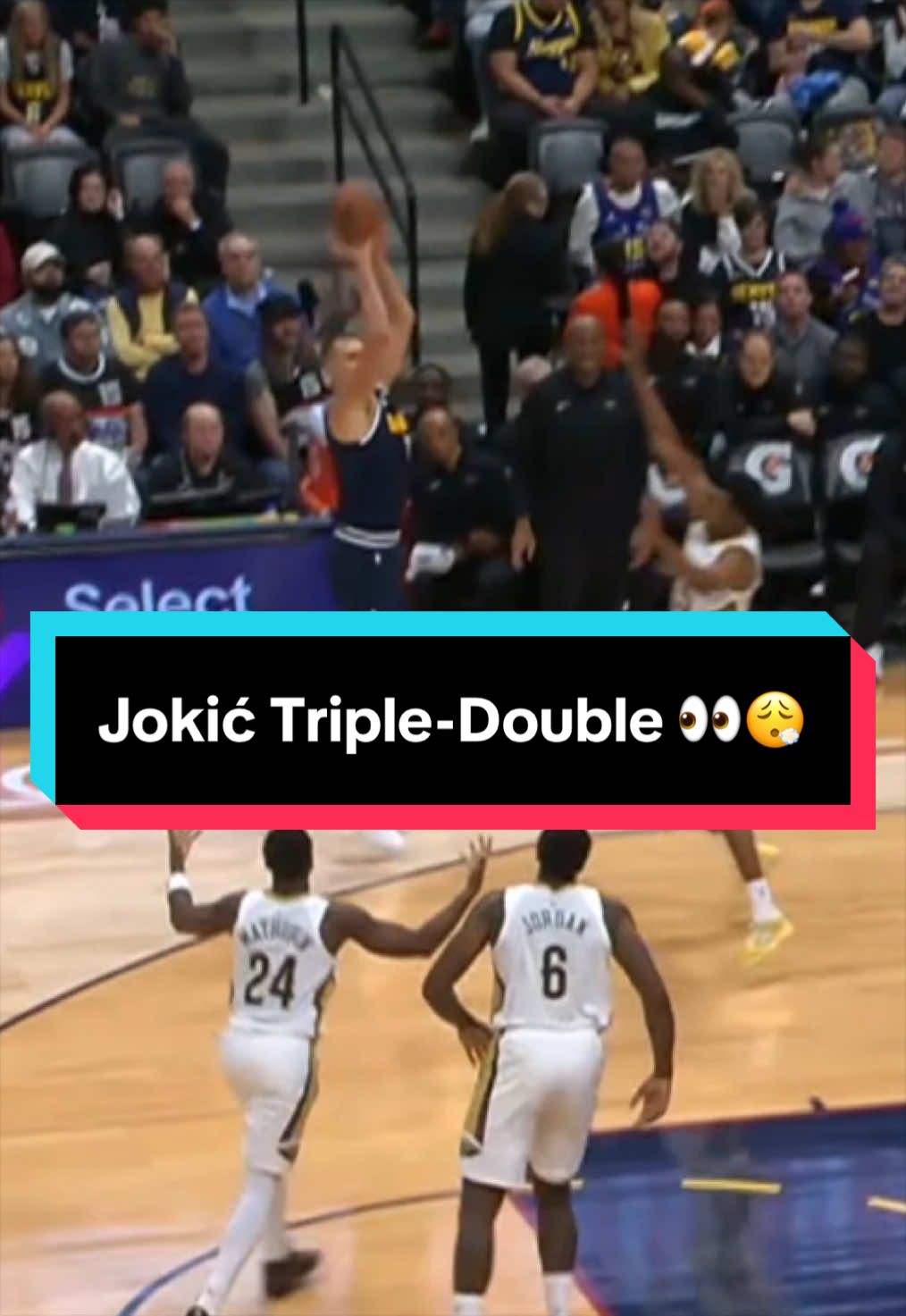
Jokić went off tonight 👀🔥
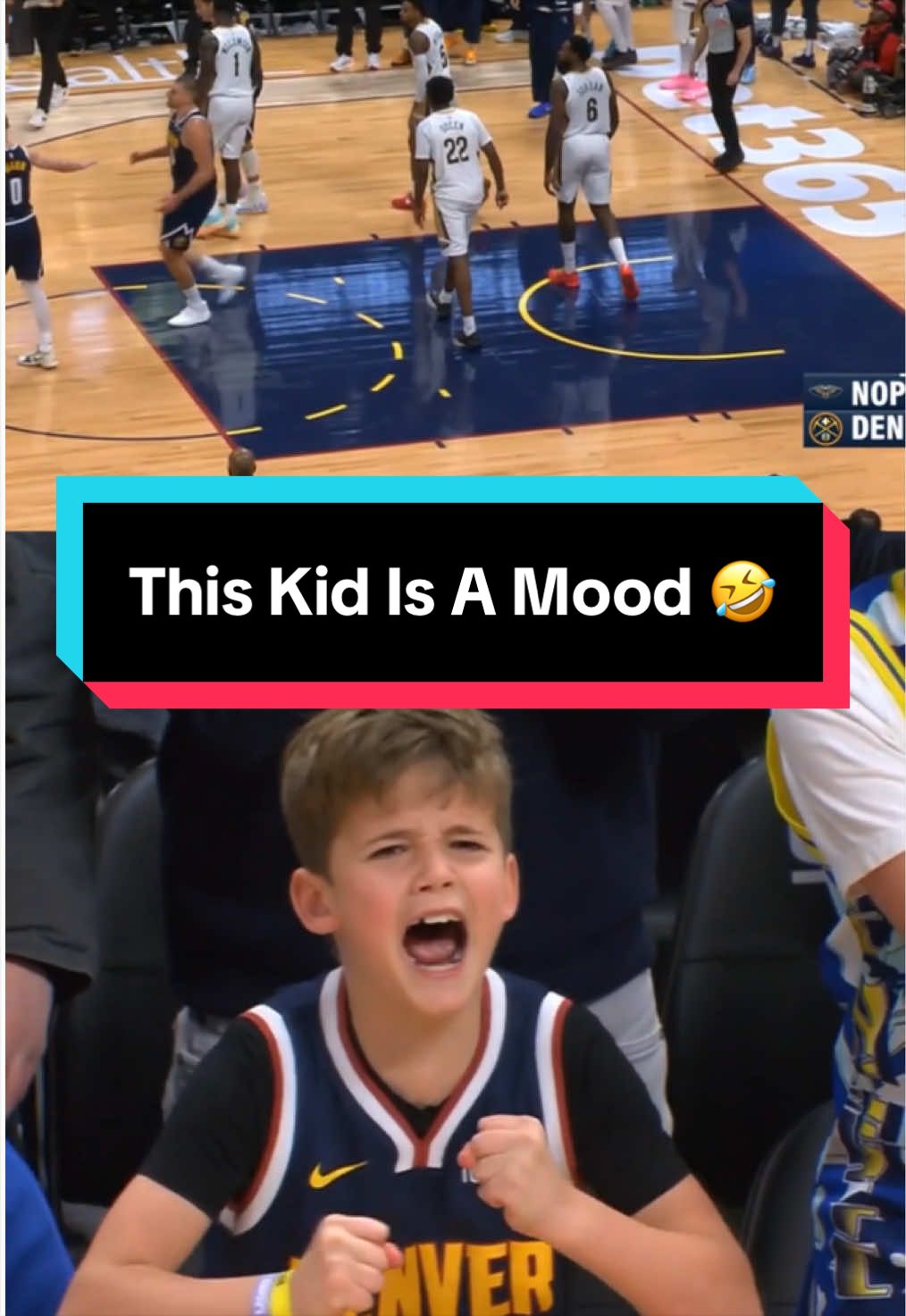
He was going through all the emotions 😭
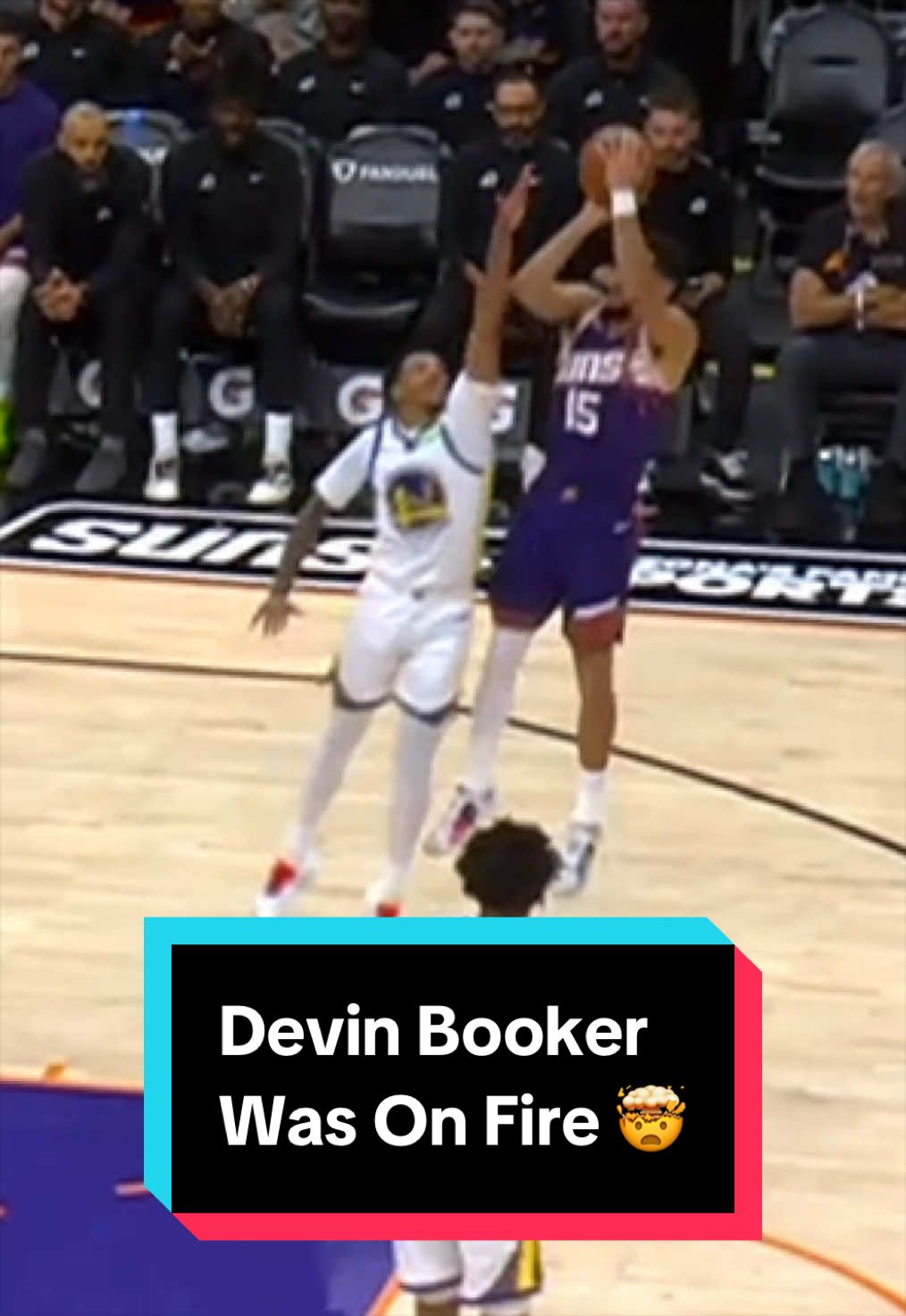
Devin Booker was AUTOMATIC from the floor 🎯🙌
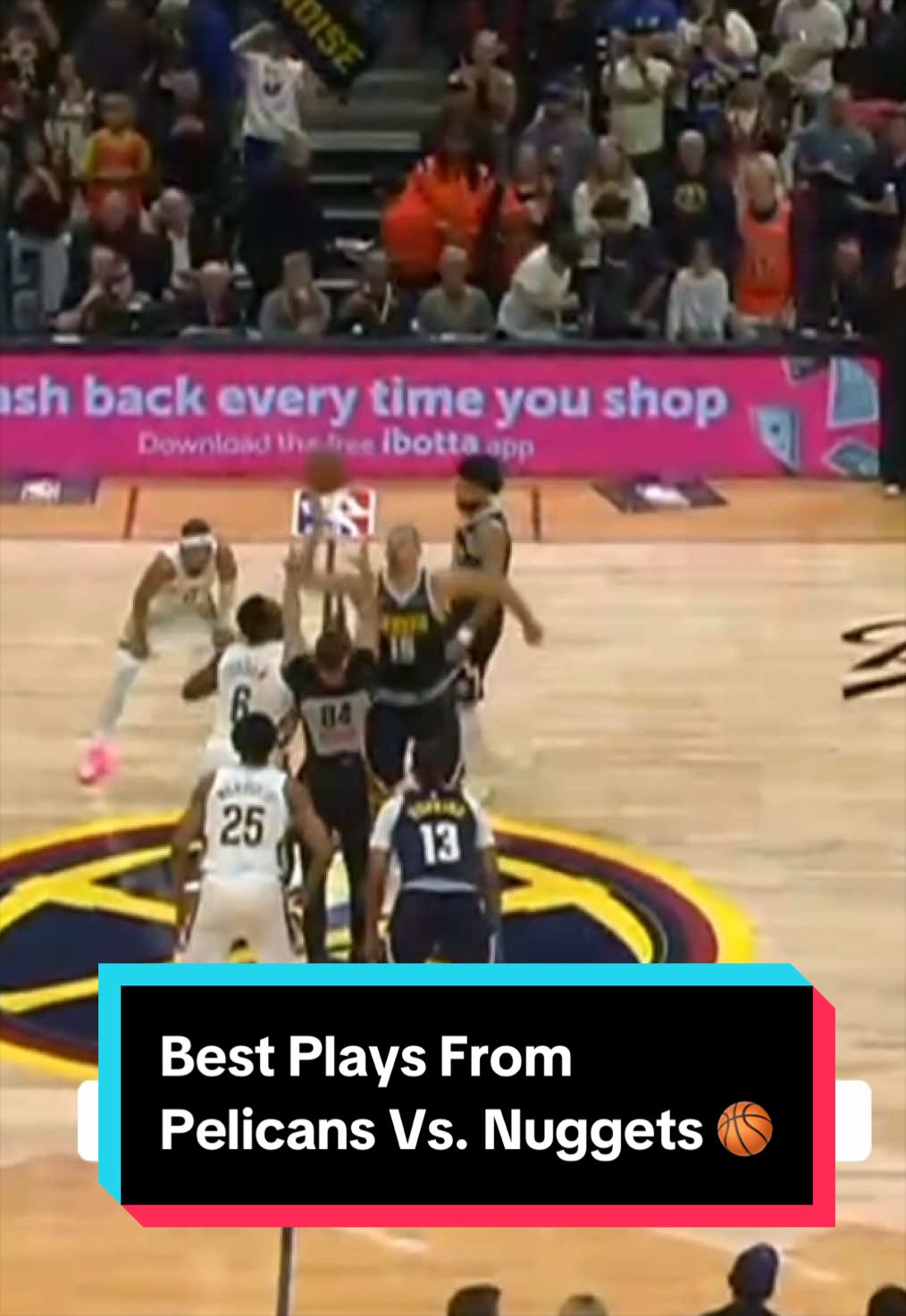
Quick rewind, full recap. Here’s everything from @Pelicansnba vs. @Denver Nuggets matchup ⏪🏀
 Links
Links
 Contact
 App
App