



Spurs win big by 27 points! Game 7 here we come! Western Conference Finals—can't avoid talking about the refs



Just as anticipated, just as desired.
The Western Finals now become a single-game decider.
118-91, the Spurs defended their home court in San Antonio in a must-win Game 6.
And it was a massive win, a dominant victory.
Wembanyama had 28 points, 10 rebounds, 2 assists, 2 steals, 3 blocks; Harper 18 points, 6 rebounds, 4 assists; Castle 17 points, 5 rebounds, 9 assists; Vassell 12 points, 1 rebound, 2 assists, 2 blocks; Champagnie 10 points, 6 rebounds, 2 assists, 2 blocks.
Alexander had 15 points and 4 assists; McCain 13 points, 6 assists, 2 steals; Wallace 11 points, 3 rebounds, 3 steals; Holmgren 10 points, 11 rebounds.
But that's how the round-robin nature of a series works—winning by 30 counts the same as winning by 1.
Game 7 returns to Oklahoma City, and the outcome is still uncertain.
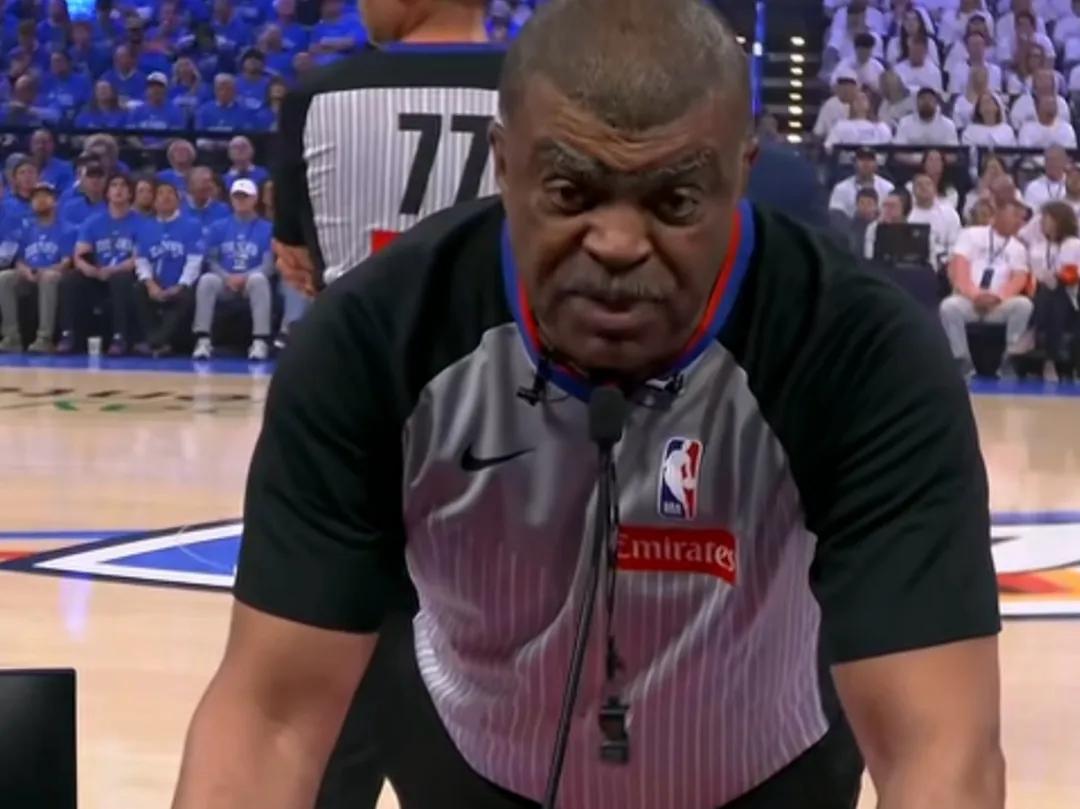
Because... the referees.
Lately a lot of folks have been saying, do we really need to bring up officiating on every play? Can't we just focus on the game itself?
Honestly, I'm tired of it too... I don't easily shift the spotlight onto the refs.
But in the Western Finals, it's not that simple.
We can't just shut our eyes and lie, can we? Who wins or loses really depends on the officiating standards.
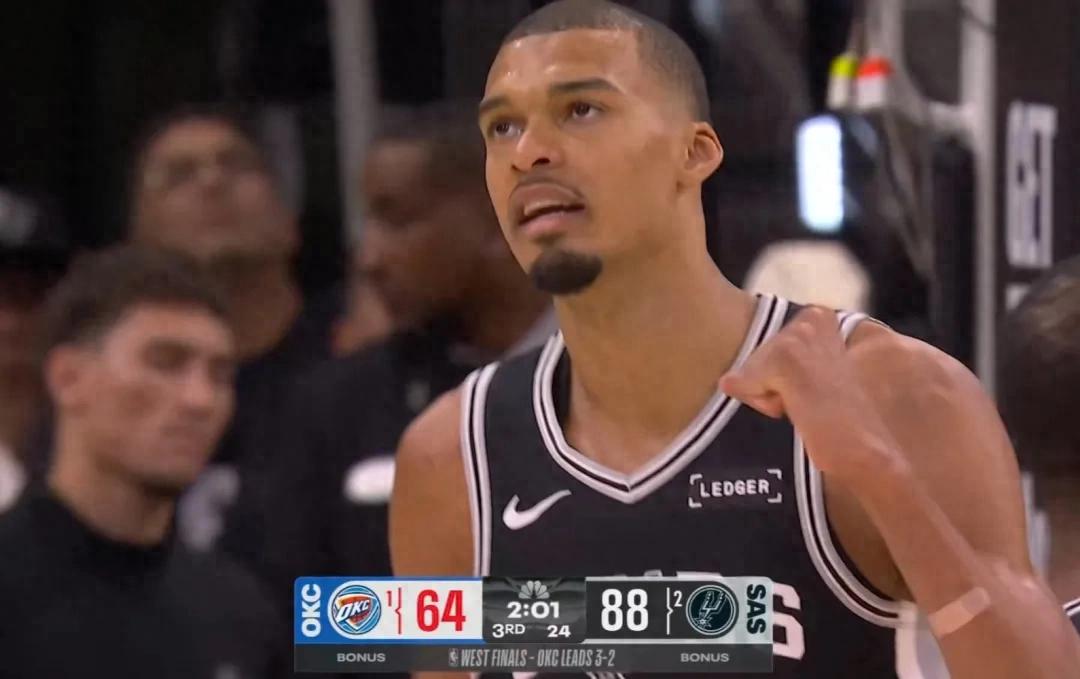
One stat:
In the first half of Game 6, the two teams combined for only 10 free throws (Thunder 6, Spurs 4); while in the first half of the previous game, they combined for 39 free throws (Thunder 20, Spurs 19).
Was the intensity lower? Definitely not.
It's that the whistle was more lenient.
Today's referees allowed physical contact but disallowed hand-checking.
With a loose whistle and no ticky-tack fouls, the Spurs have the edge over the Thunder—Wemby, Harper, Castle, Vassell—those young guys have the physical tools.
If you can't touch them, no one in the league can beat the Thunder.
Their half-court schemes, roster depth, and foul-drawing ability are all above the Spurs'.
There's no right or wrong in officiating standards, but today's calls clearly favored San Antonio.
Spurs fans should just honestly admit that.
A favorable whistle works only if you have the goods.
If it were the Lakers playing the Thunder, no matter what adjustments the refs make, they'd still lose—that's a talent gap.
When teams are close in strength, the Spurs need this kind of officiating environment.
If the same referee calls Game 7, what are you going to do...
From the winning side, what did the Spurs do well?
Let's quickly summarize a few points:
1. Wembanyama's offensive aggressiveness.
He was fully engaged from the start.
2. Other players hitting three-pointers.
Vassell was impressive, Champagnie provided firepower, and even the North Carolina Black Hawk stepped up in the second half.
3. The minutes when Wembanyama was on the bench.
Not only did they survive, but they also went on a run in the third quarter—that's really rare.
Who deserves the credit?
Not Kornet, but Castle and my favorite player Harper.
Harper doesn't look like a rookie in the playoffs; the kid Fox looks like the real rookie...
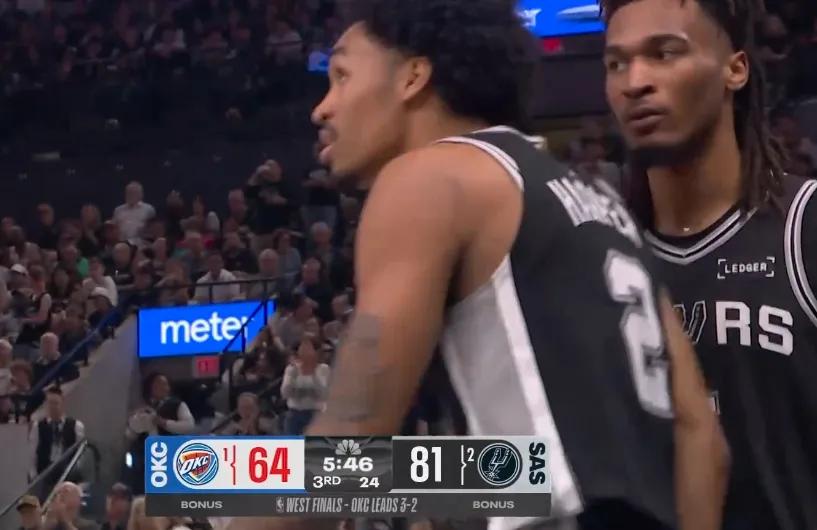
Last point: defending Alexander.
In Game 7, the Spurs should stick to the principle of single coverage plus help defense.
They need to fully trust the individual defense of Castle, Vassell, and others, and also believe in Wembanyama's help defense ability.
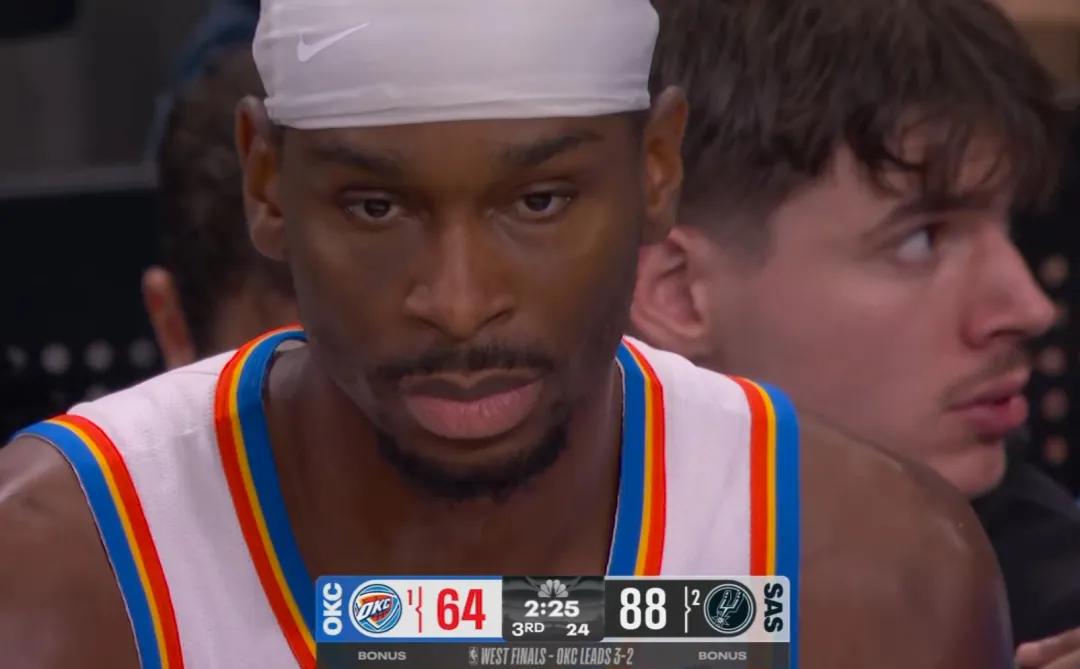
Especially since the Thunder's Mitchell is out and J-Dub isn't in great shape, there's even less need to double-team easily—this puts pressure on SGA to hit three-pointers.
The last player who could single-handedly (or even double-teamed) take down the Spurs might be Kobe in the 2008 Western Conference Finals...
Therefore, the Spurs should stick to today's defensive principles in Game 7.
But then again, who knows if the refs in Game 7 will allow you to stick to them...
If they call two quick fouls on Castle or Wembanyama early, anyone would be confused.


Wonderfulshortvideo
Shaq is too funny 😭


The stare-down too 👀😮💨 He got UP🔥
Jamal Murray went CRAZY putting up 42 points in the @Denver Nuggets overtime win! 🔥🙌
Jokić went off tonight 👀🔥
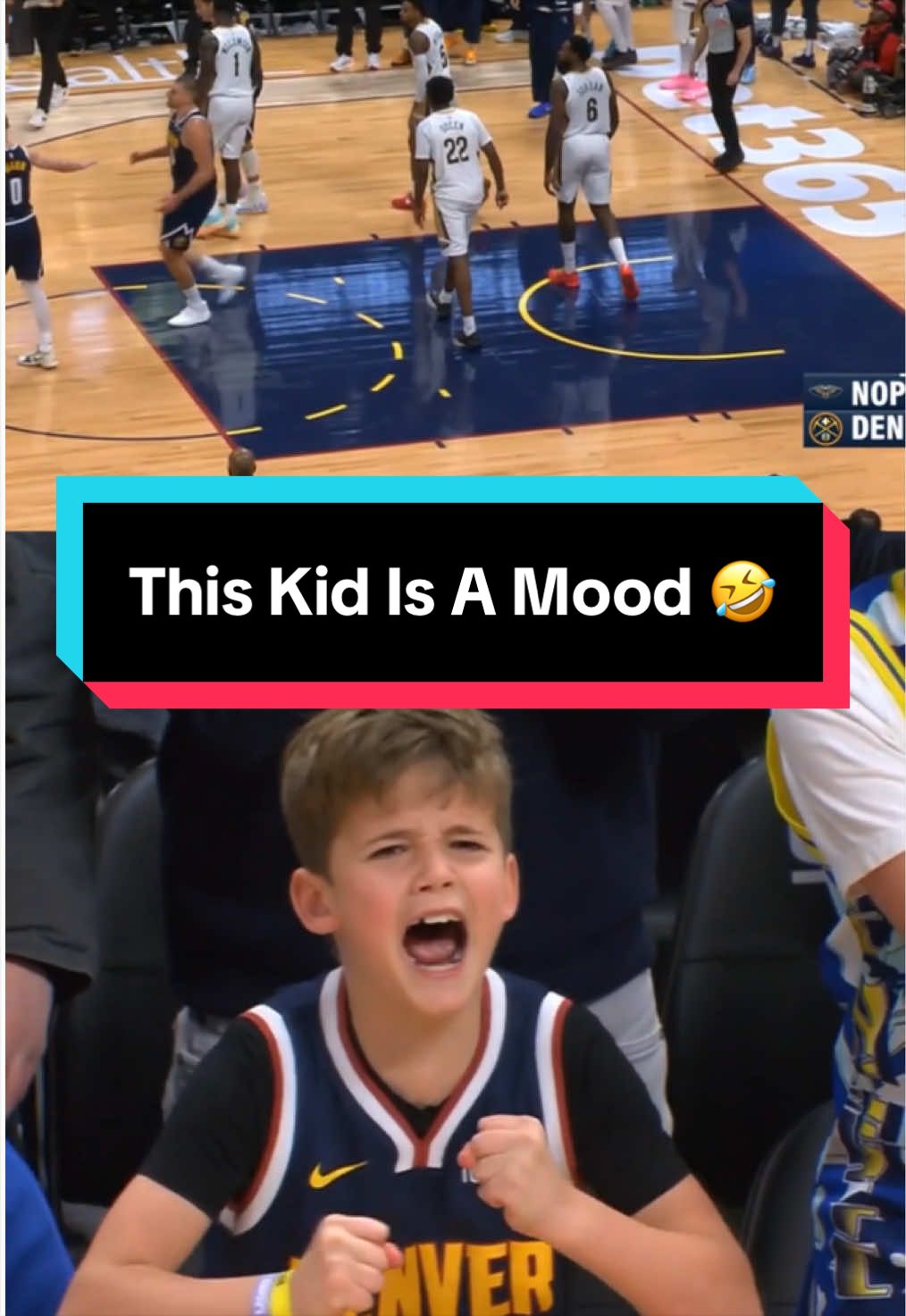
He was going through all the emotions 😭
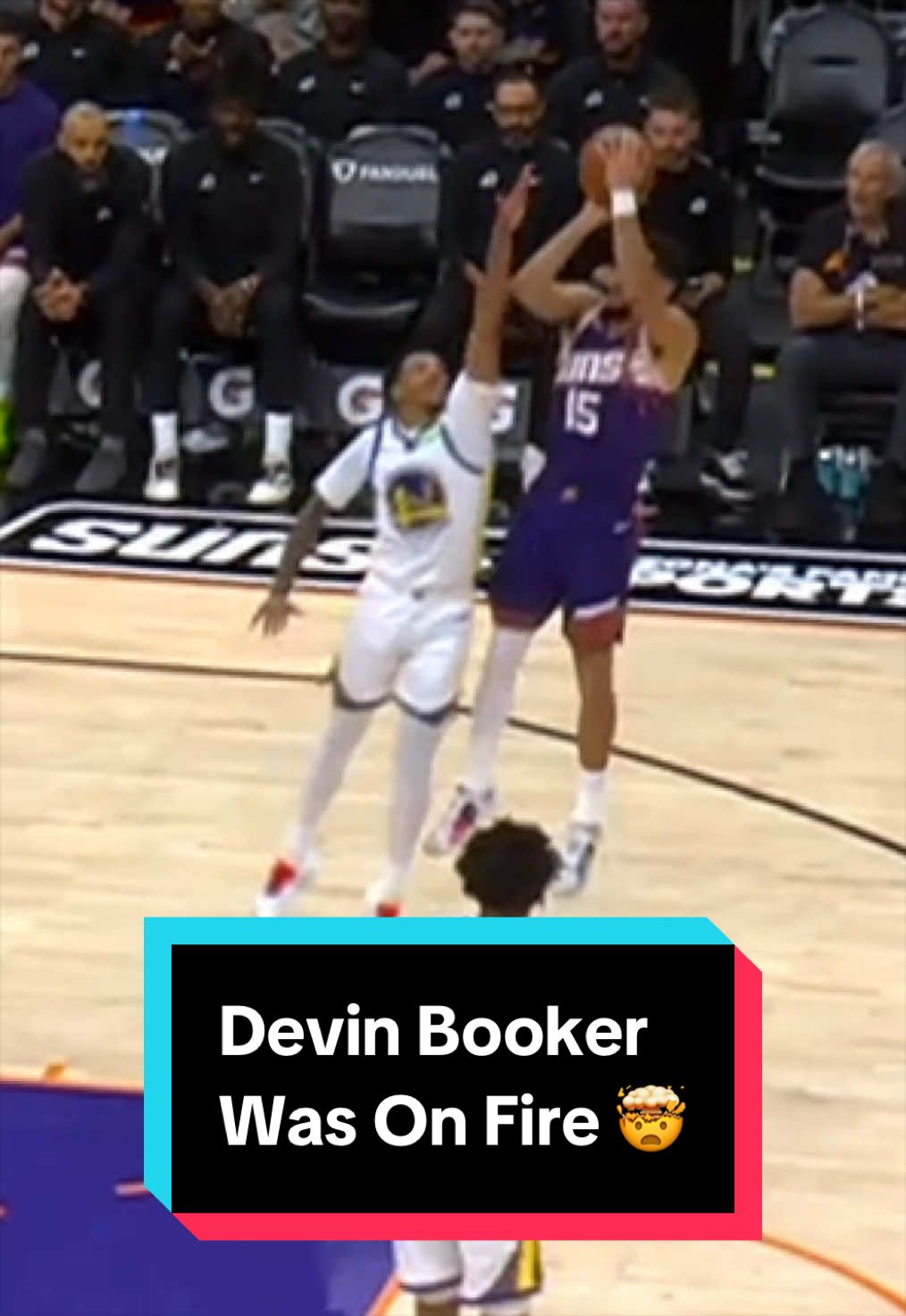
Devin Booker was AUTOMATIC from the floor 🎯🙌
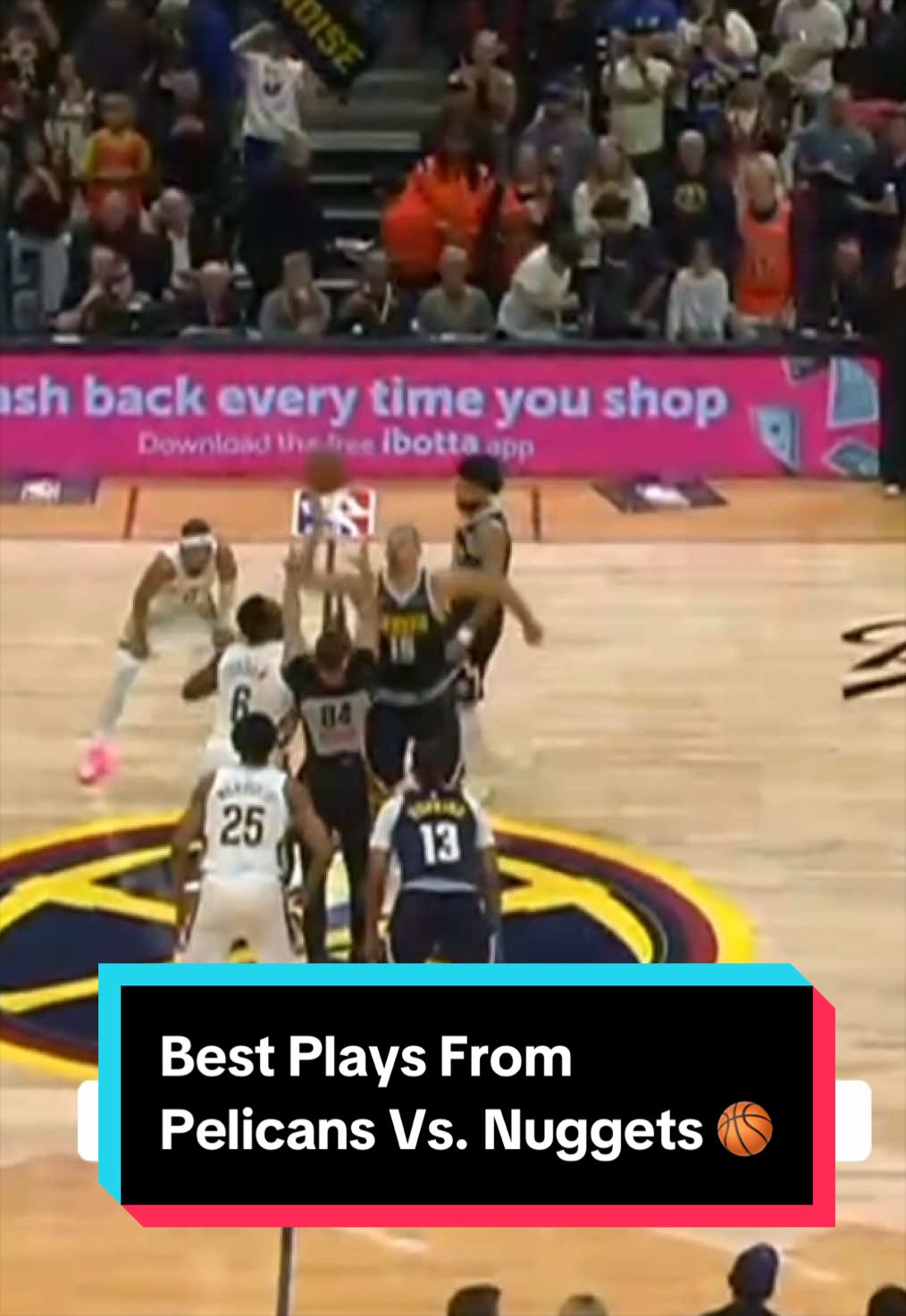
Quick rewind, full recap. Here’s everything from @Pelicansnba vs. @Denver Nuggets matchup ⏪🏀
 Links
Links
 Contact
 App
App