



You can rule the court without scoring a single point.



In Game 1 of the Finals, a 1.96-meter guard posted a Draymond-esque stat line and took over the game on the defensive end.
Josh Hart of the Knicks finished with 3 points, 15 rebounds, 6 assists, 4 steals, and 1 block in only 27 minutes. Seeing these numbers, many immediately think of Draymond Green, but even Draymond never achieved such a stat line in the Finals. The last player with at least 15 rebounds, 6 assists, and 4 steals in a Finals game was Larry Bird.
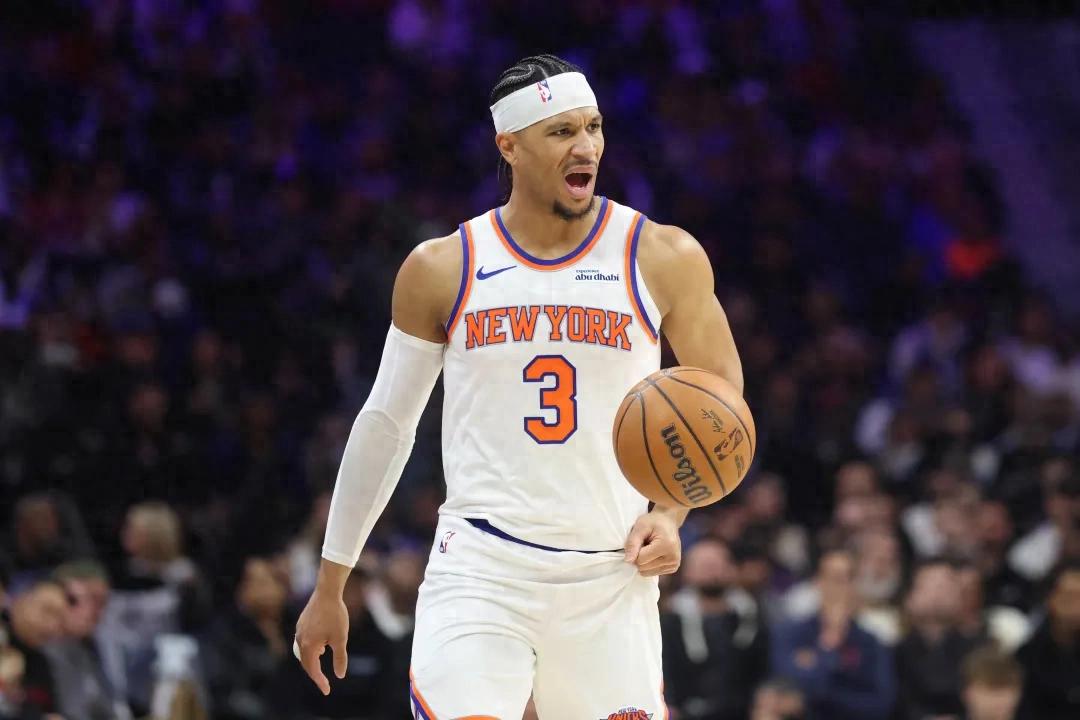
Hart’s three categories were the highest on both teams, though his offensive output was bleak—he shot 1-of-5 from the field and 0-of-3 from deep. Yet Hart’s magic lies in the fact that even when he can’t score, he continuously generates positive impact on the floor.
It was an expected move for Wembanyama to guard Hart off-ball, since Hart was the only non-spacer among the Knicks’ five starters. It resembled the situation with Hartenstein of the Thunder, except the height gap between the two is enormous. After Hartenstein left the game, Wembanyama switched onto Caruso, who then hit several games of remarkable three-point shooting.
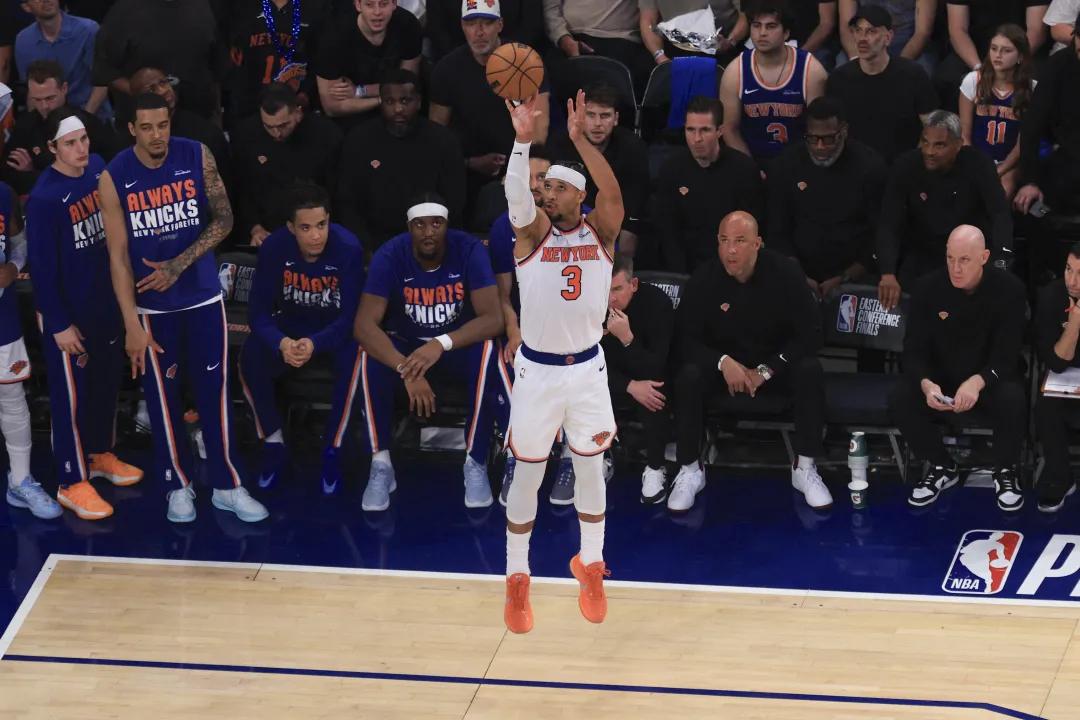
Hart couldn’t replicate Caruso’s magic, however. He mostly hesitated to shoot threes, and his few attempts all missed. Although he had games with hot three-point shooting against the 76ers and Cavaliers, his postseason three-point percentage was only 29%.
Hart barely played in the second quarter, and the Knicks’ five-out lineup briefly took the lead with great effect. Just as fans thought Hart might be benched, he logged a full 20 minutes in the second half, grabbing 10 rebounds and 4 steals while exerting his unique influence on the game.
When Wembanyama guarded him, Hart set solid screens for his teammates. As long as Wembanyama didn’t step out, his teammates got open looks. That way, even if Hart couldn’t hit a three, he could still draw Wembanyama away from the paint.
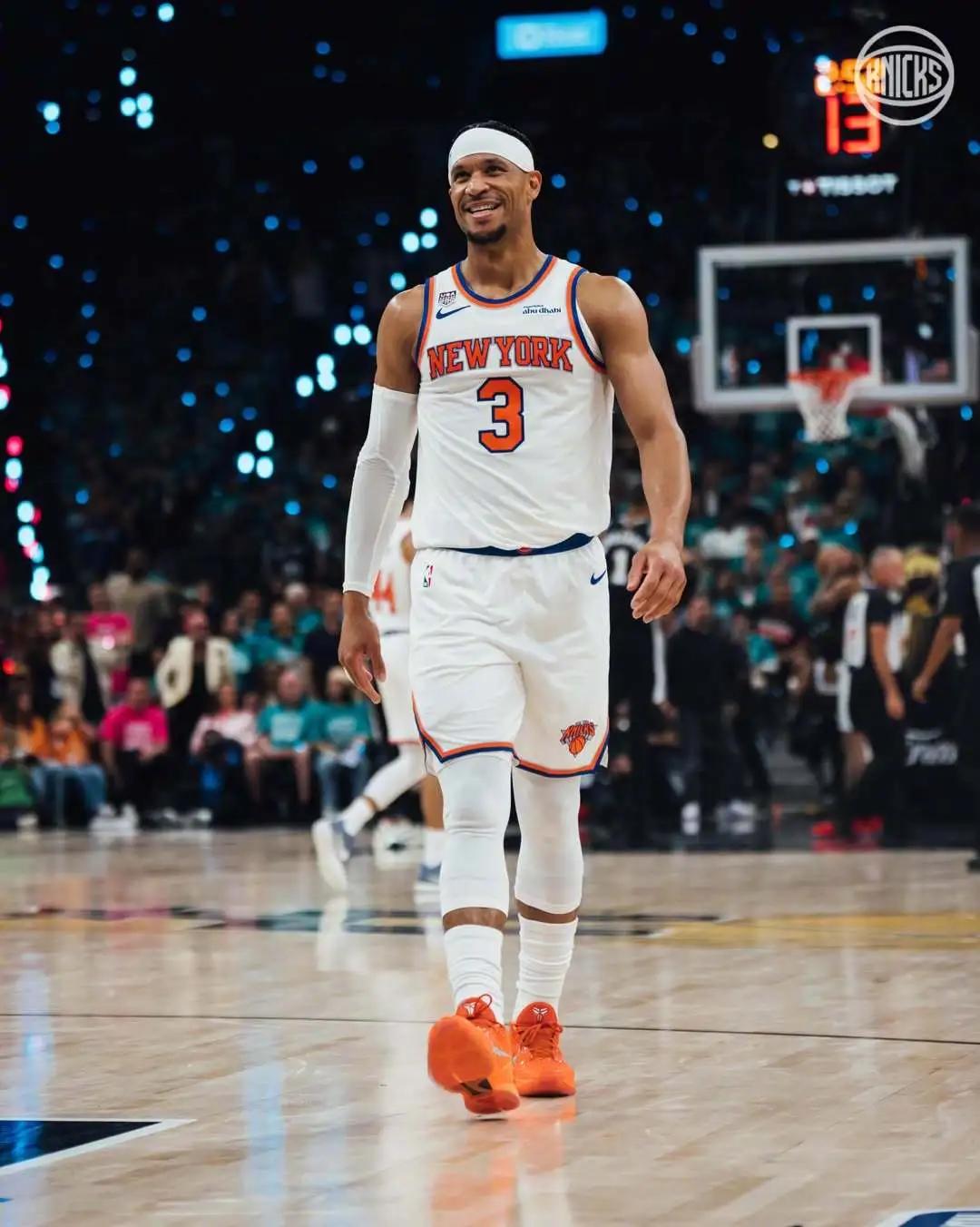
Throughout the entire fourth quarter in clutch time, Hart scored zero points, but every teammate’s points were tied to him. He fought for offensive rebounds, leading to OG’s critical three; he made multiple steals, setting up Brunson’s transition scores and the game-winning mid-range jumper.
He stopped Castle’s drive head-on, stripped Fox of the ball, and saved a baseline pass. Many of his contributions don’t show up in the stat sheet, but he was everywhere on the court, with every move influencing the game.
The Knicks’ offense was certainly better with a five-out lineup, but the primary reason they beat the Spurs was defense and rebounding—and Hart excelled in both. He indeed can’t consistently hit threes, but the hustle and intangibles he brings are irreplaceable.
In a sense, Hart, who can’t shoot, is the core engine driving the Knicks forward. Brunson is the lead engine, Towns anchors the paint, OG and Bridges man the wings, and Hart provides a steady stream of energy for the team. Every steal and every dive for a loose ball pushes the Knicks’ ceiling higher.
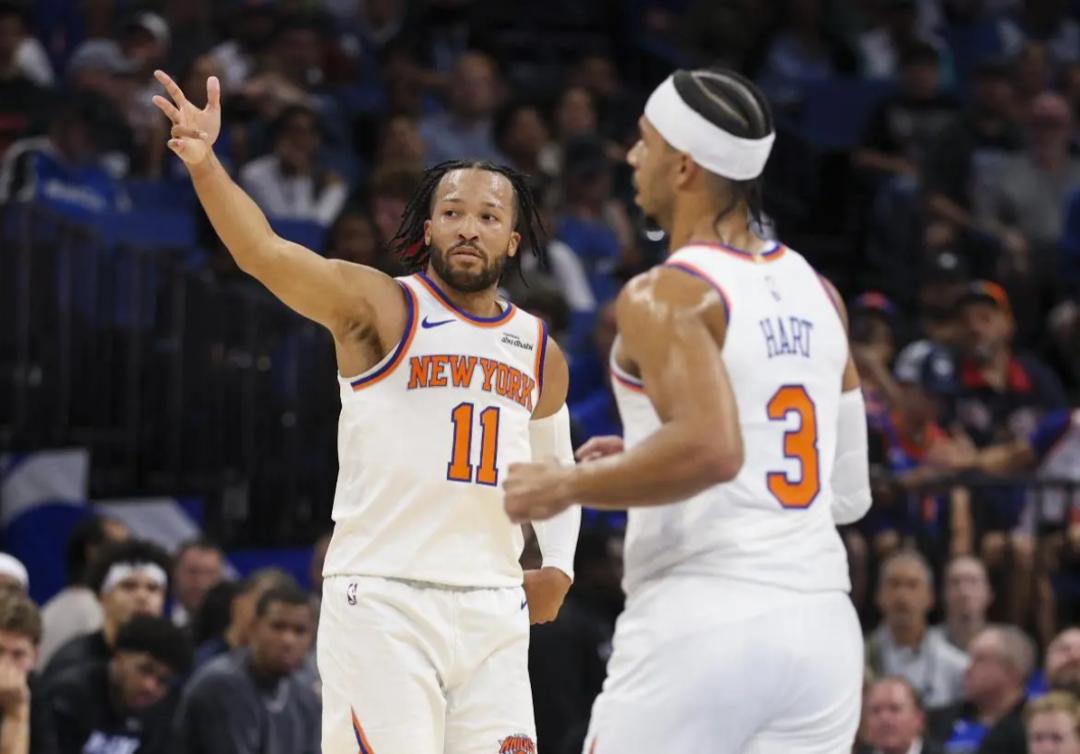
He wasn’t always offensively limited. In his final college season, he averaged 18.7 points, 6.4 rebounds, 2.9 assists, and 1.5 steals while shooting 51% from the field and 40% from three. For comparison, his then-teammate Brunson averaged 14.7 points.
He was selected with the 30th pick in the first round. With the Lakers, he was no longer the focal point, but he quickly showcased his rebounding talent. His rebounding instincts are exceptional, combined with relentless hustle and defense, earning him a spot on the Lakers. Later, with the Pelicans and Trail Blazers, Hart proved his value.
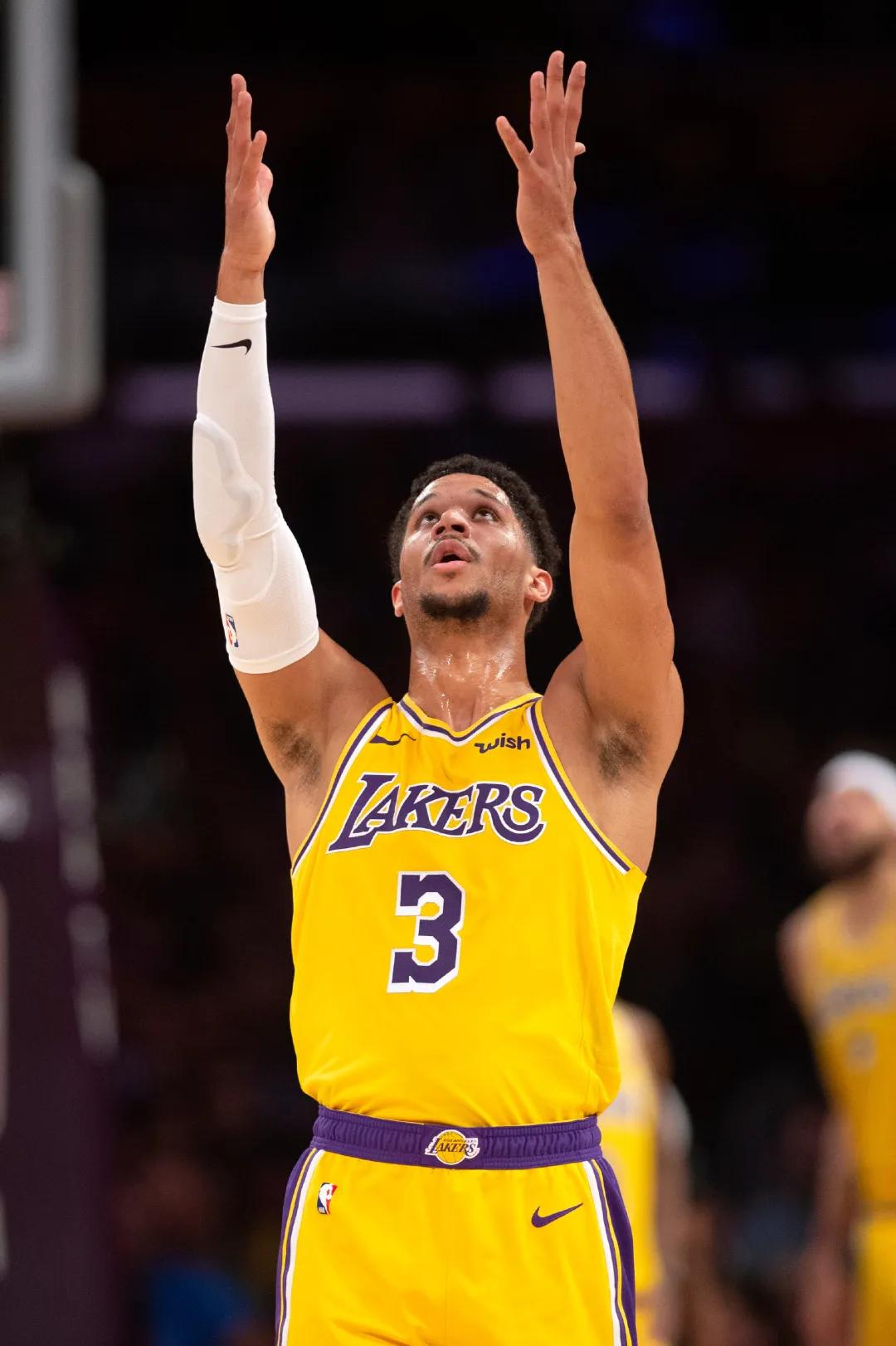
The Knicks acquired Hart from the Blazers for a lottery-protected first-round pick, and the gears of fate began to turn. Under Thibodeau’s system, Hart’s traits were maximized; he seems never to tire on the floor and consistently logs the most minutes for the Knicks.
The Villanova alumni bond began with Brunson and Hart, later joined by DiVincenzo and Bridges. DiVincenzo’s departure was unfortunate, but he and Randle brought back Towns, and the Knicks’ current roster took shape, eventually reaching the Finals.
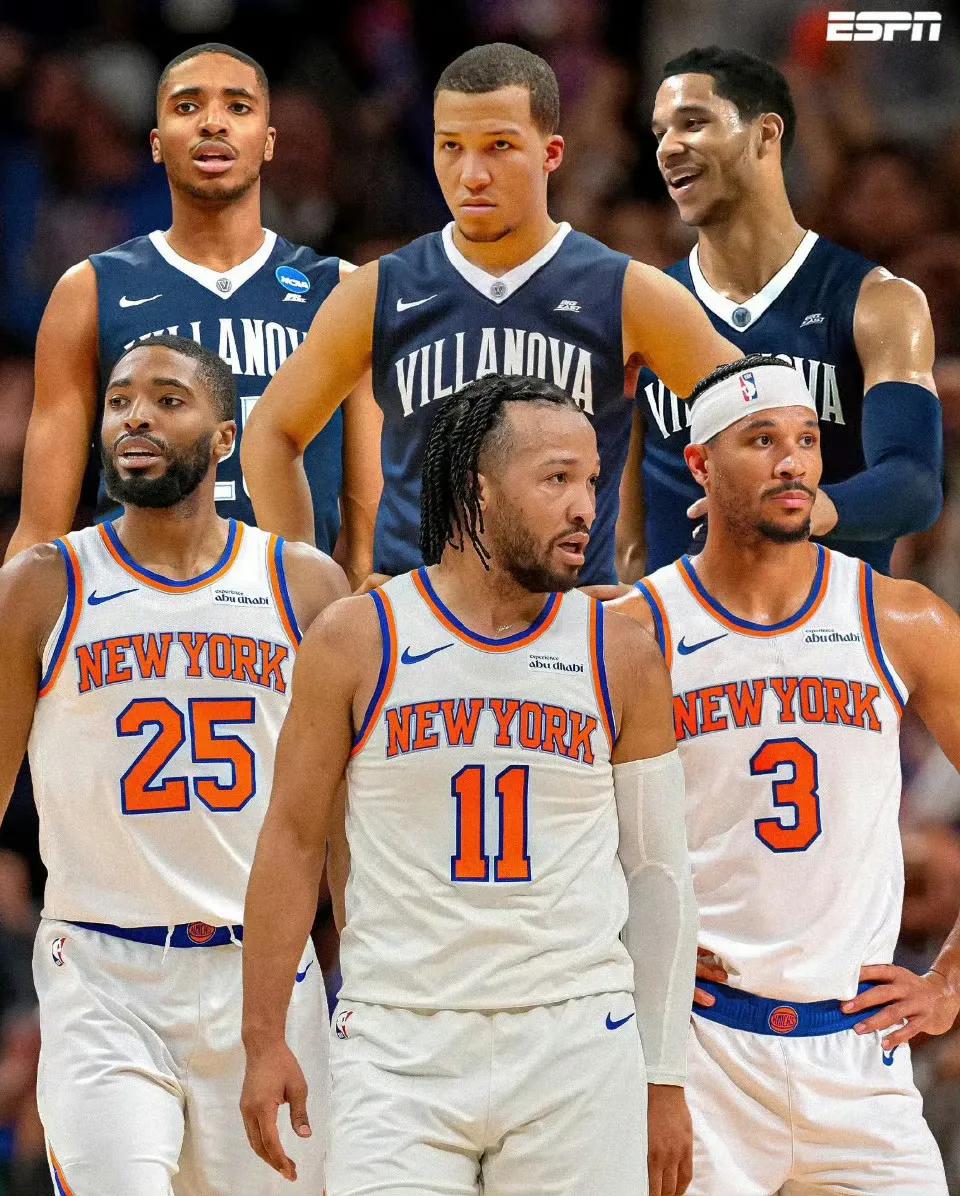
Ten years ago, when Brunson first entered Villanova, he won an NCAA championship alongside Bridges and Hart. Ten years later, those college teammates who once fought side by side are now on the Finals stage. No one is born a winner, but this group has already won once before.


Wonderfulshortvideo
Ace Bailey SOARS through the air for the big alley-oop jam 🫨


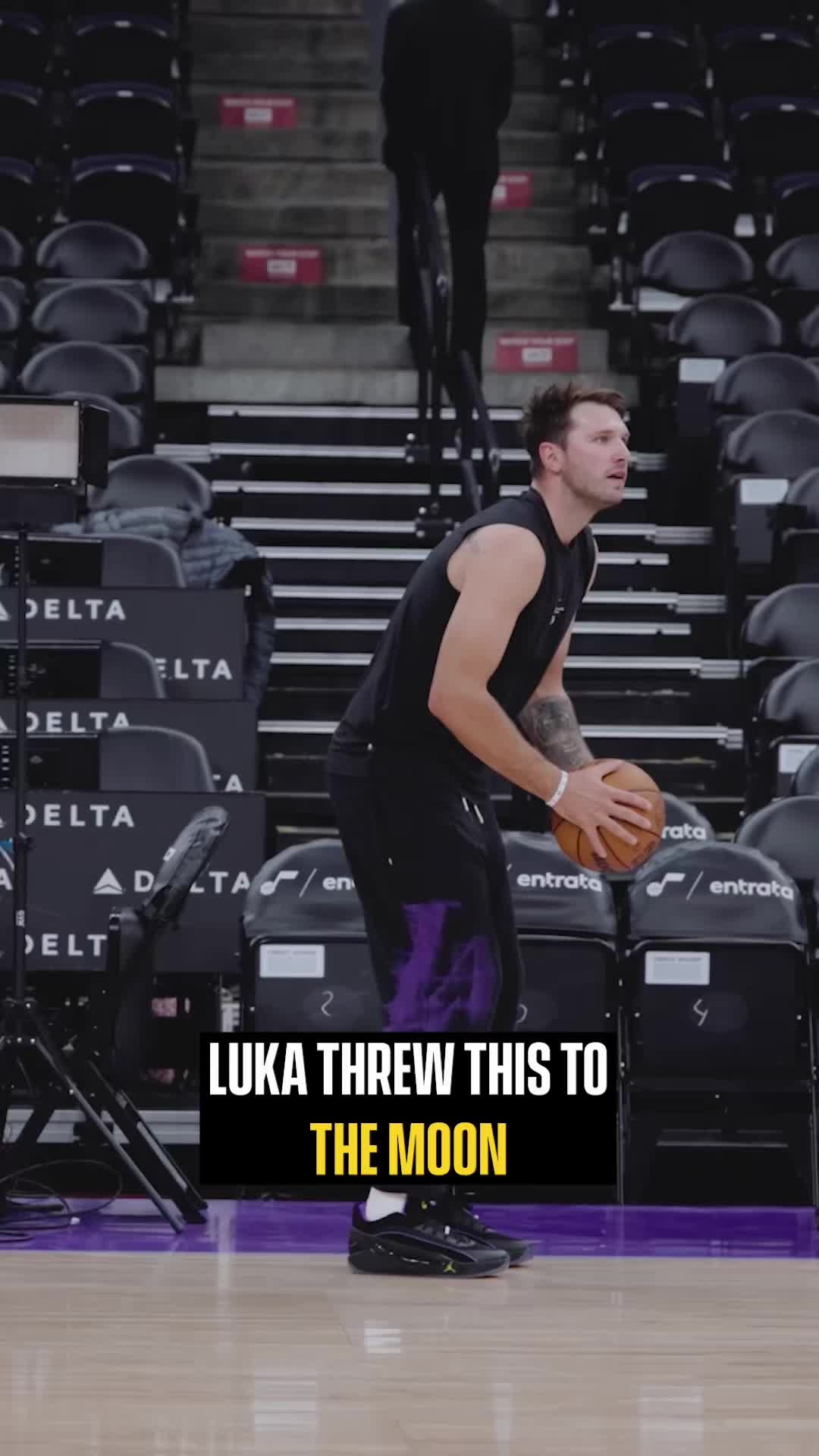
Casual, Luka.
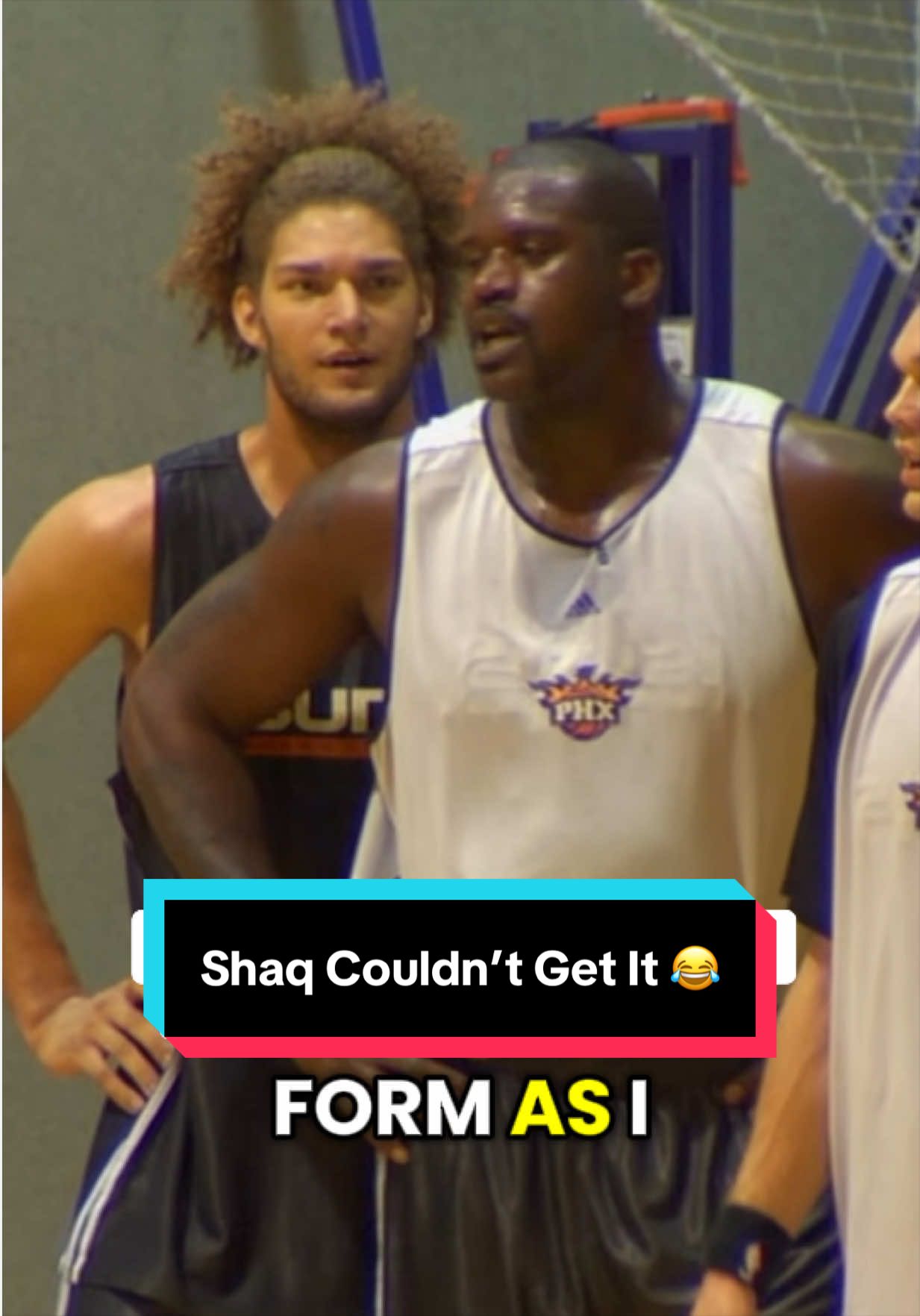
Now Shaq knows he’s wrong for this 😂
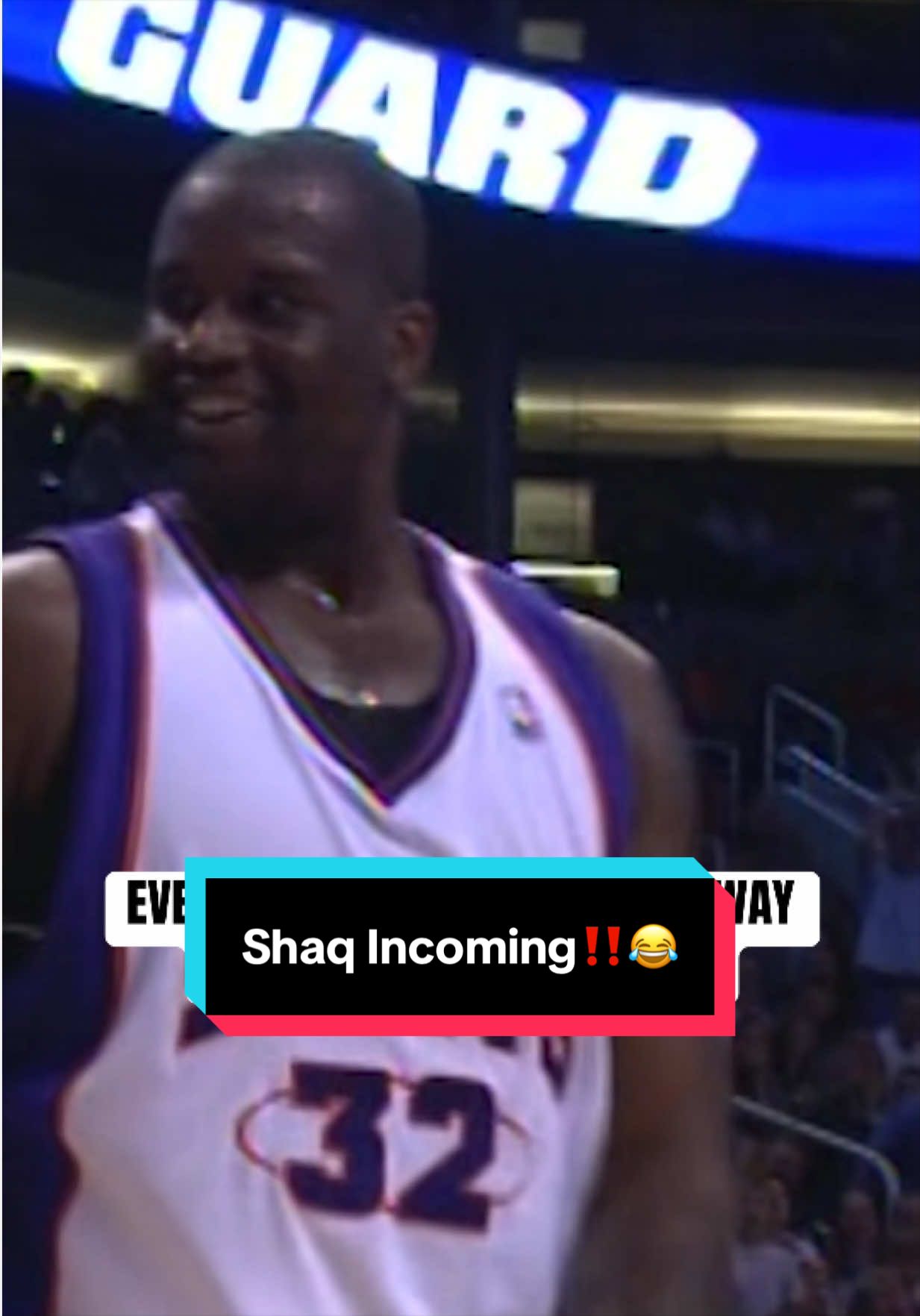
When you see Shaq coming at you, just MOVE and ask questions later 😂🤣
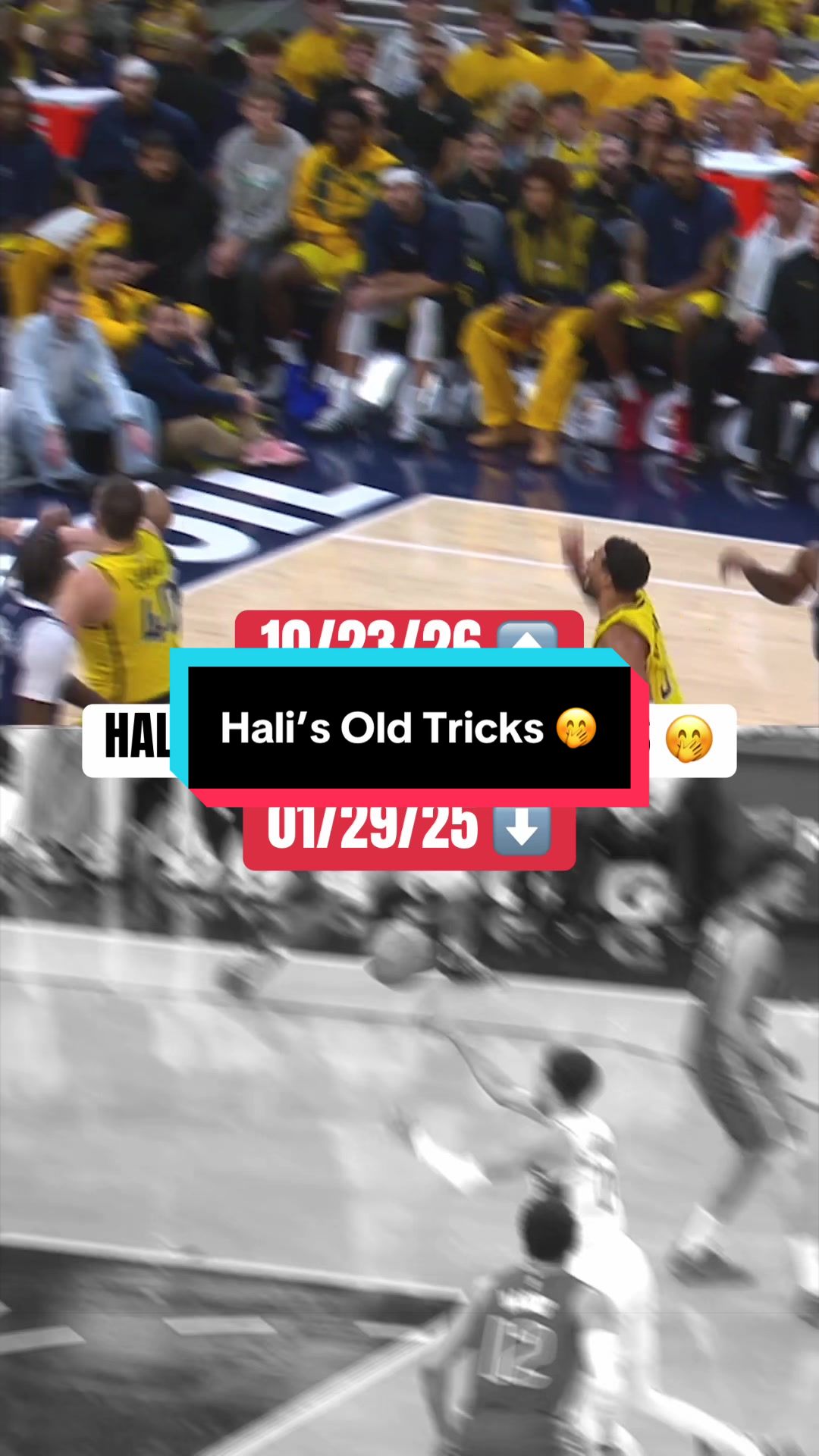
2025 ➡️ 2026… @Tyrese Haliburton is back in action and up to his old tricks 🤹♂️🔥
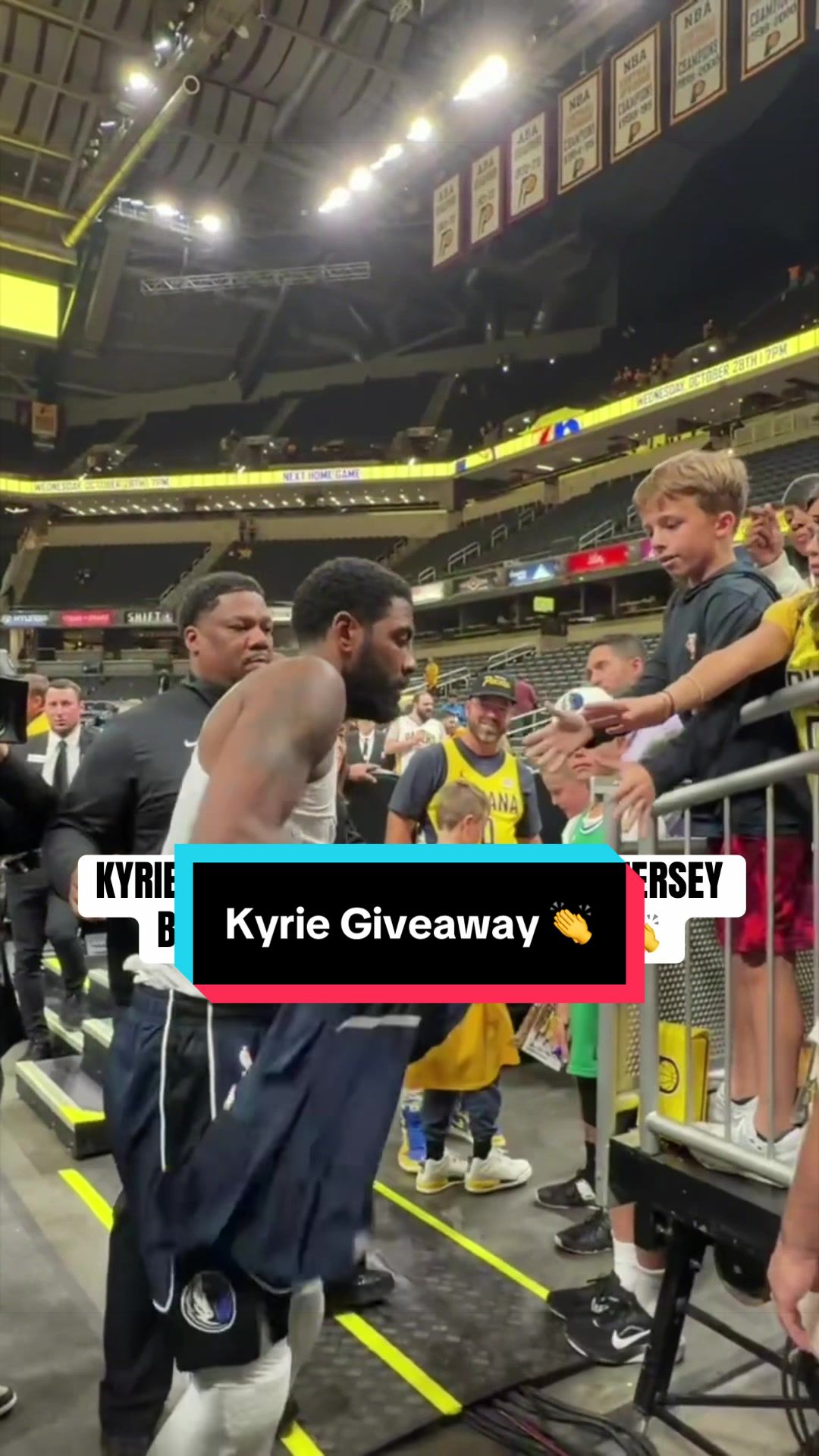
Kyrie gave some young fans his shoes and jersey before celebrating Dusty May's first NBA win 🥹
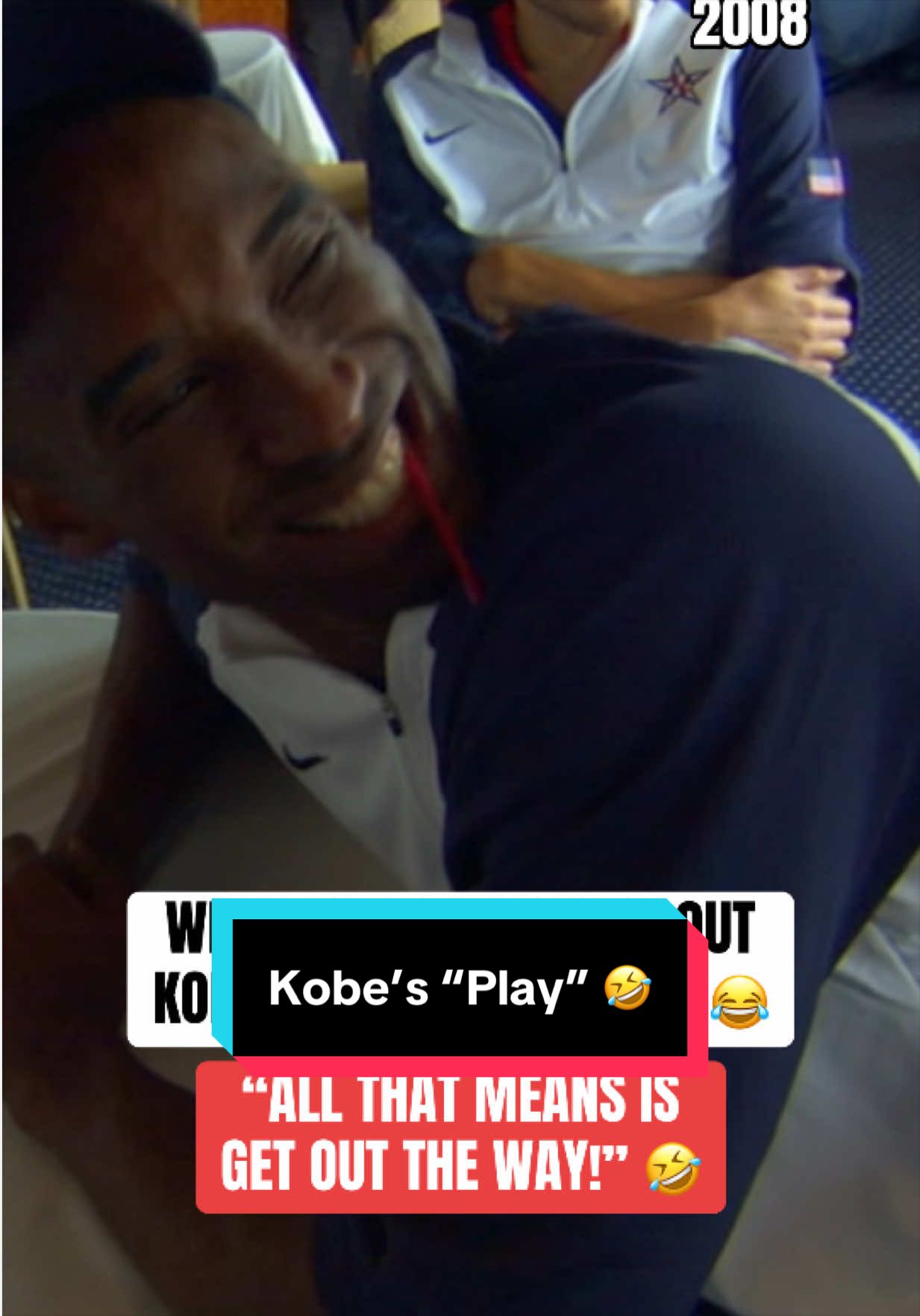
Took him a minute, but LeBron figured Kobe out 🤣
 Links
Links
 Contact
 App
App