



James' sign-and-trade move is feasible! U.S. media outlines a 6-for-4 deal: Father and son leave the Lakers to join the Cavaliers



On June 10, Beijing time, the most talked-about topic of the offseason centers on the league's oldest active player: Which team will James begin his 24th NBA season with?
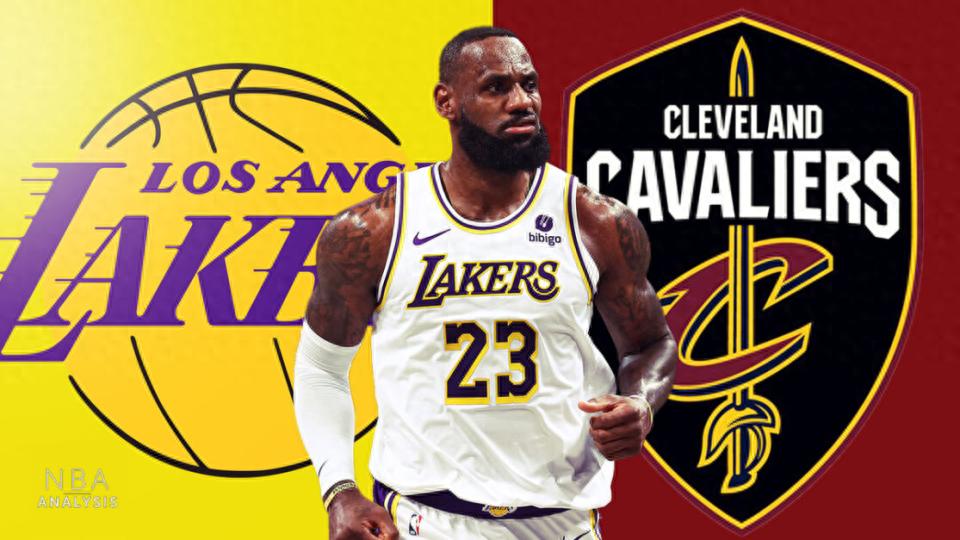
The Lakers, without Luka Dončić due to injury, were swept by the Thunder in the playoffs. The 41-year-old James continued to shine, but the franchise is at a turning point, and the front office is committed to constructing a squad centered on Dončić for the long haul.
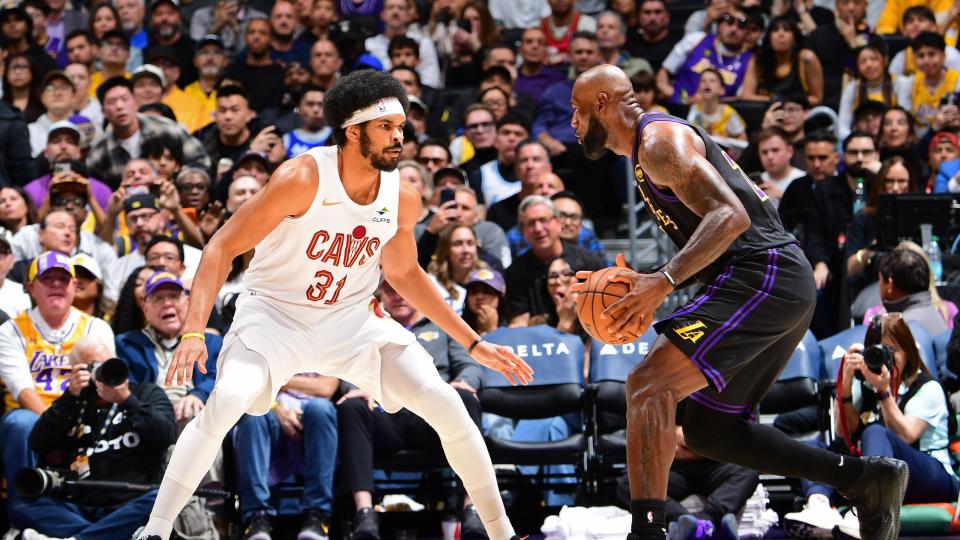
Cleveland, after years of rebuilding, made a resurgence by reaching the Eastern Conference Finals for the first time since James left, only to fall short against the New York Knicks.
Could James return to where his career began in Cleveland to finish his playing days? This path may seem complicated, but a sign-and-trade deal between the Lakers and Cavaliers is entirely feasible and could benefit both sides. Bleacher Report lays out a 6-for-4 proposal—
1. Trade Proposal
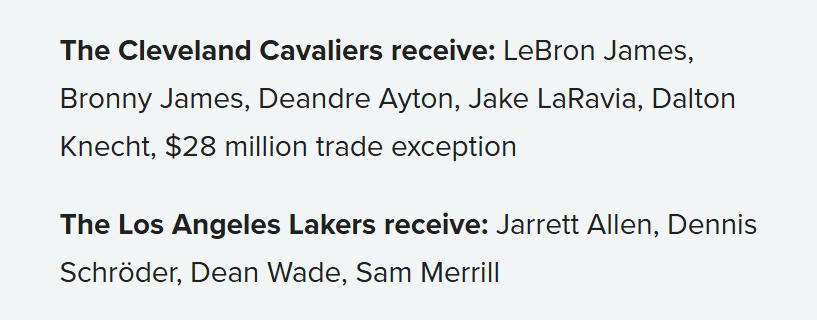
Cavaliers receive: LeBron James, Bronny James, Deandre Ayton, Jake LaRavia, Dalton Knecht, plus a $28 million trade exception
Lakers receive: Jarrett Allen, Dennis Schröder, Dean Wade, Sam Merrill
2. Why would the Cavaliers agree to this trade?
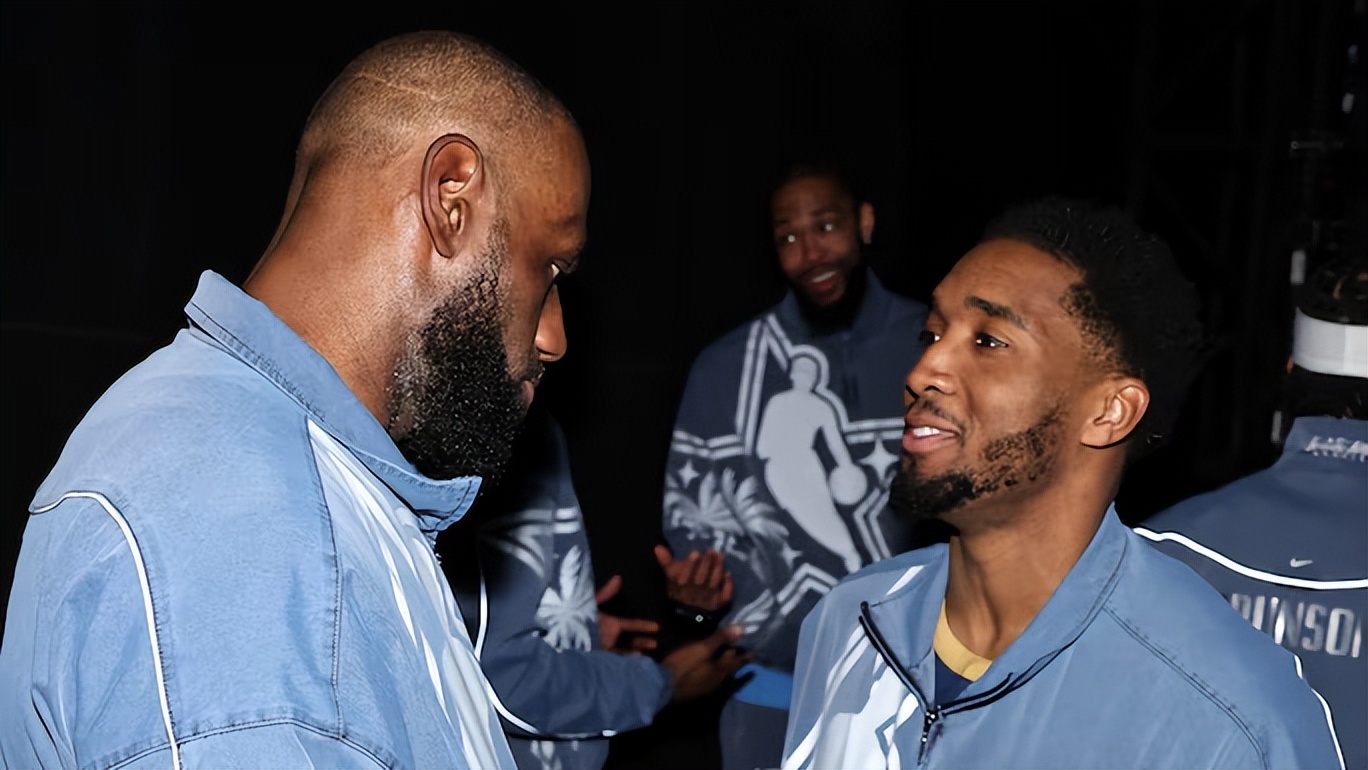
The Cavaliers finished second in the Eastern Conference this regular season. However, rivals like the Pistons and Celtics are aggressively upgrading with the Knicks in their sights, so Cleveland must also bolster its roster. Moreover, Mitchell's contract extension window opens this summer, making immediate reinforcements essential.
The core reason: Cleveland believes the Mobley-Allen frontcourt combo has hit its ceiling, while the franchise is eager to bring James back to finish his career in his hometown. After the deal, Mobley could shift to his more natural center position, with James playing power forward.
This move also helps Cleveland reduce its total payroll, avoiding additional penalties from the second apron. Meanwhile, adding a historic superstar and playoff performer significantly upgrades the team's firepower.
James Harden is expected to decline his $42.3 million player option and sign a new two-to-three-year contract with a starting salary of $32.5 million. The team's core would then feature Harden, Strus, Mitchell, Mobley, and James.
In this scenario, Ayton exercises his $8.1 million player option for next season. If Cleveland wants to go big, Ayton’s arrival could cut into Strus’ minutes.
LaRavia and Knecht add depth to the Cavaliers' rotation. Bronny James, who earned regular playoff minutes in the first round against the Rockets and performed admirably, would also join Cleveland.
The Cavaliers' current roster also includes Tyson, Proctor, Tomlin, and the 29th pick they’ll acquire later this month. The team could retain Craig Porter, offer Keyon Ellis a contract around $6 million, or use the mid-level exception (estimated at $6.1 million) to add more players.
This trade would become official after the NBA's offseason moratorium ends on July 6. Following the deal, Cleveland would be hard-capped at the first apron ($209.1 million), meaning players like Allen, Schröder, and Merrill must be sent to the Lakers to reduce salary and build a reasonable bench rotation.
Under sign-and-trade rules, James must sign a three-year contract worth $63 million, with a $20 million salary in the 2026-27 season. Similar to the Tim Duncan deal with the Spurs, both sides could privately agree that James plays only two or three seasons but receives the full contract amount.
Cleveland also moves Dean Wade via sign-and-trade, with his contract starting at $12.3 million over three years for a total of $38.6 million. The Cavs package Schröder, Merrill, and Wade’s salaries to match the incoming salaries of James, Ayton, Knecht, and LaRavia. Using the trade exception from the earlier Hunter deal, they absorb Bronny, and by leveraging Allen’s full 2026-27 salary, they create a large $28 million trade exception.
3. Why would the Lakers agree to this trade?
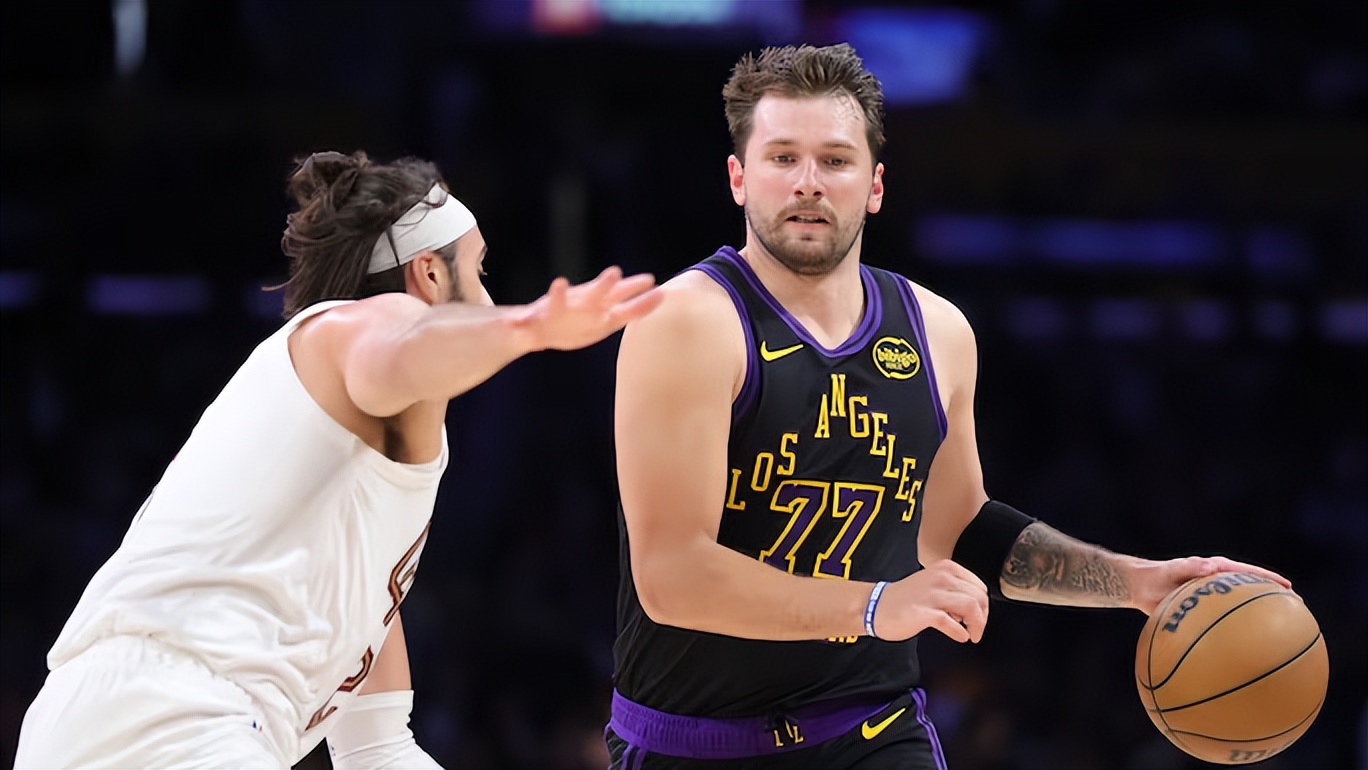
The Lakers' front office must manage public relations and explain to fans why the team is moving on from James and not letting him retire in purple and gold.
From a basketball operations standpoint, this is a necessary decision. The team must fully maximize Dončić’s prime—he is the franchise’s future as an elite scorer, while the aging James is no longer the core building block.
Contrary to speculation, the Lakers are not dropping below the salary cap. Instead, they acquire four rotation players through this trade: starting center Allen, veteran point guard Schröder returning to Los Angeles for a third time, sharpshooter Merrill, and versatile defender Wade.
If the Lakers simply let James walk, they’d have to shop in a free-agent market with mediocre overall quality. Meanwhile, Austin Reaves and Rui Hachimura are both in the top ten of the payroll, with expensive extensions: Reaves’ new four-year, $140 million deal starts at $32.5 million—$17 million less than earlier projections—and Hachimura’s three-year, $64.8 million contract begins at $20 million.
If Smart opts out of his contract before July, the Lakers could retain him for $6.2 million using non-Bird rights. Kennard (two years, $18.5 million) and Hayes (two years, $10.4 million, with $5 million in year one) would also stay.
The Lakers keep their 25th pick this year, Tijero, along with two future tradable first-round picks in 2031 and 2032, preserving flexibility for midseason trades.
If New Orleans is willing to trade Trey Murphy III for three first-round picks, the Lakers could package Vanderbilt and Schröder as part of a larger three-team deal.
After the trade, the Lakers also trigger the first apron hard cap. The salary matching logic: sending James for Allen, sending Ayton for Schröder, sending LaRavia for Wade, and the combined salaries of Bronny and Knecht match Merrill’s contract.
The Lakers can later fill out their 15-man roster with several minimum-salary players, or reserve a spot for Nick Smith (whose contract only becomes fully guaranteed if he’s on the opening-night roster).
For the Lakers, this is a bold transformation. Bidding farewell to James is bittersweet, but now is the ideal time to restructure the roster and officially usher in the Dončić era.


Wonderfulshortvideo
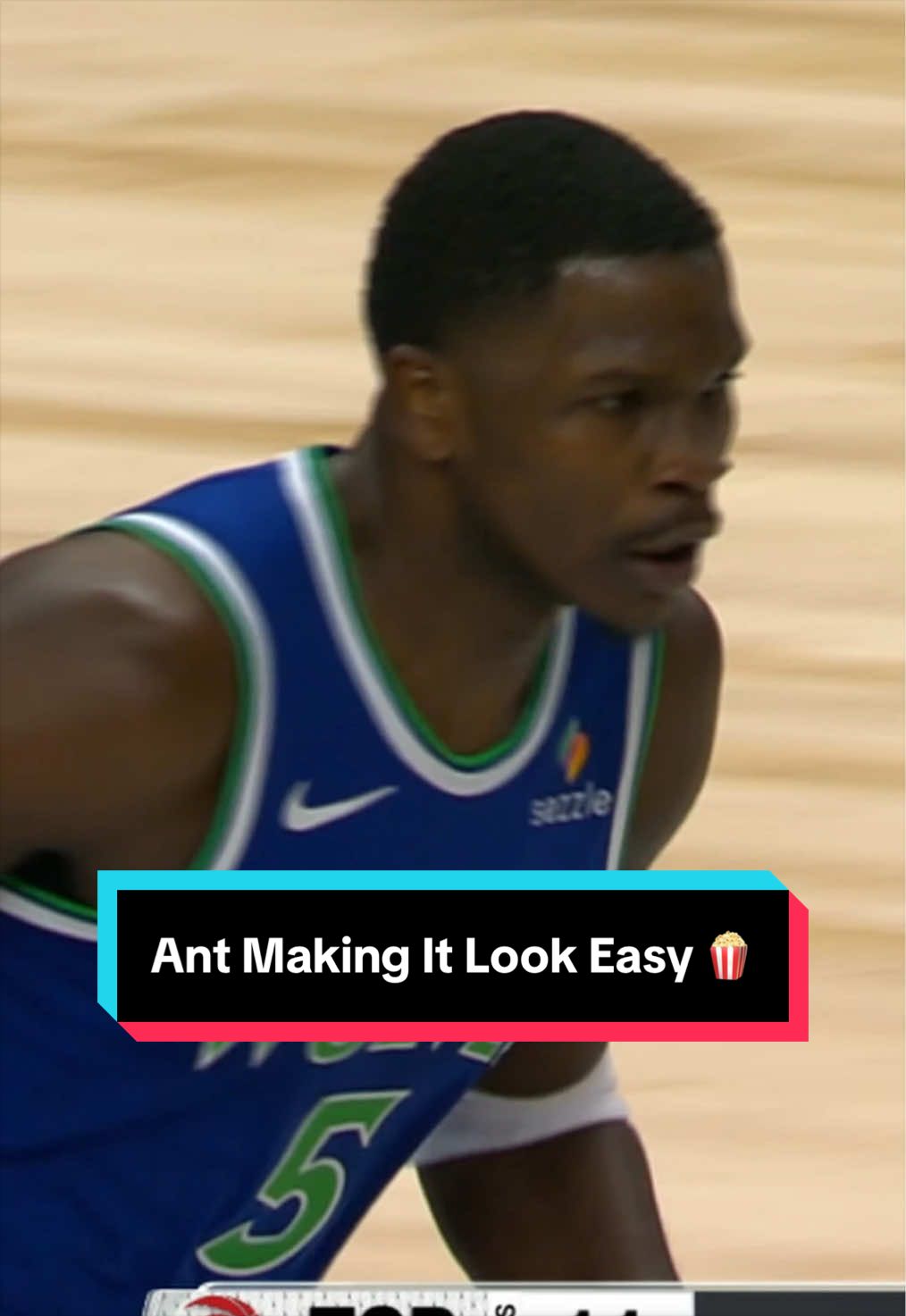
Ant finds the lane and finishes with a two-hand JAM 🔥


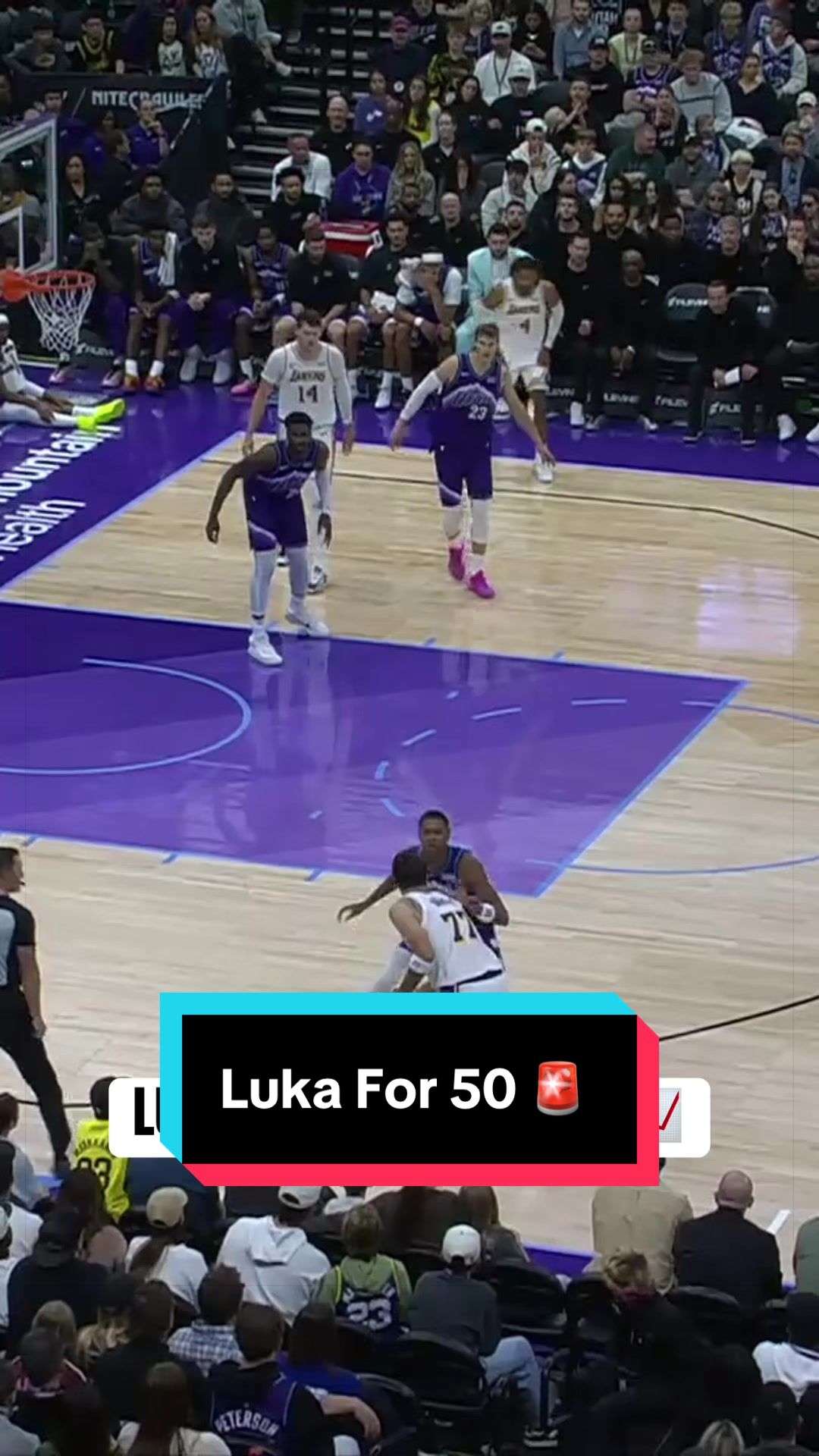
Luka Dončić sinks the casual three for 50 pts on the night 🔥
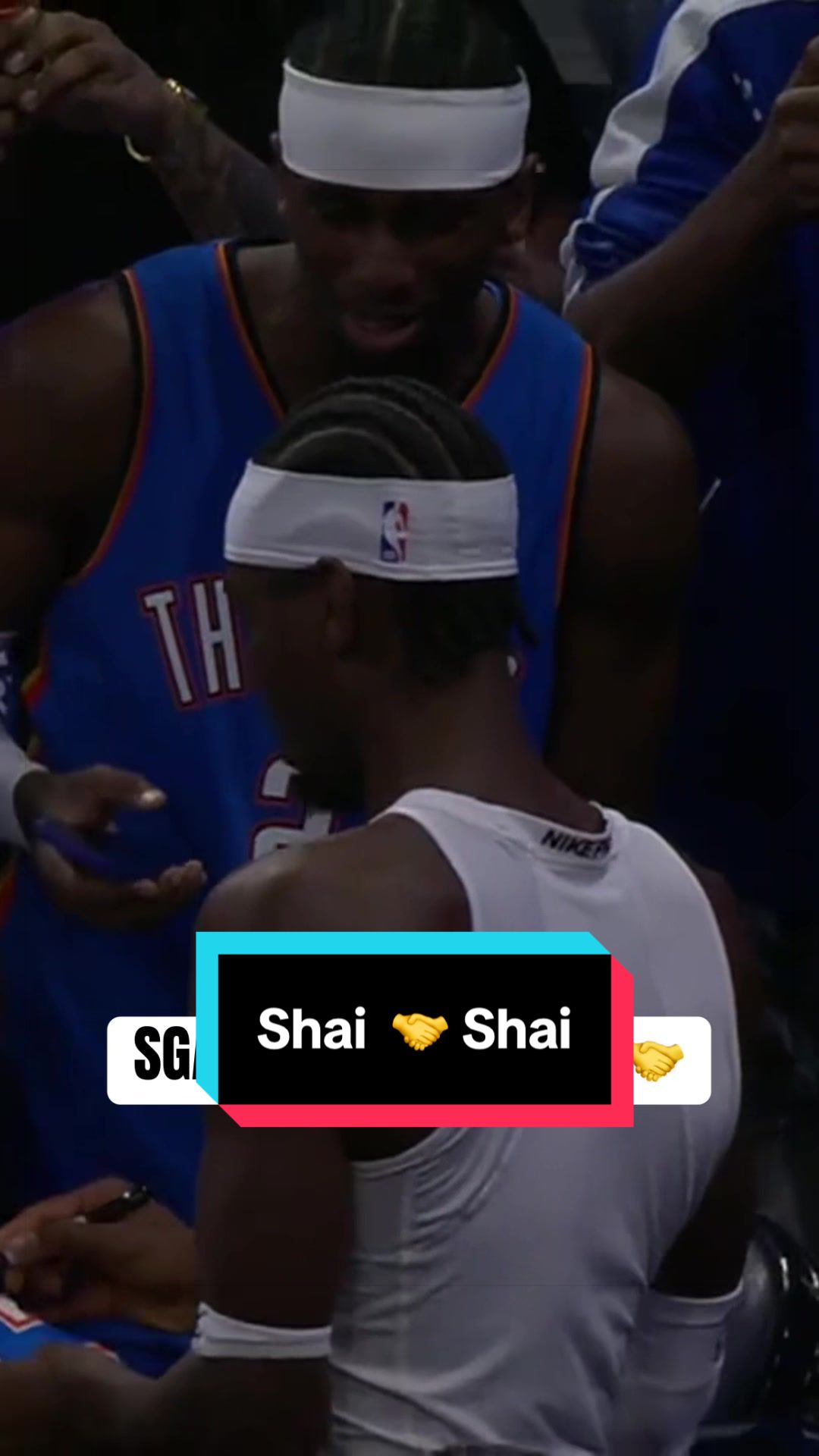
Funny moment as a fan dressed exactly like SGA takes a selfie with him 😂 🙌
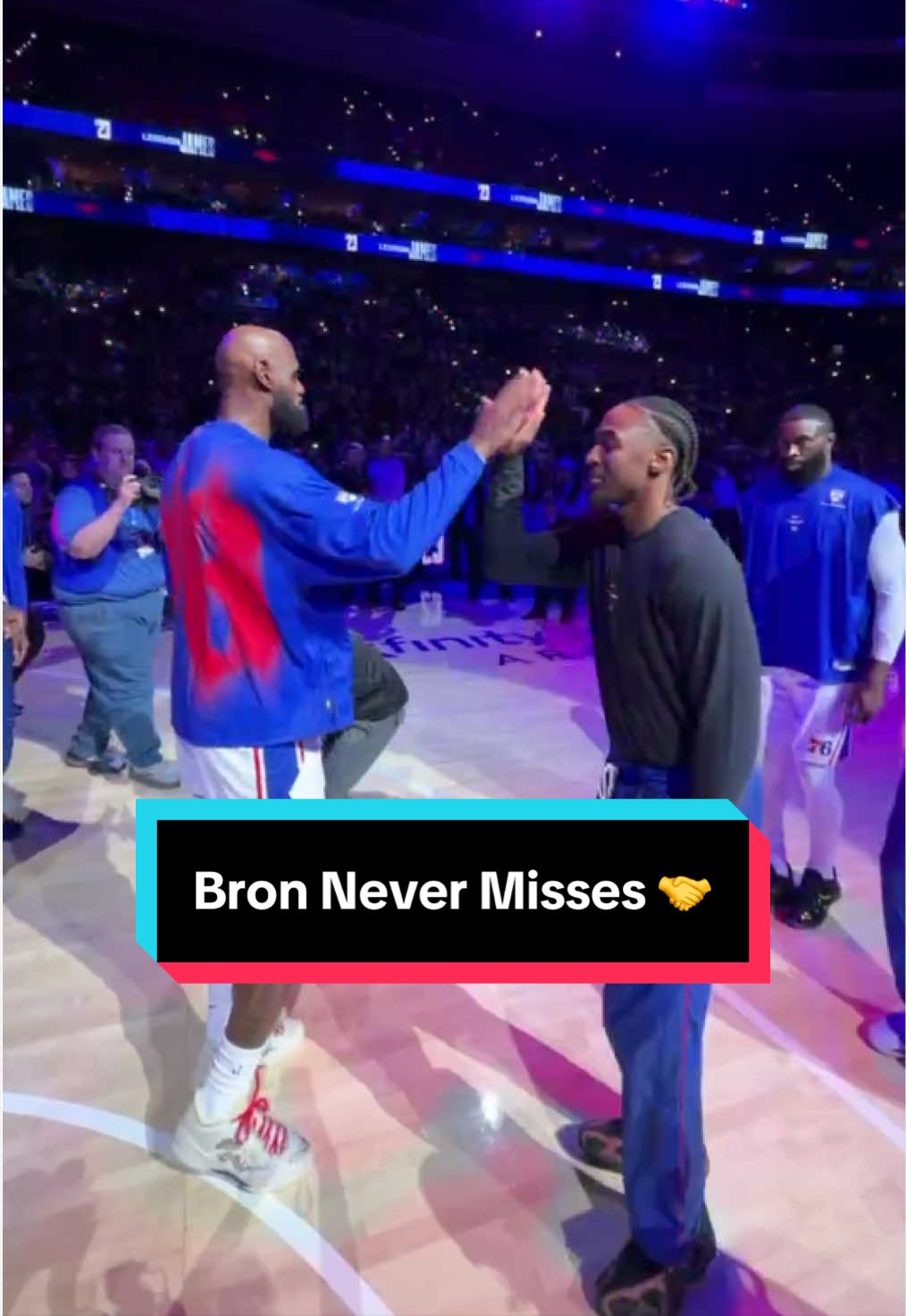
LeBron’s got a handshake with the whole squad 🔥
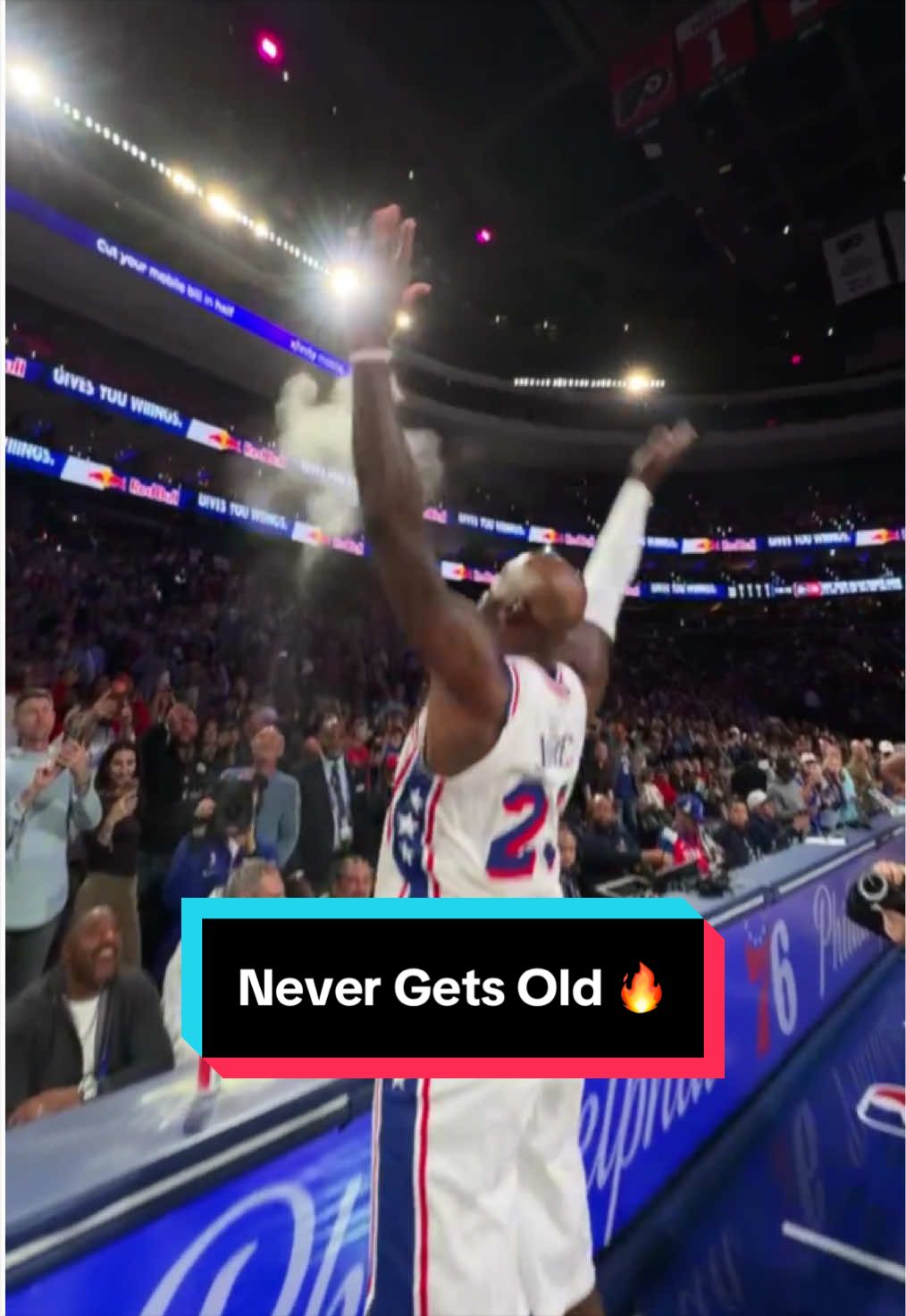
The LeBron chalk toss never gets old 🍿
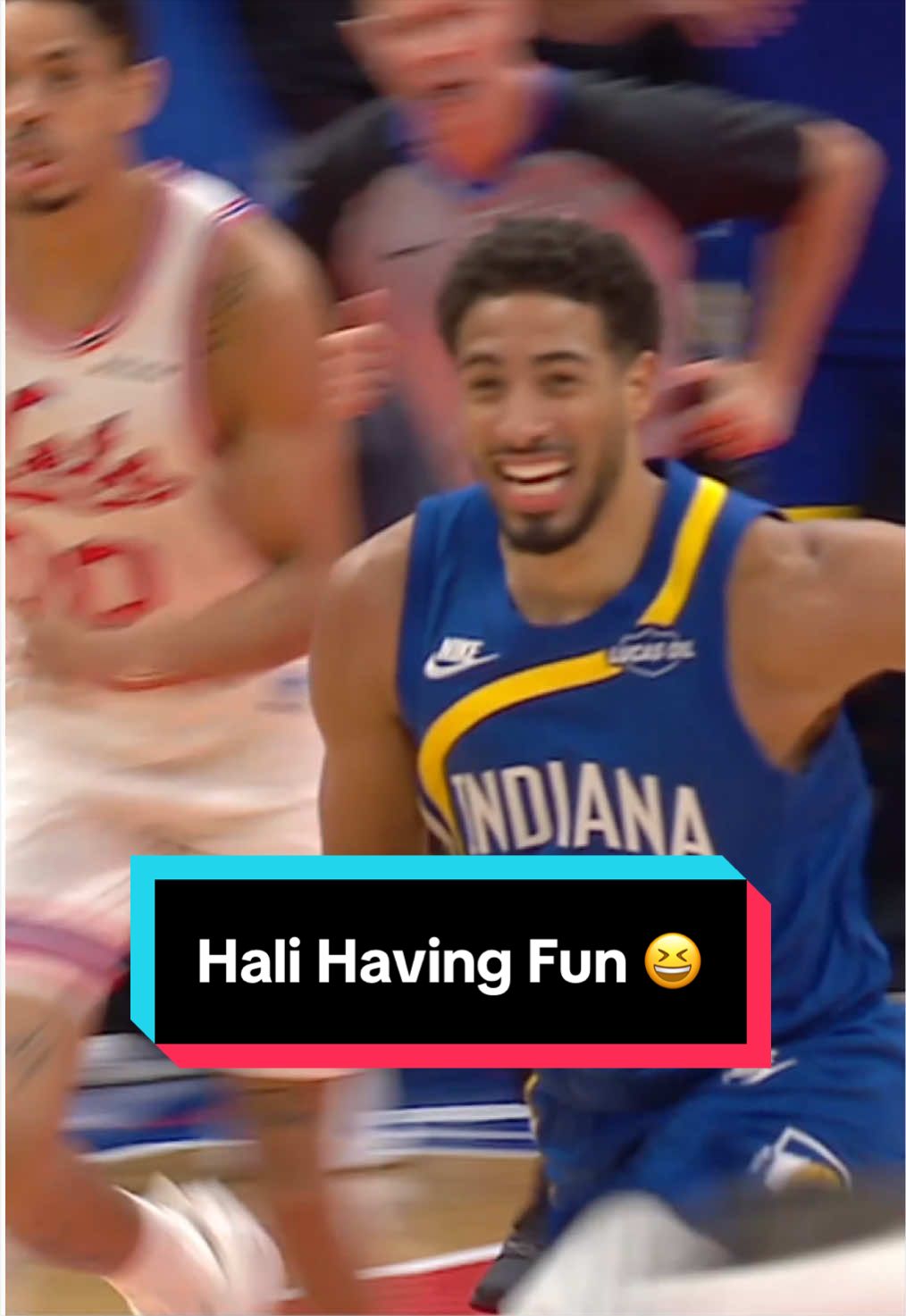
Hali bounces the lob to himself for the alley jam 🤩
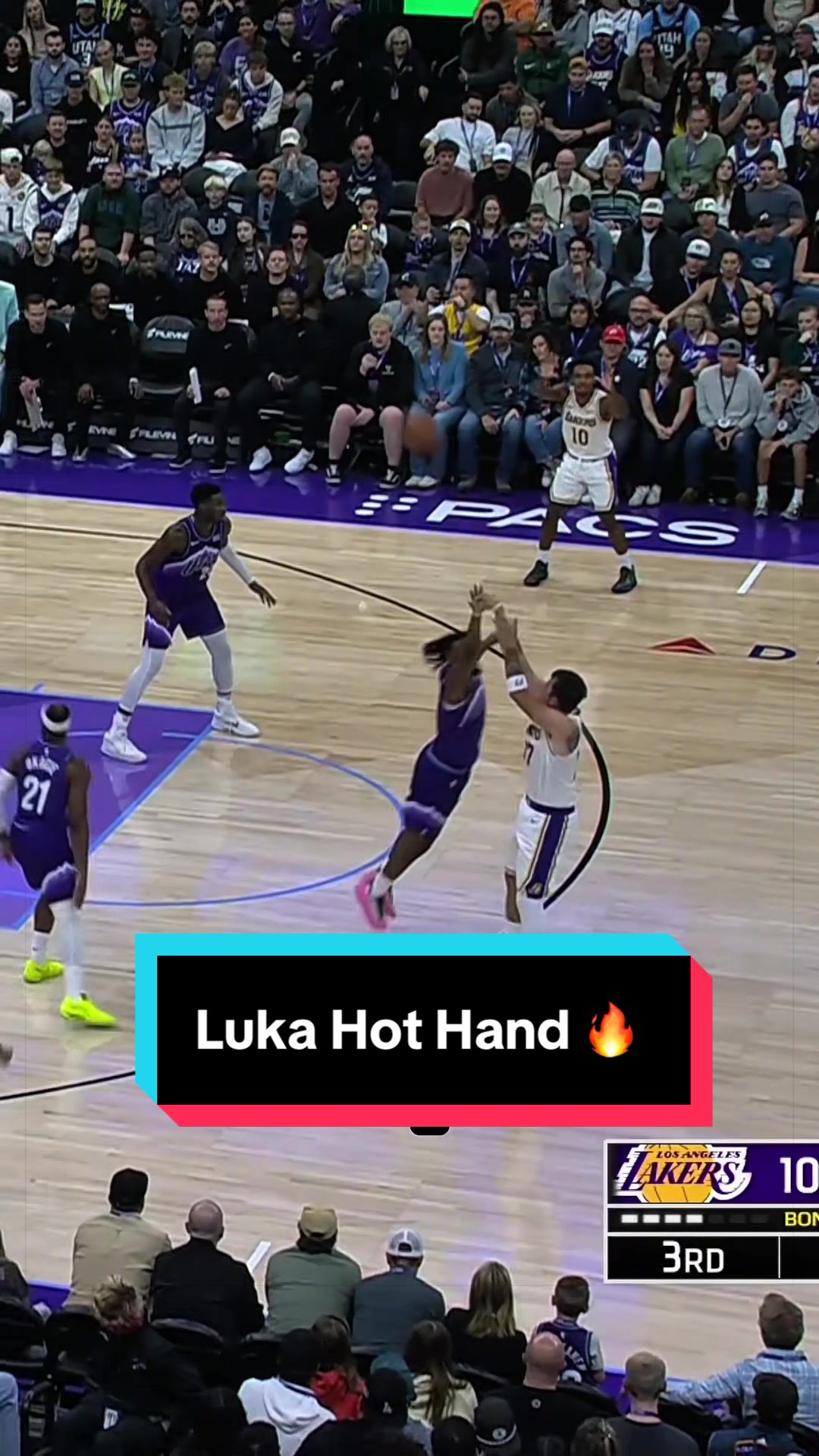
Luka was feeling it from 3️⃣ 🎯
 Links
Links
 Contact
 App
App