



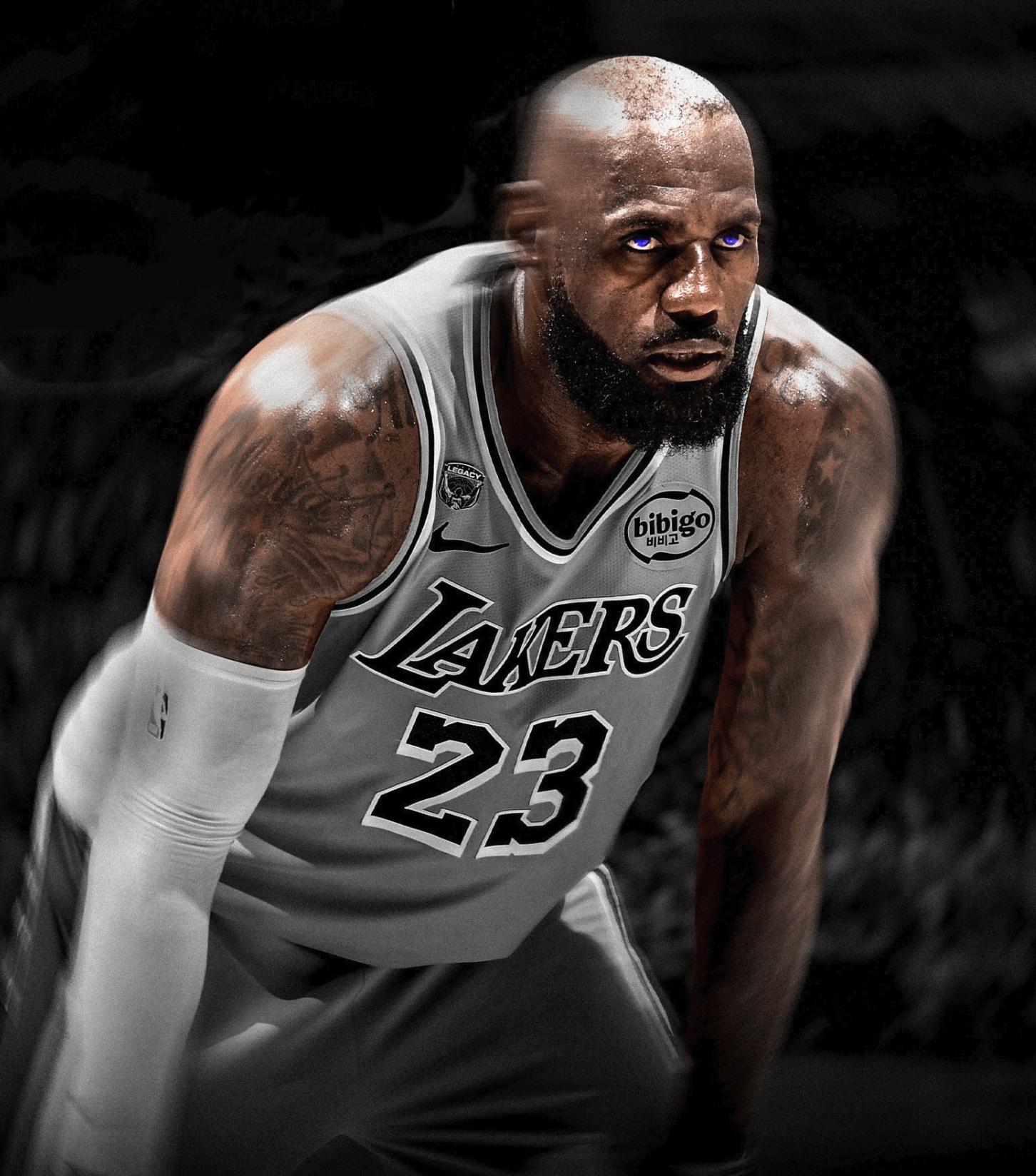
James earned $581 million in salary over 23 years, yet his value remains underrated. The Lakers will re-sign Rui Hachimura and Jaxson Hayes.



Since being selected first overall as the "chosen one" in the 2003 NBA Draft, James has observed the transformations of both the league and the teams he has suited up for. Team valuations now commonly exceed $1 billion. Despite collecting $581 million in wages over 23 years—roughly $25 million per season—the annual worth he brings to the league is unquestionably much higher than $25 million.
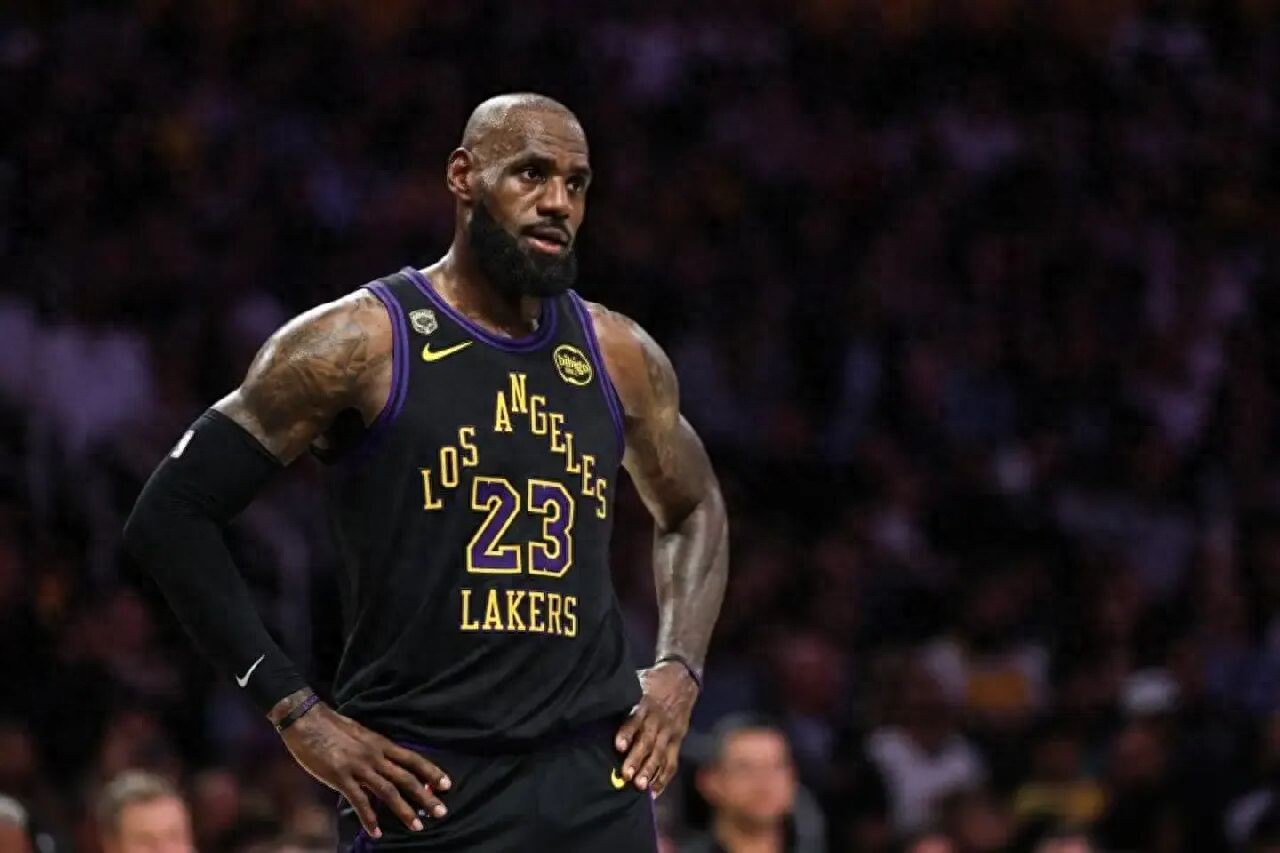
He deserves more—and he is fully aware of that. This is precisely what makes his current free agency journey so compelling. James continues to perform at an elite level and warrants a massive contract. Yet the NBA's financial landscape, his team's situation, and the state of their competitors could once again leave him significantly underpaid.
James' contract with the Lakers expired after his 23rd season. That season, he remained an All-Star, averaging 20.9 points, 6.1 rebounds, and 7.2 assists, while leading his team to an improbable first-round playoff victory over the Houston Rockets despite missing key guards.
He proved he could thrive as the third option alongside Austin Reaves and Luka Dončić. Furthermore, after missing the first 14 games of the season, he demonstrated remarkable durability, having already played more games and minutes than anyone in NBA history.
But now, at this stage of his career, the question of how much teams are willing to pay James has become a major topic of discussion around the league.
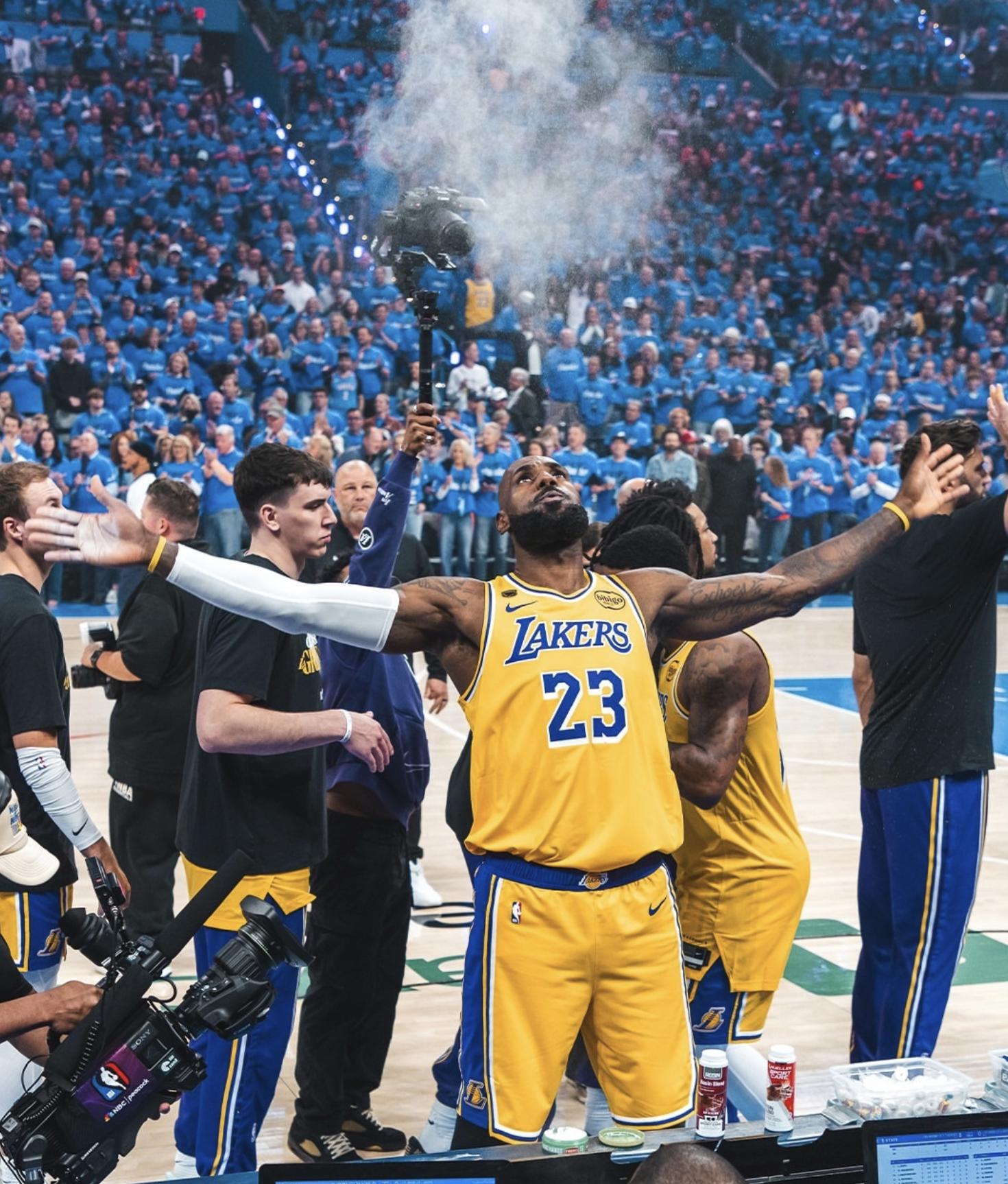
For the Lakers, they have long viewed James' contract as an expiring asset and have been keen to explore ways to use that cap space to build the optimal roster around Dončić. However, this year's free agent market is considered weak—strangely enough, James and Reaves are among the best available players.
Moreover, the Lakers are not only a top source of free-agent talent; their own players are also highly sought after. Rui Hachimura and Luke Kennard are among the best shooters on the market; Deandre Ayton and Marcus Smart both outperformed their contracts last season and may opt out to enter free agency; Jaxson Hayes is one of the few available rim-running centers.
At a time when the Lakers should feel pressure to adjust their roster, the fact that their own players are hot commodities on the free-agent market puts them in a tricky position.
If the free-agent market is weak and the Lakers aren't strongly inclined to retain their current lineup, the only way to improve the roster using cap space seems to be:acquiring players through trades.
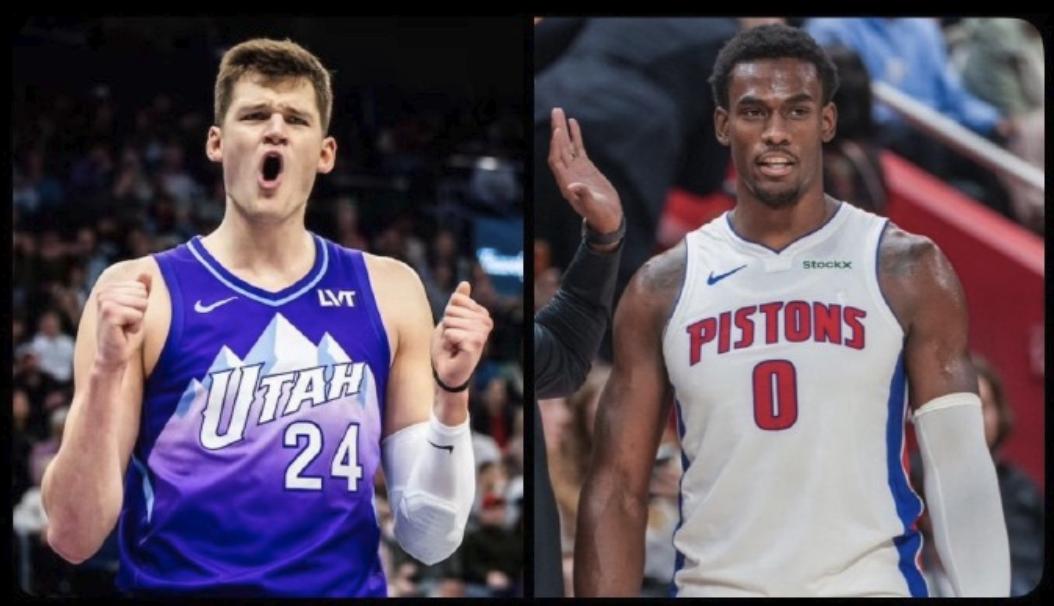
While there are some restricted free agents who fill positional needs, league sources indicate that those options don't make much sense. The general expectation is that the Utah Jazz will match any offer for Walker Kessler, and executives hold a similar view regarding the Pistons and Jalen Duren.
Another restricted free-agent center worth at least monitoring is Mark Williams of the Hornets (yes, the same player the Lakers traded for and then rescinded). But it's natural to wonder why Charlotte would trade assets to acquire Williams only to let him go after one season. Wings Tari Eason and Peyton Watson both have injury and shooting concerns and are valued highly by their current employers.
Prying away restricted free agents is one of the biggest gambles in the NBA and is generally seen as a last-resort strategy. The Lakers could attempt to trade for any restricted free agent they covet, but there are almost no precedents of elite restricted free agents being allowed to leave.
That is whyusing the Lakers' cap space as a trade toolis the most straightforward initial plan for the team. Penalty provisions related to the second apron could place the Lakers in a favorable position to acquire talent without depleting valuable draft assets.
All of this means that if the Lakers want to maximize cap space, James' priority may need to take a back seat. But that is not the only option available to them.
Sources say that before free agency opens on June 30, teams can be aggressive in trades; if they can execute moves by sending out matching salaries, there is indeed a path for the Lakers to operate as anover-the-cap team. If so, holding James' Bird rights would become extremely valuable, potentially offering a more convenient route to re-sign him at a salary closer to his true worth.
However, if the Lakers prioritize cap space, it will be very difficult for them to both significantly overhaul the roster and retain their most important free agents at market value. Reaves' modest cap hold has little impact on next year's cap room, but the same cannot be said for James and his nearly $60 million cap hold.
The Lakers' front office plans to build the team around Dončić. Rui Hachimura and Jaxson Hayes are both core rotation pieces the Lakers want to keep, and the team intends to re-sign them.
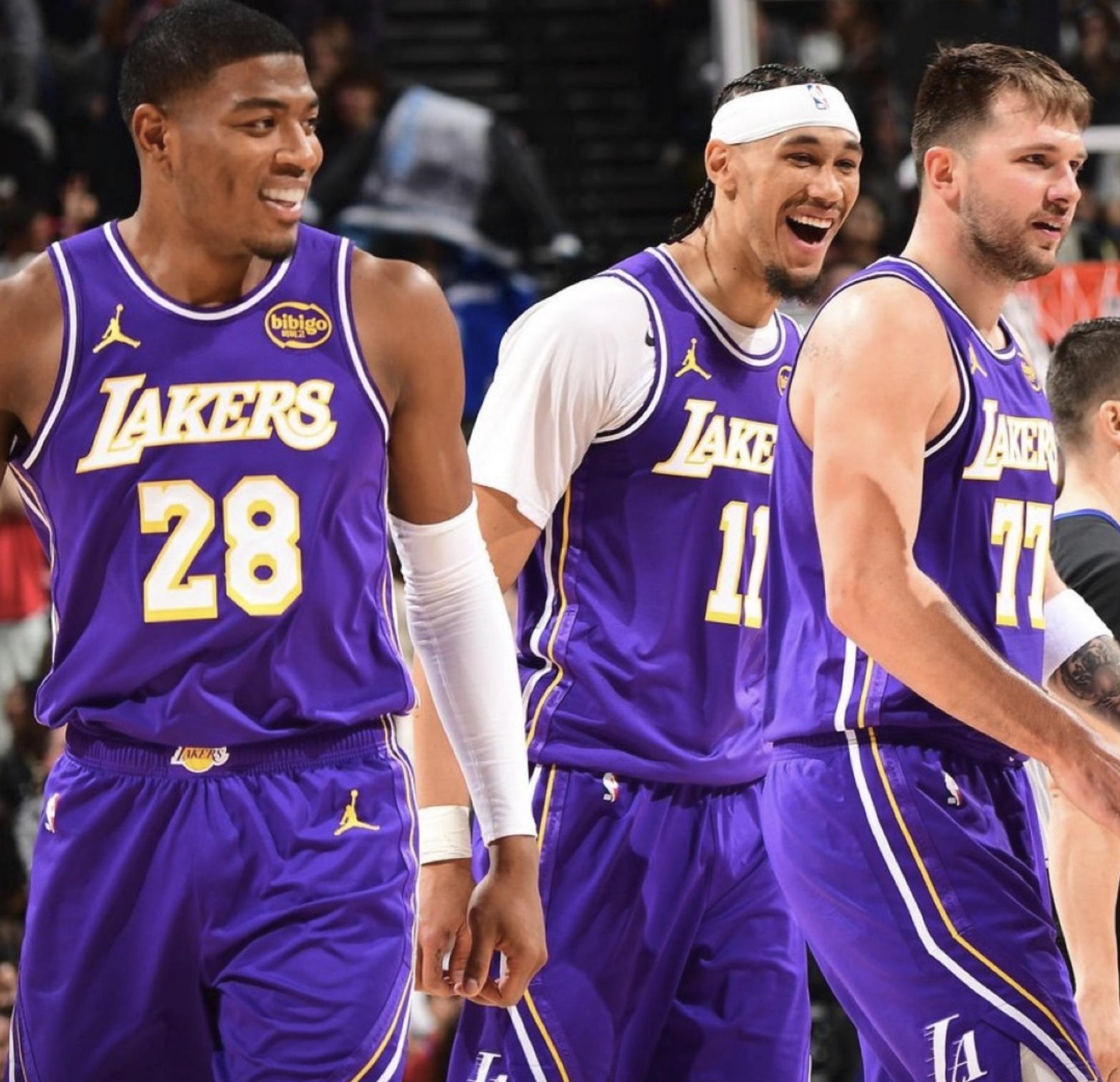
At the same time, the Lakers recognize that every piece of cap space they fill will reduce the amount available for James.
Rob Pelinka has stated that the team wants to give James ample time and space to decide his future. Team sources say this stance has not changed. James' agent, Rich Paul, said Friday that he hasn't even discussed next season's destination with James yet, though he noted that if James decides to continue playing, a third of the league would be interested.
Looking at the projected payrolls of these teams, most lack the cap room to offer James a contract commensurate with his 2025-26 production. This means that if James plays next season, his salary will likely be far below this season's $52.6 million.
If the Lakers are determined to replicate the optimal lineup Dončić had in Dallas, that means they will focus on retaining secondary playmaker Reaves, finding a center who can protect the rim on both ends, and upgrading wing shooting and athleticism.
James does not neatly fit into any of those roles, mainly because even at 41, he is still too good to be a role player. He is simply unique. And if the Lakers decide to move on from James, replacing his production with any single player would be virtually impossible.
As the team enters its exclusive negotiation window with James, they cannot be certain which path is best this summer. Perhaps a trade opportunity will arise before the draft, allowing the Lakers to upgrade the roster that way; maybe teams willing to spend in free agency will see the Lakers as a destination for certain contracts; perhaps the Lakers will pressure teams with restricted free agents. For now, the plan is unclear.
This means James' plans may also be unclear. Given his performance last season and what he can almost certainly still do next year, this uncertainty is at least a little unsettling.
This may not be the first time James has been undervalued—but it will be the most obvious instance. And as he evaluates whether and where to play, no one can say for sure how that will make him feel.


Wonderfulshortvideo
Quick rewind, full recap. Here's everything from tonight's @Detroit Pistons vs. @Philadelphia 76ers matchup ⏪🏀


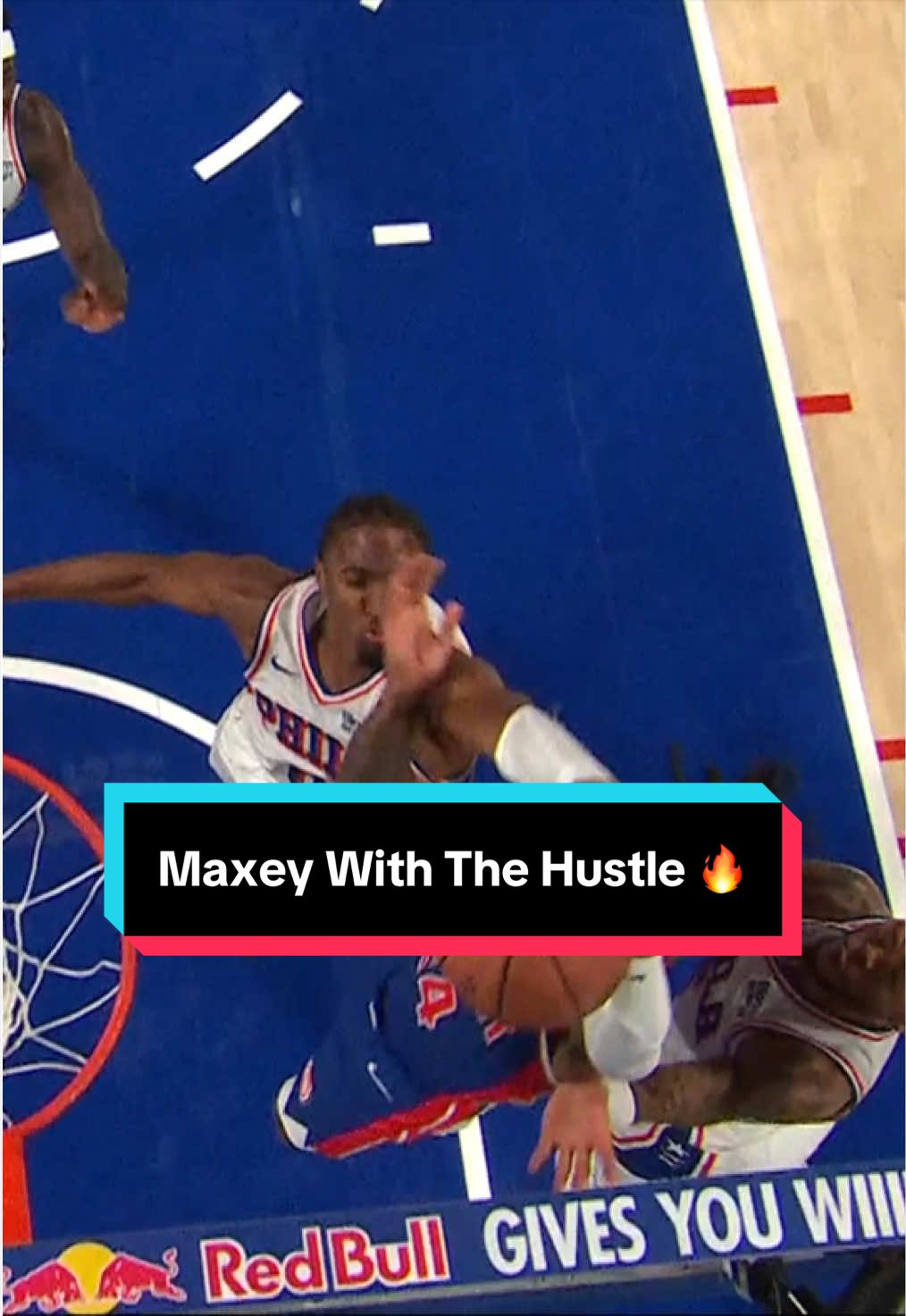
Maxey hustles back and elevates for the big block 🤩
Quick rewind, full recap. Here's everything from tonight's @LA Clippers vs. @OKC Thunder matchup ⏪🏀
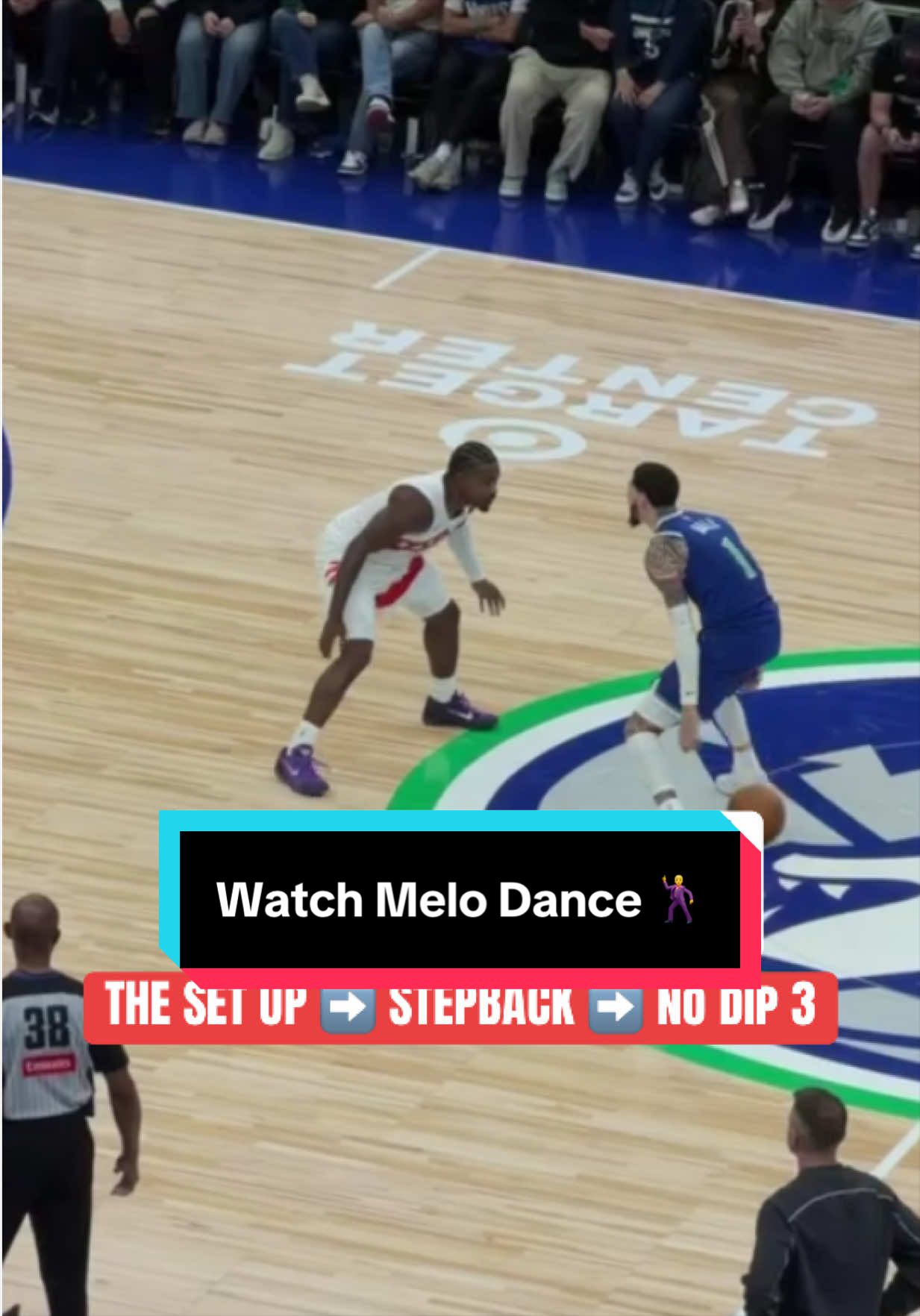
LaMelo dance… LaMelo stepback 🔥🤯
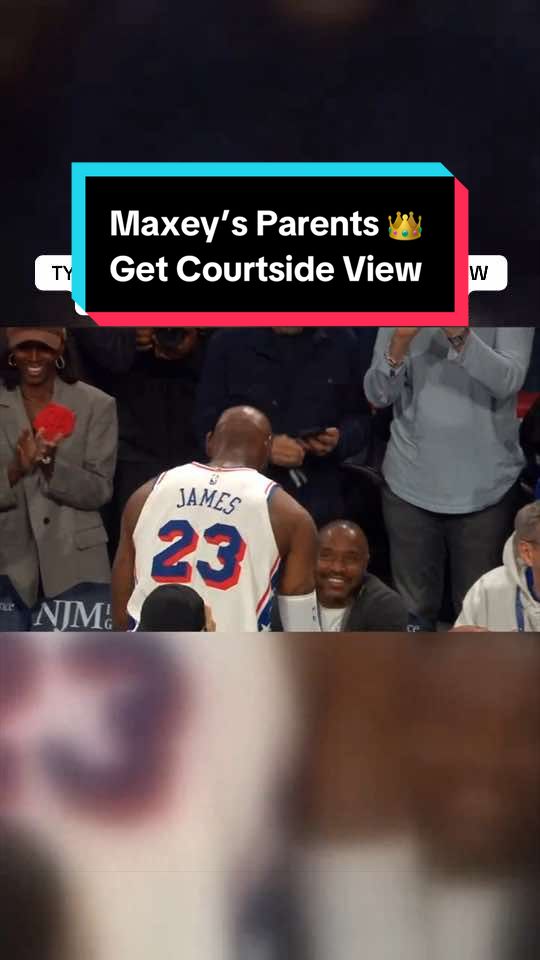
Sitting courtside for Tyrese Maxey and getting the full LeBron James chalk toss experience 🍿🔥
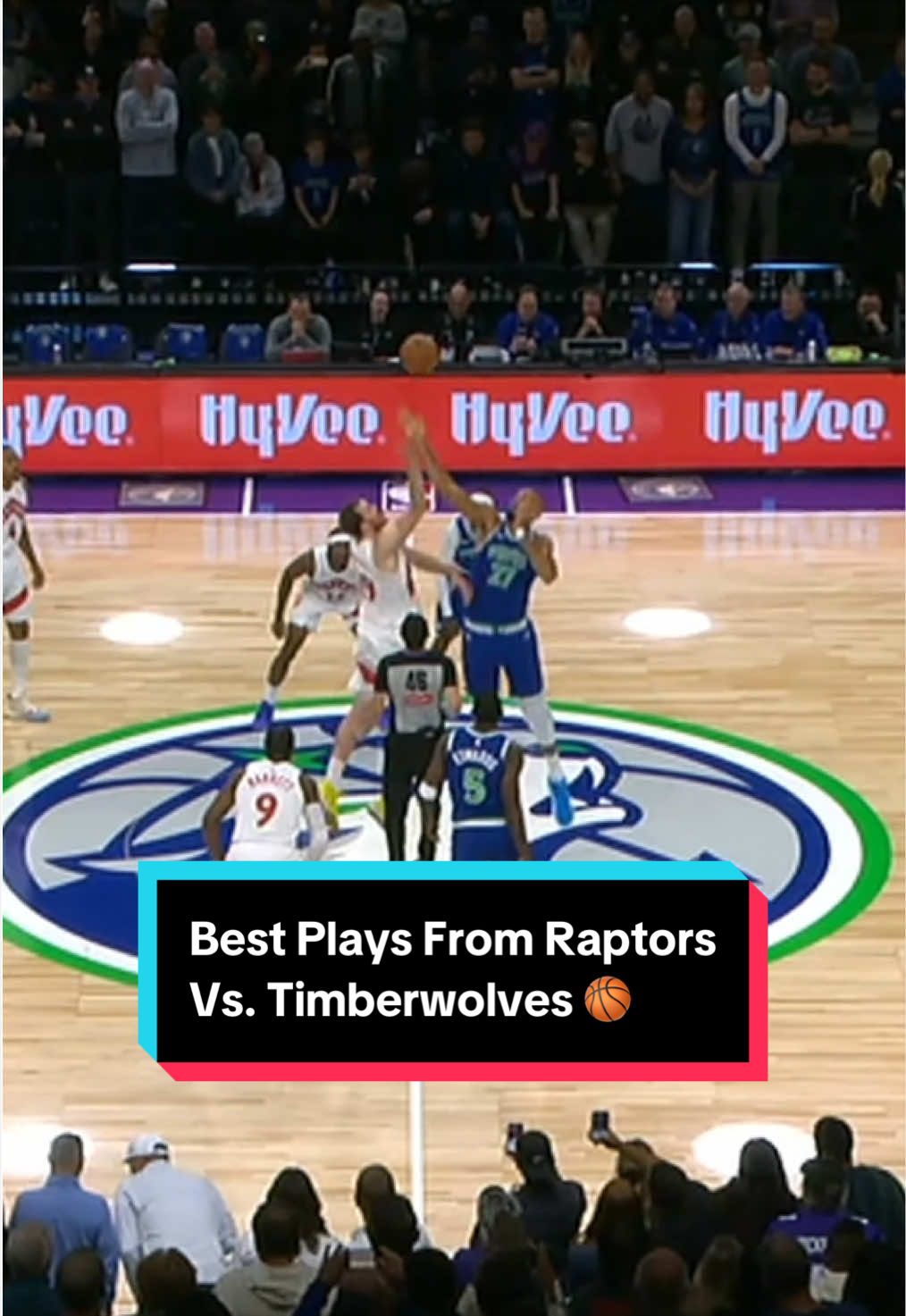
Quick rewind, full recap. Here's everything from tonight's @Raptors vs. @Timberwolves matchup ⏪🏀
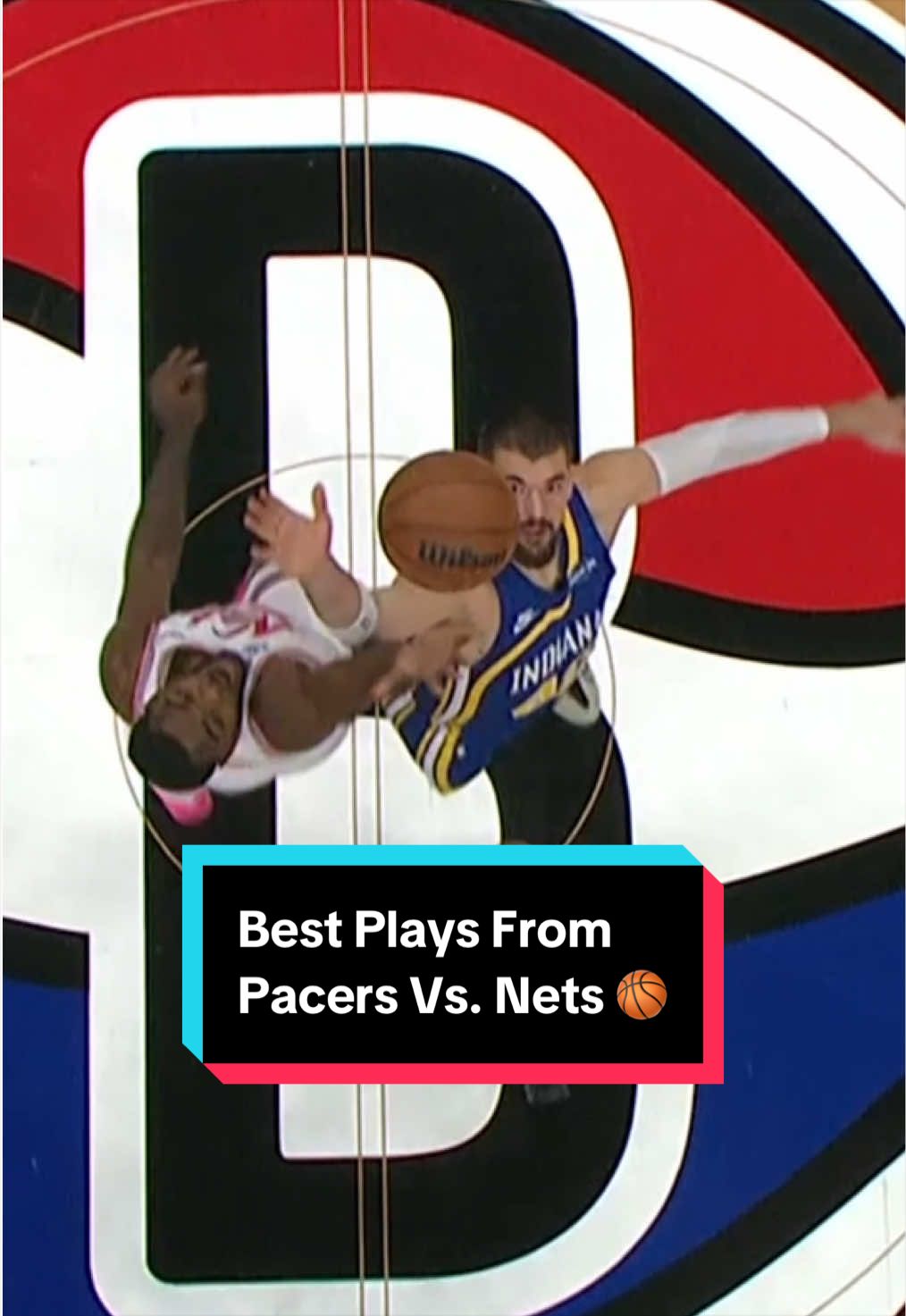
Quick rewind, full recap. Here's everything from tonight's @Pacers vs. @Brooklyn Nets matchup ⏪🏀
 Links
Links
 Contact
 App
App