



How a nice guy became a championship coach


Of all the people in the Knicks organization, the one I admire most isn’t a player—it’s their head coach, Mike Brown. His coaching career is full of diverse experiences, yet he went eight years without a head coaching job. He once coached megastars such as James, Kobe, Howard, Curry, and Durant, yet in the end, he guided a squad centered on a second-round draft pick to a championship.
During the trophy ceremony, Mike Brown expressed his emotions by leading the entire team to bark like dogs in front of a national audience—a moment he must have been holding in for a long time. The Knicks are underdogs, but also a pack of fierce, resilient, never-say-die hounds. Mike Brown instilled that fearless spirit into the entire team.
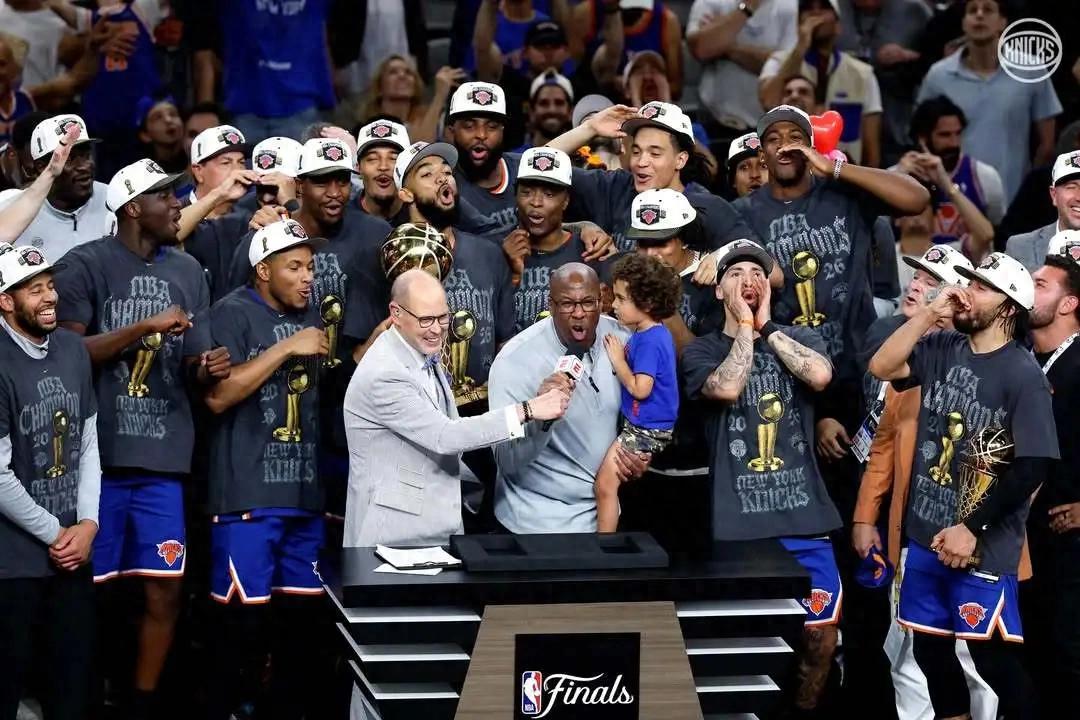
By the way, the little one Mike Brown is holding is his grandson—I’ve seen many people mistakenly say it’s his son. Mike Brown looks younger than his age; born in 1970, he is now 56 years old. His grandson, named Iverson Brown, is three years old.
Before becoming a championship coach, what labels did Mike Brown carry? He was once the second-youngest head coach in NBA history, becoming the Cavaliers’ head coach at age 35. He was also the league’s most famous scapegoat—whether in Cleveland or Los Angeles, his firing was always the team’s go-to solution for problems. He was a nice guy, always humorous and easygoing, getting along with players, but that personality often made people think they could push him around.
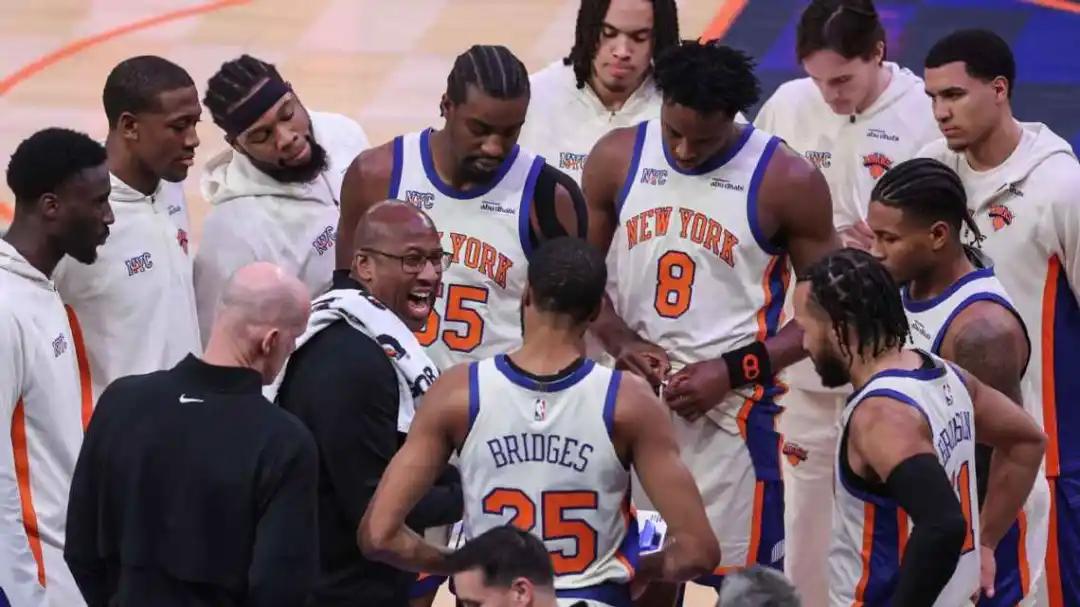
His NBA journey began at age 22, though not as a player. Still in college at the time, he landed an unpaid, self-funded video editing internship with the Denver Nuggets. With no salary, he relied on his parents’ support. He bought a sleeping bag and slept in the office, working tirelessly day and night for the job he loved.
After graduating college, Brown finally got a paid job as a full-time video coordinator. Bernie Bickerstaff (the father of J.B. Bickerstaff), then head coach of the Nuggets, became Brown’s first mentor, often keeping Brown by his side.
At age 27, Brown became an assistant coach for the Washington Wizards—Bernie brought him along when he became the Wizards’ head coach. Interestingly, when Brown was fired by the Lakers in 2012, Bernie replaced him as the Lakers’ interim head coach.
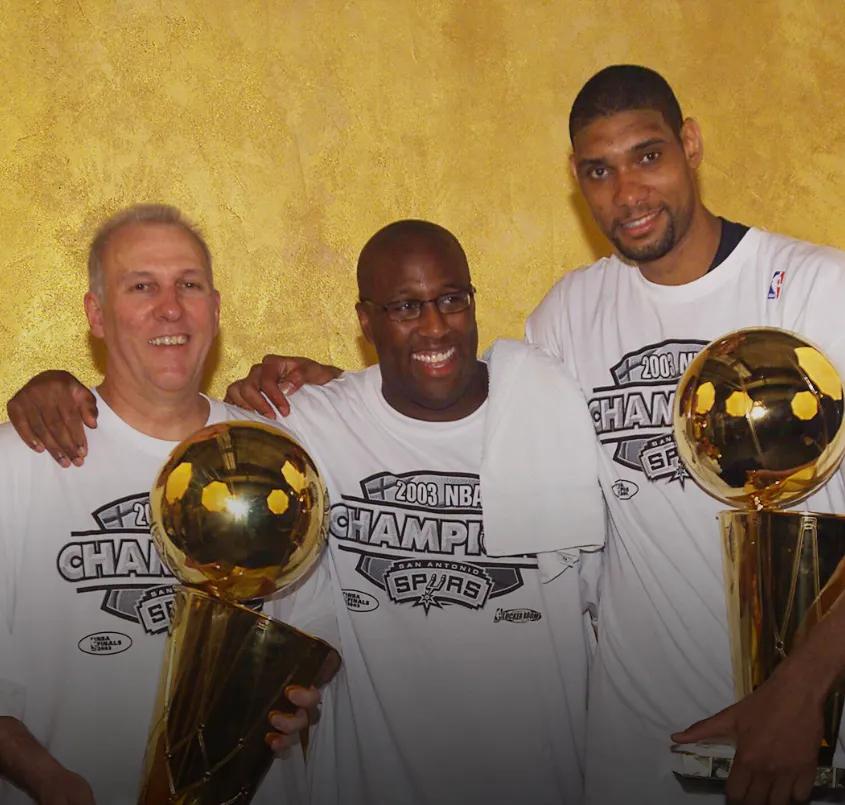
At 30, Brown joined the Spurs as an assistant coach under Gregg Popovich. Three years later, he won his first NBA championship with that Spurs team. Over the next two years, he moved to the Pacers, continuing as an assistant under Rick Carlisle.
The most notable event during that period was probably the Malice at the Palace brawl, where he held Ron Artest back. That incident destroyed the defensively dominant Pacers team, and Brown was the assistant coach in charge of that defense.
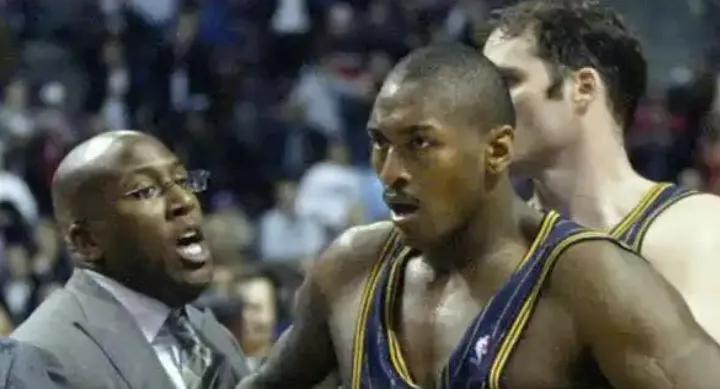
In 2005, though only 35, Mike Brown already had a wealth of coaching experience. His rise from the bottom gave him a thorough understanding of how an NBA team operates. His defensive coaching skills had earned league-wide recognition, so when the Cavaliers’ head coaching position opened up, he called Cavs GM Danny Ferry—someone he had worked with in San Antonio—to pitch himself.
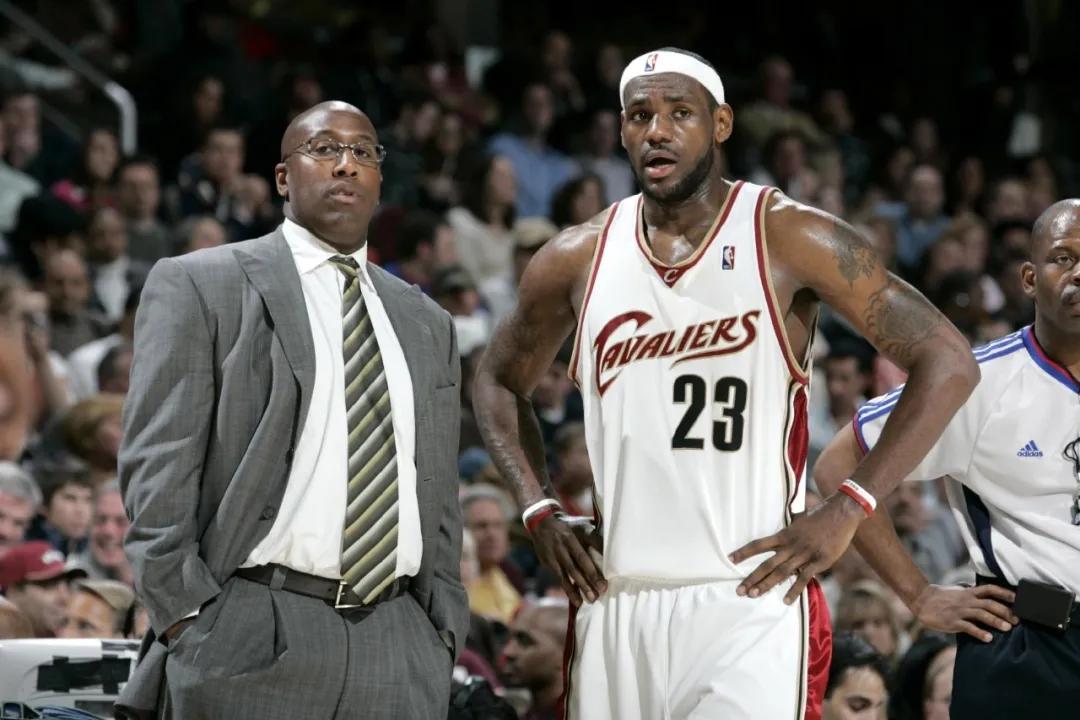
The chemistry between young Brown and an equally young LeBron was wonderful at first. In his first season, Brown led LeBron to the playoffs, and the next year they reached the NBA Finals. That Finals was a reunion with his former mentor Popovich, but the Cavaliers were swept 4-0 by the Spurs despite the coach-player bond.
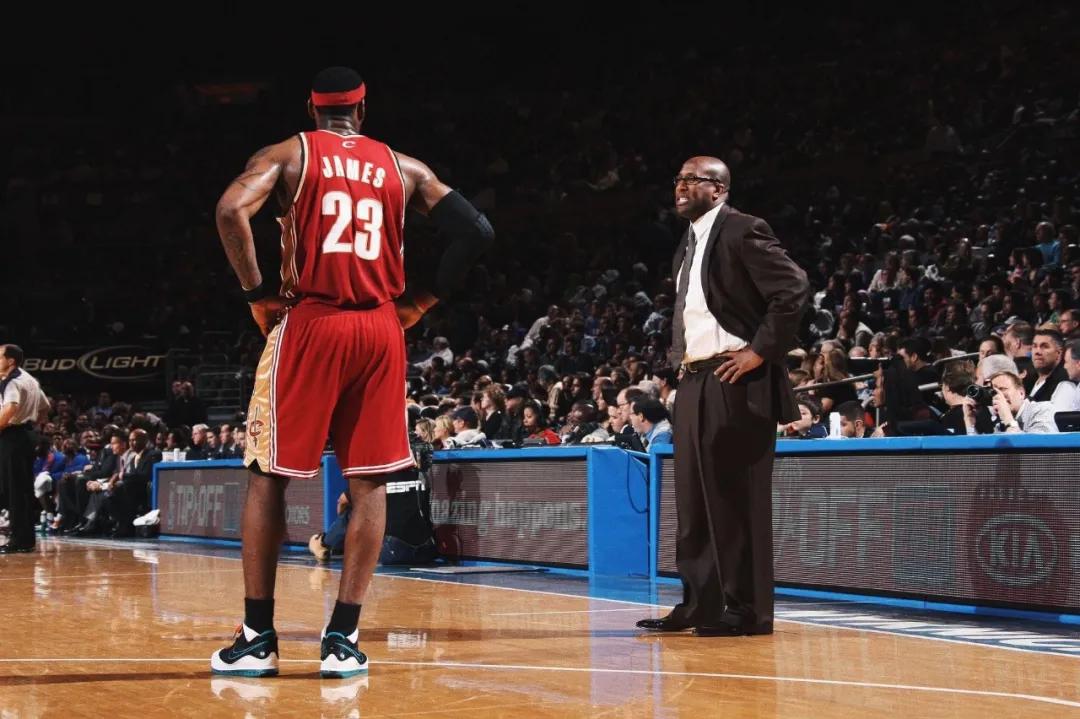
The Cavaliers remained competitive in the East but never returned to the Finals. Brown’s defensive coaching was solid, but the offense was a mess, putting too much pressure on James. At the time, everyone said the real head coach in Cleveland was LeBron, and Mike Brown was just a puppet.
After winning the title this year, that narrative resurfaced, and Brown defused it with humor. Stephen A. Smith said, “You weren’t even the real head coach then; LeBron was.” Brown replied, “If he gets my Coach of the Year award, fine. But then I should get his two MVPs—I’d have an MVP trophy too.”
In the 2008–09 season, Mike Brown led the Cavaliers to a 66–16 record, earning his first Coach of the Year award. The next season, they went 61–21, and then Brown received his termination letter from Cleveland. The Cavaliers blamed him fully for failing to win a title, but that still didn’t keep LeBron from leaving.
In 2011, Mike Brown became the head coach of the Lakers—probably the first coach in NBA history to coach both LeBron James and Kobe Bryant. But how could a coach like Mike Brown command the respect of a superstar like Kobe?
Former Laker Matt Barnes said of Brown: “Mike is a good guy, but I don’t think he could control the locker room back then. When he coached us in L.A., Kobe and Ron Artest wouldn’t listen to him. In Sacramento, the players quickly lost respect for him. Being too nice can backfire.”
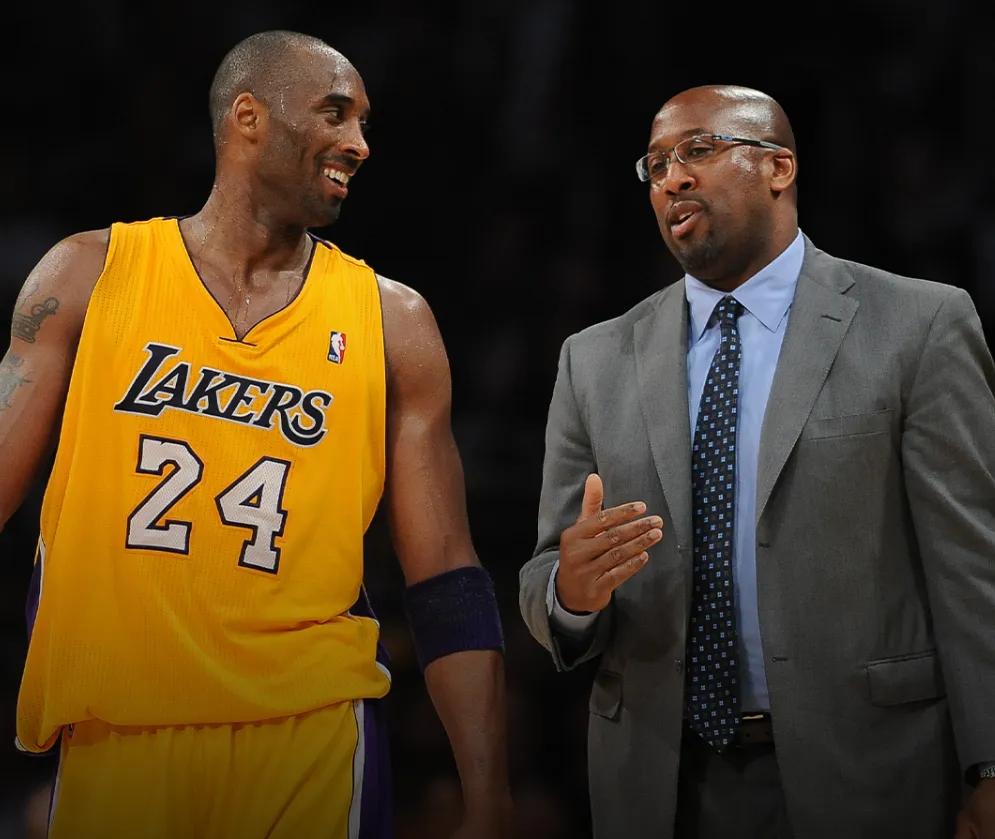
After just one season as Lakers head coach, the team started the 2012–13 season with four losses in five games, and Mike Brown was swiftly fired—once again becoming the scapegoat. At that time, he also became the fastest-fired head coach in NBA history.
In 2013, he returned to the Cavaliers as head coach. Everyone knew the Cavs wanted LeBron to return in 2014, so hiring a coach LeBron was most familiar with made perfect sense. But before LeBron came back, Brown was fired again. The Cavaliers’ players wouldn’t listen to him—Andrew Bynum openly challenged him, and Kyrie Irving’s father publicly questioned him.
A year earlier, the Cavaliers’ owner admitted that firing Brown the first time was a mistake. Then, after rehiring him, they fired him again a year later. This severely damaged Brown’s reputation, and people began doubting whether he could ever be an NBA head coach again.
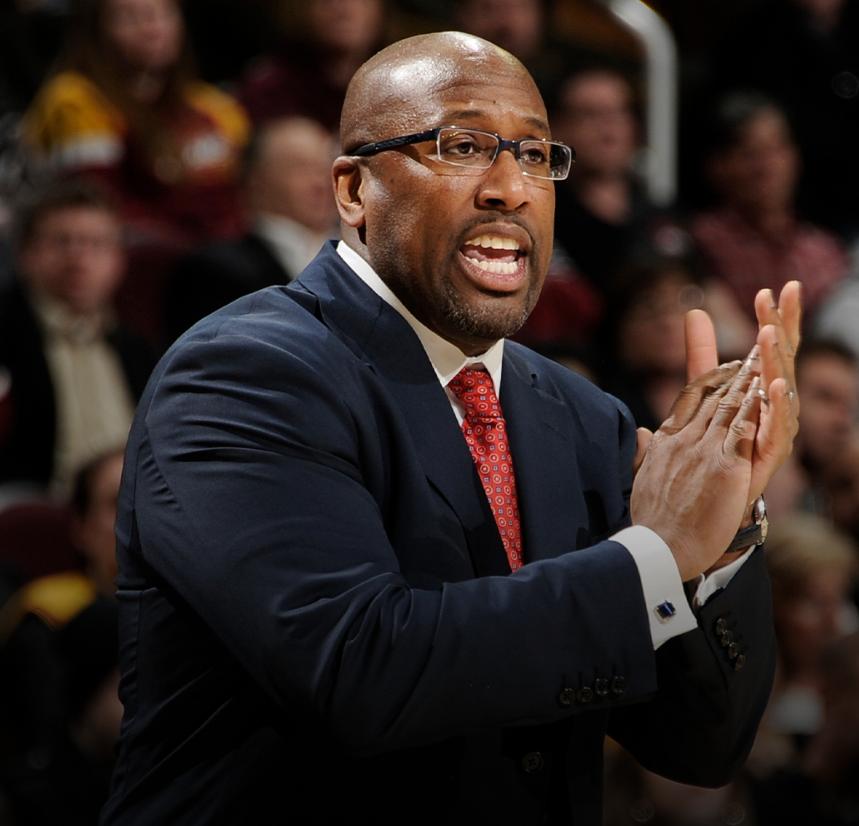
Two days after Brown was fired, Steve Kerr became the Warriors’ head coach. Kerr, a fellow Spurs disciple, immediately called Brown to offer him an assistant coaching job, but Brown declined. He spent the next year with his family, as his two sons were preparing for college.
A year later, Brown was ready to return to the NBA. He called Popovich to see if there was a job opening. Popovich took in his protégé, giving him a team consultant role with flexible hours—he could stay with the team or leave as he wished, and he even got per diems for road trips. So Brown could work with the Spurs while also taking time off to visit his sons.
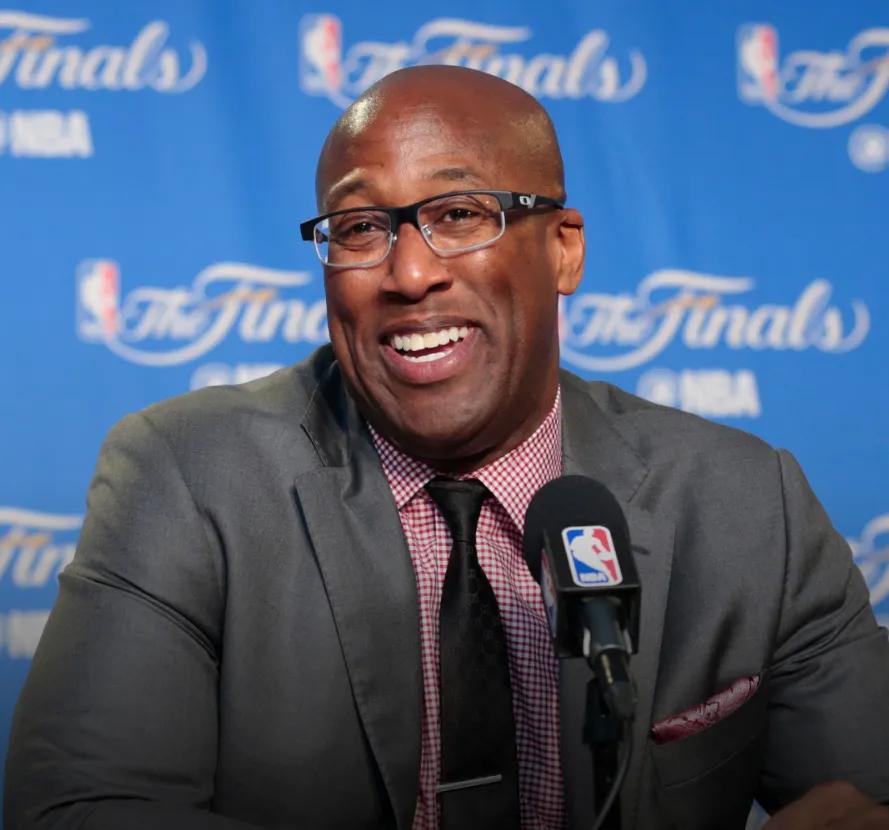
After a “part-time” season with the Spurs, Popovich called him: “Hey Mike, Steve Kerr is going to call you soon with another job offer, and you’ll accept it.” So in 2016, Brown joined the Warriors coaching staff.
That assistant coaching stint was crucial for Brown. He learned how to communicate with players. Previously, as a head coach, he had always enforced strict practice plans, focusing solely on winning. With the Warriors, Brown observed how Kerr interacted with players and transformed his own coaching philosophy.
During the 2016–17 playoffs, Kerr missed games due to a back injury, and Mike Brown served as the Warriors’ interim head coach. From the first round through the Finals, the Warriors swept every series, and Brown posted an 11–0 record as coach. This year, he led the Knicks to a 13-game winning streak in the playoffs.
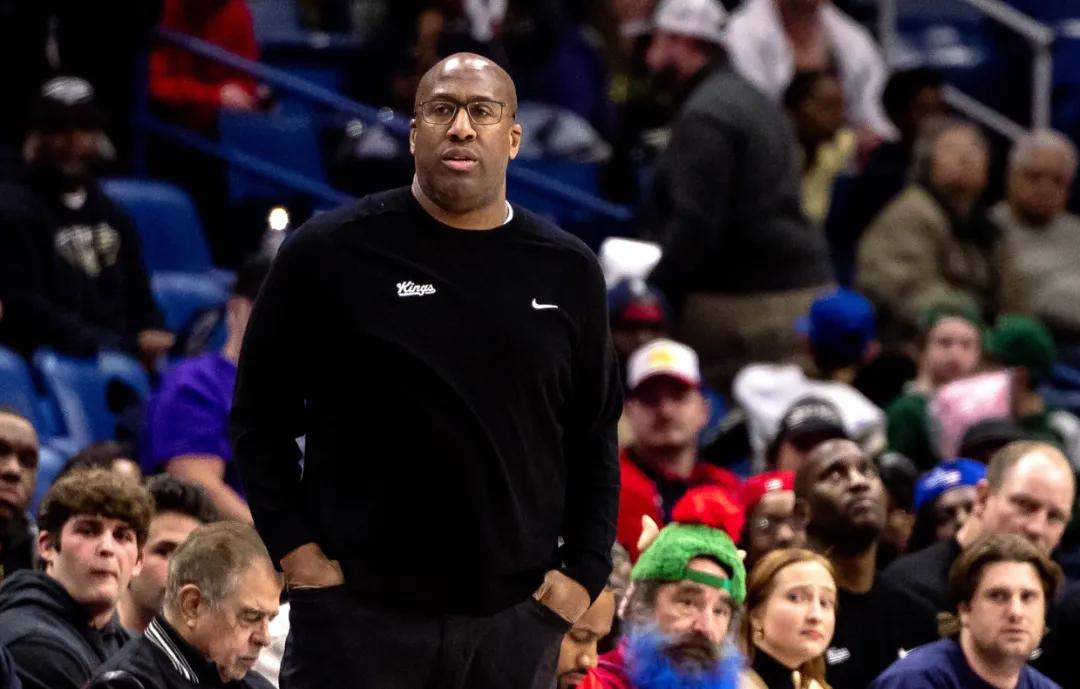
So the Warriors’ 15–0 run in the 2017 playoffs and the Knicks’ 13–0 run this year both bear Brown’s imprint. The biggest difference between Brown’s coaching and Kerr’s is that Brown loves using the Durant-Curry pick-and-roll—whenever they run it, opportunities open up. That Warriors team produced a historically dominant postseason. Seven years later, Brown’s Knicks surpassed the 2017 Warriors, posting the highest single-playoff net rating in history.
In the 2022 Western Conference Finals, Mike Brown again replaced Steve Kerr as the Warriors’ acting head coach. During his time as the Warriors’ head coach, Brown never lost a game. In the 2022–23 season, Brown became an NBA head coach again after eight years. That season, he led the Kings back to the playoffs after a long drought and became the first coach ever to win Coach of the Year by a unanimous vote.
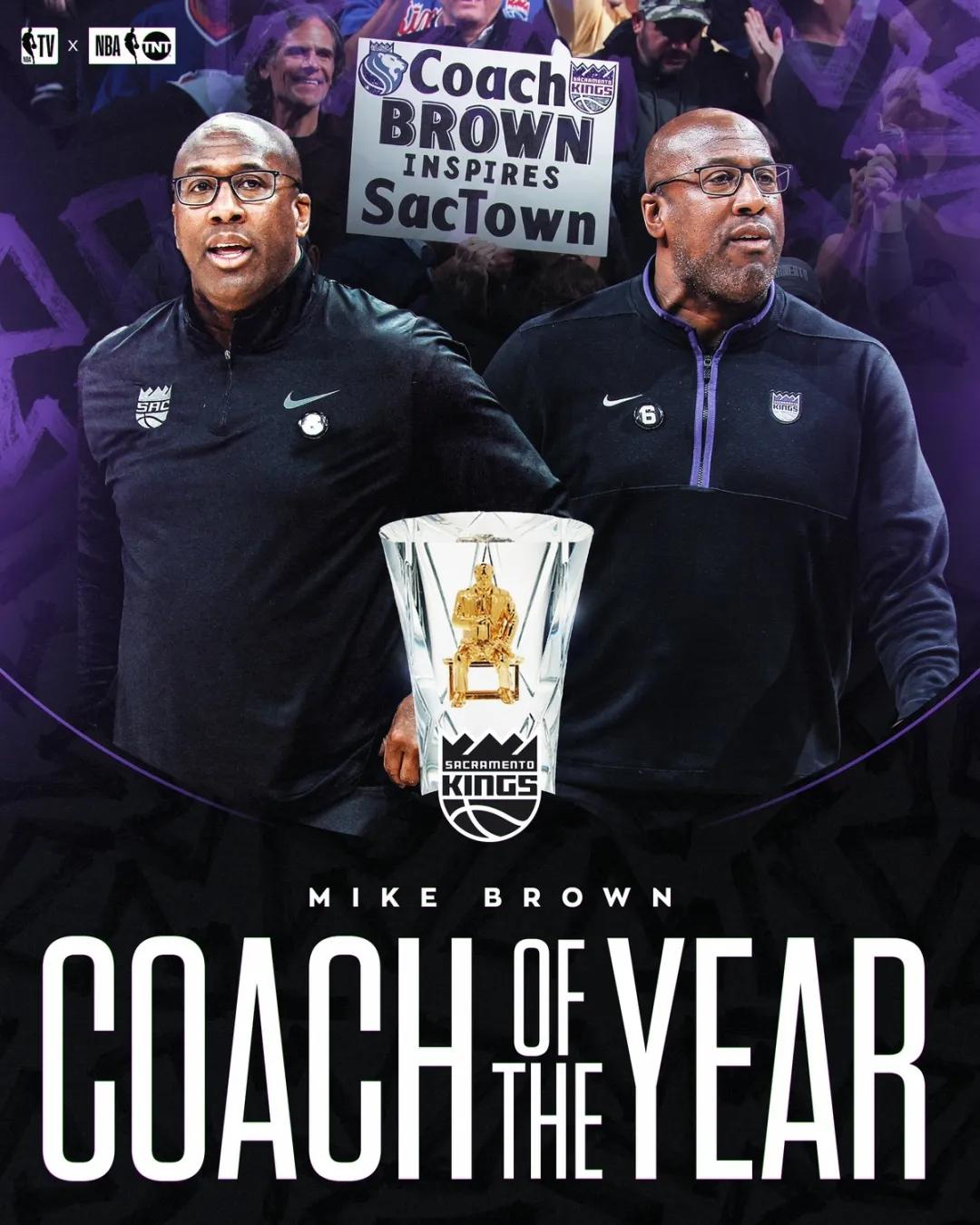
In December 2024, he was fired by the Kings after criticizing De’Aaron Fox—another foolish move by Sacramento’s front office. He replaced Tom Thibodeau as the Knicks’ head coach, adding more minutes to the rotation players beyond the famous “five starters,” extending the bench depth and elevating the Knicks to another level.
Whether it was Kessler Edwards emerging in the In-Season Tournament final, sharpshooter Landry Shamet in the Eastern Conference Finals, or Jose Alvarado becoming a hero in Game 4 of the Finals, all prove Mike Brown’s magic in player usage. Before OG Anunoby made that historic Finals tip-in in Game 4, Brown told him: “With your height, strength, and athleticism, you must dominate the offensive glass tonight.”
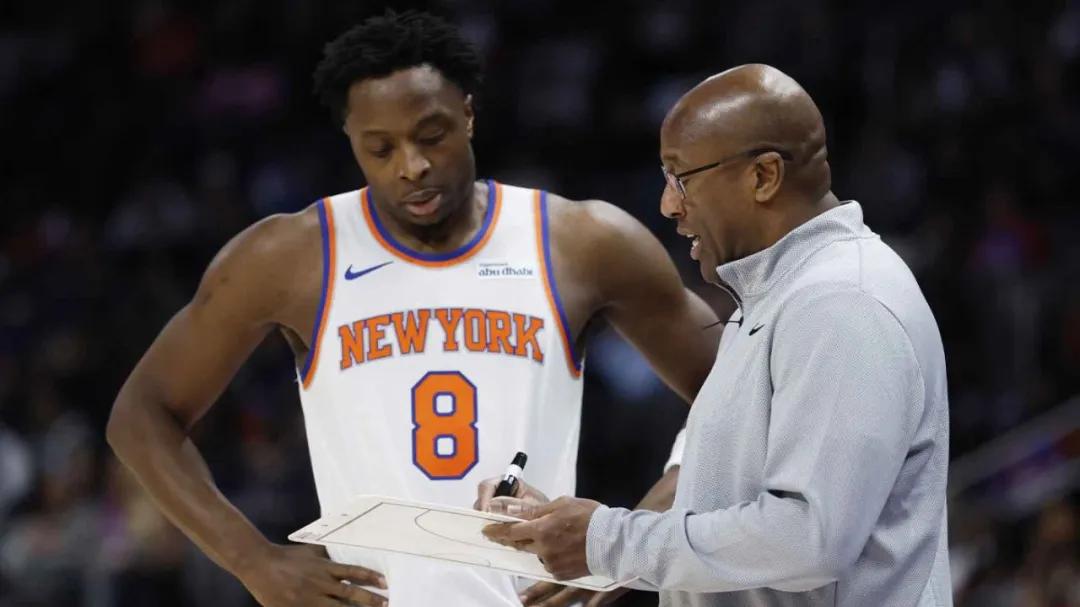
Brown was swept by the Spurs in 2007. Nineteen years later, he delivered a gentleman’s sweep to another Spurs team. His coaching career is deeply intertwined with the Spurs’ lineage, and this year he finally closed that loop.
Now 56 years old, Brown has reached the peak of his career reputation. He already has two Coach of the Year awards, but the most significant trophy is the one the Knicks gave him. During the award ceremony, Brown’s grandson looked confused about what was happening and even seemed annoyed by his grandpa’s loudness.
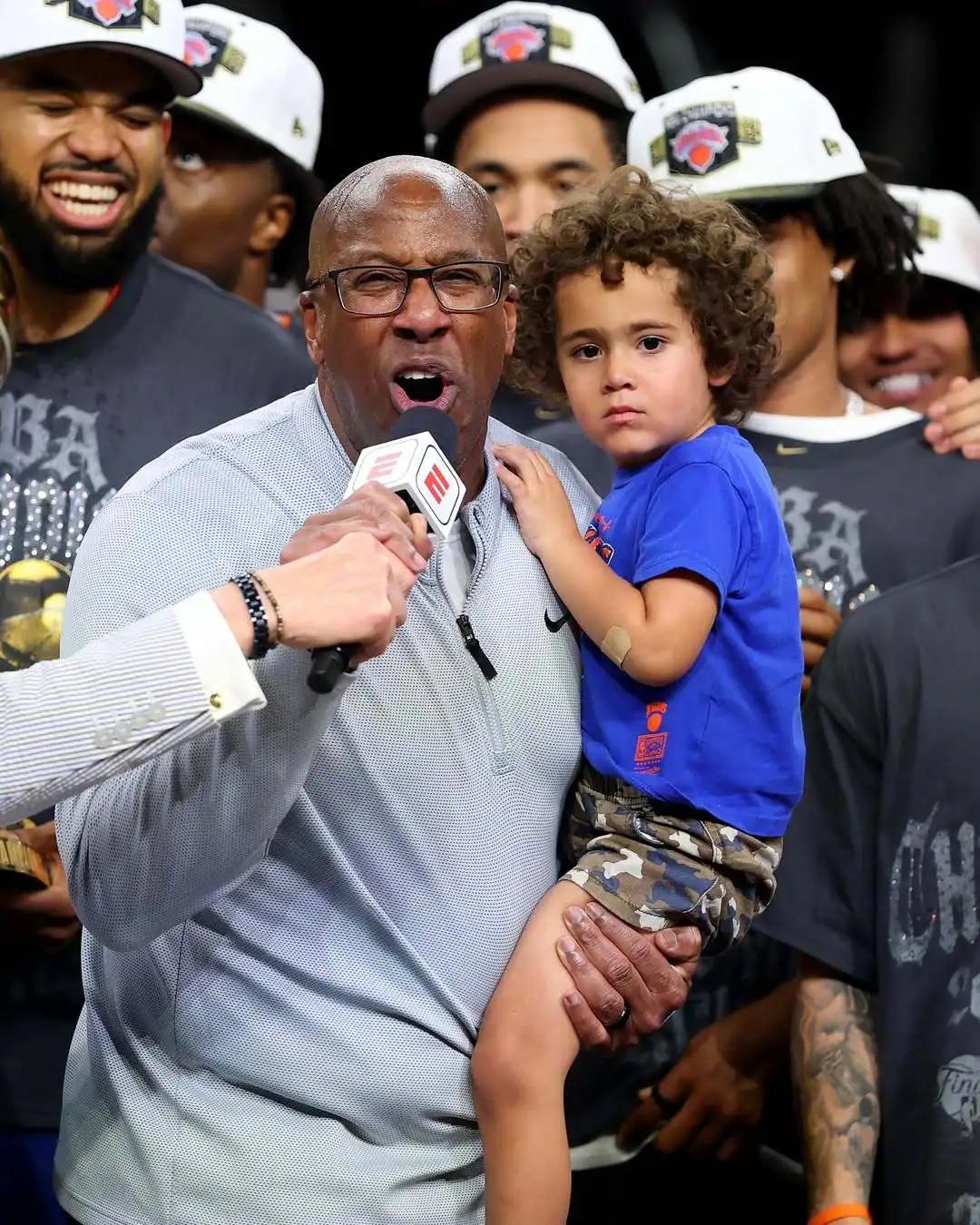
Mike Brown’s son, Elijah Brown, said: “My son doesn’t even know what he’s going through right now. A long time from now, when he looks back at these photos and videos, he’ll understand.”


Wonderfulshortvideo
Quick rewind, full recap. Here's everything from tonight's @Detroit Pistons vs. @Philadelphia 76ers matchup ⏪🏀


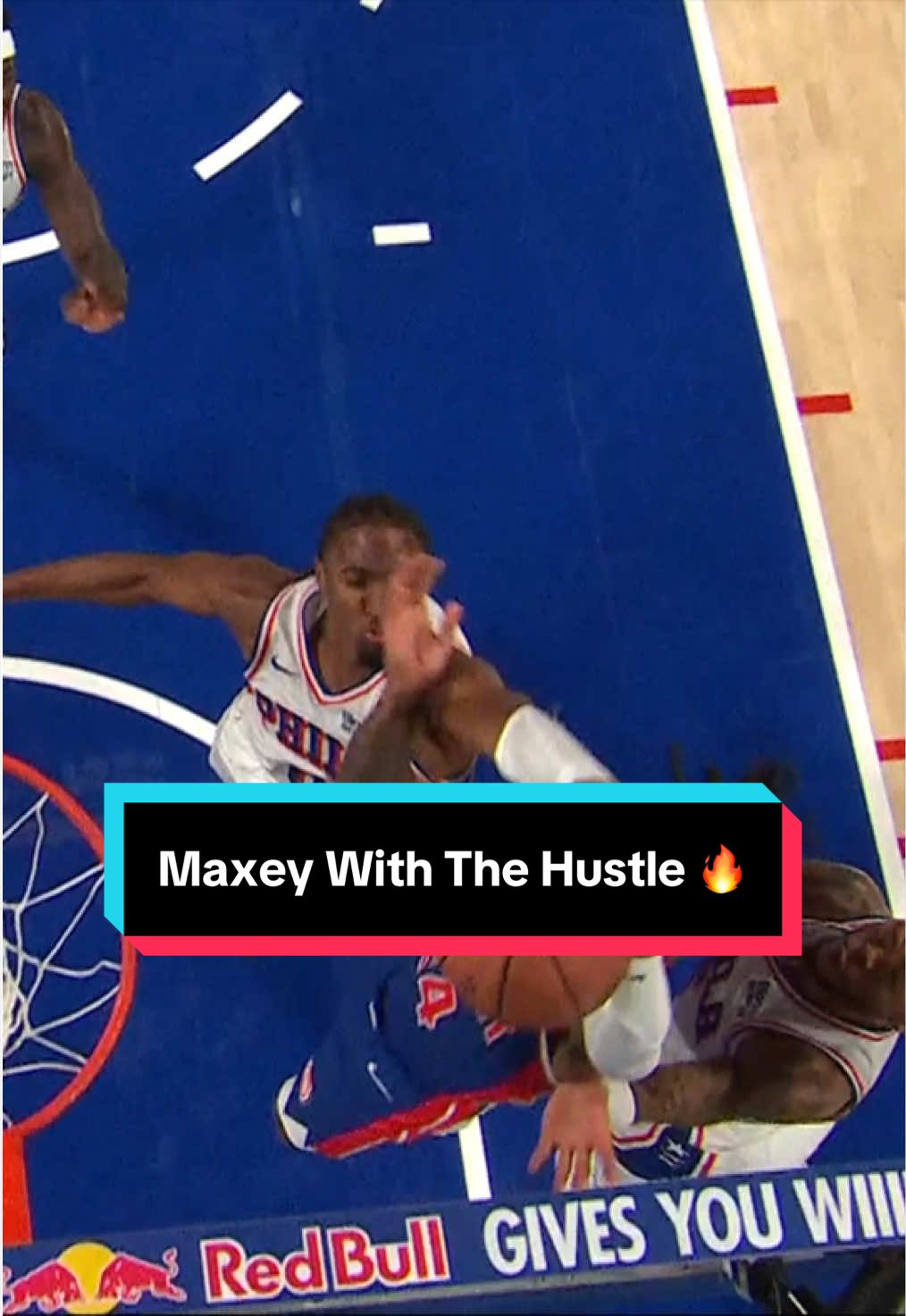
Maxey hustles back and elevates for the big block 🤩
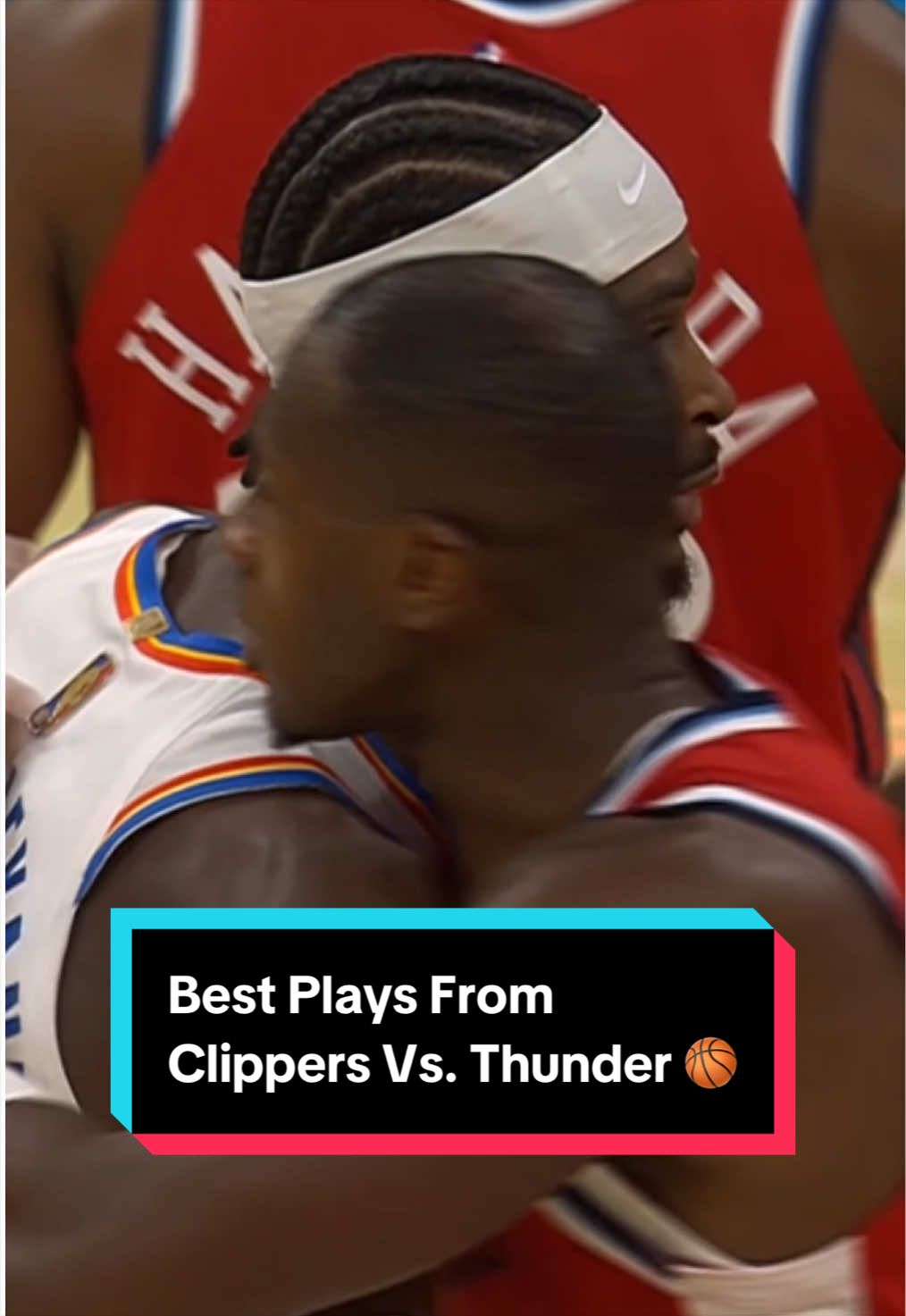
Quick rewind, full recap. Here's everything from tonight's @LA Clippers vs. @OKC Thunder matchup ⏪🏀
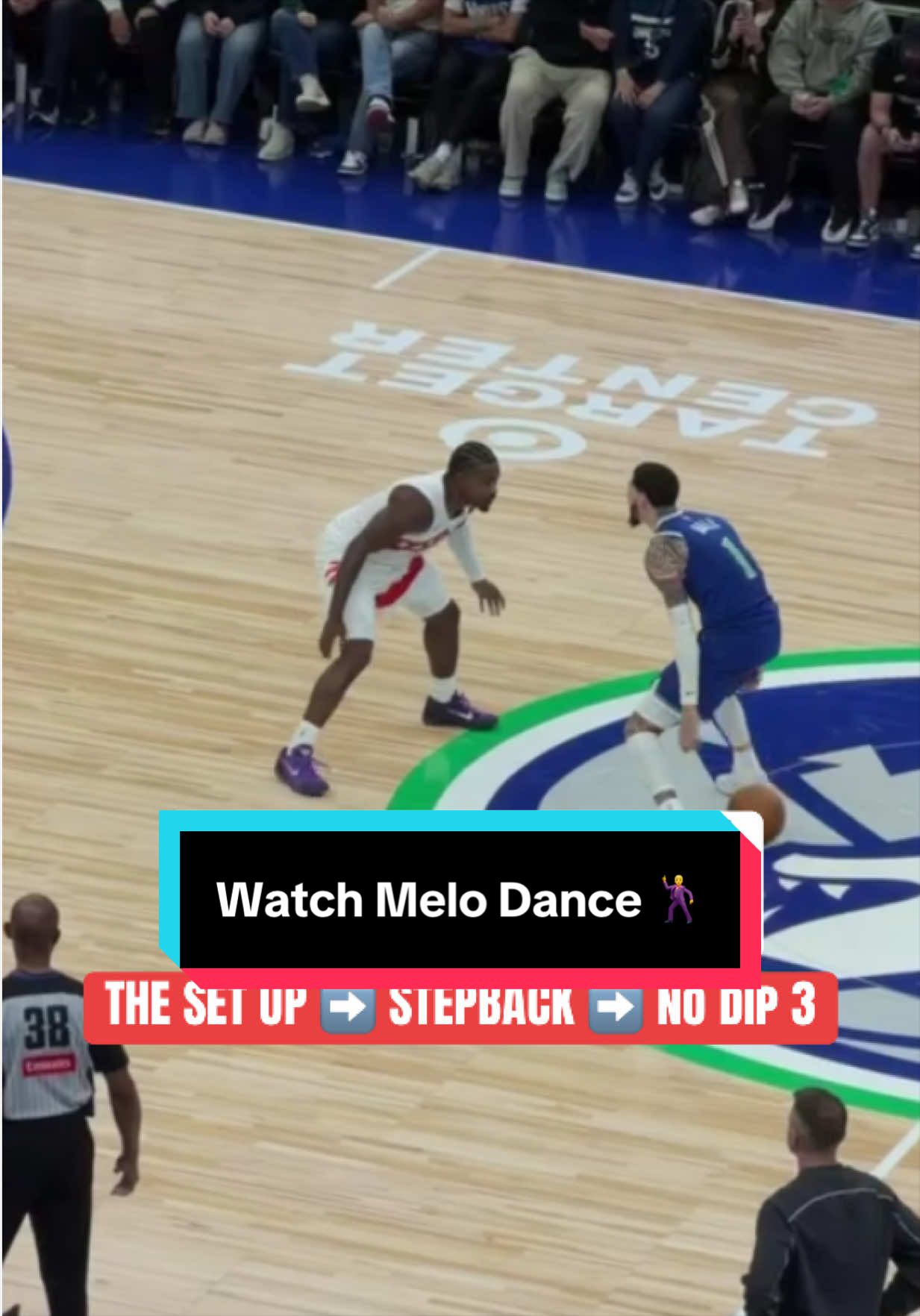
LaMelo dance… LaMelo stepback 🔥🤯
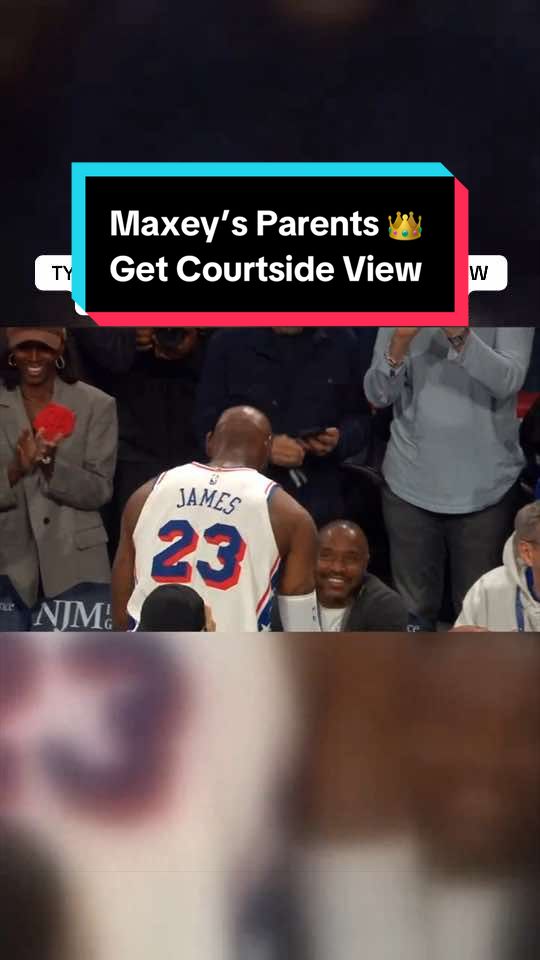
Sitting courtside for Tyrese Maxey and getting the full LeBron James chalk toss experience 🍿🔥
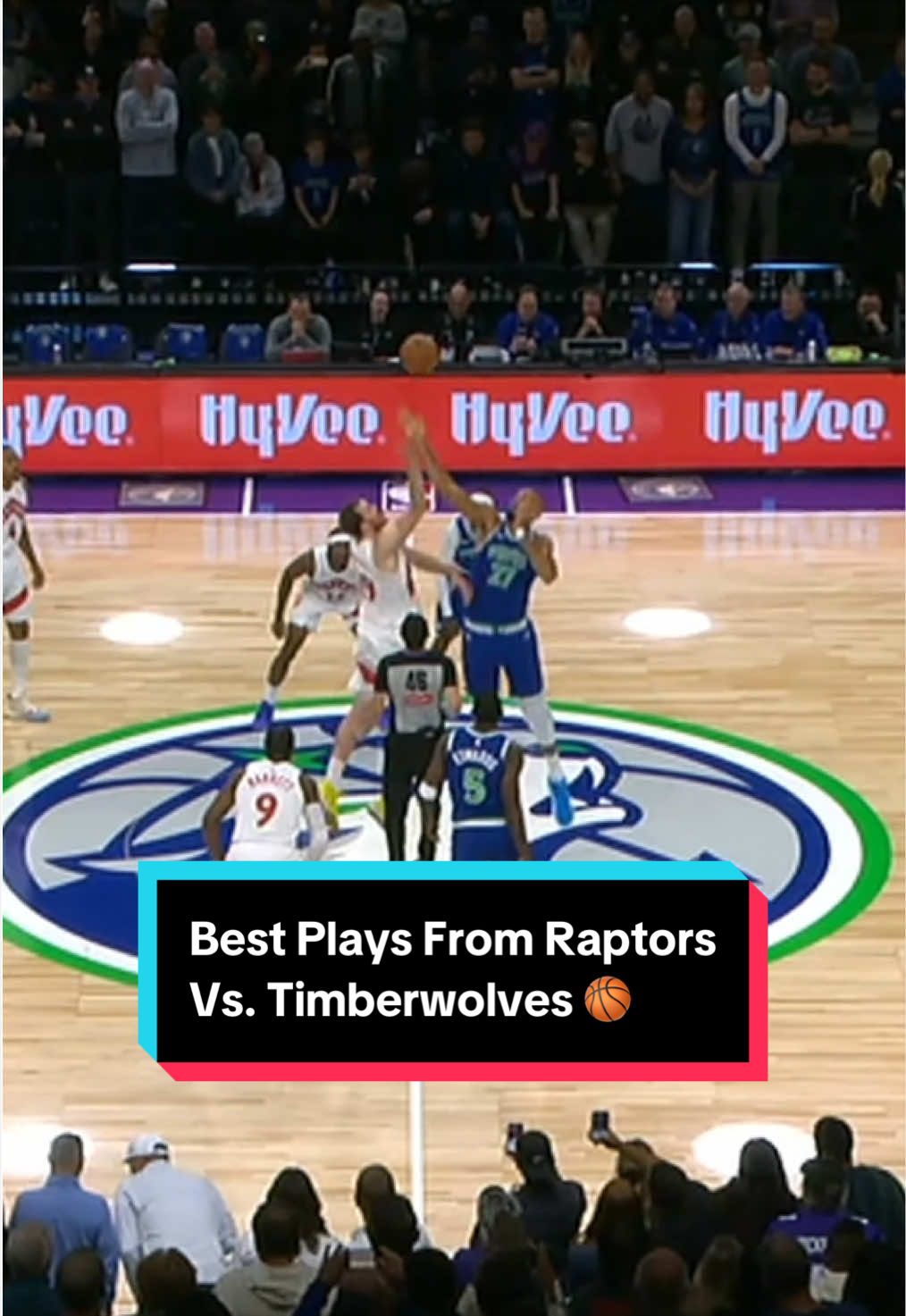
Quick rewind, full recap. Here's everything from tonight's @Raptors vs. @Timberwolves matchup ⏪🏀
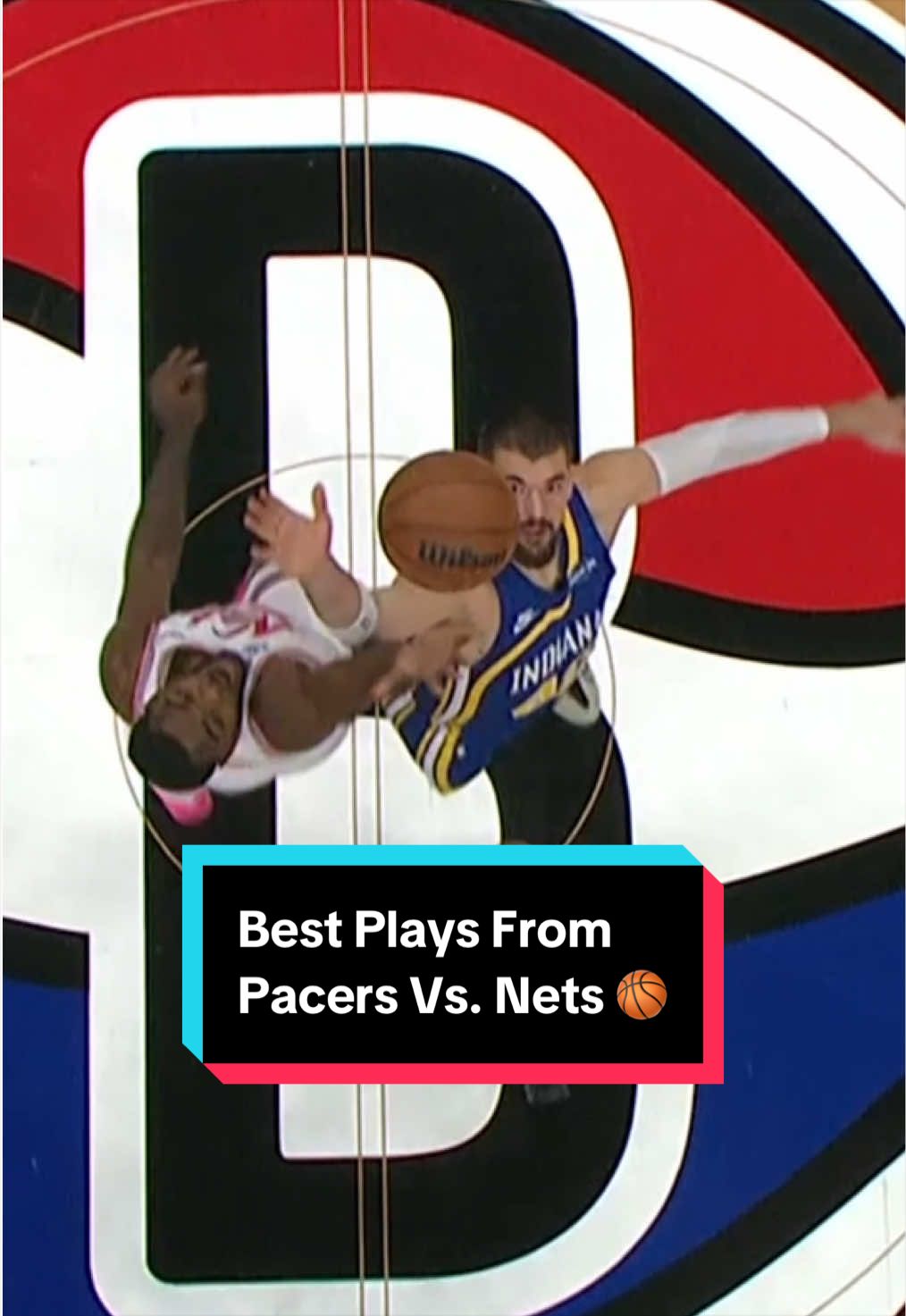
Quick rewind, full recap. Here's everything from tonight's @Pacers vs. @Brooklyn Nets matchup ⏪🏀
 Links
Links
 Contact
 App
App