



U.S. media ranks LeBron James' five potential destinations: Cavaliers edge out Warriors for top spot, Lakers third, retirement fifth


On June 19, Beijing time, LeBron James will become a free agent on July 2. A return to the Los Angeles Lakers is highly probable. But the Lakers might fully shift their construction strategy, focusing on building a youthful roster around Dončić. No matter his final choice, James' potential landing spots are quite restricted.
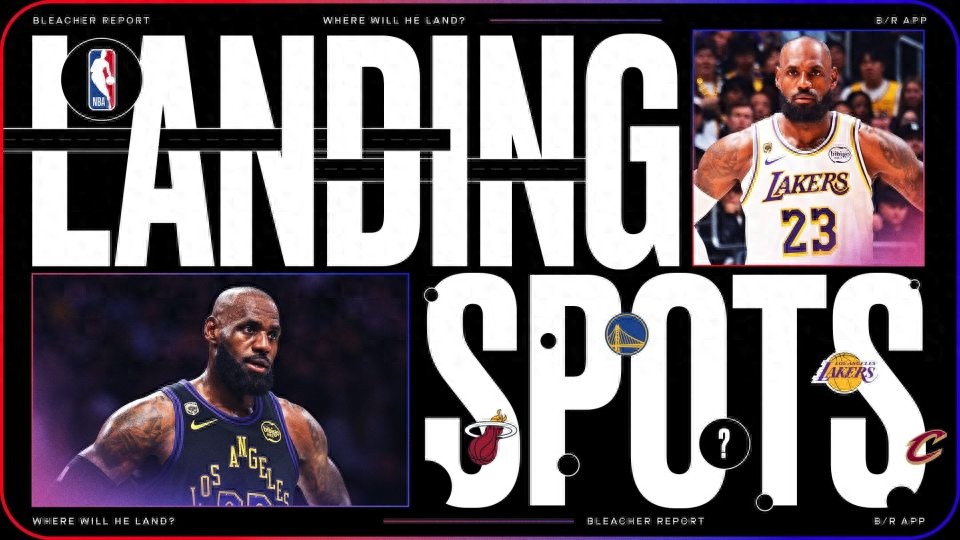
Under the salary cap structure, only the Nets, Bulls, and Lakers possess enough cap space. The era of his $50 million-plus annual salary might be coming to an end. If salary is not the top priority, what are the best landing spots for James this offseason? U.S. media outlet Bleacher Report ranks the five potential destinations, revealed here in reverse order—
5. Retirement
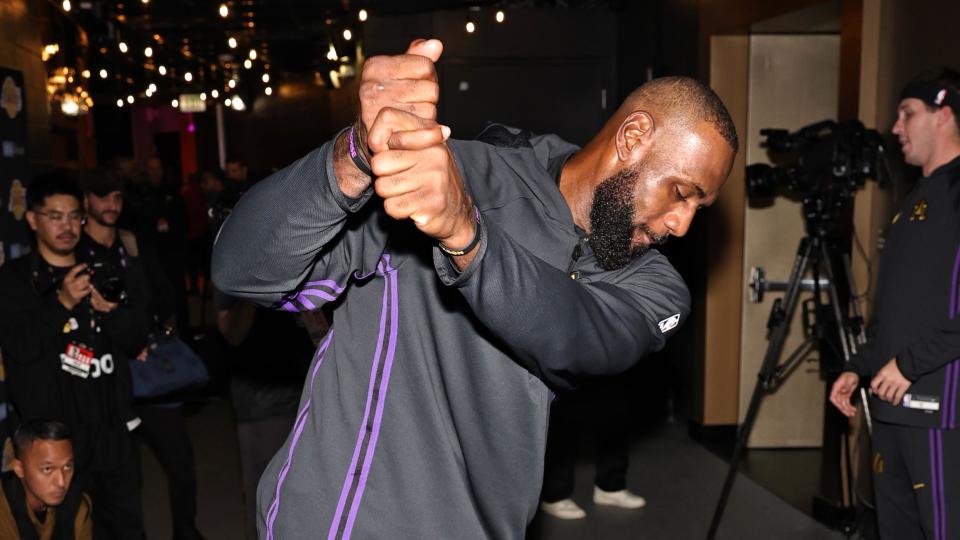
Retiring now would be truly regrettable. Although he will turn 42 this December, he remains an All-Star with elite on-court impact. Beyond his value on the floor, he also drives ticket sales and ratings for his team and league broadcasters.
James has already stated that if he no longer loves basketball in his heart, he would consider retirement. Maintaining top competitive form requires immense physical discipline, which also demands significant mental energy.
The final decision rests with James himself. From a fan perspective, we all hope he plays at least one more season. Many rival team executives believe James can play until he's 45, but the key is whether he is willing to persist.
We don't view retirement as a favorable option; any of the other 29 teams would be a better choice. For instance, the Los Angeles Clippers at least wouldn't require him to move.
4. Miami Heat
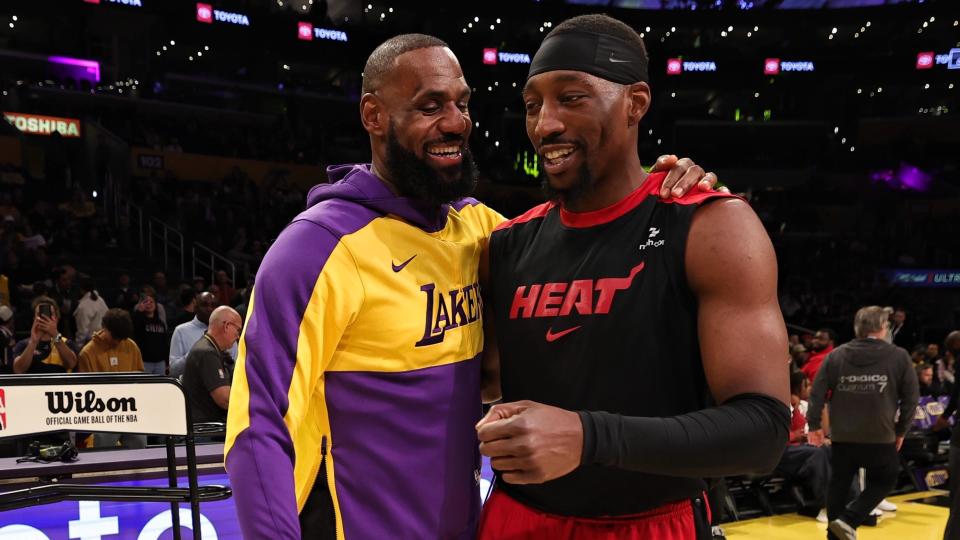
The Heat's top priority right now is pursuing Giannis Antetokounmpo. Compared to reuniting with James, chasing Giannis takes precedence. However, if the Heat actually trade for Giannis from the Bucks, then bringing in James becomes a feasible plan.
At that point, the Heat would enter a championship window, building a title-contending core around Bam Adebayo and Giannis as interior pillars. Now that James plays more at power forward, Coach Spoelstra is fully capable of managing this luxury frontcourt combination.
The Lakers could send James to the Heat via a sign-and-trade, with Andrew Wiggins possibly as the trade chip. Based on the Heat's salary situation, James could sign a $15 million non-taxpayer mid-level exception contract or a $6.1 million taxpayer mid-level exception contract. The former would trigger the $209.1 million first apron hard cap; if they trade for Giannis, the team would hit the $221.7 million second apron hard cap.
When James left the Heat as a free agent in 2014 to return to the Cavaliers, the split was unpleasant. But years have passed, things have changed, and he could form a new super-team with Giannis and Adebayo to finish his career.
There is one concern: the minimum contract length in a sign-and-trade is three years. Would the Heat be willing to offer a three-year deal? Would James accept non-guaranteed salary in the final two years?
3. Los Angeles Lakers
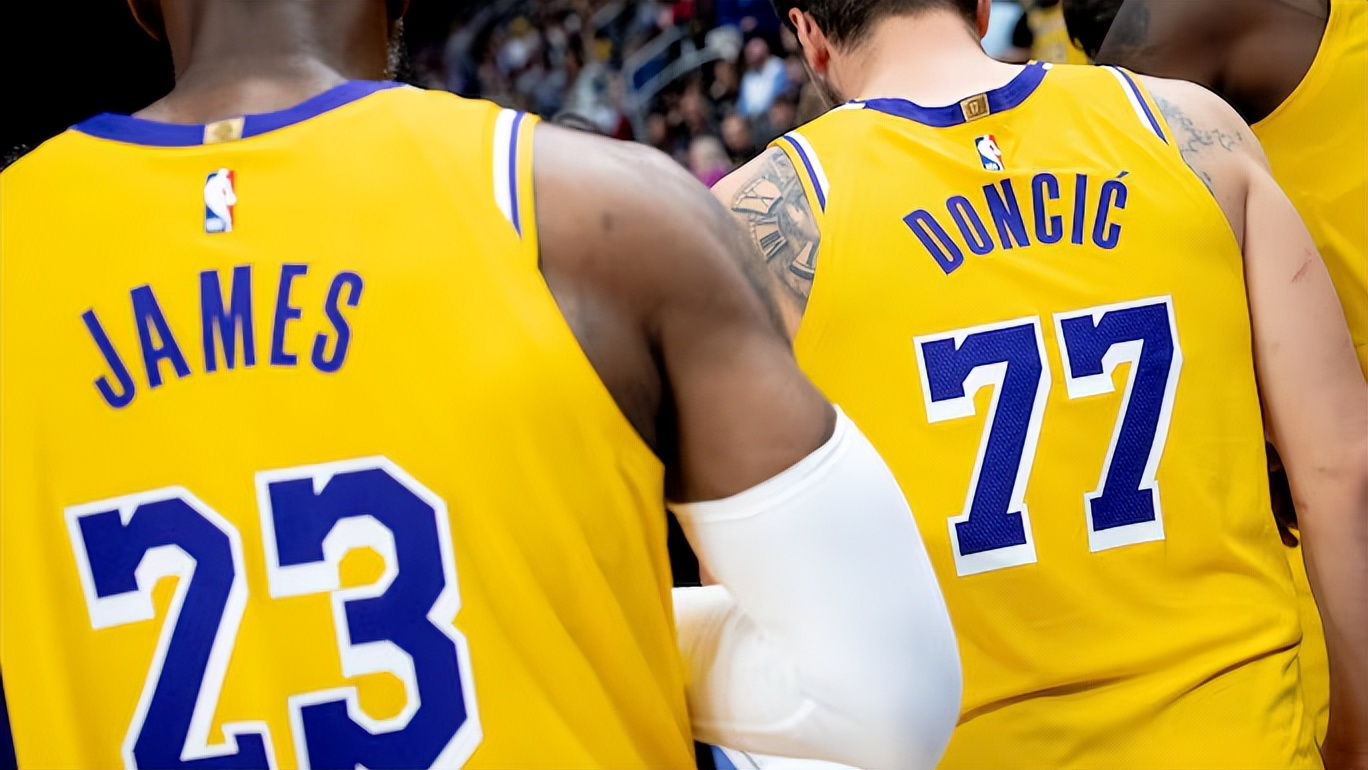
The Lakers just made it to the second round of the playoffs. Why isn't James returning to the Lakers ranked first? Team executive Rob Pelinka has publicly stated his hope that James finishes his career with the Lakers.
Retiring with the Lakers is certainly feasible, but is this really what the Lakers need most right now? The team must officially begin the Dončić era, building a roster with young players who offer shooting, athleticism, and defense—while James' playing style heavily overlaps with Dončić's.
Over the past season and a half, seeing two all-around playmaking forwards play together has been highly entertaining, but this combination is not enough to return the Lakers to championship contention.
For James, the Lakers represent the least disruptive option, requiring no relocation. While the team cannot offer a $50 million max salary, their proposal would be higher than that of any other team.
Another realistic possibility: if the Lakers fail to land a big-name player this summer, they might re-sign James to offset losses with his commercial appeal—a safe business decision.
2. Golden State Warriors
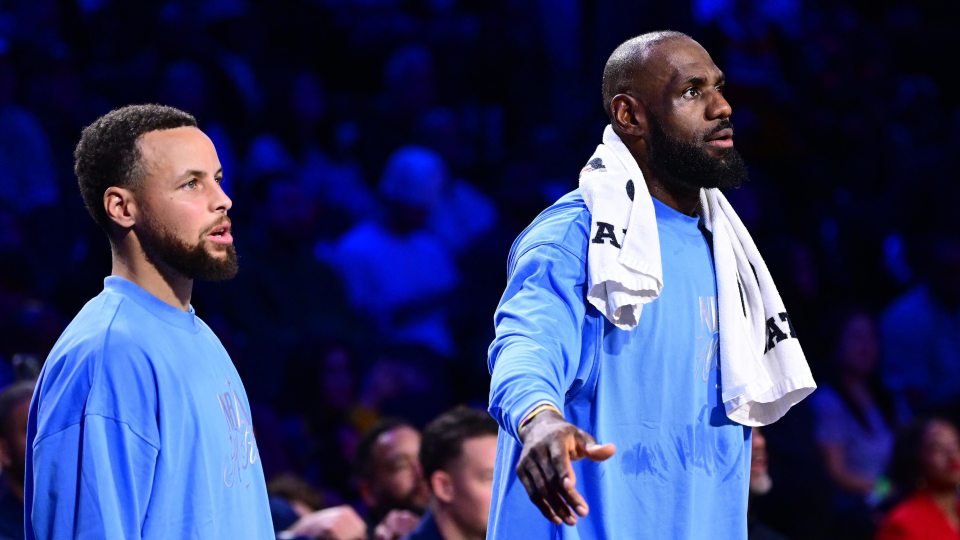
In their prime, pairing Stephen Curry and LeBron James would have diluted the league's appeal. Back then, the Warriors and Cavaliers meeting in the Finals annually was the league's biggest draw.
Now, Curry and James sharing the court would be incredibly entertaining, but even together, they'd struggle to win a championship—their combined strength falls short of Western powerhouses like the Spurs and Thunder, as well as the Eastern Knicks.
Even if the Warriors can't beat the Spurs or Thunder, a Curry-James playoff partnership would be a guaranteed ratings bonanza. The Warriors would need to keep Kristaps Porziņģis while freeing up a $15 million non-taxpayer mid-level exception to sign James—tricky but possible.
1. Cleveland Cavaliers
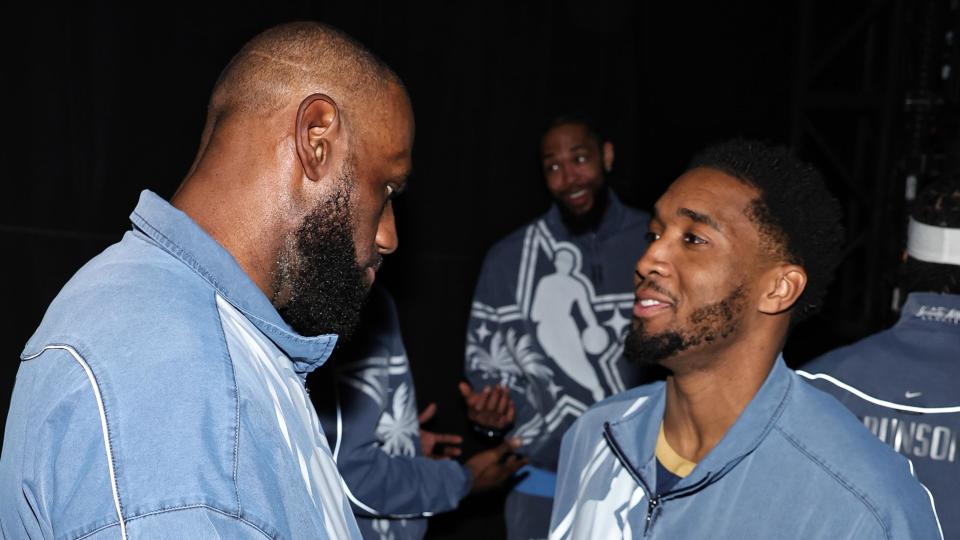
The most fitting choice for James, yet also the most complicated to execute. "The kid from Akron" returns where it all began to put the finishing touch on his career.
In 2003, James joined the Cavaliers as the No. 1 pick, leading them to the Finals in 2007. After his Heat stint, he returned to Cleveland for a second act, battling Curry's Warriors for four years and finally bringing the franchise its first championship in 2016.
This season, the Cavaliers made the Eastern Conference Finals for the first time since James' second departure, only to be swept by the Knicks. Cleveland's current roster was built for a title push but still lacks overall strength.
James' arrival would significantly elevate the team's ceiling. The Cavaliers' roster is more competitive than the Lakers', and the East lacks the Spurs and Thunder as formidable foes. Even against the defending champion Knicks, a James-led Cavaliers could hold their own.
Unfortunately, Cleveland's current payroll is projected to exceed the second apron, meaning they can offer James at most a veteran minimum under $4 million—unless the Lakers and Cavaliers adopt a blockbuster sign-and-trade proposal from Bleacher Report, sending Jarrett Allen, Sam Merrill, Dean Wade, and Dennis Schröder to Los Angeles.
Setting aside the James acquisition, the Cavaliers urgently need to clear salary cap space; exceeding the second apron for multiple years triggers severe penalties. James could keep the team competitive even if they lose core players.
If any team is willing to offer a three-year contract under a sign-and-trade framework to cap off James' legendary career, that team would be the Cleveland Cavaliers.


Wonderfulshortvideo
LaMelo really pulled that 🔥


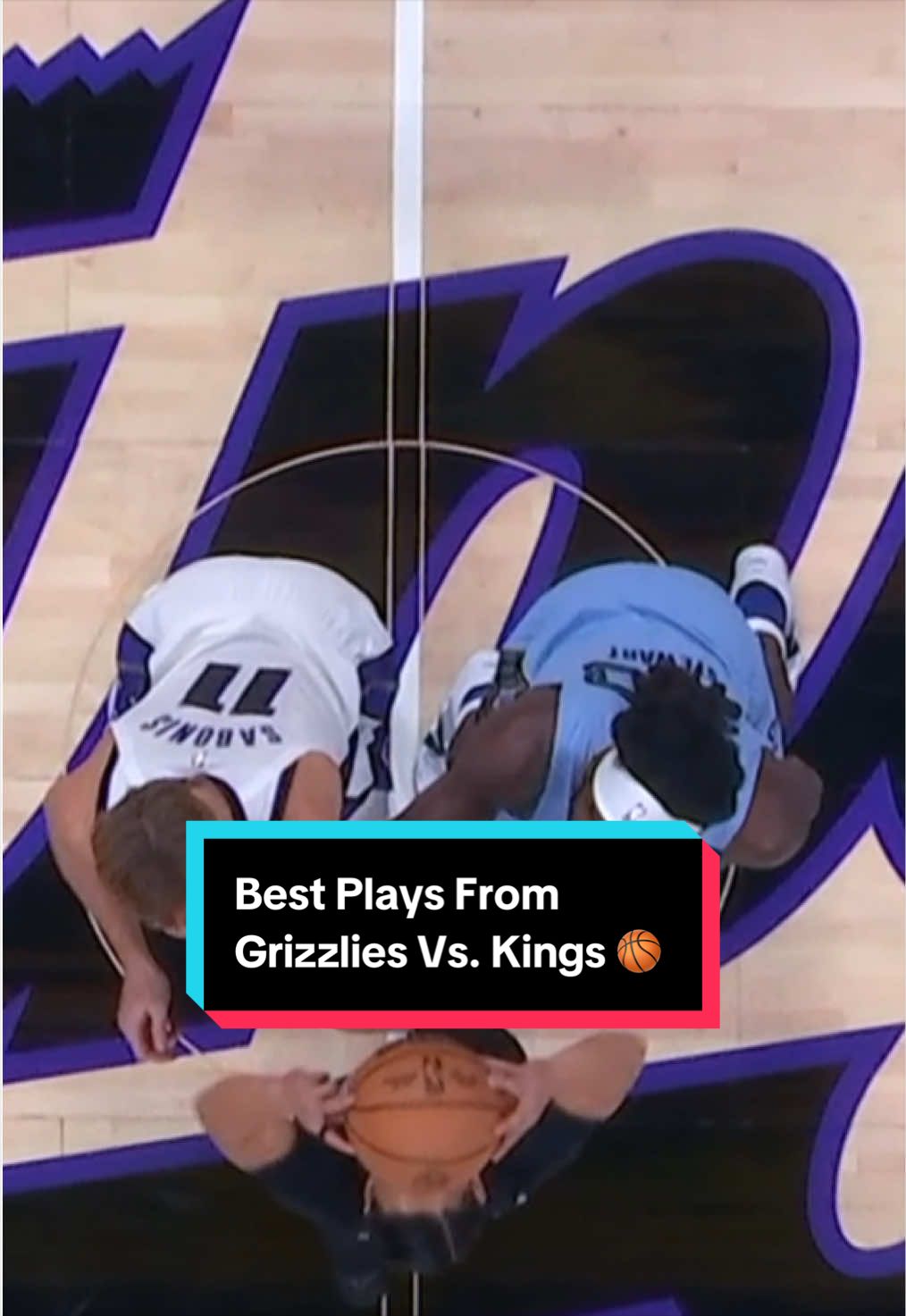
Quick rewind, full recap. Here’s everything from tonight’s @memgrizz vs. @Sacramento Kings recap ⏪ 🏀
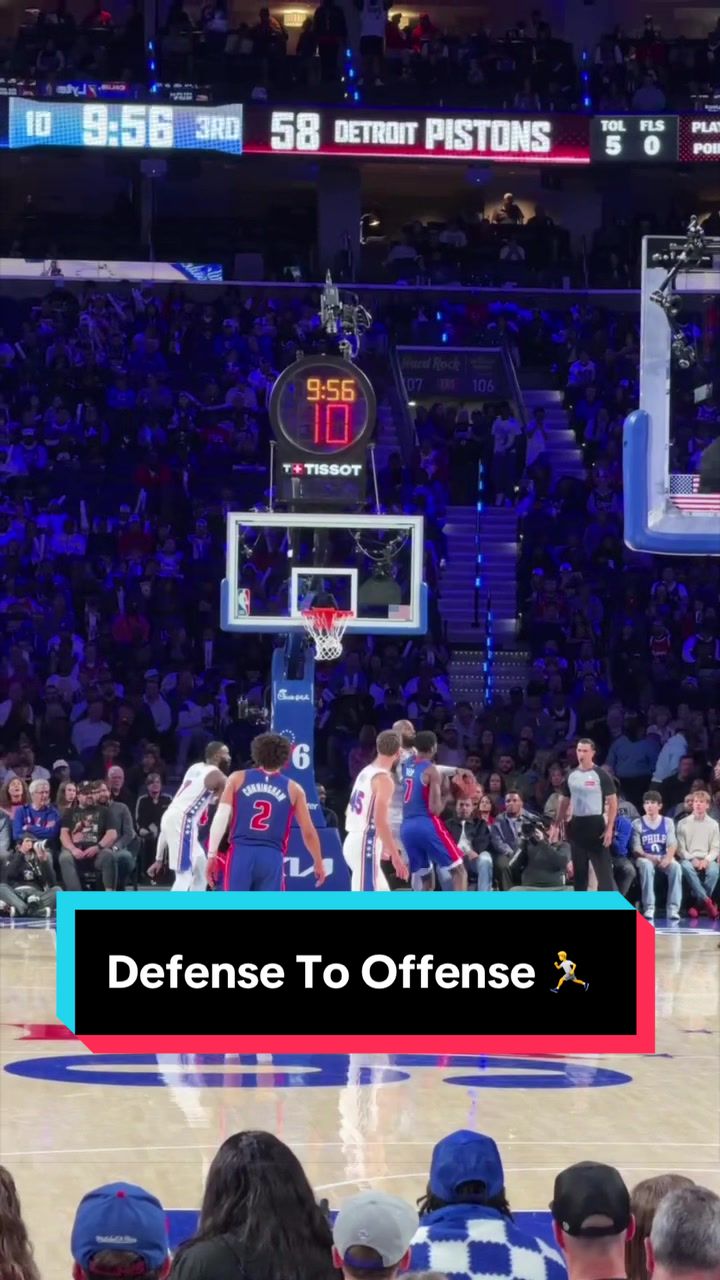
Both ends on 🔒
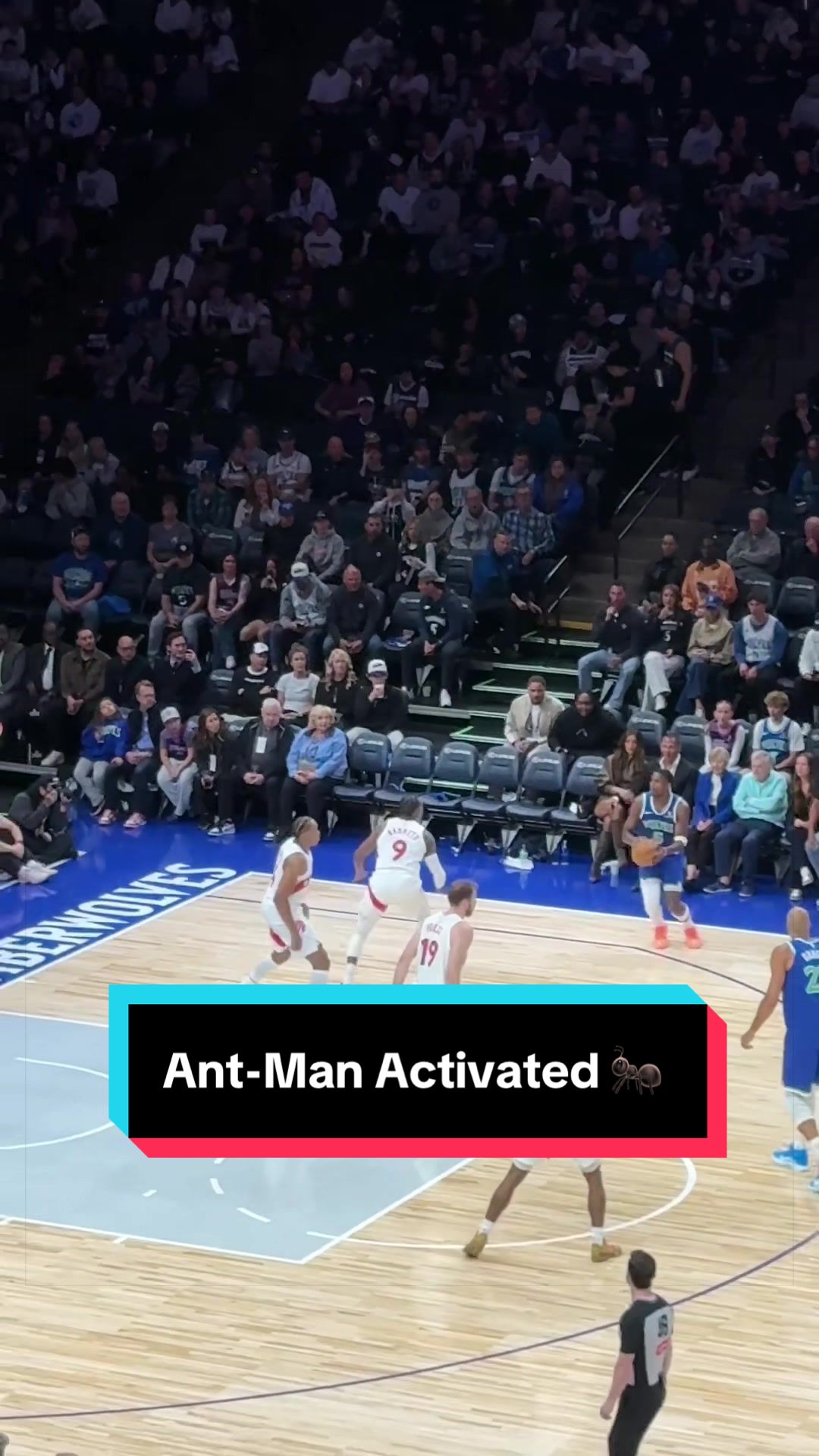
Ant-man with the tough 3️⃣

Put it on a highlight reel 🎥
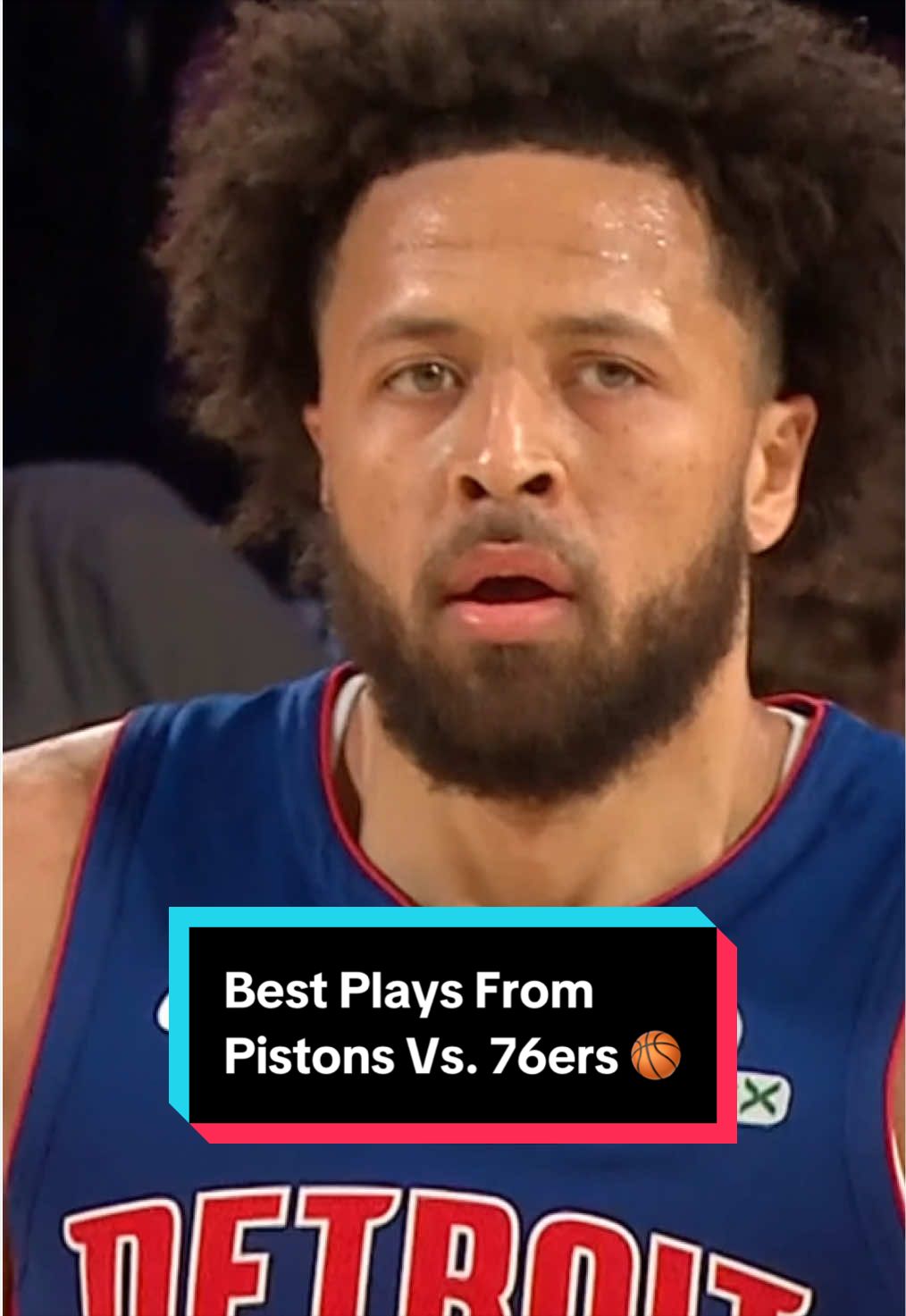
Quick rewind, full recap. Here's everything from tonight's @Detroit Pistons vs. @Philadelphia 76ers matchup ⏪🏀

Maxey hustles back and elevates for the big block 🤩
 Links
Links
 Contact
 App
App