



Chinese basketball also desperately needs a "Dong Lu" figure



Some readers might see this headline and immediately rush to the comments without even reading the article.
After all, when Dong Lu is mentioned, public perception has always been mixed—both love and hate.
But setting aside the controversies, the noise, and the recent surge in hype, it's undeniable that:The "China Football Juniors," a grassroots youth training project he founded and has cultivated for nearly a decade, is the most groundbreaking private youth development initiative in Chinese football over the past ten years.
No one can really dispute this statement.
Unlike the comfortable model of institutional youth training that relies on government funding, club money, and resource advantages, the China Football Juniors is a youth training brand that is entirely grassroots, self-funded, and grows against all odds.
It has been a tough journey to survive and reach where it is today.
In particular, it has broken many established norms.
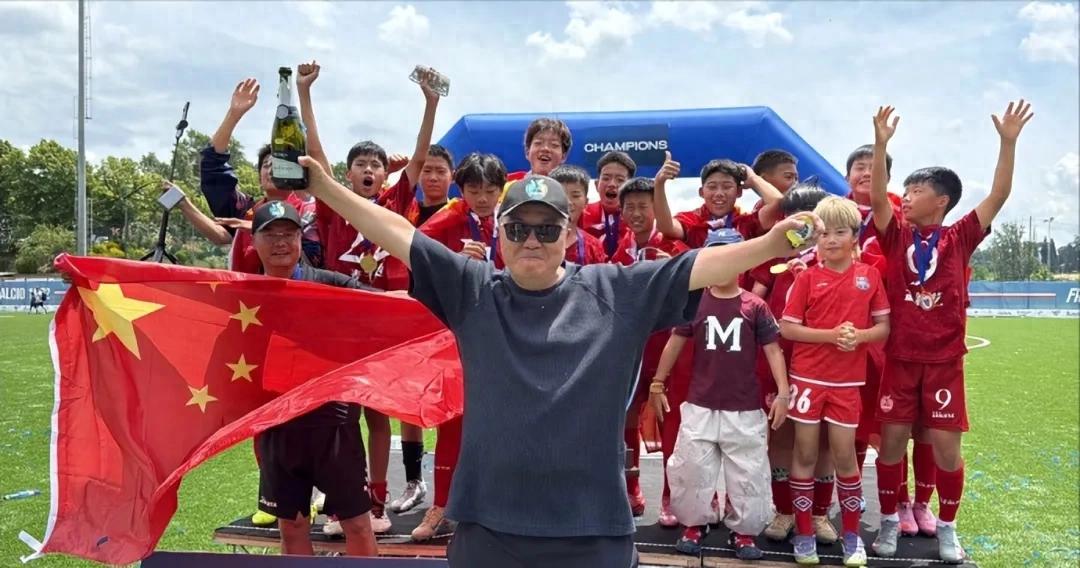
Recently, I've learned that a major point of debate is: "Did Dong Lu actually train these players himself?"
Let's just say this:
He led the football junior teams on campaigns across the country and abroad, playing over three hundred high-intensity matches overseas, actively arranging games against age-group teams from strong football nations like Europe, South America, Japan, and South Korea, facing world-class young players head-on.
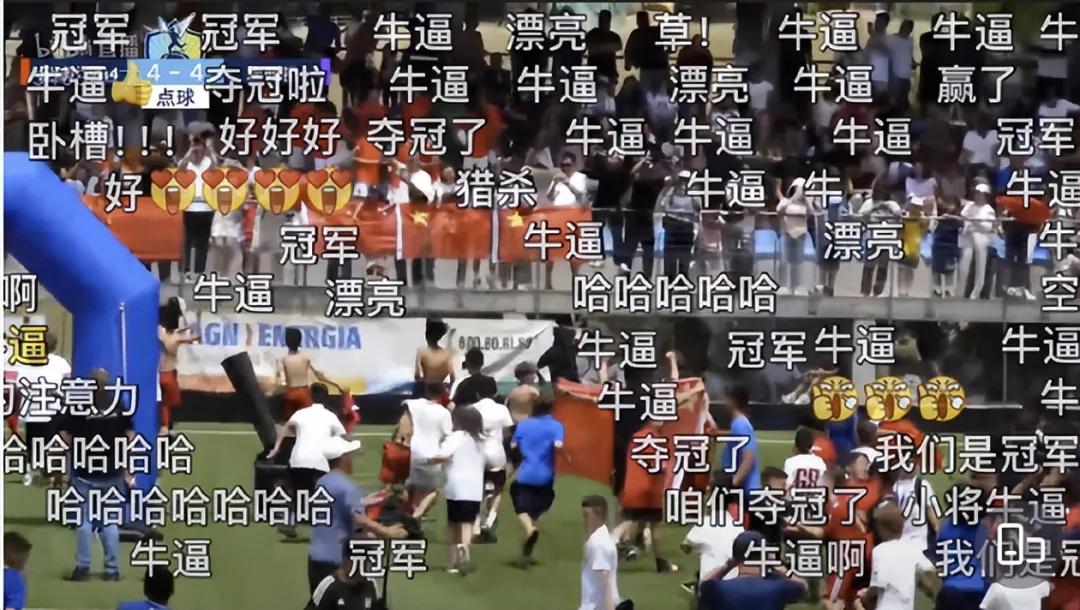
For example, the U12 team that recently won a tournament in Italy.
For example, he recently took a group of 2009-2010 players to Brazil to compete against top club youth teams.
All of this is real and actually happened.
Moreover, before Dong Lu started doing this, I genuinely thought that European kids under 14 didn't care much about results.
But it turns out European kids cry harder than anyone when they lose...
The emergence of the Football Juniors has truly opened the eyes of Chinese fans to the world.
Back to the main topic.
Why does Chinese basketball also need a figure like Dong Lu?
Chinese basketball is also desperately short of victories.
When the men's basketball team repeatedly fails at world competitions, most people just perfunctorily blame it on players' talent or training attitude, summing everything up with a few words: "poor fundamentals."
Even former national team stars often bring up the concept of "fundamentals."
But what exactly are fundamentals?
Do Chinese football players really mess up their ball control that badly in normal training?
The men's basketball players actually work very hard on their fundamentals practice.
However, the vast majority of training focuses only on mechanical repetition of dribbling, shooting, and physical drills.
It prioritizes standardized, procedural movements but neglects the cultivation of core competitive qualities like game reading, tactical thinking, on-the-spot decision-making, mental toughness in confrontation, and resilience under pressure.
This assembly-line training model produces standardized, templated players.
Most youth coaches come from this background; they tend to impose their own growth experiences and successful methods onto youth development.
But basketball today is completely different from decades ago—look at the current transition pace versus the old rhythm...
Why is Wang Junjie different? Why is he considered a premium talent for Chinese basketball?
His development path is different.
Many young players grow up playing in domestic youth tournaments with low intensity, slow pace, and weak physical contact.
Accustomed to easy, dominating games, once they enter the international stage, they instantly suffer from technical breakdowns, mental collapse, tactical disconnection, physical exhaustion, and a host of other issues.
You'll find that basketball and football basically follow the same logic.
It's still too early to fully declare the absolute success of the "Dong Lu model."
After all, his oldest batch of kids is currently U17 and will soon play in the U17 World Cup.
But if you've seen even a few clips of their games, you'll notice that these Football Juniors players studying abroad in Spain dare to dribble, dare to pass, dare to challenge, and dare to make decisions.
Why?
Because they are used to playing at this tempo and competing with European and American players on a regular basis—they don't carry any sense of inferiority.
Whether in football or basketball, what is the biggest difference between European players and Chinese players? The ability to make quick decisions.
This is cultivated through real competition.
Watching the World Cup recently, you'll see that some European teams may lose badly in the final score, but their game pace, physical confrontations, and transition speed are all standard European style.
After watching world-class tournaments, go back and watch the Chinese Super League...
Compared to football, Chinese basketball has a broader grassroots base, a larger market, and higher audience enthusiasm.
It doesn't lack talent, hype, funding, attention, eloquent commentators, or keyboard warriors like me.
What it lacks is a completely new way of thinking.
The men's U21 team has been playing recently—how many people truly pay attention? Without a sense of ceremony, mission, or public focus, it's hard for players to genuinely improve in such games.
Because you can't simulate real game conditions.
Think back to our high school days—why did we take so many mock exams? The logic is the same.
If there were a figure like Dong Lu leading young basketball prospects to play campaigns at home and abroad from an early age, it would bring a completely new change and a fresh perspective.
I can't guarantee success, but at least we wouldn't have so many young fans desperately chasing so-called "future stars" on social media.
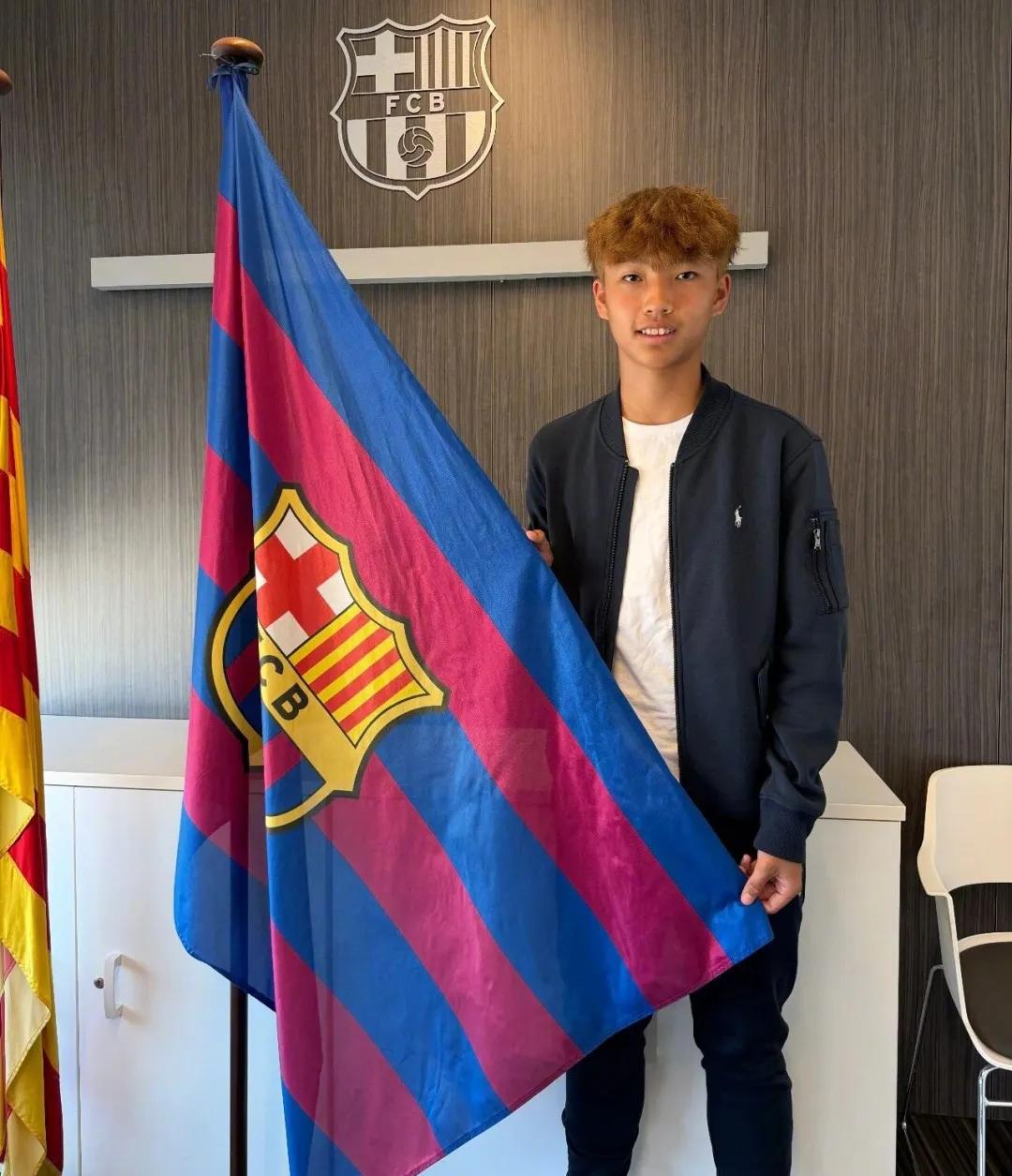
A truly outstanding player should be like Li Haoyan in football—joining La Masia youth academy, entering a top club's youth team, and shining in international youth tournaments—not just getting likes from fans on video clips...
One last thing: a major reason I wrote this post is because a young friend asked me, "Can this future star make it to the NBA?"
I was left speechless...


Wonderfulshortvideo
LaMelo really pulled that 🔥


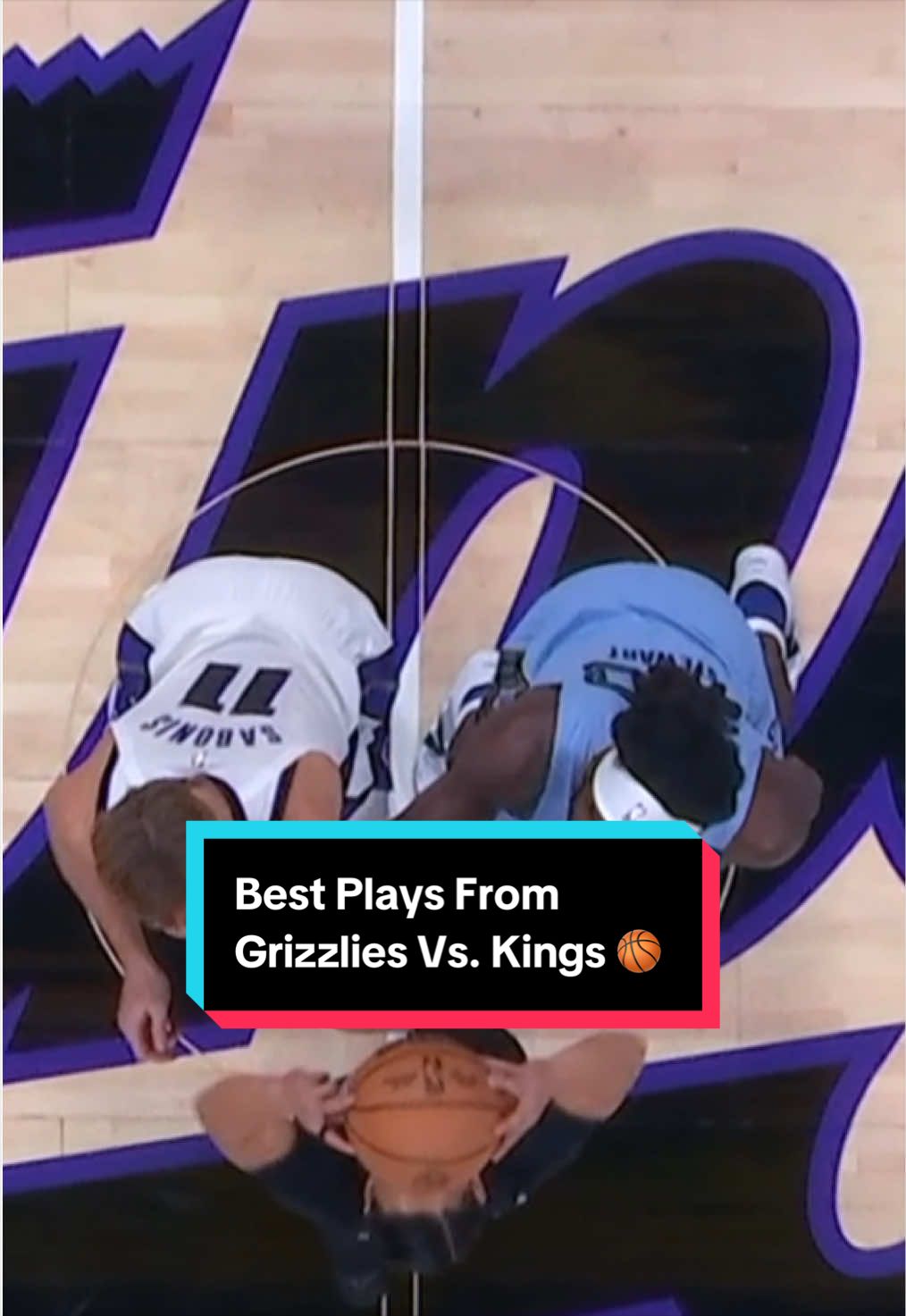
Quick rewind, full recap. Here’s everything from tonight’s @memgrizz vs. @Sacramento Kings recap ⏪ 🏀
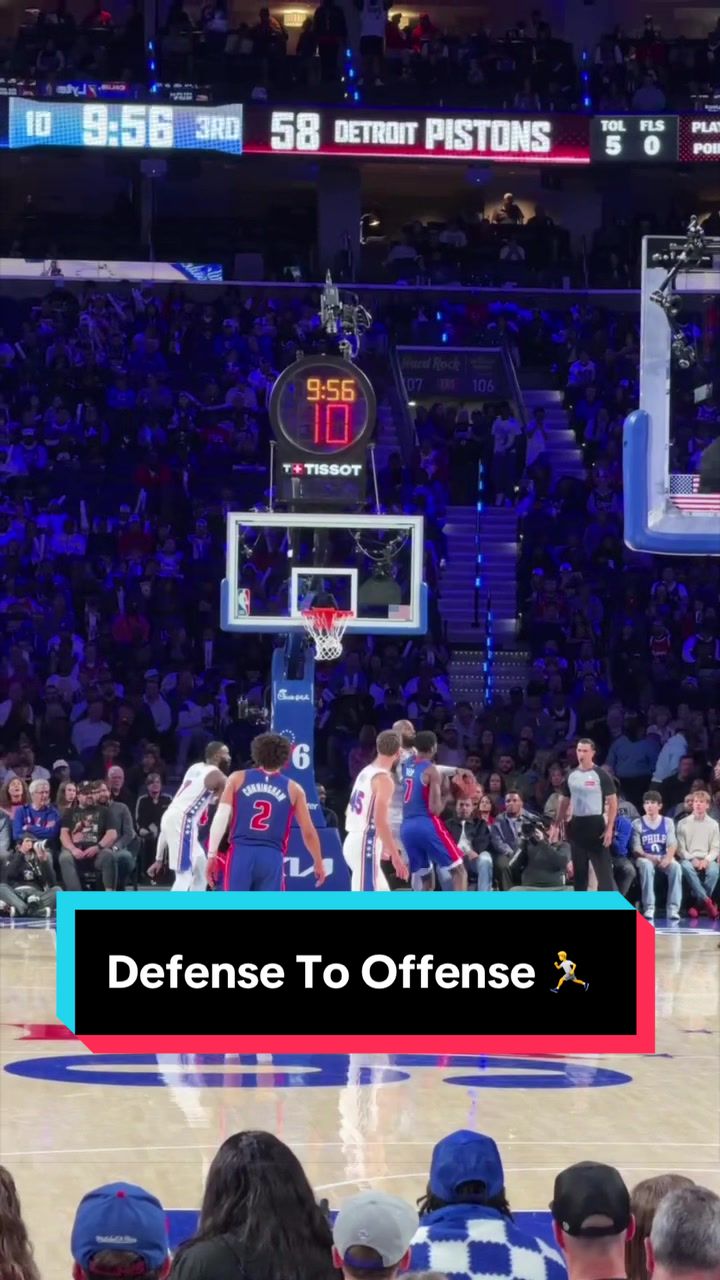
Both ends on 🔒
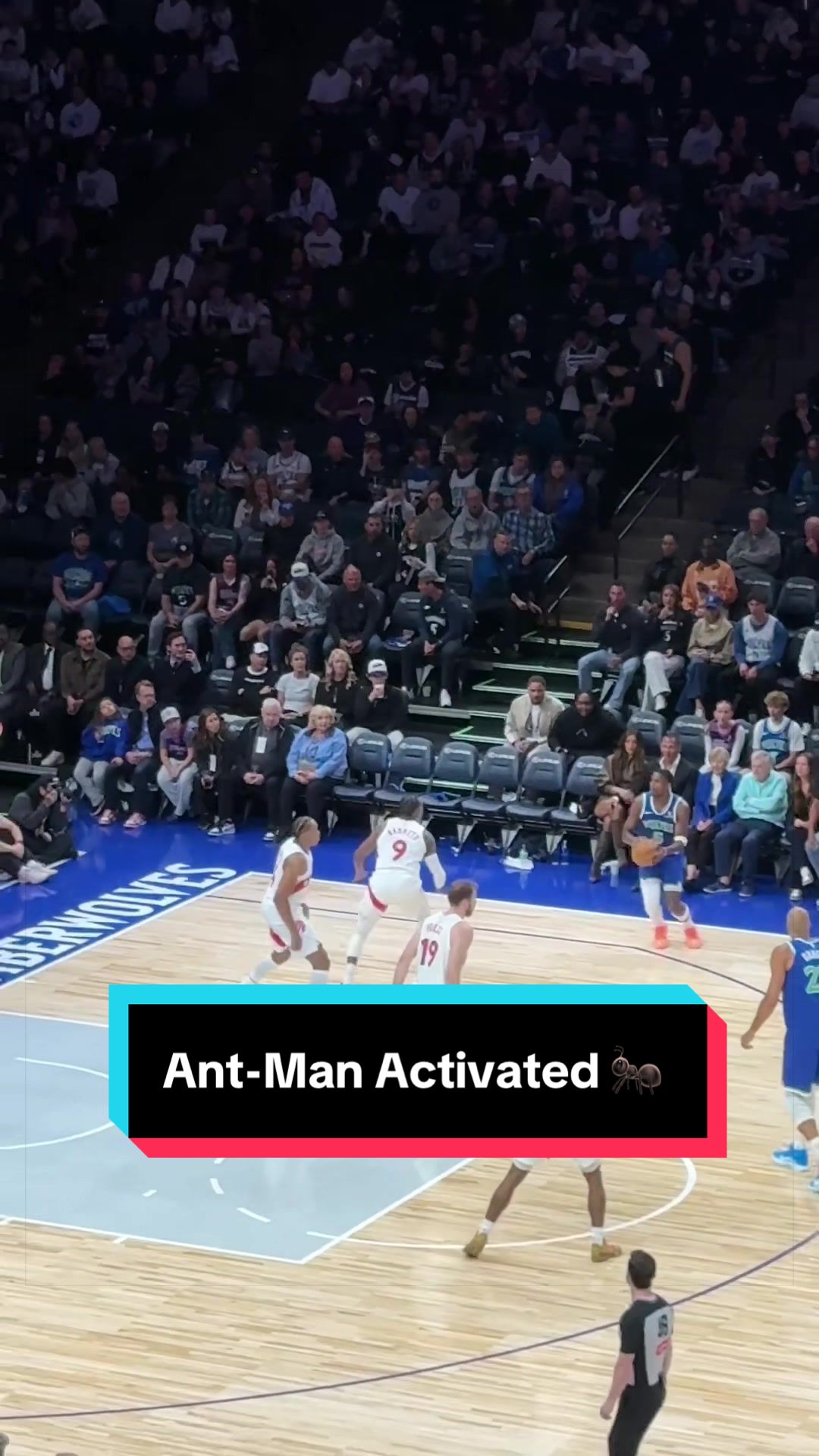
Ant-man with the tough 3️⃣
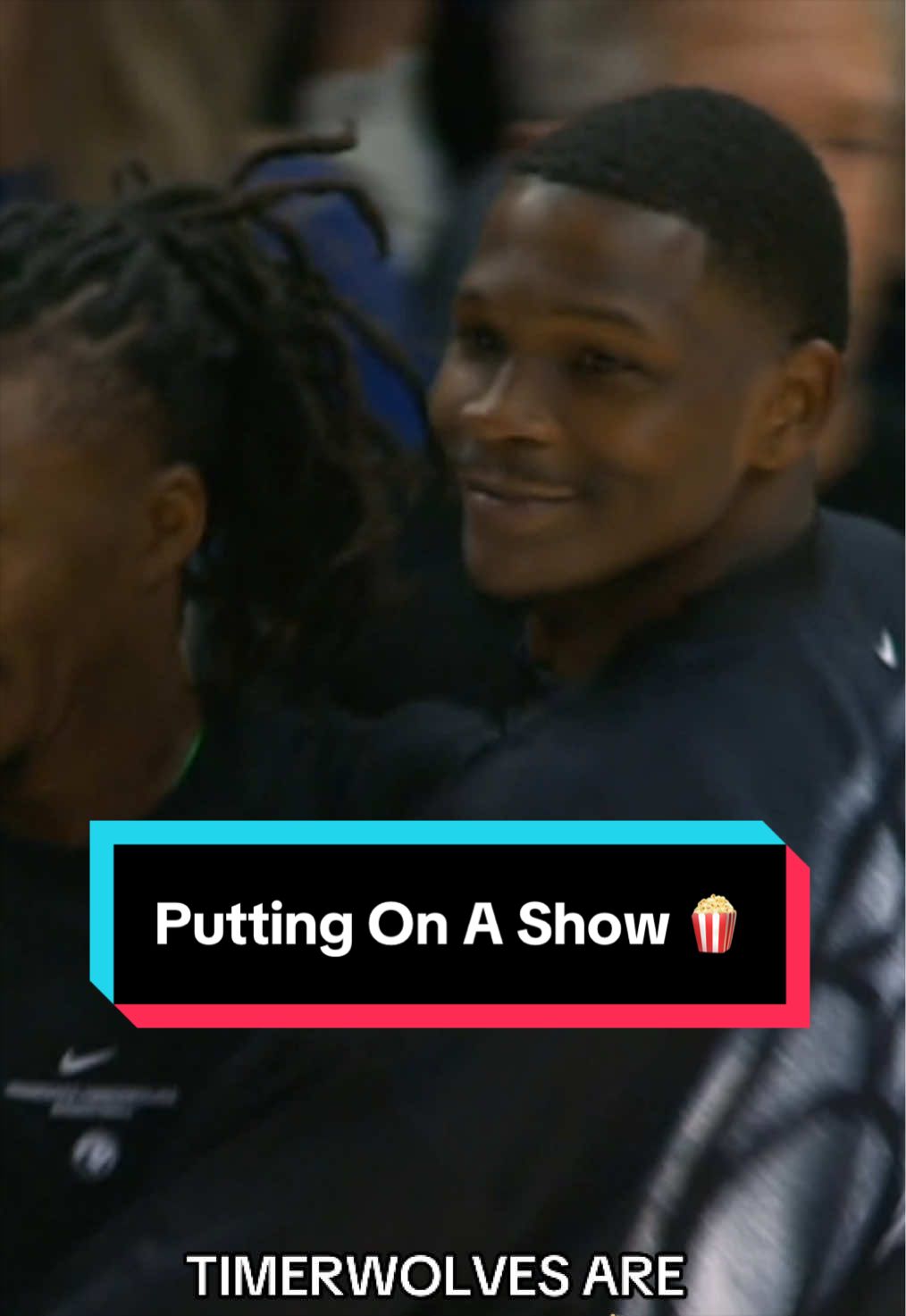
Put it on a highlight reel 🎥
Quick rewind, full recap. Here's everything from tonight's @Detroit Pistons vs. @Philadelphia 76ers matchup ⏪🏀
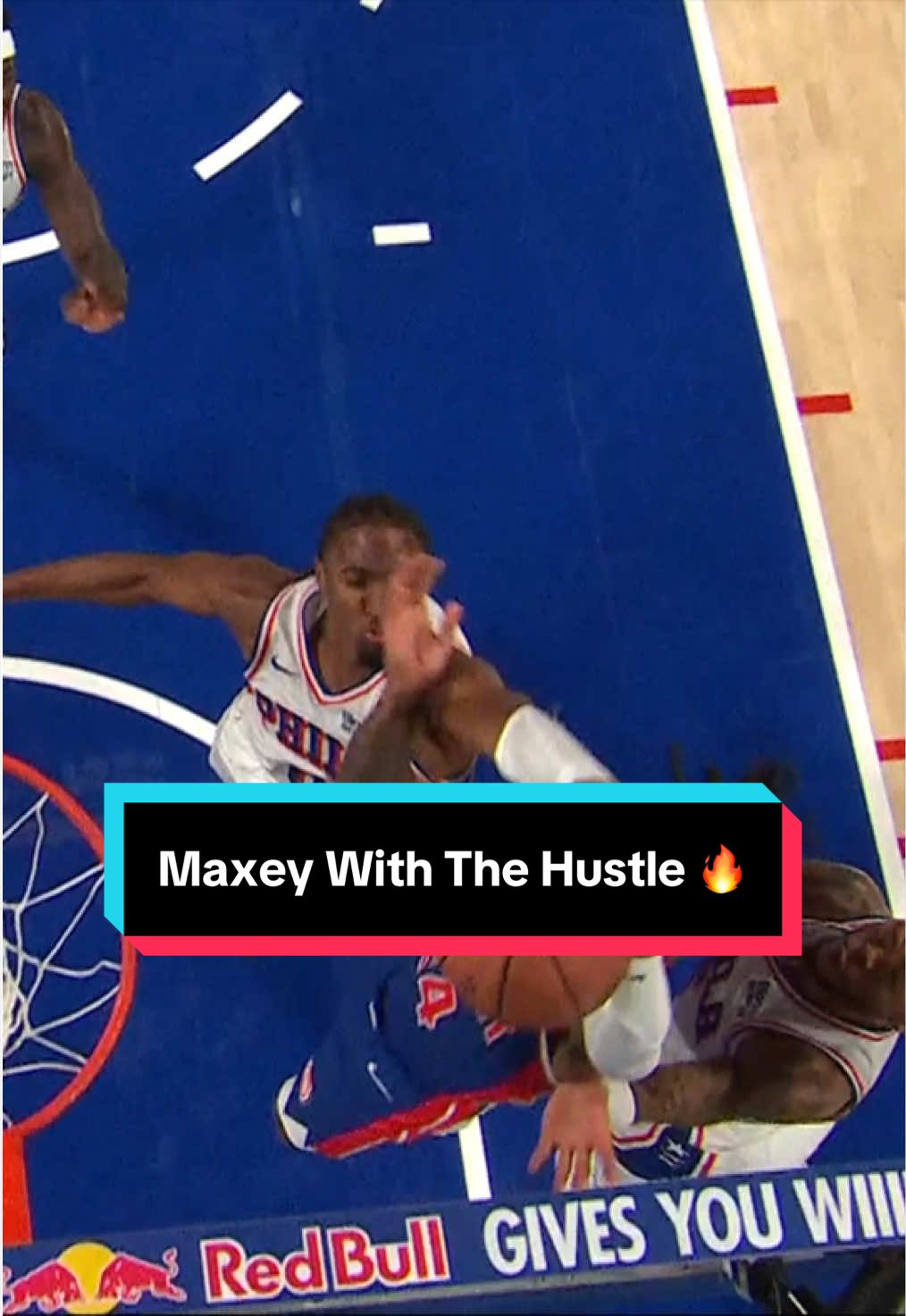
Maxey hustles back and elevates for the big block 🤩
 Links
Links
 Contact
 App
App