



Detailed Analysis of the Giannis Trade: Trail Blazers Profited Without Involvement, Bucks Were Both Winners and Losers



On June 23, Beijing time, in a 2-for-9 blockbuster deal, Giannis Antetokounmpo officially left the Bucks to join the Heat. ESPN subsequently analyzed the winners and losers of this trade, as follows—
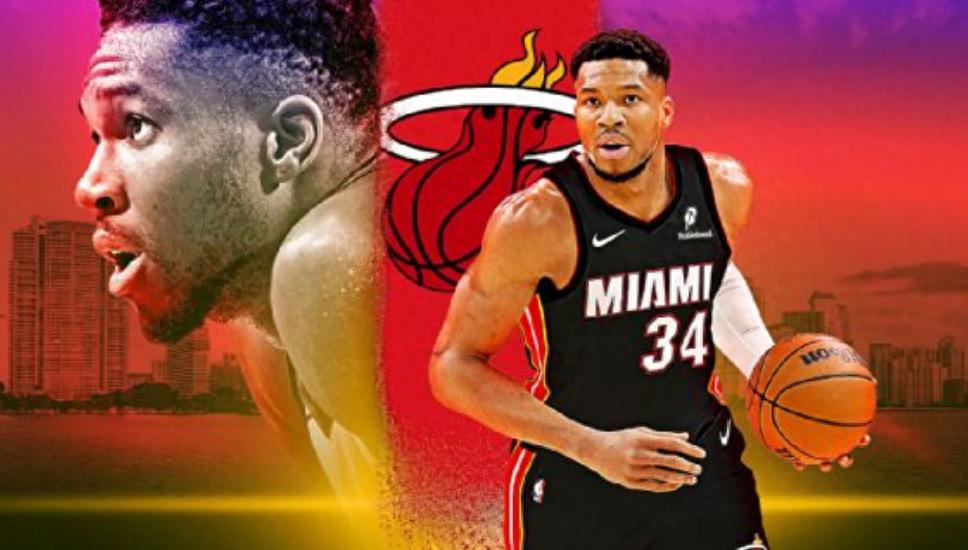
Winner: Milwaukee Bucks
Bucks fans are now deeply sorrowful, having watched Giannis rise from an obscure, slender youngster to a championship-winning, two-time MVP who dominated the league. With Giannis departing, he ranks first in franchise history in games played, minutes, points, rebounds, assists, and blocks; among active players across the league, only Curry and Green have spent as many years (13) with the same team as he did.
Although losing their superstar is heartbreaking, the Bucks have finally let go of their inner conflict—management exhausted every option to keep Giannis and build a championship roster around him. The team made a rational decision: since they couldn't provide enough quality help, forcing a continued partnership would only lead to further stagnation. Initiating a rebuild proactively was the best move.
Loser: Milwaukee Bucks
The Bucks' decisive move to trade Giannis deserves credit, but the return they received proves they acted too late. They failed to land another elite superstar, and their most valuable draft asset won't be available for another five years.
By the 2026-27 season, the Bucks are likely to be among the league's worst teams—a typical outcome after trading away a franchise icon. More troubling is that their current assets give no clear timeline for returning to playoff contention. The Rockets took four years to re-enter the playoffs after trading Harden, and the Nets missed the postseason for three consecutive full seasons after dealing Durant; the Bucks likely face a long, painful rebuilding period.
Let's imagine an alternative scenario: if the Bucks had actively traded Giannis last summer, kept the injured Lillard, and passed on signing Myles Turner, they would probably now hold a top-5 pick in this year's draft, received a far richer package for Giannis, and avoided paying Turner $84 million over the next three years. Hindsight is harsh: the Bucks' all-in gamble for one last title came at a steep price.
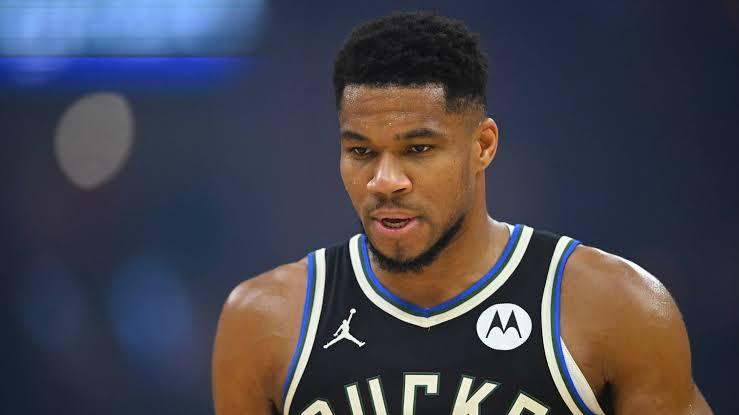
Winner: Giannis Antetokounmpo
Over the past few years, Giannis was constantly engulfed in trade rumors, repeatedly stating that if conditions allowed, he would stay in Milwaukee to become a Dirk Nowitzki-like legend for the city. That dream has now ended, but Giannis is about to begin a new chapter, joining the Heat—a franchise renowned for building championship contenders around acquired superstars.
After signing LeBron James and Chris Bosh in the 2010 offseason, the Heat reached the Finals four straight times, winning two titles; after signing Jimmy Butler in 2019, they made two Finals appearances in four years. Giannis is well aware of Miami's strength: in the 2020 and 2023 playoffs, Butler led the Heat to eliminate the Bucks and advance out of the East.
Beyond Miami's pleasant climate and lifestyle, Giannis shares a strong philosophical alignment with Heat coach Erik Spoelstra. Giannis desperately needs a second championship to widen the gap with peers like Jokic and Tatum; meanwhile, Spoelstra has been yearning for another title since LeBron left in 2014.
The Heat finished with a respectable 43 wins last season, and Giannis is eager to prove himself with strong performances. The team's established core already positions them as a second-tier contender in the East. While the offensive chemistry between Giannis and Bam Adebayo may take time, they can build a formidable interior defensive wall from day one. Even if Herro and Jaquez are traded, this Heat roster has more talent on paper than any Bucks team Giannis played on after 2022.
Loser: Boston Celtics
The Celtics, who were deeply involved in the Giannis sweepstakes all week, ultimately watched their Eastern Conference rival win the bidding war. Other teams should breathe a sigh of relief: if Giannis had teamed up with Tatum, Boston would have boasted the league's best duo.
After an early first-round playoff exit, the Celtics' offense was overly reliant on three-pointers. They desperately needed an interior force like Giannis to balance their system and shore up their defensive weaknesses in the paint. President of Basketball Operations Brad Stevens now faces a dilemma with Jaylen Brown: should he continue dangling him on the trade market or repair internal relationships and keep him?
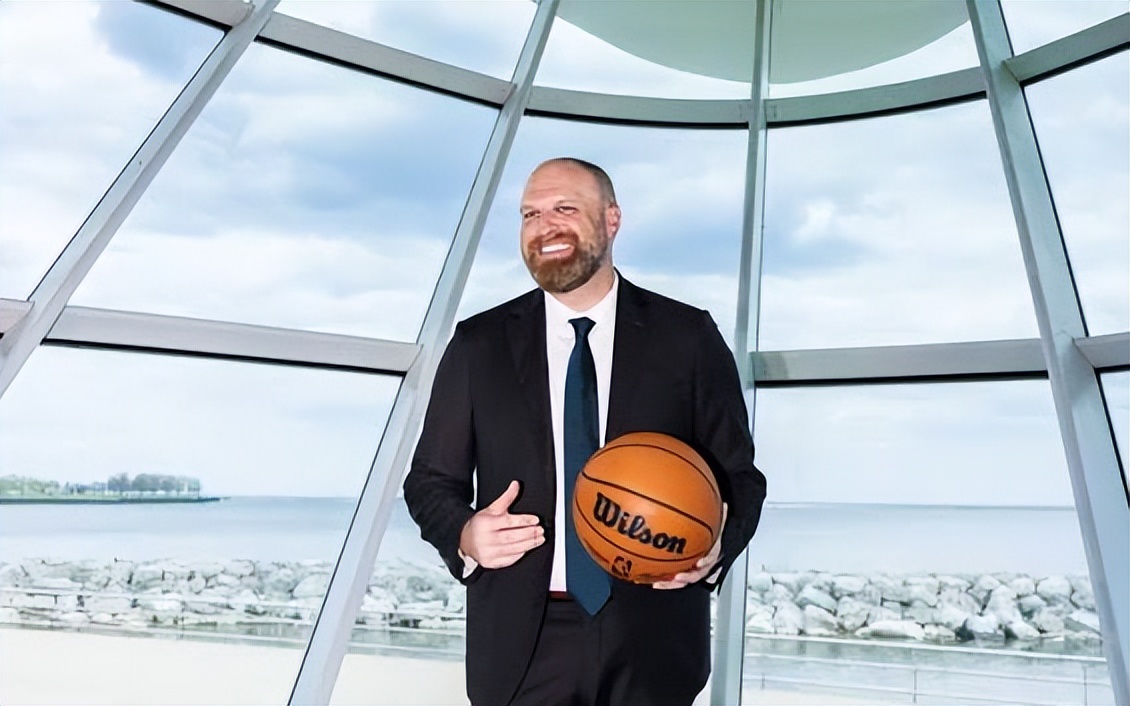
Winner: Taylor Jenkins
Giannis' first three head coaches in Milwaukee all struggled: Budenholzer led the team to 58 wins but exited in the first round and was fired for falling short of championship expectations; his successor Adrian Griffin lasted less than half a season; Doc Rivers also stepped down this April amid a wave of injuries.
Giannis demands a high usage rate, has been plagued by injuries, and was dissatisfied with the team's direction. If new coach Jenkins had continued to build around him, he would have faced immense pressure. Now Jenkins doesn't have to deal with these challenges and has ample time to steadily advance the rebuild, much like he did with the Grizzlies from 2019 to 2025. He excels at fostering a tough team culture in small markets and developing sustained competitiveness—perfectly suited for the current Bucks.
Loser: Myles Turner
After reaching the Finals with the Pacers in 2025, Turner chose to sign a four-year, $109 million deal with Milwaukee, stating at the time that "maintaining team competitiveness" was a key reason for his move—even though Giannis' uncertain future was a known risk.
In just one year, Giannis is gone, the Bucks' record is about to plummet, and the Pacers are back on the rise after Haliburton's Achilles injury fully healed. Turner had an unremarkable first season in Milwaukee, and now the Bucks must decide whether to keep him or trade him for rebuild assets. Looking back at Indiana, the prospects there are clearly much brighter.
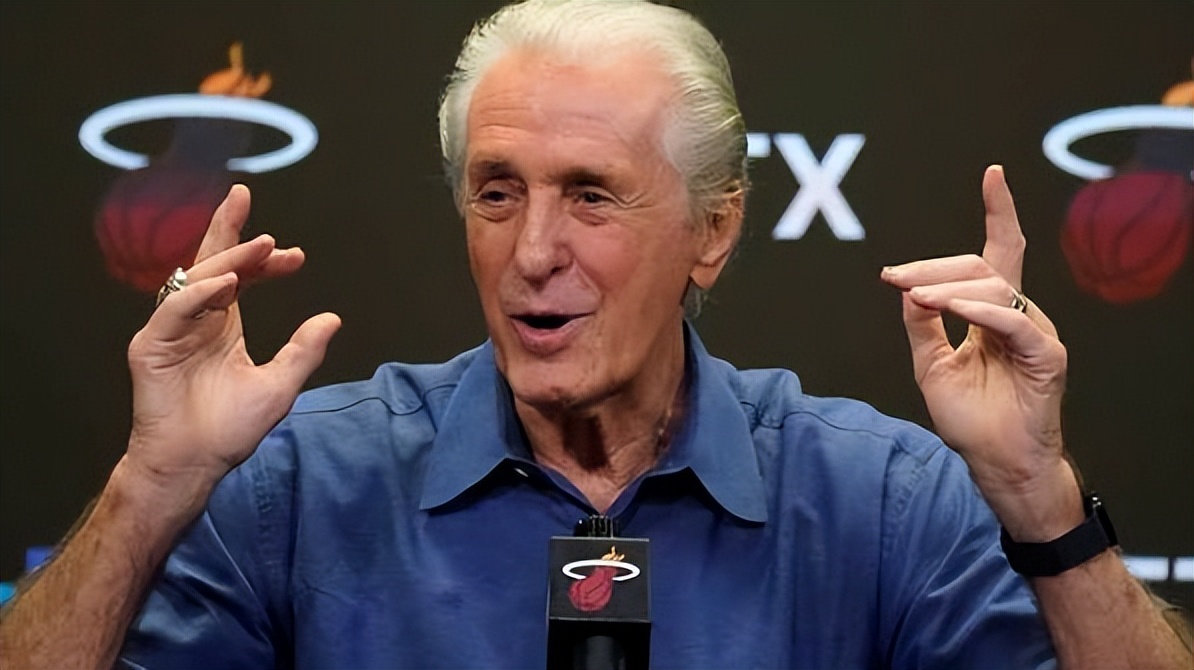
Winner: Miami Heat
Two seasons ago, Pat Riley refused to offer Jimmy Butler a lucrative extension, escalating tensions between them. Although that move led to a first-round playoff exit in 2025 and a lottery finish in 2026, it freed up enough assets for the Heat to successfully acquire the younger, more accomplished Giannis.
The Heat gave up several quality young players and draft picks in the deal, but didn't mortgage the franchise's future. If their offseason additions go smoothly, Miami could field a starting lineup next season featuring Giannis, Bam Adebayo, Norman Powell, and Andrew Wiggins. This group offers offensive firepower, versatile defense, and deep playoff experience, making them competitive from day one. Riley can also enjoy Giannis' prime for the next three to four years, with plenty of time to build a complete championship rotation.
Loser: New York Knicks
Reigning champions never welcome blockbuster trades that shake up the title race. The Heat aren't yet the Knicks' biggest threat—New York has better chemistry and a more talented starting five. However, Giannis' individual ability far surpasses any opponent the Knicks faced in the Eastern Conference playoffs this year. Combined with Miami's excellent coaching staff and their track record of maximizing star value, the Knicks' path to repeating has suddenly become much tougher.
Winner: Portland Trail Blazers
In the 2023 trade that sent Lillard to Milwaukee, the Trail Blazers received the Bucks' unprotected 2029 first-round pick, along with swap rights on their 2028 and 2030 first-rounders. Now that Giannis has been dealt, the Bucks' rebuild timeline has slowed, significantly boosting the value of those draft assets. Of course, new league rules have limited lottery odds and penalized tanking teams, otherwise the value of Portland's haul would be even higher.


Wonderfulshortvideo
LaMelo really pulled that 🔥


Quick rewind, full recap. Here’s everything from tonight’s @memgrizz vs. @Sacramento Kings recap ⏪ 🏀
Both ends on 🔒
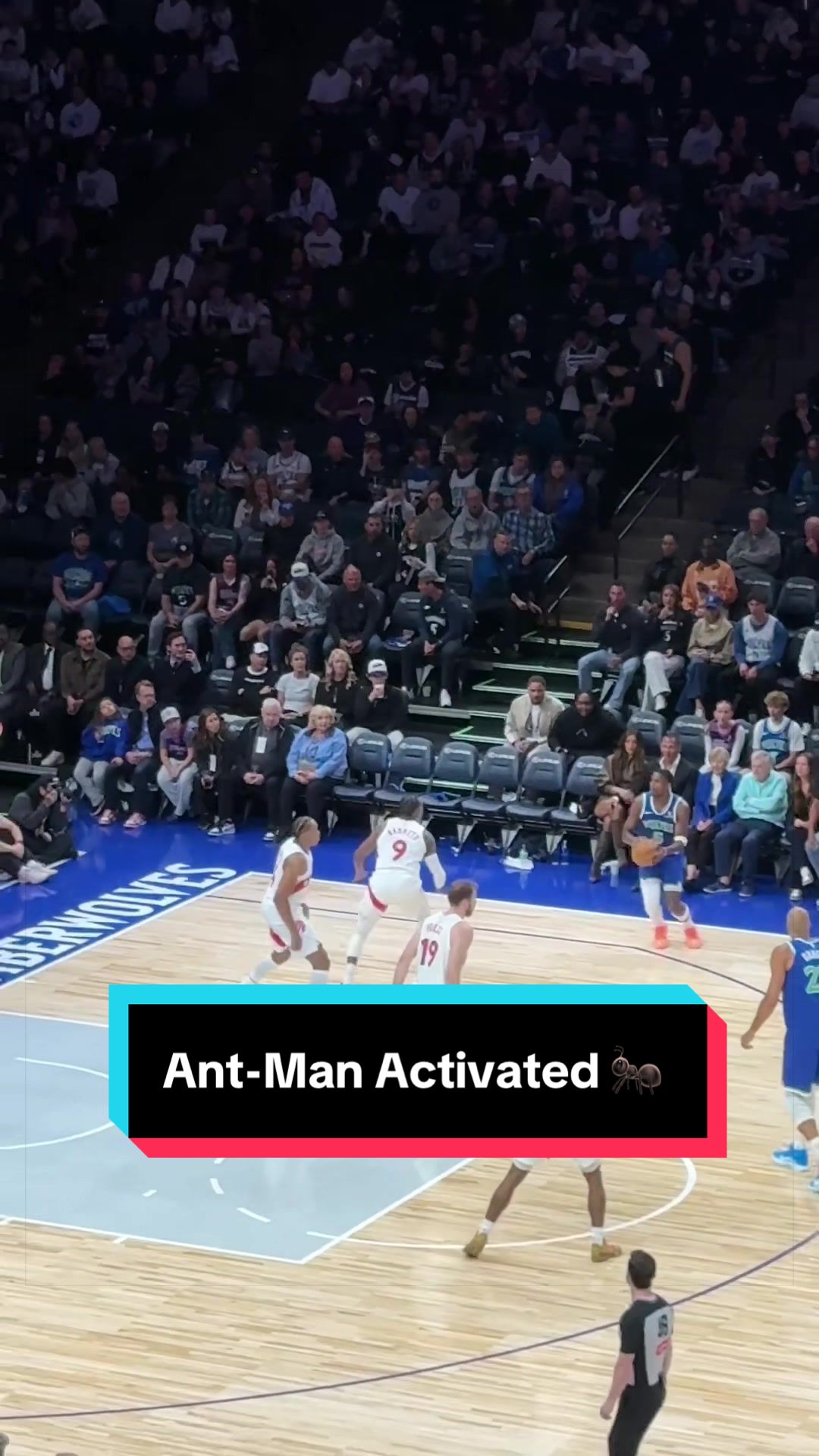
Ant-man with the tough 3️⃣
Put it on a highlight reel 🎥
Quick rewind, full recap. Here's everything from tonight's @Detroit Pistons vs. @Philadelphia 76ers matchup ⏪🏀
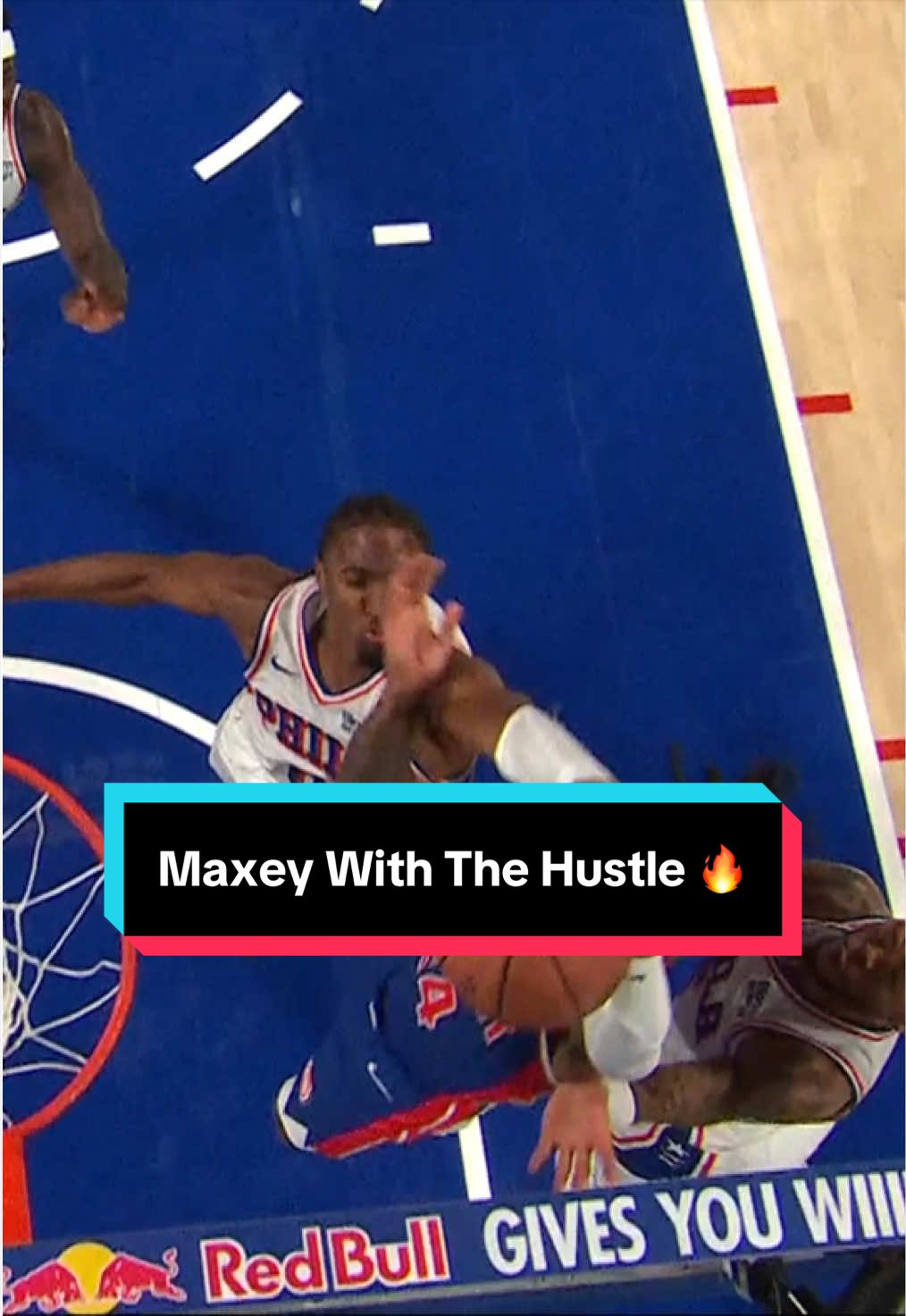
Maxey hustles back and elevates for the big block 🤩
 Links
Links
 Contact
 App
App