



The rookie chosen by the Warriors is 7 days older than Kuminga.


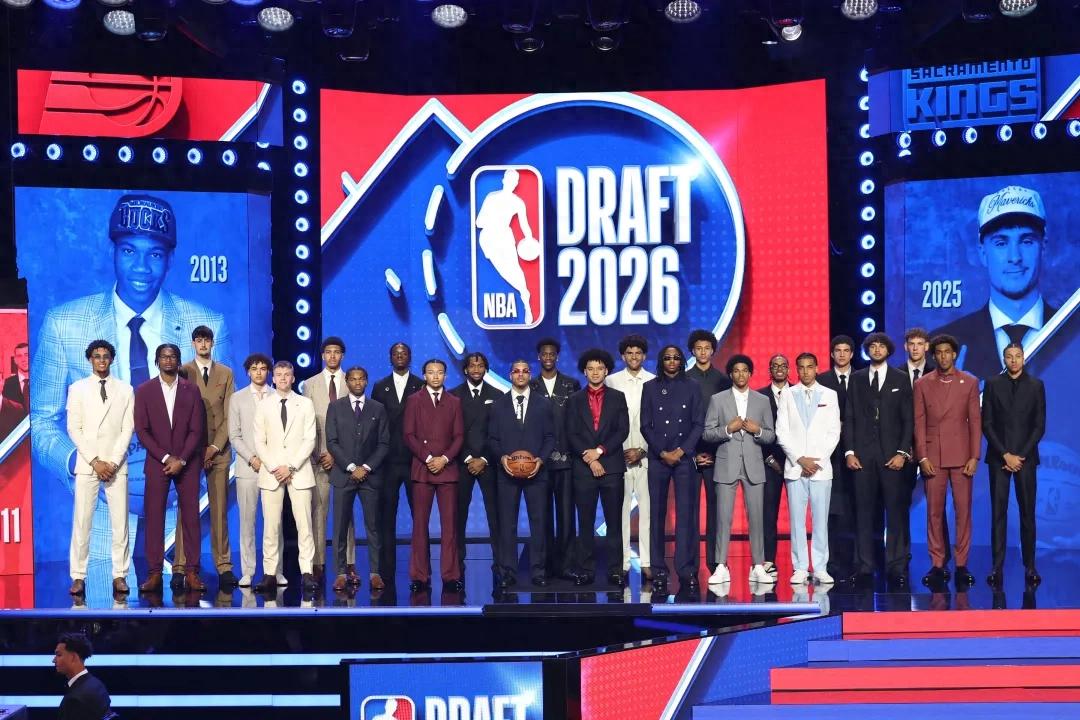
Today is the 2026 NBA Draft. Overall, it was uneventful—no major surprises, no top prospects dropping significantly, and basically no big trades. A very平淡 day.
As expected, the Wizards used the No. 1 pick to select AJ Dybantsa. After re-signing Trae Young, they were never going to gamble on Peterson. The Jazz simply had to pick whichever fell between Dybantsa and Peterson. Peterson is actually a great fit for Utah; he represents the final piece of their rebuilding puzzle. Next season, they'll compete with the Wizards for wins.
The Grizzlies selected Cameron Boozer, the top immediate contributor in this draft class. He's a player who definitely won't bust, but the reason he was consistently behind Dybantsa and Peterson is that his ceiling is also quite clear.
The Bulls' choice at No. 4 was also straightforward—they picked the last of the "big four," Caleb Wilson. He's a beast of a power forward, solid on both ends, excellent in every area except for outside shooting.
This kid looks honest and unassuming on the surface, but after the draft he shocked everyone with his words: "I want to be the greatest player of all time. There's already one GOAT in Bulls history; it's time for another." I'd call this the boldest statement among this year's rookies. Even Dybantsa seems humble compared to him.
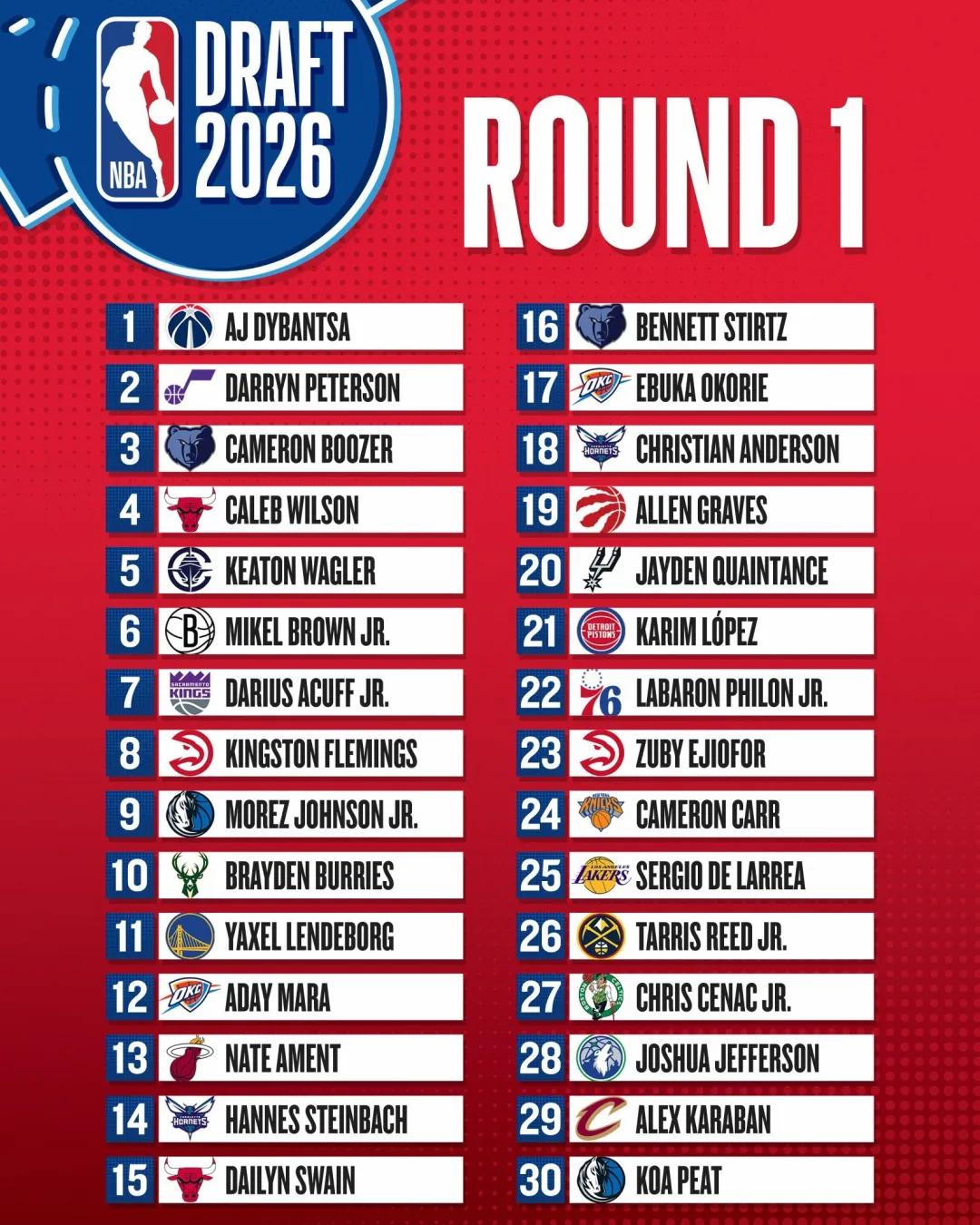
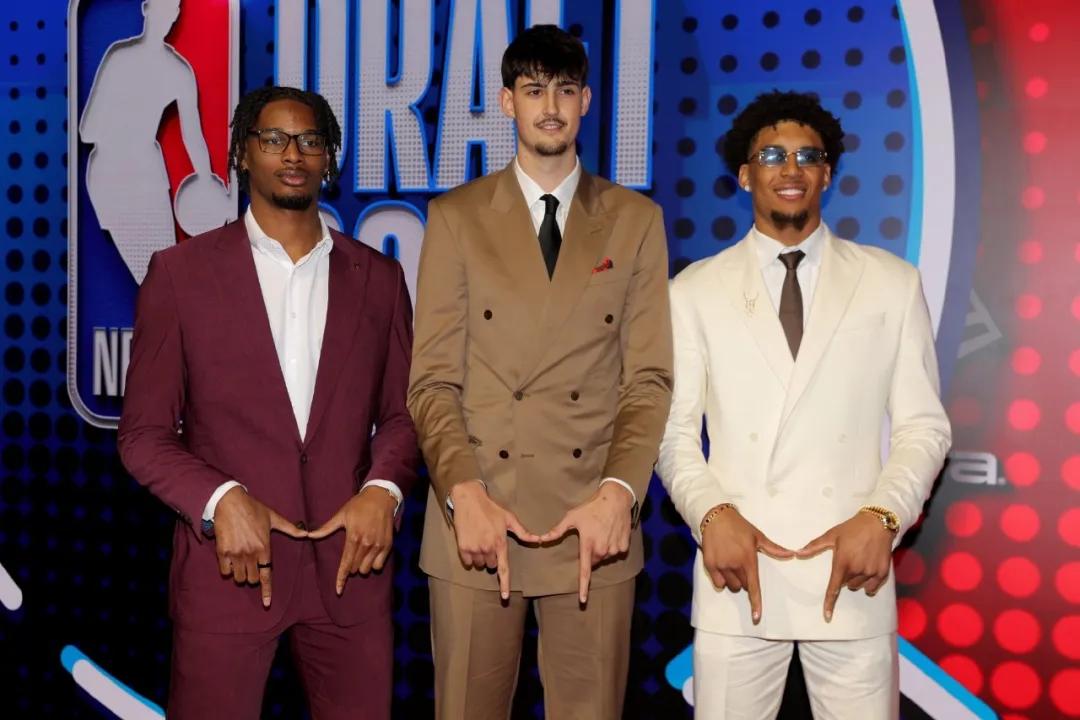
The real suspense of the draft started with the Clippers at No. 5, though it was only a little. Among many guards, they chose Keaton Wagler, one of the best shooters in this class. But aside from that, his size and athleticism are quite average—he didn't even have a single dunk in college.
The Mavericks reached at No. 9 to select Moe Rez Johnson Jr. from the University of Michigan. This was both logical and surprising. Just two days ago, the Mavericks announced Dusty May, Michigan's head coach, as their new head coach, and today they drafted his favorite player, Johnson. Although Johnson was picked higher than expected, the Mavericks likely failed to trade down and simply took him at No. 9.
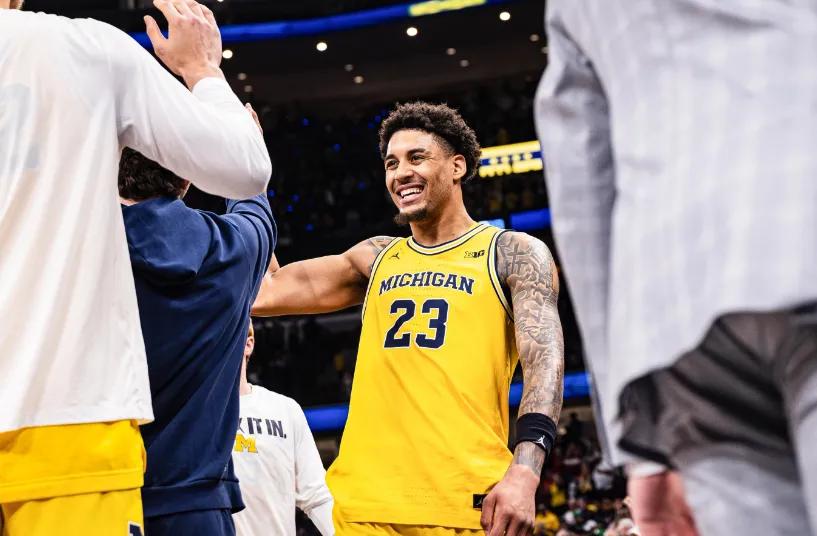
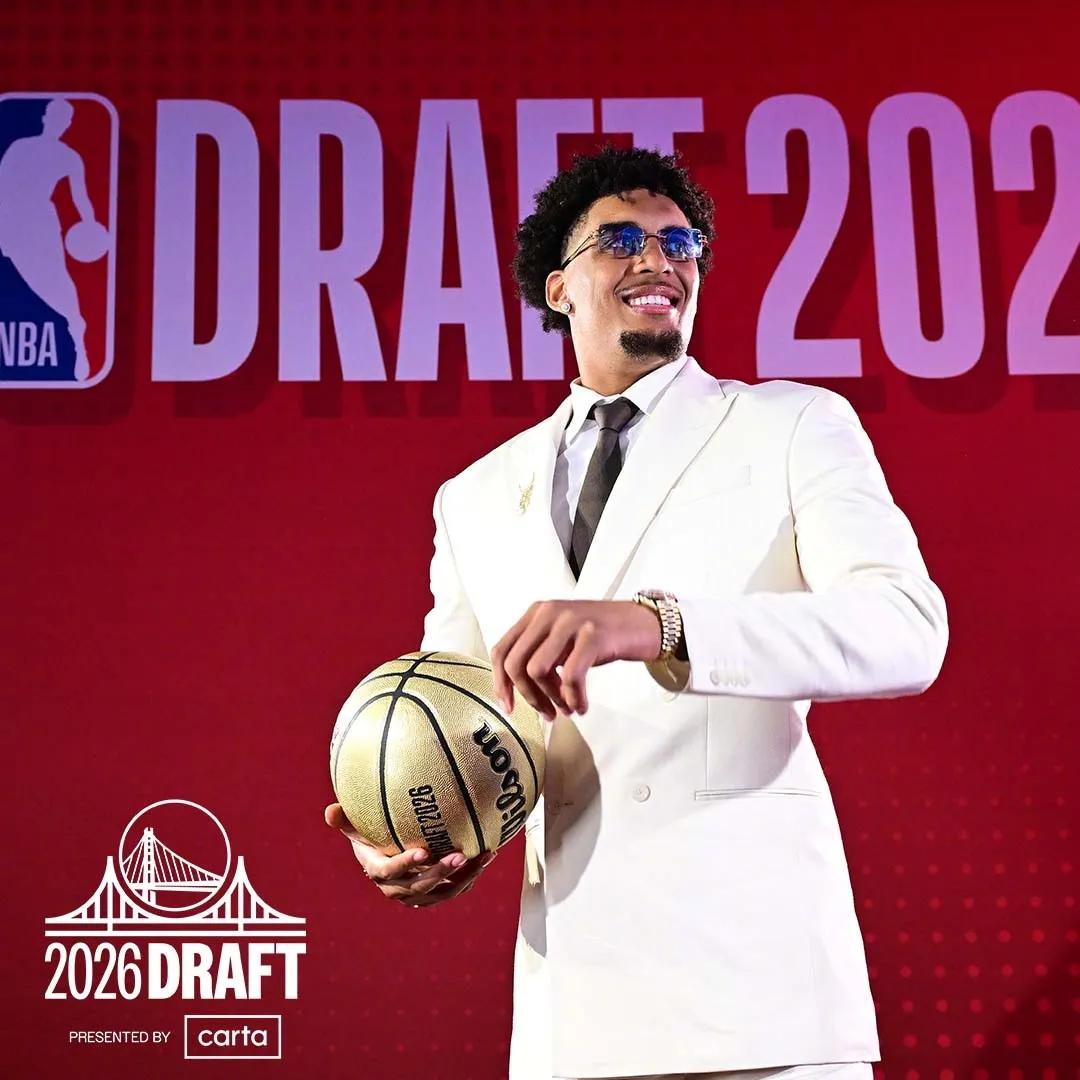
The player the Warriors selected at No. 11 is quite interesting—he's probably the oldest first-round pick, also from Michigan: Lundberg. As an older rookie, Lundberg was born on September 30, 2002. He stands 2.06 meters tall and weighs 109 kilograms, which should allow him to play center for the Warriors.
He spent six years in college due to various factors, and his journey is quite inspiring. He came up from a community college, made a name for himself at UAB, and finally achieved his championship dream at Michigan.
Last season, he played 40 games for Michigan, averaging 15.1 points, 6.8 rebounds, 3.2 assists, and 1.2 blocks per game, shooting 51.5% from the field, 37.2% from three, and 82.4% from the free-throw line.
When his rookie season begins, he will be almost 24 years old. For comparison, Kuminga was born on October 6, 2002, making him 7 days younger than Lundberg. Interestingly, the broadcast showed the Warriors' war room, where owner Lacob and GM Dunleavy appeared to be arguing and diverging. Ultimately, the Warriors picked Lundberg.
Given Lacob's tendency to meddle in draft choices (like Wiseman and Kuminga), he would definitely not want to pick such an old rookie. Of course, a player like Lundberg is never destined to become a star. He can contribute immediately and could even serve as a backup plan if Draymond leaves. That was Dunleavy's intention in selecting him at No. 11.
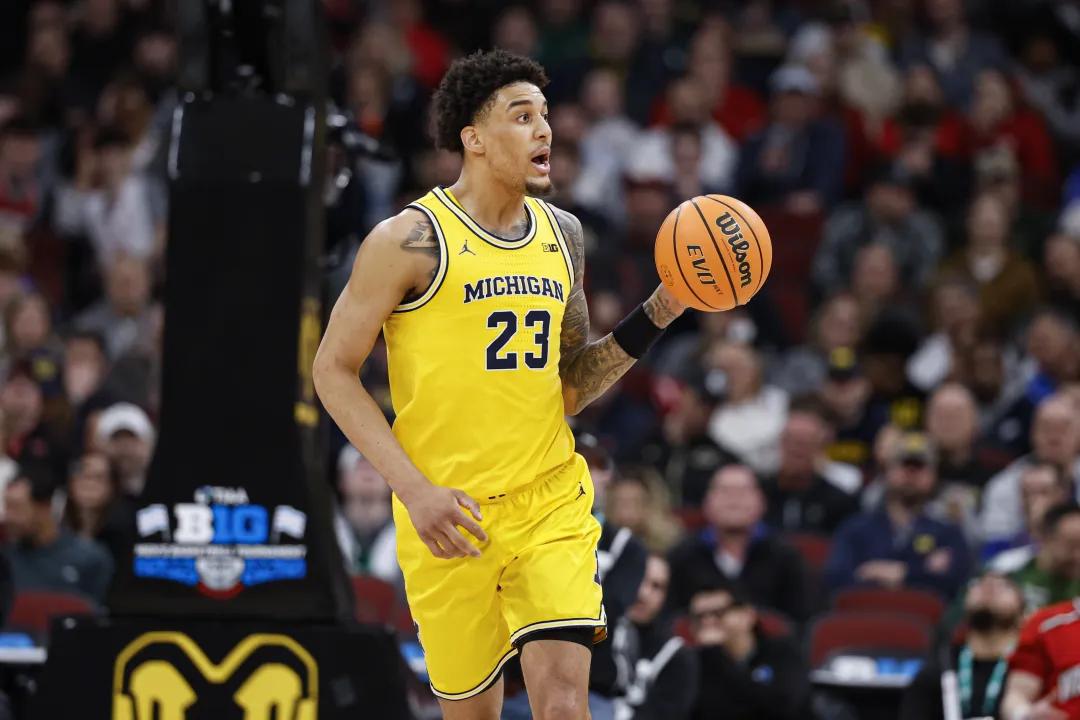
Lundberg was likely the first rookie to cry at the draft this year. Not because his pick was high—he was projected around this range—but because being selected changed the fate of his entire family.
Last year, Lundberg was projected as a late first-round or early second-round pick. He then chose to return to college. His stats declined compared to the previous year, but Michigan went on a championship run, boosting everyone's stock, especially as their head coach became the Mavericks' new coach.
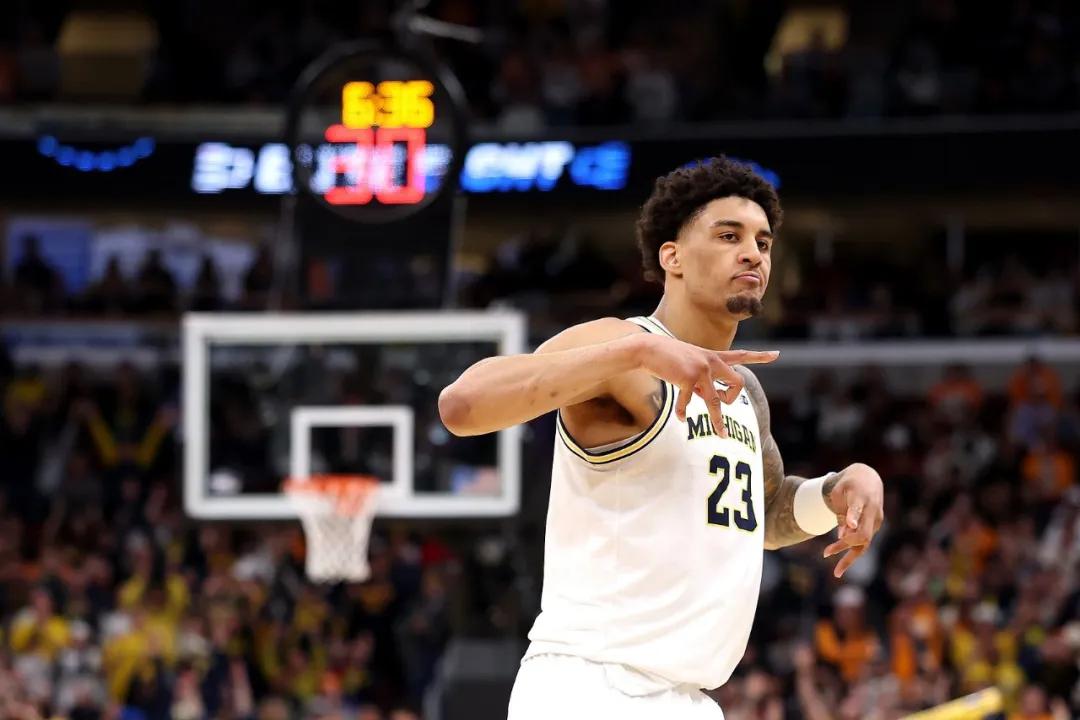
He is now a national champion and the conference's best player, but just a few years ago, he was a lost high schooler who couldn't even make the school team because of poor grades. Back then, he spent all day playing video games, sleeping in class, and didn't care about his grades or future.
One day, he was at a friend's house playing games, and it was already 10 PM with no sign of going home. His mother came, dragged him into the car, and they stared at each other in silence. Suddenly, his mother said: "I need you to do something for me. You must listen to me now. If you want to graduate, you have to complete 10 community college courses within a year."
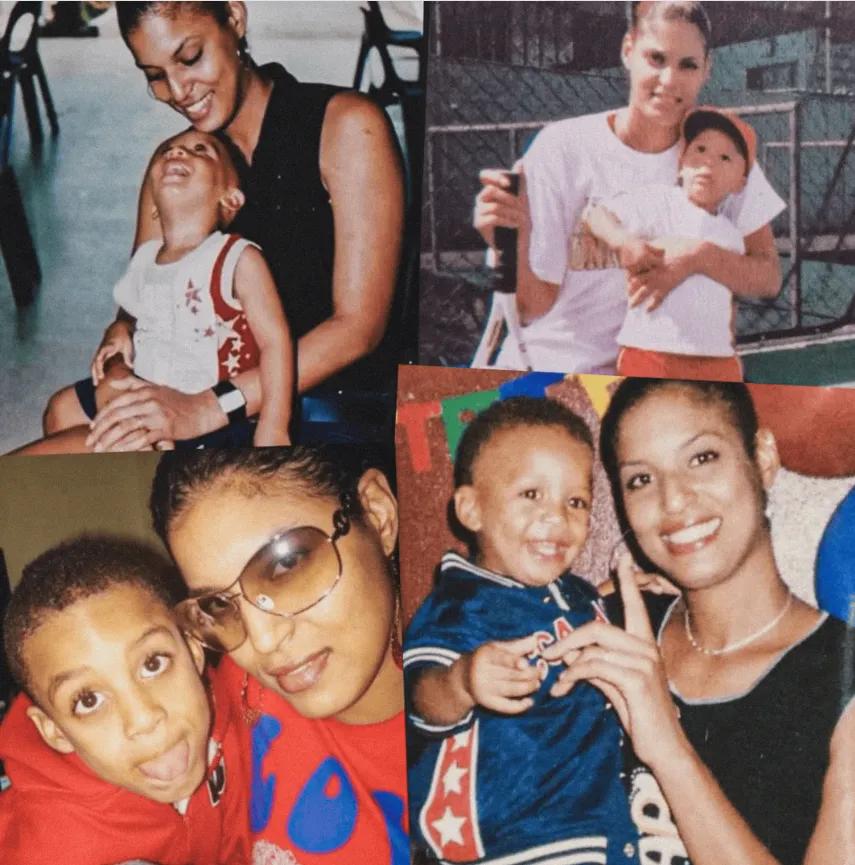
Of course, Lundberg refused and started making excuses. Suddenly, his mother broke down sobbing in the car. Lundberg later said: "My mother was crying in the car because her son didn't know how to be a good kid."
At that moment, Lundberg felt a chill. He asked himself: "The person who works two jobs every day, the person who loves me no matter what happens—and I treat her like this? How could I do this to her?"
In the car, he promised his mother, who had already soaked her T-shirt with tears, that he would complete the courses and become better. From that day on, Lundberg was like a different person. He finished high school, rejoined the basketball team, and his life trajectory took off like a rocket.
In a later letter, Lundberg wrote: "At that moment, I can tell you clearly—my life changed completely in that instant."
A few months ago, his mother was diagnosed with cancer and is now fighting it. That's why he was in tears today. During an interview, he said: "My mother always pushed me to chase my dreams, forced me to go out and see the world, and grow into a real man."
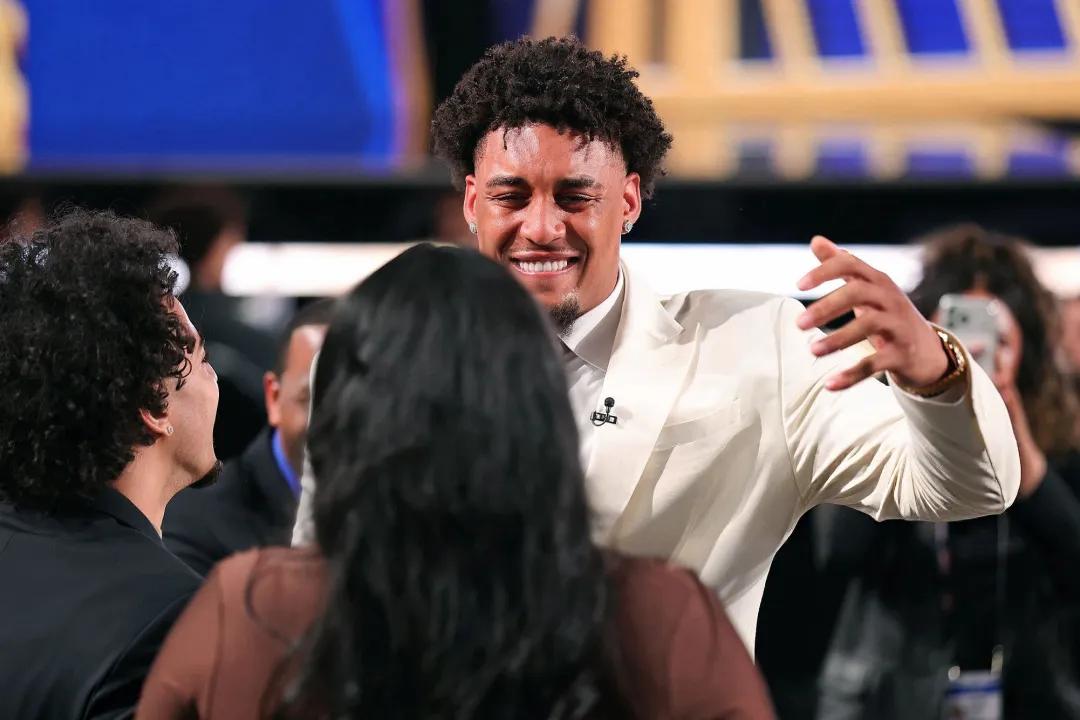
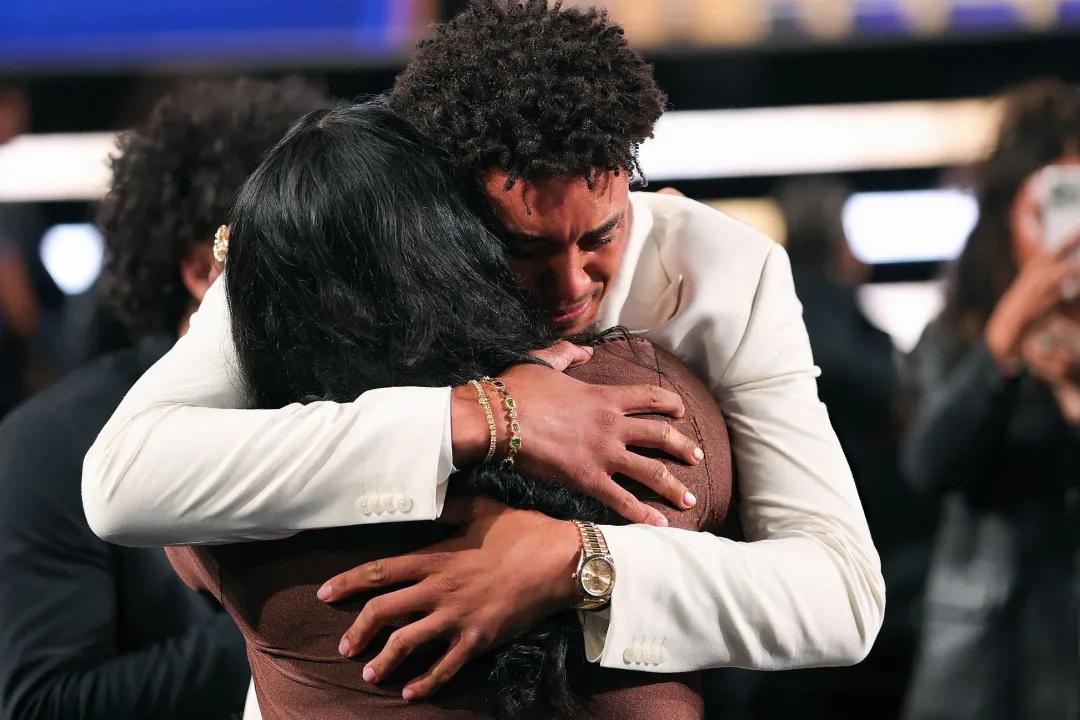
This is a story of a prodigal son returning. He was lost, but his mother brought him back on track. Everything he does is just to make his mother proud. Today, he became an NBA lottery pick, and he and his mother embraced and cried—but this time, the tears were of happiness.


Wonderfulshortvideo
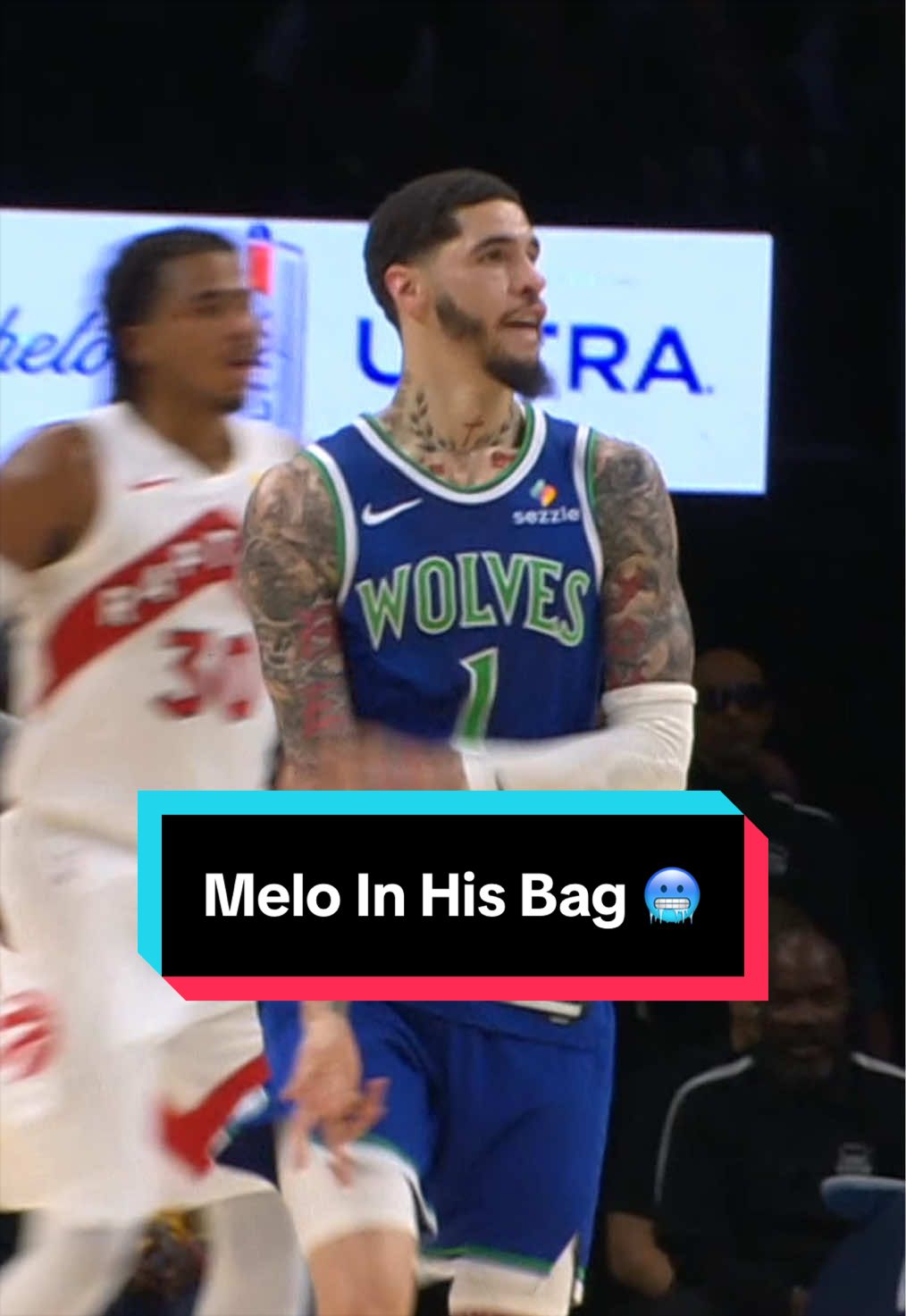
LaMelo really pulled that 🔥


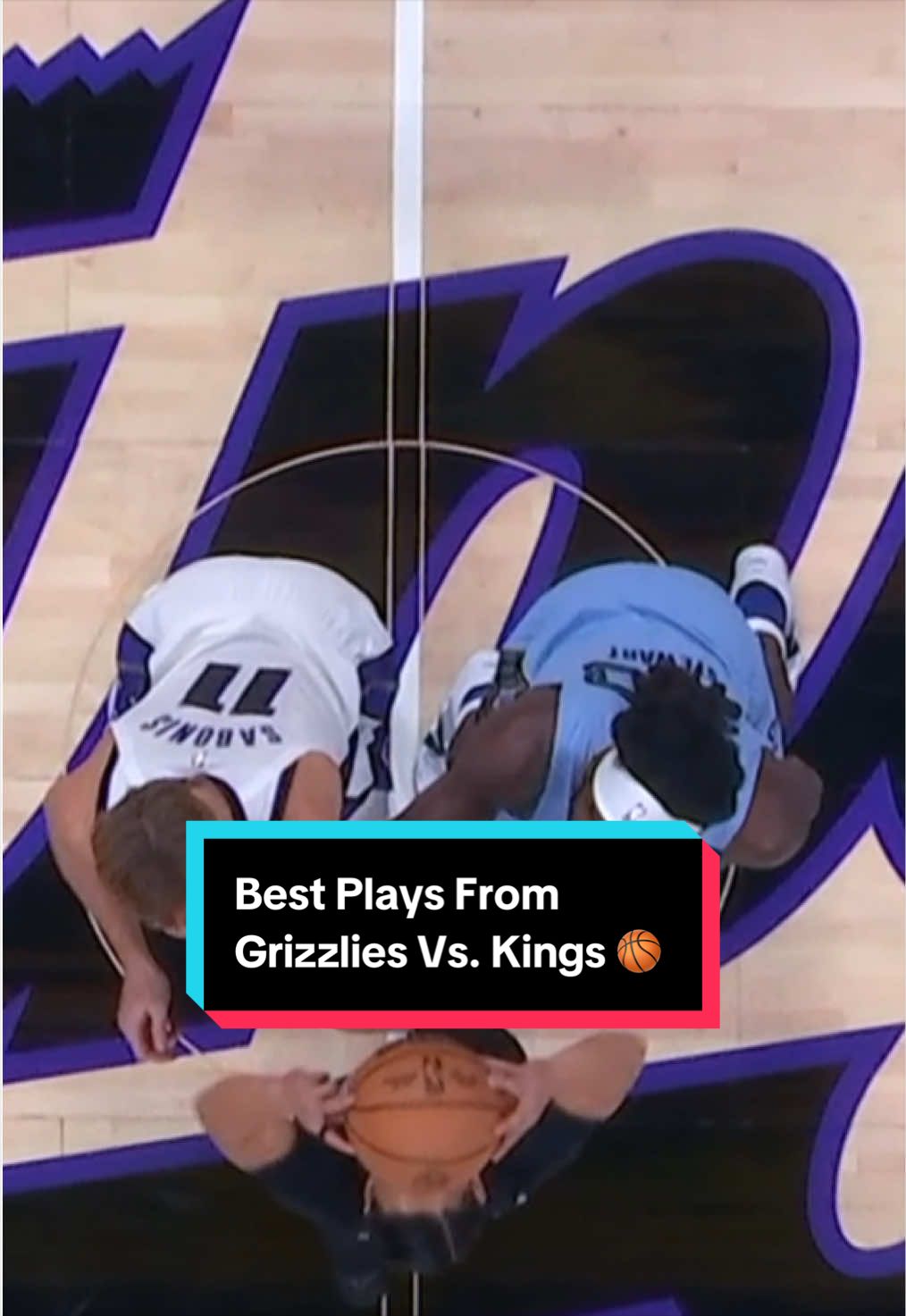
Quick rewind, full recap. Here’s everything from tonight’s @memgrizz vs. @Sacramento Kings recap ⏪ 🏀
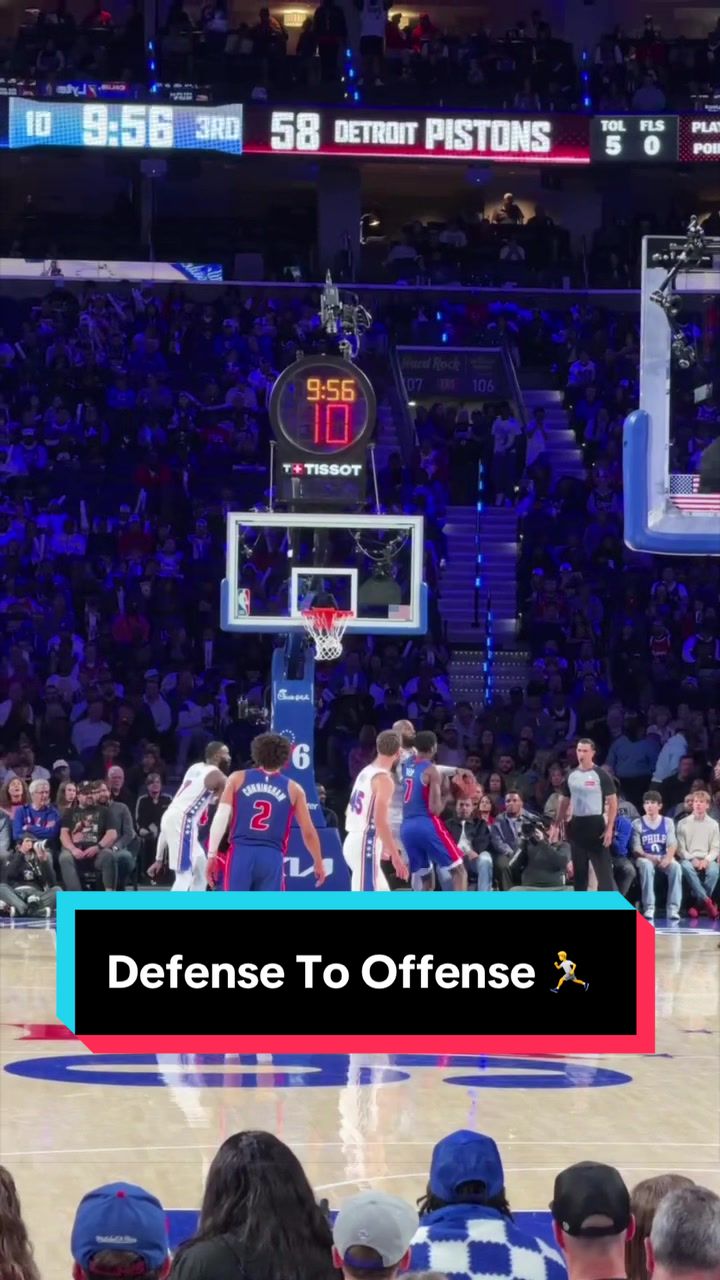
Both ends on 🔒
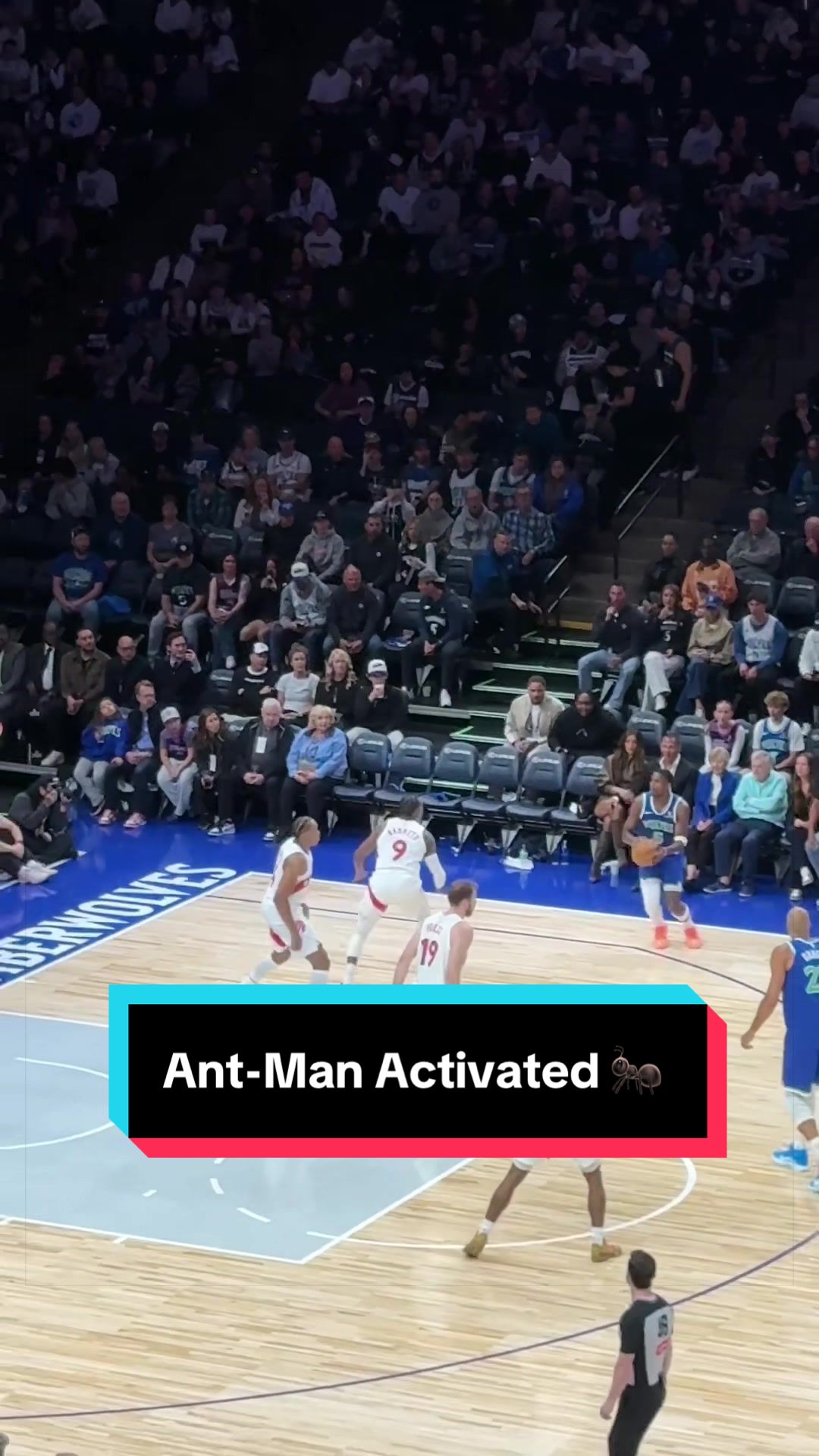
Ant-man with the tough 3️⃣
Put it on a highlight reel 🎥
Quick rewind, full recap. Here's everything from tonight's @Detroit Pistons vs. @Philadelphia 76ers matchup ⏪🏀
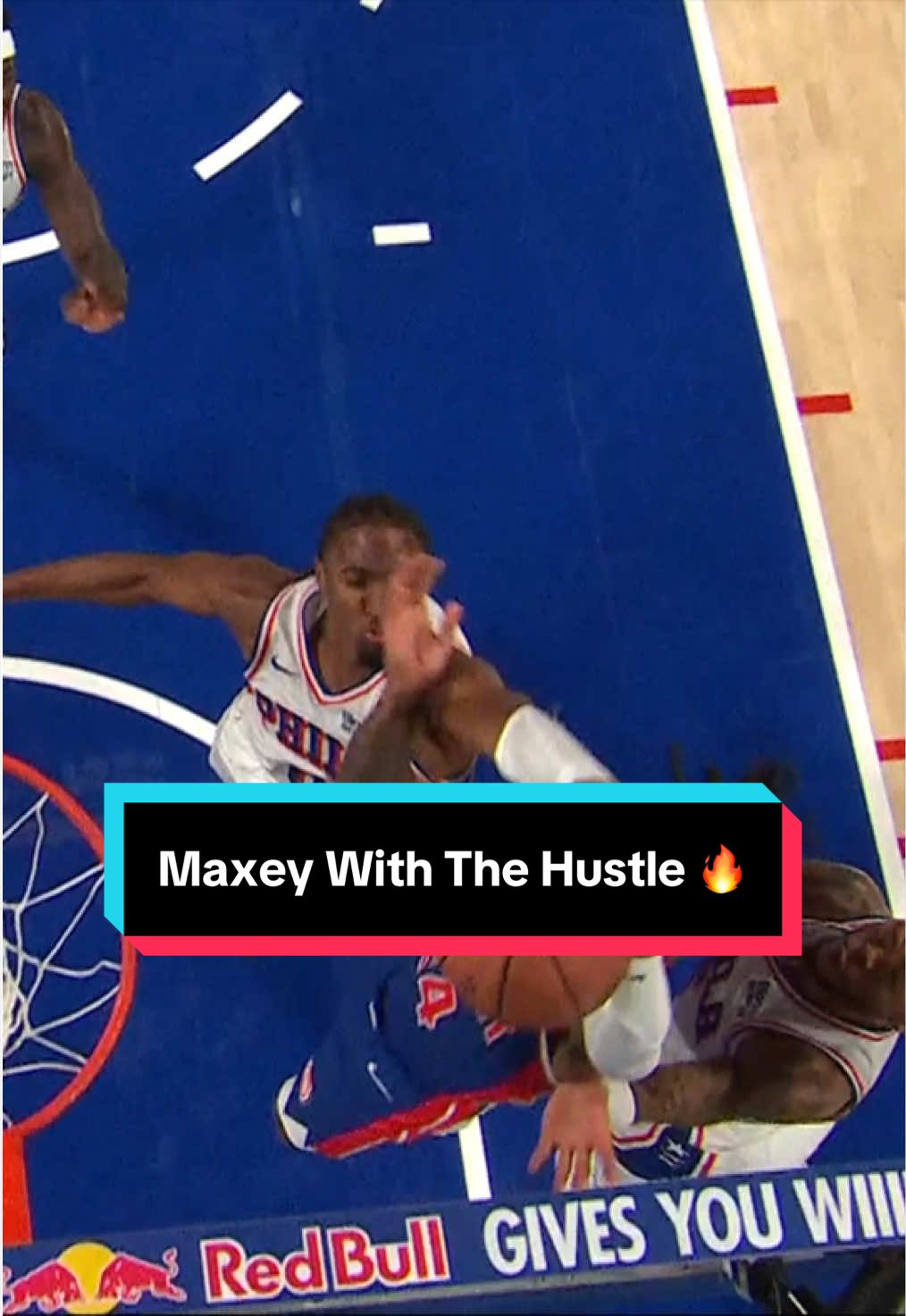
Maxey hustles back and elevates for the big block 🤩
 Links
Links
 Contact
 App
App