



What's alarming is that top foreign players no longer want to play in the CBA.



A genuine sentiment from a fan who has followed the CBA for over 20 years.
In the past, the league could attract many high-level foreign players with its generous salaries.
Players like Tracy McGrady, Stephon Marbury, Smush Parker, Sonny Weems, Manny Harris, Jimmer Fredette, Michael Beasley, Ty Lawson, JR Smith, Kenyon Martin, and Andray Blatche...
The CBA in those years was never short of rivalries and highlights.
So it was truly enjoyable to watch; I have to say, old fans have experienced the good stuff.
But now, it's hard to see the same glory as before.
There's no need to avoid or whitewash it: the current CBA's overall game level, physicality, entertainment value, and competitive quality are indeed declining.
The mass exodus of foreign players is the most direct signal and also one of the core reasons.
Yesterday, I saw that Lofton has joined the Israeli club Hapoel Jerusalem.
Long-time fans know that I'm quite fond of "Little Fatty"; I even went to the Shenzhen home court to watch him play.
I also saw news that Quine, a foreign player who performed well for Guangdong last season, will join the Russian league team Lokomotiv Kuban...
That means the league has lost two more quality foreign players.
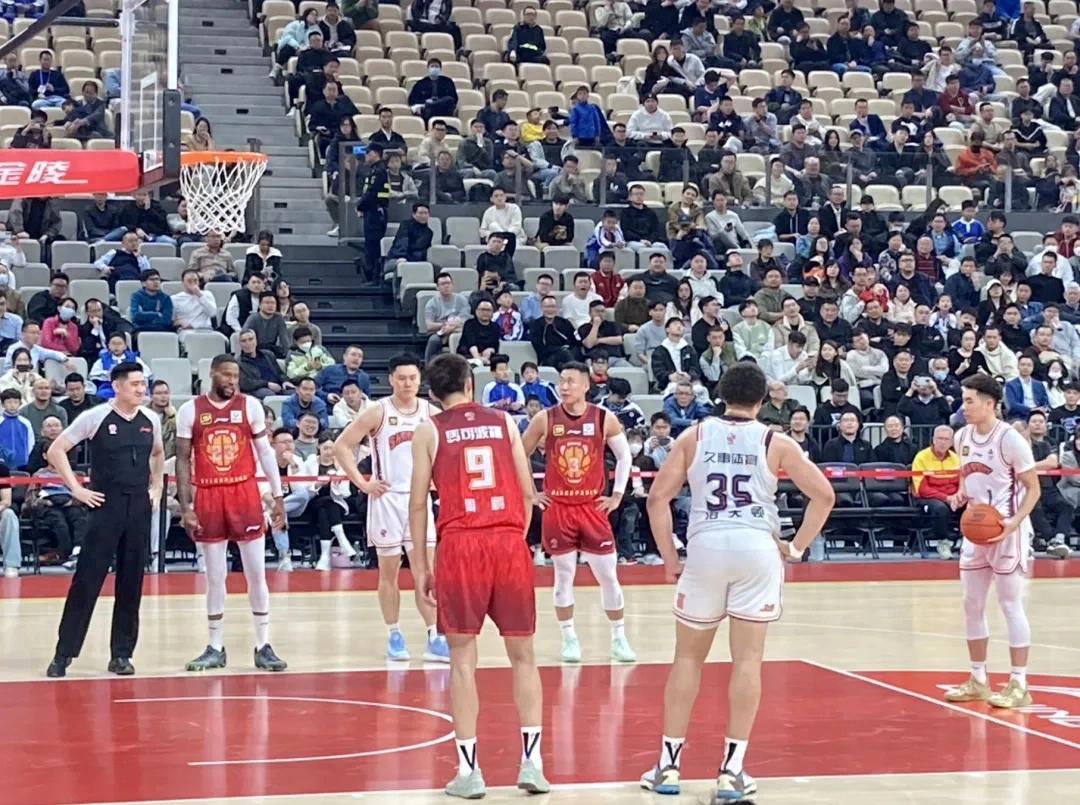
Why is that?
If summed up in one sentence, it would be: The CBA has long ceased to be a lucrative gold mine with high salaries, freedom, and low error tolerance in the eyes of capable foreign players.
Professional basketball is a youth game; it's very realistic.
Take Lofton for example: he has basically two demands:
1. Money.
2. At his age, he will seek opportunities to return to the NBA.
If the Sharks can't satisfy him financially, then Little Fatty has no reason to play in the CBA at this stage.
Because no matter how well he plays, it's hard to gain recognition from NBA teams; the data produced in China has limited credibility.
Going to the Israeli league or high-level European leagues gives him a chance to be seen.
Little Fatty's situation is not an isolated case; it applies to most high-level foreign players as well.

Because many of the CBA's foreign player policies are indeed quite "fantastical"...
For example:
1. The long-standing rule of foreign player priority renewal rights.
While it seems to protect club interests, it greatly restricts foreign players' freedom of professional movement.
Even if you are a foreign player, switching teams is difficult.
2. Trial period.
Once you lose your job during the CBA trial period, the rosters of major leagues worldwide are basically set, making it very hard to find a suitable playing opportunity; you directly face a whole season without playing or income.
Released foreign players cannot join other CBA or NBL teams in the same season , once terminated during the trial period, there is no second chance; the error tolerance is extremely low.
Would you come if you were in their shoes?
3. Salary cap.
It's hard to offer high salaries.
When salaries are no longer top-notch and there are no career development advantages, naturally you can't retain or attract high-level foreign players.
4. Stability.
One-year contracts mean that foreign players worry about their jobs every year.
For strong players seeking a stable playing environment, such a league environment is completely unappealing.
Apart from policies, there is another aspect that is unfriendly to foreign players: the evaluation system.
In simple terms, foreign players who can't score are considered useless here... The measure of ability is basically scoring in isolation; poor defense is tolerated.
Therefore, not all quality foreign players can figure out how to play in the CBA.
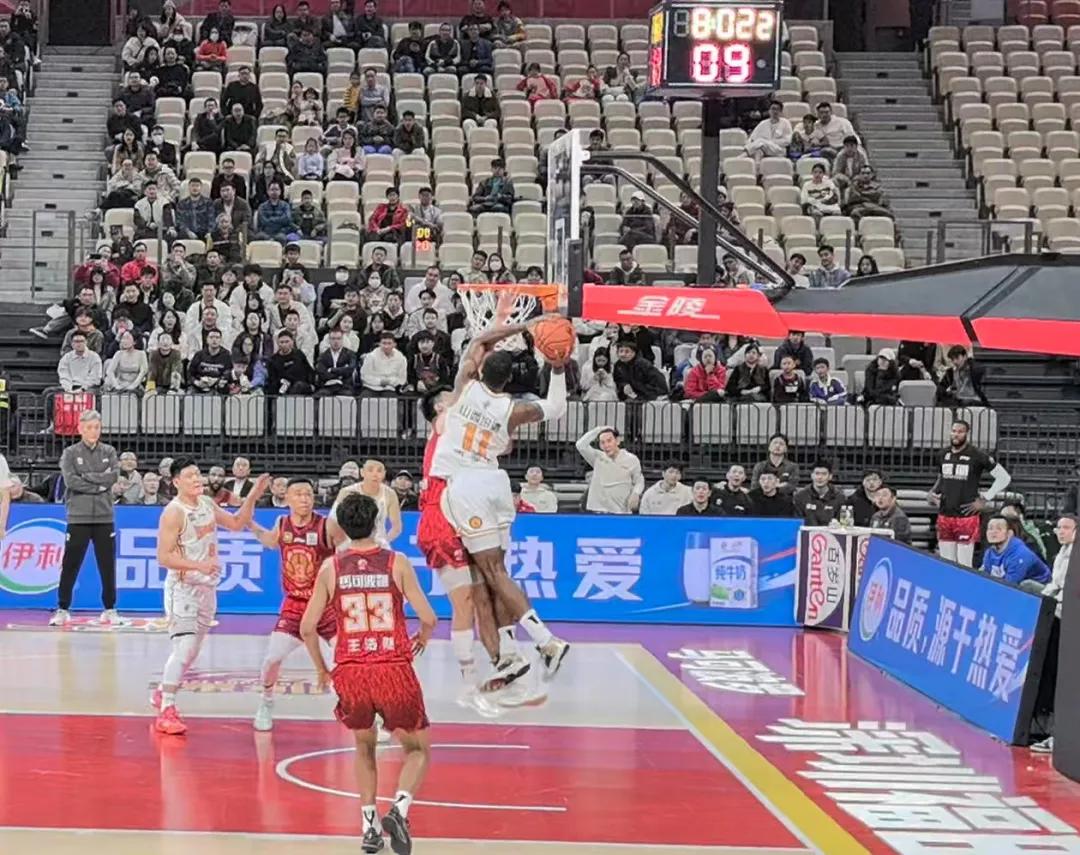
It is understandable that one major starting point for league policy is to reduce reliance on foreign players and force domestic players to grow , in order to improve the strength of the Chinese men's national team in the long run.
But, does it really achieve the desired effect?
High-level foreign players are not the enemies of local players; they are quality training opponents.
If we only rely on squeezing foreign players' living space without building a supporting system for domestic player development, we will end up losing the entertainment value and failing to develop local talent.
In addition, a very realistic point: If the league has no stars, it will definitely lose sponsors.
The above is a keyboard warrior's observation—who has witnessed the most star-studded golden era of foreign players in the CBA—though not comprehensive and not necessarily accurate.


Wonderfulshortvideo
Shaq is too funny 😭


The stare-down too 👀😮💨 He got UP🔥
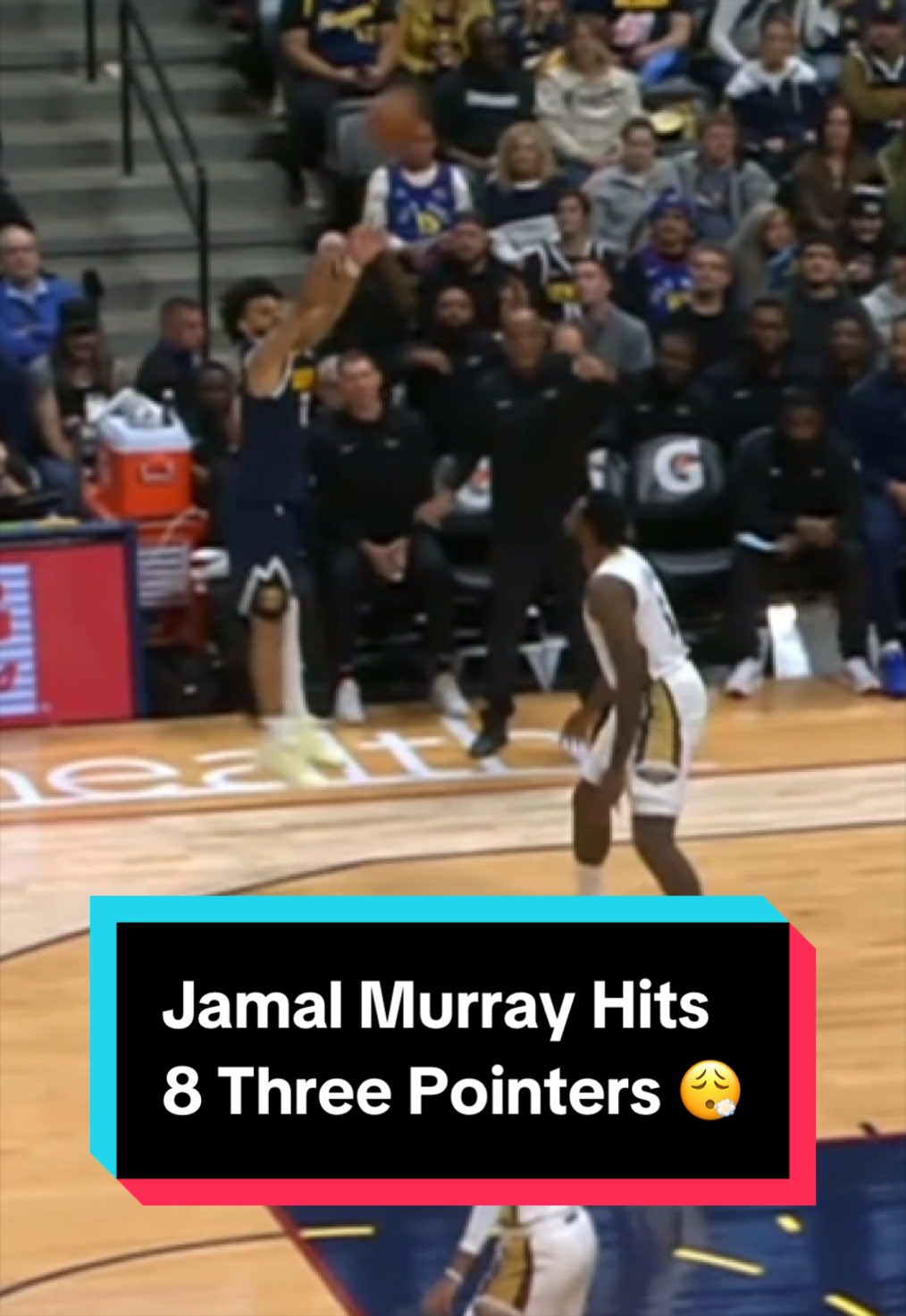
Jamal Murray went CRAZY putting up 42 points in the @Denver Nuggets overtime win! 🔥🙌

Jokić went off tonight 👀🔥
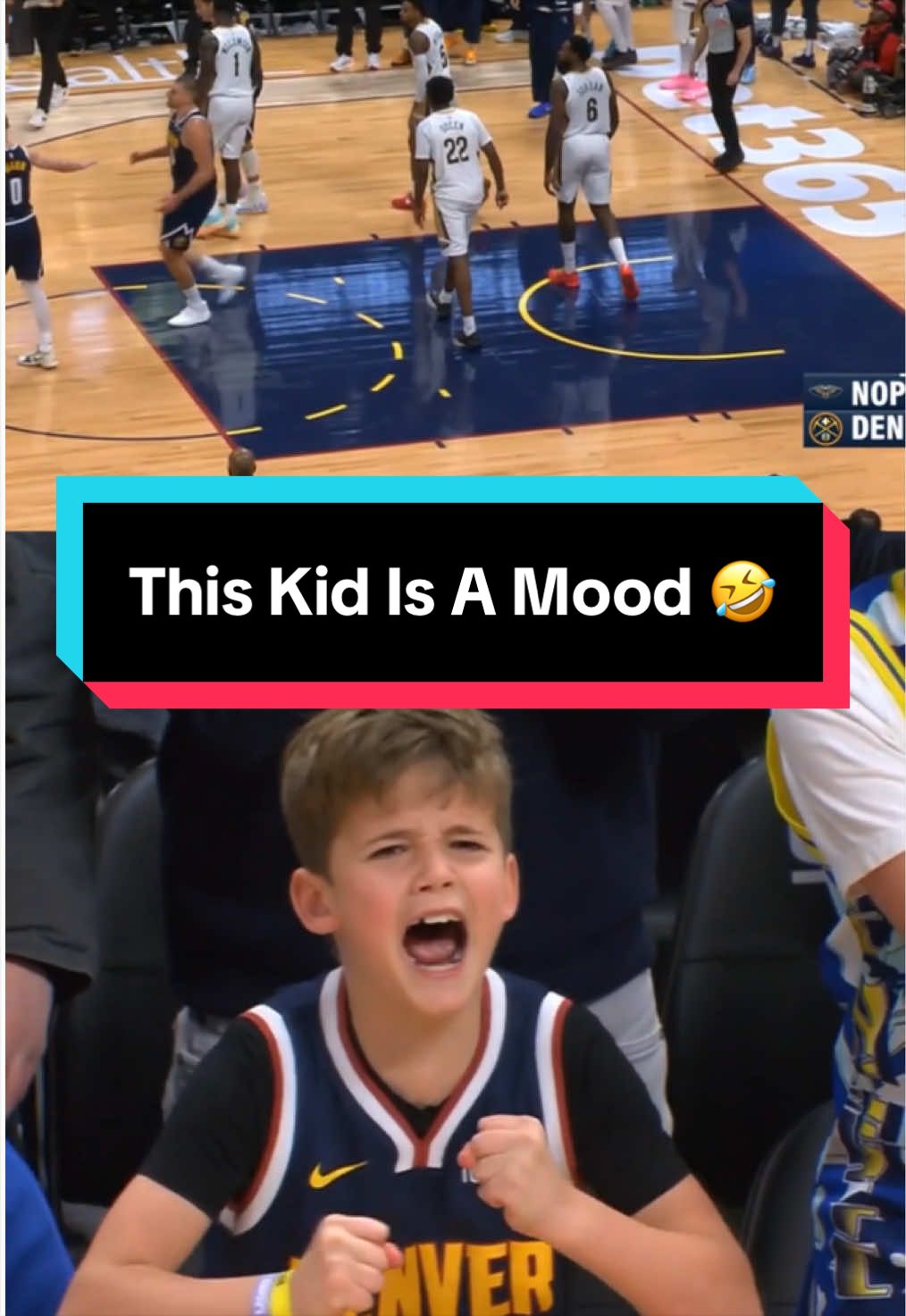
He was going through all the emotions 😭

Devin Booker was AUTOMATIC from the floor 🎯🙌

Quick rewind, full recap. Here’s everything from @Pelicansnba vs. @Denver Nuggets matchup ⏪🏀
 Links
Links
 Contact
 App
App