



Is today's Bucks the blueprint for tomorrow's Nuggets?



The Nuggets are becoming the biggest headache of this offseason. Even after parting ways with Vlatko Čančar and Bruce Brown, their salary problems remain severe. Oklahoma City made a two-year, $12 million offer to Spencer Jones, leaving Denver with no option but to match, which increased their luxury tax from $36.4 million to $68.6 million.
The Thunder's move was a masterstroke of strategy. Jones is exactly the wing defender they need, and their salary cap allows them to absorb a $6 million contract. The Thunder's offer for Jones was genuine, but taking a jab at the Nuggets was a convenient bonus. After matching the deal, Denver officially triggered the dreaded second apron, a line every team fears.
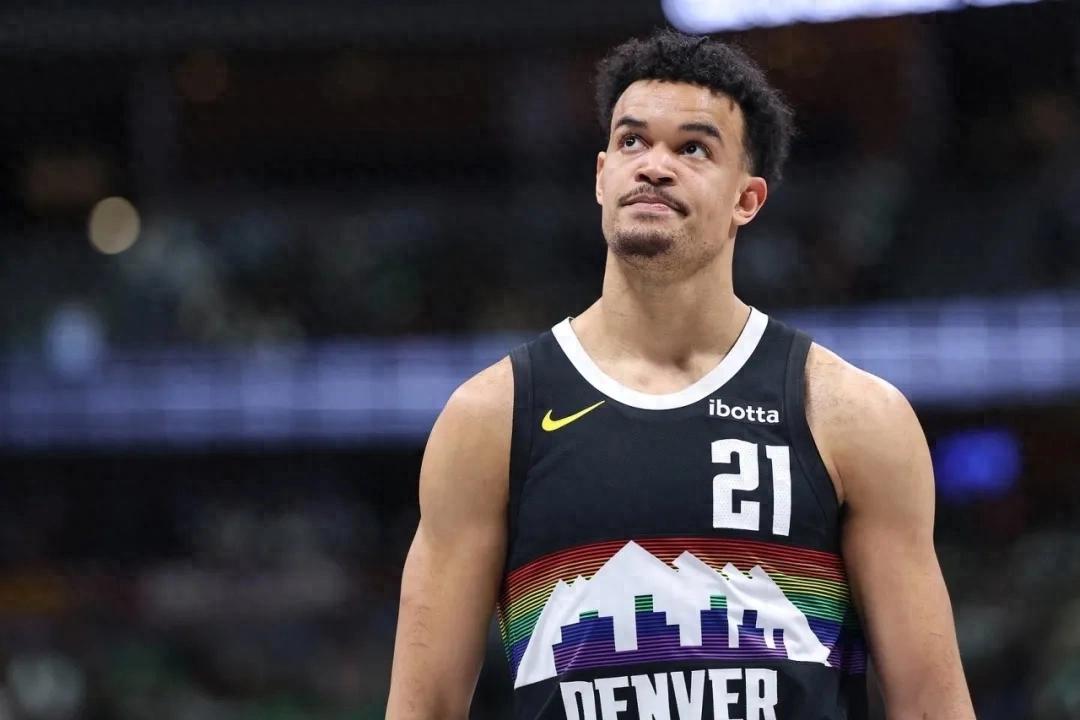
This triggers a cascade of consequences. The Nuggets lose access to the mid-level exception, cannot aggregate players in trades, cannot include cash in trades, cannot use trade exceptions from prior sign-and-trades, cannot sign any player using a non-minimum exception, and cannot sign players who were bought out. This offseason, the Nuggets must find a way to reduce their payroll, and they still have to re-sign Peyton Watson.
Last season, Watson played 54 games, starting 40 of them, averaging 14.6 points, 4.9 rebounds, 2.1 assists, 0.9 steals, and 1.1 blocks per game, with a shooting percentage of 49.1% and a three-point percentage of 41.1%. Over the entire season, Watson proved to be a starting-caliber wing, solid on both ends of the floor, and even showed some ball-handling ability.
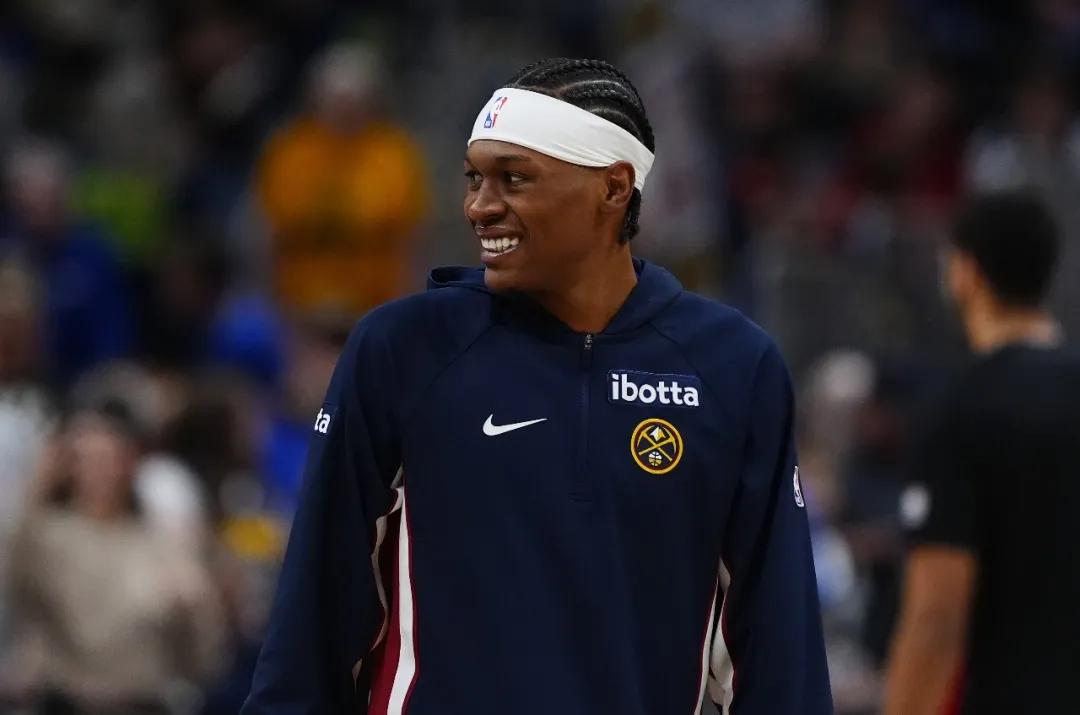
During Denver's worst injury crisis in January, Watson averaged 21.9 points, 5.5 rebounds, and shot 46.2% from three, displaying All-Star-level performance. His three-point shooting was the best of his career. However, in February, Watson suffered a recurring hamstring strain that ultimately ended his season.
Looking at the season, Watson's injury was undoubtedly a key factor in the Nuggets' first-round exit. But from a contract extension perspective, his injury also gives the Nuggets leverage to drive down his price. As a result, no progress has been made on their extension talks.
Reports indicate that the Nuggets offered Watson a five-year, $70 million contract, which is a clear lowball offer—Watson has no reason to accept it. The starkest comparison is that Denver gave Christian Braun a five-year, $125 million deal last year. When it comes to Watson, who has also broken out, they offer only $70 million? That gap is impossible to ignore.
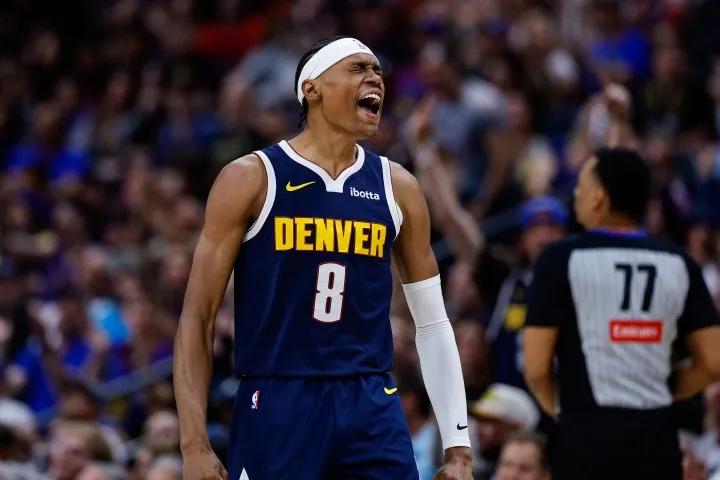
Interestingly, the Nuggets are offering Watson a five-year, $70 million contract, yet their trade asking price for him is similar to what they'd want for Walker Kessler—two first-round picks. Recent reports say they want one first-round pick and a key rotation player.
In my view, Watson's actual value is around $25 million annually, but even that contract would be too much for the Nuggets to handle. Calculations show that if Watson gets a $23 million salary, the Nuggets' luxury tax next season would skyrocket to $231 million, plus $240 million in player salaries, bringing the total expenditure to $471 million. No NBA owner, not even Steve Ballmer, would accept such spending.
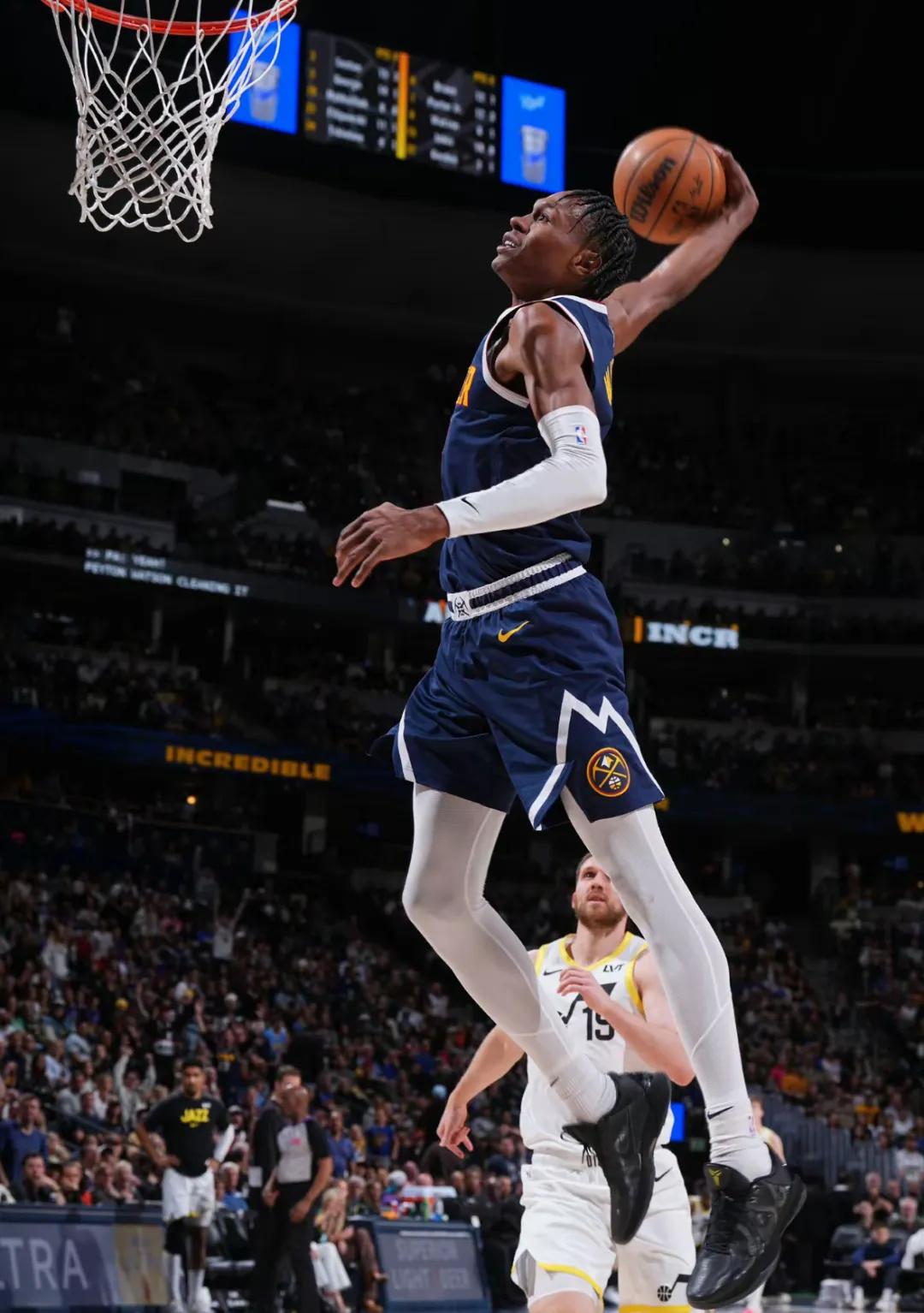
There are also reports that Watson, unable to secure a desirable contract, is considering accepting the qualifying offer. This would be a lose-lose situation for both sides. Watson would be taking a high-risk path, while the Nuggets would essentially lose him as a player.
The Nuggets' salary cap woes are completely unacceptable for a team that exited in the first round of the playoffs. Tracing back, the root cause is their careless contract decisions in the past. Zeke Nnaji's four-year, $32 million early extension became a bad contract the moment it was signed, and it has been a lingering issue for the Nuggets, running through 2028.
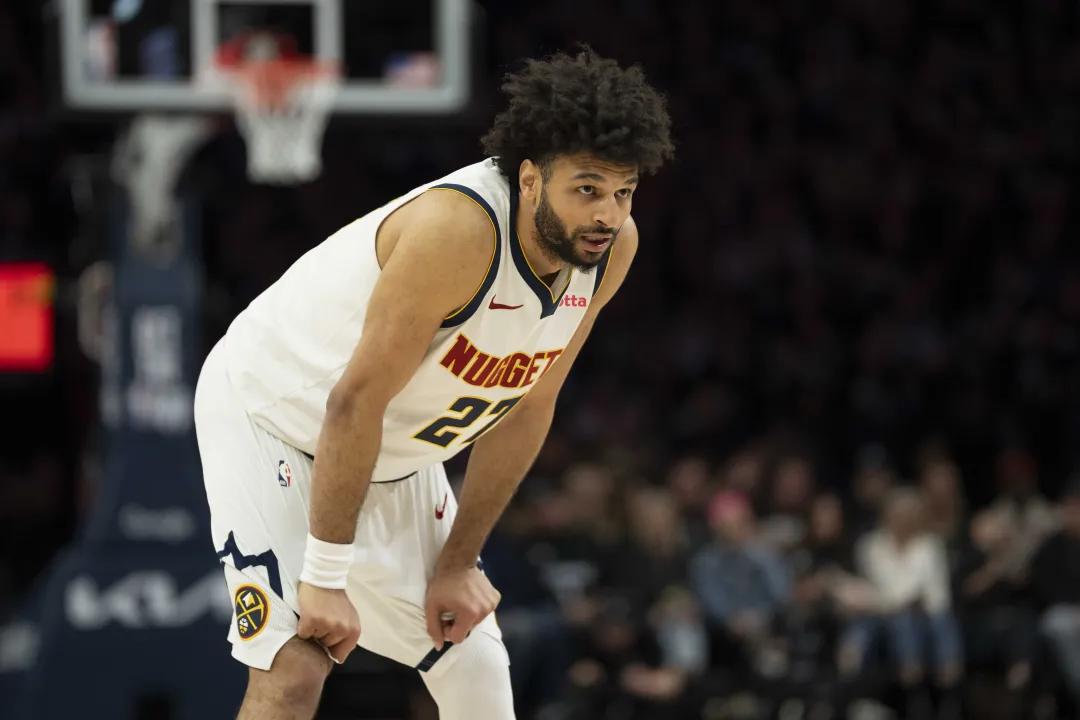
In 2024, they gave Jamal Murray a four-year, $208 million max extension despite his injury history, without any injury protection clauses. They also signed Aaron Gordon to a three-year, $110.2 million extension, which seemed fine at the time, but Gordon's recurring hamstring issues have since become a major reason for the Nuggets' playoff exits in consecutive years.
Last year, they extended Christian Braun, but before the contract even kicked in, his performance declined. In the regular season, he averaged 12 points with poor three-point shooting; in the playoffs, he averaged 8.3 points. If they hadn't rushed to extend Braun last year, he certainly wouldn't have gotten any contract worth over $15 million annually this year. Trading Michael Porter Jr. for Johnson could have provided cap relief, but Braun's contract locked up the Nuggets' space, making even a $6 million deal for Jones a painful decision.
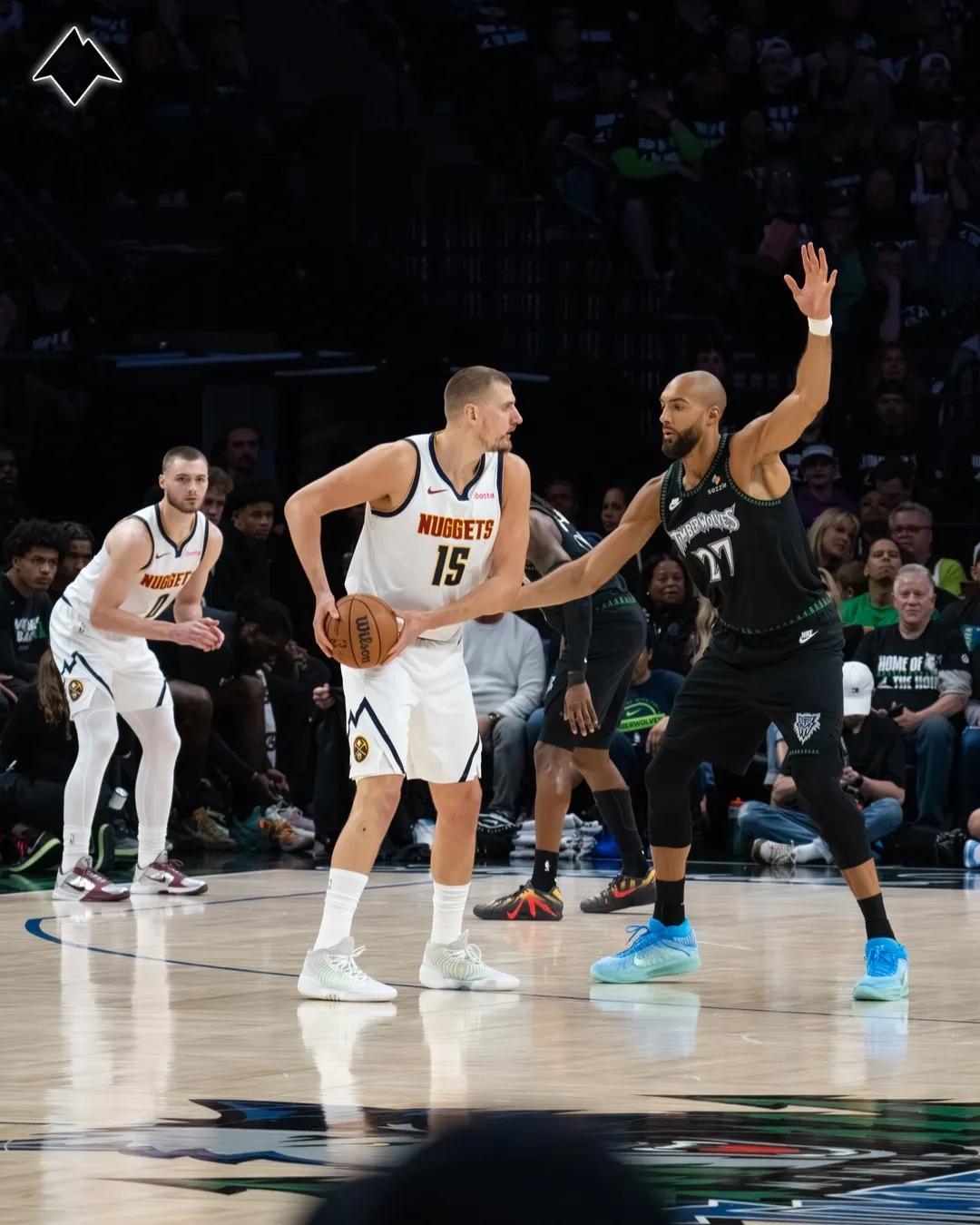
The Nuggets now have only one first-round pick available, very few second-round picks, no salary cap room, no trade assets, and not even a roster capable of contending for a championship. They are trapped in a hopeless cycle, much like the struggling Bucks a few years ago.
After winning the championship in 2021, the Bucks also spent heavily to retain their core, only to suffer repeated playoff injuries, getting upset as the eighth seed and then exiting in the first round year after year. 2023 should have been a turning point for the Bucks, but they made two disastrous decisions: firing Mike Budenholzer, who had just led them to 58 wins, and trading Jrue Holiday and future assets for Damian Lillard.
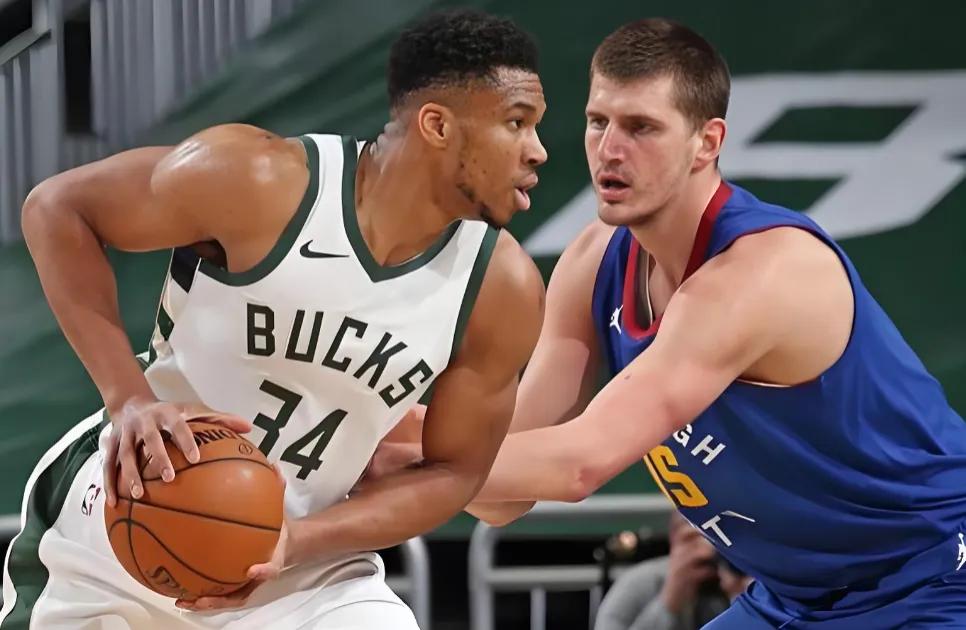
Firing Budenholzer led to long-term coaching chaos for the Bucks. Adrian Griffin was fired after a short stint, and Doc Rivers' arrival didn't solve anything but instead worsened the rift with Giannis Antetokounmpo. The rushed trade for Lillard failed to produce any chemistry between him and Giannis, and consecutive playoff injuries shattered the team's strength and confidence. This led to a prolonged tug-of-war with Giannis, and finally this summer, the Bucks entered a full rebuild.
Now, the Nuggets seem to be following the same path as the Bucks, suffering consecutive playoff exits due to injuries, with no room to improve the roster and even letting players go to save money. The team's ceiling is clearly visible, yet they lack draft assets to undergo a roster overhaul. The only consolation is that Nikola Jokić is not as "demanding" as Giannis.
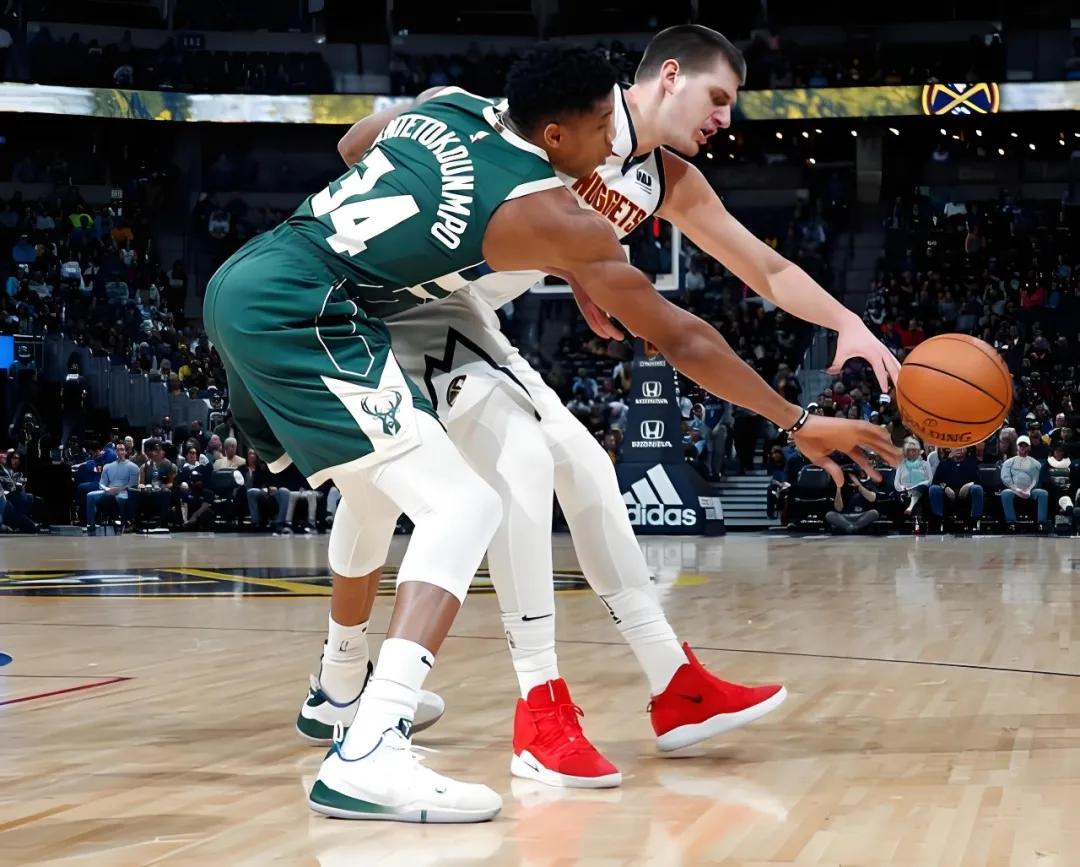
But you can't guarantee Jokić will remain this laid-back forever. As a three-time MVP center, he will eventually grow tired of losing and of a roster that can't win. If the Nuggets can't offer him enough hope, will he choose to stay?
In today's NBA, it's hard for a team to afford three max contracts unless you're like the Thunder, who can constantly replenish talent through the draft and enjoy rookie-scale contracts. The Nuggets don't have three max deals, but two max contracts plus a bunch of overpriced deals due to various factors have pushed them to the brink of salary cap explosion.
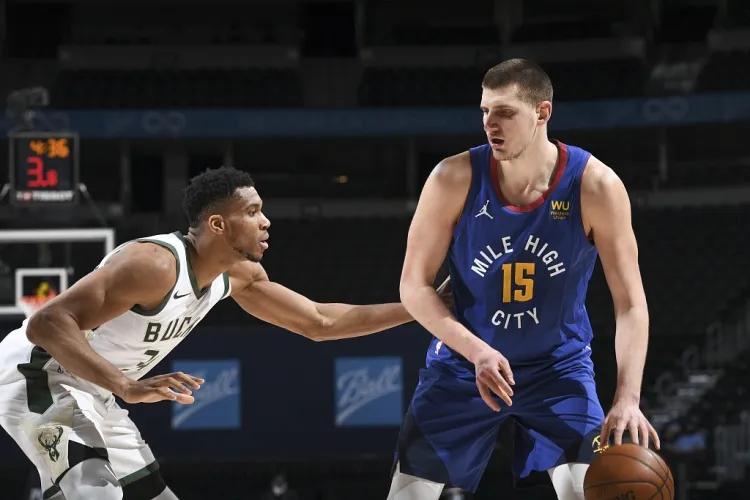
The Bucks' current rebuild could very well be the Nuggets' future—this is not an exaggeration.


Wonderfulshortvideo
Who remembers this insane


“If you add 3 and 4, it equals 7.”

When the 2025
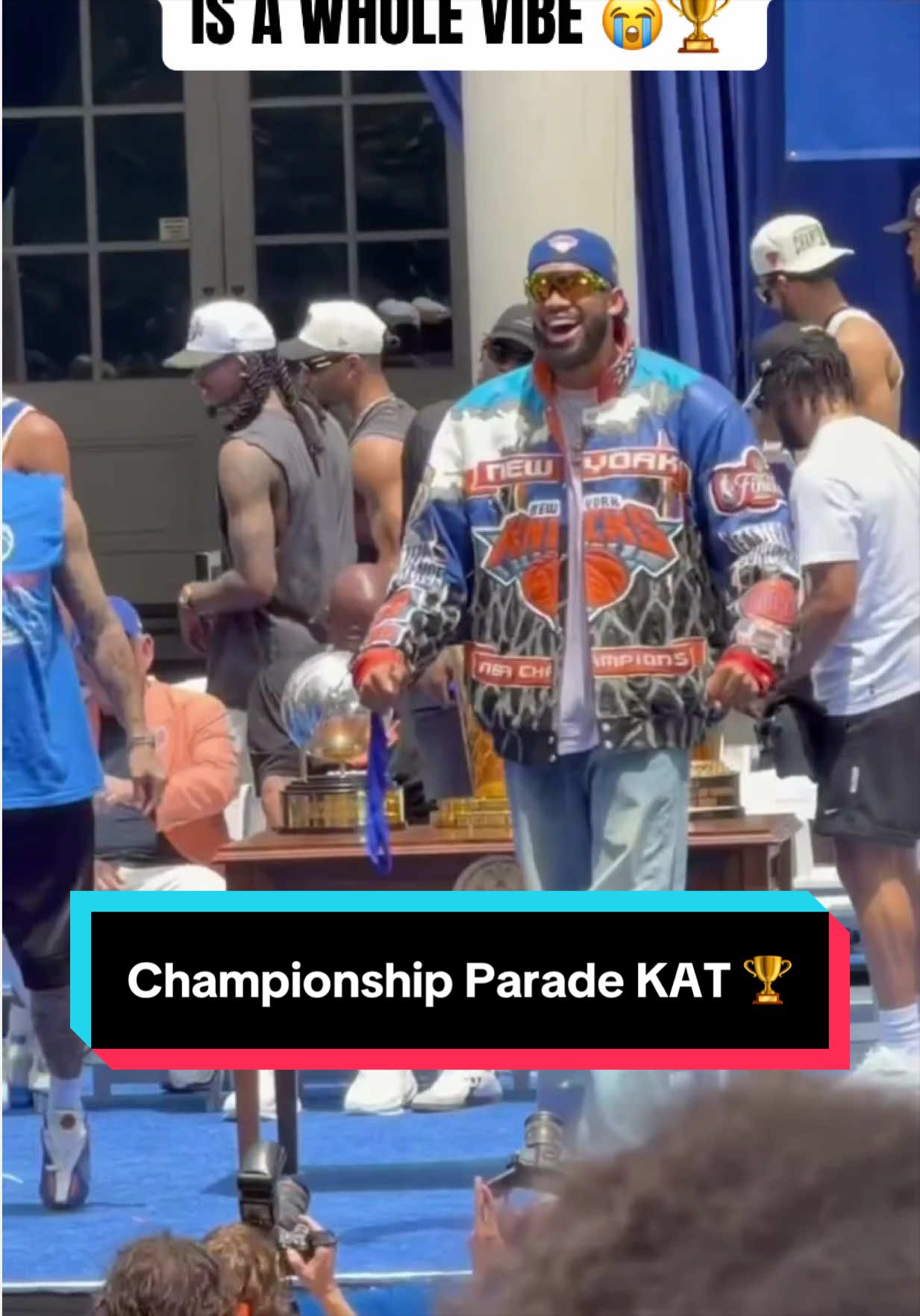
KAT was a whole mood during the @New York Knicks' championship parade in June 🏆🧡💙

Who's excited to see LaMelo take the court with Ant and the @Timberwolves for the first time?? 👀😬🔥

When the 2025
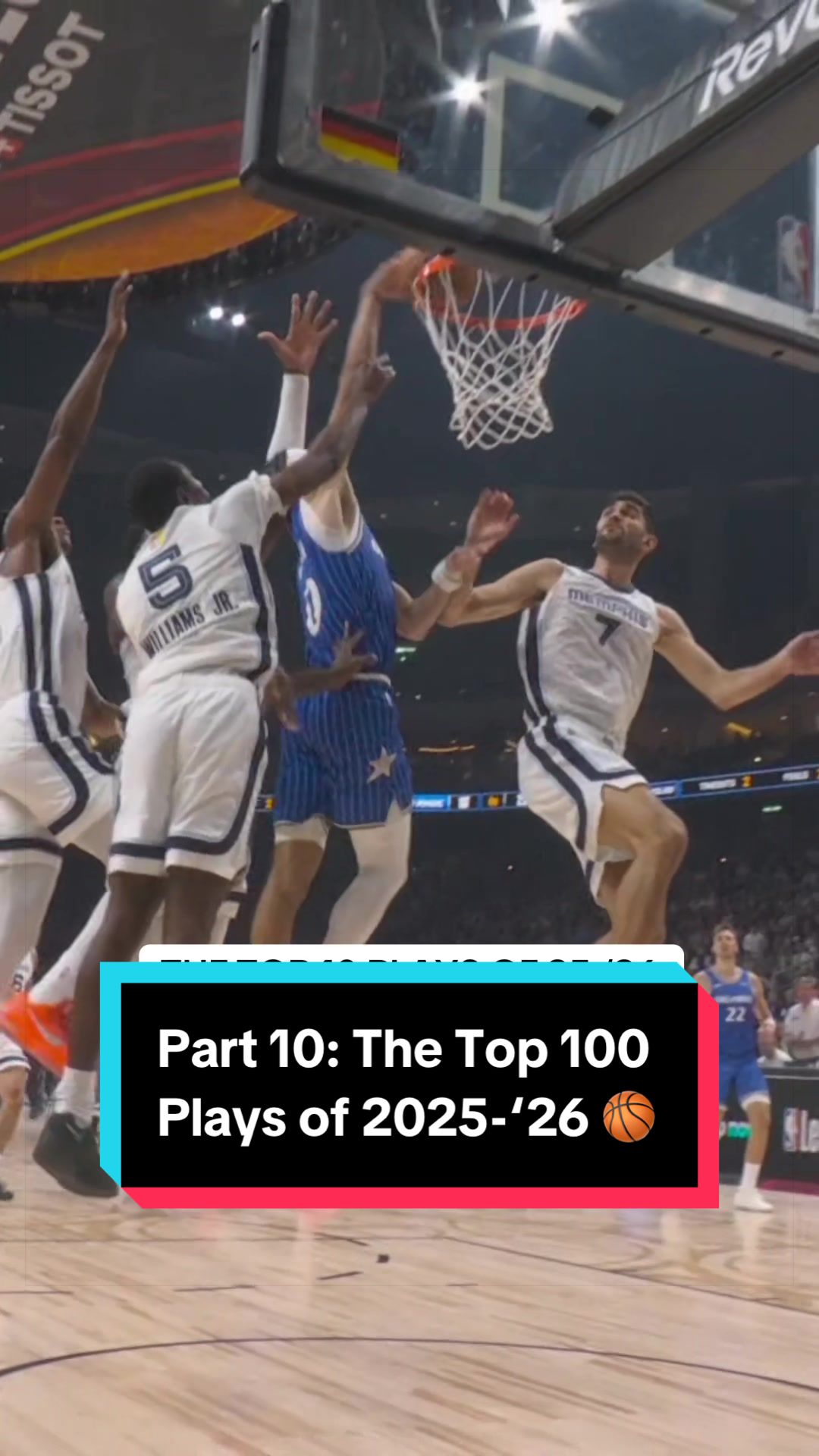
Replying to @NBA Our TOP 10 PLAYS from the 2025-‘26 NBA season! What do you think about these highlights? 🤯
 Links
Links
 Contact
 App
App


