



Is it time for Curry to leave the Warriors? US media proposes a 1-for-5 trade plan: join forces with Tatum to chase a championship.



On July 31, Beijing time, Bleacher Report reported that Curry is eager to win and wants a chance to go further in the playoffs, but the Warriors can no longer provide the conditions Curry truly desires. The remaining prime years of Curry's career might not be spent on the team he has played for so far.
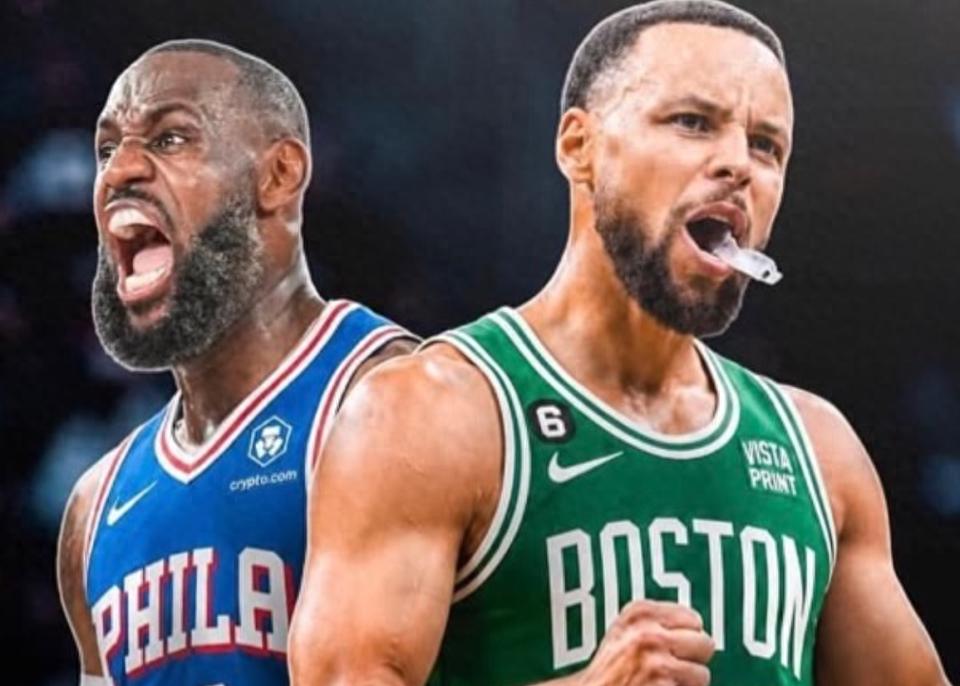

It should be noted that there is no immediate risk of the Warriors losing Curry. However, if winning is the core factor in Curry's decision-making, now might be the right time for him to leave the only NBA team he has played for. Bleacher Report listed a 1-for-5 trade proposal involving Curry, as follows——
Trade Proposal
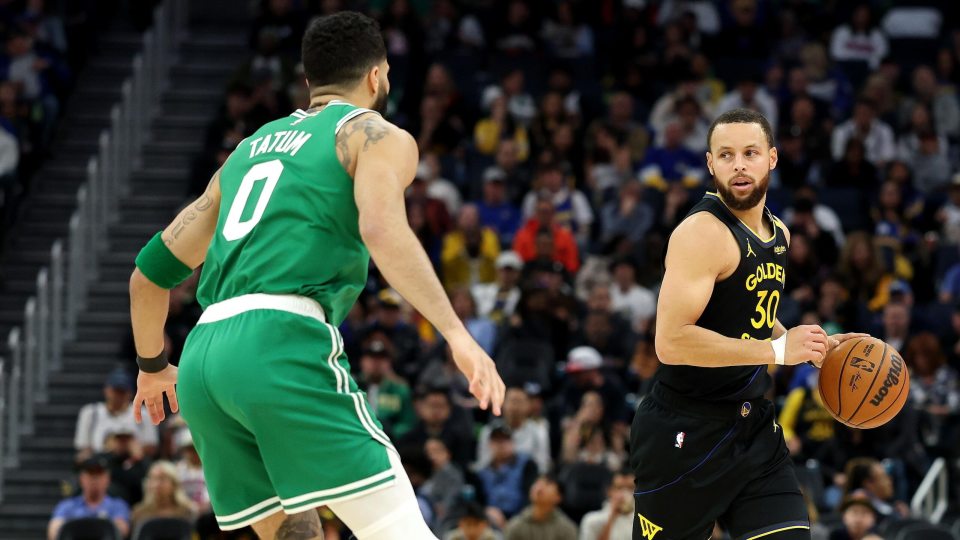
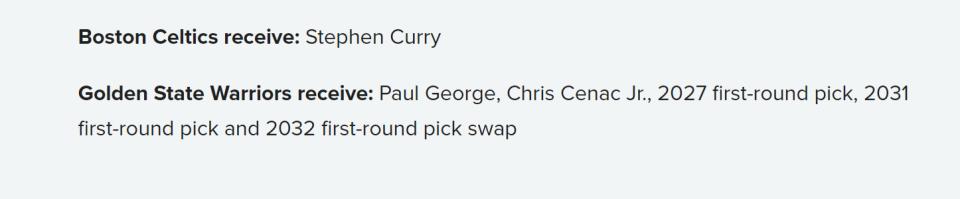
Celtics receive: Curry
Warriors receive: George, 27th pick Sernack, 2027 first-round pick, 2031 first-round pick, 2032 first-round pick swap right
Why would the Celtics be willing to make this trade?
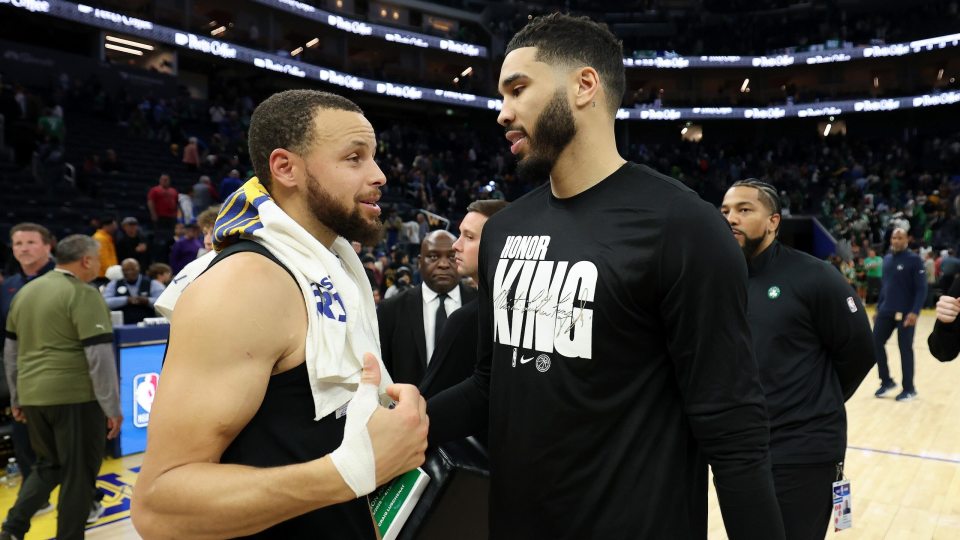
Celtics President of Basketball Operations, Stevens, previously explained when the team let go of All-NBA Second Team star Jaylen Brown and received assets far from equal value, he mentioned a dilemma: "The team's salary cap and a large amount of ball possession are concentrated on two players, accounting for up to 70%."
However, Stevens' concern might not be just the dual-core model itself, but the specific combination of Tatum and Brown. Advanced stats also support this view: Brown's career net rating per 100 possessions is -1.3. The Celtics are no longer willing to tie up huge salaries and a large number of shot attempts to him.
Thus, the Celtics still hope to find a second star partner for the 28-year-old Tatum, who is in his prime championship window. The team's analytics department has ample reason to be optimistic about Curry's ability to partner with a star, as Curry's career net rating per 100 possessions is an impressive +9.9.
The combination of Curry and Tatum would not only rejuvenate the Celtics' competitiveness but also help the team truly have the strength to break through in the star-studded and ever-evolving Eastern Conference.
Curry's inherent offensive gravity can precisely unleash the full power of Tatum's isolation system. Conversely, Tatum's strong scoring ability and secondary playmaking can provide Curry with the offensive support that the Warriors have been unable to give for years, relieving the pressure on Curry.
In addition, under the system led by the two stars, Derrick White can return to his most comfortable role as the third scoring option, focusing on facilitating the team. Payton Pritchard, even if he loses his starting spot, would become a strong candidate for Sixth Man of the Year. The team's young wings can focus on playing off-ball defense and attacking the rim with energy. Curry can also create exciting plays with interior players like Keita and Mitchell Robinson, who are adept at alley-oops.
The Celtics certainly want to maximize Tatum's prime window. Even though the team's current role players are performing consistently, the management is aware that to conquer the highly competitive East, they must make a major upgrade.
Acquiring Curry might be the key move they need.
Why would the Warriors be willing to make this trade?
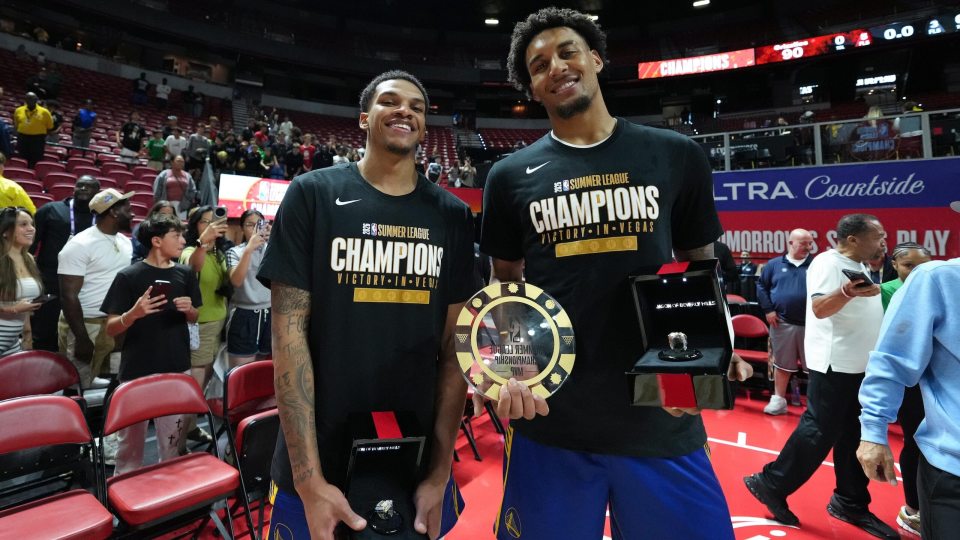
A Warriors team no longer centered around Curry sounds unfamiliar, doesn't it? But the reality is: no matter how Curry and the team plan for the end of his career, that day will come sooner or later, and possibly sooner than everyone expects.
In fact, even without considering this hypothetical trade, the Warriors are already close to a full rebuild. In the 2027-28 season, the Warriors will have only four players on fully guaranteed contracts: Moody, Lundberg, Santos, and Richard. After 2028, the team has no long-term contracts locked in on the books.
This is not a lack of foresight from the management. On the contrary, the Warriors have always been overly focused on the future after the Curry era. Warriors reporter Murdoch revealed that owner Joe Lacob has always been "worried about where the team will go after Curry retires." This concern is the primary reason the team is unwilling to use more future draft assets to acquire immediate talent.
In a sense, the Warriors want to preserve all operational possibilities after the Curry era ends, at the cost of accepting the mediocre status quo while Curry is still on the team. This strategy also has a downside: as long as Curry is on the team, it's very difficult for them to fully tank. Before the latest lottery rule reform, tanking would have given the Bay Area a chance to land a potential star.
Next offseason, many Warriors contracts will expire, and the salary cap space will be mostly cleared. This blockbuster trade would break that situation—George holds a $56.6 million player option for the 2027-28 season. However, if they trade Curry, the urgency for the Warriors to pursue the 2027 free agency market would naturally decrease. Moreover, under the current CBA, it's very difficult to find a game-changing star in free agency.
Even so, next summer the Warriors will still free up a lot of salary space while also gaining two extra first-round picks, a pick swap, and a promising rookie in Sernack, strengthening their long-term roster outlook. The Warriors can either seize the window to compete for wins or calmly begin a long-term rebuild.
No matter which path they choose, the Warriors can finally clarify a clear direction for the post-Curry future, with more resources to implement a rebuild plan. At the same time, Curry can get the high-level championship platform he desperately desires, without having to leave his old team in a complete collapse.
From an emotional standpoint, it's hard to call this trade a win-win. But objectively, this plan is feasible for the Warriors.


Wonderfulshortvideo
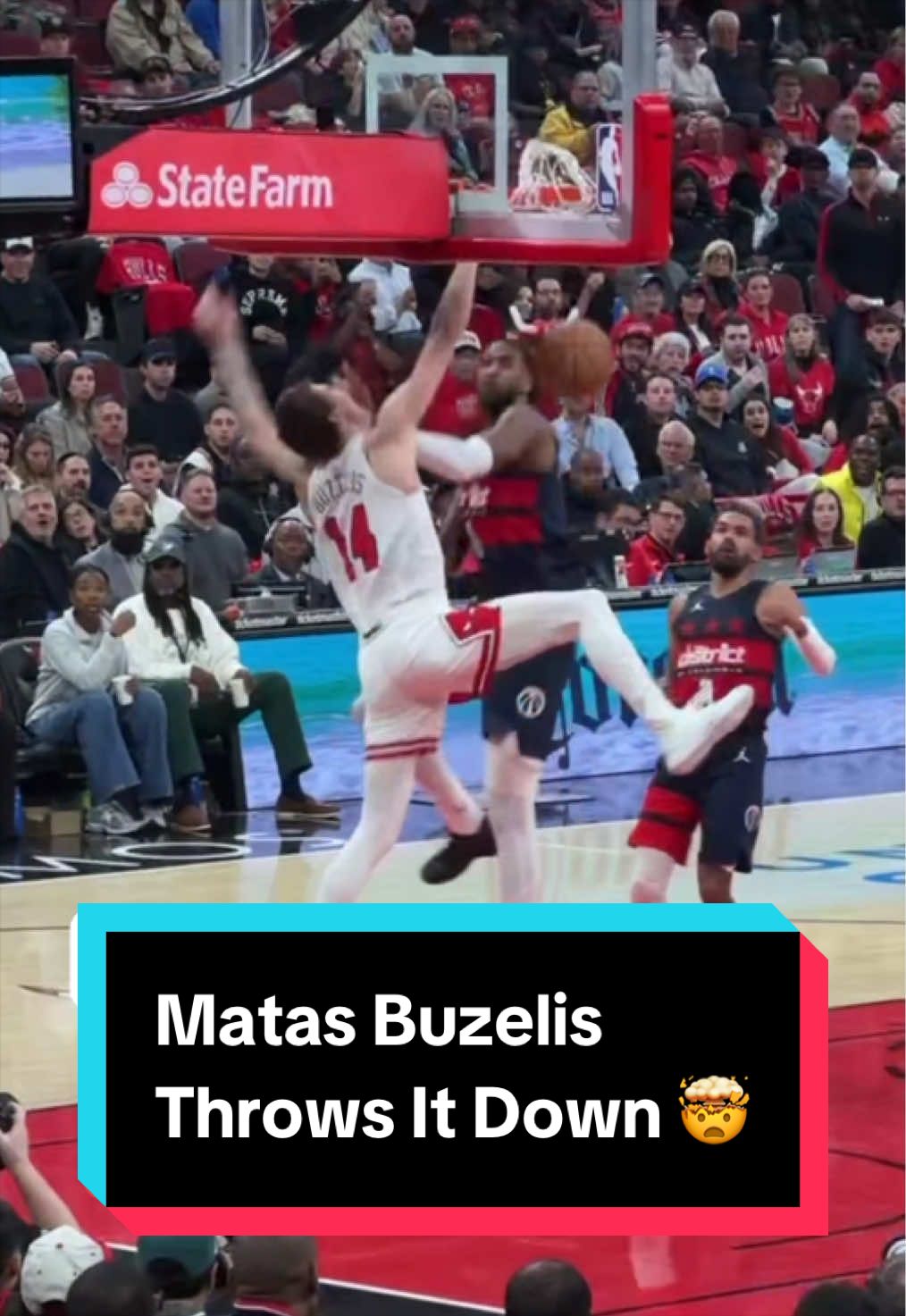
The stare-down too 👀😮💨 He got UP🔥


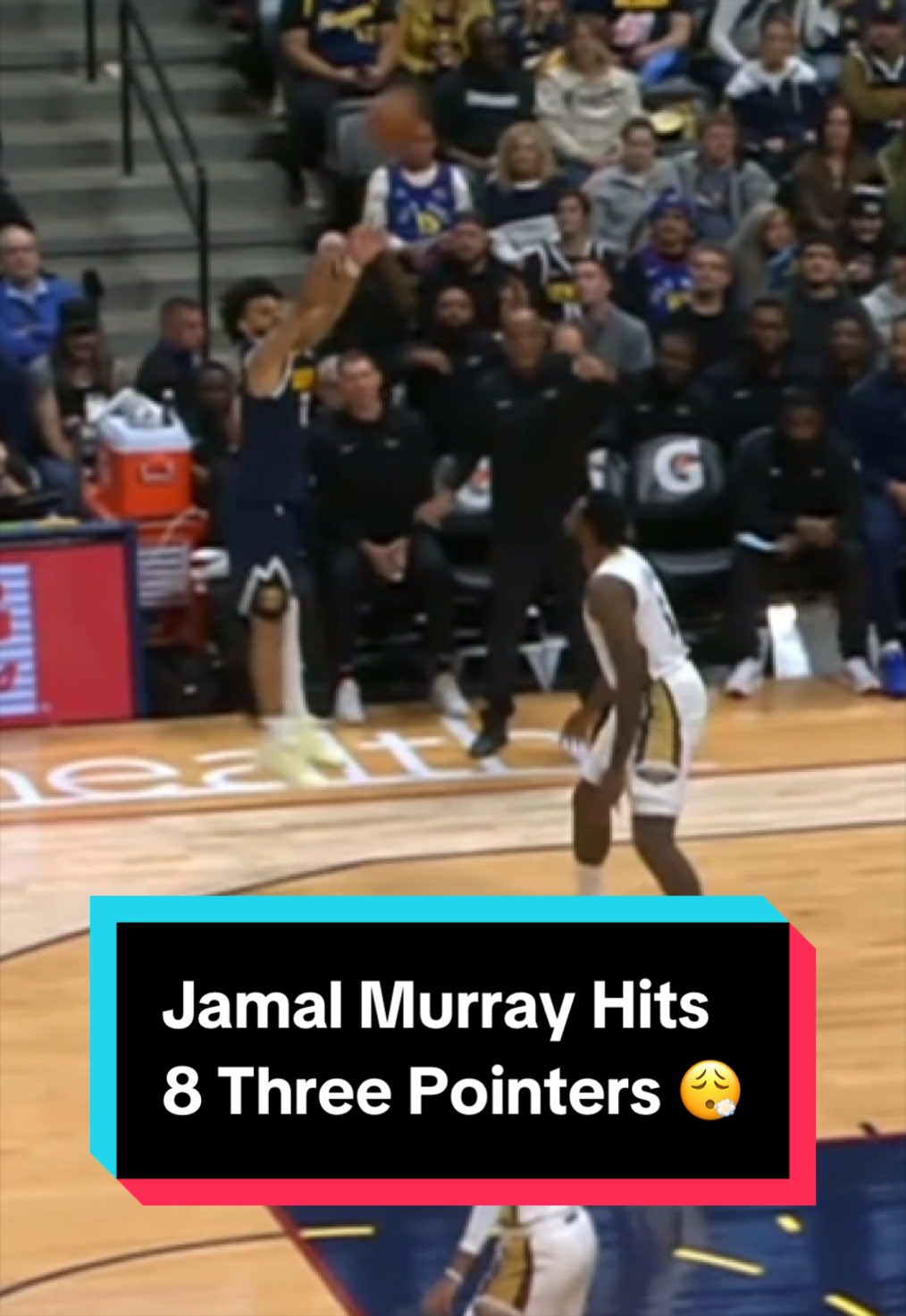
Jamal Murray went CRAZY putting up 42 points in the @Denver Nuggets overtime win! 🔥🙌
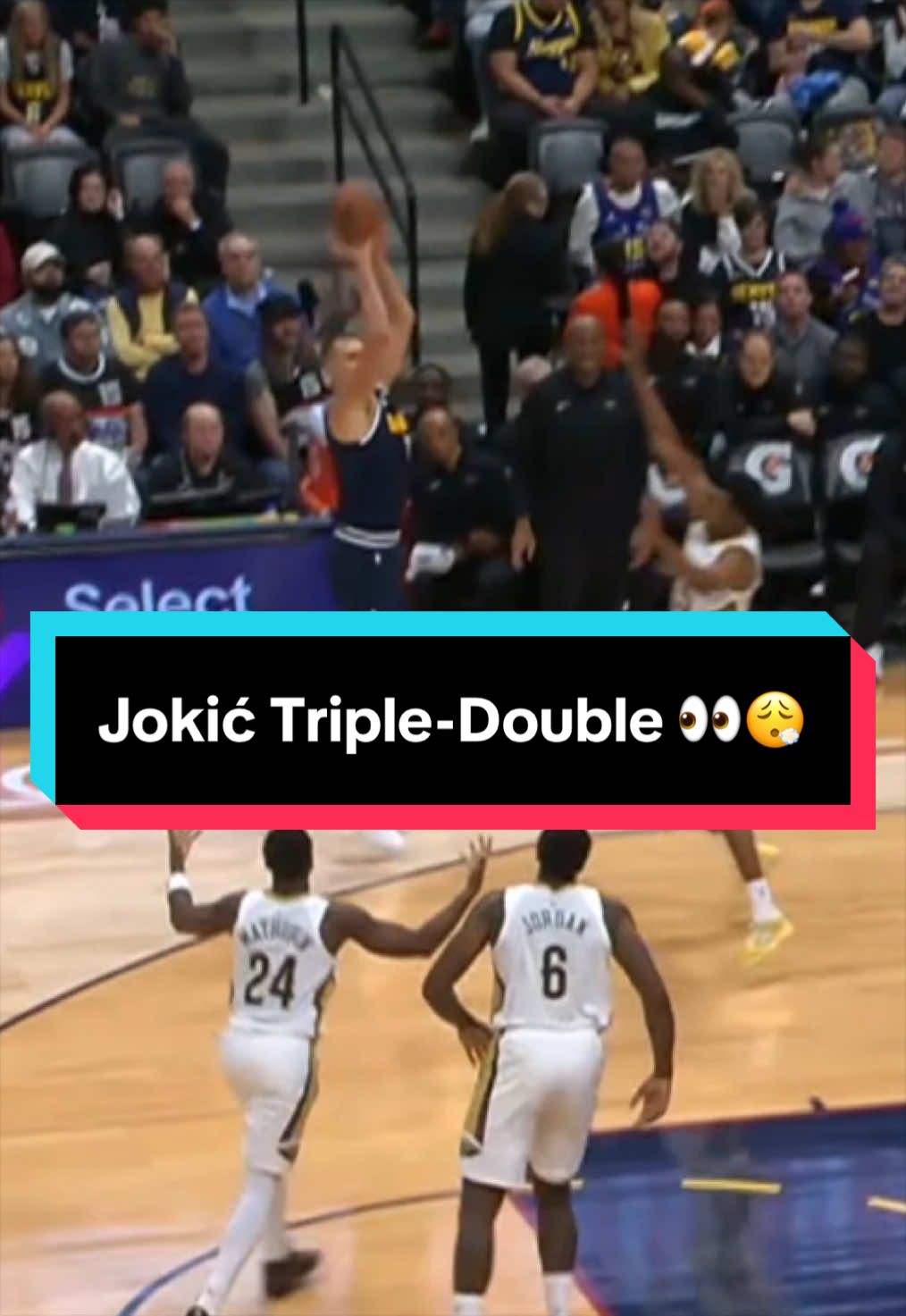
Jokić went off tonight 👀🔥
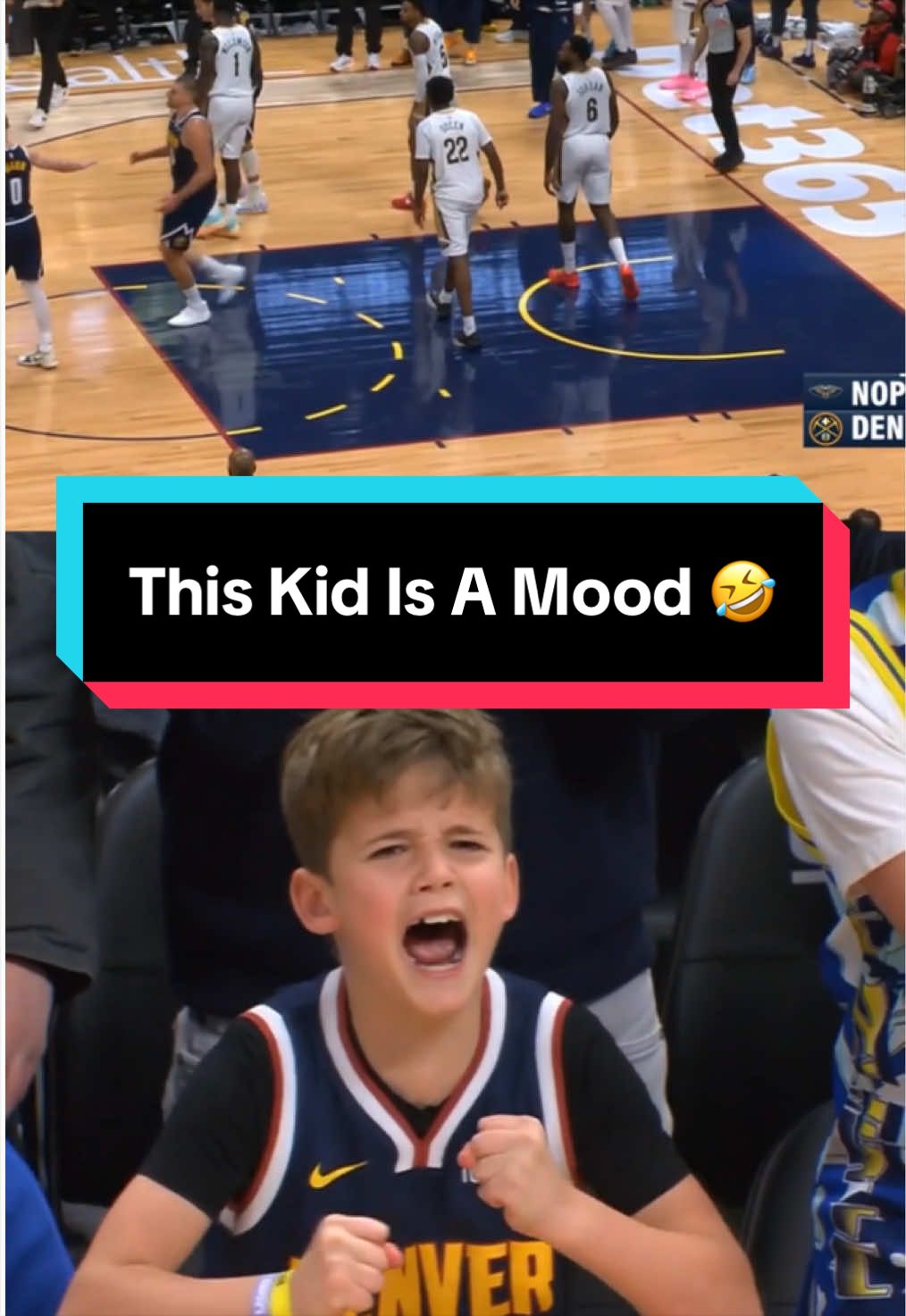
He was going through all the emotions 😭
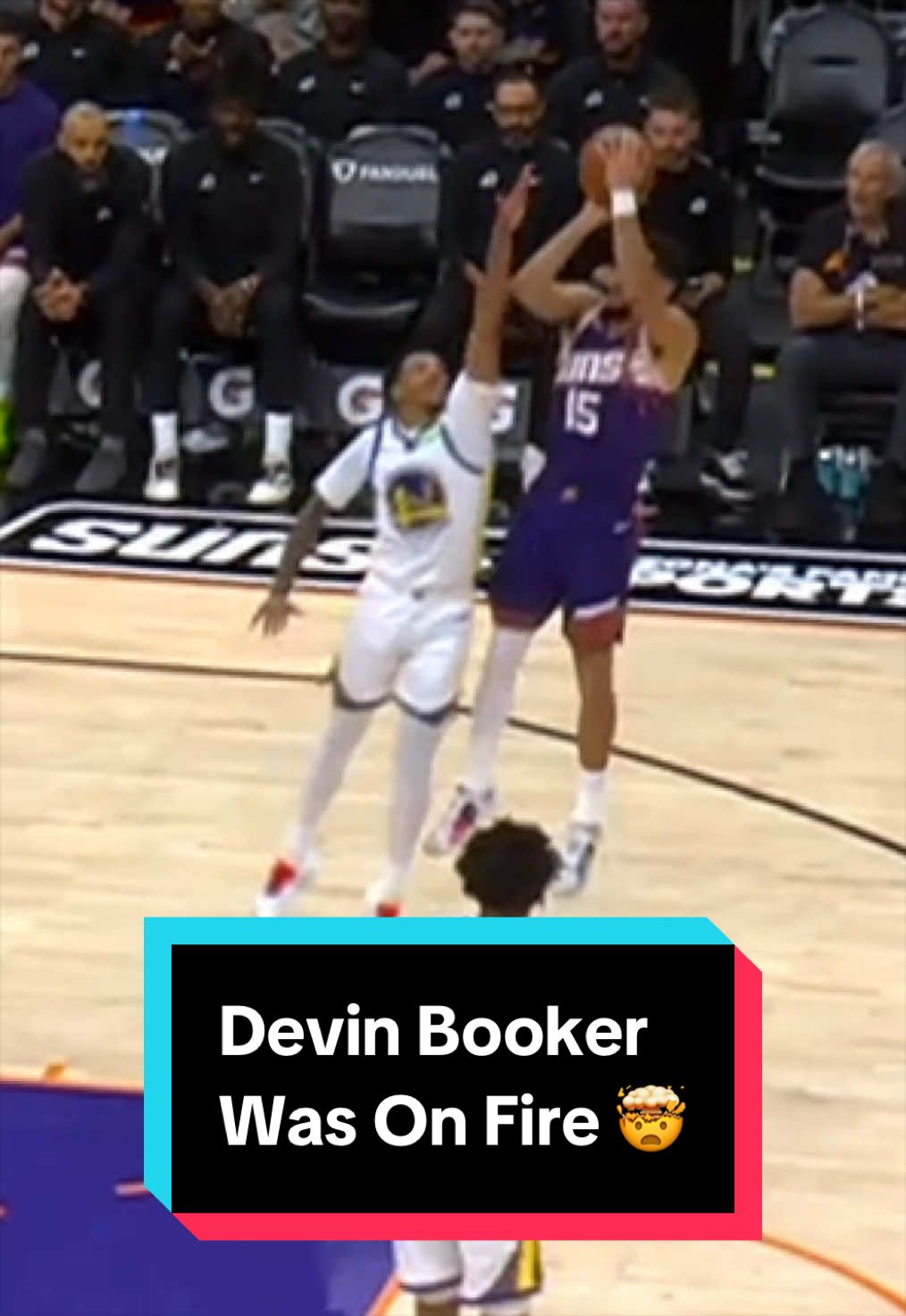
Devin Booker was AUTOMATIC from the floor 🎯🙌
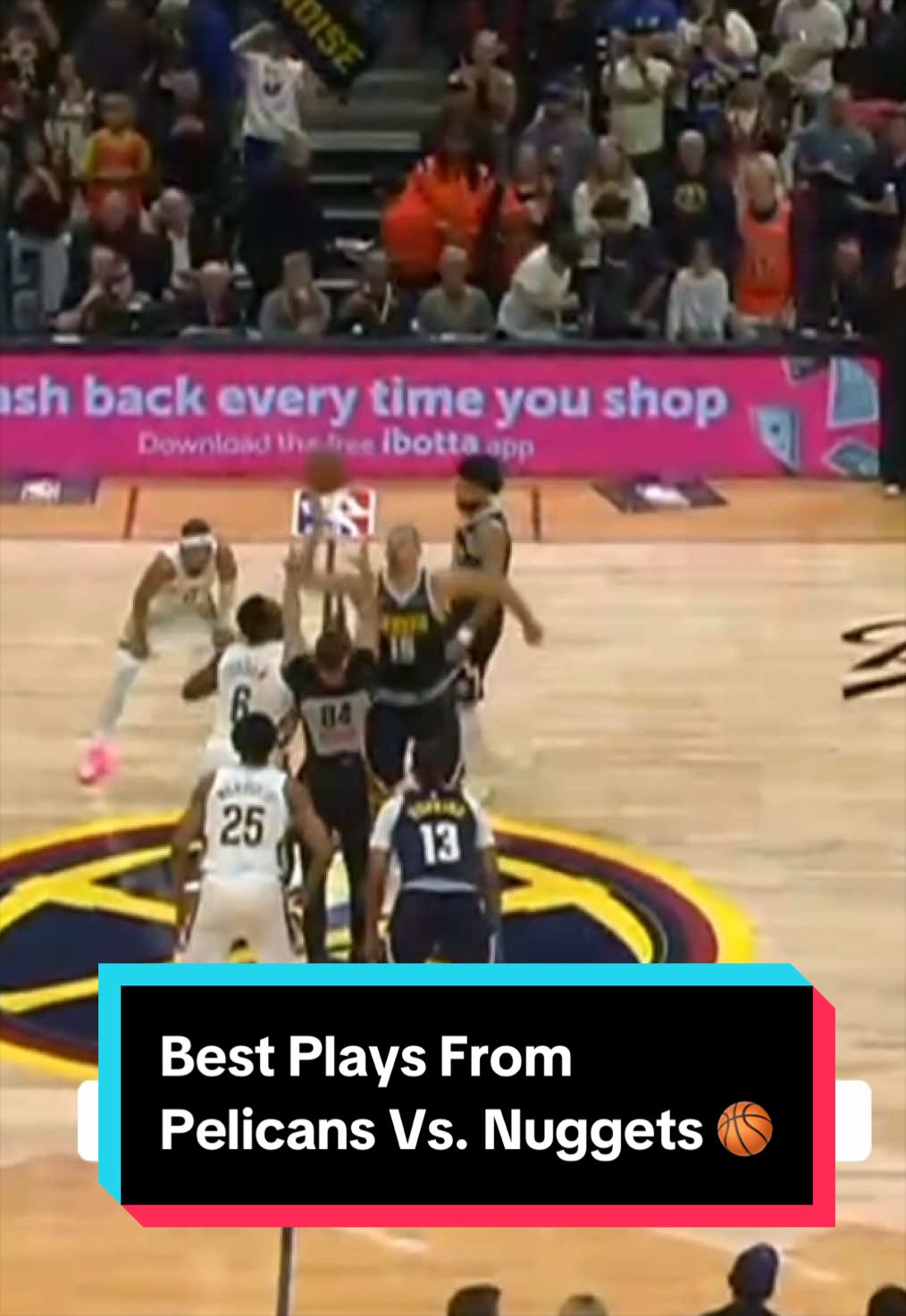
Quick rewind, full recap. Here’s everything from @Pelicansnba vs. @Denver Nuggets matchup ⏪🏀
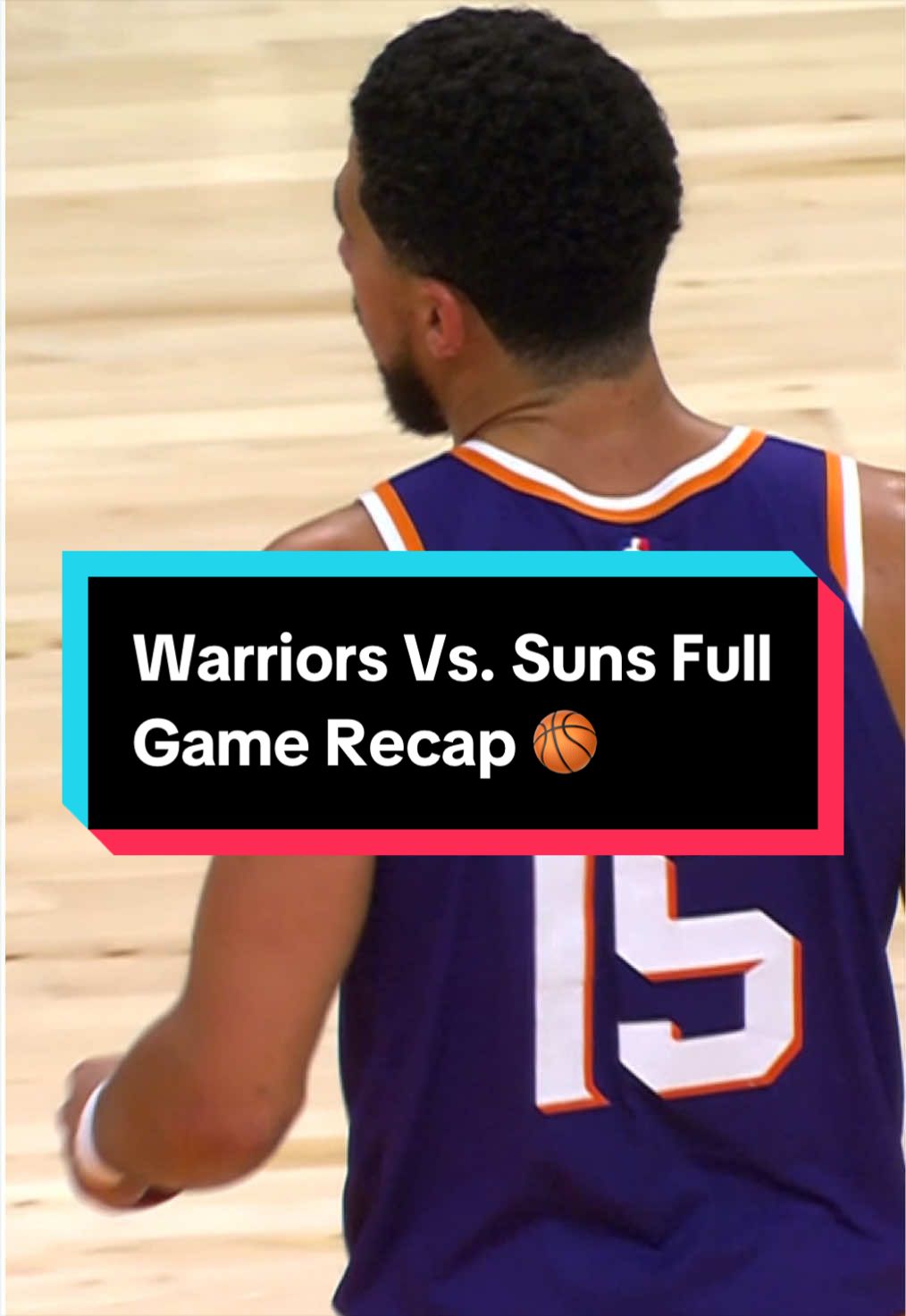
The @warriors vs. @Phoenix Suns action was nonstop — here’s how it went down. 🏀 Catch the full recap from tonight’s showdown.
 Links
Links
 Contact
 App
App