



Regardless of whether the Kawhi trade is cancelled or not, Ingram is not going back to the Raptors.



A trade that was reported on July 1 still hasn't been finalized by the last day of July, which is rare in NBA history. The investigation into Kawhi Leonard's "yin-yang" contract has yet to be released, causing the Raptors to delay confirmation of the trade.
After all, if the investigation results clearly show issues, the consequences would have to be borne by the Raptors. If the league rules that Leonard's contract is voided, the Raptors would have essentially traded a pile of assets for nothing, making them the biggest sucker in history. Although the Raptors have thoughts of bringing Leonard back, they are not so reckless as to go that far.
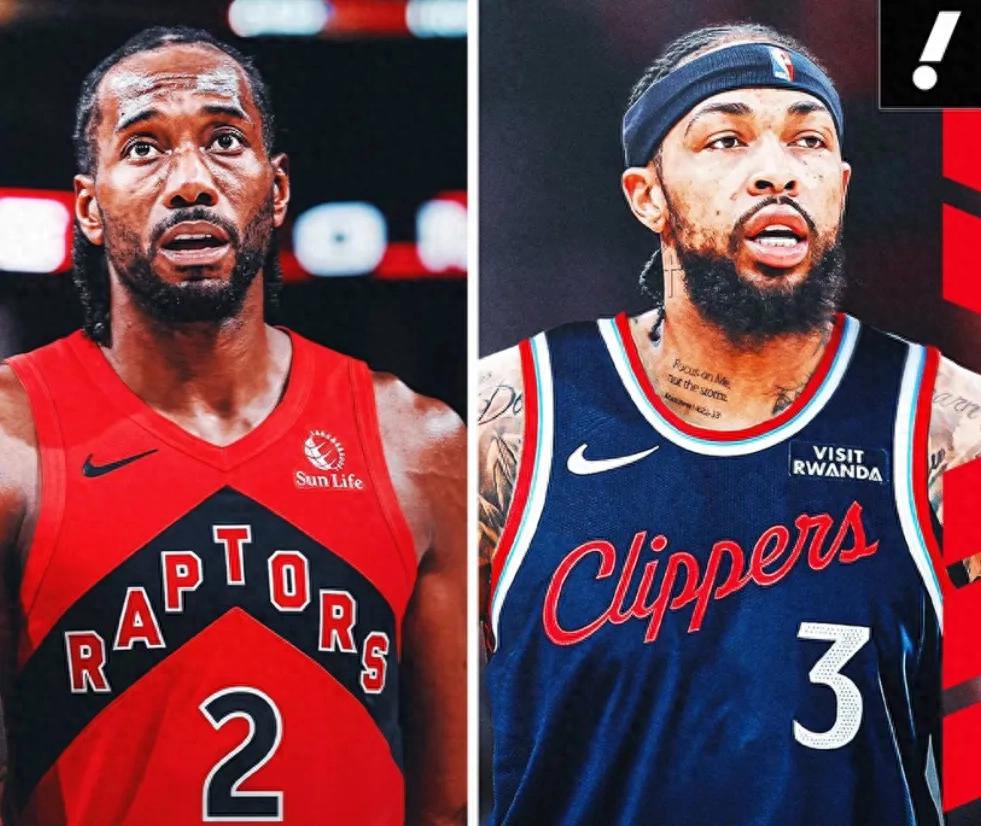
For Leonard, if the trade is cancelled, returning to the Clippers is entirely acceptable. But for Ingram, regardless of whether the trade goes through or not, his relationship with the Raptors has come to an end.
The Raptors are paying a considerable price for Leonard: Ingram, Dick, unprotected first-round picks in 2031 and 2033, a 2027 first-round pick swap, and two second-round picks. Considering the current trade market, this is a package that could have been used to acquire Jaylen Brown.
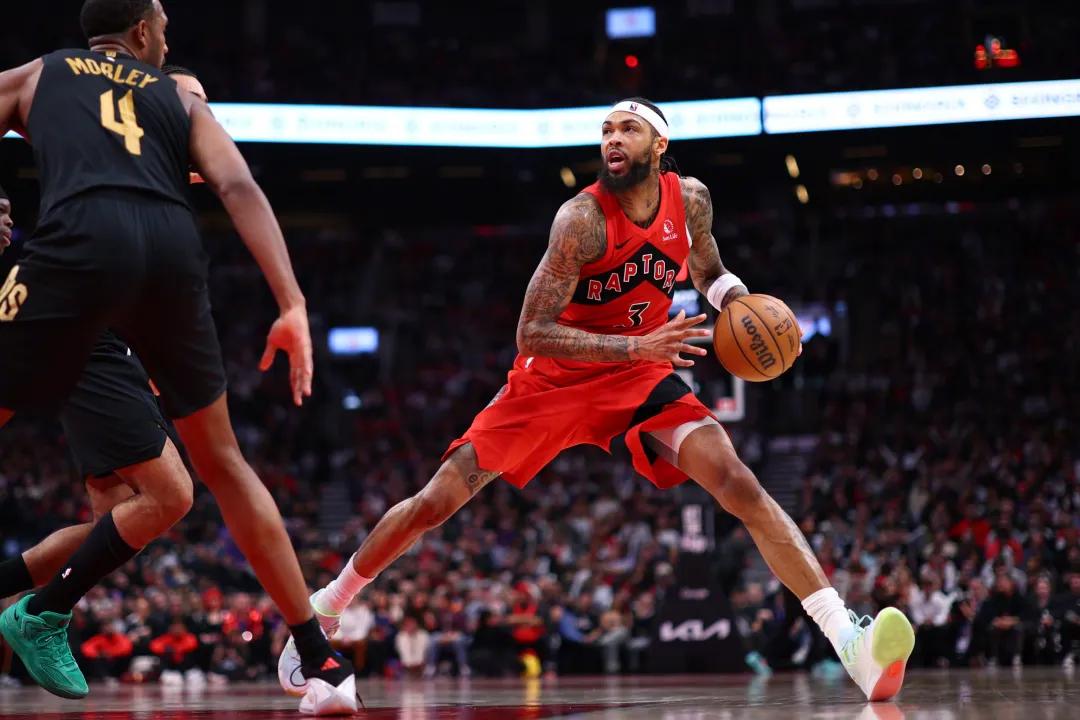
In the regular season last season, Ingram fully lived up to the three-year, $120 million contract the Raptors gave him, averaging 21.5 points, 5.6 rebounds, and 3.7 assists per game, with a three-point percentage of 38.2%. He was one of 47 players in the league averaging 20+ points, and was on the fringe of being an Eastern Conference All-Star.
But in the playoffs, one series was enough for the Raptors to lose all confidence in Ingram. In five games against the Cavaliers, Ingram averaged 12 points, 3.2 rebounds, and 2.2 assists, shooting 32.8% from the field, a significant drop from the regular season.
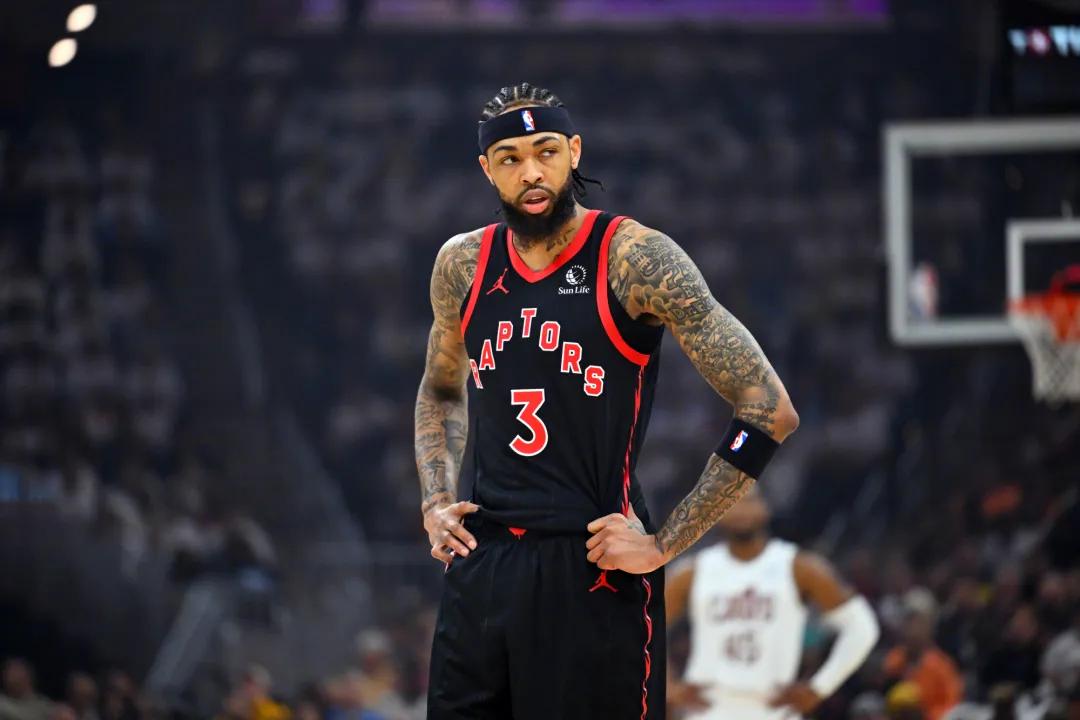
Ingram is essentially an offensive player. In the Raptors' system, he serves more as a safety valve. When the Raptors' offense falters, they rely on Ingram's mid-range isolation to solve problems. Last season, he had the highest usage rate on the Raptors, but he struggled to have a significant impact on the team. Essentially, he is an isolation scorer, not a ball-handler.
His court impact largely depends on his mid-range and long-range shooting touch. In half-court sets, he finds it difficult to drive to the rim, and when facing larger forwards, he struggles to produce positive performances. That's why, against the Cavaliers' defense, Ingram played extremely poorly in the playoffs.

In this context, Ingram's defensive weaknesses were magnified. He couldn't handle being targeted by Harden and Mitchell, and Mobley could bully him in the paint. He also lacked sufficient help defense activity and rim protection awareness. In short, he was useless on defense. His wingspan is indeed long and he is tall, but his lateral quickness is poor, and his physicality hasn't improved much since entering the league.
Ingram seems to be following in DeRozan's footsteps. His mid-range shooting is among the best in the league, and he is a great isolation scorer, but he lacks standout qualities elsewhere and has never had a signature playoff performance. As a result, top teams are essentially shutting the door on Ingram (with a $40 million salary).
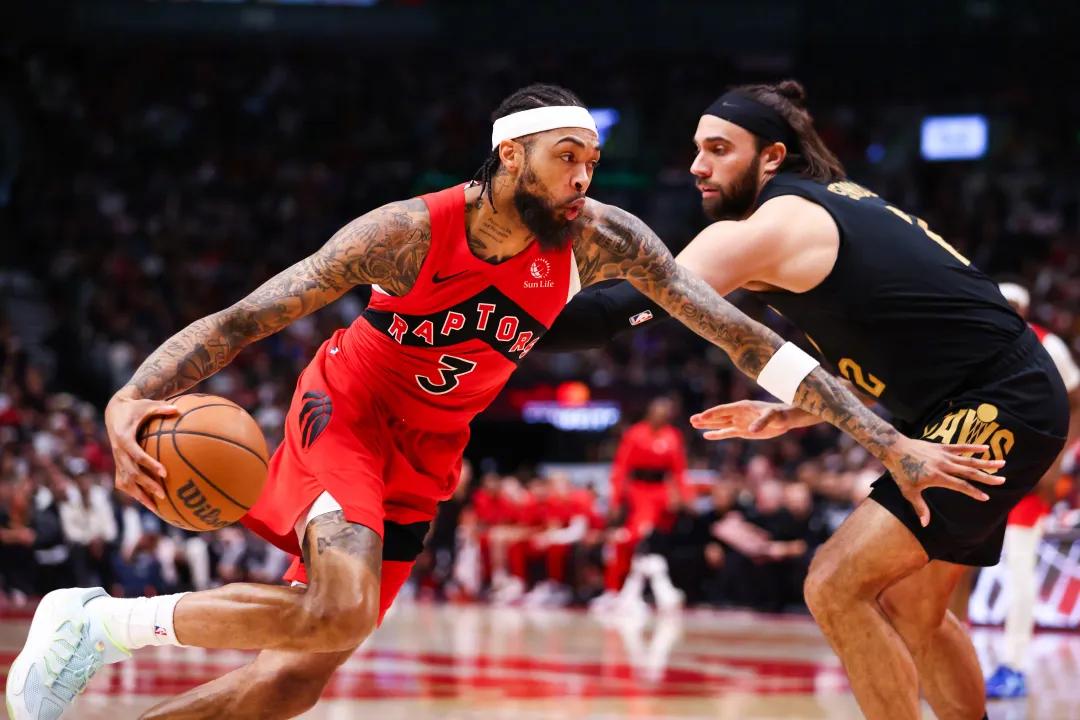
After the first playoff game, Ingram, who had only taken 9 shots, publicly complained about his low shot attempts. Then in Game 2, he was given 15 shots but made only 3, one of the biggest facepalm moments of this year's playoffs. In Game 6, he was absent, yet the Raptors stubbornly forced a Game 7. After that game, Ingram's time with the Raptors was essentially over.
Actually, the Clippers would have been a good fit for Ingram, and Los Angeles is a city he knows well. With the Clippers, Ingram could handle the ball more and get into his comfort zone, and the rebuilding Clippers have no pressure to win. Unfortunately, fate plays tricks; it's still uncertain whether his move to the Clippers will happen.
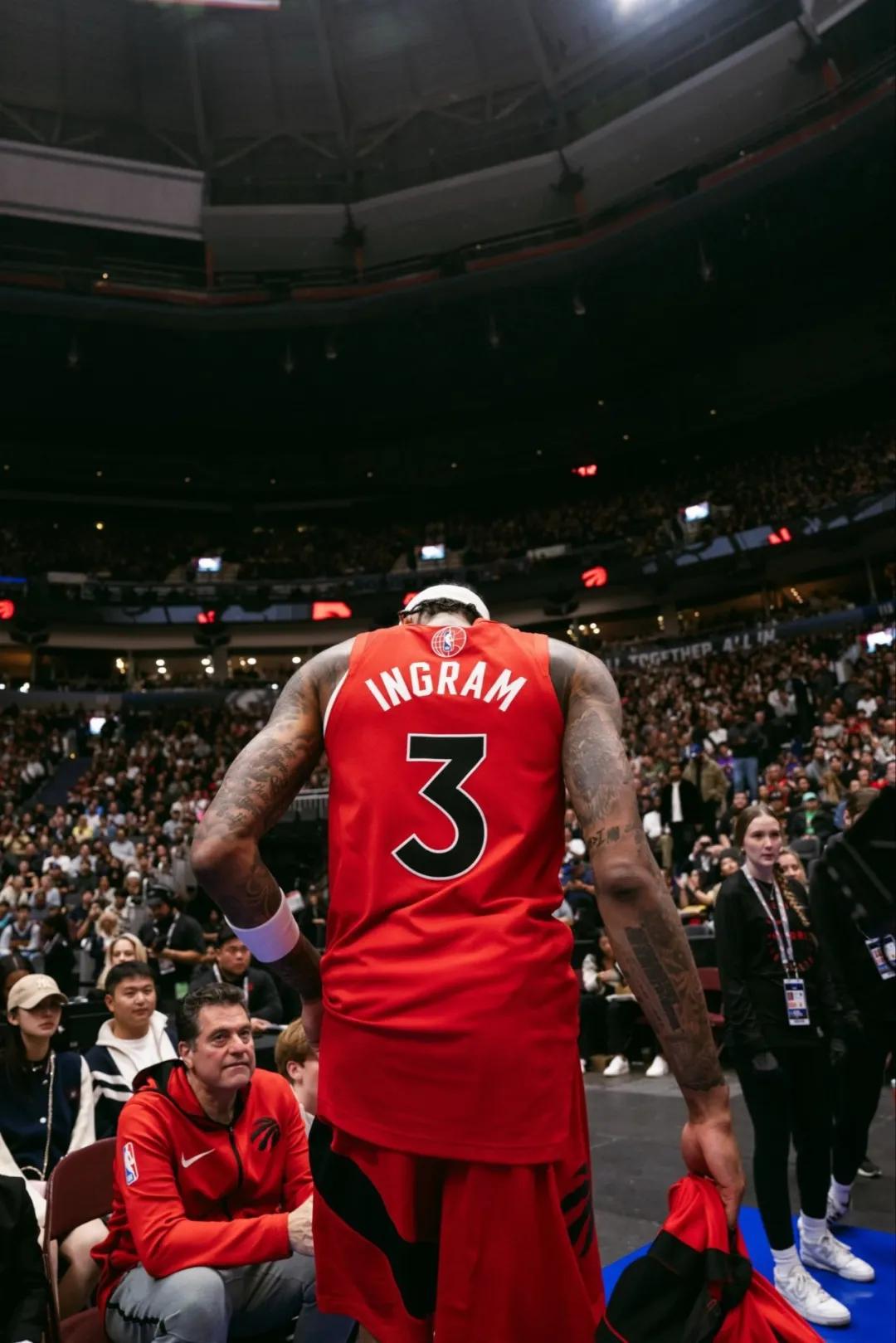
If the trade is ultimately cancelled, the Raptors will still use him as a trade asset to acquire other players for improvement. Ingram's current situation essentially stems from his lack of ability. In New Orleans, he failed in his bid to be the top guy against Zion (though Zion himself isn't that strong either), and in Toronto, he was given some high hopes, but then in the playoffs he exhausted all the patience of the Raptors' management.
After ten years in the league, Ingram is still under 30. What does the future hold for him? Where should he go?


Wonderfulshortvideo
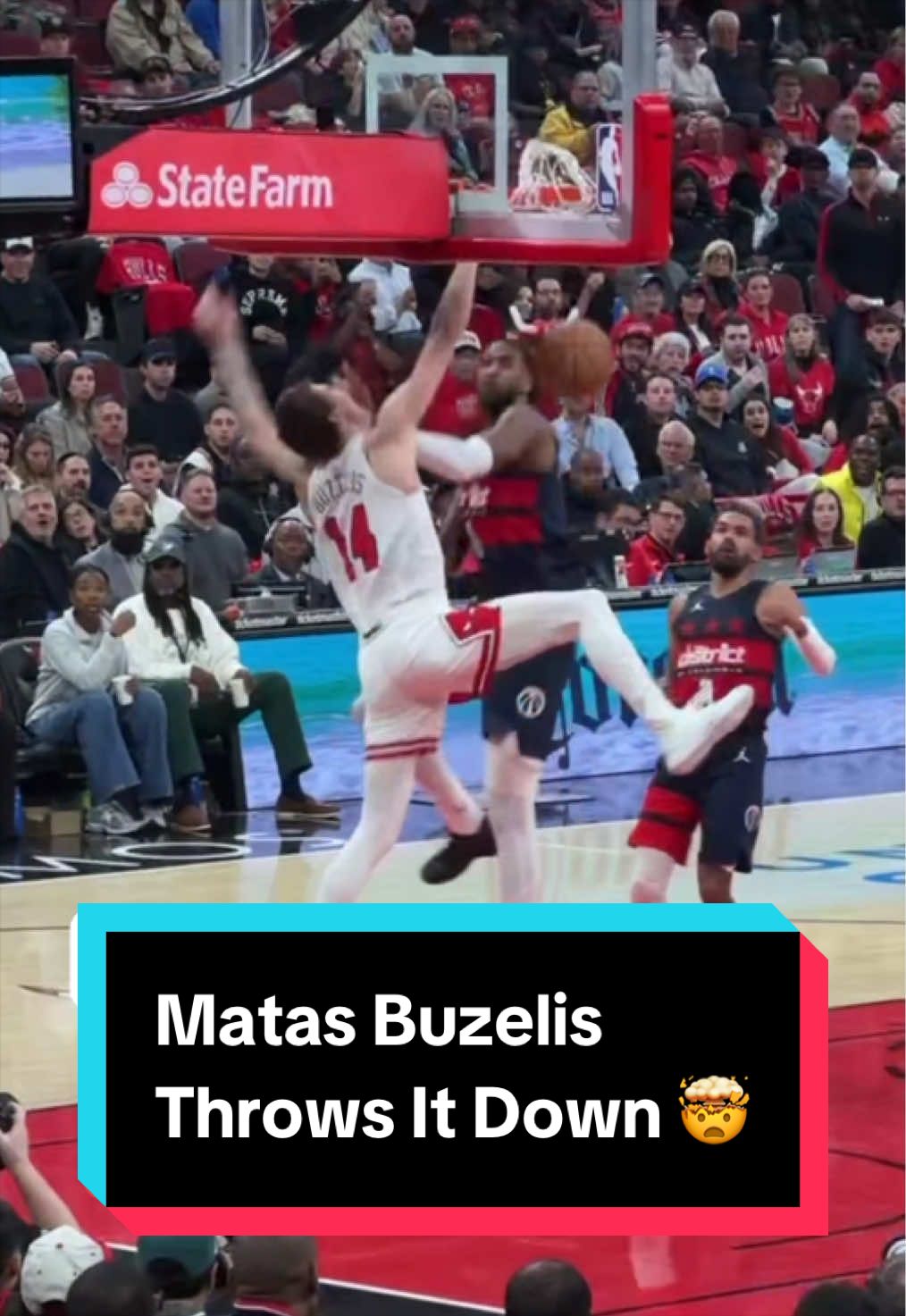
The stare-down too 👀😮💨 He got UP🔥


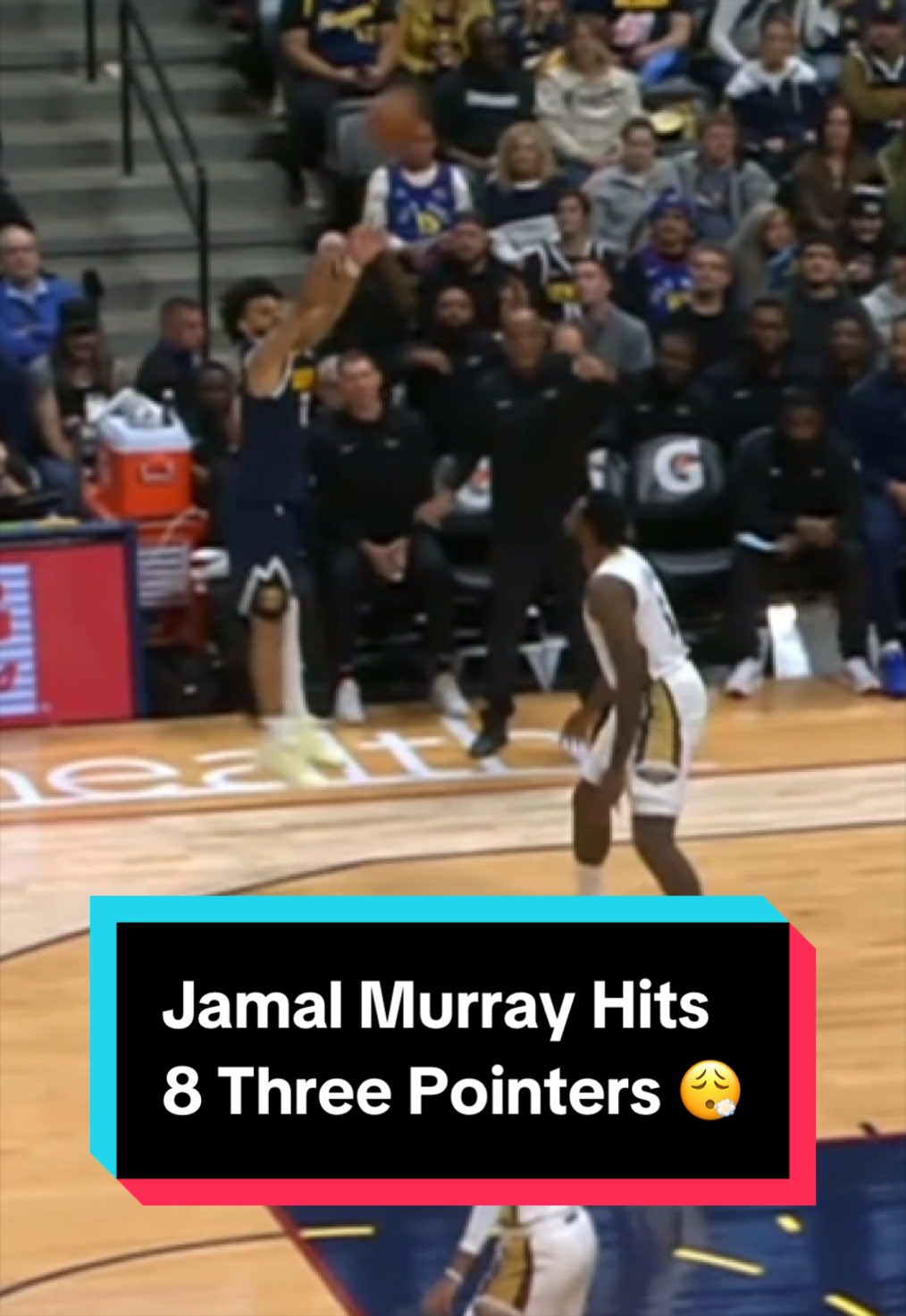
Jamal Murray went CRAZY putting up 42 points in the @Denver Nuggets overtime win! 🔥🙌
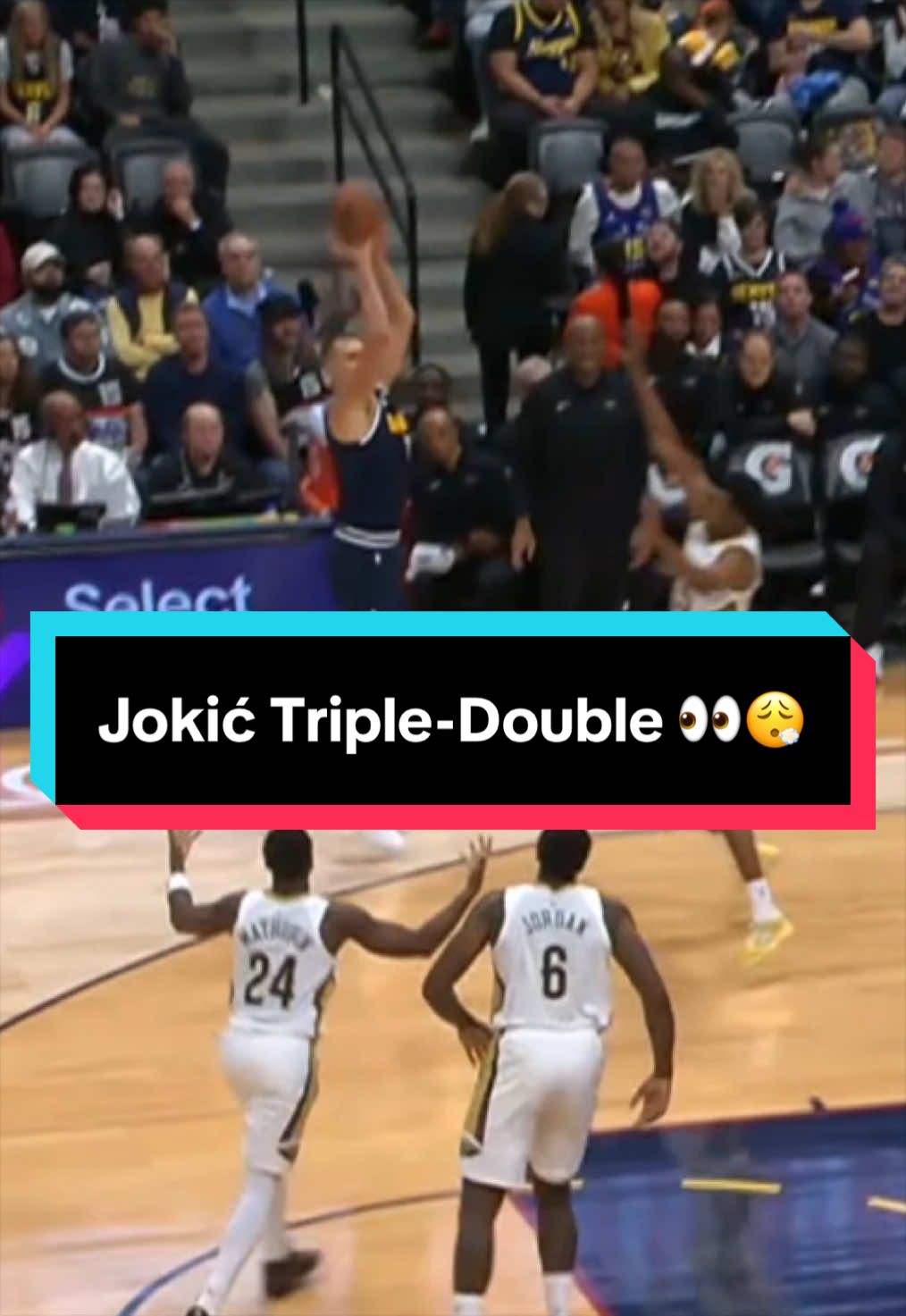
Jokić went off tonight 👀🔥
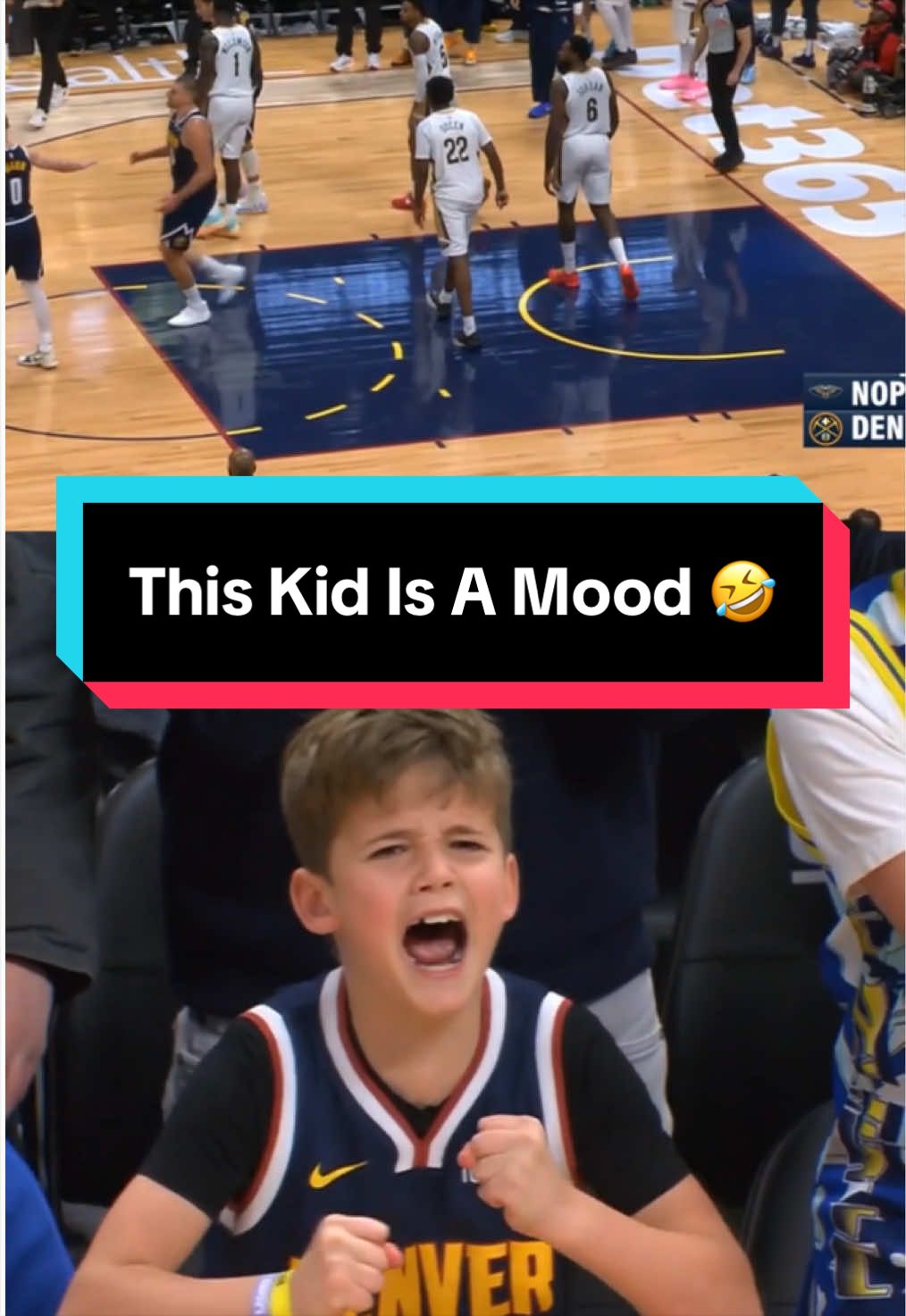
He was going through all the emotions 😭
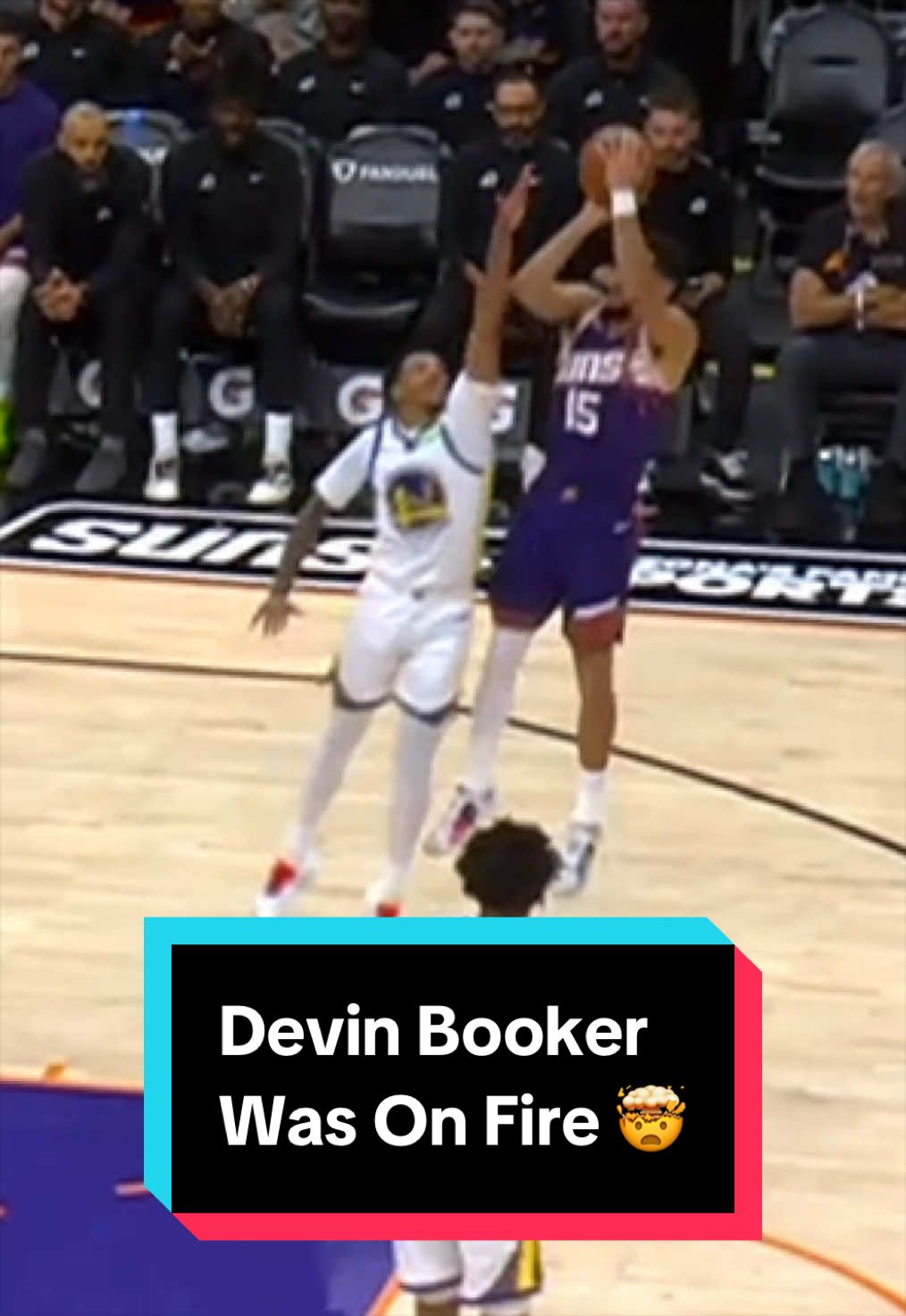
Devin Booker was AUTOMATIC from the floor 🎯🙌
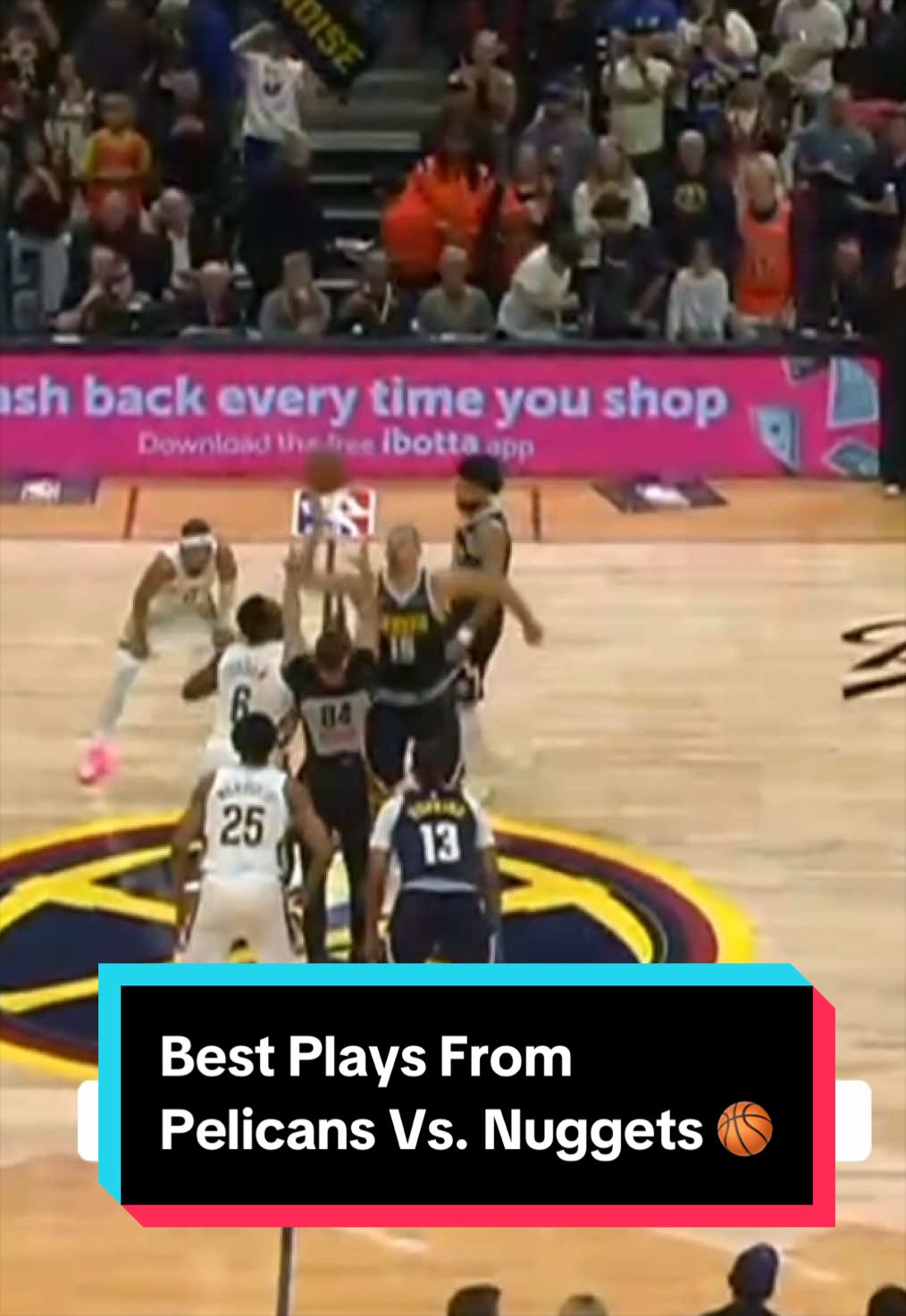
Quick rewind, full recap. Here’s everything from @Pelicansnba vs. @Denver Nuggets matchup ⏪🏀

The @warriors vs. @Phoenix Suns action was nonstop — here’s how it went down. 🏀 Catch the full recap from tonight’s showdown.
 Links
Links
 Contact
 App
App