



Report: Celtics Called Warriors to Inquire About Curry! Confident They Have a Viable Trade Plan to Meet Both Sides' Needs



On August 2, Beijing time, according to Celtics senior reporter John Karalis, Celtics president Brad Stevens has called the Warriors to initiate trade discussions involving Stephen Curry. It is reported that the Celtics have a feasible trade package that could satisfy both parties. Here is the full report—
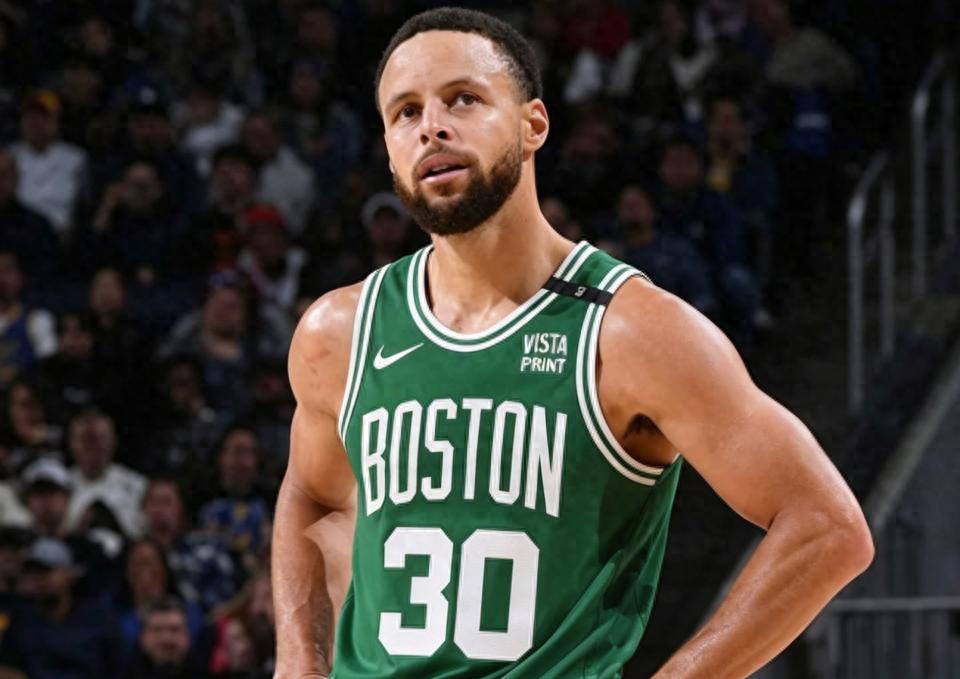
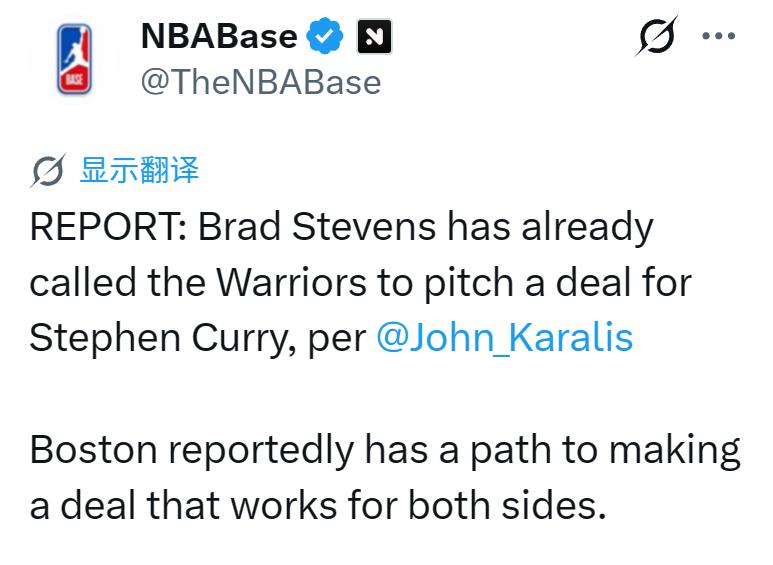
When Brad Stevens made that puzzling trade, sending out Jaylen Brown to acquire Paul George, two first-round picks, and two second-round picks, he consistently emphasized "having options" as the core advantage of the deal. With an expiring contract and two high-potential first-round picks, the Celtics gained an opportunity to quickly convert these assets into a more competitive roster.
And that opportunity may arrive very soon.
The Athletic reporter Marcus Thompson wrote that the relationship between Curry and the Warriors may no longer be unbreakable, sparking ongoing rumors about Curry's departure. Thompson mentioned on the KNBR radio podcast that Curry "might be a bit tired of the Warriors' constant pursuit of star players" in their team-building strategy, and he would prefer to serve as the transitional core to lead the team through a roster overhaul.
Similarly, Tim Kawakami of the San Francisco Standard revealed on his podcast that Warriors owner Joe Lacob "wants to build a new roster for the post-Curry era... Lacob is very firm: this team must prove it can compete for championships under Curry's leadership while also remaining competitive after Curry retires."
None of the above reports indicate that Curry wants to leave the Warriors, nor do they suggest the Warriors' front office is actively shopping him. However, these reports reveal that the foundation of the Curry-era Warriors may be showing cracks. For the first time, we hear voices suggesting that Curry may not fully agree with the team's current direction, and the owner is already looking ahead to the future beyond Curry's career.
Emotionally, fans always long for the story of one player spending his entire career with one team, and Curry is a rare candidate to fulfill that narrative. Fans everywhere would likely hope, sentimentally, that Curry stays in the Bay Area and finishes his career with the Warriors.
But reality is clear: during a transition window, valuable star assets should be cashed in promptly to acquire quality assets for rebuilding. Curry still holds immense on-court value. If the Warriors no longer intend to build around him to chase championships, other teams would be eager to capitalize on the final golden years of his legendary career.
Sentiment is valuable, but the NBA is a ruthless business. Missing the chance to cash in on a top-tier asset like this could leave a team struggling for years to recover.
No one knows what the future holds. The 38-year-old Curry's contract is expiring, with a salary of $62.6 million. He might choose to enjoy his remaining basketball years, accompany the team through its roster adjustments, and retire gracefully when his passion for golf outweighs his love for basketball.
He might also develop a desire to explore other teams and start a new journey. He could fulfill his current contract with the Warriors, then sign multiple short-term deals to experience different team atmospheres. Perhaps he could return to his hometown of Charlotte to fulfill a childhood dream, or go to San Antonio to try playing alongside Victor Wembanyama. Before retiring, he could embark on a league "tour," simply enjoying basketball.
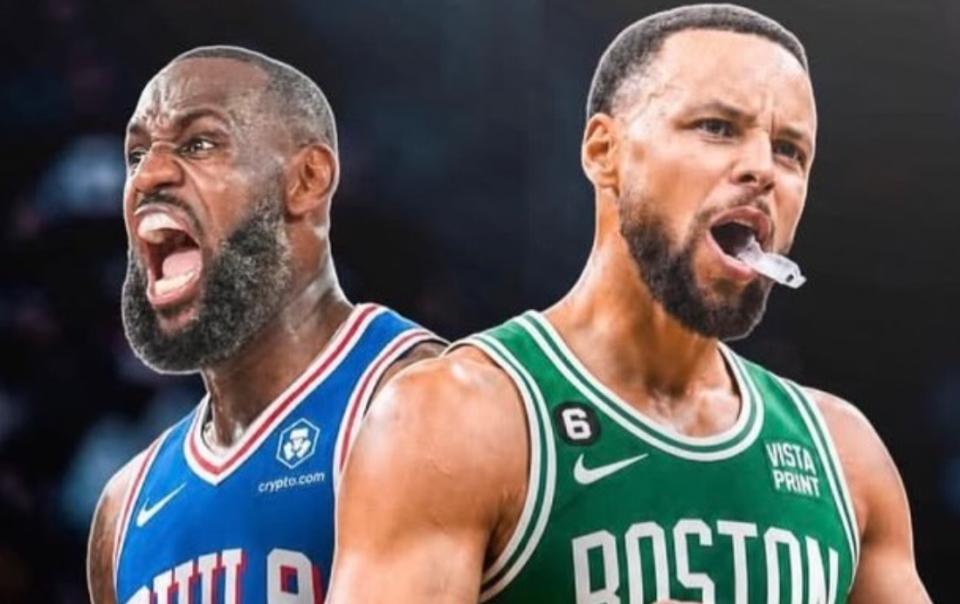
Alternatively, watching LeBron James' choices, he might also want to chase another championship. He could even request a trade, bringing back substantial assets for the Warriors to accelerate their rebuild, repaying the team in another way.
Could the Celtics enter this race?
First, it's hard to predict the potential trade market for Curry. The earlier trade offer for Jaylen Brown fell below market expectations; given Curry's age, the final bidding situation is unpredictable. He remains elite on the court, but injury risks increase for players at his age, especially for one who moves around as much as he does.
Below, I'll outline a trade plan. Whether it's good or bad is another matter; this is the combination of assets the Celtics currently have available. Whether it can be completed depends on the offers from other competitors.
The core of my proposed trade: The Celtics send out Paul George, the pick acquired from the 76ers, and Sam Hauser, in exchange for Stephen Curry.
For a rebuilding team, draft picks hold immense value. The Celtics might try to keep one of their picks, choosing to send their own pick instead, thereby retaining the unprotected 2031 76ers first-round pick. But ultimately, I think sending out both picks is acceptable. The 2028 pick has complex rules but still holds value; using the final years of Curry's career to acquire two high-value picks that could land in the lottery would be a substantial return. Paul George is mainly used to match salaries, while adding Hauser gives the Warriors an immediate contributor, preventing them from fully tanking under the new lottery reform rules. Additionally, trading Hauser helps the Celtics stay under the luxury tax threshold.
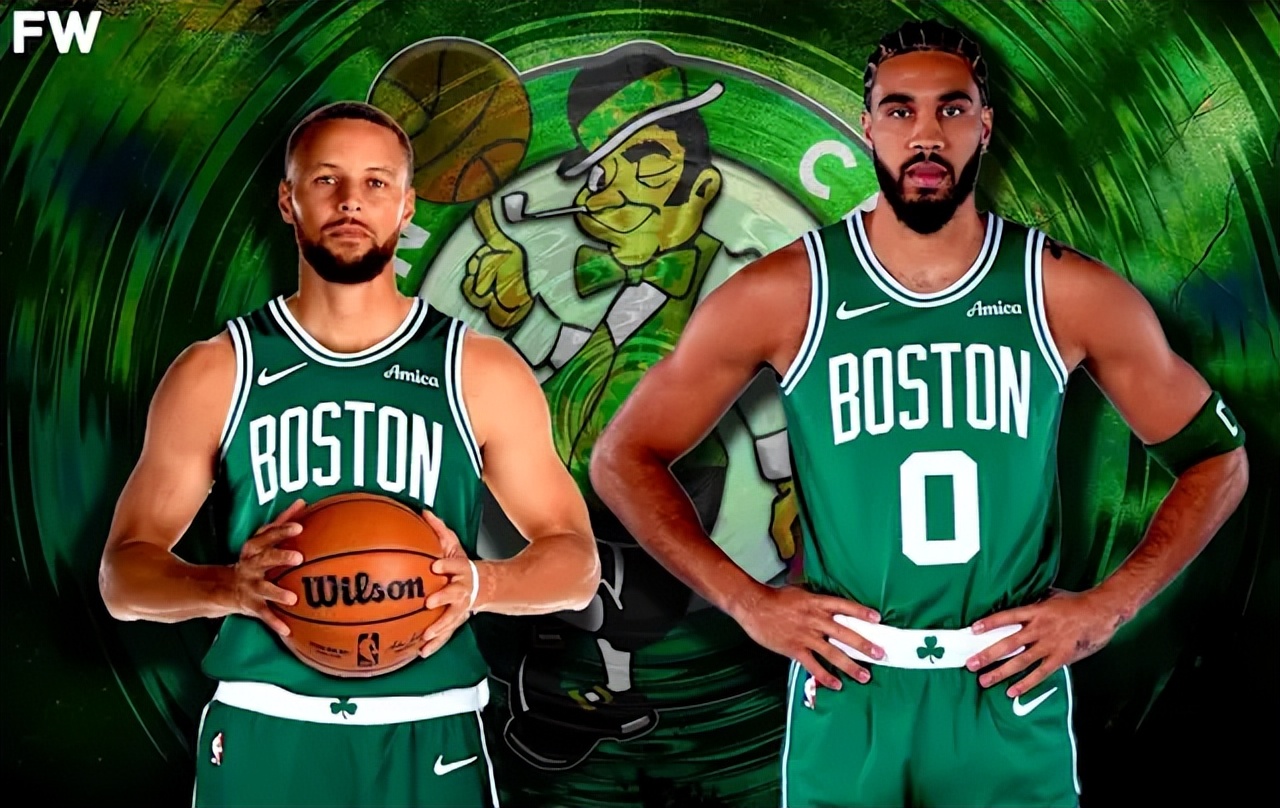
For this trade to go through, two hard conditions must be met:
First, the trade cannot be executed until September 6 at the earliest. League rules state that within 60 days of the Paul George trade being completed, his salary cannot be aggregated with other players in a new trade.
Second, the team must be confident that at least two of the three young players—Baylor Scheierman, Hugo Gonzalez, Jordan Walsh—can develop into significant wing rotation contributors.
George is expected to have limited playing time, but he can provide steady statistics when on the court. Curry's on-court performance can make up for and even surpass George's output, but the Celtics must rely on these young players to fill the scoring void left by Hauser's departure.
Stevens has already contacted the Warriors' front office, making it clear that if the Warriors are willing to trade, the Celtics are ready to present a proposal.
Under the current collective bargaining agreement, front offices need to make rational and even cold-hearted decisions, and trading Curry is one of the toughest. Cashing in on him while he still has trade value is a pragmatic move. The Celtics have enough assets to potentially facilitate a deal that satisfies both sides.


Wonderfulshortvideo
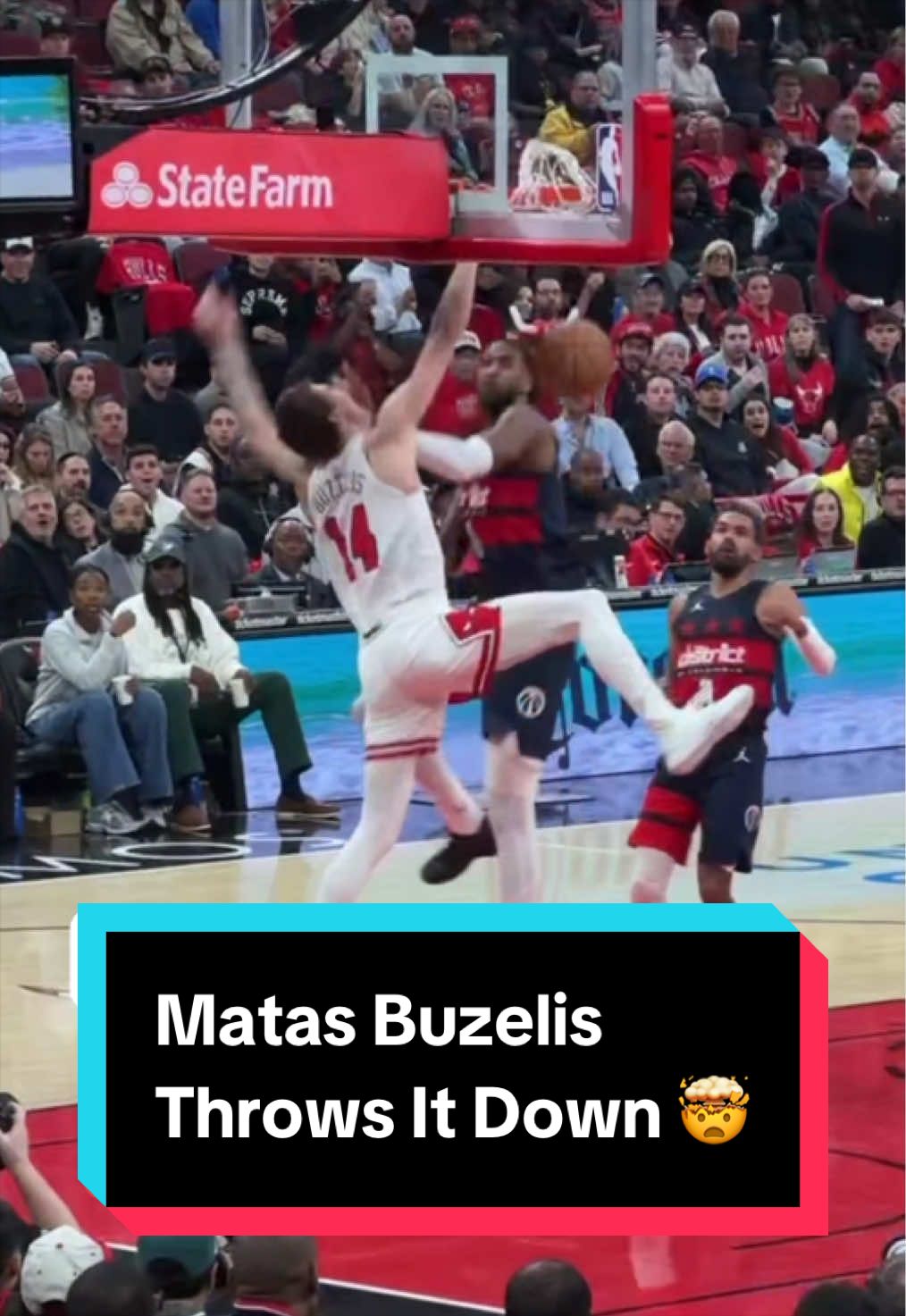
The stare-down too 👀😮💨 He got UP🔥


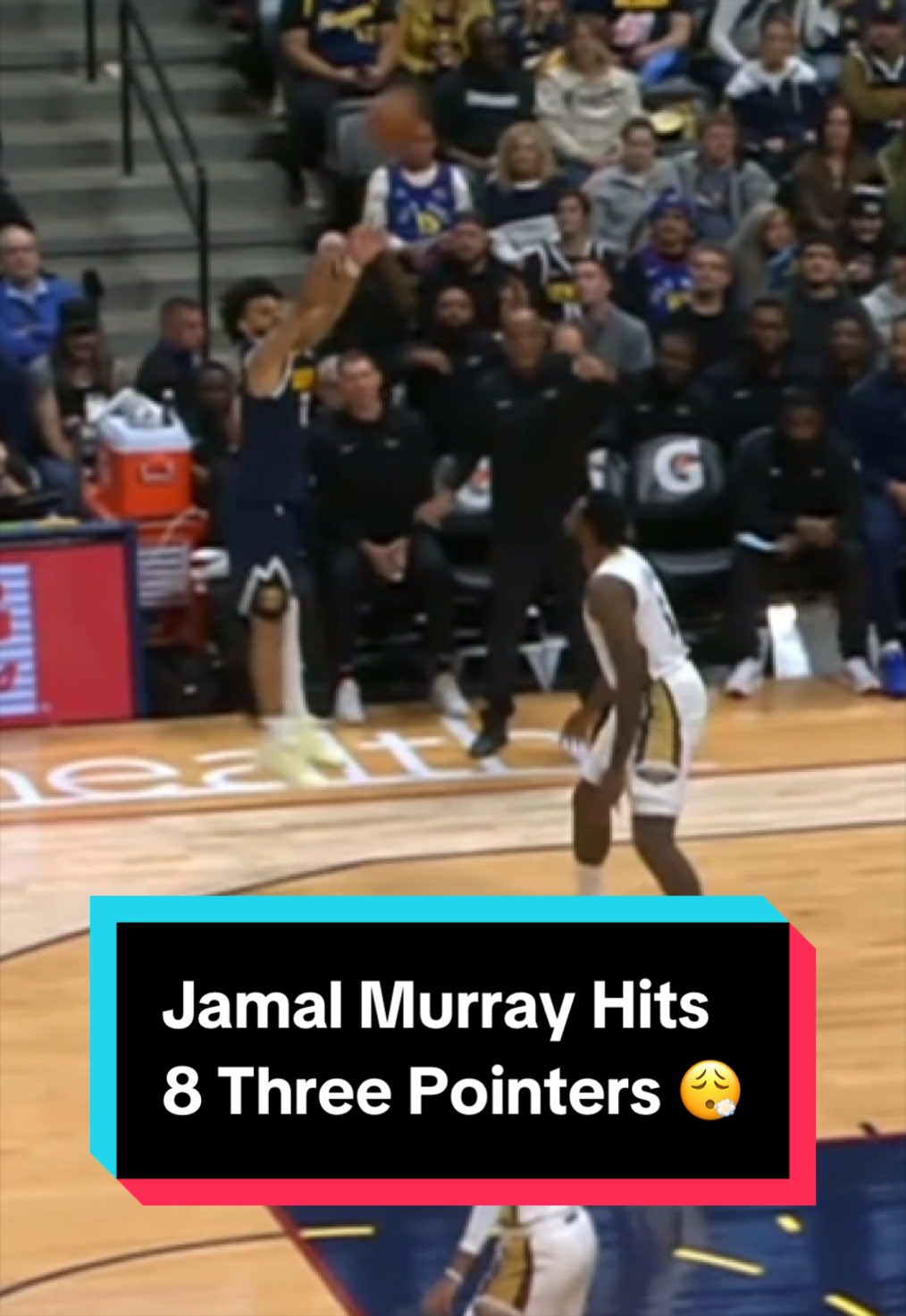
Jamal Murray went CRAZY putting up 42 points in the @Denver Nuggets overtime win! 🔥🙌
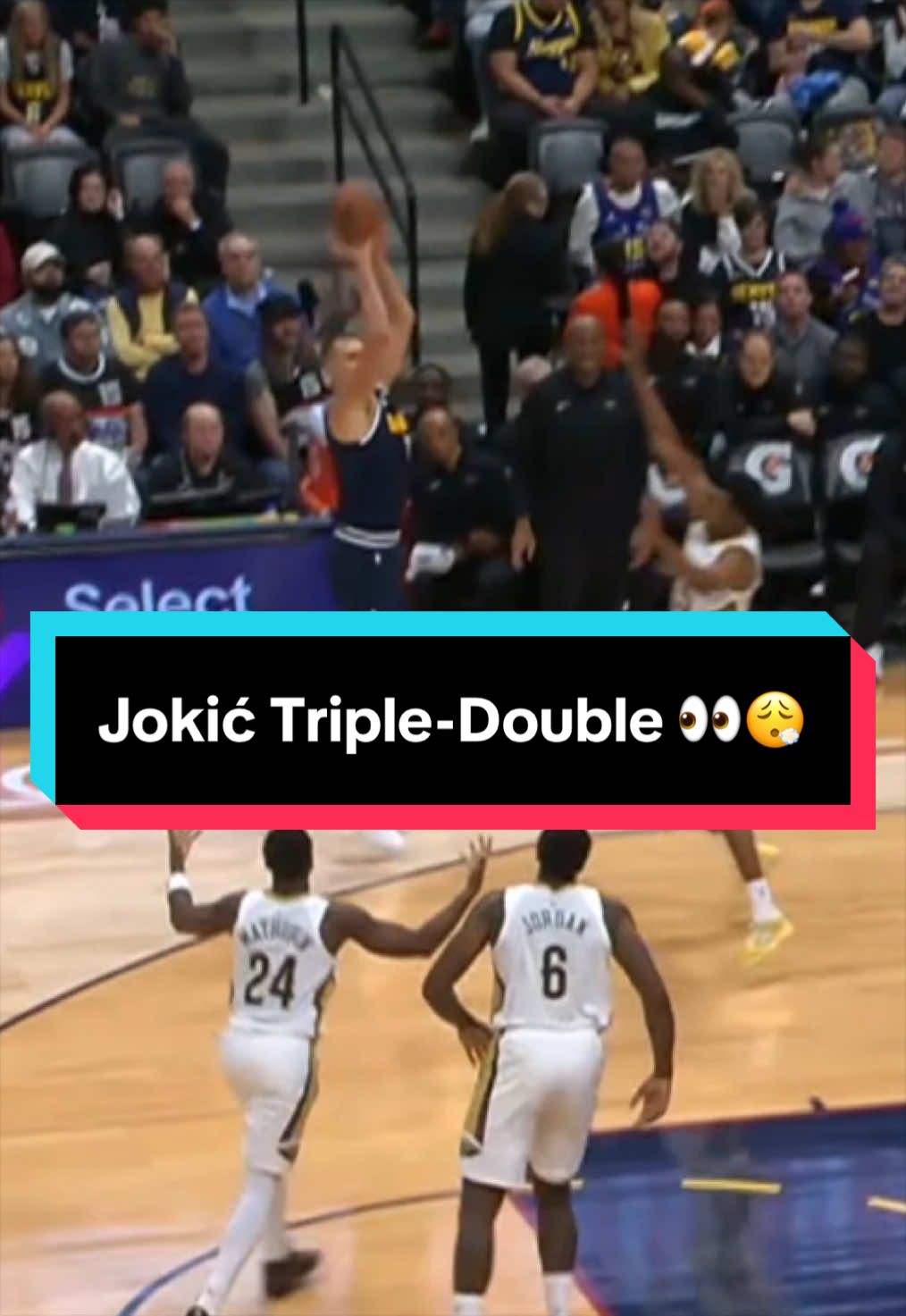
Jokić went off tonight 👀🔥
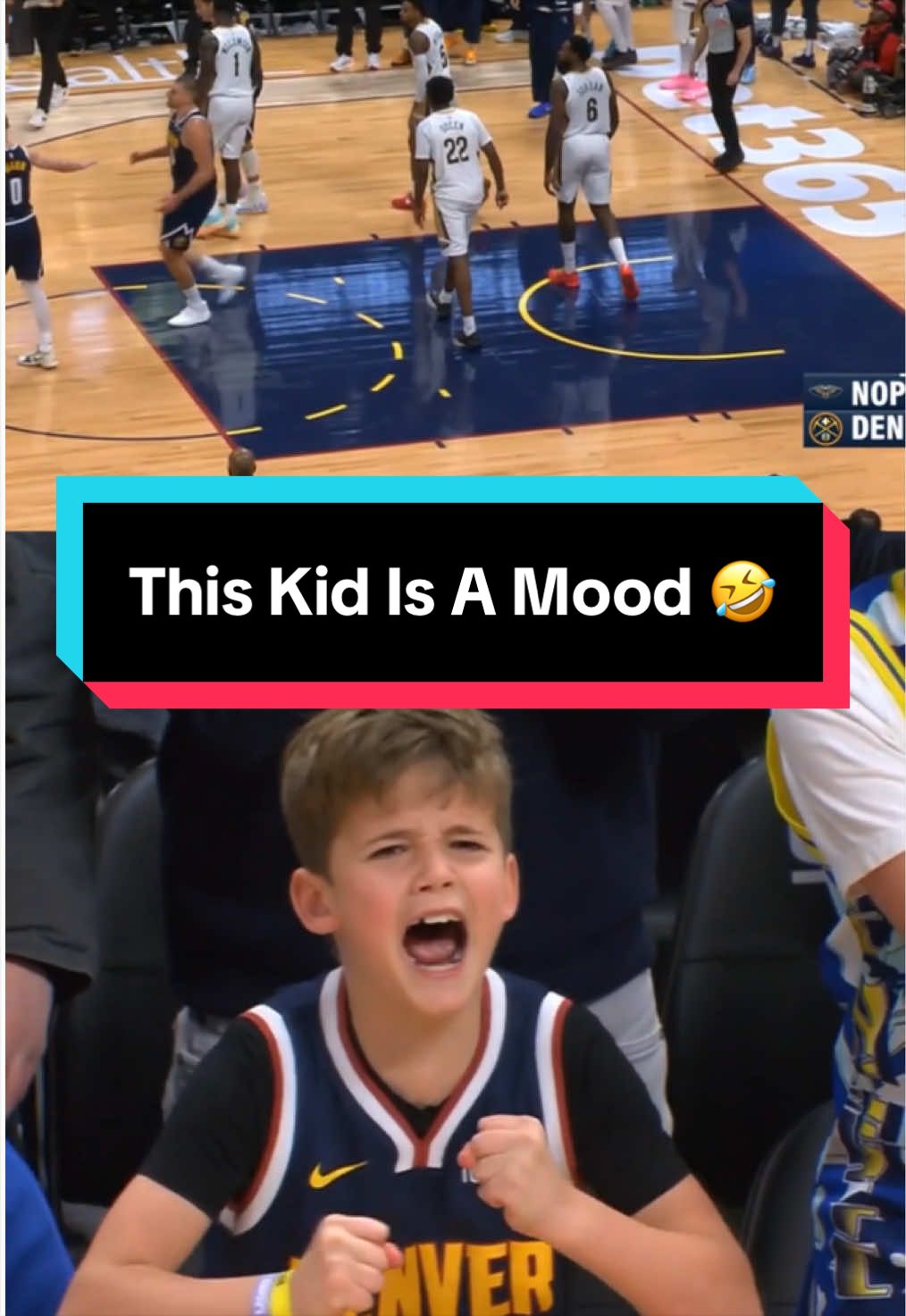
He was going through all the emotions 😭
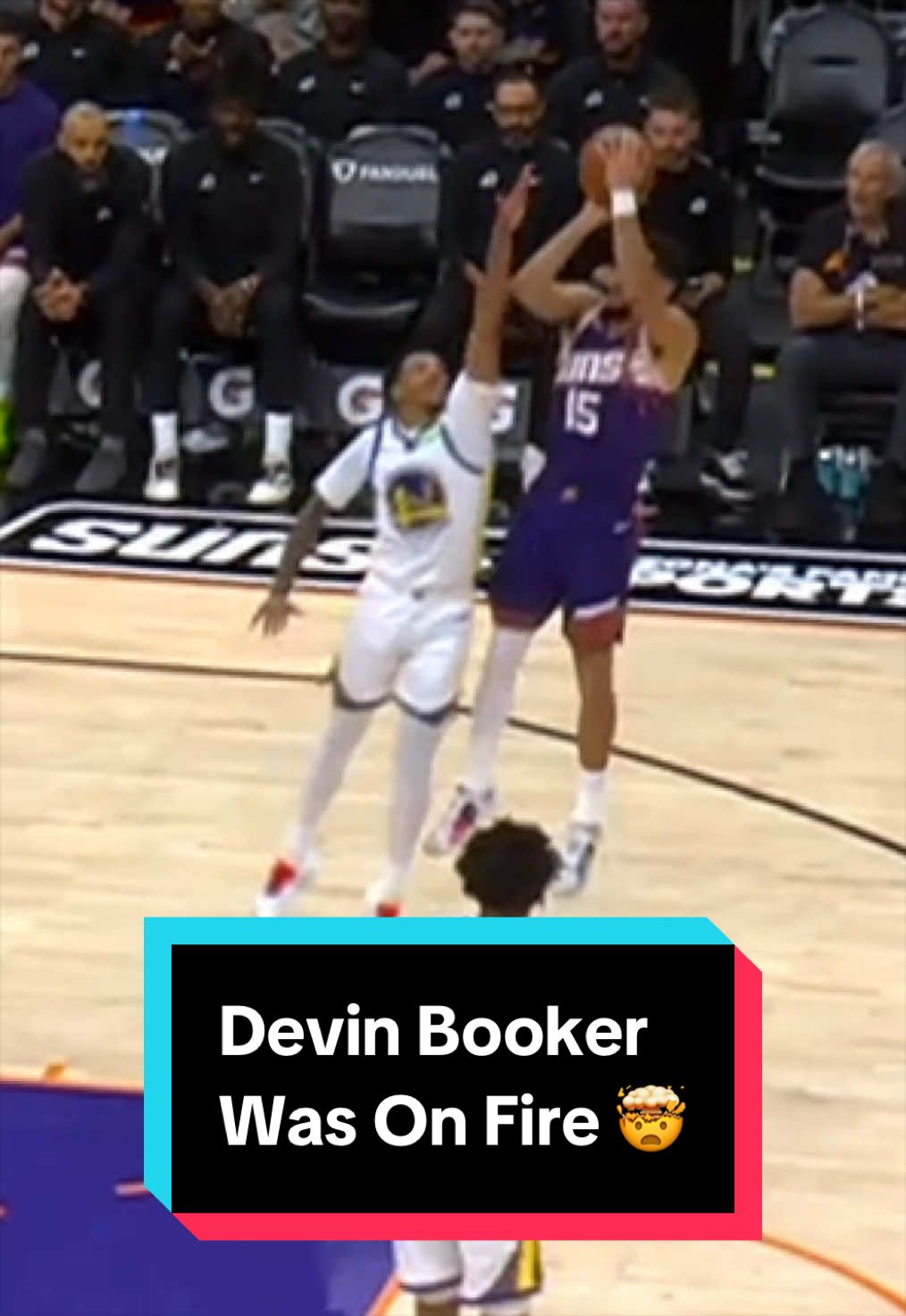
Devin Booker was AUTOMATIC from the floor 🎯🙌
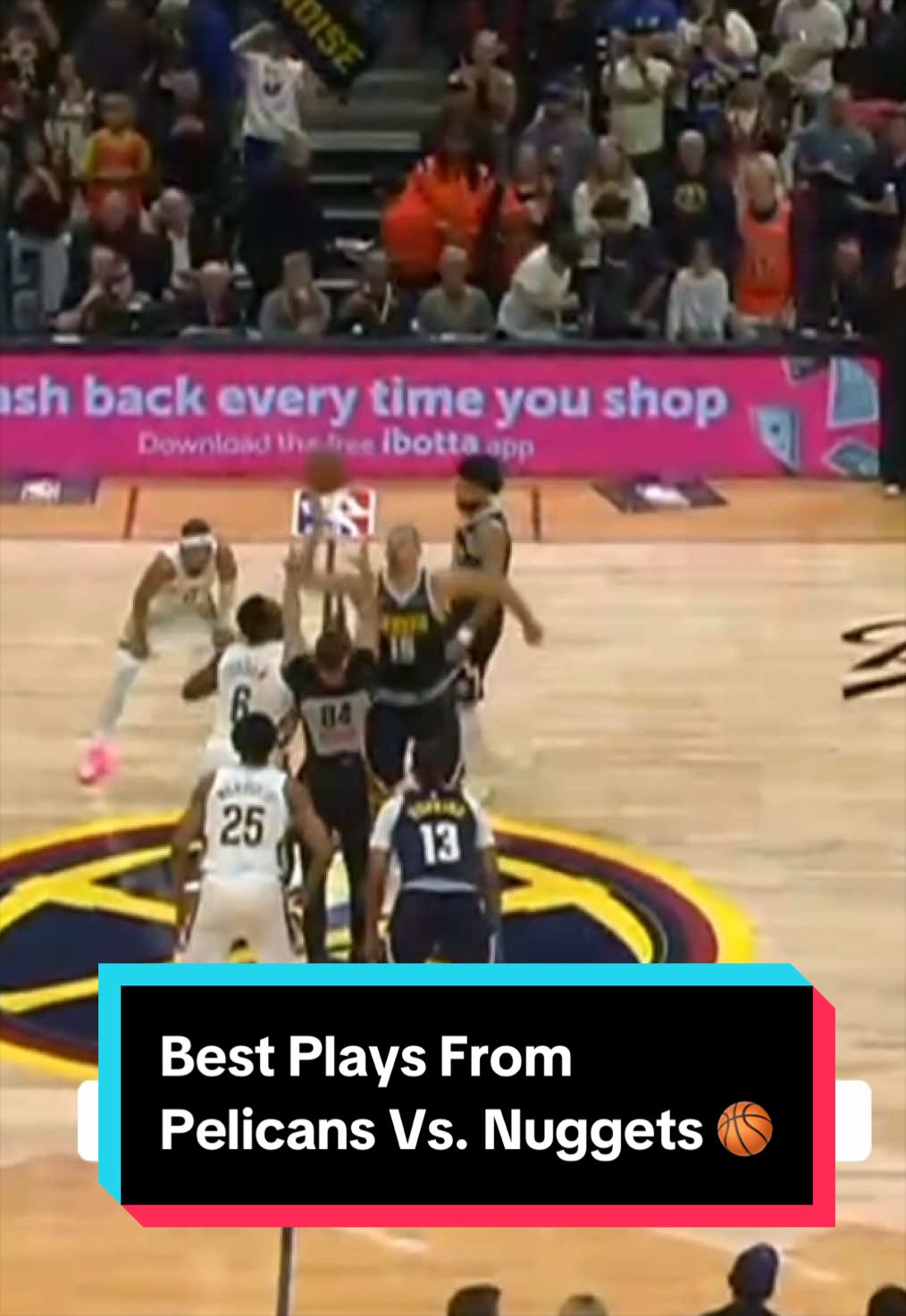
Quick rewind, full recap. Here’s everything from @Pelicansnba vs. @Denver Nuggets matchup ⏪🏀

The @warriors vs. @Phoenix Suns action was nonstop — here’s how it went down. 🏀 Catch the full recap from tonight’s showdown.
 Links
Links
 Contact
 App
App