



How does LeBron James’s move to the 76ers affect his taxes? Residence matters: 20% of income may be counted as earned in Philadelphia



On August 2, Beijing time, LeBron James is about to embark on a new journey in Philadelphia, and part of his salary will also flow into Philadelphia City Hall. Currently, rumors suggest James is considering settling in New York City and commuting by helicopter (or other means) to participate in team training and games. For commuters who live outside the city but work in Philadelphia, the city requires that a portion of their salary be withheld for the city wage tax. Even the "King" is not exempt from this tax.
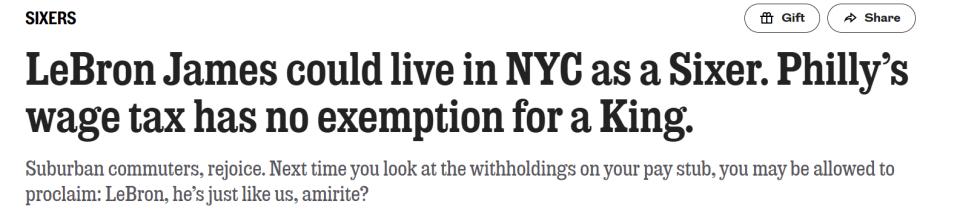
Residents of the Philadelphia suburbs can breathe a sigh of relief. The next time you check your paycheck tax deductions, you can sigh: LeBron, he’s just like us ordinary people, right? In fact, throughout his career, every time James played an away game against the 76ers in Philadelphia, he likely already paid the Philadelphia wage tax.
In this two-year, $8 million contract, how much income is subject to tax depends on how long the No. 23 player stays in Philadelphia, from training camp to the end of the season, and his schedule. The Inquirer breaks it down—
What is the Philadelphia wage tax? Do athletes have to pay it too?
Philadelphia imposes a 3.735% wage tax on all income of residents; non-residents who work in Philadelphia pay a rate of 3.425% on income earned in the city.
The wage tax is one of Philadelphia’s three major revenue sources, alongside property tax and business tax. In recent years, this tax has brought in over $2 billion annually for the city, with one-third coming from out-of-town commuters.
Philadelphia’s income tax rate is among the highest in the nation. In the 1990s, Philadelphia took the lead in implementing policies requiring professional athletes to pay taxes according to the law. Today, major cities generally enforce so-called "jock taxes," which apply to both home and visiting team players. However, in the "City of Brotherly Love," athletes and ordinary residents follow the same wage tax rules.
Which of LeBron's trips count as "workdays" in Philadelphia?
The process of calculating wage tax for commuters is extremely complicated, and the difficulty has increased further since remote work became widespread.
As long as a non-resident arrives in Philadelphia to work, that day is included in the tax calculation.
The core issue for James and other athletes is: Which trips are considered workdays, how many of those days are spent in Philadelphia, and how many are at the 76ers' training facility in Camden?
Stephen Kidd, a tax attorney specializing in professional sports taxation, says: Training, video analysis, rehabilitation therapy, and official games all count as workdays.
"Each of those days is a workday for a professional athlete performing their duties."
A spokesperson for the Philadelphia city government responded: "Philadelphia welcomes LeBron James with open arms," but did not comment further on specific tax guidelines for athletes.
How much wage tax might LeBron have to pay?
If James settles in Philadelphia, the calculation is very straightforward: his annual salary of $4 million is fully subject to the 3.735% rate, amounting to approximately $150,000 in taxes, regardless of his travel schedule.
But if he lives outside the city, the tax amount depends on the actual number of days worked. Without knowing the total workdays in a year and the number of days worked within Philadelphia, it is impossible to estimate the tax precisely.
NBA players' workdays vary widely, depending on training schedules, the length of the playoff run, and additional activities such as commercial promotions. The industry often uses 200 workdays as a reference benchmark.
Assuming he only appears in Philadelphia on the 41 home game days of the 76ers, and that the soon-to-be 42-year-old star plays in all home games, then about 20% of his income would be considered earned in Philadelphia. Under this scenario: Philadelphia would impose a 3.425% non-resident tax rate on 20% of his annual income, estimating a tax of about $28,000.If he misses some home games, the tax amount would decrease; if he participates in additional team activities held in Philadelphia, the tax would increase.
Will taxes affect a player's choice of team?
Professional athletes and their unions closely monitor tax policies in various states and cities and have been actively advocating for their rights in this regard.
The MLB, NHL, and NFL players' unions, together with three former professional athletes, sued Pittsburgh over its 3% jock tax imposed on visiting team players. Last year, the Pennsylvania Supreme Court ruled that the tax was illegal, citing that the non-resident rate was higher than the resident rate, constituting unfair taxation.
Attorney Kidd, who was involved in the state Supreme Court case, said that city and state taxes are a key factor for players when choosing their next team. For example, Florida does not impose a state personal income tax, while California's jock tax can be as high as 13.3%.
"For some athletes at the later stages of their careers, tax differences don’t matter much. But for others, the after-tax income difference between playing for a Florida team and a New York team is huge."
Ed Wasilewski, a Philadelphia-based NFL agent and founder of EMG Sports, said,In free-agent negotiations, tax issues are often brought to the table. The difference between zero tax, the 3.735% Philadelphia resident rate, and California’s maximum 13.3% jock tax can amount to millions of dollars in after-tax income.
"Players must hire professional accountants, lawyers, and agent teams to carefully evaluate the tax impact of their contracts. Taxes absolutely influence contract negotiations, especially during the free agency signing period."
If James chooses to settle in New York and commute by helicopter between the Camden training facility and Philadelphia games, taxes might not be his primary concern. Both New Jersey and New York impose jock taxes, and New York City has also added a vacant home tax on high-end vacation apartments.


Wonderfulshortvideo
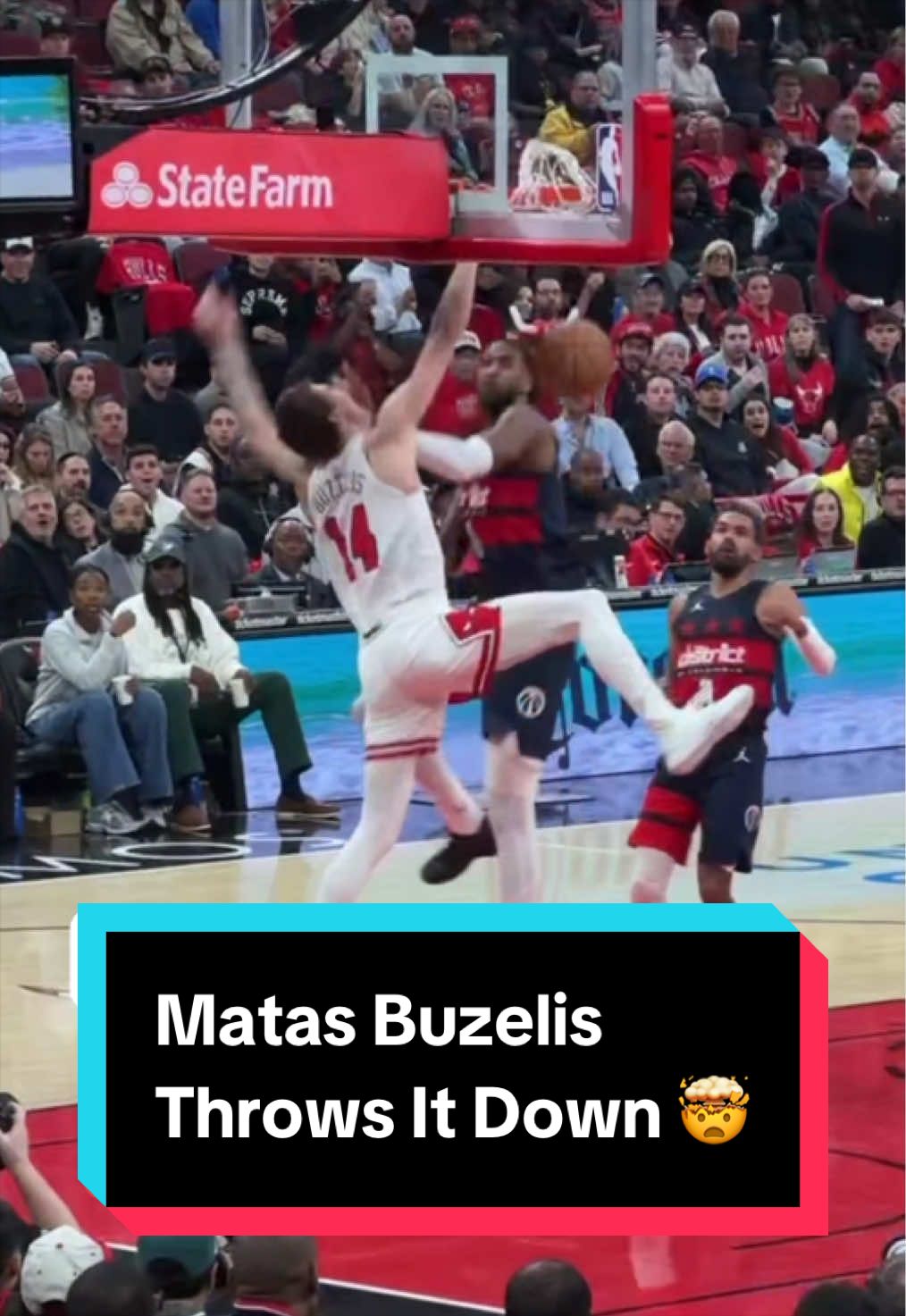
The stare-down too 👀😮💨 He got UP🔥


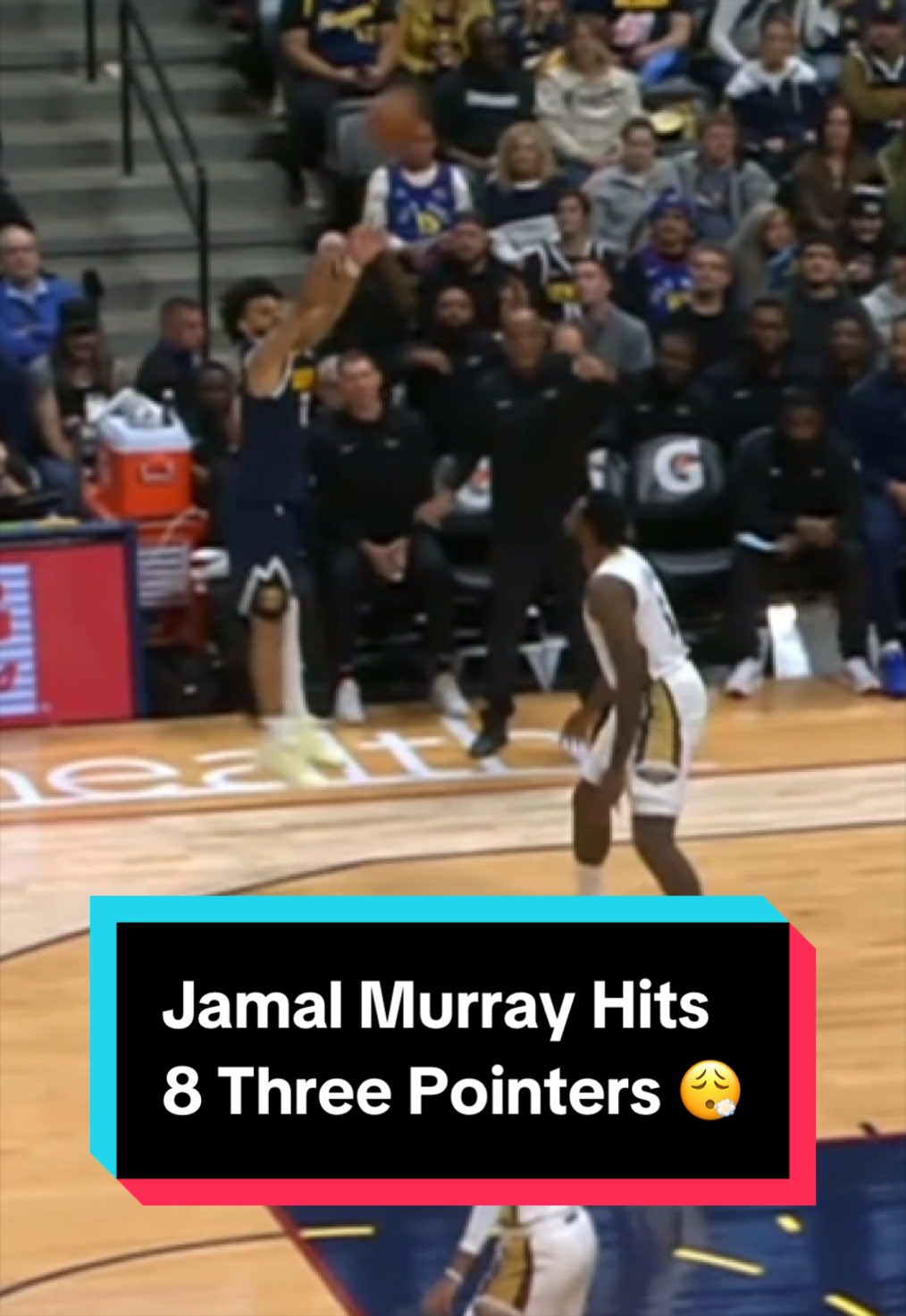
Jamal Murray went CRAZY putting up 42 points in the @Denver Nuggets overtime win! 🔥🙌

Jokić went off tonight 👀🔥

He was going through all the emotions 😭
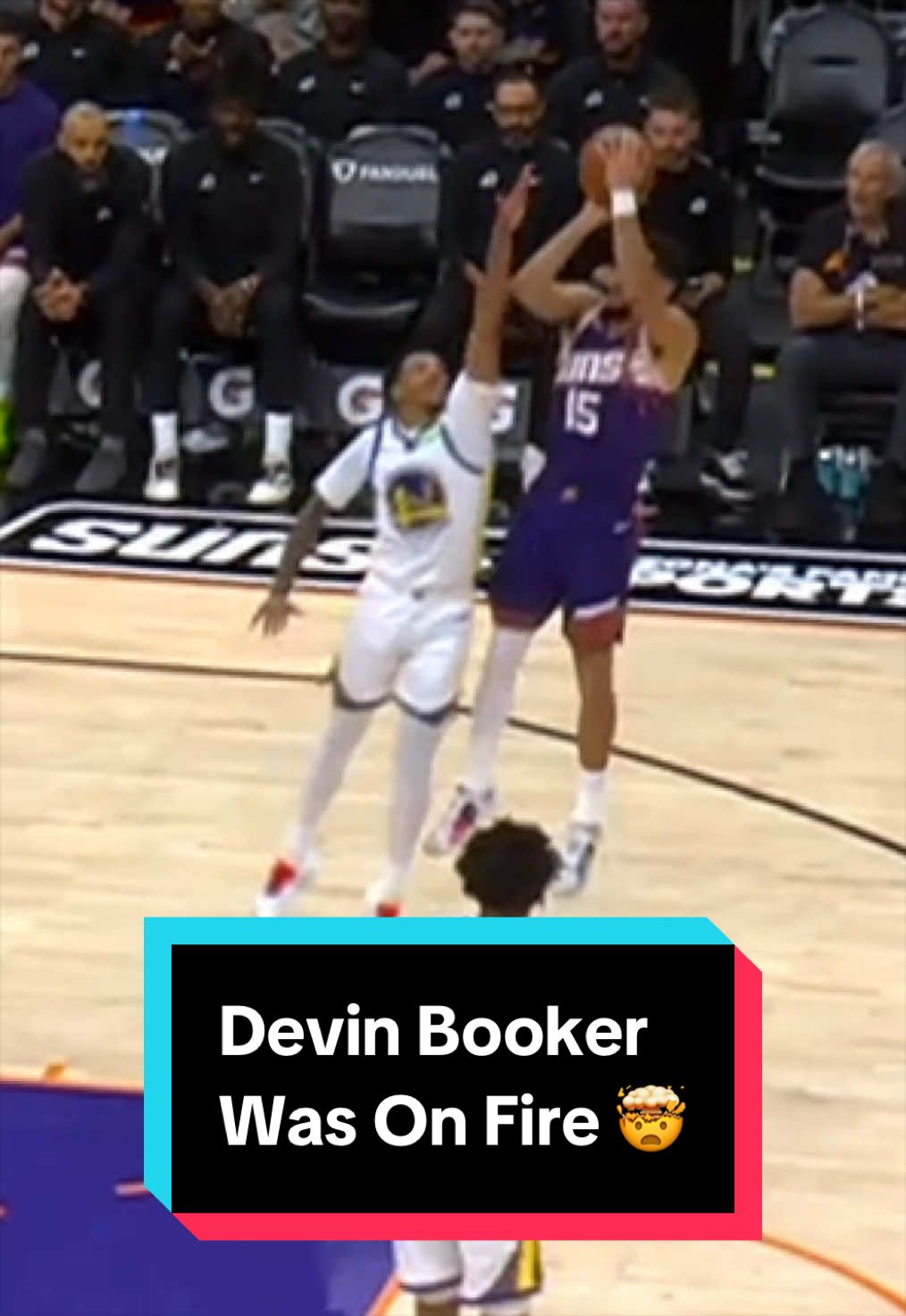
Devin Booker was AUTOMATIC from the floor 🎯🙌
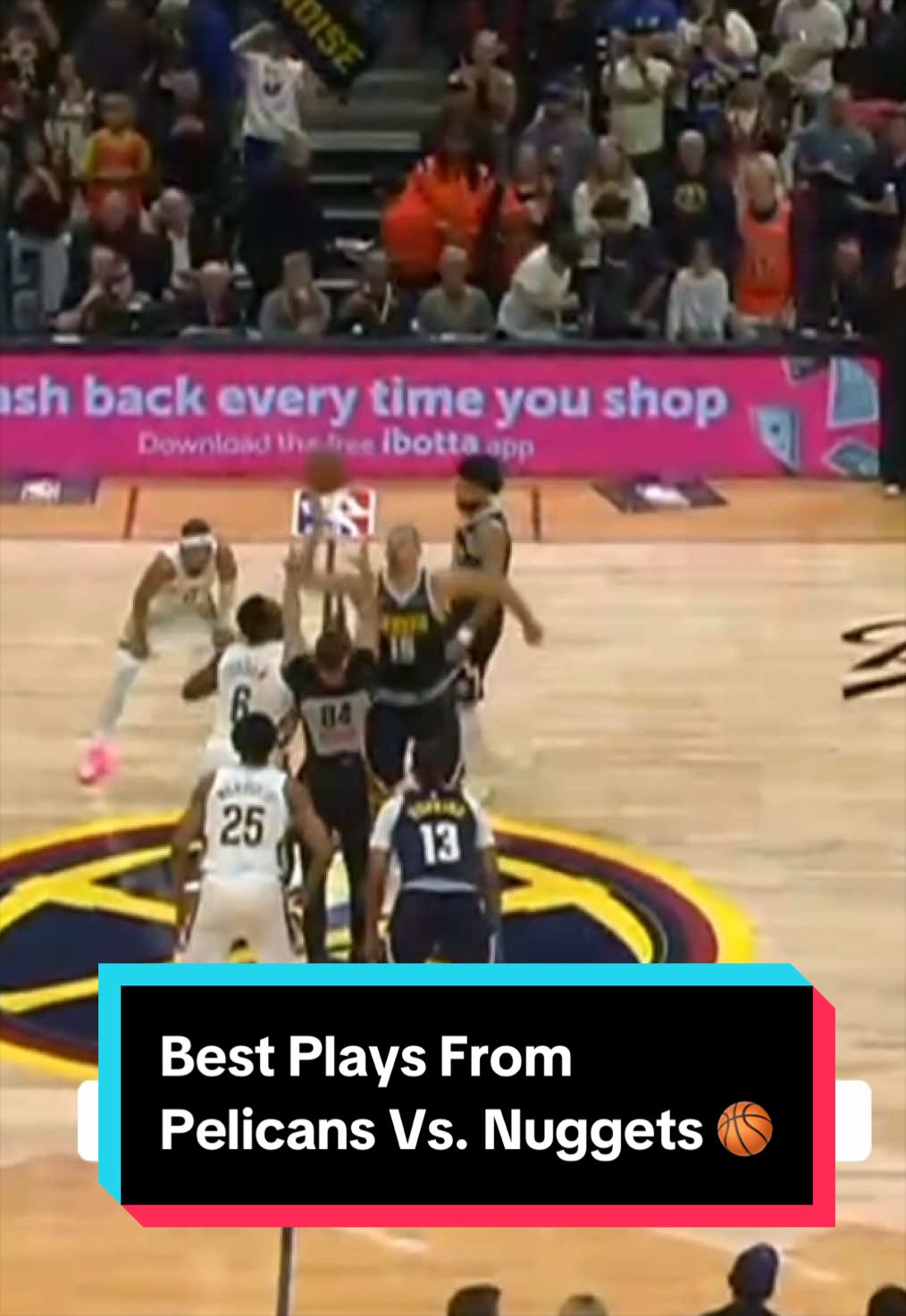
Quick rewind, full recap. Here’s everything from @Pelicansnba vs. @Denver Nuggets matchup ⏪🏀

The @warriors vs. @Phoenix Suns action was nonstop — here’s how it went down. 🏀 Catch the full recap from tonight’s showdown.
 Links
Links
 Contact
 App
App