



Curry still hasn't renewed with the Warriors! A detailed breakdown of multiple contract options: Waiting until next summer to sign could add a no-trade clause



As of September 13 Beijing time, although he is eligible for an extension, Stephen Curry has not yet signed a new deal with the Warriors. Salary cap expert Keith Smith analyzed various contract scenarios for Curry, weighing the pros and cons for Curry, the Warriors, and both parties. The details are as follows—
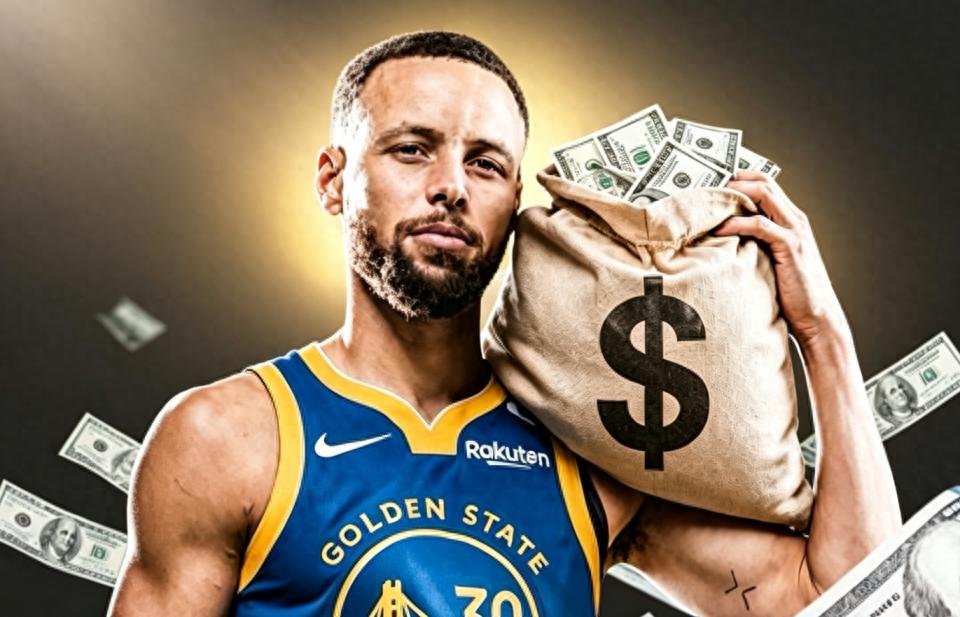
Veteran max salary early extension plan
Due to the 38-year-old rule, Curry's contract can only be a maximum of three years. In theory, a longer term is possible, but the salary would be forced into the early years of the contract, significantly raising the cap hit for those seasons. Simply put, it's almost impossible for Curry to sign a deal exceeding three years.
Since his current contract is nearing its end, Curry's extension window remains open until June 30 of the following year. Unlike many veterans, Curry doesn't have to finalize his extension before the regular season begins; he can wait until the league's annual cycle shifts. Of course, if he intends to extend early, he likely won't wait that long—delaying until the end of June would essentially mean signing an entirely new contract. If he chooses an early extension, Curry will probably seal the deal sooner rather than later.
Curry's salary for this season is $62,587,158. This amount already exceeds the maximum salary standard because each time Curry has extended his contract (after his rookie deal), the raises have consistently outpaced the increase in the salary cap, thus surpassing the growth rate of the max salary.
The starting salary for Curry's early extension can reach up to 105% of his current annual salary. If Curry signs a two-year max extension, the salary structure would be as follows—
2026-27 season: $62,587,158 (current season)
2027-28 season: $65,716,516
2028-29 season: $70,973,837
Total extension portion: $136,690,353 over 2 years
The first year of the extension is 105% of Curry's current annual salary, with a maximum 8% increase from the first to the second year of the extension.
Pros and cons: Curry and the Warriors can settle the matter definitively, avoiding contract uncertainty throughout the season. The team can also plan ahead for the 2027 off-season and beyond, with clarity on Curry's salary framework.
According to current projections, Curry would be the highest-paid player in the NBA for the 2027-28 and 2028-29 seasons. If Curry waits until the summer of 2027 to sign a new contract as a free agent, that title of league's highest salary could extend into the 2029-30 season as well.
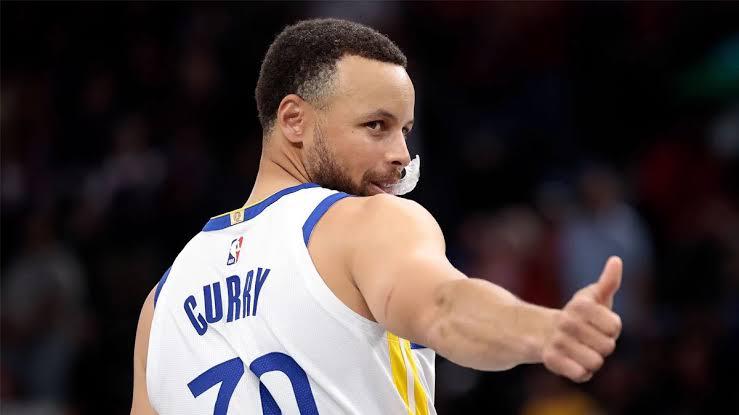
Re-signing with the Warriors as a free agent
As mentioned earlier, Curry hasn't been a free agent since 2017. If he wants to experience free agency for the first time in a decade, the opportunity arises in the summer of 2027. Subject to the same 38-year-old rule, there is no difference in restrictions between an early extension and a new free-agent contract for Curry—both are effectively limited to three years.
If Curry signs a contract in the summer of 2027, the max contract structure would be as follows—
2027-28 season: $65,716,516
2028-29 season: $70,973,837
2029-30 season: $76,231,158
Total contract value: $212,921,511 over 3 years
The numbers are astonishing, both in terms of annual salary and total value. But this is Curry, and this is the Warriors—it's entirely reasonable.
The starting salary of this contract is also 105% of Curry's current annual salary, with an 8% increase each year.
The biggest advantage for Curry in delaying his extension and signing as a free agent is the ability to include a no-trade clause (NTC). That's right, Curry has never had a no-trade clause in his career. The reason: a no-trade clause can only be written into a brand-new contract. Since 2017, all of Curry's deals have been early extensions, so he has never been able to add this provision.
Does Curry really need a no-trade clause? Perhaps not. The Warriors have publicly stated they will never trade him unless he requests it. But in the ever-changing NBA landscape, a no-trade clause would give Curry complete control over his landing spot in the twilight of his career.
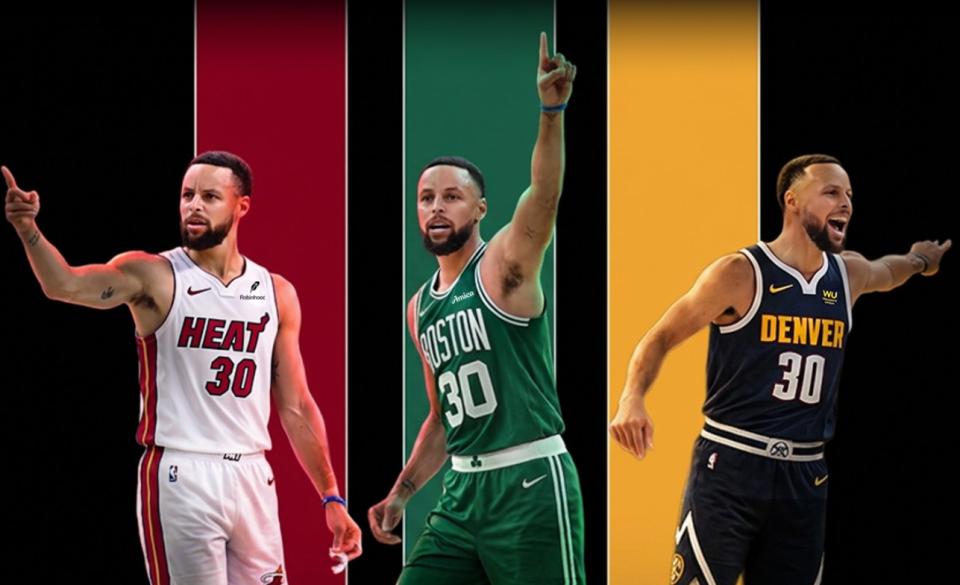
Signing with another team as a free agent
For theoretical reference, if Curry switches to another team, the contract salary would be:
2027-28 season: $65,716,516
2028-29 season: $69,002,342
2029-30 season: $72,288,168
Total contract value: $207,007,026 over 3 years
The first year of the new contract is still 105% of Curry's current annual salary, but the difference is that the annual raise cap for players changing teams is only 5%. If it's a sign-and-trade, the salary would also follow this standard. The 38-year-old rule still applies, limiting the deal to a maximum of three years.
Obviously, the total salary is lower, which is a key reason Curry would almost never choose this path. But the most fundamental obstacle remains the act of leaving the Warriors itself.
Taking a voluntary pay cut to create cap space
Veteran max players hitting the 38-year-old rule is a rare occurrence. Not many players maintain a high level of performance at this age. Previously, stars in similar situations ended up not taking the full max salary.
Chris Paul's extension with the Suns in 2021 was not a max deal, and his contract with the Spurs in 2024 was even lower. Kevin Durant's extension after being traded to the Nets also did not hit the max. LeBron James voluntarily took a pay cut on his final contract with the Lakers to give the team flexibility. James Harden's recent deals with the 76ers, Clippers, and Cavaliers were also not max contracts.
These are all stars from Curry's generation. Aside from Paul, whose performance noticeably declined at the end of his career, Curry's level is similar to the other legendary stars: still elite, but no longer able to carry a team single-handedly.
This is also a reason why a pay cut from Curry would benefit both sides.
Regardless of whether Curry chooses an early extension or a free-agent deal, if he doesn't take a max starting salary above $65 million, the Warriors could free up significant cap space in the 2027 off-season. This team, long accustomed to paying luxury taxes and constrained by the hard cap, could for the first time since signing Kevin Durant have substantial salary cap room.
Assuming the Warriors clear all non-guaranteed contracts and renounce the Bird rights of all pending free agents except restricted free agent Brandin Podziemski, entering the 2027 off-season, the team could have approximately $110.5 million in initial cap space. A portion would be needed to re-sign Curry, but this space would be enough for the Warriors to rebuild the roster around their franchise cornerstone.
For example, if Curry's starting salary for the 2027-28 season is set at $40 million, the Warriors would still have nearly $72 million in cap space remaining (taking into account roster holds, so it's not simply $110.5 million minus $40 million).
According to projections, the maximum salary at 35% of the salary cap for the 2027-28 season would be approximately $60.9 million. At that time, will there be any star worth recruiting with a full max contract in free agency?
Nikola Jokic tops the list. It is widely believed that Jokic will not leave the Nuggets, but if the situation in Denver changes, the Warriors could have an opportunity. Veteran big men like Anthony Davis and Karl-Anthony Towns will also become free agents in 2027.
LeBron James had a chance to join the Warriors this summer, and he will become a free agent again in 2027. Kevin Durant (very low probability), Paul George, and Michael Porter Jr. will also enter free agency. A long list of rotation-level veterans will see their contracts expire that summer.
Cap space can also be used to acquire players via trade, just like in the recent off-season, where many players changed teams through deals.
In simple terms, with over $100 million in cap space, the Warriors could re-sign Curry and then, during the final bright window of his career, recruit strong talents to rebuild the roster around him. LeBron, Durant, and Harden all joined teams with existing cores; Curry and the Warriors would be actively attracting stars to join them.
Short-term pay cut, then recouping salary later
This plan is similar to the pay cut idea above, but with a key difference: Curry sacrifices only one season's salary. In 2028, thanks to Bird rights, the Warriors could push Curry's salary back up to the max level.
Note: Privately agreeing to such a deal in advance would violate NBA rules. After the Clippers' salary cap violation incident, the league has been very strict in scrutinizing such operations. Even without a prior agreement, while the move is technically permissible under the rules, it would look highly suspicious.
How it would work: Curry signs an extension or a new contract with a starting salary around $25 million for the 2027-28 season. The Warriors would then have about $87 million in cap space to strengthen the roster. In the summer of 2028, the Warriors would use Bird rights to sign Curry to a new three-year max deal, estimated to be worth about $207.2 million in total. Curry gives up some income short-term to help the Warriors improve, then signs a big contract a year later to make up for the loss.
The likelihood of this plan is low. If implemented, it would easily trigger a league investigation into cap circumvention, posing a huge risk for both Curry and the Warriors. However, if Curry signs a one-year contract with an unusually low salary for 2027-28, or a two-year deal with a player option, you can think of this scenario.
Conclusion
There are multiple options for the next contract between Stephen Curry and the Golden State Warriors. Of course, the final form of the contract will largely be determined by Curry himself.The most expected path is an early extension rather than waiting for free agency. Most max-contract stars do not test free agency; the attraction of locking in a huge salary immediately is too great.
However, given Curry's age and the recent precedents of his peer stars, it cannot be ruled out that Curry might choose to enter free agency. This would give the Warriors ample time to devise a plan to rebuild the roster around Curry and persuade him. If Curry chooses to take a pay cut to facilitate the Warriors' signing of reinforcements, it would not be surprising. Conversely, if Curry opts for a new free-agent contract, he could sign a three-year max deal worth over $200 million. Either way, once Curry becomes a free agent and signs with the Warriors, he will likely obtain a rare no-trade clause, a contract that guarantees he spends the remainder of his career in the Bay Area.


Wonderfulshortvideo

User ScoreStream has posted a video.



User ScoreStream has posted a video.
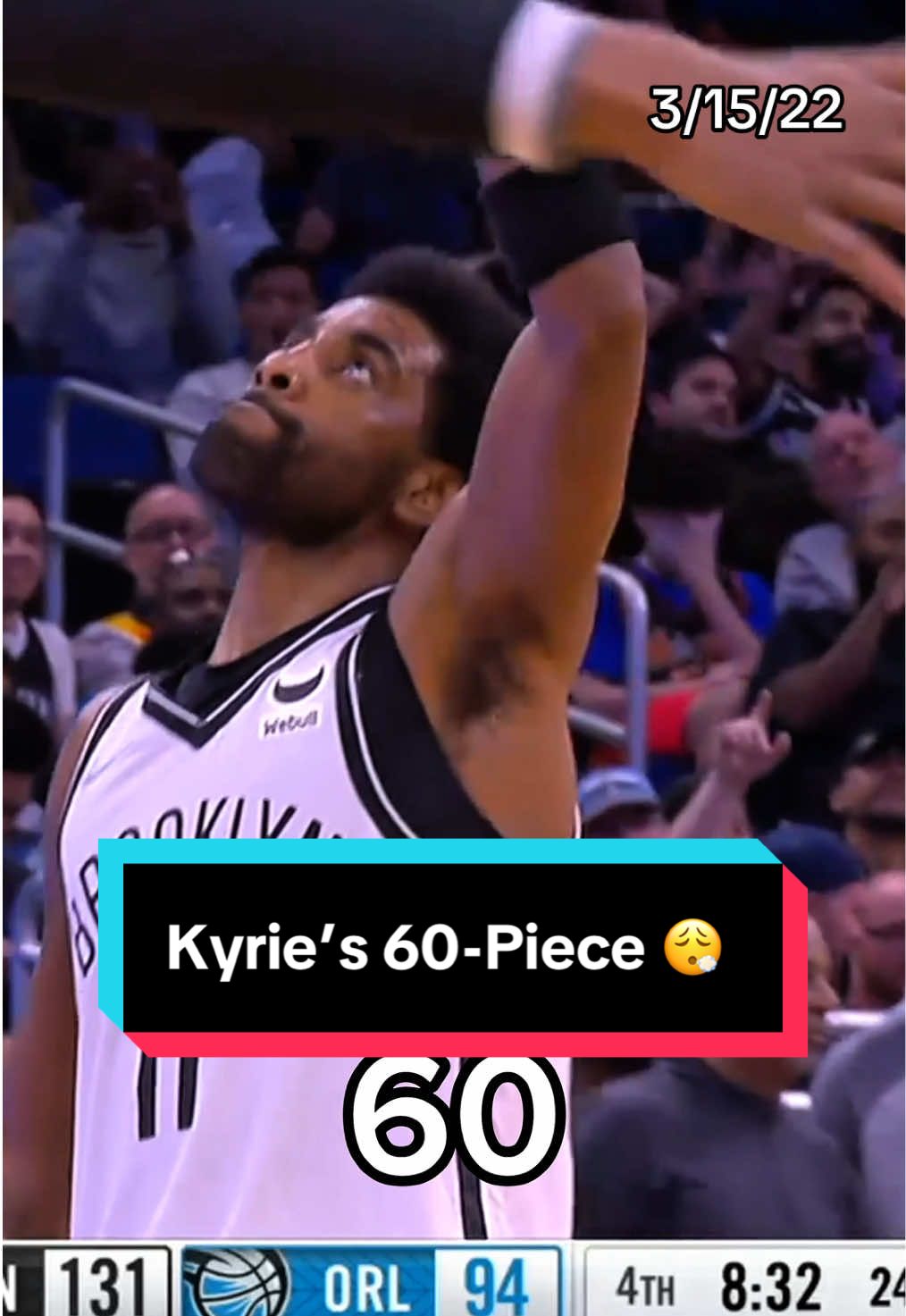
In March of 2022, Kyrie Irving dropped an impressive 60-point career high 🔥
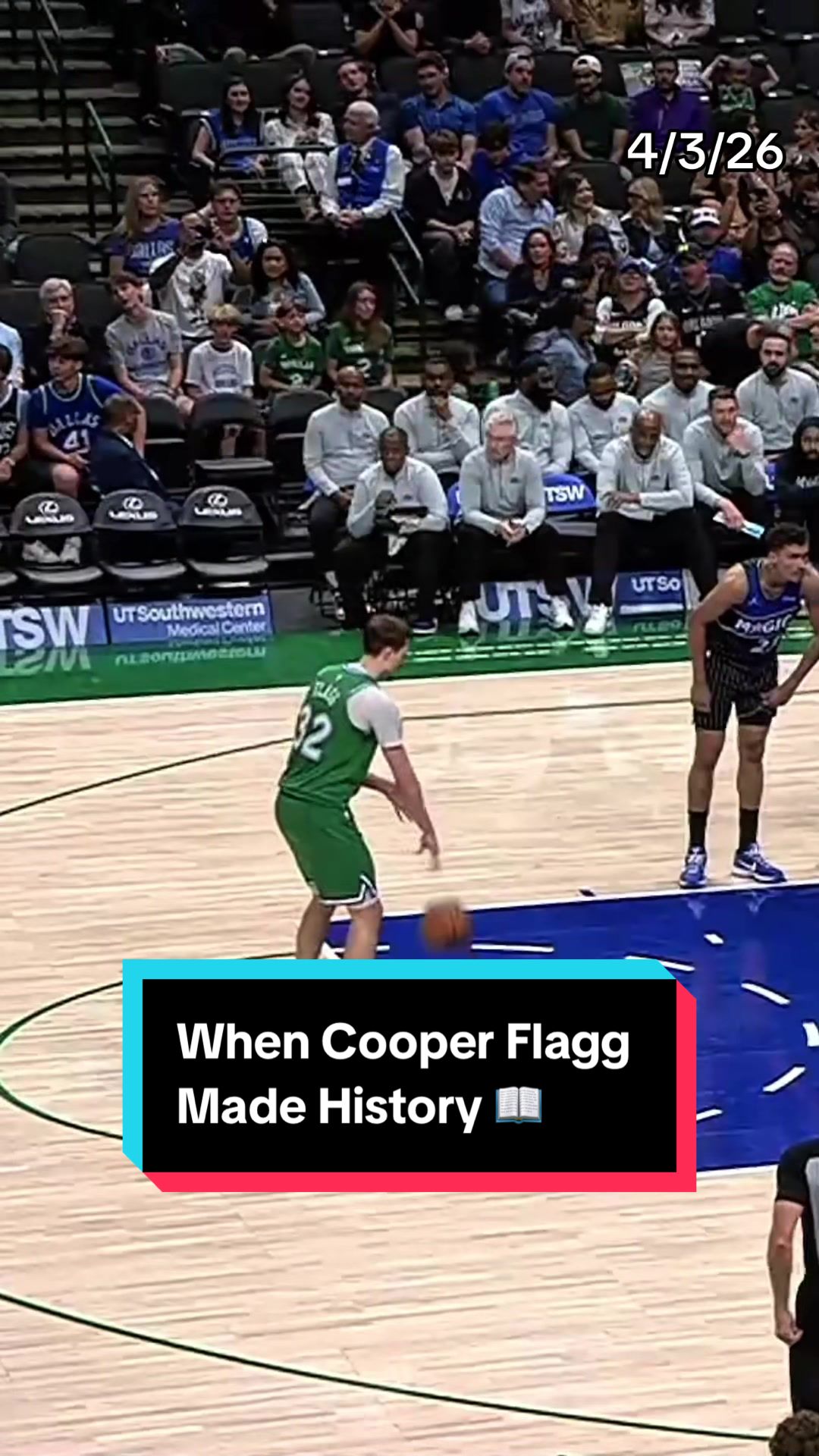
Throwback to the night Cooper Flagg became the youngest player in NBA history to record a 50-point game and the first teenager to reach the threshold 📈🔥

“It’s almost like you’re a performer when you come here…like you’re on stage playing the game of basketball.” 👑🔥 To begin his HISTORIC Year 24, LeBron James opens his Sixers-era at Madison Square Garden 🍿
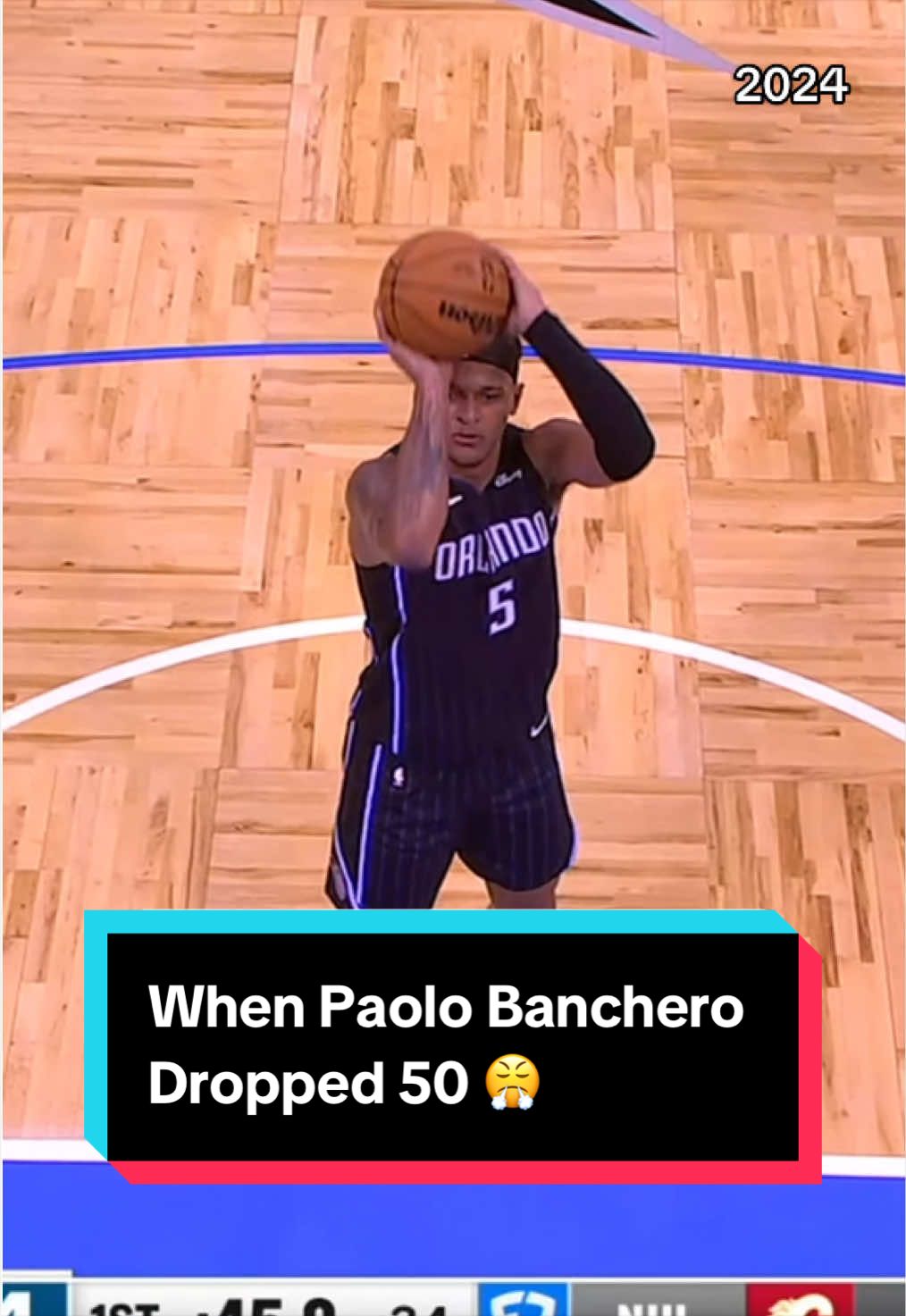
A career-high night for Paolo Banchero with a 50-piece 🔥
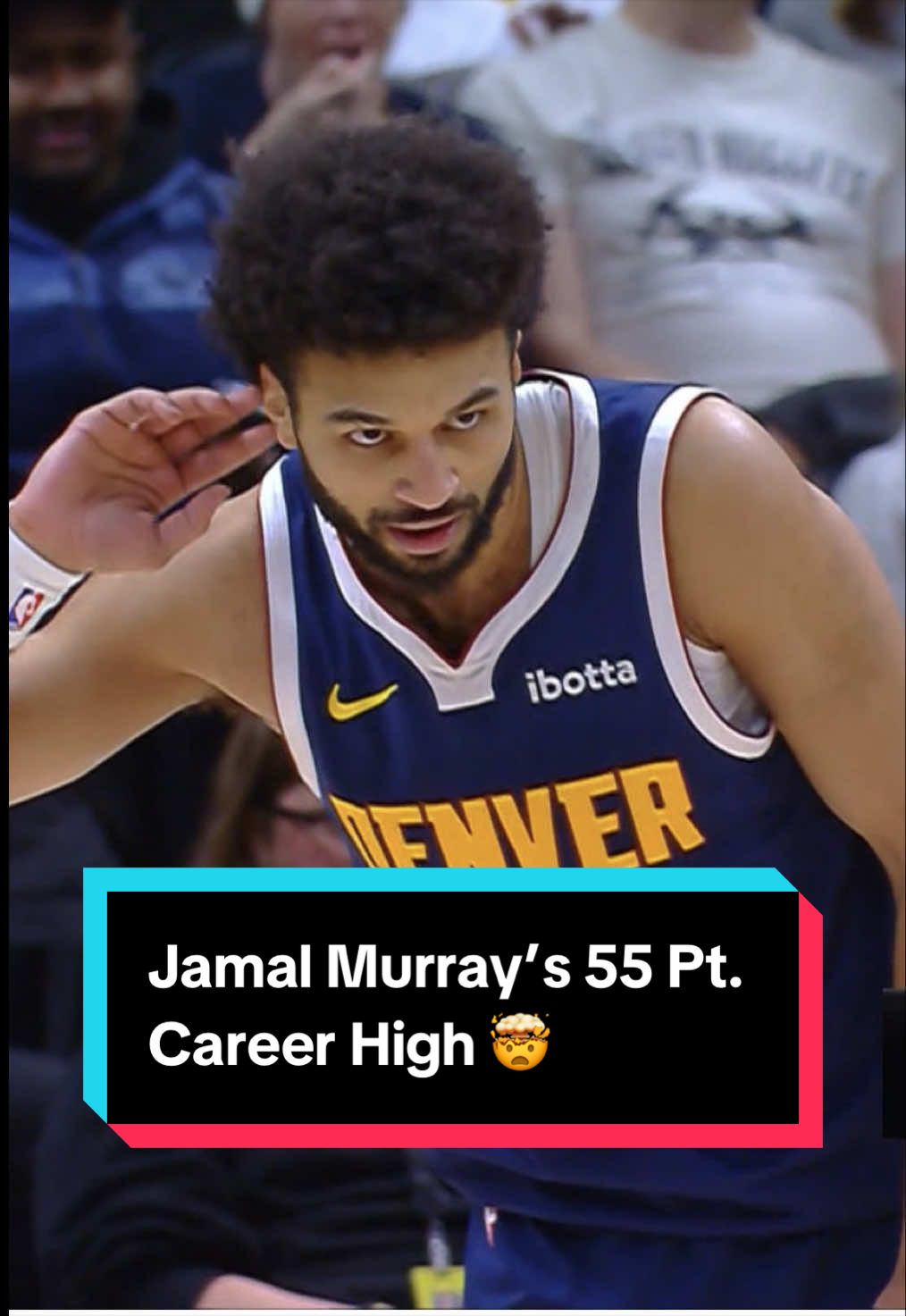
Jamal Murray was letting it fly 🔥🤩 What an exceptional performance finishing the game with 55! 😮💨
 Links
Links
 Contact
 App
App


