



How "small" was the 2024 draft class?


The 2024 draft might be the only one in recent years that everyone knew from the start would be a weak class, and it only got smaller as time went on.
The top pick of this class, Risacher, has been abandoned by the Hawks, who only got Dort and Nembhard in return. It's common knowledge that Risacher was pushed into the No. 1 spot simply because Sarr didn't want to go to Atlanta, and the Hawks honestly didn't pick him.
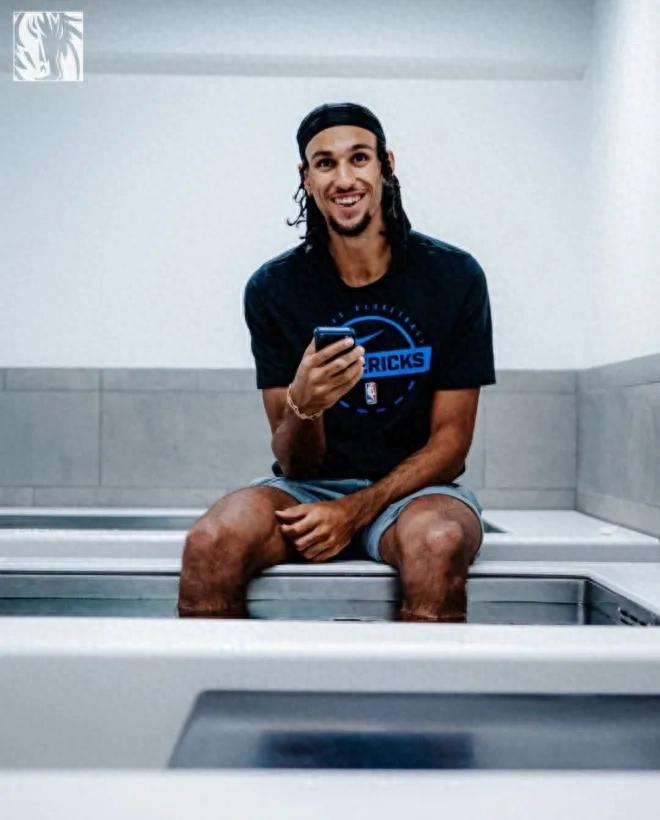
The second pick, Sarr, initially looked like the most talented player in this class, but unfortunately, entering his third season, he is surrounded by Trae Young and Anthony Davis, who are eager to prove themselves, as well as the new No. 1 pick, Dybantsa, who is hungry for opportunities. It's easy to imagine that Sarr's usage won't increase next season; he may even become more of a role player.
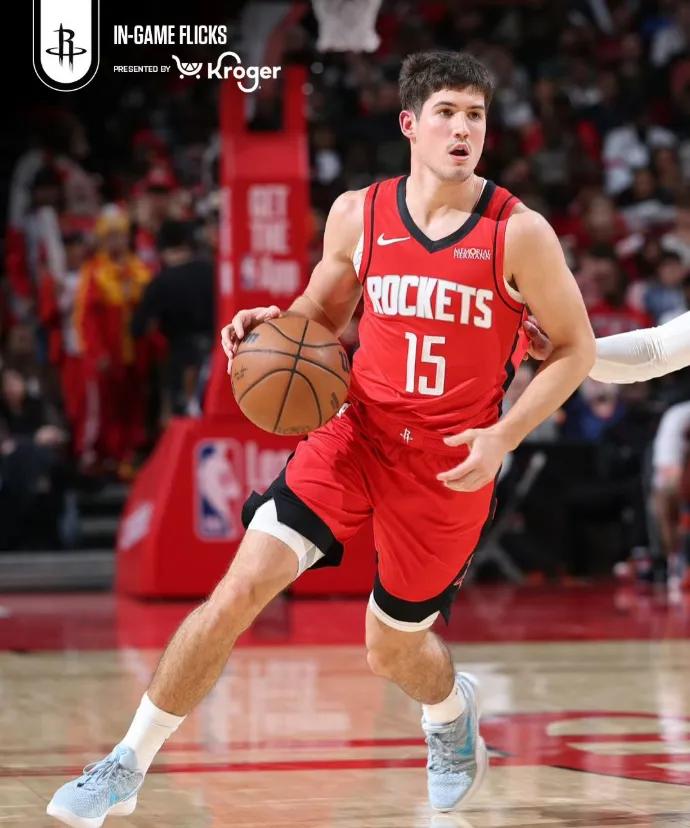
The third pick, Sheppard, didn't get much development time from the Rockets in his rookie season. Last season, VanVleet's injury should have been a golden opportunity for Sheppard, but he still failed to secure the starting point guard role. His stats improved, and his three-point accuracy and volume also increased.
However, in one playoff series, Sheppard's 30.7% field goal percentage and 29.6% three-point percentage exposed him again. Especially the play where James stole the ball from behind, which was a heavy blow for a young player.
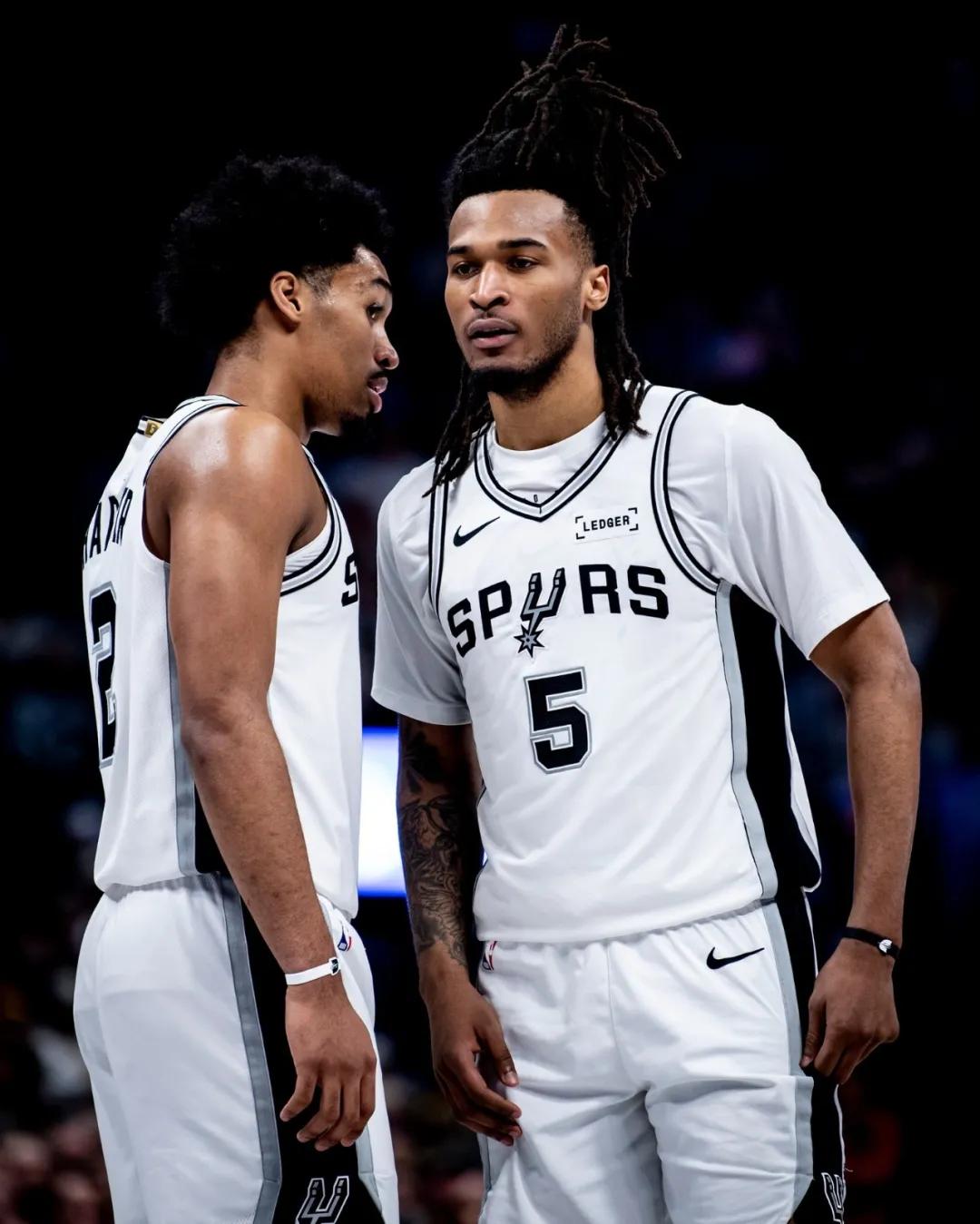
The fourth pick, Castle, is definitely the top player of this class, but the Spurs have a wealth of talent, with Wembanyama ahead and Harper behind. Castle has shown a rising trajectory, but there is still a gap before he becomes a true All-Star level player.
Holland and Salaun are basically half-wasted and have been marginalized by their teams. The seventh pick, Clingan, is a very good blue-collar center, but his ceiling is limited, and his defensive performance often hurts his image.
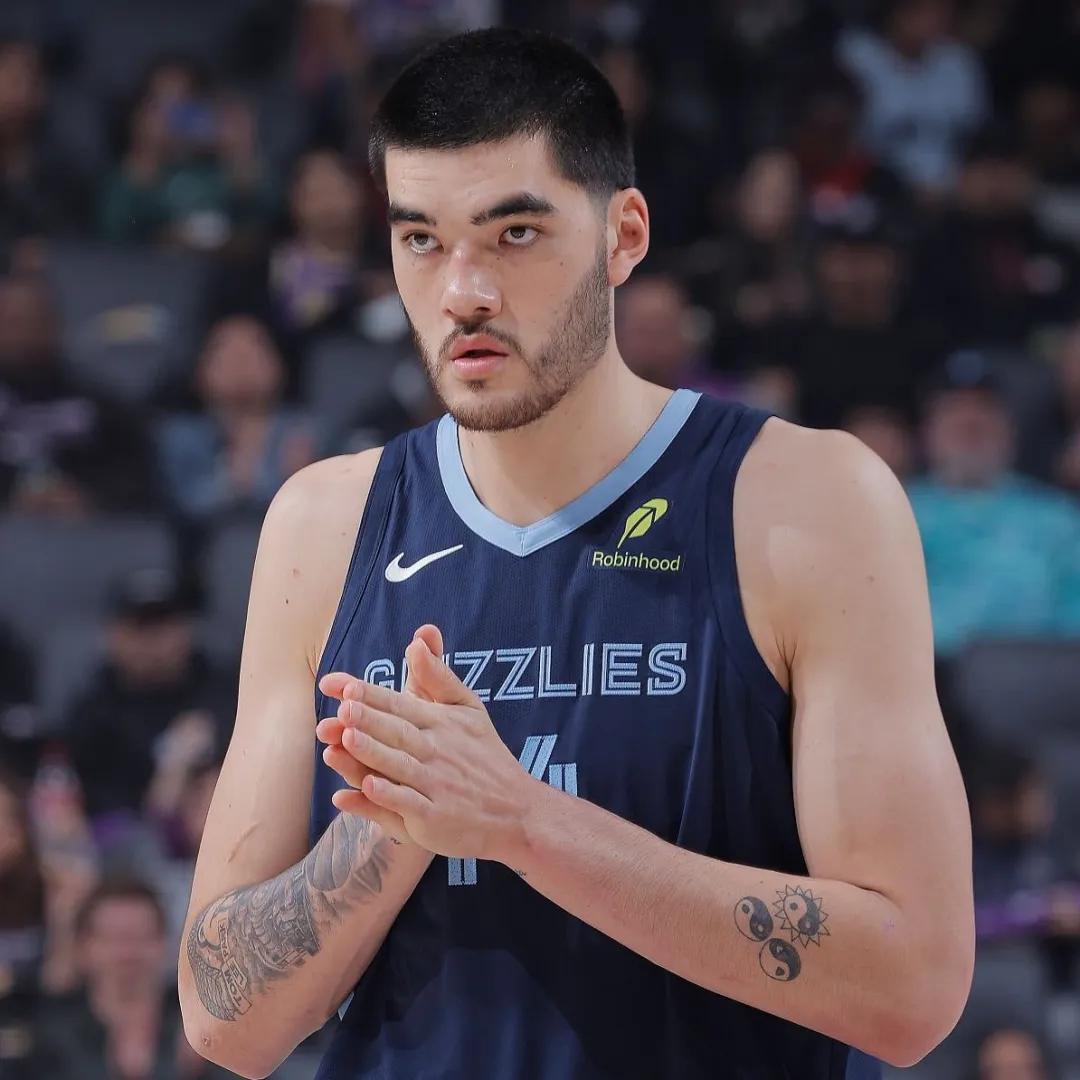
The eighth pick, Dillingham, was given up by the Timberwolves and sent to the Bulls. His future ceiling might be no more than Hyland (Bones Hyland), and the Timberwolves already have a Hyland themselves. The ninth pick, Zach Edey, was projected to go undrafted in 2023 but entered the top ten in 2024, which is quite unreasonable. However, Edey proved he can survive in the NBA, but his ankles are just too fragile.
The tenth pick, Cody Williams, is entering his third year in the league, and his biggest claim to fame is still being J-Dub's little brother. He was traded from the Jazz to the Timberwolves in the offseason, and he remains a fringe player on any team, mainly due to his poor shooting.
The 11th pick, Buzelis, might be the only player in this class who has become the primary core of a team. The Bulls are high on this forward; last season, after receiving a significant increase in usage, he averaged 16.3 points and 5.8 rebounds. He will likely continue to improve next season, but it will still take some time before he truly breaks out.
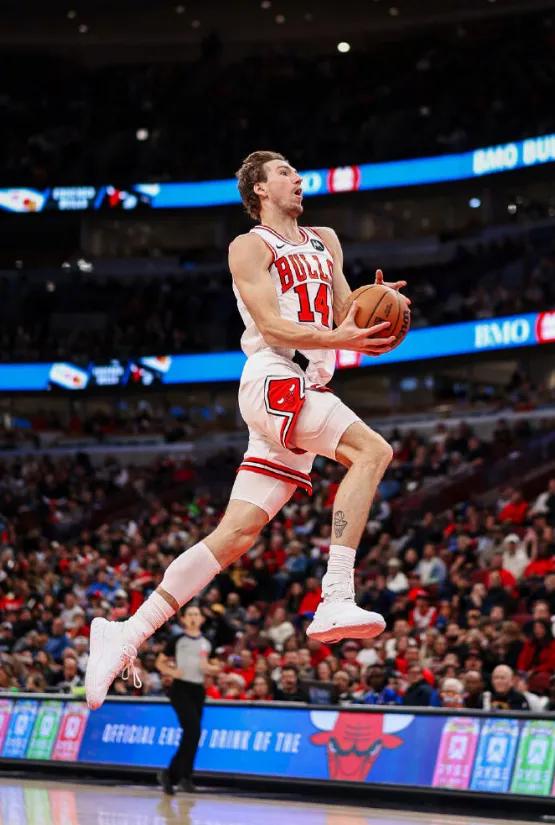
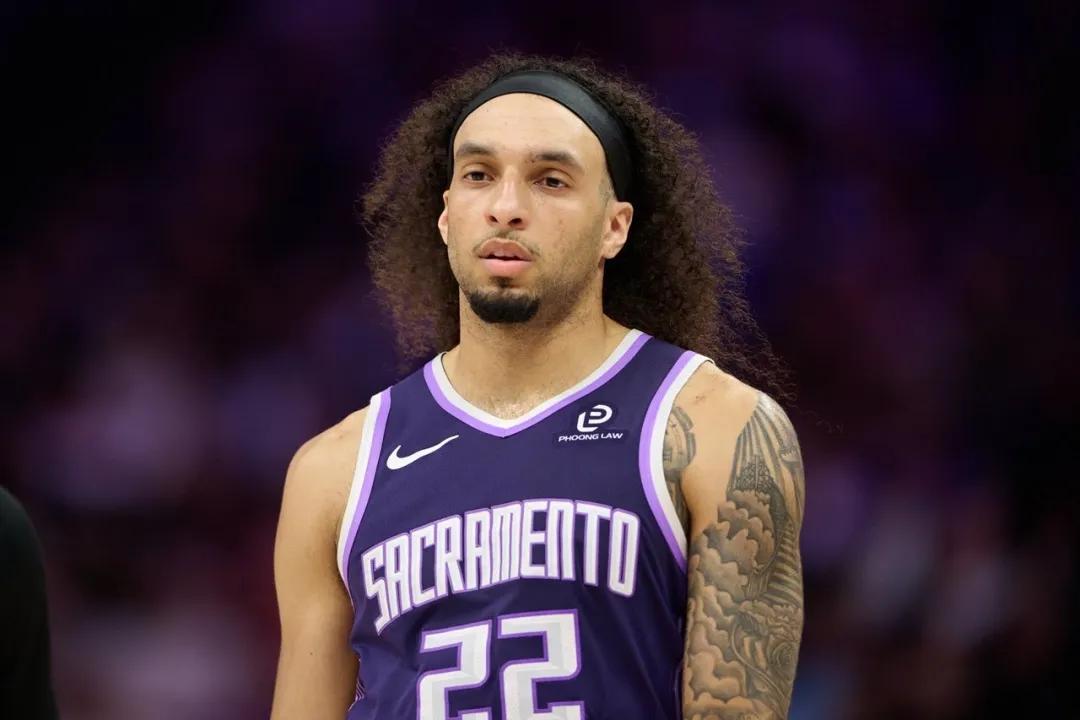
The 12th pick, Topic, has been unlucky; hopefully he can stay healthy enough to finish his rookie contract. The 13th pick, Devin Carter, is another masterpiece of the Kings' front office—they drafted him but didn't develop him properly. Of course, Carter's own ability is not lottery-level. He's an undersized guard with poor ball-handling and even lacks a jumpshot.
Devin Carter improved his draft stock through an impressive combine performance, but he barely played in two seasons with the Kings. In the offseason, the Kings sent him to the Hawks, even needing to attach a second-round pick. The Hawks waived Carter yesterday, making him the first lottery pick from the 2024 class to be cut. It's quite rare for a lottery pick to be waived after just two years.
Behind Carter, Carrington hasn't had many chances to shine with the Wizards. Ware, after being traded to the Bucks, could see a breakout in stats, especially if the Bucks trade Turner. It's clear that they believe in Ware's potential.
McCain is playing well with the Thunder, but his ceiling is just a decent sixth man. Knecht has fallen off; he was the one most affected by the failed trade back then. Da Silva can have a long NBA career, but he won't become a star. The 23rd pick, AJ Johnson, has been traded four times in two years and is probably on the verge of being out of the league.
Among the second-round picks, the notable ones are Filipowski, Mitchell from the Thunder, Shead from the Raptors, Larsson from the Heat, Post (who signed a nice contract with the Grizzlies this year), and the 55th pick, Bronny.
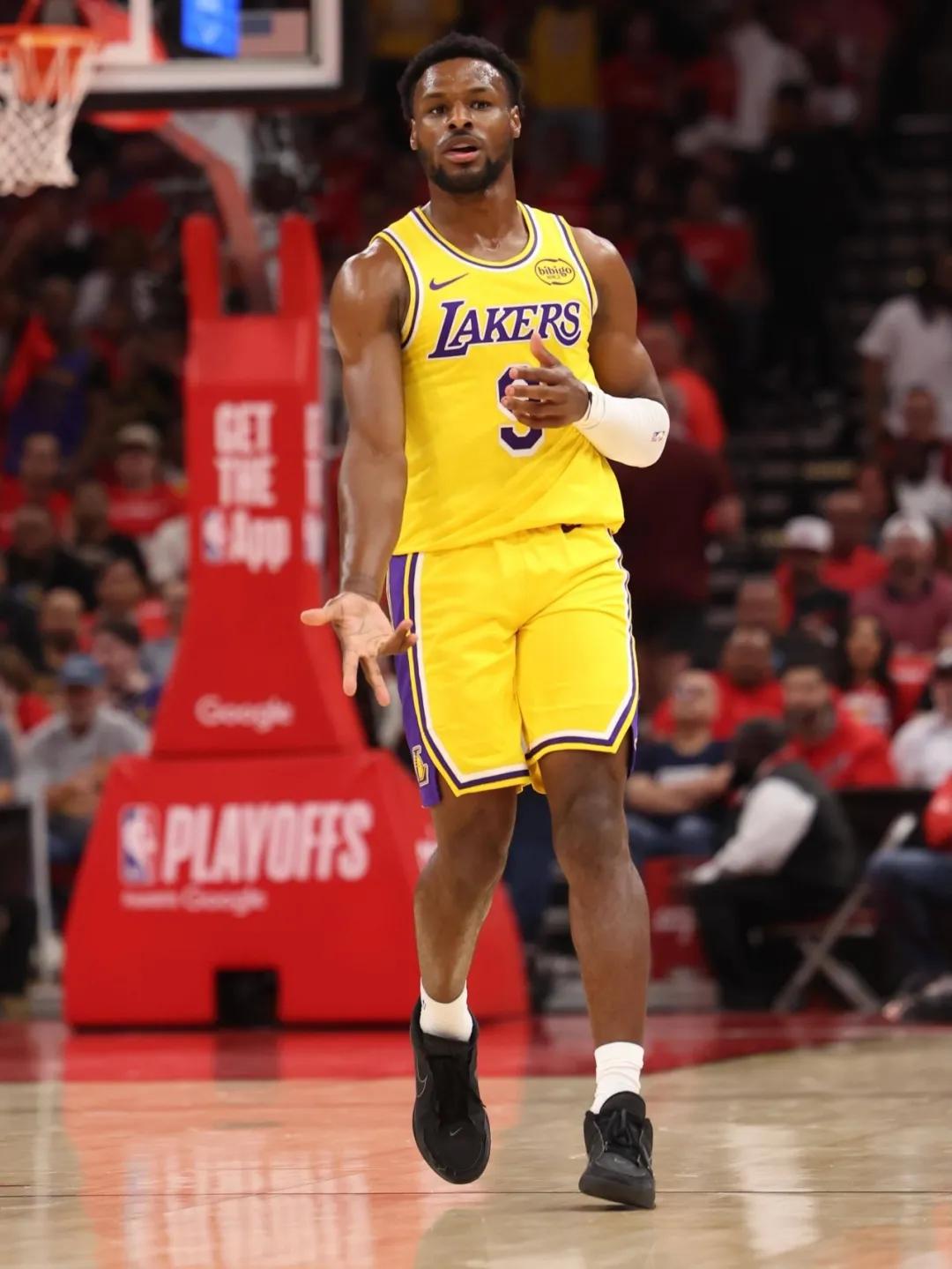
Looking back two years later, the 55th pick, Bronny, is better than many of those drafted ahead of him. This draft class is really boring, which explains why Bronny dominated all the headlines at the time, overshadowing all the first-round picks.
This draft class lacks both top young talent with potential and sufficient ready-to-play contributors; it's severely lacking in star power, and there aren't even many standout role players. It may not be the worst draft class in history, but it's close.


Wonderfulshortvideo
User ScoreStream has posted a video.


User ScoreStream has posted a video.
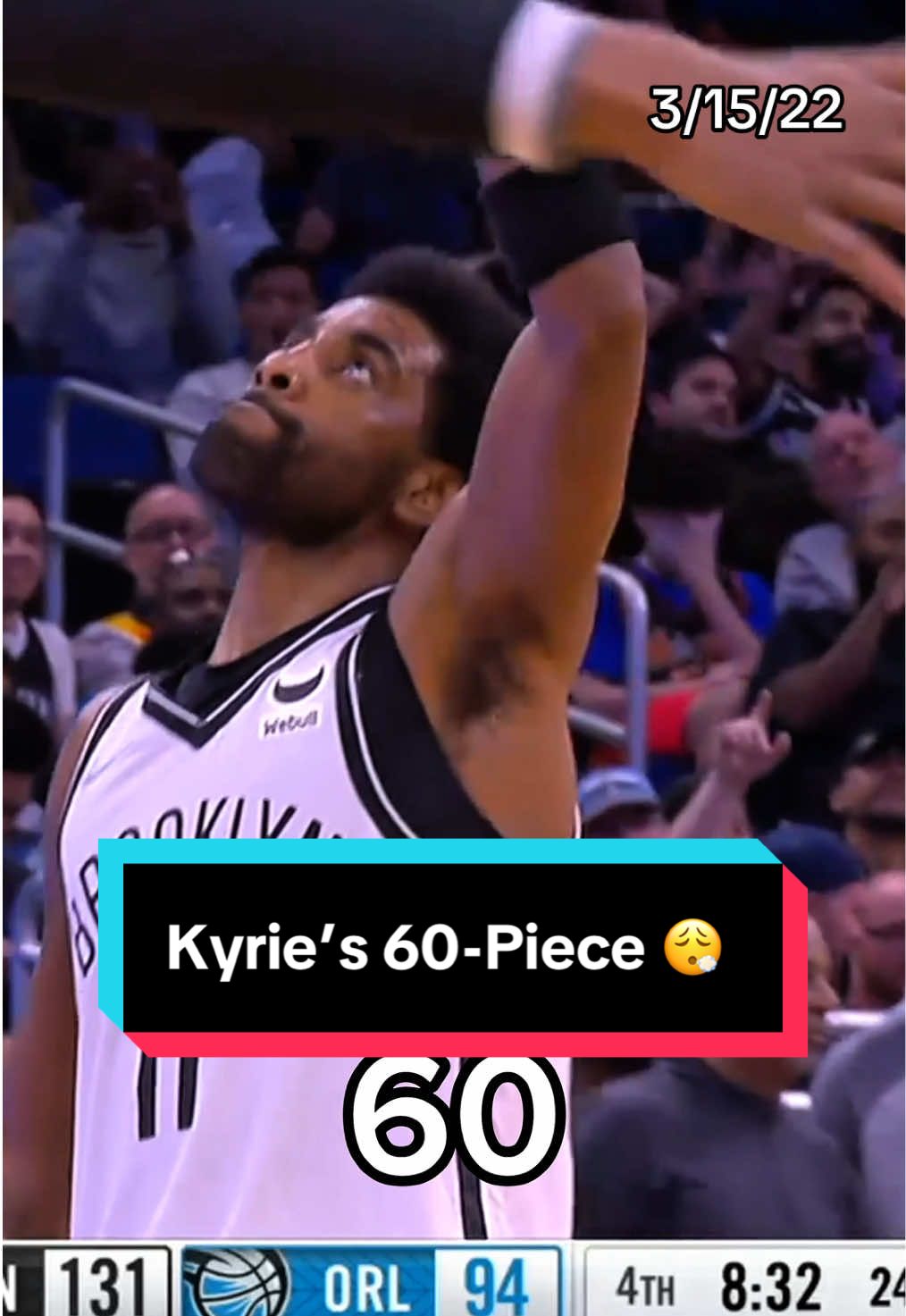
In March of 2022, Kyrie Irving dropped an impressive 60-point career high 🔥
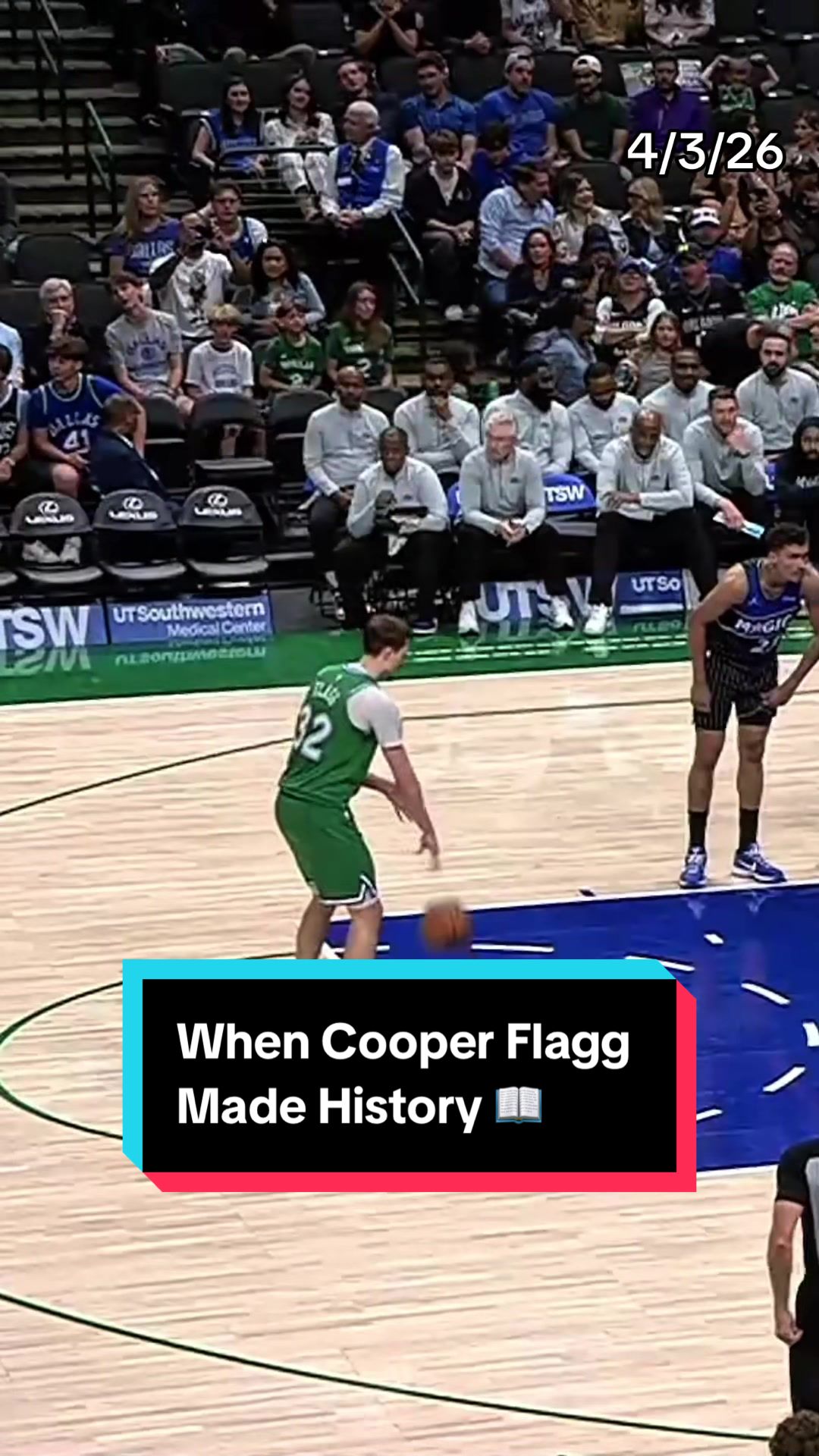
Throwback to the night Cooper Flagg became the youngest player in NBA history to record a 50-point game and the first teenager to reach the threshold 📈🔥
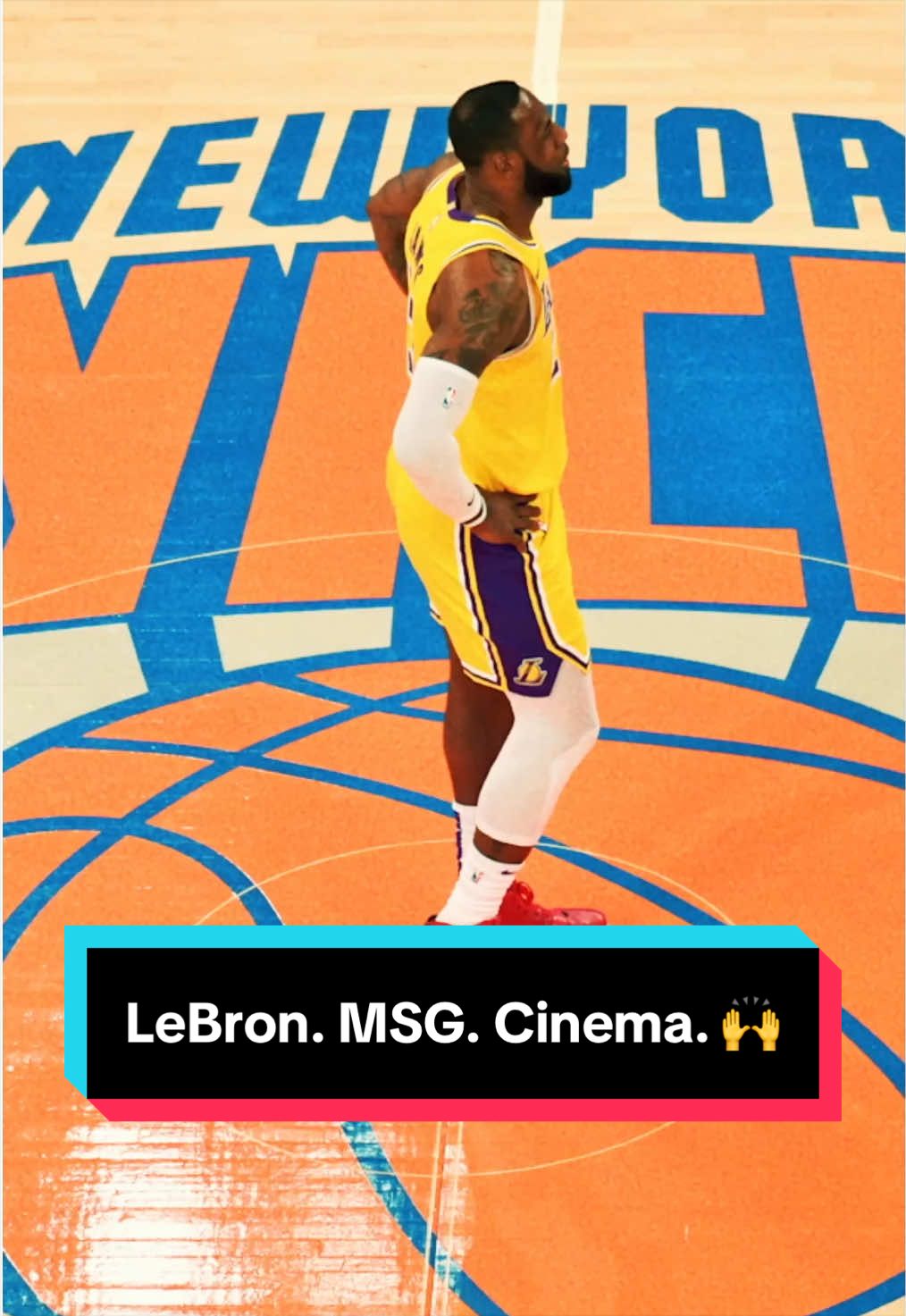
“It’s almost like you’re a performer when you come here…like you’re on stage playing the game of basketball.” 👑🔥 To begin his HISTORIC Year 24, LeBron James opens his Sixers-era at Madison Square Garden 🍿
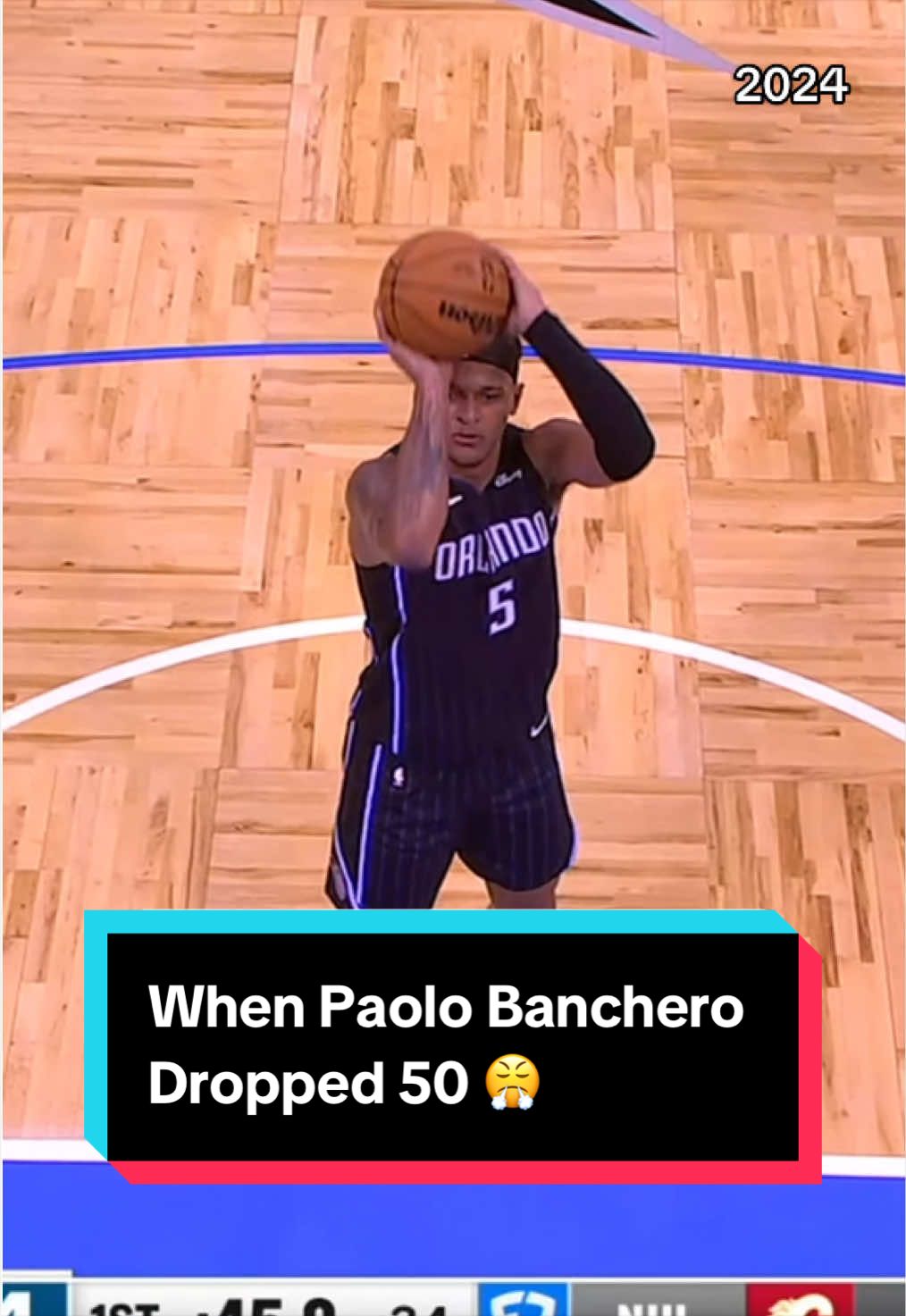
A career-high night for Paolo Banchero with a 50-piece 🔥
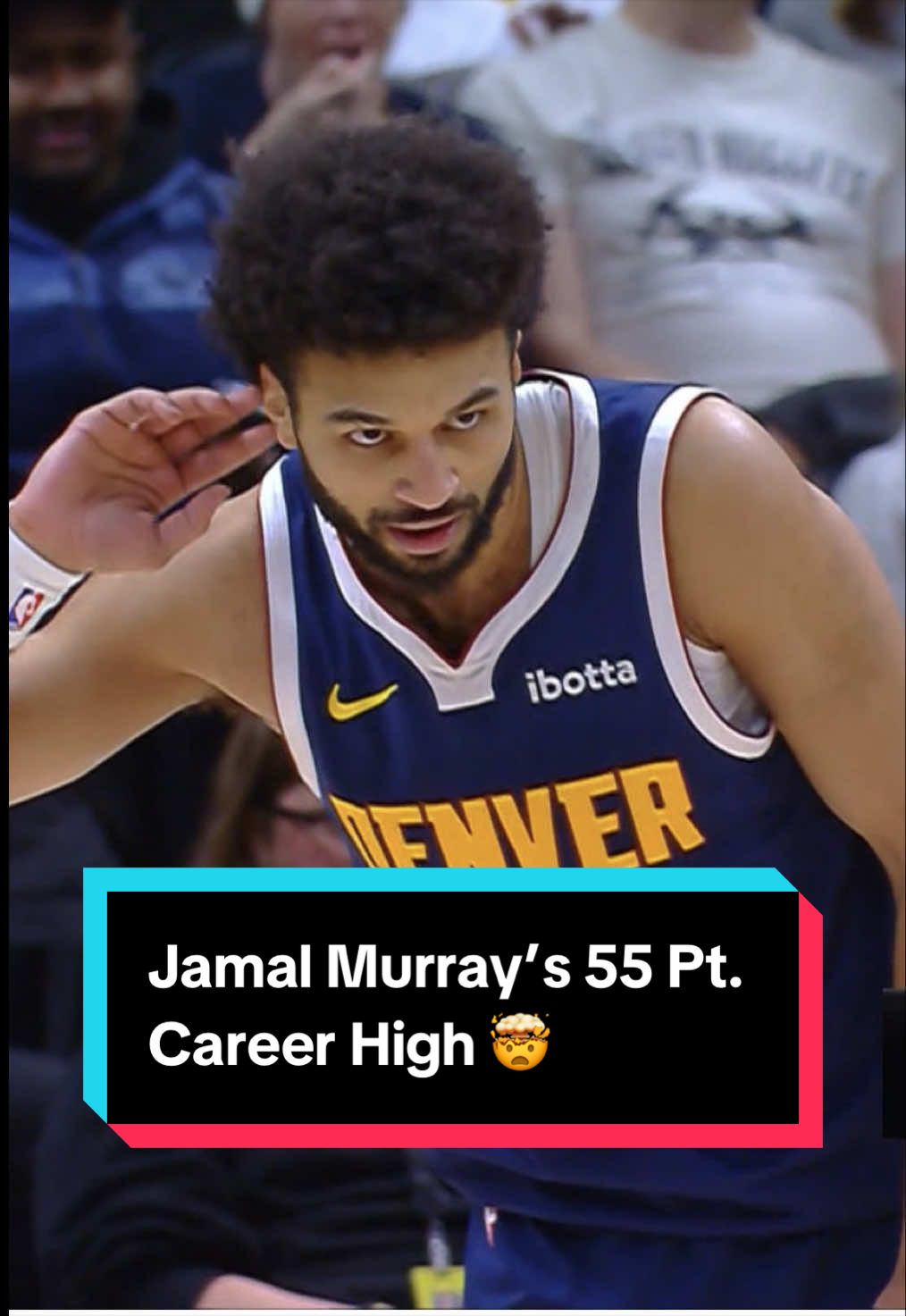
Jamal Murray was letting it fly 🔥🤩 What an exceptional performance finishing the game with 55! 😮💨
 Links
Links
 Contact
 App
App


