



Faker draws attention with his statement about the number one status: "The past does not determine the present"



Although Faker has a trophy case that would make most LoL players envious, he doesn't think he's permanently the world's top player. According to the T1 leader, past victories are just history, while present performance is what really counts.
Faker does not claim to always be number one
In a recent interview with Marie Claire Korea, Faker was asked about being frequently considered the best mid laner, even the greatest LoL player in the world.
The star's answer T1 quickly attracted attention. Faker acknowledged that his achievements and championships have earned him high praise, but that does not mean the number one position is maintained forever.
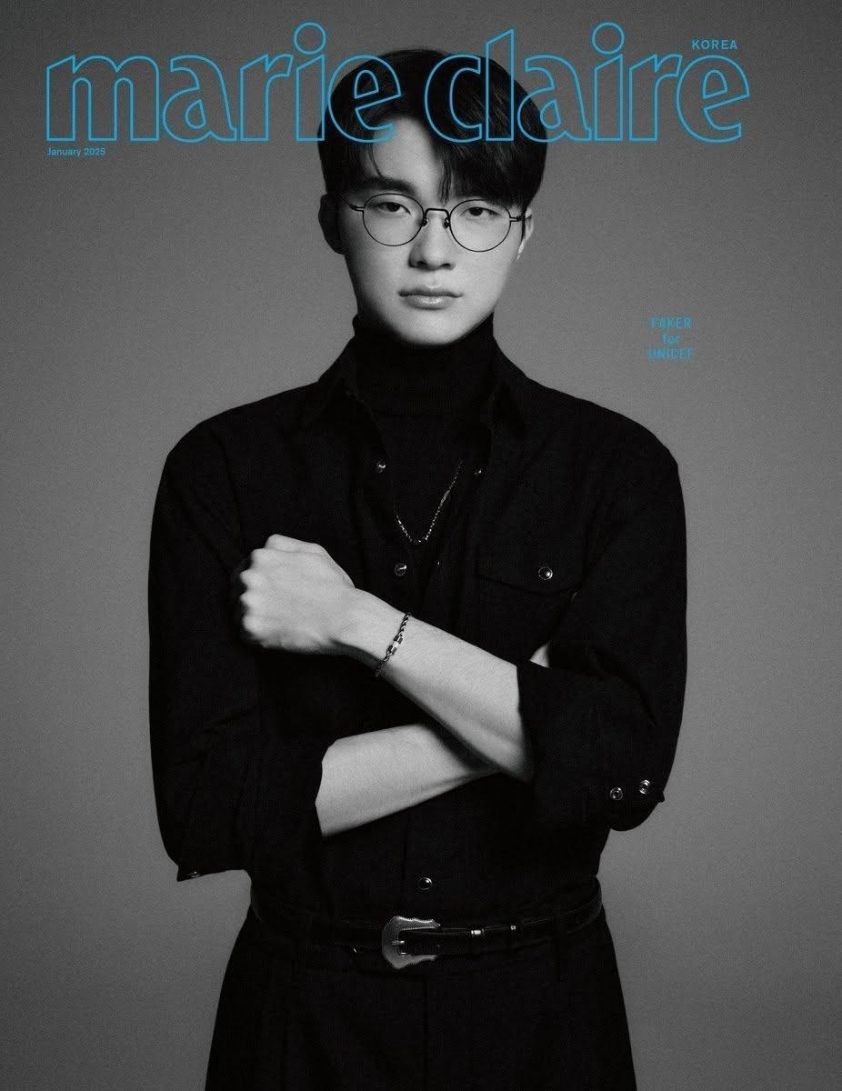
"I don't think I'm always in that position," Faker shared. According to the player born in 1996, even a championship won just a few months ago has already become a thing of the past. What he cares more about is how well he can perform in his current state.
Winning and losing depend not only on skill
Faker also offered a notable perspective on success in professional League of Legends. In his view, victory is not entirely determined by individual skill.
League of Legends is a team game, so a single player performing excellently is not enough to guarantee victory. Instead of focusing too much on the title of "the best," Faker wants to improve preparation, analyze mistakes, and increase the team's chances of winning.
This is also how Faker perceives losses. After each defeat, T1 often reviews the match, while he himself tries to find even small mistakes that viewers might not notice when watching live.
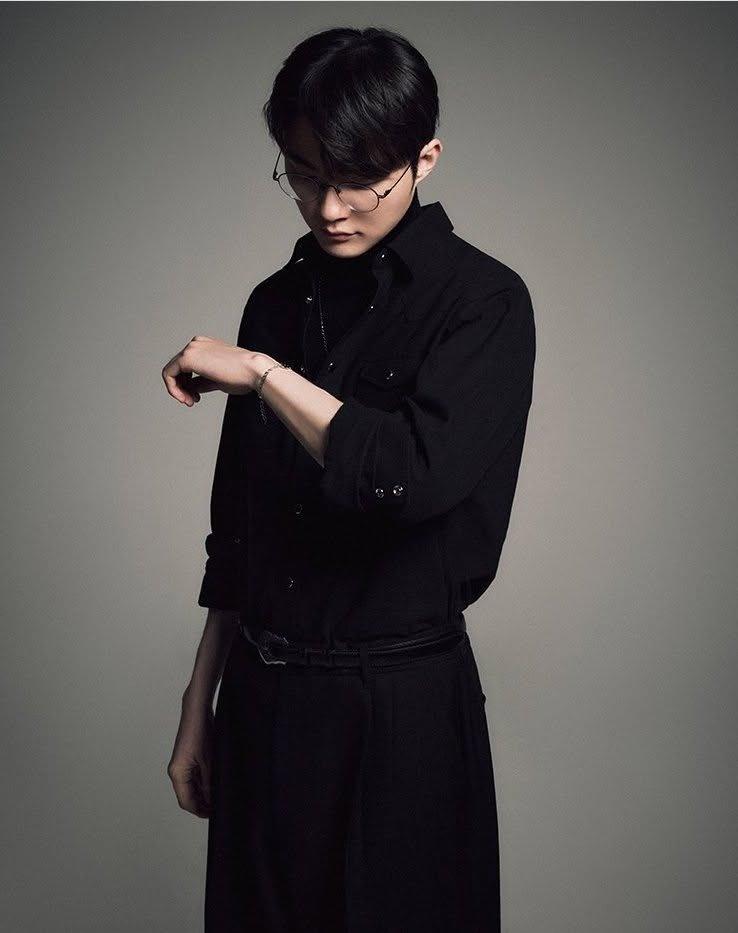
Faker no longer worries about age issues
Another notable share concerns career longevity. Faker revealed around 2018, he used to worry that he would decline when entering his late 20s, as this was a common belief among professional players.
However, that thinking has now changed. Faker believes that age may not be the direct cause of declining performance. What might be more frightening is the feeling of boredom and stagnation after a long period of repeating the same work.

Therefore, even after more than a decade of professional play, the T1 captain still aims to learn every day. For Faker, past legacy may make him an icon, but it is not a reason to stop competing in the present.


Wonderfulshortvideo
User FieldFrenzy has posted a video.



User pandatv has posted a video.

User PlaymakerHub has posted a video.

User PANDATV has posted a video.

User SportScoop has posted a video.

User TrophyTracker has posted a video.

User PANDATV has posted a video.
 Links
Links
 Contact
 App
App