



Breaking: FIFA will not ban Israel from the World Cup



Under pressure from many European football associations, FIFA reaffirmed that Israel remains eligible to compete in the 2026 World Cup qualifiers, highlighting football’s role in fostering unity and peace.
Amid escalating political tensions, FIFA made a significant decision regarding the future of the Israeli national team. At the FIFA Council meeting held on October 2 in Zurich, Switzerland, President Gianni Infantino declared that the organization will neither suspend nor ban Israel from international competitions, including the qualifiers for the 2026 World Cup.
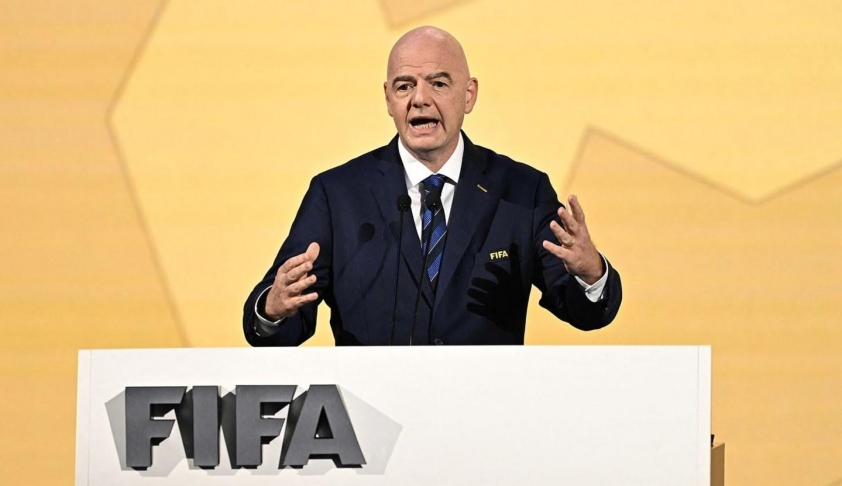
President Infantino emphasized: “FIFA cannot resolve geopolitical issues, but it can and must advance football worldwide by harnessing values of unity, education, culture, and humanitarianism.” According to the official statement, FIFA believes that upholding “peace and unity” is essential amid the tensions in Gaza.
This decision comes as several European football federations have pressured to exclude Israel from international tournaments. The Turkish Football Federation publicly called on UEFA and FIFA to expel Israel. Before the meeting, Norway also urged UEFA to hold a vote on the matter. However, that proposal did not materialize, as FIFA firmly maintained that football should not be influenced by politics.
The crucial meeting in Zurich included influential figures such as Aleksander Ceferin - UEFA President, Nasser al-Khelaifi - PSG President and Qatari government official, and Jibril Rajoub - President of the Palestinian Football Association. Their presence underscored the significance of the debate.
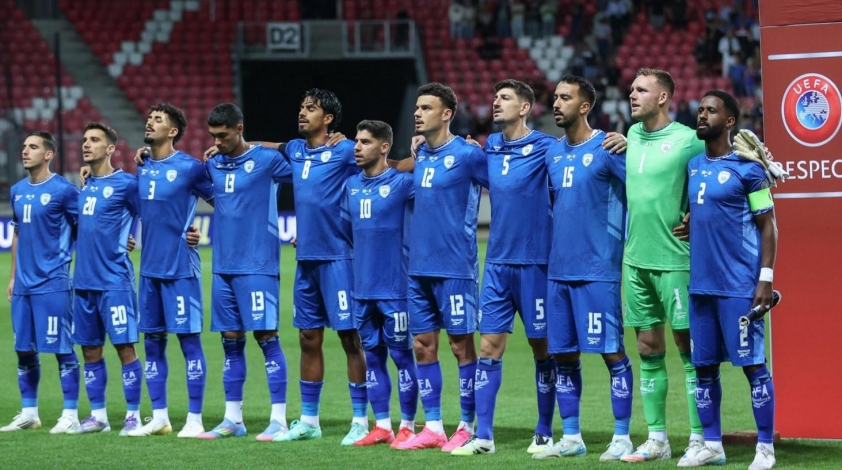
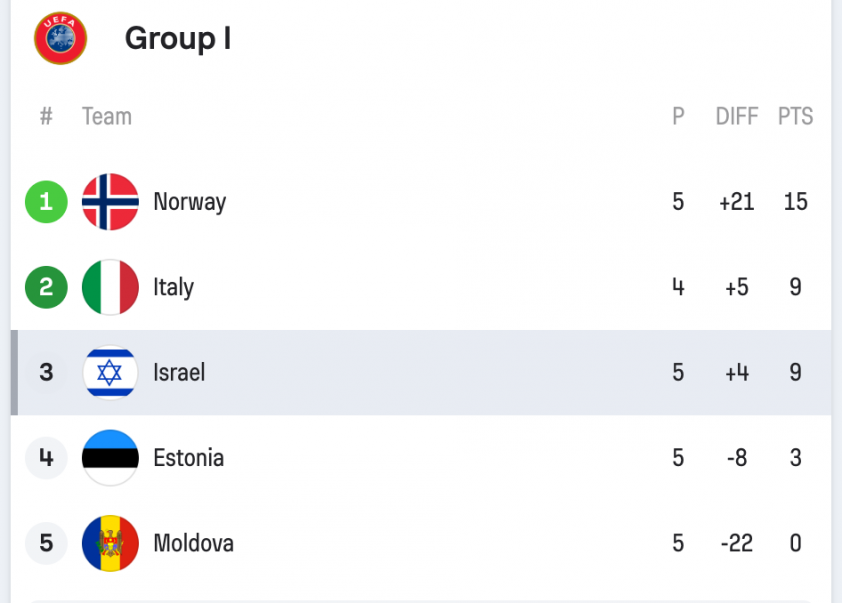
Israel currently competes under UEFA’s jurisdiction instead of the AFC and ranks third in Group I of the 2026 World Cup European qualifiers, just behind Italy on goal difference. The team is set to continue its campaign with an away match against Norway in Oslo on October 11, followed by a game against Italy in Udine three days later. These matches are expected to be highly pressured, both competitively and psychologically, as Israel becomes the center of public attention.
Previously, the possibility of banning Israel was considered “likely” if UEFA voted according to Norway’s proposal. Some sources from AP indicated that the vote might have passed despite opposition from Israel and Germany. However, FIFA and President Infantino, who have close ties with the US government ahead of the 2022 World Cup, rejected this prospect.
Although FIFA maintains its stance of “keeping politics out of football,” the decision not to ban Israel remains controversial. For Palestinians and opposing federations, this move could be seen as ignoring the conflict’s realities. Nonetheless, for FIFA, this is the only way to protect football’s global nature and its apolitical essence.
As the 2026 World Cup approaches, this decision affects not only Israel but also significantly impacts FIFA’s reputation as the world football governing body. Once again, football is positioned between politics and peace, and FIFA has chosen to uphold unity, at least on the pitch.



Wonderfulshortvideo
Kvaratskhelia and Ronaldo 🫶


🇪🇸 Spain 🆚 Argentina 🇦🇷
Arsenal goal today arsenal 2-1 chelsea arteta interview arteta press conference
When Diogo Costa saved EVERY penalty he faced in the shoot-out 🤯🤯🤯
The movement is electric ⚡️
Mbappe injury mbappe surgery real madrid 0-1 getafe mbappe return date mbappe edit
ronaldo almeria ronaldo buying new club ronaldo owner ronaldo manchester united owner
 Links
Links
 Contact
Address:UNIT 1804 SOUTH BANK TOWER, 55 UPPER GROUND,LONDON ENGLAND SE1 9E
Number:+85259695367
E-mali:[email protected]
 App
App


