



Malaysia National Team List vs Laos: Many Naturalized Stars Absent


Malaysia is set to miss the participation of numerous important naturalized players because of FIFA penalties, before facing two decisive games against Laos in the 2027 Asian Cup qualification.
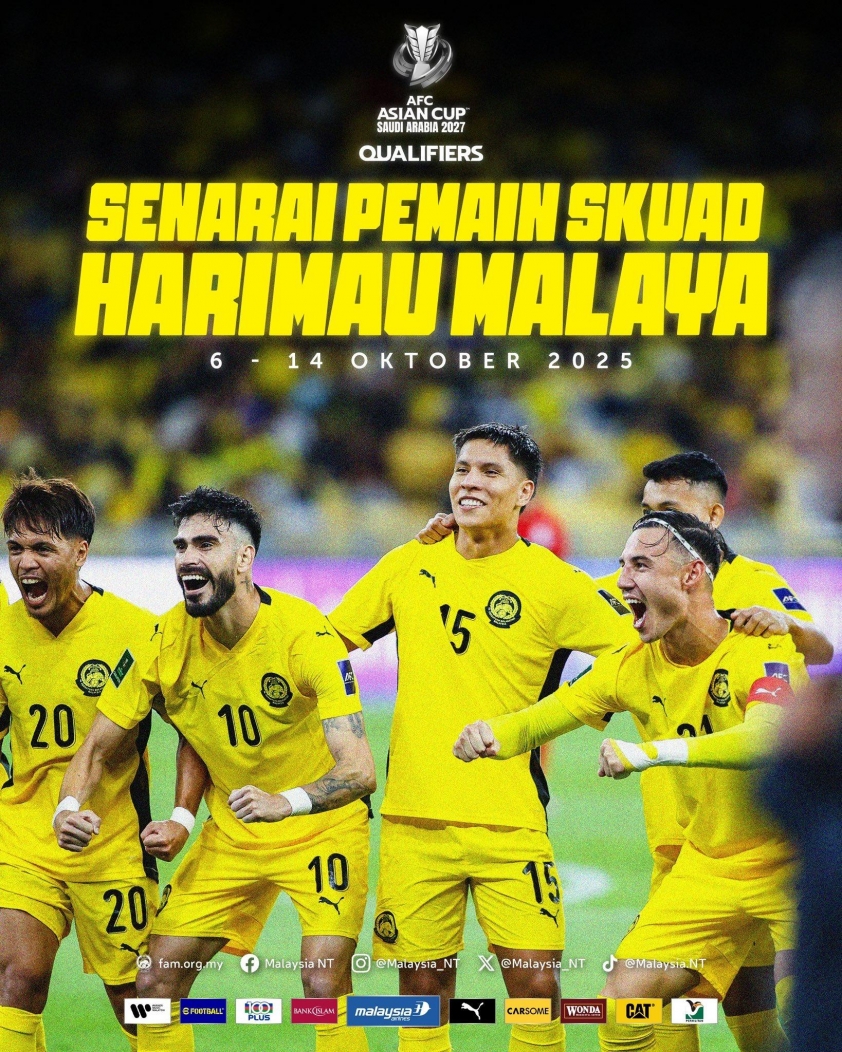
Head coach Peter Cklamovski has officially announced a 29-player squad called up for Malaysia’s national team to prepare for the two vital matches in the 2027 Asian Cup qualifiers. According to the schedule, Malaysia will play away in Vientiane, Laos on October 9, then return home to Bukit Jalil Stadium for the rematch on October 14, 2025.
This squad list combines experienced veterans with a number of young, in-form talents. In the goalkeeper position, Azri Ghani, Haziq Nadzli, and Syihan Hazmi continue to be relied upon.
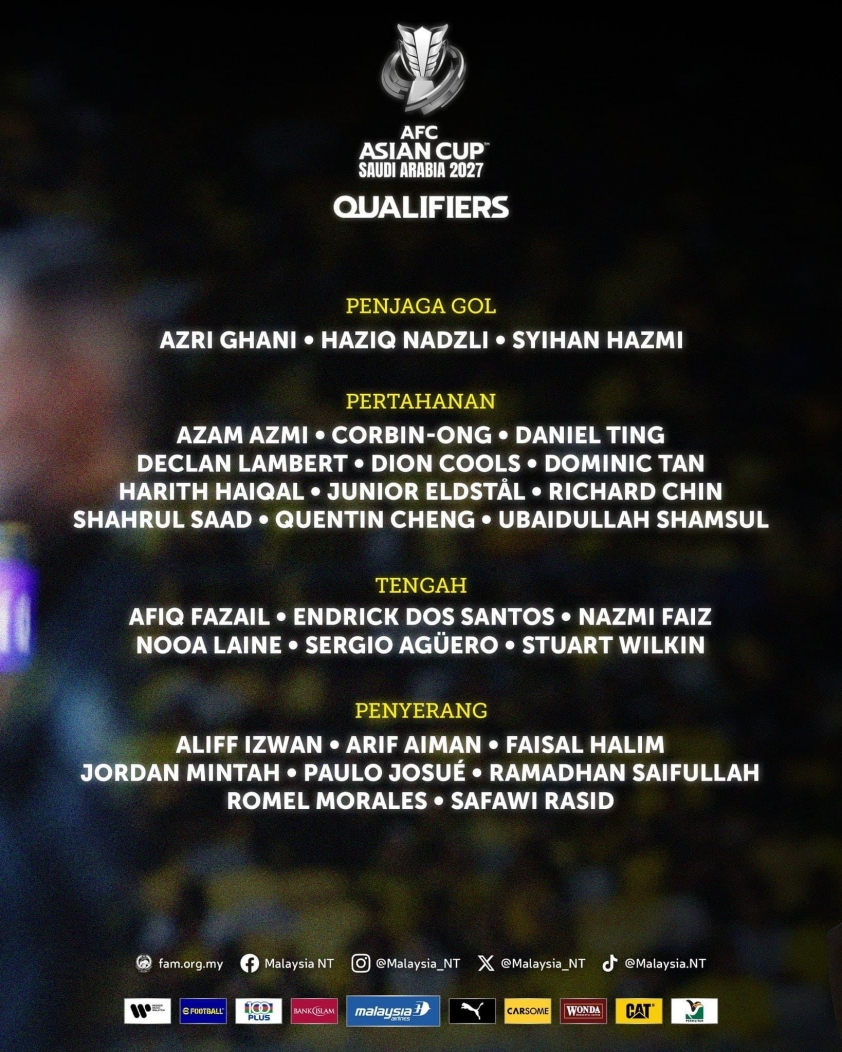
The Malaysian defense retains its familiar core with seasoned players like Dion Cools, Corbin Ong, Dominic Tan, and Junior Eldstål. The inclusion of promising young defenders Richard Chin and Ubaidullah Shamsul indicates Cklamovski’s intent to refresh the lineup and experiment with new options.
The midfield features several standout names: Nazmi Faiz, Stuart Wilkin, Endrick Dos Santos (currently playing for CA Ho Chi Minh City), all well-acquainted with Malaysia’s style of play.
Up front, Malaysia’s attack is strengthened by speedy and skillful forwards such as Arif Aiman, Faisal Halim, Safawi Rasid, along with the naturalized striker Paulo Josué.
However, the most notable aspect of this list is the absence of numerous quality naturalized players. Following severe FIFA sanctions related to naturalization cases, stars like Rodrigo Holgado, Gabriel Palmero, Facundo Garcés, and Imanol Machuca are no longer part of the plans. The absence of these previously key players forces coach Cklamovski to quickly restructure the squad and give more chances to domestic talent.
Currently, Malaysia holds a position in the group competing for the top spot in Group F. Securing a full 6 points against Laos would bring them very close to qualifying for the 2027 Asian Cup finals in Saudi Arabia. Therefore, these two matches carry not only critical points but also serve as a test of Malaysia’s true strength during this turbulent transition period.


Wonderfulshortvideo
Kvaratskhelia and Ronaldo 🫶


🇪🇸 Spain 🆚 Argentina 🇦🇷
Arsenal goal today arsenal 2-1 chelsea arteta interview arteta press conference
When Diogo Costa saved EVERY penalty he faced in the shoot-out 🤯🤯🤯
The movement is electric ⚡️
Mbappe injury mbappe surgery real madrid 0-1 getafe mbappe return date mbappe edit
ronaldo almeria ronaldo buying new club ronaldo owner ronaldo manchester united owner
 Links
Links
 Contact
Address:UNIT 1804 SOUTH BANK TOWER, 55 UPPER GROUND,LONDON ENGLAND SE1 9E
Number:+85259695367
E-mali:[email protected]
 App
App


