



UEFA Approves Overseas Matches: When Will China Seize the Opportunity?




Written by Han Bing On October 6th, UEFA issued a statement that simultaneously opposed and allowed overseas matches: it reiterated its traditional opposition to holding league matches abroad but approved two overseas match requests from the Spanish and Italian football associations. Because FIFA has no explicit rule banning overseas league matches, UEFA could only approve them as a special exception. Although UEFA President Ceferin repeatedly emphasizes opposition to overseas matches, with this precedent set, UEFA may find it difficult to stop the momentum of overseas fixtures.

The implementation of overseas matches in La Liga and Serie A marks a milestone event for global football. This means that following the Super Cup, football capital has completely broken through the traditional "community-based" constraints of European professional leagues, opening the door for the five major European leagues to access the global market.
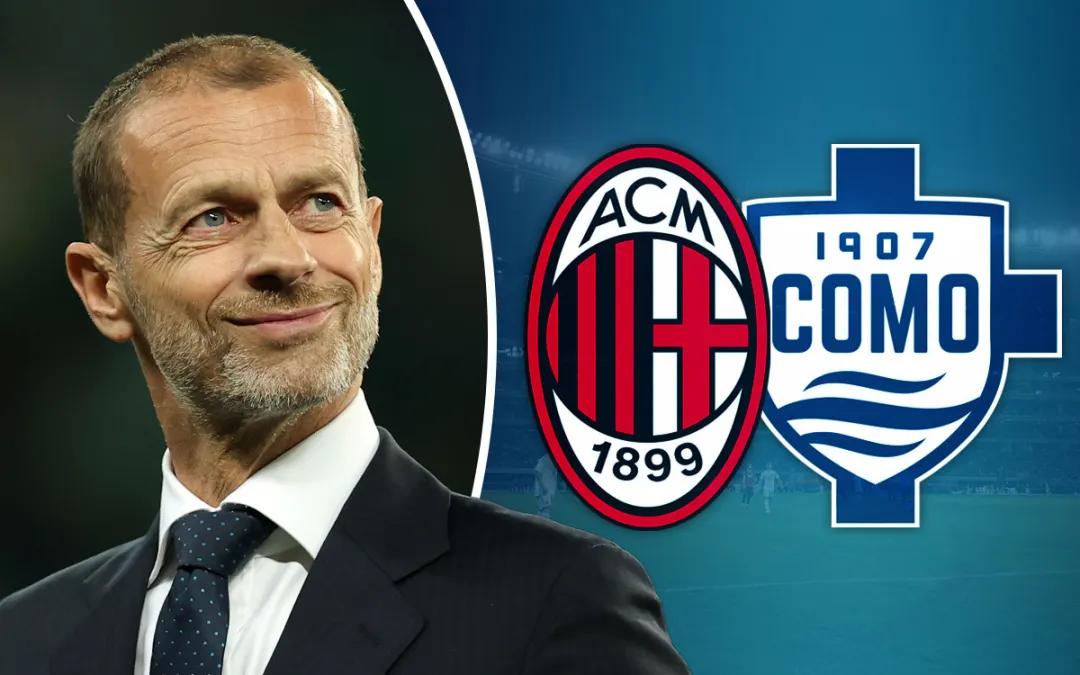
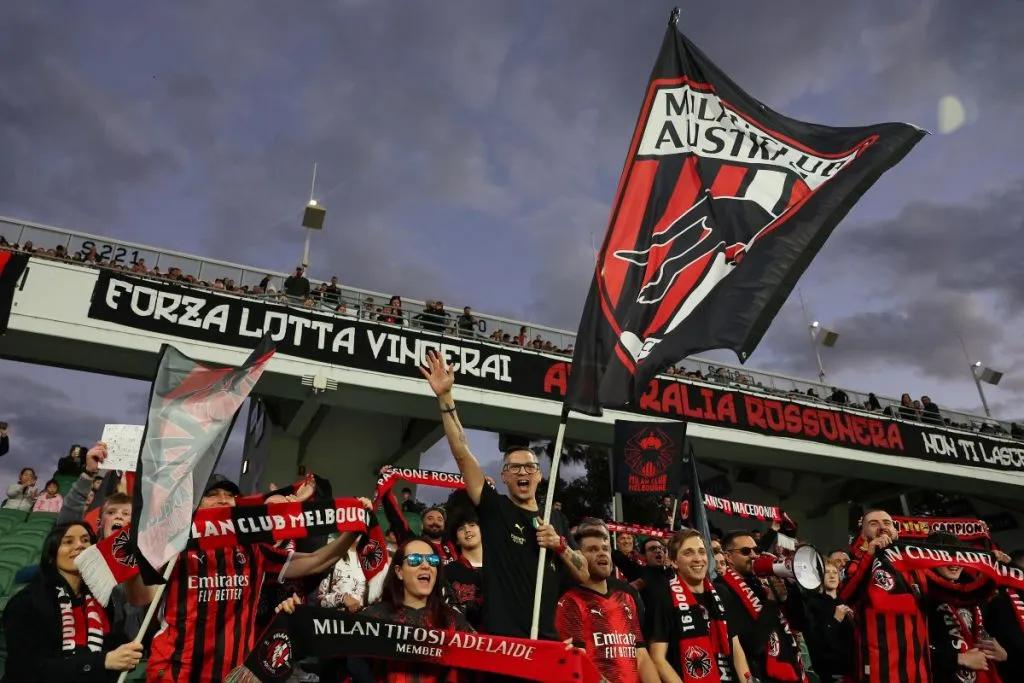
On December 21st, Barcelona and Villarreal will face off in the 17th round of La Liga in Miami; on February 8th next year, AC Milan and Como will play Serie A’s first-ever overseas match in Perth, Australia. These two matches will undoubtedly go down in history as a groundbreaking step in the globalization of the football industry.
Currently, capital from North America, the Middle East, and Europe is no longer satisfied with just earning revenue through commercial matches; instead, they aim to follow the model of North America’s four major professional leagues by bringing the higher-level European top-five leagues to overseas markets, thereby expanding commercial revenue sources.

The landing of overseas matches directly challenges the deeply rooted “community” culture in European football that has existed for over a century. Eighteen fan groups from Barcelona and Villarreal jointly opposed the overseas matches, while Ceferin’s stance represents the mainstream opposition: overseas league matches are seen as an excessive expansion of football commercialization and globalization, which not only undermines football’s foundation as a mass sport but also weakens the close ties between clubs and their home cities or regions. This seriously harms local fans’ interests and may lead to the exploitation of fans and commercial resources from the hosting leagues.
The Spanish players’ union has also publicly protested, arguing that overseas matches will further increase the already rising health risks for players. They have requested a joint meeting next week with the Spanish Professional League, the Football Association, and UEFA specifically to discuss the impact of overseas matches on player health. After all, frequent long-distance travel associated with overseas games can push players to their physical limits and significantly raise the likelihood of injuries.
However, in today’s age of highly developed social media, overseas matches for the big five leagues are hard to stop. As Javier Tebas, president of the Spanish Professional League, said: “Bringing Spanish football culture to the world will not make us lose our traditions. On the contrary, it will spread Spanish football culture to every corner of the globe, making it greater.” Tebas also cited the NFL and NBA as examples, pointing out that these two leagues have recently enhanced the breadth, depth, and commercial value of North American sports culture through overseas matches, a successful experience European leagues can learn from.

From the perspective of club survival and development, overseas matches do have practical significance. For La Liga and Serie A, whose TV broadcast revenues have reached a plateau, the potential for increasing matchday income for smaller clubs domestically is also very limited.
Villarreal CEO Roig openly admitted: “Overseas matches are vital for the club’s survival.” Through these matches, clubs can secure higher commercial revenue, and local fans receive more than adequate compensation—for example, fans traveling to Miami for the match can enjoy free transportation and accommodation, and season ticket holders get a 20% discount. AC Milan, about to participate in Serie A’s first overseas match, is expected to gain the majority of the €8 million net profit, with the remainder shared among other Serie A clubs supporting overseas matches, sharing the benefits.
It is clear that holding a few home league matches overseas among the 19 league home games is a win-win choice for La Liga and Serie A clubs and fans, and it will not deeply affect the continuation of clubs’ traditions at home.

UEFA’s approval of overseas matches carries greater historical significance in promoting the development of emerging football markets outside Europe. Compared to preseason commercial matches often lacking star players or with players in poor form, overseas league matches featuring full-strength lineups are obviously more attractive. La Liga’s first overseas match taking place in Miami, home to stars like Messi and Suarez, perfectly demonstrates the huge potential of the North American football market. The equally booming East Asian market this summer and the still lively Middle Eastern market in winter also see the possibility of hosting La Liga and Serie A overseas matches in the future.
Among many potential markets, mainland China naturally cannot be overlooked. This year, the Chinese Super League market continues to heat up, and amateur leagues like the Scottish Premiership have also experienced phenomenal growth, all proving that China’s football viewing industry still holds vast untapped commercial value. In terms of infrastructure, stadium conditions in mainland China have been steadily improving; in terms of fan base, the massive number of supporters provides solid audience guarantees; and in terms of commercial potential, active involvement from various sponsors and partners lays a strong foundation for hosting matches. Overall, mainland China is fully capable of hosting La Liga and Serie A overseas matches in the future.
What is even more noteworthy is that on September 16, nine government departments including the Ministry of Commerce jointly issued the “Several Policy Measures to Expand Service Consumption,” which specifically encourages “introducing outstanding foreign sports events.” This policy strongly supports China’s future introduction of La Liga and Serie A overseas matches. Compared with the big five leagues’ commercial summer matches, overseas matches of La Liga and Serie A, which have higher competitive value, are clearly more suitable and prioritized for introduction. The potential hosting of these matches is expected to reinvigorate the international football match market in mainland China.



Wonderfulshortvideo
Zidane highlights zidane edit zidane real madrid


 Links
Links
 Contact
Address:UNIT 1804 SOUTH BANK TOWER, 55 UPPER GROUND,LONDON ENGLAND SE1 9E
Number:+85259695367
E-mali:[email protected]
 App
App


