



The Chinese Super League, Chongqing is back! Chongqing, the Chinese Super League has returned!



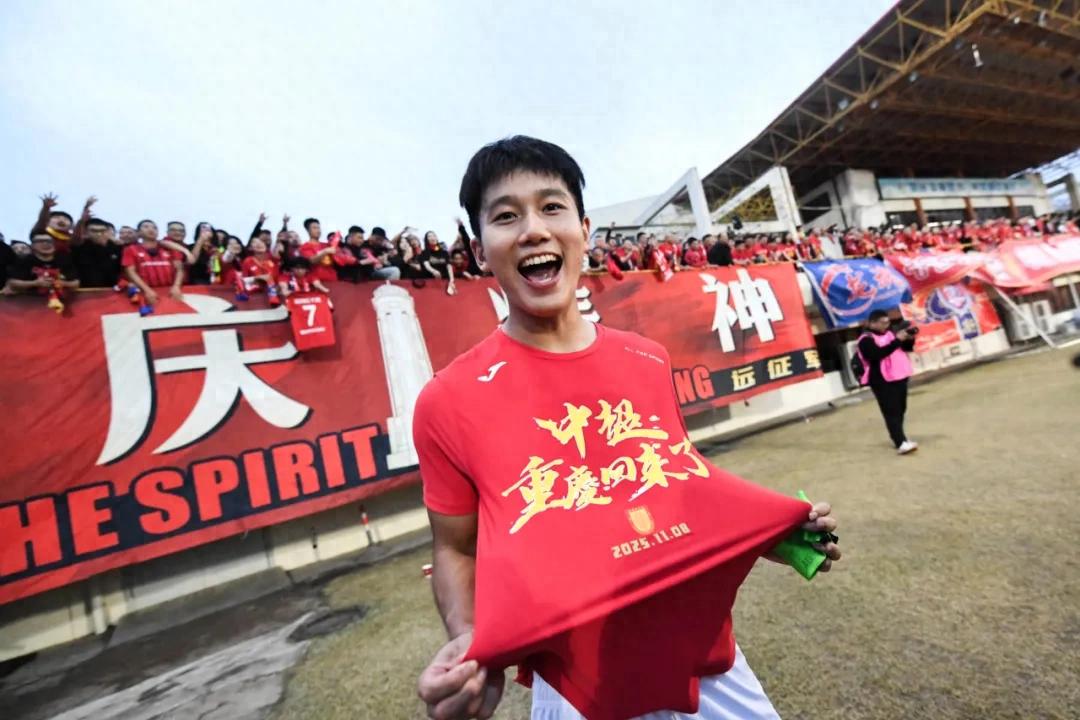
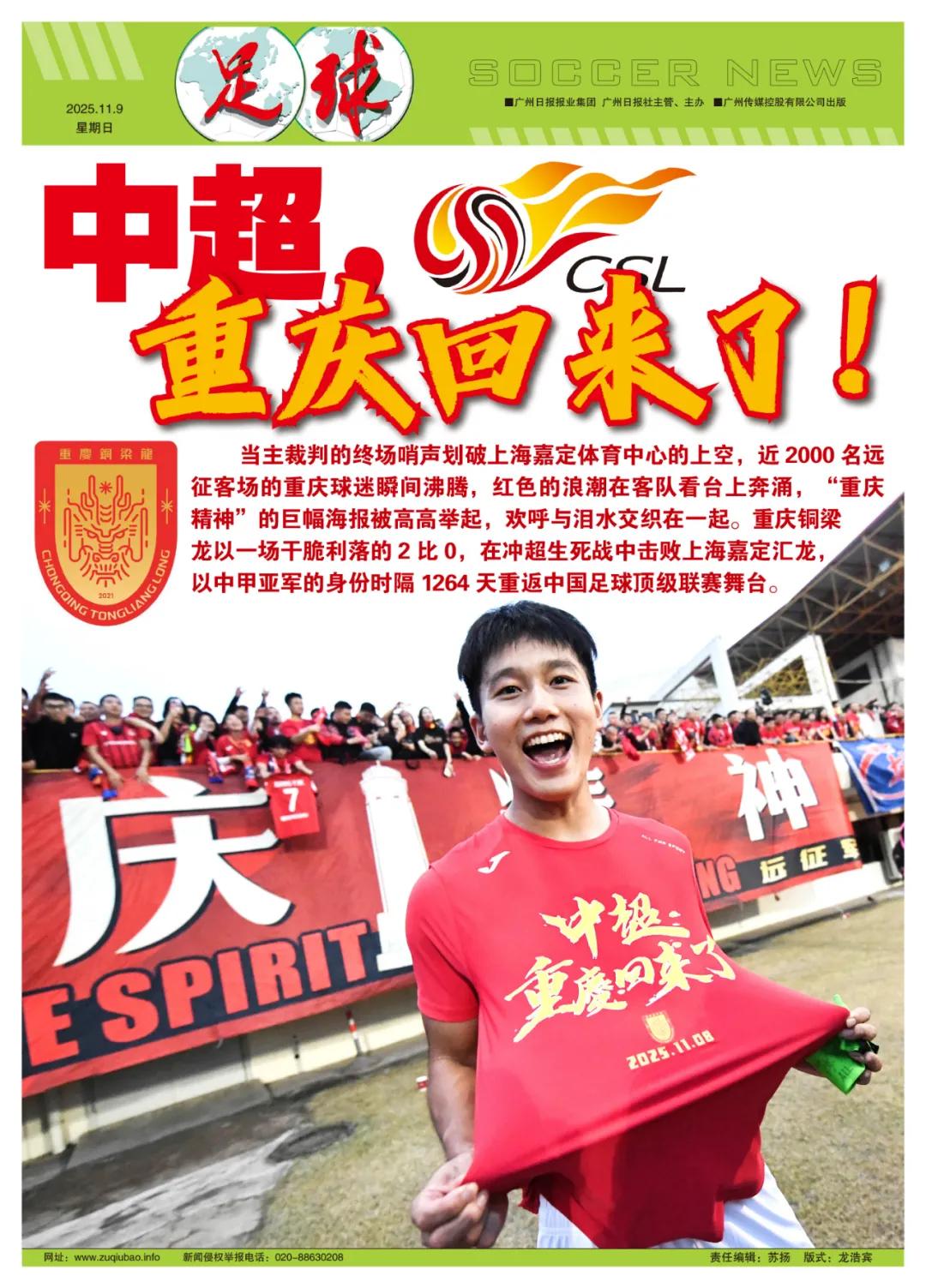
Reporter Lu Mi reporting from Shanghai When the referee blew the final whistle at Shanghai Jiading Sports Center, nearly 2,000 Chongqing supporters who had traveled away erupted instantly. The red wave flooded the away section, a huge banner of "Chongqing Spirit" raised high, with cheers mixed with tears. Chongqing Tongliang Long secured a decisive 2-0 victory in the promotion playoff against Shanghai Jiading Huilong, earning the runner-up spot in China League One and returning to the top tier of Chinese football after 1,264 days. On this day, Chongqing football’s perseverance and patience finally shone its brightest light.
Behind this victory lies a dramatic journey worthy of a chapter in Chongqing football history. At the season’s start, Tongliang Long struck like a sword from its sheath, defeating eventual league champions Liaoning Ironmen 2-1 at home in the second round, proving their promotion ambitions. The team then stormed forward with an eight-game winning streak, including a commanding 5-1 away win over direct promotion rival Guangzhou Leopards in round eight, making the call for promotion echo throughout the Bayu region, even earning applause from some Guangzhou fans. At that time, Tongliang Long led the standings by a wide margin, giving all Chongqing fans hope of returning to the Super League.
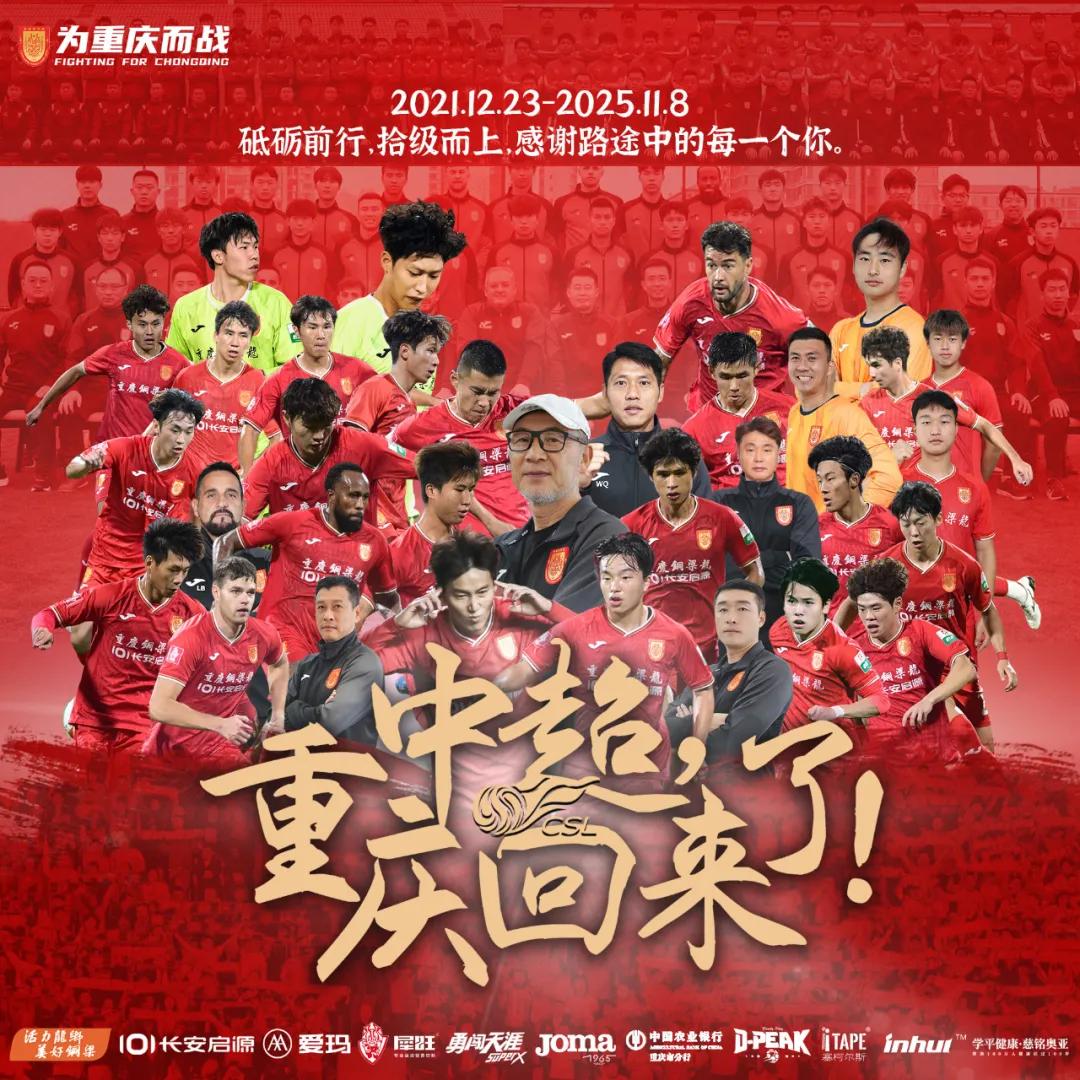
The flame of hope was dampened mid-season. After being knocked out of the FA Cup at the end of May, the team fell into a double slump of fitness and form, going four games without a win and seeing their points lead shrink. A tougher challenge arrived in September, starting with a loss to Dingnan Ganlian, triggering a humiliating three-game losing streak. Especially in the home defeats 0-1 to Guangzhou Leopards and 0-3 to Yanbian Longding, players showed low spirits and defensive errors, with both offense and defense struggling, causing fans to question the team. Then-coach Salvador resigned in gloom. The promotion outlook plummeted as Tongliang Long fell from front-runner to chaser, casting a shadow of anxiety over all Chongqing football.
At this critical moment, Chongqing football’s familiar figure Zhang Wailong was called upon. The Korean veteran coach, who once led Chongqing Lifan to miracles, returned with his signature "seven-second attack" theory, but had less than six days to prepare the team. The initial adjustment was painful, but Zhang soon found the team’s rhythm. He reinstated veteran Huang Xiyang to organize the midfield and attack, strengthened the defensive system, and eased player pressure through psychological guidance. In October, Tongliang Long bounced back strongly with three consecutive wins: 2-1 over Guangxi Pingguo and 2-0 against Foshan Nanshi, gradually regaining control of the promotion race.
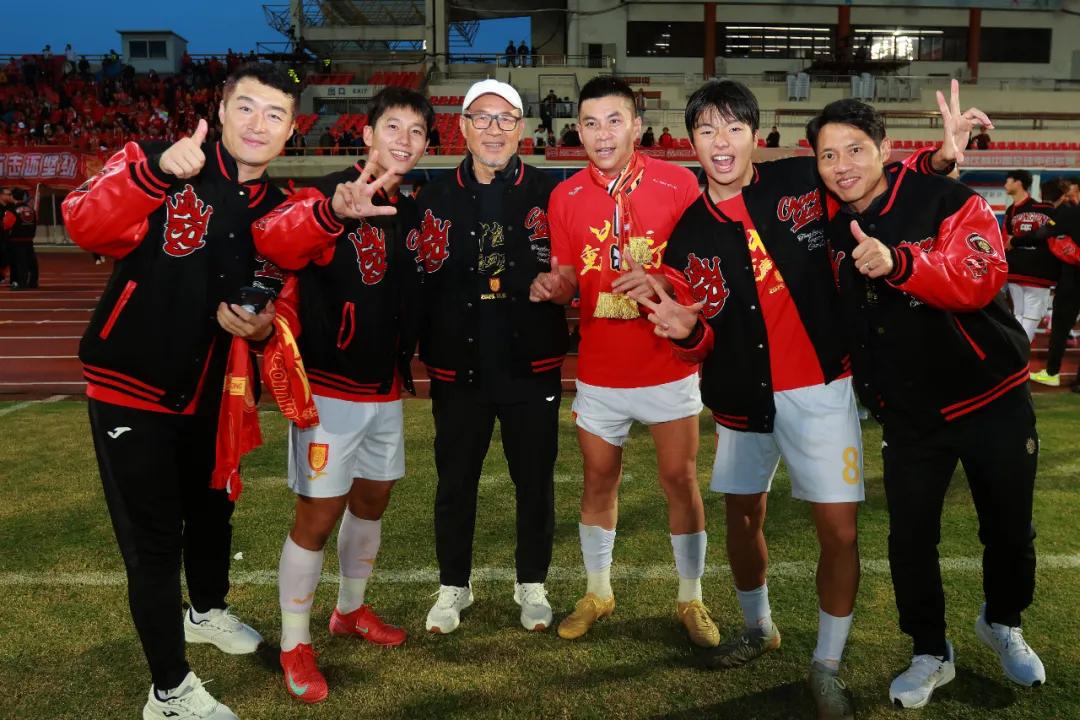
The final stage became even more dramatic. Despite holding a clear advantage in the last two home matches, Tongliang Long drew 0-0 with Shijiazhuang Kungfu and Suzhou Dongwu. Their inefficiency, with 22 shots but only 6 on target, exhausted their margin for error in the promotion race. Tied with Guangzhou Leopards at 57 points, the last away match against Shanghai Jiading Huilong turned into a true “do-or-die” battle — a win meant promotion, while a draw or loss meant failure.
On the decisive battleground of Shanghai, Tongliang Long’s players faced unprecedented pressure. The first half saw relentless attacks with no success; a shot hitting the post added to the disappointment, compounded by the news that Guangzhou Leopards were leading Nantong Zhiyun 2-1, pushing the team to the brink. Yet, the fighting spirit of Chongqing football erupted in the dire moment. In the 72nd minute, Leonardo’s precise cross from the right found foreign player Carrillo, who leapt to head the ball into the net, breaking the deadlock and igniting the red wave in the away stands. Ten minutes later, veteran Huang Xiyang delivered a corner kick that Leonardo headed in again, sealing the 2-0 victory.
When Carrillo scored the opening goal, the substitutes rushed to embrace him, fully aware of the goal’s significance — it meant the team had effectively secured promotion to the Super League. The dozen or so journalists who came from Chongqing seemed transported back 12 years to that night when Chongqing first achieved promotion; fans in the stands had already cried their eyes red.
As the final whistle blew, players embraced in tears, and Zhang Wailong’s face showed a relieved smile. From the confidence of eight straight wins, through the darkest moment of three consecutive losses, to the stirring comeback from the brink, Chongqing Tongliang Long embodied the “never give up” spirit of Chongqing football throughout the season.
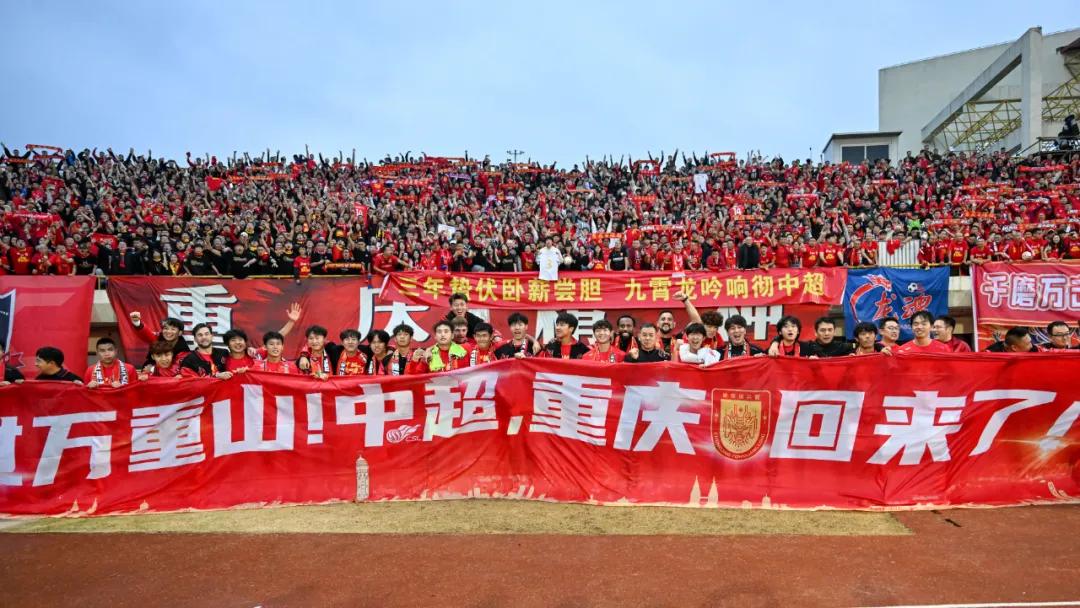
Nearly 2,000 traveling fans sang chants of support, their banners reading, “Three years of silent hardship, the dragon’s roar echoes through the Super League,” expressing the heartfelt voice of all Chongqing supporters.
At the season’s start, captain Xiang Yuwang told our paper in an exclusive interview: “For a long time, I have felt a responsibility to bring Chongqing football back to the top league as soon as possible. Since the amateur league, we have worked hard, but I believe we must work even harder and keep striving for this goal.” The young Chongqing captain did not disappoint the fans’ expectations, and on the day the dream came true, he was so moved he shouted “Chinese Super League, Chongqing is back” as “Chongqing, the Super League is back.”
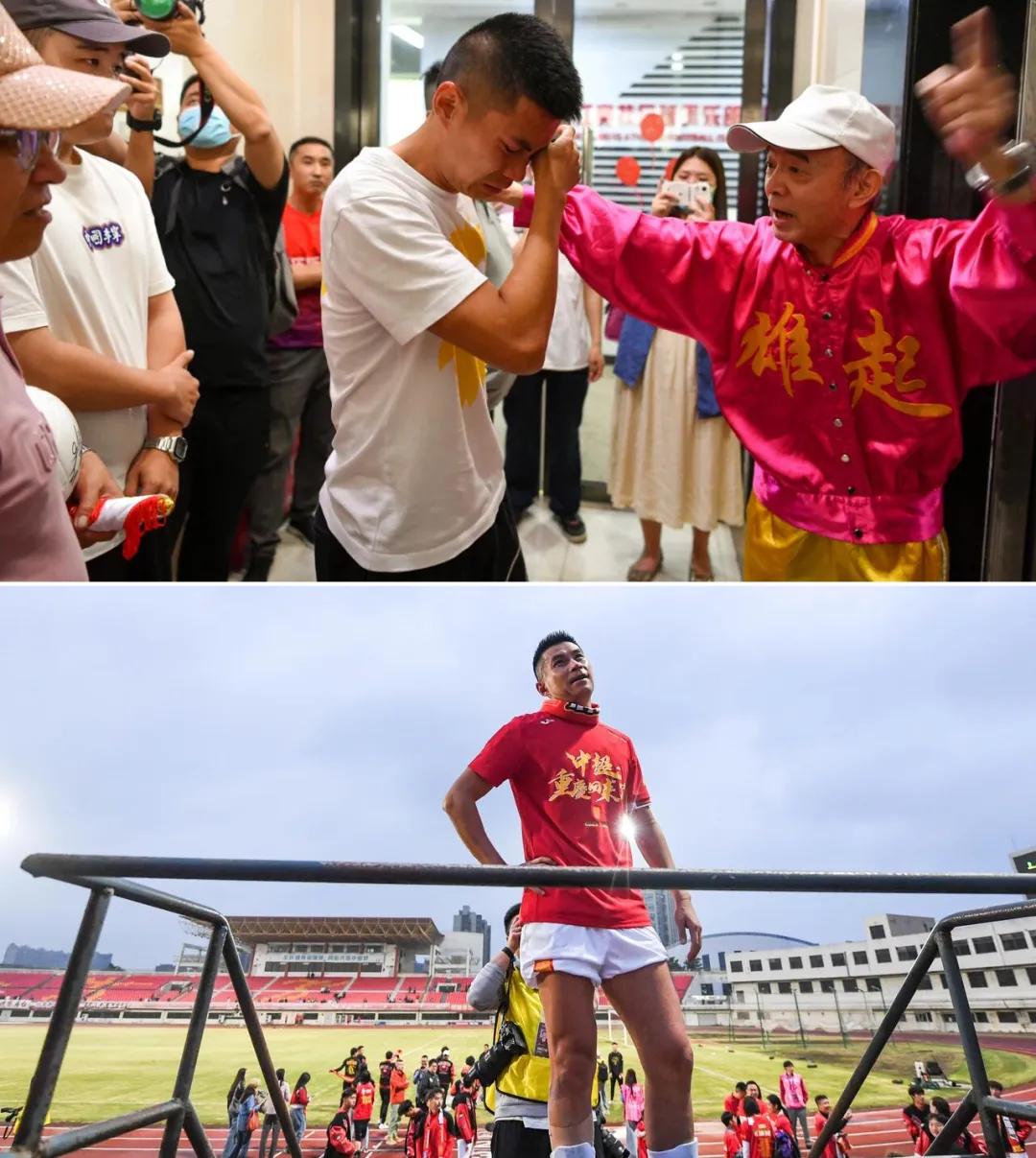
This small slip of the tongue can be interpreted differently. Forty-year-old veteran Huang Xiyang shed tears again that day, reminiscent of four years ago at the elevator entrance of Chongqing Liangjiang Athletic Club when he said goodbye, hearing fans’ cries of “Rise up” emotionally — that roar of “The Super League is back for you” was his release after fulfilling his promise to Chongqing fans; the phrase “The rest is up to them” reflected his, and all Chongqing fans’, great hopes for the young generation of Tongliang Long.
It is the continuous dedication of generation after generation of Chongqing football people that has forged the soul of Chongqing football.
When Tongliang Long’s emblem appears in next season’s Super League, it represents not only a team’s victory but also the continuation of a city’s football faith. From the shadow of Liangjiang Athletic’s dissolution to Tongliang Long’s fiery rebirth, Chongqing football has gathered strength in waiting and tempered itself through adversity.
As those traveling fans said: “We never left because football has long been woven into the city’s lifeblood.” Next season in the Super League, Chongqing Tongliang Long will carry this honor and perseverance forward, continuing to write the football legend of the Mountain City.


Wonderfulshortvideo
When you use your girlfriends shower 🚿 @Emily Bourne @LUSH


Neymar highlights neymar edit neymar lamine yamal celebration
Arsenal 1-0 chelsea havertz goal
yamal goal yamal instagram yamal dribble barcelona 2-1 albacete yamal highlights yamal edit
casemiro goal casemiro assist casemiro 6 7 celebration
CR7 was really going through it 🤣🏆
Man city haaland edit haaland goal haaland goal streak haaland drought man city table premier league table
 Links
Links
 Contact
Address:UNIT 1804 SOUTH BANK TOWER, 55 UPPER GROUND,LONDON ENGLAND SE1 9E
Number:+85259695367
E-mali:[email protected]
 App
App


