



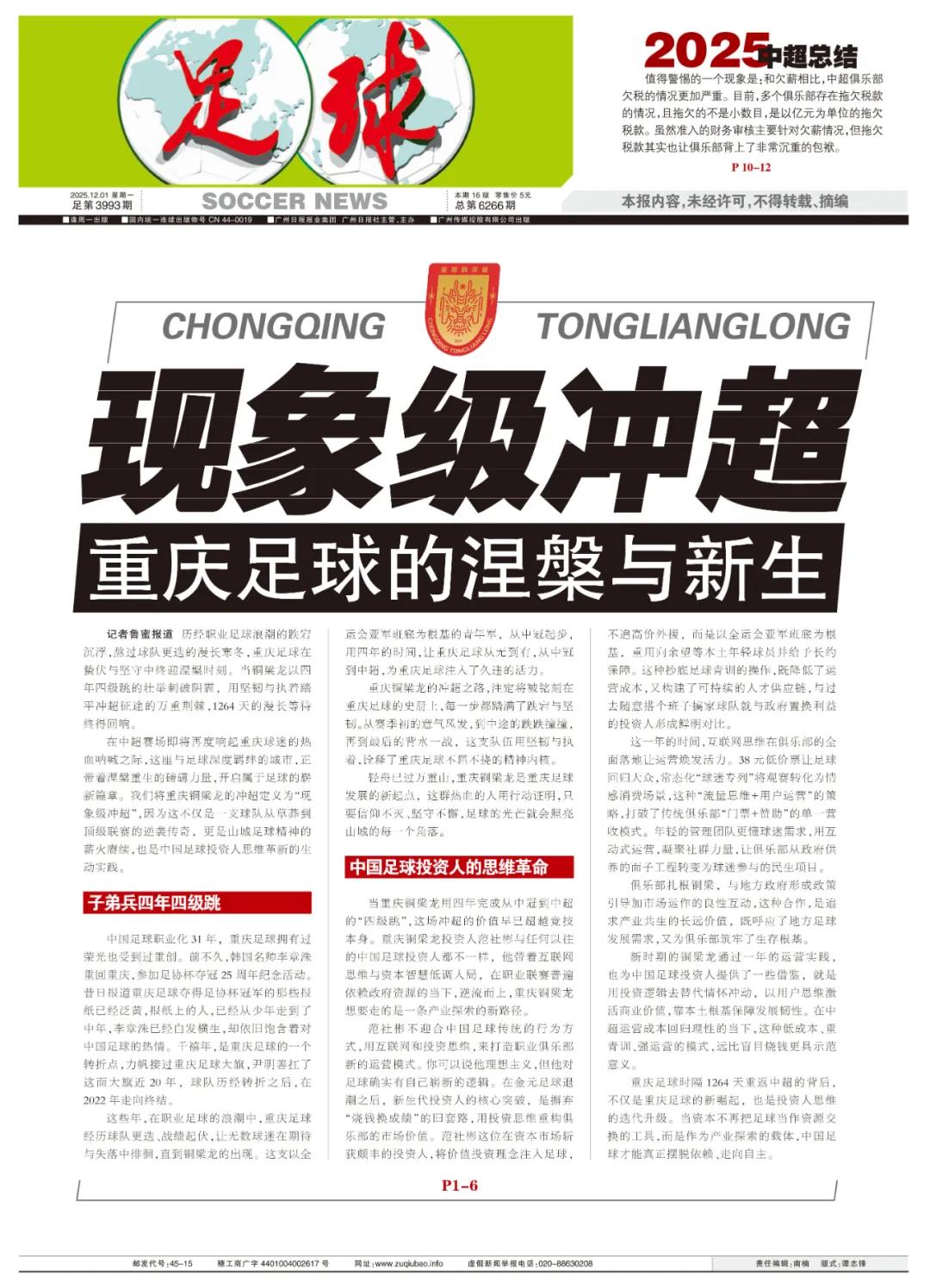
Why do we call Chongqing Tongliang Long's promotion to the Chinese Super League a "phenomenal promotion"?


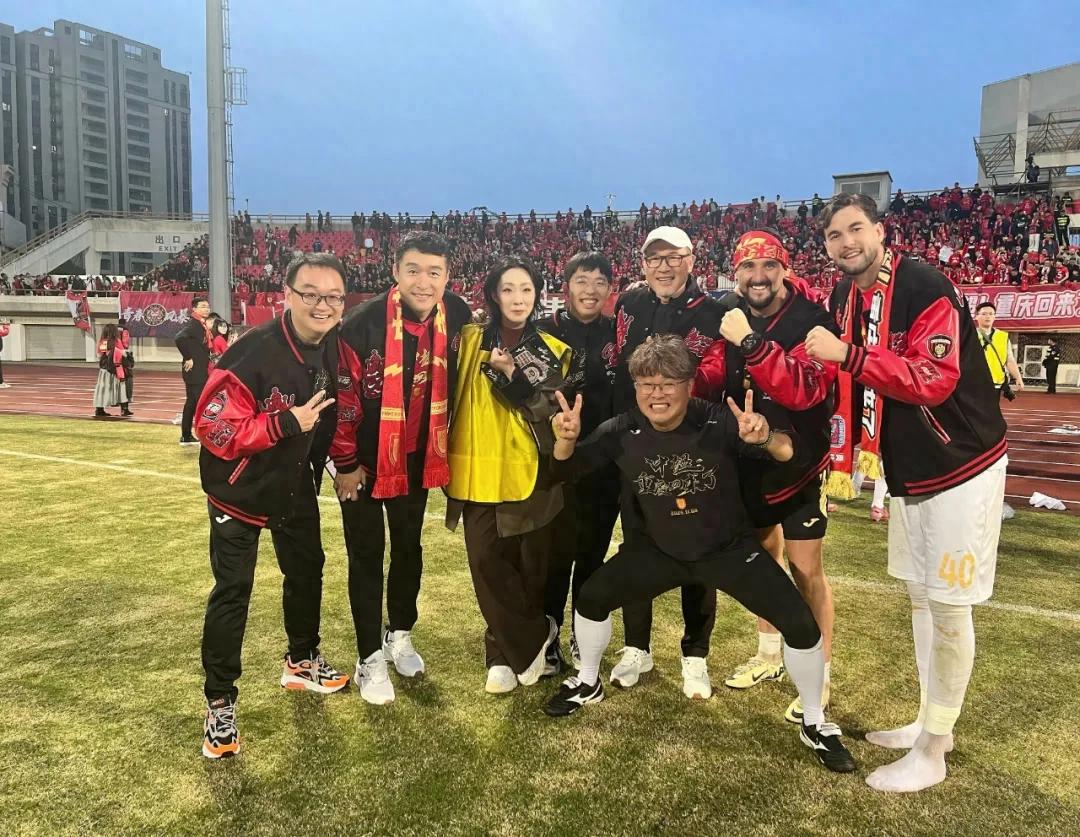
Reported by journalist Lu Mi Having experienced the turbulent waves of professional football and survived the prolonged winters of team transitions, Chongqing football has now embraced a moment of resurgence through endurance and determination. Tongliang Long pierced through the darkness with a stunning ascent of four levels in four years, clearing the countless thorns on the road to promotion with grit and perseverance, finally ending a 1,264-day wait with a triumphant response.
As the passionate cheers of Chongqing fans are about to resound again in the Chinese Super League, this city deeply connected with football is unleashing a powerful rebirth, opening a brand-new chapter for the sport. We define Chongqing Tongliang Long’s promotion as a "phenomenal promotion" because it is not just a team’s legendary rise from obscurity to the top league, but also a continuation of the spirit of football in the mountain city and a vivid example of innovative thinking among Chinese football investors.

In 31 years of professional football in China, Chongqing football has experienced both glory and severe setbacks. Recently, renowned Korean coach Lee Jang-Soo returned to Chongqing to attend the 25th anniversary celebration of the club’s FA Cup victory. The newspapers reporting that triumph have yellowed with age, the people in those photos have grown from youth to middle age, and Lee Jang-Soo’s hair has turned white, yet his passion for Chinese football remains strong. The turn of the millennium marked a pivotal moment for Chongqing football, with Lifan taking over the banner and Yin Mingshan carrying it for nearly 20 years. After many changes, the team eventually ended in 2022.
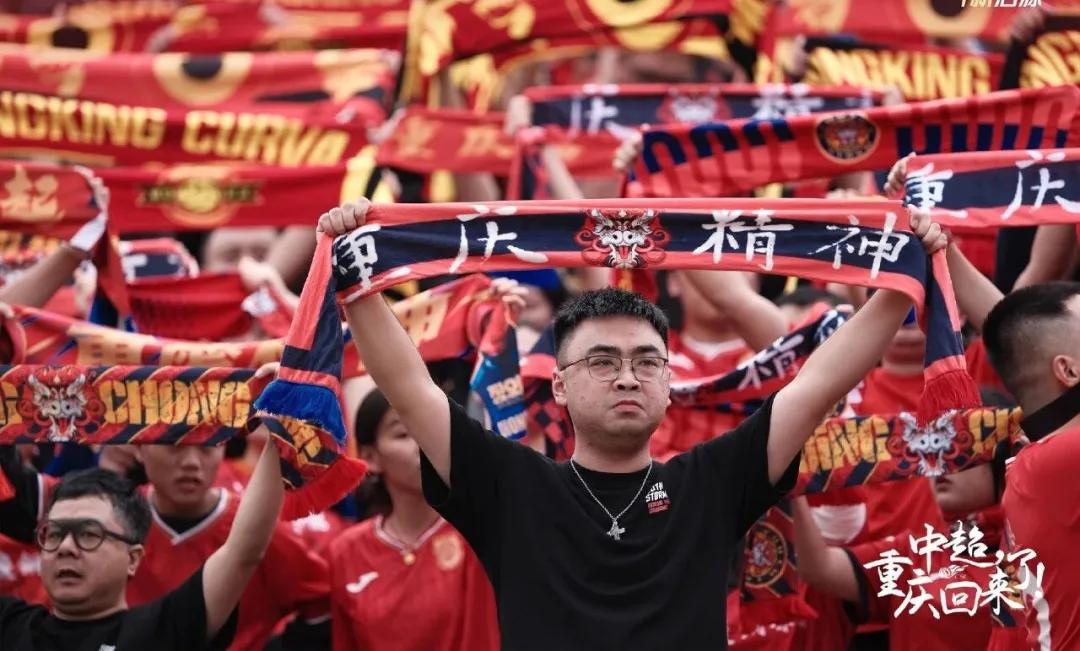
Over these years, amid the waves of professional football, Chongqing football has undergone team changes and fluctuating performance, leaving countless fans oscillating between hope and disappointment—until the emergence of Tongliang Long. This young squad, built on the foundation of the runner-up team from the National Games, started from the amateur league and within four years brought Chongqing football from nothing to the Chinese Super League, injecting long-awaited vitality into the sport locally.
The journey of Chongqing Tongliang Long’s promotion is destined to be etched in the history of Chongqing football, with every step marked by ups and downs and resilience. From their confident start at the season’s beginning, through mid-season struggles, to their final do-or-die battle, this team has embodied the indomitable spirit at the heart of Chongqing football.
Having sailed past countless mountains, Chongqing Tongliang Long marks a new starting point for football development in Chongqing. This passionate group has proven through their actions that as long as faith remains unextinguished and perseverance continues, the light of football will shine in every corner of the mountain city.
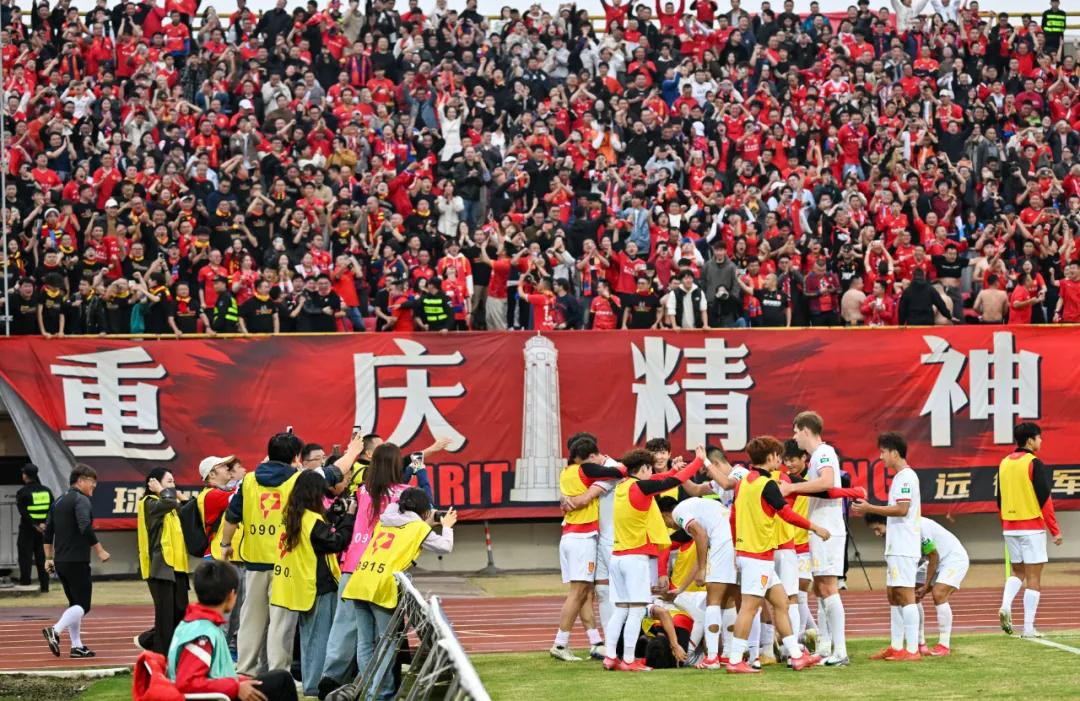

When Chongqing Tongliang Long achieved the "four-level leap" from the amateur league to the Chinese Super League in four years, the significance of this promotion had already gone beyond the sport itself. Investor Fan Shebin is unlike any previous Chinese football investor; bringing internet thinking and capital wisdom quietly into the game, he has bucked the trend of relying heavily on government resources in professional leagues. Chongqing Tongliang Long aims to explore a new path of industrial development.
Fan Shebin refuses to conform to traditional Chinese football practices and instead uses internet and investment thinking to create a new operational model for professional clubs. You might call him an idealist, but he truly has a fresh logic for football. After the decline of money-driven football, the breakthrough for new-generation investors is abandoning the old "burn money for results" approach and reconstructing club market value through investment thinking. Fan Shebin, a successful investor in the capital market, injects value investing philosophy into football by not pursuing expensive foreign players but relying on the National Games runner-up core, emphasizing local young talents like Xiang Yuwang with long-term contracts. This bottom-up football youth training approach reduces operating costs and builds a sustainable talent supply chain, sharply contrasting with past investors who casually assembled teams to barter with government interests.
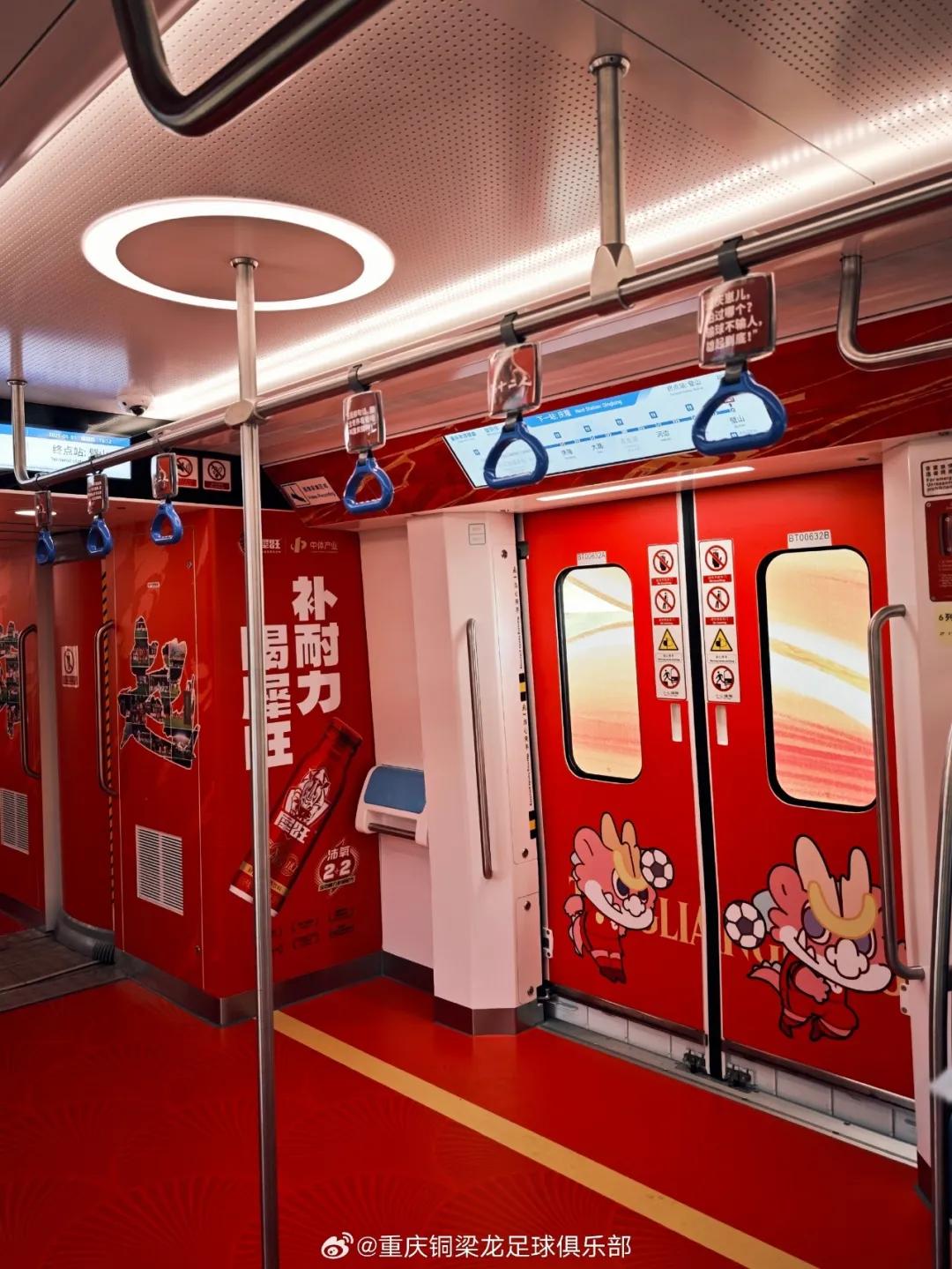
Over the past year, the full implementation of internet thinking at the club has revitalized operations. Affordable 38-yuan tickets have brought football back to the public, and regular "fan trains" have transformed watching games into emotional consumption experiences. This "traffic thinking + user operations" strategy breaks the traditional club revenue model of "tickets + sponsorships." The young management team better understands fans’ needs and uses interactive operations to unite the community, turning the club from a government-supported vanity project into a fan-driven livelihood initiative.
The club has taken root in Tongliang, forming a healthy interaction with local government through policy guidance and market operation. This cooperation pursues long-term value through industrial symbiosis, responding to local football development needs while solidifying the club’s survival foundation.
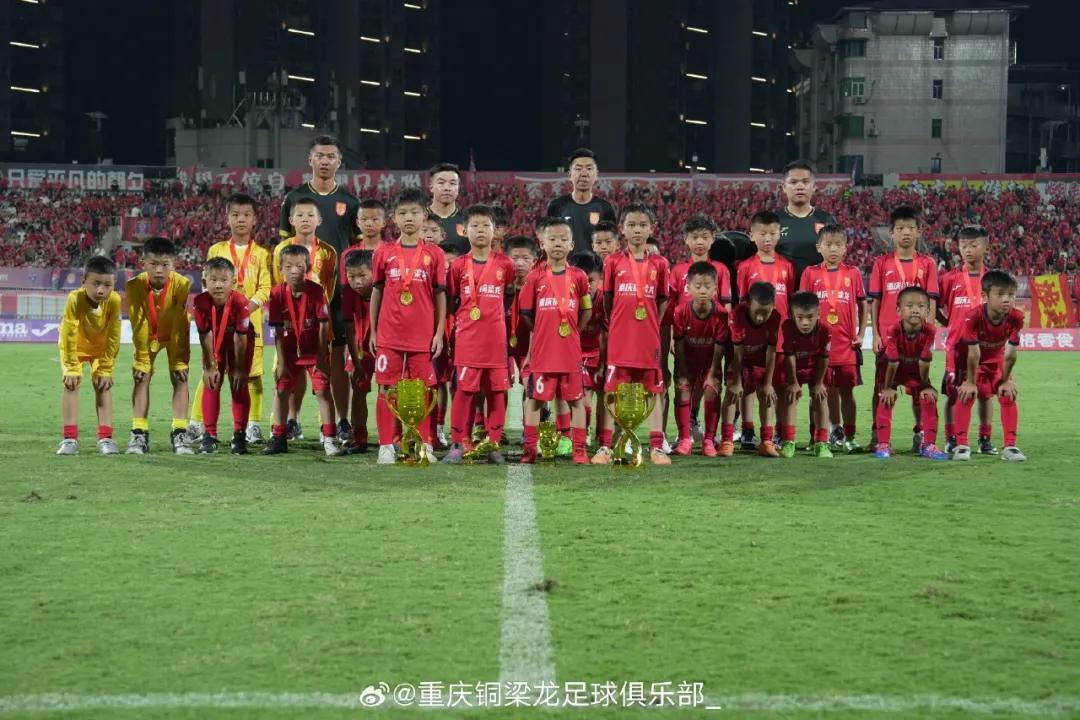
Through a year of operational practice, the new-era Tongliang Long also offers lessons for Chinese football investors: replace emotional impulses with investment logic, activate commercial value with user thinking, and rely on local roots to ensure development resilience. In today’s more rational Chinese Super League operation costs, this low-cost, youth-focused, and strong operational model is far more exemplary than blind spending.
Chongqing football’s return to the Chinese Super League after 1,264 days is not only a new rise for the city’s football but also an upgrade in investor thinking. When capital no longer treats football as a tool for resource exchange but as a vehicle for industrial exploration, Chinese football can truly break free from dependency and move toward independence.


Wonderfulshortvideo
Did you get it? 🤔😅


Haaland’s movement 🥵
When you use your girlfriends shower 🚿 @Emily Bourne @LUSH
Neymar highlights neymar edit neymar lamine yamal celebration
Arsenal 1-0 chelsea havertz goal
yamal goal yamal instagram yamal dribble barcelona 2-1 albacete yamal highlights yamal edit
casemiro goal casemiro assist casemiro 6 7 celebration
 Links
Links
 Contact
Address:UNIT 1804 SOUTH BANK TOWER, 55 UPPER GROUND,LONDON ENGLAND SE1 9E
Number:+85259695367
E-mali:[email protected]
 App
App


