



Zhang Wailong: Three years and six months of waiting have made me cherish the passion of Chongqing fans even more.



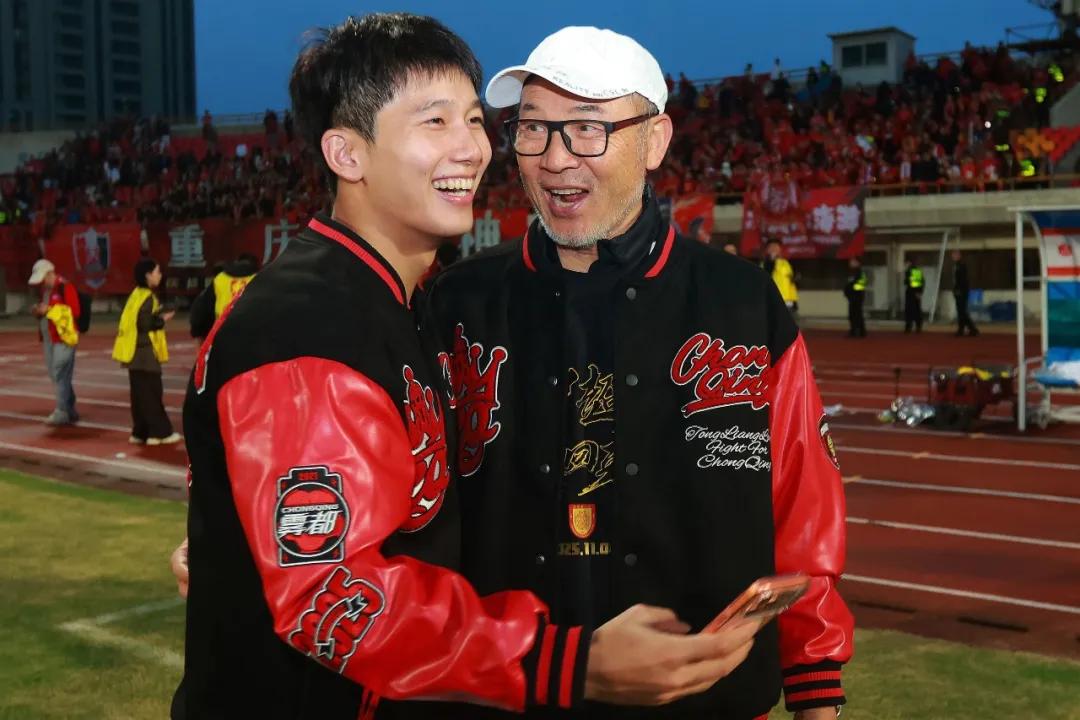
Reporter Lu Mi reports After a long wait of three years and six months and an unwavering commitment over three years, from witnessing the budding foundation of the team’s youth training to courageously taking over as coach during a critical moment, Zhang Wailong, with deep affection for this city and trust in his players, led a counterattack under the immense pressure of seven remaining league rounds.
Late-night tactical reflections, heartfelt encouragement on the sidelines, and grateful kneeling during celebrations all reveal the sincere passion of a veteran coach for football. When the perfect conclusion finally arrived, those moments of endurance and perseverance, love and concern crystallized into the glory of Chongqing football regaining its Chinese Super League qualification, illuminating the belief of “One Team, One Family” amidst the hopes of 32 million citizens.


◆“Football”: On the day you secured promotion, you stayed alone in the locker room for a long time. What were you thinking about?
Zhang Wailong: First, I was moved by the progress these players made. Although I took over the team only in the last few rounds, I had been following their growth closely. It’s not easy for them to reach this point, and I even started imagining them as future national team players.
◆Three years ago, during our last meal together, you said Chongqing football would definitely return. What gave you that confidence back then?
When this team was formed in 2021, and even earlier during their participation in the National Games, I watched their matches. I was certain these players would be the future of Chongqing football and Chinese football as well. I believe if we can build a solid youth training foundation and gradually form a good system, it can serve as a model for Chinese football development. That’s why I was so confident.
◆When you returned to Chongqing this time, the team’s situation was poor. What mental preparations did you make?
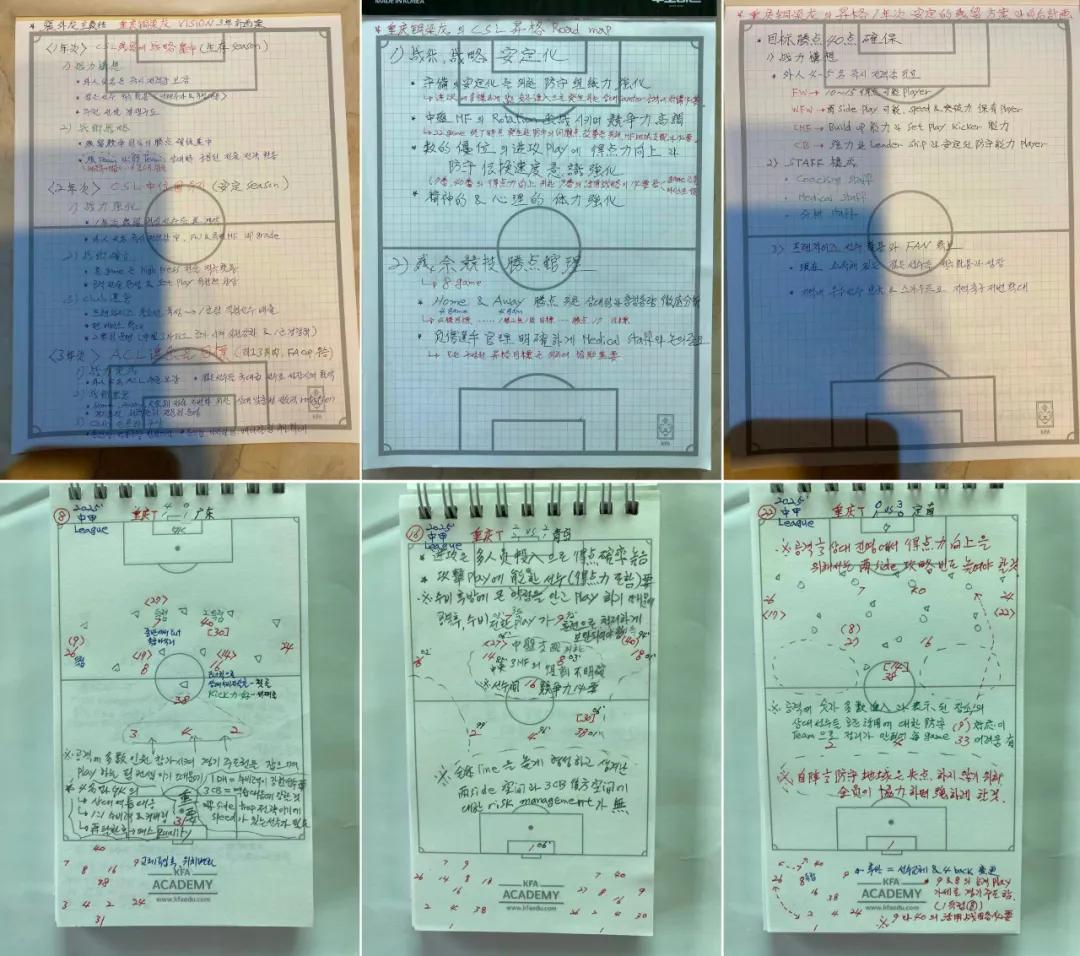
I have watched and analyzed the team’s matches since the National Games, including their campaigns in the China League Two and One, as well as the first 23 matches this year. So I am very familiar with the players’ individual traits and abilities. After arriving, based on their training performance, I felt their abilities were sufficient, so our integration went smoothly.
◆Did you cry on the day of promotion?
Actually, not many tears then. I shed many tears preparing for the penultimate match. Our club staff prepared a video with messages of encouragement from each player’s family, which deeply moved everyone, including me. Because we are a whole, a family, and the players’ families are also our families.
◆With no margin for error in the final round, how did you handle the players’ mental state?
There was no need for much motivation; everyone knew what the match meant. I focused more on adjusting players’ physical conditions. We had prepared for the possibility that Xiang Yuwang and Carrillo might not start. Xiang was still recovering from an injury in the second last match, and Carrillo had a cold. To protect them, we had backup plans, but the players’ fighting spirit was strong, and our medical team worked hard to ensure their recovery.
◆After the match, young players celebrated wildly, while veterans Wu Qing and Huang Xiyang cried. How do you view these different emotional expressions?
Young players have a strong desire for the Super League, which I could see from their daily training. Wu Qing and Huang Xiyang have experienced many ups and downs with Chongqing football, as did Qiu Weiguo. Chongqing football is a big part of their lives, so I deeply understand their emotions.
◆More than three years have passed. Do you think you fulfilled the promise you made when you left?
When I left three years ago, I promised the fans that I would return whenever Chongqing football needed me. That promise has stayed in my mind, so I came back when the team needed me, and we eventually succeeded in reaching the Super League. The wait of three years and six months wasn’t easy, and I am very grateful for the fans’ unwavering support.


◆“Football”: You seem to have a deep affection for Chongqing football.
Zhang Wailong: Certainly. I have coached many places in China, but Chongqing chose me three times, so this city means a lot to me.
◆How have you been sleeping during these recent matches?
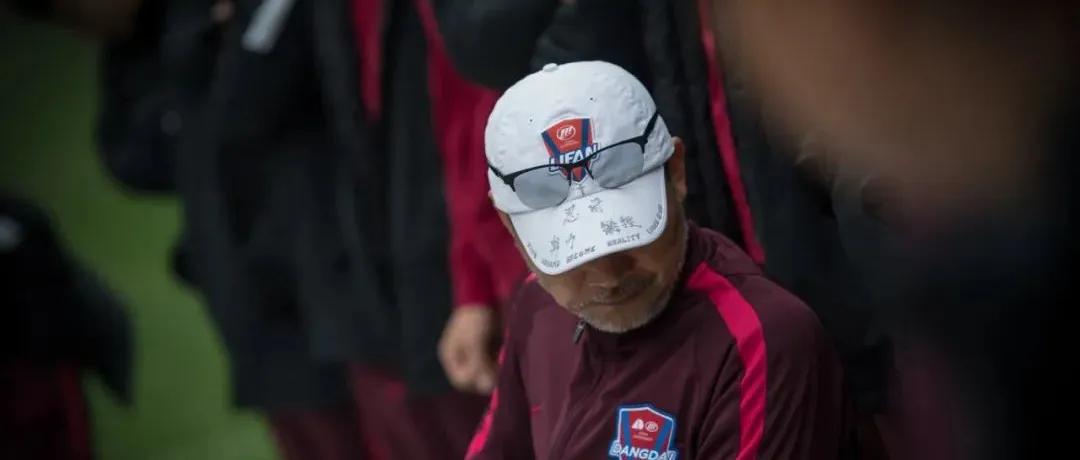
Almost no good sleep. Sometimes I prepared for matches until one or two in the morning, sometimes as late as four. There’s so much to prepare—training data, match data, tactical arrangements—that I can’t sleep long.
◆Before Liangjiang Athletic dissolved, Chongqing’s team achieved its best historical results. Which achievement feels more fulfilling: promotion or the best Super League finish?
The day of promotion was more emotional for me. First, we created a stage for young players whose future development is promising. Also, regaining something lost feels more precious than simply having it. So I feel what we have now is more rewarding.
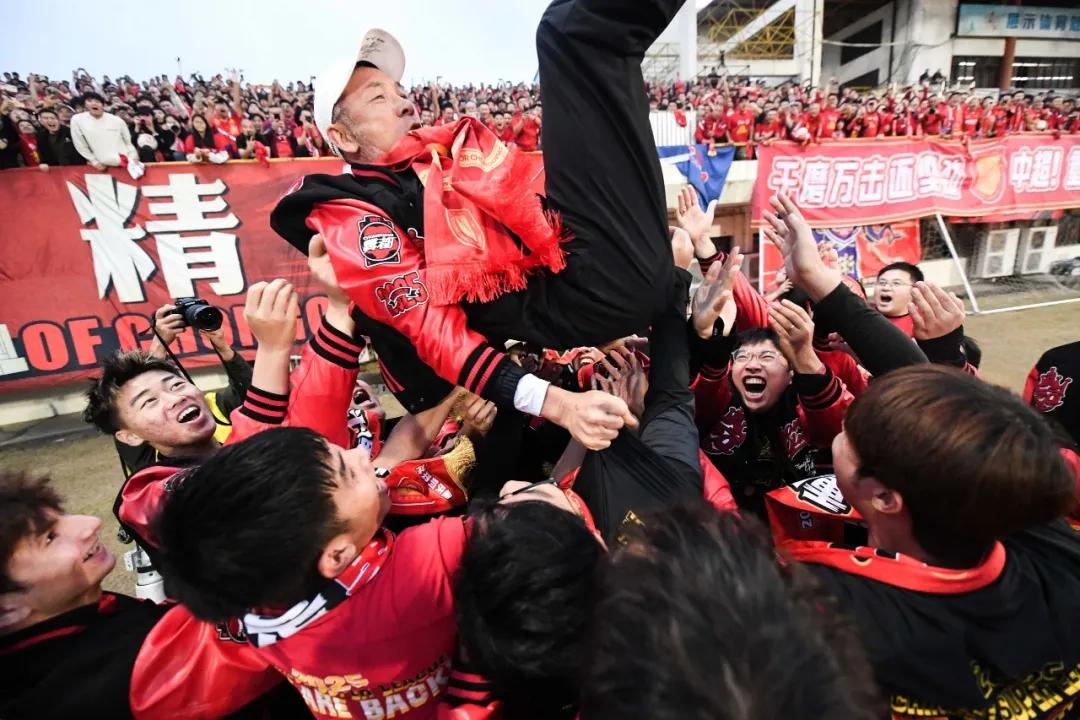
◆At the celebration, you knelt to pay respect to the players. What feelings did this gesture express? Previously, before a key relegation match with Liangjiang Athletic, you made the same gesture to a foreign player. How do these two occasions differ?
This time, it was a heartfelt way to express gratitude. Within such a short time, the whole team gave their all for a common goal, and I had to sincerely honor them.
Back then, kneeling to the foreign player Fernandinho was to encourage him, as the only foreign player, to unite with everyone in a very difficult situation. Though the contexts differ, my sincerity, trust, and gratitude toward the players remain the same. This act may be understood differently due to cultural differences, but in Korea, it is the highest form of thanks.
◆Many professional coaches sign conditional contracts when taking over a team mid-season, such as extending only if goals are met. Why did you sign a contract for just seven rounds?
The team’s situation was urgent; a delay of even one day could have ended our promotion hopes. Contract terms were not my priority. I accepted the short contract because I wanted to quickly pull the team out of crisis. I had confidence in the results and in Chongqing football’s future direction. Looking back, I am proud of my choice and contribution, and I hope this success can continue, leading this young, hopeful team to demonstrate Chongqing football’s spirit on a bigger stage.
◆Chongqing football has suffered heavy setbacks. How do you think it should develop steadily in the future?
First, Chongqing football needs vision, a plan, and clear goals. The players are very young and full of potential. For their development, the club must have long-term planning to establish a solid foothold in the Super League.
◆Many fans hope you will stay on as coach. Have you discussed this with the investors?
After the season, I did meet with the club chairman. We share the same vision of “youth development and sustainable growth.” I have expressed my wish to continue coaching, but the club has not yet made a final decision on who will lead next year. If we continue working together, I believe the 2026 season will be very promising.
◆What kind of image do you hope the new Chongqing team will present on the Super League stage? How will it redefine the “Chongqing spirit”?
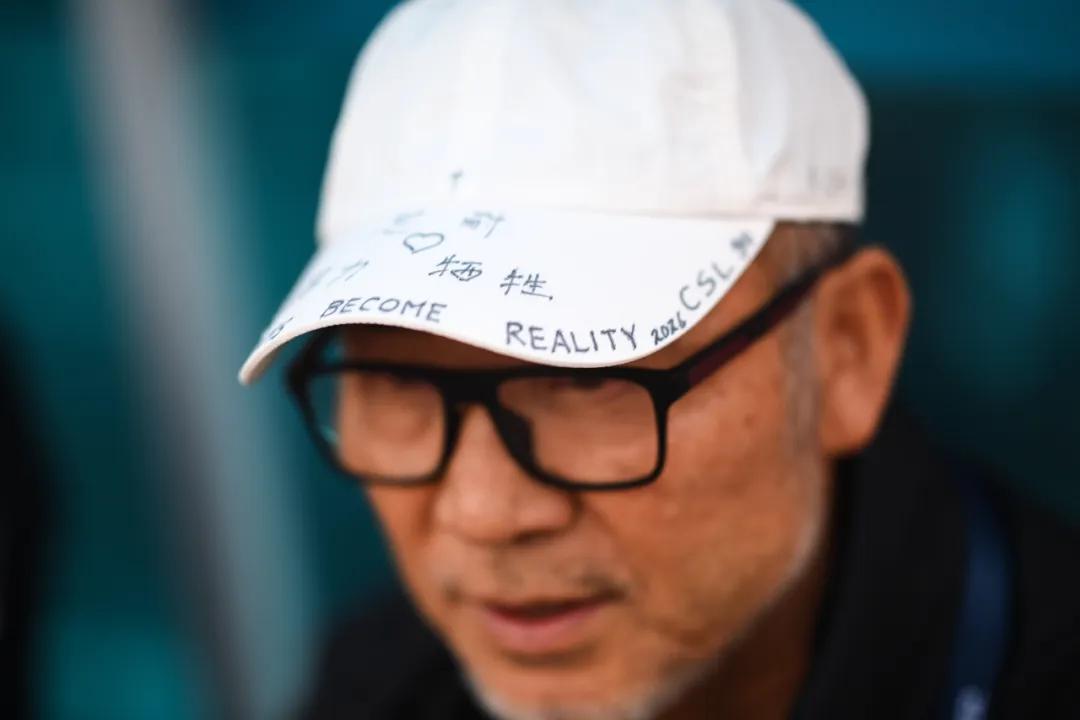
The three years and six months of waiting have made me treasure the enthusiasm and loyalty of Chongqing fans even more. Chongqing football is the pride of 32 million citizens. I hope football fans nationwide can witness this city’s spirit. To me, the “Chongqing spirit” means facing all difficulties with endurance, hard work, and sacrifice, uniting as “One Team, One Family.” We will continue to bring courage, hope, and inspiration to everyone who supports us.
◆Besides regaining Super League status, what else do you want to bring to Chongqing football?
I believe the young blood of Chongqing football deserves more attention. With such good player conditions now, we should apply more modern football theories and tactics to challenge them, ensuring every step in their growth is solid. This is what I want to bring to Chongqing football.

◆“Football”: In recent years in Korea, besides following Chongqing Tongliang Dragon, what other work have you done?
Zhang Wailong: While in Korea, I also kept track of Tongliang Dragon’s matches. As vice chairman of the Korea Football Association, I used my spare time to repeatedly watch their games, noting each player’s strengths and weaknesses, continually analyzing the team’s direction, as Chongqing football holds a special place in my heart. I have also closely followed the performances of China’s national teams at all levels.
◆Compared to three years ago, what changes do you see in the environment of Chinese football?
Clubs’ survival conditions have greatly improved, but there is still significant room for improvement in youth player development and the quality of the Super League and League One competitions.
◆What do you see as the current problems in Chinese youth training? Any good suggestions?
Compared to when Chinese clubs won the AFC Champions League, the overall level of Chinese football has declined. The core issue in youth training is the lack of a long-term, continuous, and unified strategic system. Youth training is not a short-term project; the Chinese Football Association must establish and implement a long-term plan with strong execution. Having coached in China, Japan, and Korea, and studied modern football trends and European and American tactical concepts, I have been developing a youth training roadmap suitable for Chinese football, which I hope to share with the CFA in the future.
◆Our U-series teams have performed poorly in Asian competitions these years. Where do you think the fundamental problems lie?
The goal of national teams at all age levels is not just to achieve results but more importantly to develop players who can join the senior national team. Once goals are clear and the system is correct, results will naturally improve.
◆Xiang Yuwang missed many chances in national teams and missed a penalty after returning. In your eyes, what are the main aspects of his growth?
Xiang Yuwang is a key resource for Chinese football’s future. After returning to the club, he faced huge pressure and lost confidence due to his penalty miss. At Tongliang Dragon, I communicated with him many times individually to help rebuild his confidence and strengthen his captain’s responsibility. His ability to lead the team to promotion is his biggest progress, which makes me very pleased.
◆So you say you see the future of Chinese football in Tongliang Dragon’s young players. Do you also agree that it’s right for professional clubs to give more opportunities to young players?
This is just my personal experience coaching Tongliang Dragon. Whether to give young players more chances is not a fixed standard. But in my view, if they are ready, they should be given a bigger stage, which is crucial for the future of Chinese football.



Wonderfulshortvideo
Did you get it? 🤔😅


Haaland’s movement 🥵
When you use your girlfriends shower 🚿 @Emily Bourne @LUSH
Neymar highlights neymar edit neymar lamine yamal celebration
Arsenal 1-0 chelsea havertz goal
yamal goal yamal instagram yamal dribble barcelona 2-1 albacete yamal highlights yamal edit
casemiro goal casemiro assist casemiro 6 7 celebration
 Links
Links
 Contact
Address:UNIT 1804 SOUTH BANK TOWER, 55 UPPER GROUND,LONDON ENGLAND SE1 9E
Number:+85259695367
E-mali:[email protected]
 App
App


