



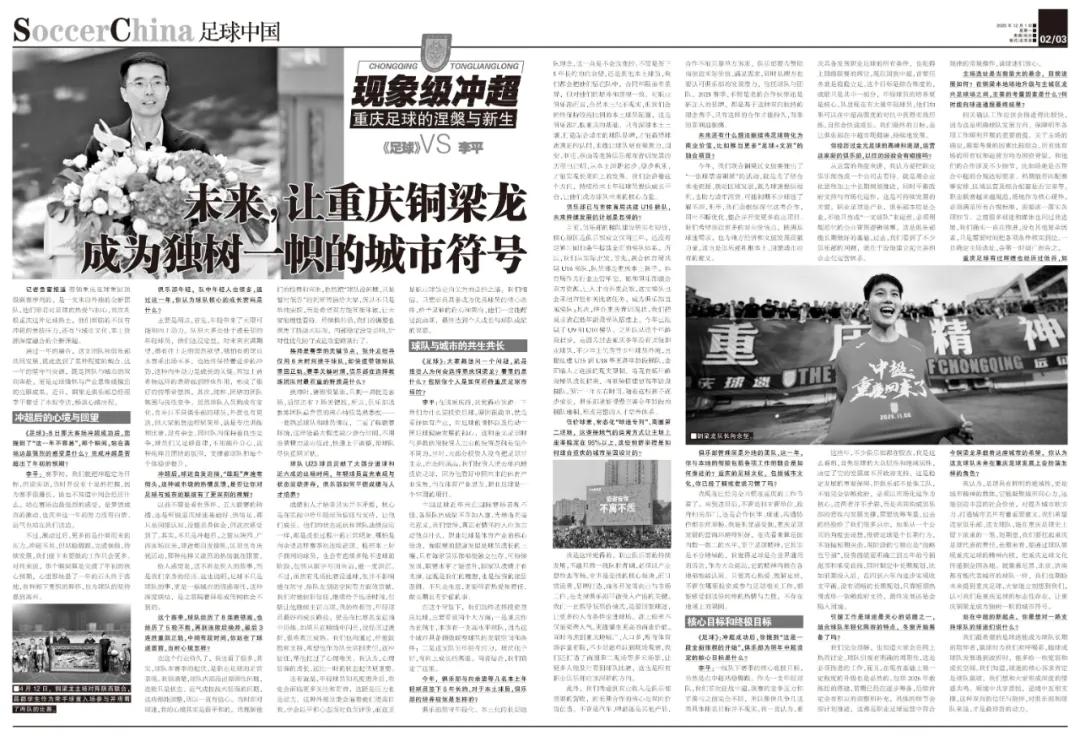
Exclusive interview with Li Ping, General Manager of Tongliang Long: In the future, making Chongqing Tongliang Long a unique city symbol



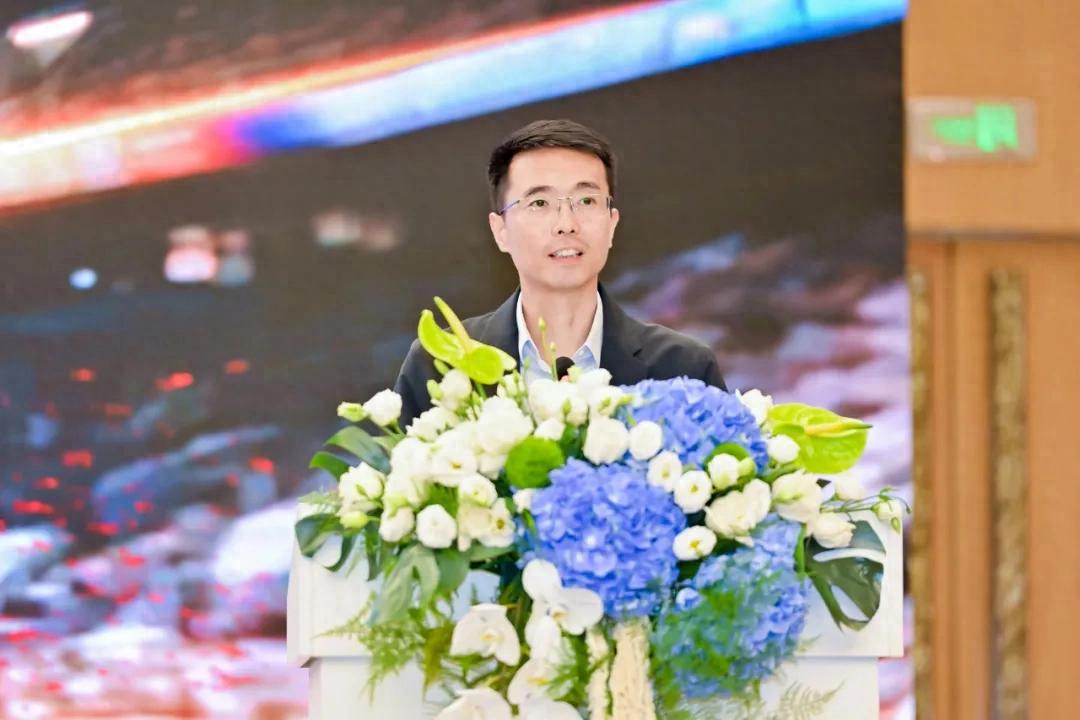
Reporter Lu Mi reports The team that brought Chongqing football back to the top league is a new management team from another region. With a love for football and a sincere beginning, they have established themselves in Chongqing’s football hotbed, confronting not only the challenge of promotion but also the task of deeply blending with the city’s culture and local assets.
After a year of adjustment, this team and the club have developed together, achieving a degree of alignment. This year of perseverance and breakthroughs represents a mutual commitment between the team and the city, as well as a brilliant outcome born from the collision of football passion and industrial thinking. Recently, Li Ping, General Manager of Tongliang Long club, gave an exclusive interview to our paper, sharing his journey.

◆“Football”: On the 8th, after the successful away promotion, you mentioned “this year was not easy.” At that moment, standing on the sidelines, what was your strongest feeling? Did the promotion exceed your expectations at the start of the year?
Li Ping: At the beginning of the season, we set promotion as our goal, but honestly, we weren’t completely confident because the season is long and unpredictable. Standing on the sidelines, my strongest feeling was the excitement of a dream come true, and relief that our year’s hard work wasn’t in vain and luck was on our side.
However, after the excitement, more pressure came rushing in. Promotion is tough, but staying stable, securing survival, and continuing development means we have even more work ahead. For me, that moment marked the fulfillment of our core goal for the year; the stone that had weighed on my heart all season finally dropped. It was a relief to lay down the burden and joy for the team’s persistence.
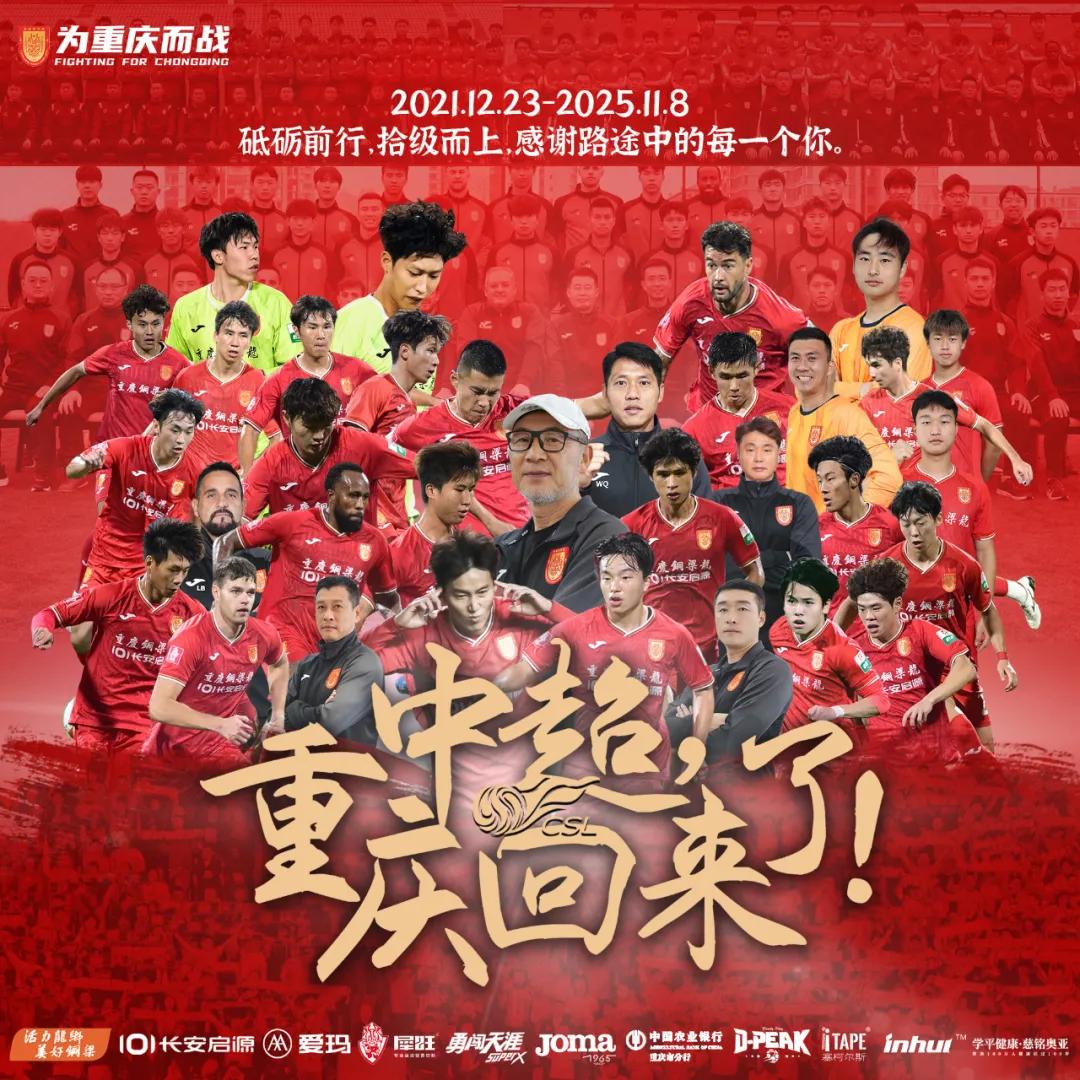
◆The club is young, with many young players. After this year, what do you think is the key to the team’s growth?
There are two main points. First, youth brings unlimited potential and upward drive. Most players are still developing, not yet fixed in their style, full of hope for the future, and strongly motivated to improve. Even those who played less this season kept pushing themselves, and this internal motivation is key to growth. Additionally, veterans like Huang Xiyang play a special role, creating a great mentorship atmosphere. Second, the pure, united team environment and healthy competition. Although there have been changes in personnel, with players from different clubs and foreign players rotating, everyone’s mindset is simple: focus on training and matches without distractions. The team maintains healthy competition, and players are disciplined enough not to be sidetracked. This pure and united atmosphere supports steady improvement for both the team and individuals.
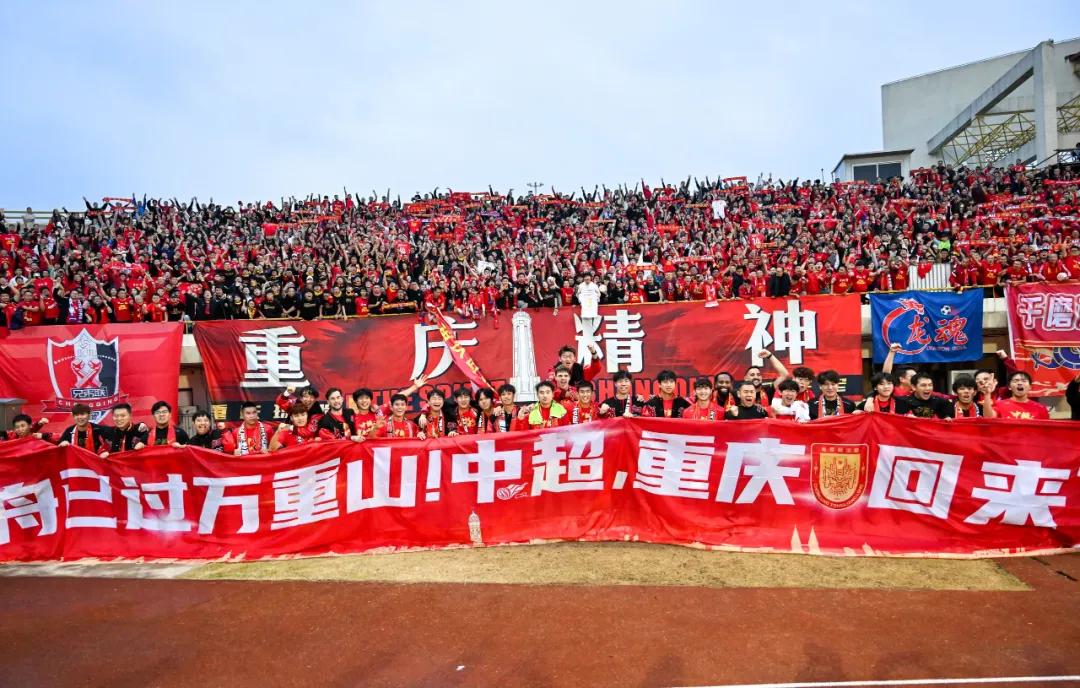
◆After promotion, fans spontaneously welcomed the team, and “Xiongqi” cheers echoed through the streets. Does this city-wide enthusiasm deepen your understanding of the link between football and Chongqing?
Before, whether watching the World Cup or top leagues, or hearing about Chongqing fans’ solid foundation and passion, it was only indirect knowledge without firsthand experience. This time, I truly felt it. Actually, it’s not just after promotion; even returning from away games in Shaanxi or Guangxi, fans would spontaneously greet the team at the airport, and the district held celebrations. That pure and strong enthusiasm was right before our eyes.
It feels like this is no longer someone else’s story but our own experience. This shows football is not just about the team but also an emotional anchor for the city. Such deep connection could not be felt through screens or hearsay before.
◆This season, the team experienced an 8-game winning streak leading the table, then a 5-game winless run, followed by losses and a coaching change, and finally a 3-game winning streak returning to form. During a period, you faced the fans directly. How did you feel then?
Having been in this industry a long time, I’ve seen a lot. The team’s ups and downs this season are actually normal in professional football. I’m confident because there were no fundamental internal problems; the losing streak was due to form, luck, or tactical issues, all fixable. When facing fans, I felt calm. I understood their criticism and venting and wanted to convey that “the team is fine, just in a temporary low.” So it wasn’t just soothing but a call for mutual understanding and rational perspective. After the coaching change, our adjustments focused on tactics, while internal stability remained unaffected. We optimized defense and attack patterns accordingly.
◆The coaching change was a key point this season. Coach Zhang Wailong took over in just 6 days and quickly led the team back on track. At this critical time, what qualities did the club prioritize when selecting the coaching staff?
With a tight schedule and only a week before an away game plus seven crucial matches ahead, the club prioritized familiarity—first, with the team and players; second, with the league environment. This minimizes adaptation time, avoids wasting energy on adjusting to each other, and allows quick tactical changes to get the team back on track.
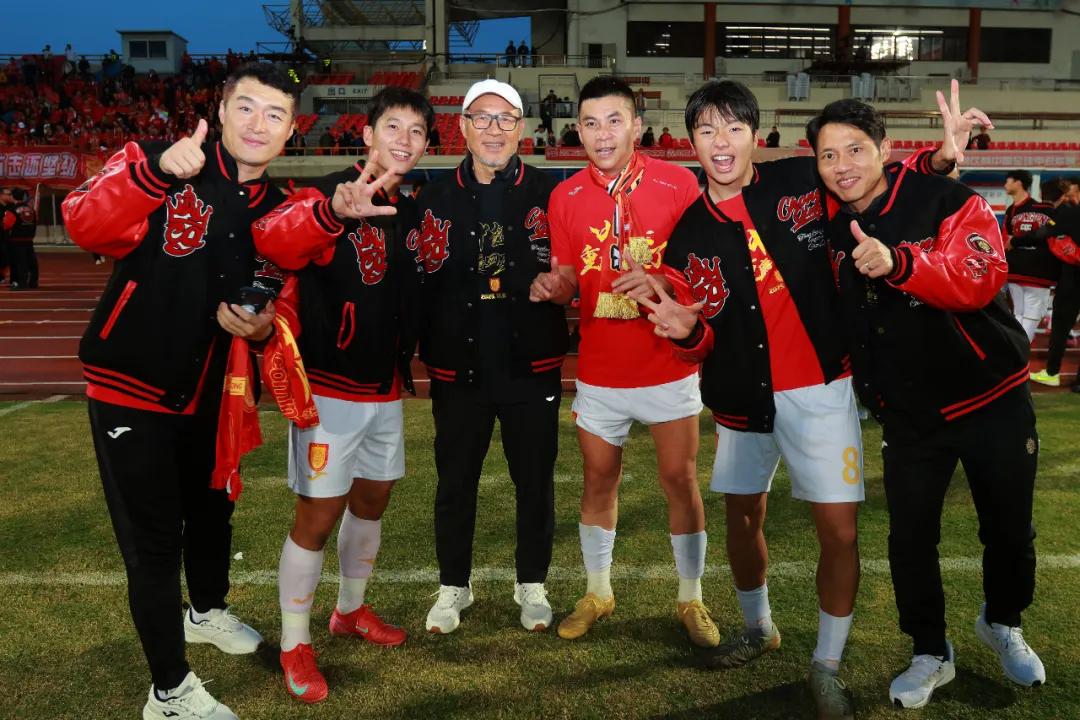
◆U23 players contributed most goals and nearly 60% of playing time. With young players showing both highlights and fluctuations, how does the club balance results and talent development?
Results and talent cultivation aren’t contradictory. The key is trusting and supporting young players in real matches to help them grow. Their ups and downs, like the team’s, are normal in development. Even players like Xiang Yuwang, who scored consecutively early in the season and led local scorers, had goal droughts and mood dips after national team duty. Yet, despite no goals in some games, he contributed defensively and created space for teammates. We continue to trust him, giving him playing time and penalty duties.
I firmly believe the best growth for young players is gaining experience in matches, even adversity. If they only shine in good times and never face setbacks, they won’t mature truly. We communicated with him, encouraged and supported him to take on captain responsibilities. This trust helped him overcome psychological hurdles. I think mental growth is far more important than temporary form fluctuations.
Also, as young players gain recognition, they inevitably face more attention and criticism, which is both pressure and motivation. This external feedback pushes them to improve and learn to handle negative evaluations calmly, a necessary path for professional players to excel. We believe that if players have the core qualities to become outstanding, with enough patience and opportunities, they will get through the ups and downs and achieve both personal growth and team success.
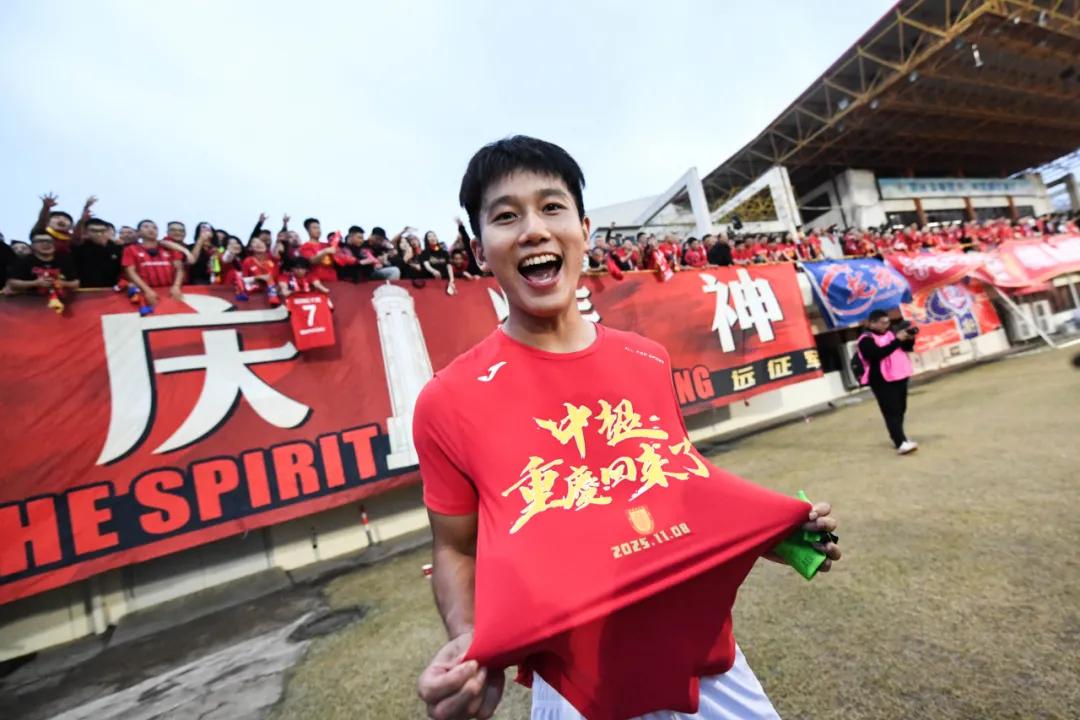

◆“Football”: Everyone wants to know why investors chose Chongqing Tongliang Long? What attracted them? Also, how do you personally view the Chongqing football market?
Li Ping: Before discussing Chongqing, I think it’s important to explain why we invested in football. The reason is simple: we believe in the sports industry and have a passion for football, aiming to promote healthy development of Chinese football. This is totally different from the era of big-money football when most investors treated football as a side business, not the main focus. Our investors purely invest in football because they see the future potential of China’s sports industry, and professional football is a solid pillar in that sector.
Chinese football has underperformed internationally in recent years, and blaming others is pointless. We believe true enthusiasts should proactively contribute. Professional football is the core of the sports industry, and the league’s healthy development is the foundation for player growth. Only if every club can survive independently and sustainably will the league improve and the national team have support. This is both our ideal and the fundamental logic behind our investment. It’s not just business but a long-term, meaningful commitment driven by love and responsibility.
Against this backdrop, we chose to invest in Chongqing football mainly for two reasons: first, as a municipality, Chongqing deserves a high-level team because the city has the conditions and space for a top-league club; second, this team is young and energetic, with a good player base and potential for growth. Combining these factors, we decided on this location.
◆This year, the club signed several local young players including Xiang Yuwang to 5-year contracts. What is the club’s development plan for local players?
The club adheres to a long-term philosophy of youth and localization, which will not change. Whether it’s Xiang Yuwang with his 5-year contract or other local players, we keep them in the team. Although contract lengths vary, our attention and development for them are consistent. For a professional club, full localization is unrealistic, but we maintain a high proportion of local players. This is the foundation for rooting the club in Chongqing. Only by deeply cultivating local talent and building a team brand that fits the city can we win true fan recognition and strengthen team cohesion. Established clubs like Guoan, Shenhua, and Taishan have shown that starting from local youth development and steady accumulation leads to long-term progress. We will continue providing growth platforms for local young players to become the club’s future core.
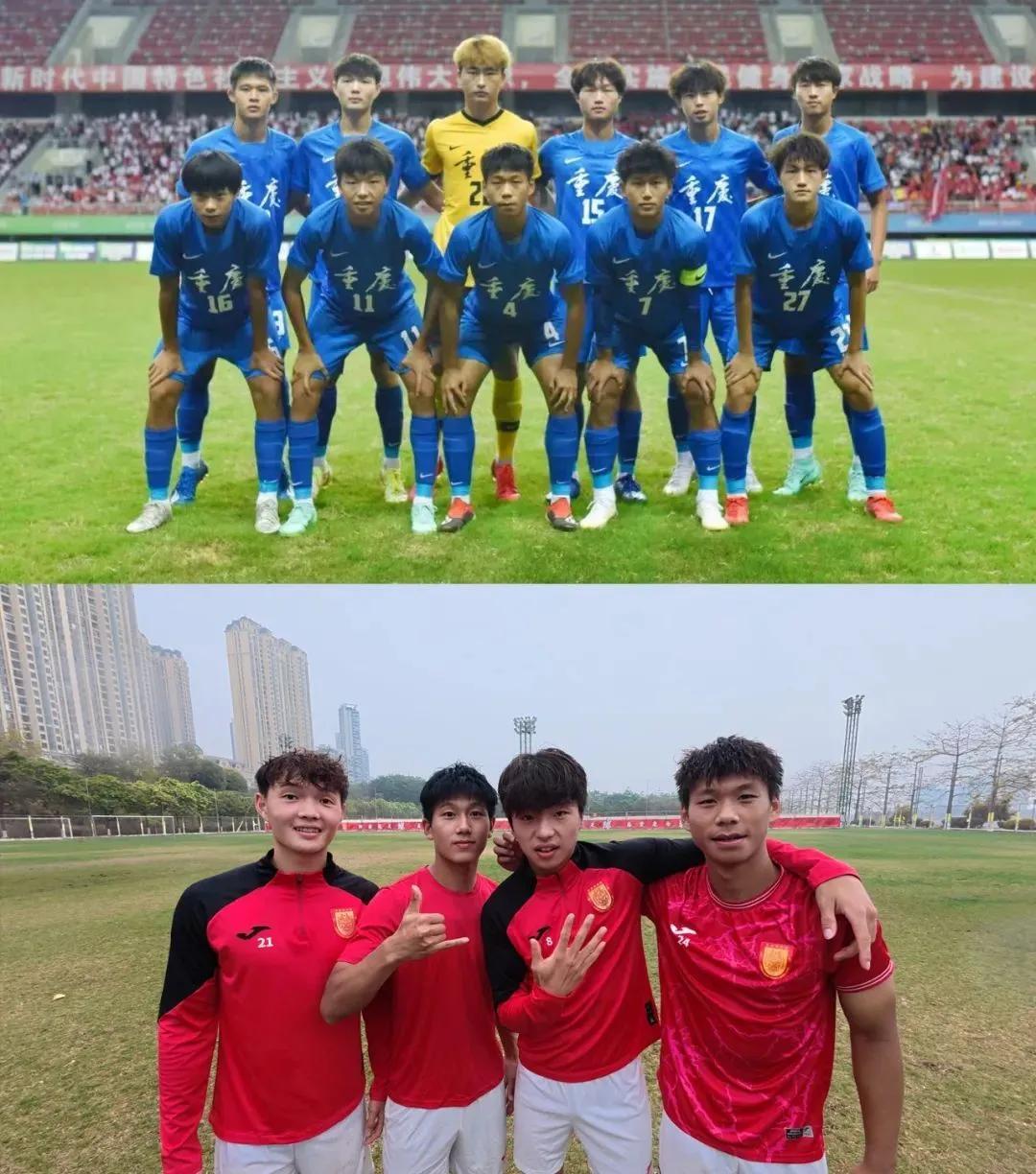
◆The club has collaborated with the Municipal Sports Bureau to build a U16 team. What are the plans for sustainable development?
Currently, the club’s youth system has shortcomings because it was only founded two or three years ago and hasn’t had enough time or conditions to build a comprehensive structure. So practically, we first partnered with the Sports Bureau to co-establish the U16 team, composed of local Chongqing youth. The Sports Bureau, as the governing body, can integrate resources with the club to make talent cultivation more efficient. This team will also participate in city competitions and act as the club’s direct youth squad.
Second, considering Chongqing’s youth training situation, we focus on building lower age groups, having formed U9 and U10 teams this year. Starting at this age is because Chongqing lacked a top professional team for years, causing many local talents to leave. Directly forming U15 to U18 teams would face talent selection challenges. As these younger teams mature, we will expand to higher age groups. In about three years, as these kids grow, the club will gradually complete a full age-group system, forming a complete talent development pipeline.
◆Low ticket prices, regular “fan trains,” and a secondary commercial district viewing site have kept home attendance above 95%. How were these grassroots operational innovations designed to match Chongqing’s city DNA?
I believe that a professional club’s sustainable development can’t rely solely on the first team and youth training; it must be planned with industrial thinking. Youth training is the core of competition, while daily operations, brand building, and commercial development support balancing club investment and returns. We have consistently promoted a low ticket price model to give fans access to the stadium. High attendance not only builds atmosphere but also boosts commercial value. Considering Chongqing’s vast area and large population, and limited stadium capacity, many fans cannot attend in person, so we created multi-scenario options like the commercial district second site to let more people watch matches live. This is a direction all professional clubs should cultivate.
Additionally, commercial revenue is vital, and long-term partnerships depend on mutual value creation. Whether with car brands, beer, or other products, cooperation can’t be one-sided. The club must create real value and meet sponsors’ needs, while brands must recognize the club’s growth potential and trust the team. For the 2025 season, both old and new partners join based on this two-way support philosophy. Only such cooperation can last, not short-term profit ties.
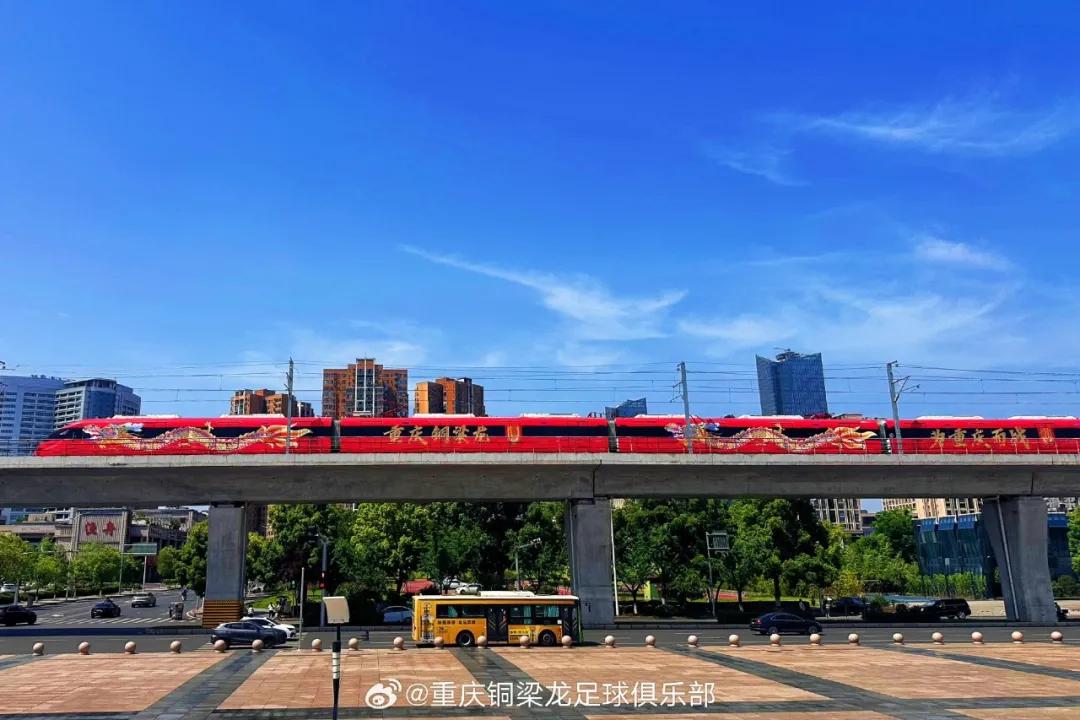
◆Do you have future plans to further convert football into commercial value, such as launching more “football + cultural tourism” integration projects?
This year, we partnered with the Tongliang District Cultural and Tourism Committee to launch the “One Ticket for Football and Tongliang Tour” campaign, combining local resources and regional development to benefit fans and boost city consumption. Although some fans may not fully understand it yet, next year we will deepen such collaborations and continuously optimize, integrate, and develop more commercial projects. We aim to create more commercial value points that satisfy fans and contribute to the local economy and cultural tourism. This is also the club’s way of rooting locally and giving back to the city.
◆The club’s management team is from outside the region. Over this year, how have you integrated with local work and culture? Have you come to understand or get used to Chongqing’s football and city culture?
I am now fully accustomed to working in Chongqing. Since arriving, communication and collaboration with authorities, government departments, partners, and fans have been very smooth. I clearly feel that Chongqing’s football business environment is excellent, among the best in China. As for football spirit, it transcends geography. Football is a universal language worldwide. As a mass sport, its core spirit is recognized everywhere. As long as one truly loves and understands football, no matter where you invest or work in football, you will feel this pure passion and strength without regional barriers.
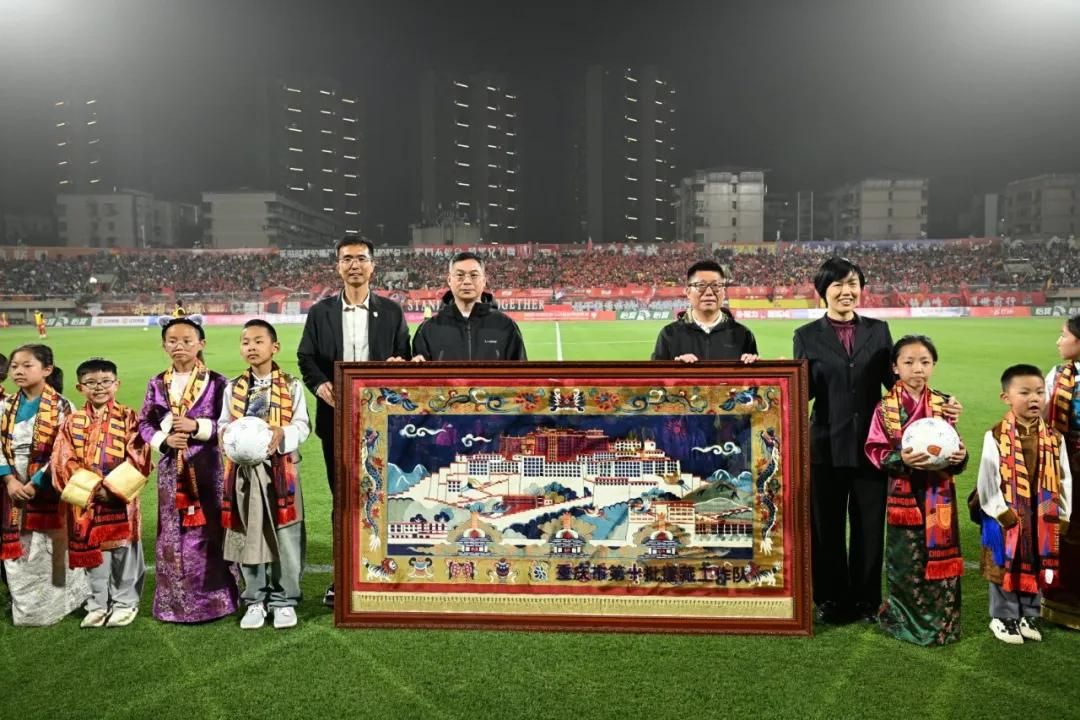

◆“Football”: After achieving promotion, you said “this is the start of a new journey.” What are the club’s core goals for next year’s Chinese Super League?
Li Ping: The first team’s main competitive goal next season is to firmly establish itself in the Chinese Super League. As a young team newly competing in the CSL, the pressure and pace are completely different, so aiming for specific rankings like “secure this place or that place” isn’t realistic. I always believe Chongqing has all the conditions to develop professional football and deserves a spot in the top league. Now that we’re back in the CSL, our primary task is to stand firmly. This goal is multi-dimensional; results are just one part, and youth player development is core. The team currently has many young players who will grow quickly by gaining experience in high-level competition. Our ultimate aim is for the club to achieve healthy and sustainable development in the CSL.
◆You have experienced the peak and decline of big-money football. Will those experiences clash with managing this new club?
From an operational perspective, I believe a professional club should be treated like a company. This means applying corporate thinking with mid-to-long-term planning, balancing government support with market-oriented operations. This is key for sustainable development. Professional football is an industry, and the club is essentially a business, not just “a team.” We must operate with standardized corporate management logic. Previously, many clubs failed because they lacked a complete corporate operation system.
In recent years, many clubs have restructured ownership. I see that football’s mass and regional characteristics mean development relies heavily on government support, which is important for stability. But clubs aren’t state teams and cannot rely solely on government; market-driven operation must be central. These two aspects are not contradictory but jointly support club revenue and growth and require integrated consideration. Past experience teaches us that investing in football is a long-term commitment, not a short-term sprint. Current losses should be seen as “strategic losses,” with clear loss limits and tolerance for three to five years and mid-to-long-term plans to gradually break even in four to six years. Without clear long-term plans, relying on short-term enthusiasm or government support alone will lead to difficulties.
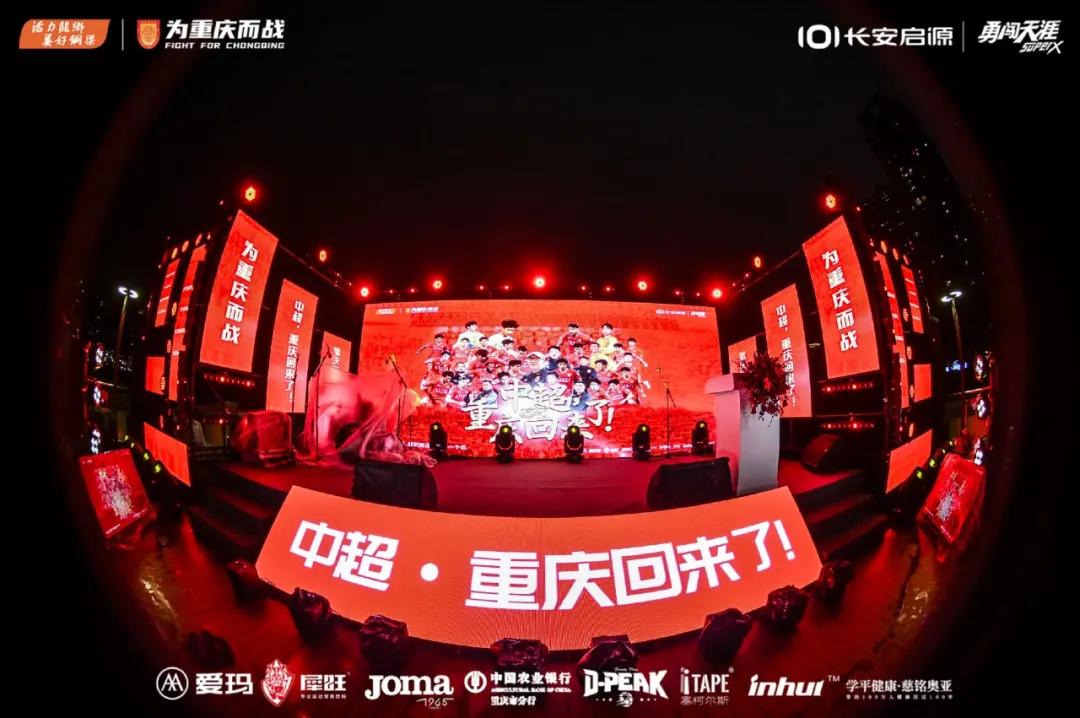
◆Player recruitment is one of the fans’ biggest concerns. With the team’s youth focus, has preparation for the winter transfer window started?
We fully understand and know fans discuss this online passionately. Recruitment follows clear cycles and is necessary. Upgrading the current squad to some extent is inevitable. The 2026 coaching staff construction has already begun, and adjustments and additions will follow as planned. These are routine operations consistent with professional football management. Fans can rest assured.
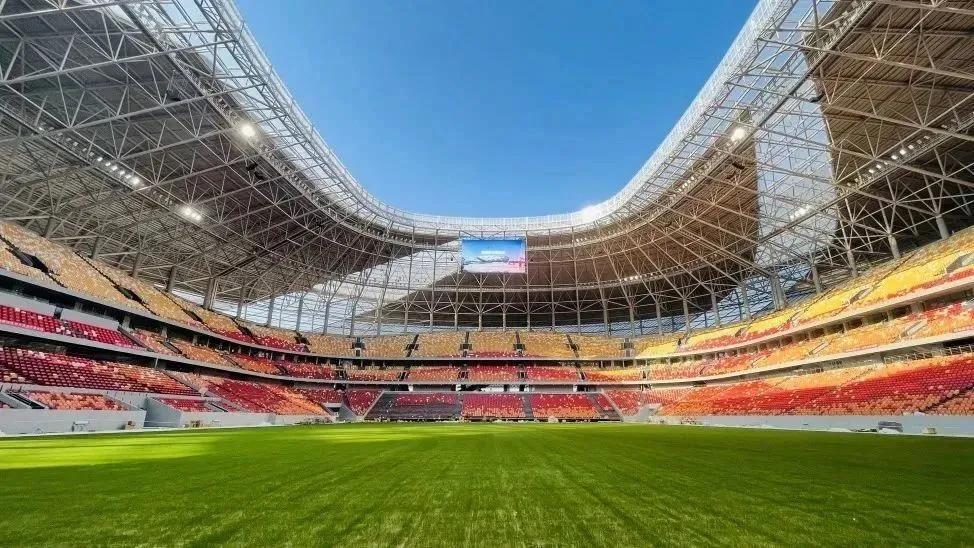
◆The home stadium choice is currently the biggest question. What is the progress? Between upgrading the local Tongliang venue and the downtown Longxing Football Stadium, what are the main considerations? When can fans expect a final announcement?
The confirmation process should move quickly because it’s crucial for clarifying the team’s development direction and ensuring smooth work next year. Choosing a home stadium involves many factors. All stadiums are state-owned and operated by state-backed entities, so cooperation involves many details, such as whether the venue meets CSL compliance standards, scheduling compatibility with matches, and completeness of regional operation and facilities. Professional leagues are becoming more regulated, and the venue, as core infrastructure, must meet all standards with details verified one by one. Many fans and media have asked about progress; we have been advancing steadily. There are no complicated issues, just time needed to verify all conditions. Once the home stadium is finalized, we will announce it immediately and widely.
◆Chongqing football has had glorious moments and lows. Now Tongliang Long carries the city’s hopes. What role do you think this team will play in Chongqing football’s future?
I believe football has strong regional characteristics and embodies the city’s spirit. It can unite the city’s cohesion and create rich social value, playing an important role in enhancing urban soft power and building a city’s brand. We hope this club and team will leave a significant mark in Chongqing football history. In the short term, we bear the responsibility of representing Chongqing football; in the long term, through the team, we want to showcase Chongqing football’s core spirit and spread its culture nationwide. Just like Munich, Beijing, and Jinan have teams representing their cities, we hope that in the future, when people think of Chongqing, they immediately associate it with us, recognizing us as the iconic symbol of Chongqing football and making Chongqing Tongliang Long a distinctive city emblem.
◆At this new starting point in the CSL, what would you most like to say to the fans who have supported the team all along?
What we hope most is that fans become long-term companions to the team—cheering in victories and offering tolerance and room for growth when the team loses or faces difficulties. We know fans’ core desire is for the team to win, and we want to build a deep emotional connection with everyone. Sharing joy in good times and supporting each other in adversity—this mutual trust and companionship is the most precious motivation for the club and team.


Wonderfulshortvideo
Did you get it? 🤔😅


Haaland’s movement 🥵
When you use your girlfriends shower 🚿 @Emily Bourne @LUSH
Neymar highlights neymar edit neymar lamine yamal celebration
Arsenal 1-0 chelsea havertz goal
yamal goal yamal instagram yamal dribble barcelona 2-1 albacete yamal highlights yamal edit
casemiro goal casemiro assist casemiro 6 7 celebration
 Links
Links
 Contact
Address:UNIT 1804 SOUTH BANK TOWER, 55 UPPER GROUND,LONDON ENGLAND SE1 9E
Number:+85259695367
E-mali:[email protected]
 App
App


