



New League Entry Regulations: Good Continuity, Concerns over Youth Teams



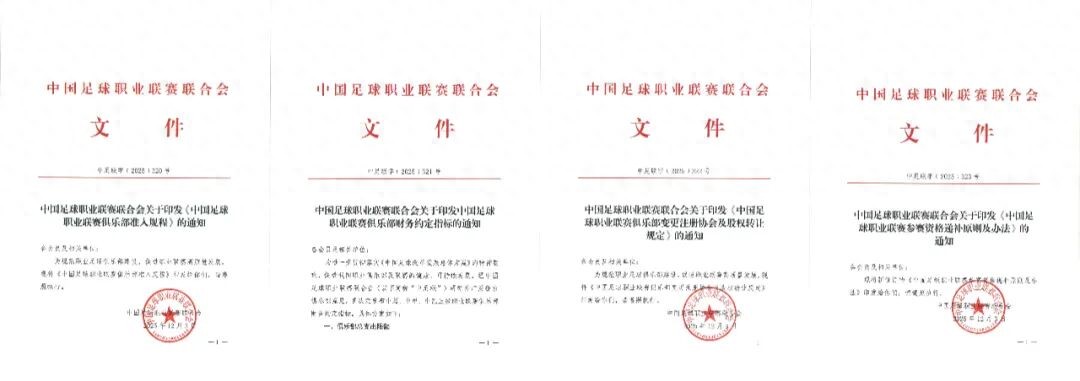
Reported by Chen Yong On December 3, the CFA announced a set of new rules concerning Chinese professional football leagues and clubs. These four documents are titled "Financial Agreement Indicators for Clubs in Chinese Professional Football Leagues," "Replacement Principles and Procedures for League Participation Qualifications," "Rules on Club Registration Changes and Equity Transfers," and "Club Admission Guidelines for Chinese Professional Football Leagues."
Compared to previous entry-related regulations, this year’s four major documents maintain strong continuity but also include some detailed changes, among which the standards for youth team participation may raise concerns.

The financial agreement indicators include limits on club expenditures, first-team salary caps, and bonus caps. Within the first-team salary cap, there are specific limits such as individual salaries for domestic players (including those from Hong Kong, Macau, and Taiwan), average domestic player salaries, individual foreign player salary caps, total foreign player salary caps, and salary limits for naturalized players.
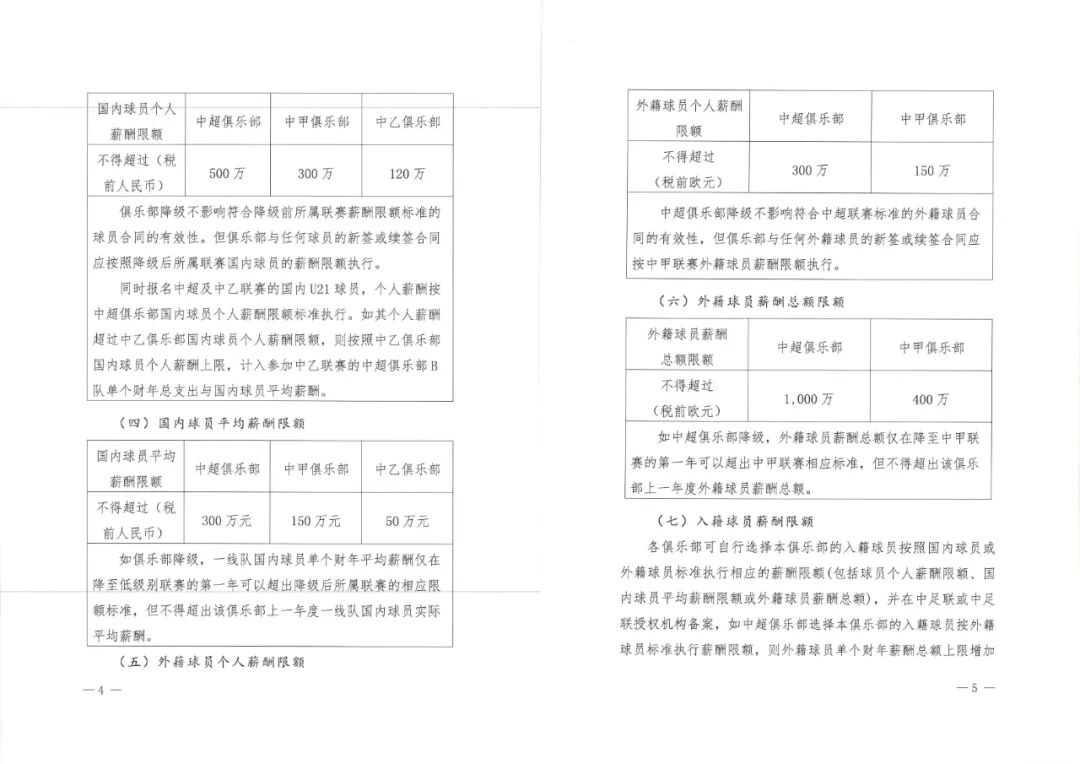
Overall, the indicators show strong continuity. Noteworthy changes include: first, if the salary cap for naturalized players follows the foreign player individual salary cap, the foreign player individual salary cap increases by 2 million euros (pre-tax, same below) to 12 million euros (with China League One increasing by 800,000 euros to 4.8 million euros), while the foreign player overall salary cap remains at 10 million euros and 4 million euros respectively; second, clubs participating simultaneously in the Chinese Super League (CSL) and China League Two (i.e., owning a CSL B team) must ensure the club’s total expenditure does not exceed the CSL limit, and the B team’s total expenditure does not exceed the China League Two limit; third, domestic U21 players registered in both CSL and China League Two will have their individual salaries capped according to the CSL domestic player individual salary limit. If their salary exceeds the China League Two domestic player limit, the excess will be counted against the B team’s annual total expenditure and average domestic player salary in China League Two.
The continuity of qualification replacement rules is also strong, with a more detailed replacement scheme for China League Two. Since U21 league teams are involved, besides the corresponding replacement order, the sequence for China Amateur Football League (CAL) and U21 teams is: playoff losers, CAL fifth place, U21 league second place, followed by CAL sixth to eighth places.
Regarding registration changes and equity transfers, the requirement for a consent letter from the local municipal government (at or above the prefecture level) has been removed. Additionally, important equity transfer procedures can now be conducted once during the season.
In terms of team building, the youth team standards have changed from the previous "654" system (CSL requires U21, U19, U17, U15, U14, and U13; China League One does not require U21; China League Two does not require U21 and U19) to a "543" system (clubs determine youth team age groups based on their own development plans). However, CSL clubs must have at least three youth teams (including one aged 13-15, one aged 16-21, and one additional team of their choice), China League One clubs at least two teams (13-15 and 16-21), and China League Two clubs at least one team (ages 13-21). These players must be registered with their own club, not others, and participate in official competitions organized by the CFA or CFA League (including qualifiers). The CFA has eased the burden regarding youth team standards.

The current standards and admission procedures closely relate to the reality of Chinese professional leagues, though suggestions have been made on certain details.
For example, regarding financial agreement indicators, some believe that overly detailed individual salary caps are unnecessary, and instead a total salary cap should be set, allowing clubs to flexibly allocate funds according to their circumstances. This would enable clubs to attract higher-level foreign players or pay more to outstanding domestic players. This approach could be considered once club finances stabilize.
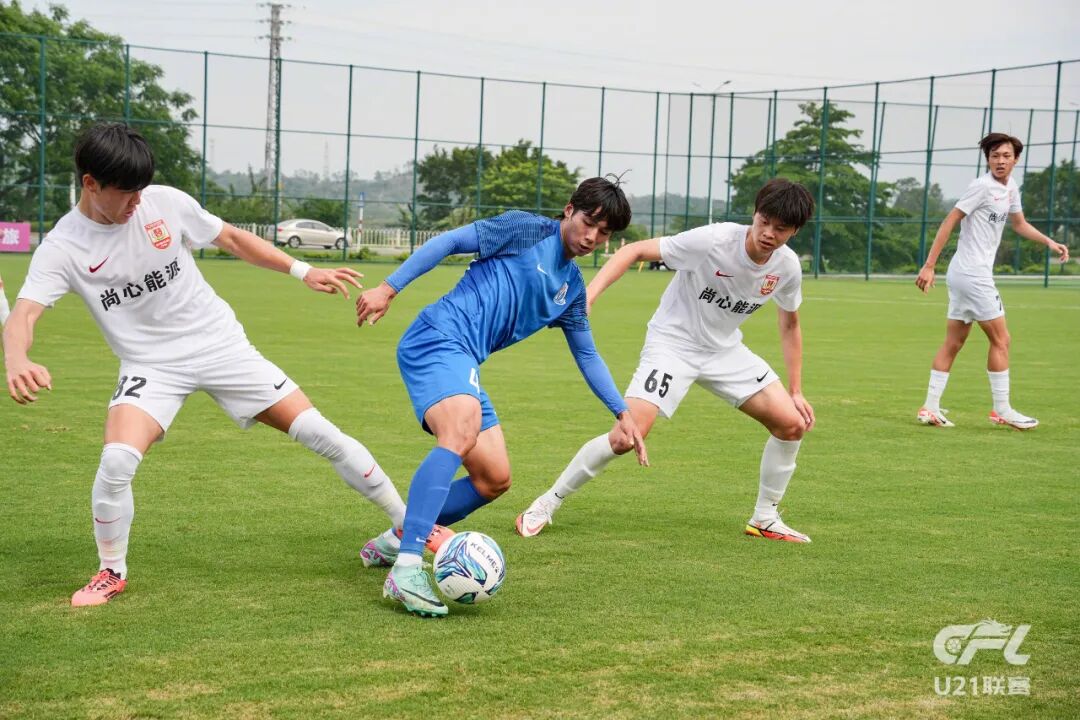
As for club youth teams, the new standards carry some concerns. The new youth team standard is "543," but the participation standard is "321." Specifically, CSL requires teams aged 13-15, 16-21, and one more of their choice; China League One requires teams aged 13-15 and 16-21; China League Two requires one team aged 13-21.
According to these standards, the soon-to-be-established top-level Chinese youth training league (for ages 18 and above) might theoretically lack participating teams, since CSL clubs could build youth teams only up to age 17. This is especially relevant in the 2026 season, when between four and five CSL B teams will participate in China League Two.
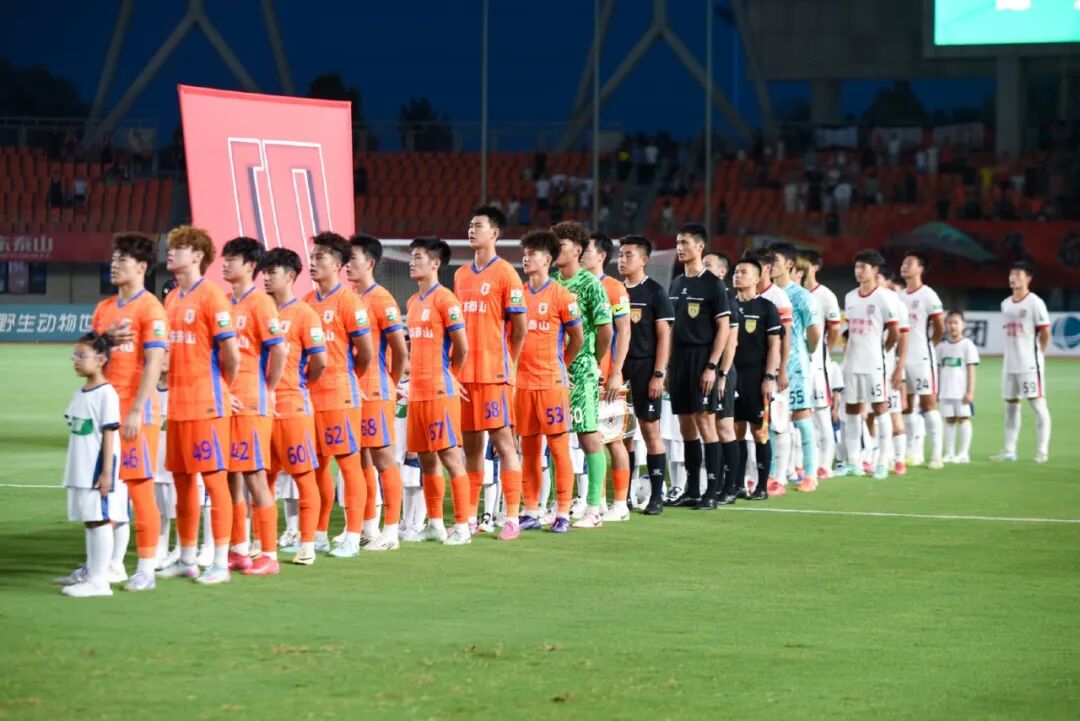
A more reasonable proposal would be to focus on key age groups: CSL clubs must have one team aged 18 or above to participate in the top youth league (such as the merged U21 and U19 home-and-away U20 league), and also participate in U17 and U15 competitions; China League One clubs must participate in U17 and U15 competitions; China League Two clubs must participate in U15 competitions.


Wonderfulshortvideo
Did you get it? 🤔😅


Haaland’s movement 🥵
Which counterattack is
When you use your girlfriends shower 🚿 @Emily Bourne @LUSH
Neymar highlights neymar edit neymar lamine yamal celebration
Arsenal 1-0 chelsea havertz goal
yamal goal yamal instagram yamal dribble barcelona 2-1 albacete yamal highlights yamal edit
 Links
Links
 Contact
Address:UNIT 1804 SOUTH BANK TOWER, 55 UPPER GROUND,LONDON ENGLAND SE1 9E
Number:+85259695367
E-mali:[email protected]
 App
App


