



Chongqing Tongliang Long's home ground for the Super League is finalized, with a detailed explanation of why the new coach chose Liu Jianye.


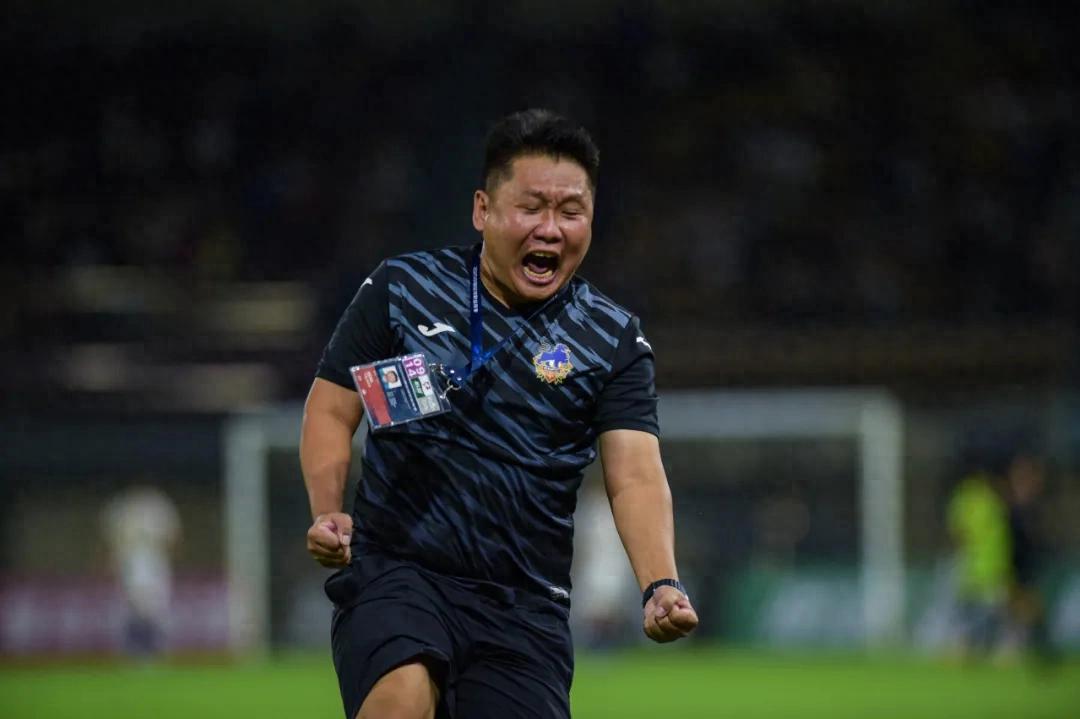
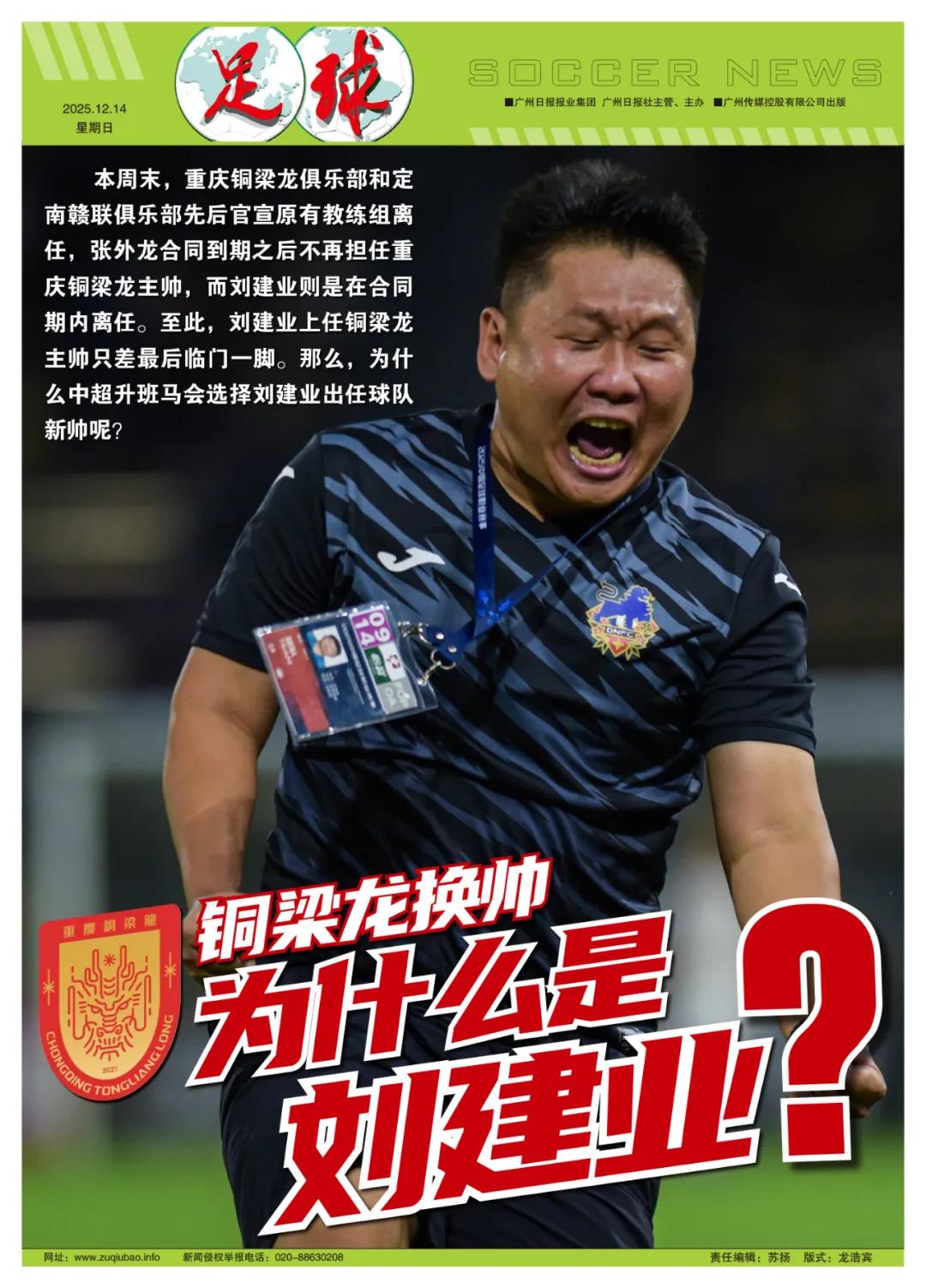
Reporter Lu Mi reports. This weekend, Chongqing Tongliang Long Club and Dingnan Ganlian Club both announced the exit of their previous coaching teams. Zhang Wailong did not continue as head coach after his contract ended, and Liu Jianye departed before his contract expired. Now, Liu Jianye is just one step away from officially taking charge of Tongliang Long, with the club set to confirm his coaching team today.
A local coach only 38 years old managing to leap directly from China League One to lead a Super League team has sparked heated discussions among insiders and fans. Interestingly, because Liu Jianye was still under contract with Dingnan Ganlian, his move to Chongqing makes him one of the rare domestic coaches to involve a "transfer fee" in Chinese football currently.
Why choose Liu Jianye? Our report reveals that his arrival reflects the Chongqing Tongliang Long investors’ firm commitment to employing domestic coaches and is also a key approach to nurturing local coaches as a vital force in the development of Chinese football. This strategic vision was confirmed from the moment the investors took over the club. Not only Liu Jianye, but in the future, Jia Shunhao will serve as the team’s technical director, and mid-career domestic coaches like Wu Qing will have more opportunities for growth through the Tongliang Long platform.
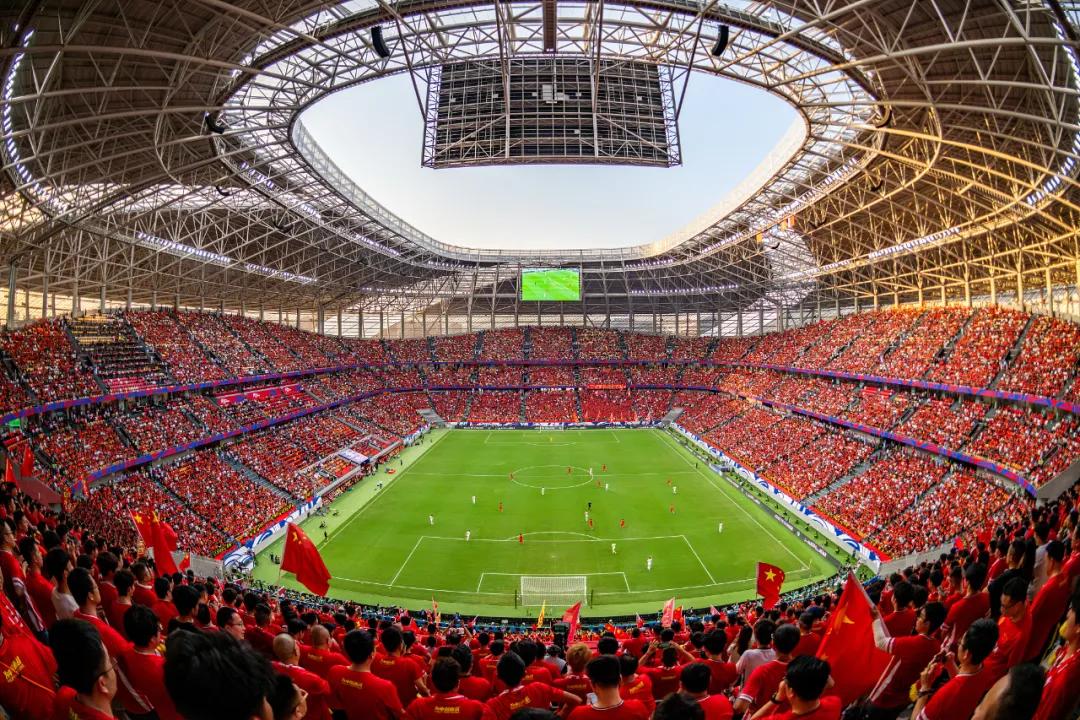
While finalizing the new season’s coaching staff, the club is also intensively preparing for its inaugural Super League season. The home stadium is nearly settled: Longxing Professional Football Stadium will serve as the main venue for Tongliang Long’s Super League matches next season, with Tongliang Sports Stadium hosting some games.

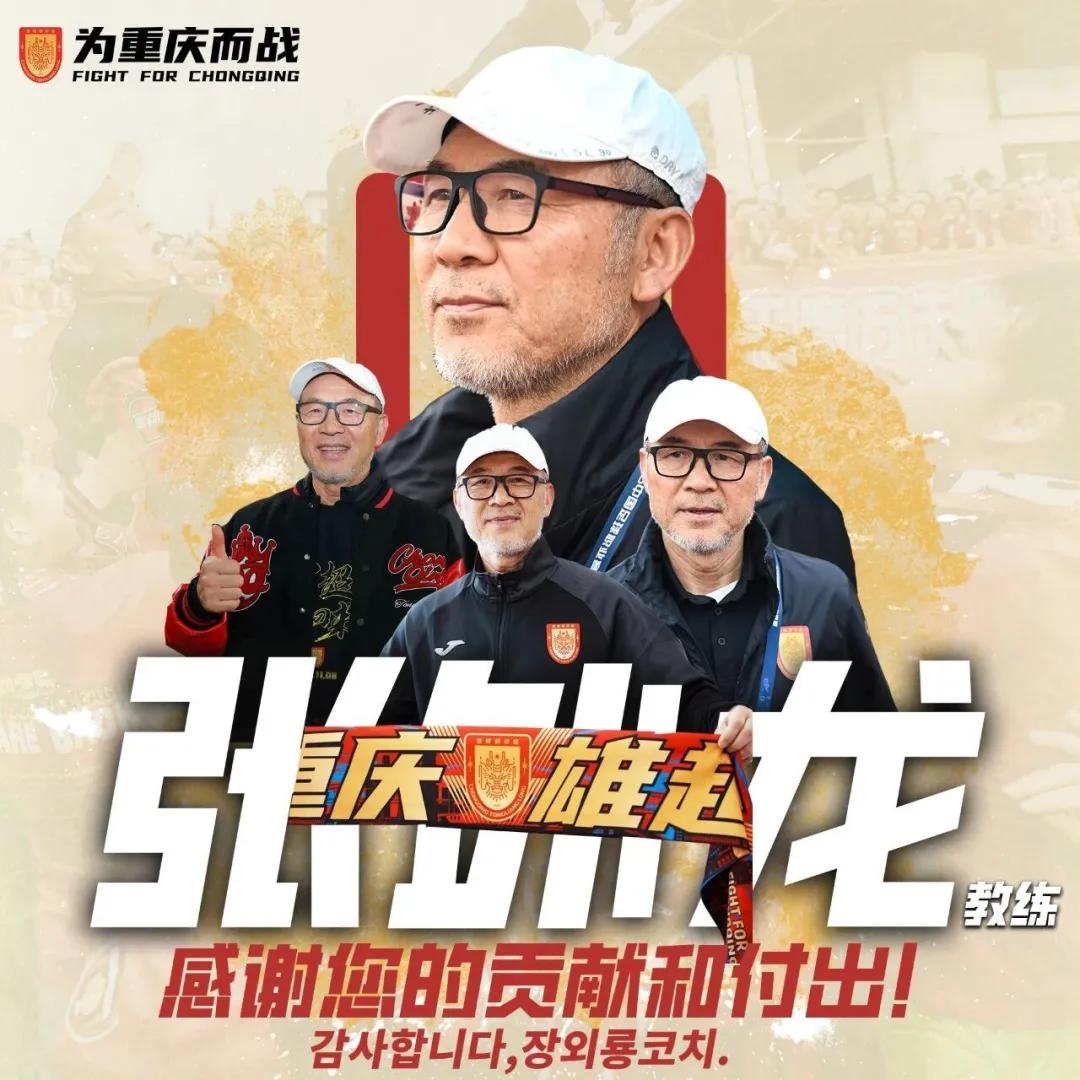
On December 12, Chongqing Tongliang Long officially announced the departure of promotion-achieving coach Zhang Wailong. Although this news had been rumored within the industry, the official confirmation sparked varied reactions among fans. Last season, with seven rounds remaining, the team’s form dipped and their points advantage over promotion rivals narrowed. Replacing Salvador became inevitable. At that time, Zhang Wailong signed a seven-round contract with the club, which expired after the match against Shanghai Jiading Huilong.
When deciding to replace Salvador, the club had already resolved that regardless of whether they achieve promotion in 2025, a domestic mid-career coach would lead the team after the season. The cooperation process with Salvador’s team reinforced this strategy. Foreign coaches often bring fixed coaching styles and rarely adapt effectively to the realities of Chinese football. Because the overall level of Chinese football lags behind, the issues teams face are more complex and nuanced. Choosing a Chinese coach allows for a more precise diagnosis of team problems, like a “traditional Chinese medicine pulse,” and then foreign coaches can assist with targeted solutions.
After Chongqing Tongliang Long’s promotion success, Zhang Wailong expressed willingness to continue coaching. Many Chongqing fans valued his emotional connection through three tenures. The investors communicated fully with Zhang. The reason the initial seven-round contract lacked an extension option was because employing domestic coaches was already part of the club’s strategic plan. Investors also believe, “Chinese football needs Chinese coaches to grow in order to develop well.” Zhang Wailong understood this during discussions, noting that many retired Korean internationals have become excellent coaches.

The strategy of using domestic coaches is not a sudden decision this season but a long-term club plan. Once it was decided that a domestic coach would lead next season, the club began targeted selection. The investors have recently met several coaches, including Wan Houliang and Xie Hui. Their core requirement is clear: the team must be led by domestic mid-career coaches.
From the investors’ perspective, the greatest traits of domestic mid-career coaches are pragmatism and strong learning ability. Drawing from this year’s Qingdao West Coast coaching model—Shao Jiayi plus foreign assistants—the team stabilized to avoid relegation while developing its own style, and the coaching staff grew. Shao Jiayi’s rise to national team head coach through this platform is a clear example of such growth.
“First, we need such talent. Chinese football cannot rely solely on developing a few young players; the future belongs to domestic coaches.” If domestic coaches encounter difficulties, foreign assistants can provide support. The main reason for choosing Liu Jianye now is his impressive work leading Dingnan Ganlian. He took a team without superior overall strength to sixth place in League One and showed strong performances against Super League teams. Liu’s coaching is convincing. Immediately after matches, he edits key videos to help players review weaknesses, showing his dedication to study. His tactical deployment fits the current squad well, and especially during the club’s difficult times, he managed to tightly unite the team.
Currently, Liu Jianye has arrived in Chongqing. The team’s first training after the holiday break is on the 15th, when his coaching staff will officially begin work. It is known that his team will include Jin De legend Du Yu, goalkeeper coach Zhang Sipeng, and foreign assistants for the new season.
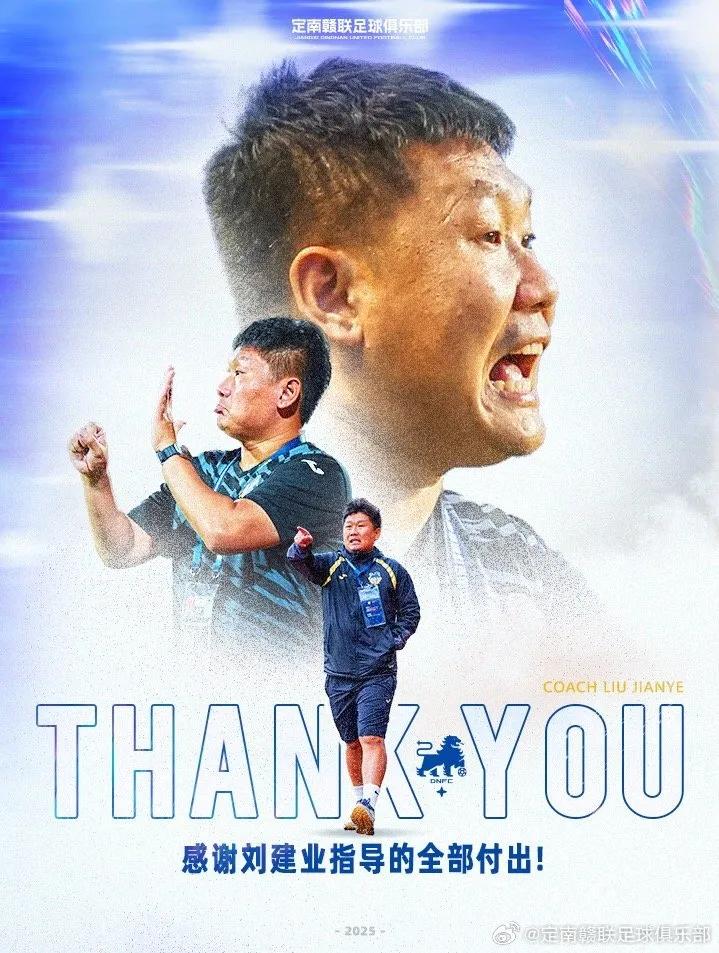

While many clubs stubbornly pursue foreign coaches, sometimes of lower tiers, Tongliang Long has turned its focus to the growth of domestic mid-career coaches, demonstrating the foundational logic for improving football development: only by strengthening local talent can sustainable progress be achieved. Thus, Liu Jianye has become a rare domestic coach whose transfer involved a “transfer fee.”
This also shows the club and investors’ serious commitment beyond mere words. Tongliang Long will provide Wu Qing, who is pursuing a professional coaching license, opportunities to study at European clubs, encouraging him to “learn more and gain broader experience,” building a solid growth platform for young coaches. Investors believe Chinese football lacks not platforms but qualified professionals. The stepwise growth of young coaches is key to the development of Chongqing and Chinese football overall.
In recent years, many Super League clubs and even national teams have invested heavily in foreign coaches, but most efforts yielded little improvement in Chinese football’s overall level. Conversely, local coaches often lack systematic training and high-level opportunities to showcase their talents. Chongqing Tongliang Long is trying to break this traditional mindset. Investors understand football development is not about saving the game with a single star but requires professionals across coaching, rehabilitation, technical directors, and more. Emphasizing young coach development relates to building a football talent system. Besides enhancing professional operations in the coaching team, the club has appointed Jia Shunhao as technical director to support regular assessments of players and coaches.
After finalizing the first-team coaching staff, the team’s winter training will officially start on the 15th. Meanwhile, the home ground for next year’s season is basically confirmed as Longxing Professional Football Stadium, while the former home, Tongliang Long Sports Stadium, will host some matches including the FA Cup games.


Wonderfulshortvideo
Did you get it? 🤔😅


Haaland’s movement 🥵
Which counterattack is
When you use your girlfriends shower 🚿 @Emily Bourne @LUSH
Neymar highlights neymar edit neymar lamine yamal celebration
Arsenal 1-0 chelsea havertz goal
Lamine Yamal wizardry 🪄
 Links
Links
 Contact
Address:UNIT 1804 SOUTH BANK TOWER, 55 UPPER GROUND,LONDON ENGLAND SE1 9E
Number:+85259695367
E-mali:[email protected]
 App
App


