



Dialogue Beyond Winning and Losing: Chinese and Korean Football Communities Jointly Seek Solutions for Youth Training, Confronting the "Retirement at Age 12" Challenge



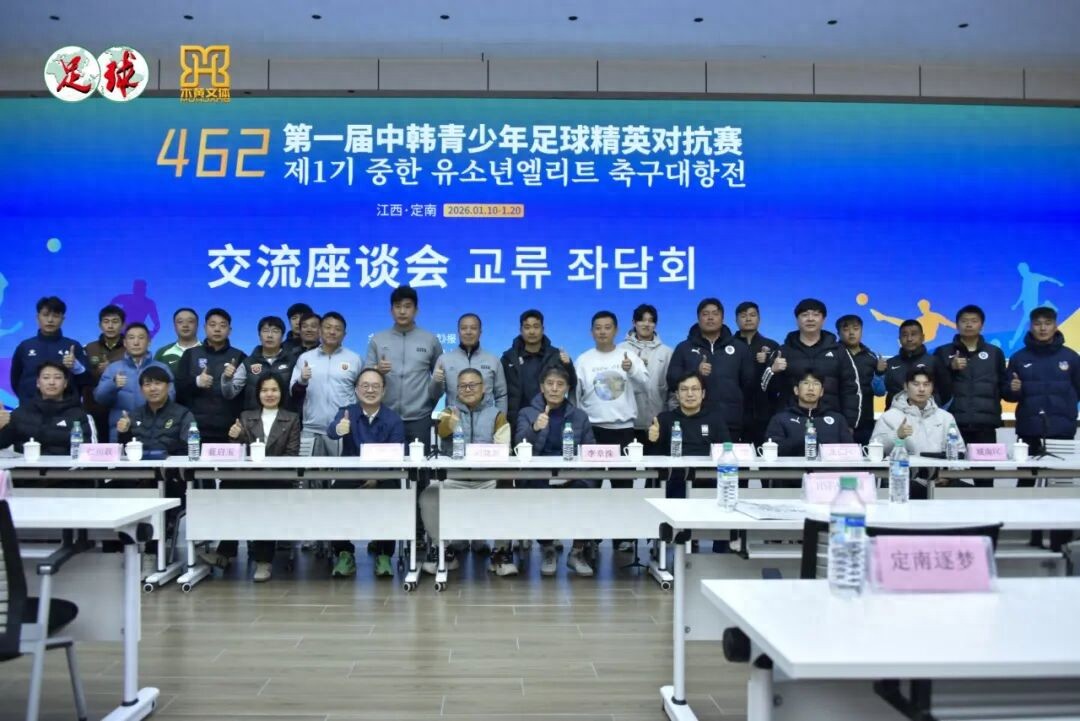
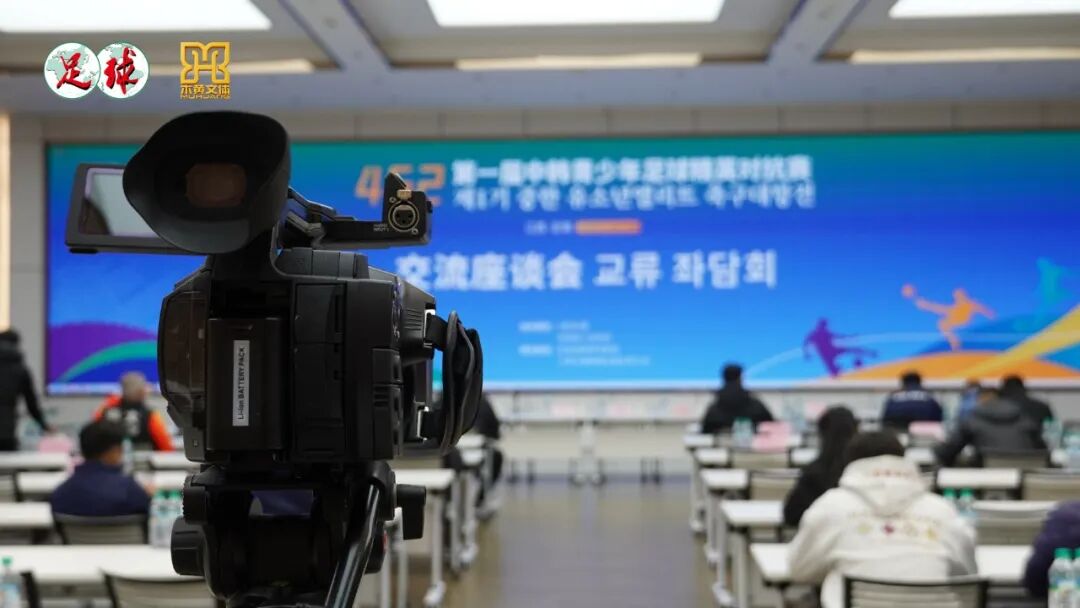
Zuo Ruifa Reporting from Dingnan, Jiangxi At 8 PM on January 16, the multifunction hall of Dingnan (National) Youth Football Training Center held the "462 Cup" First China-Korea Youth Football Elite Competition Exchange Symposium as planned. Football figures from China and Korea conducted in-depth exchanges lasting more than 90 minutes, the length of a full match, discussing youth training approaches alongside the competition.

The symposium was attended by Korea Football Association Vice Chairman Lee Yong-soo, Technical Director Kim Jong-yoon, renowned Korean coach Lee Jang-soo, as well as representatives from the event organizer, including Liu Xiaoxin, President of Football Newspaper, and Lan Qiyu, Deputy County Mayor of Dingnan People's Government. Nearly 40 coaches from the 16 participating teams, 10 local youth training coaches from Dingnan, and over 30 football educators took part in the on-site discussions.
Lan Qiyu welcomed the arrival of the two distinguished guests from the Korean Football Association, extended greetings to all coaches who had been leading their teams in recent days, and expressed gratitude to Football Newspaper for its strong support of Dingnan's football development. Lan stated that Dingnan, as an active explorer of county-level football development in China, will adhere to the strategy of "integration of sports and education, and football-driven county development," aiming to build a fertile ground for youth football growth and a regional hub for competitions.
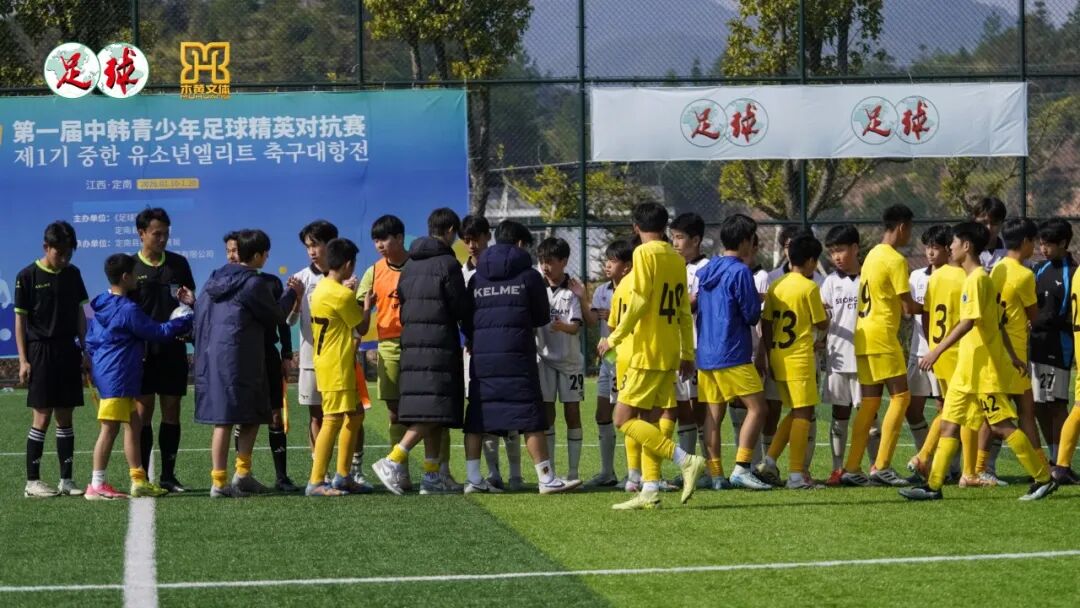
Lan Qiyu believes this competition is not only a clash of football skills and tactics but also a profound exchange of football culture and philosophies. He looks forward to using this event and cultural exchange as a starting point to promote regular China-Korea youth football competitions and deepen dialogue.
As one of the earliest domestic football journalists to interview Lee Jang-soo 28 years ago, Liu Xiaoxin explained his old friend's affection for Chinese football and his dedication to China-Korea exchanges: "A year ago, he told me he no longer wanted to be a head coach, but wished to give back to Chinese football, which has carried almost his entire coaching career." Since then, Lee Jang-soo has committed to helping Chinese youth football as much as he can, "helping as much as possible."
Liu Xiaoxin believes that Korea's youth football training system and structure are very similar to China's, and that their differing content, culture, and professional philosophies are all worth learning from and deeply exchanging about. He is confident that this largest and most intense youth international event in Chinese football history will make Dingnan a new starting point for China-Korea football exchanges.
KFA Vice Chairman Lee Yong-soo expressed surprise at how Dingnan, a relatively small city with a modest population, possesses outstanding football facilities and an enthusiastic participation atmosphere: "Besides this, I consider myself a dream chaser, and after coming to Dingnan, I was pleasantly surprised to find many others here who are also pursuing their dreams like me."
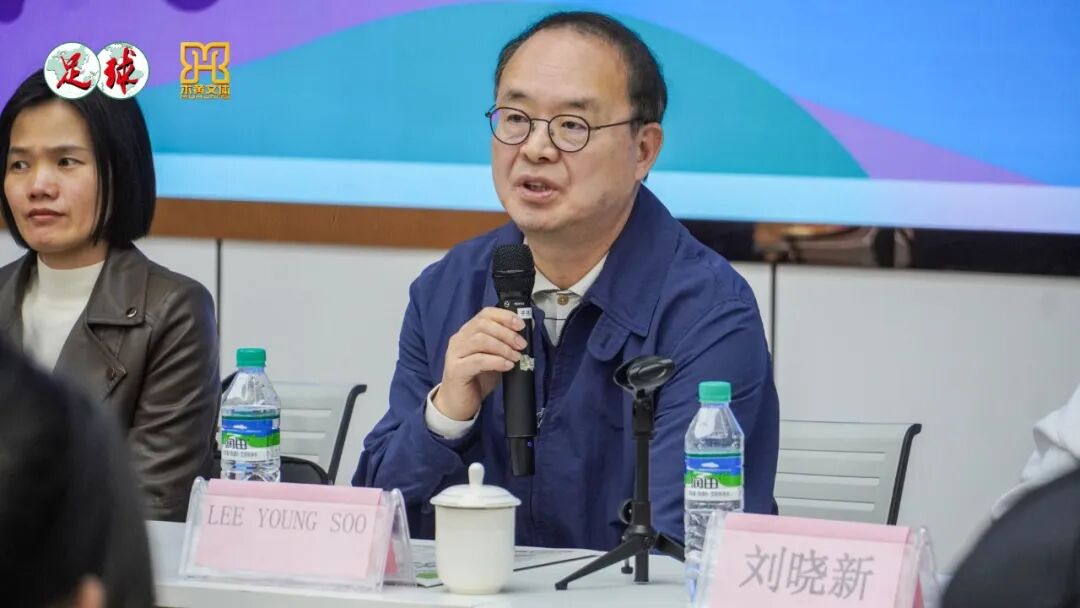
Speaking to professional youth coaches and grassroots football teachers from both countries, Lee Yong-soo hopes the China-Korea youth competition will continue to improve: "Winning this competition would certainly be great, but I believe that if football can add warmth to our society and world, that would be even better; and if it can bring happiness to the children involved, that would be the best outcome." At 66, he said this dream began with the 2002 Korea-Japan World Cup and remains unchanged.

Regarding player selection under 12 years old, Seongnam FC head coach Jo Dong-hee's approach is largely similar to his Chinese counterparts: first focusing on players' fundamental skills, then evaluating their performance in matches. Even the only non-professional club team among the four Korean teams, HSFA Hwaseong, conducts nationwide scouting.
Like Chinese football, Korean football also faces the "retirement at age 12" phenomenon, where many children participate in football primarily for interest during elementary school, but participation sharply declines from middle school onwards. According to KFA Technical Director Kim Jong-yoon, Korean parents are troubled and conflicted over whether to let children play football freely or focus on academic studies. He said he is constantly reflecting: "As football practitioners, what measures and strategies should we adopt to retain these young players? This is a crucial and thoughtful issue for the KFA."
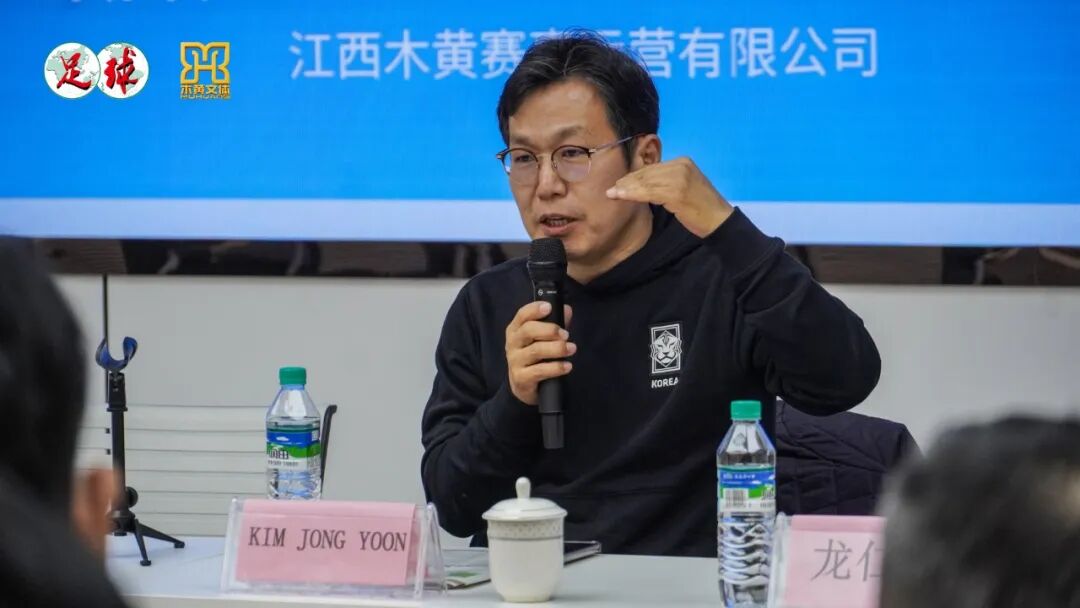
"Parents' care and affection for their children are the same everywhere. I think choosing between football and studies is a dilemma present in every country," Kim Jong-yoon said. "But regardless, having a group of excellent football coaches is very important." Besides parental influence, coaches significantly impact children's futures and largely determine a country's youth football training and competitive level.
Kim Jong-yoon explained that Korea's coach training system is basically the same as China's, both implementing the AFC's coach training and certification programs. "Each football association adopts different approaches to coaches' continuing education and advanced learning, focusing on their priorities. For example, the KFA highly values the ongoing development of coaching instructors and continuous updates to course content." He added that the Korea Football League also trains coaches, and some regional associations and coach unions send coaches abroad for two to three years of further study.
It was introduced that the most critical part of the KFA's 2014 "Golden Age Plan" originally targeted player selection for the national teams aged 13–15. Due to FIFA's change starting in 2025 to hold the U17 World Cup annually instead of biennially, the plan underwent major revisions, adding content for players aged 16–17 after consulting frontline and grassroots coaches.
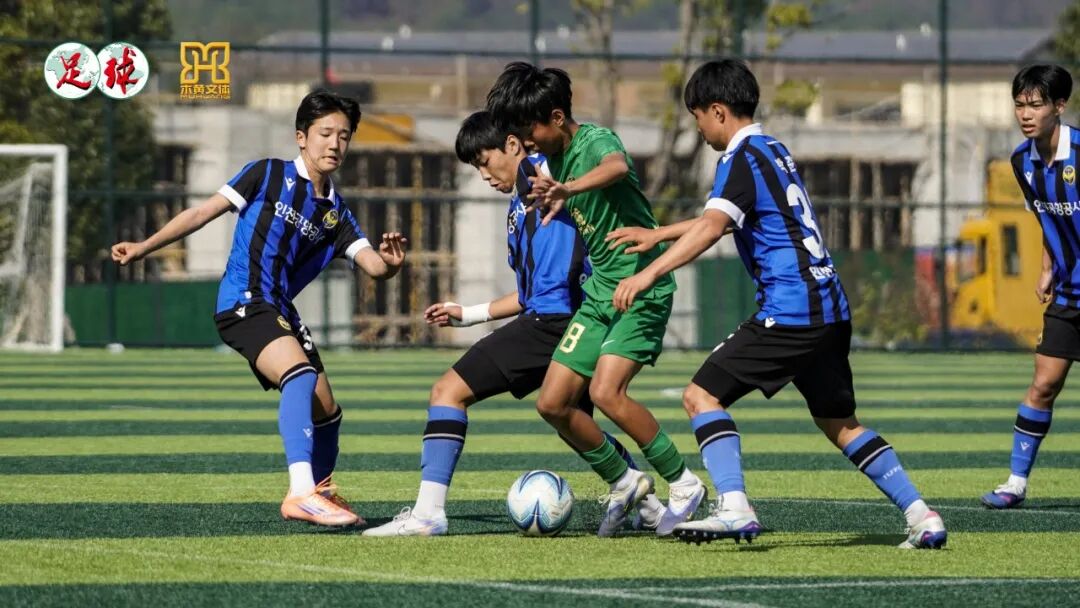
Regarding whether players aged 13 to 14 should go abroad for training, youth coaches from both China and Korea share the same view, advising parents against it. Incheon United head coach Midal Park said that for young players' growth, the common practice is to start from lower-tier leagues, even university leagues, gradually progressing upwards. "By playing more matches, they build competitive ability and lay a solid foundation for entering professional leagues." He cited a typical example on site: Park Jin-seop, a new foreign recruit for Zhejiang, who rose from the U-League to the K1 League and the Korean national team.

The Q&A session between Chinese and Korean youth training peers lasted the longest, with participants facing common challenges and engaging in lively discussions. On whether and how youth players should do strength training, nearly 70-year-old Lee Jang-soo also joined the conversation with great interest. Although a veteran first-team head coach, Lee's responsibility mainly involves assigning tasks to the coaching staff, including fitness coaches, and timely evaluation.
"For the top teams in our competition, basic skills training should be emphasized before age 15, since after this critical period, players' fundamentals are set," Lee Jang-soo said. Players at this age can do moderate gym workouts, but it is best to gradually increase upper body strength training after they turn 16.
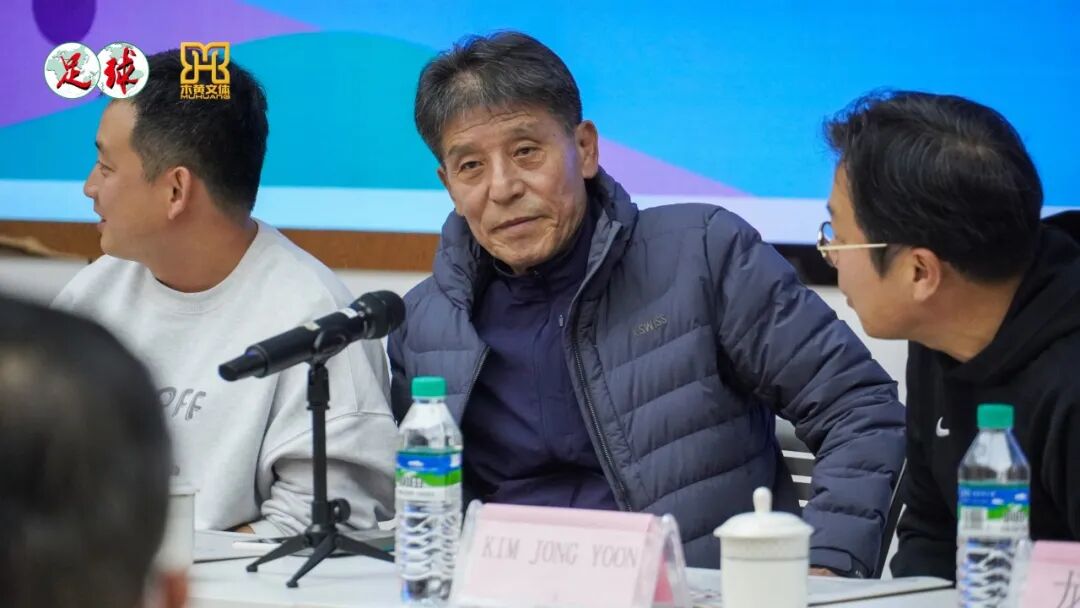
From senior men's international matches to nearby youth training squads, from top European stars to K-League professionals, Korean football's physical competitiveness has deeply impressed their Chinese counterparts. On this, Kim Jong-yoon offered his perspective as a technical official. He said puberty timing varies individually, and for boys, strength training is more appropriate after secondary sexual characteristics like beards and Adam's apple appear. "This is a more scientific and accurate assessment method promoted nationwide by the KFA."
How large is the income gap between professional club youth coaches and school football teachers? This topic energized the atmosphere. In Japanese football, the former earn more than the latter but usually less than double, a reasonable range. In China, the income gap is significant. What about Korea?
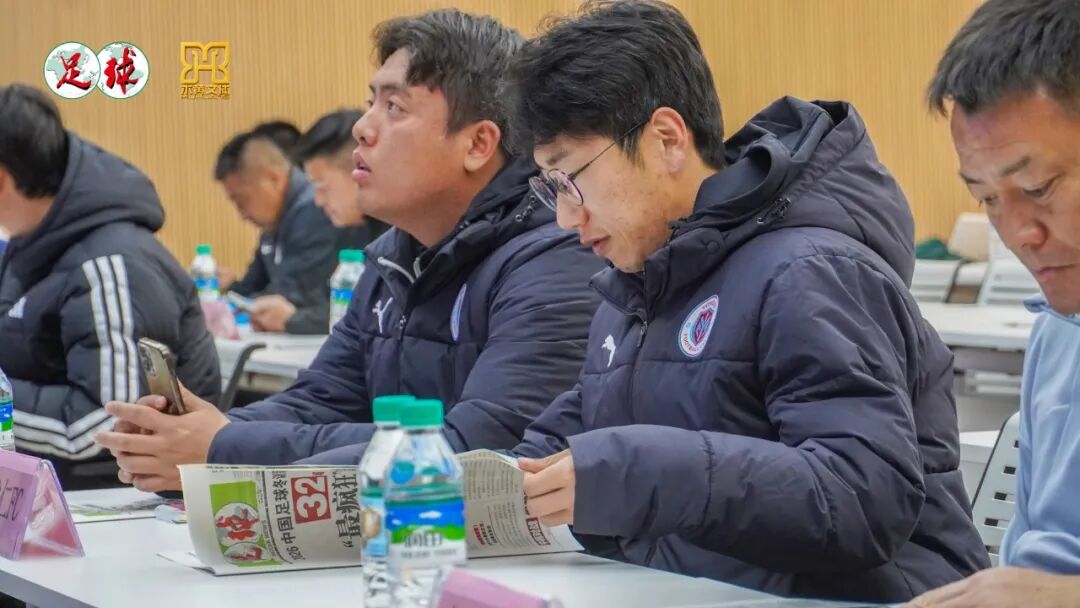
After Seongnam FC and Incheon United representatives said salary figures were inconvenient to disclose, HSFA Hwaseong head coach Choi Seong-ju took on this "hot" topic: "Korea's situation differs; some club youth coaches earn more, but some school coaches, especially university ones, earn higher than their club counterparts." Due to differences in per capita income and living standards between China and Korea, "a monthly income of 30,000 RMB might be considered high for Chinese youth coaches but lacks appeal when converted to Korean won," Choi explained.
From players like Park Ji-sung and Son Heung-min, the image of hardworking Korean players is almost fixed, but Korean football professionals say training can no longer rely on intuition. All four Korean teams in this event are equipped with wearable monitoring devices, making high-intensity training more data-driven and scientific. Based on his coaching experience, Lee Jang-soo pointed out an interesting observation: Northern players in Chinese professional clubs have excellent physical qualities, while southern players tend to be more skilled and agile, "but I found that regardless of origin, players are generally reluctant to participate in very high-intensity training."
Face-to-face discussions and on-field exchanges are inevitably limited by time, but through football — an international language — cross-border communication continues at all times. Using this event and symposium as an opportunity, deepening China-Korea youth football cooperation to cultivate more talents for both countries' football development is the original intention of Football Newspaper and Lee Jang-soo.


Wonderfulshortvideo
The footwork, the finish 🤌


Did you get it? 🤔😅
The Wirtz x Sané link-up 🔗
Haaland’s movement 🥵
Which counterattack is
When you use your girlfriends shower 🚿 @Emily Bourne @LUSH
🤤🤤
 Links
Links
 Contact
Address:UNIT 1804 SOUTH BANK TOWER, 55 UPPER GROUND,LONDON ENGLAND SE1 9E
Number:+85259695367
E-mali:[email protected]
 App
App


