



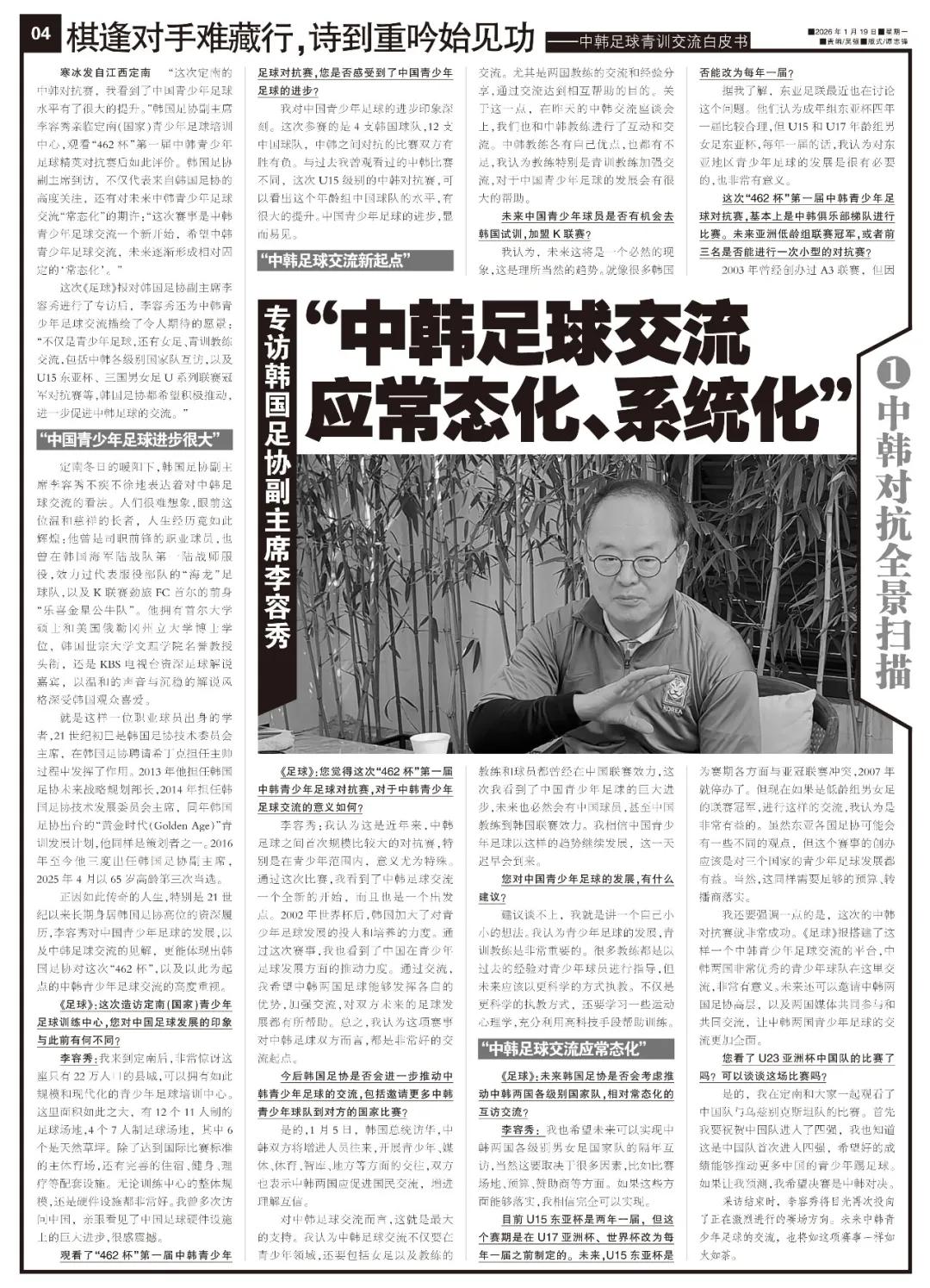
Exclusive Interview with the Vice Chairman of the Korean Football Association: China-Korea Football Exchanges Should Become Regular and Systematic



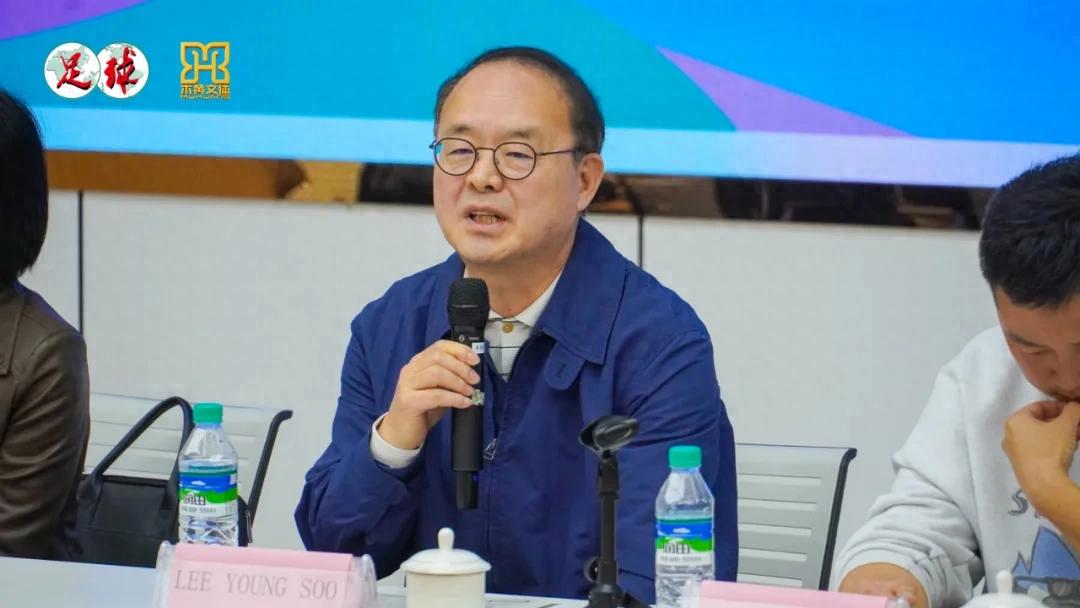
Han Bing reporting from Dingnan, Jiangxi "During this China-Korea challenge in Dingnan, I observed a remarkable rise in the standard of Chinese youth football," said Lee Yong-su, Vice Chairman of the Korean Football Association, after watching the inaugural "462 Cup" China-Korea Youth Football Elite Challenge at the Dingnan (National) Youth Football Training Center. His visit not only reflected the KFA’s strong interest but also expressed hopes for "regularization" of future China-Korea youth football exchanges: "This event marks a new beginning for China-Korea youth football exchanges, and I hope these interactions will gradually become a relatively fixed, regular occurrence."
Following an exclusive interview with Lee Yong-su by Football magazine, he also outlined an exciting vision for China-Korea youth football exchanges: "It’s not just youth football, but also women’s football, youth coaching exchanges, mutual visits between various national teams of both countries, as well as competitions like the U15 East Asian Cup and men’s and women’s U-series league champions’ challenge matches. The Korean Football Association is eager to actively promote and further enhance football exchanges between China and Korea."
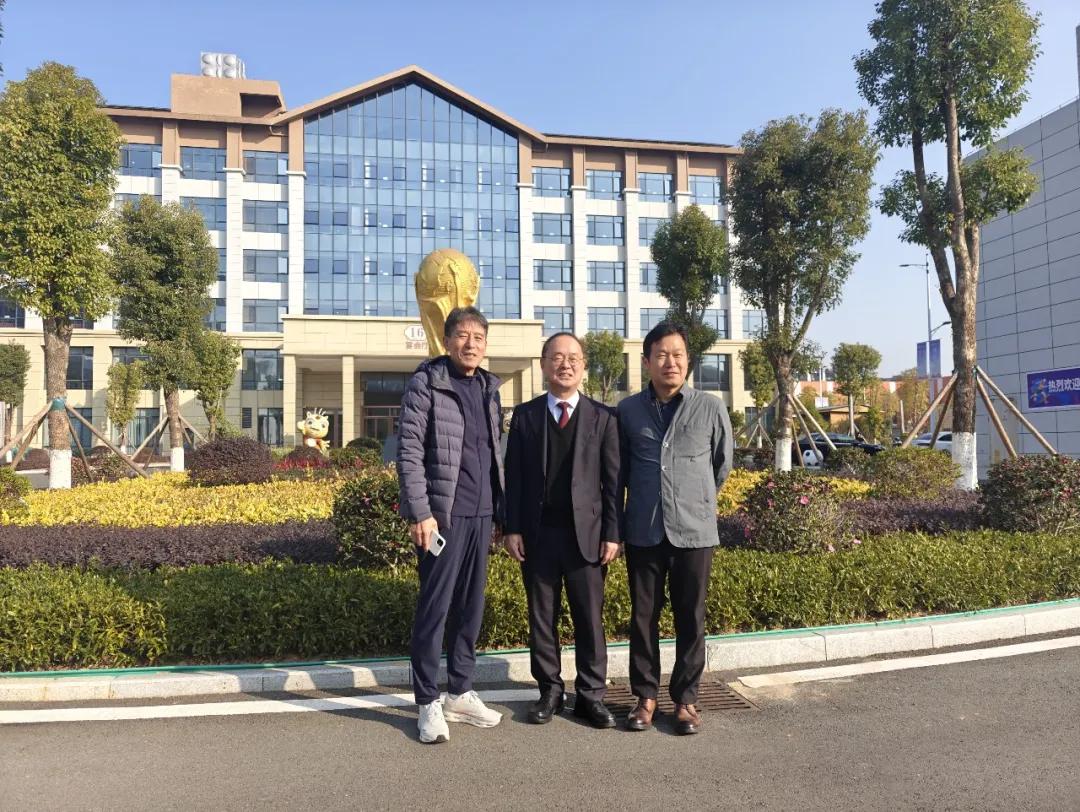

Under the warm winter sun in Dingnan, Korean Football Association Vice Chairman Lee Yong-su spoke calmly and thoughtfully about China-Korea football exchanges. It’s hard to imagine that this gentle and kind elder has such a distinguished life experience: once a professional forward, he served in the Republic of Korea Marine Corps’ 1st Division, played for the "Sea Dragon" football team representing the military unit, and for the predecessor of K League powerhouse FC Seoul, the "Lucky-Goldstar Bulls." He holds a master’s degree from Seoul National University and a PhD from Oregon State University in the USA, is an honorary professor at Sejong University’s College of Liberal Arts and Sciences, and a senior football commentator for KBS TV, beloved by Korean audiences for his gentle voice and steady commentary style.
This scholar with a professional football background was already chairman of the Korean Football Association’s Technical Committee in the early 21st century and played a role in recruiting Guus Hiddink as head coach. In 2013, he served as Minister of Future Strategic Planning for the KFA, and in 2014, he chaired the Technical Development Committee. He was also one of the planners of the "Golden Age" youth training development plan launched that year. Since 2016, he has served as Vice Chairman of the KFA three times, most recently re-elected in April 2025 at age 65.
Because of this legendary career, especially his long-term senior position in the Korean Football Association since the 21st century, Lee Yong-su’s insights on the development of Chinese youth football and China-Korea football exchanges reflect the KFA’s strong emphasis on the "462 Cup" and the youth football exchanges it initiates.
◆Football: During your visit to the Dingnan (National) Youth Football Training Center, how has your impression of Chinese football development changed compared to before?
Lee Yong-su: Upon arriving in Dingnan, I was amazed that a county with only 220,000 residents could have such a large and modern youth football training center. The facility covers a vast area with 12 full-size 11-a-side pitches and 4 seven-a-side fields, six of which are natural grass. Besides the main stadium meeting international match standards, there are comprehensive accommodations, fitness, and physiotherapy facilities. Both the scale and hardware of this training center are excellent. I have visited China many times and have witnessed the tremendous progress in football infrastructure, which truly impressed me.
◆After watching the first "462 Cup" China-Korea Youth Football Challenge, what are your impressions? Has Chinese youth football improved?
I am deeply impressed by the progress of Chinese youth football. This tournament featured 4 Korean teams and 12 Chinese teams, with wins and losses on both sides. Unlike previous China-Korea matches I have seen, this U15-level challenge clearly shows a significant improvement in the standard of Chinese teams in this age group. The advancement of Chinese youth football is evident.
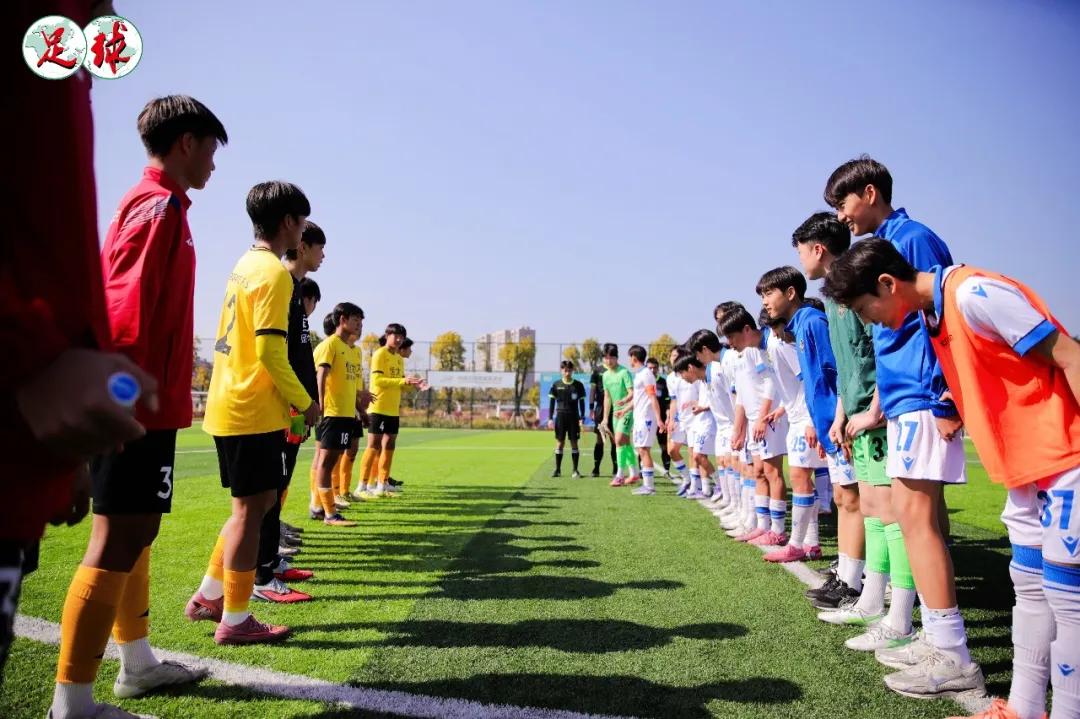

◆Football: How do you assess the significance of the first "462 Cup" China-Korea Youth Football Challenge for youth football exchanges between China and Korea?
Lee Yong-su: I believe this is the largest-scale China-Korea football challenge in recent years, especially at the youth level, making it particularly meaningful. This event represents a brand-new start and a point of departure for China-Korea football exchanges. Since the 2002 World Cup, Korea has increased investment and efforts in youth football development. Through this event, I also see China’s strong push in youth football development. Through exchanges, I hope both countries can leverage their strengths, enhance communication, and mutually benefit the future development of football. In summary, I consider this event an excellent starting point for football exchange between China and Korea.
◆Will the Korean Football Association further promote youth football exchanges between China and Korea, including inviting more youth teams from both countries to compete abroad?
Yes. On January 5th, the Korean President visited China, and both sides agreed to enhance personnel exchanges and cooperation in youth, media, sports, think tanks, and local levels. They also emphasized that China and Korea should promote people-to-people exchanges to deepen understanding and mutual trust.
This is the greatest support for China-Korea football exchanges. I believe exchanges should not only focus on youth football but also include women’s football and coaching exchanges. Especially sharing experiences among coaches from both countries can achieve mutual assistance. We had interactions and exchanges with China-Korea coaches at yesterday’s exchange forum. Each side’s coaches have strengths and weaknesses, and I think enhanced communication among coaches, especially youth training coaches, will greatly benefit the development of Chinese youth football.
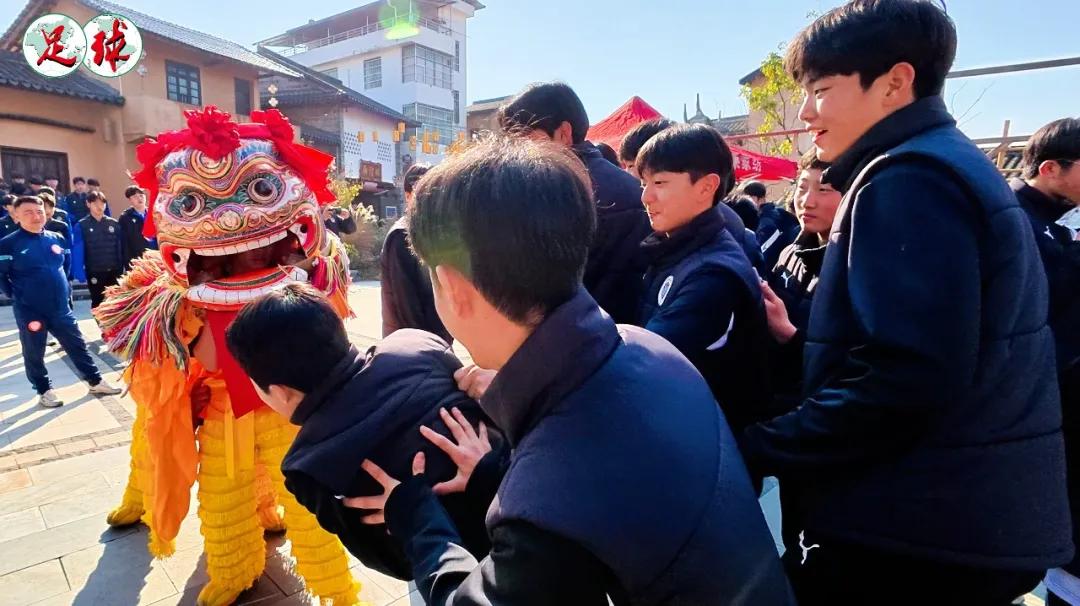
◆Will Chinese youth players have opportunities to trial or join the K League in Korea?
I think this is an inevitable and natural trend for the future. Just as many Korean coaches and players have played in the Chinese league, I have witnessed the huge progress of Chinese youth football this time. In the future, Chinese players and even coaches will certainly join the Korean league. I believe that if Chinese youth football continues to develop at this pace, that day will come sooner or later.
◆Do you have any suggestions for the development of Chinese youth football?
I wouldn’t call it a suggestion, just a small thought. I believe youth football development heavily depends on youth training coaches. Many coaches guide youth players based on past experience, but in the future, coaching should be more scientific. Not only should coaching methods be more scientific, but coaches should also study sports psychology and fully utilize high-tech tools to assist training.
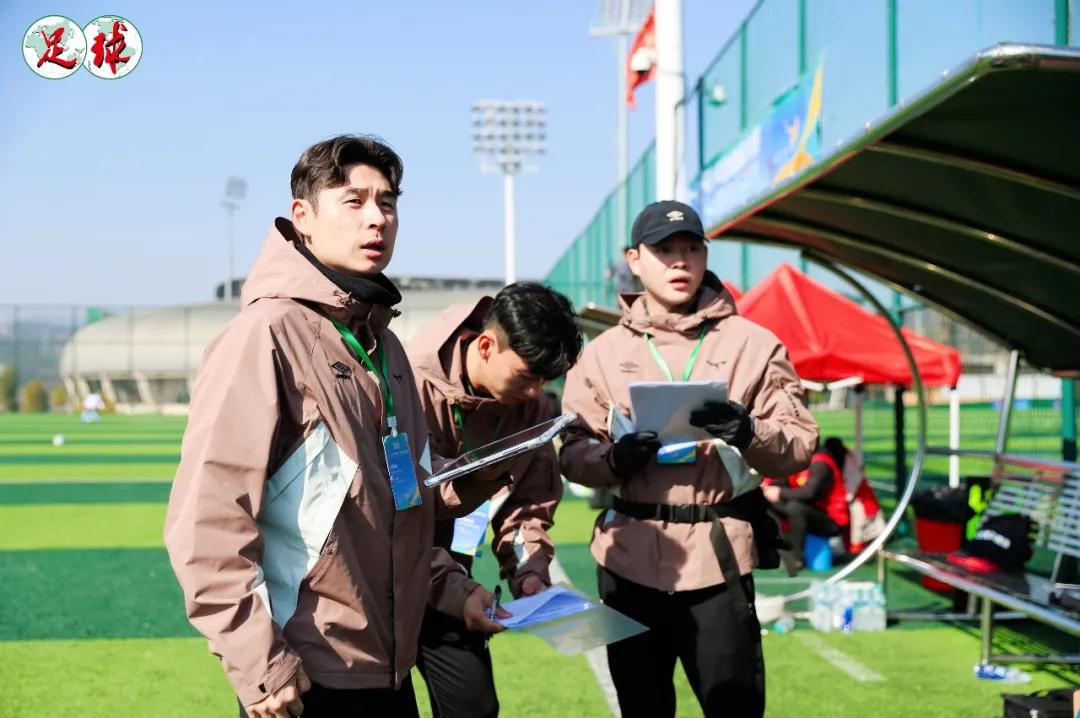

◆Football: Will the Korean Football Association consider promoting relatively regular mutual visits between various national teams of China and Korea in the future?
Lee Yong-su: I also hope that in the future, men’s and women’s national teams of all levels from China and Korea can have alternating mutual visits every other year. Of course, this depends on many factors such as venues, budgets, and sponsors. If these aspects are in place, I believe it is entirely feasible.
◆Currently, the U15 East Asian Cup is held every two years, but this schedule was set before the U17 Asian Cup and World Cup were changed to annual events. Could the U15 East Asian Cup become an annual event in the future?
As far as I know, the East Asian Football Federation has been discussing this issue recently. They consider it reasonable for the senior East Asian Cup to be held every four years, but for the U15 and U17 age groups, both boys and girls, having the East Asian Cup annually is, in my opinion, necessary and very meaningful for the development of youth football in East Asia.
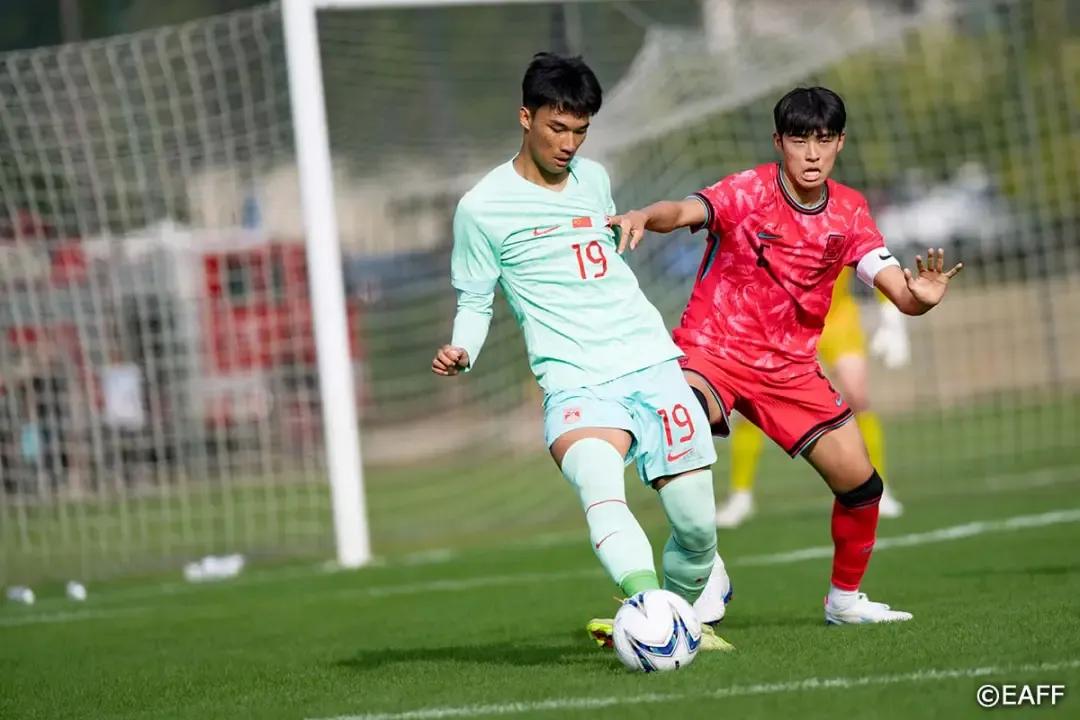
◆This China-Korea youth football challenge mainly involved club youth teams. In the future, could champions or top three teams of Asian youth leagues hold a small-scale challenge match?
The A3 League was established in 2003 but stopped in 2007 due to scheduling conflicts with the AFC Champions League. However, if the youth league champions for boys and girls were to hold such exchanges now, I think it would be very beneficial. Although football associations in East Asia might have different views, creating this event would benefit youth football development in the three countries. Of course, sufficient budgets and broadcast partners are also necessary.
I also want to emphasize that this China-Korea challenge was very successful. Football magazine has built a platform for China-Korea youth football exchanges here, allowing excellent youth teams from both countries to interact, which is very meaningful. In the future, senior officials from both football associations and media from both countries could be invited to participate and communicate together, making the exchanges more comprehensive.
◆Did you watch the U23 Asian Cup match featuring the Chinese team? Could you share your thoughts on the game?
Yes, I watched the match between China and Uzbekistan together with everyone in Dingnan. First, I want to congratulate the Chinese team for reaching the semifinals. I know this is the first time China has entered the top four, and I hope this good result will encourage more Chinese youth to play football. If I were to predict, I hope the final will be a China-Korea showdown.


Wonderfulshortvideo
The footwork, the finish 🤌


Did you get it? 🤔😅
The Wirtz x Sané link-up 🔗
Haaland’s movement 🥵
Which counterattack is
When you use your girlfriends shower 🚿 @Emily Bourne @LUSH
🤤🤤
 Links
Links
 Contact
Address:UNIT 1804 SOUTH BANK TOWER, 55 UPPER GROUND,LONDON ENGLAND SE1 9E
Number:+85259695367
E-mali:[email protected]
 App
App


