



When rivals meet, skill cannot be hidden; only through repeated recitation does poetry reveal its mastery — White Paper on China-Korea Youth Football Training Exchange



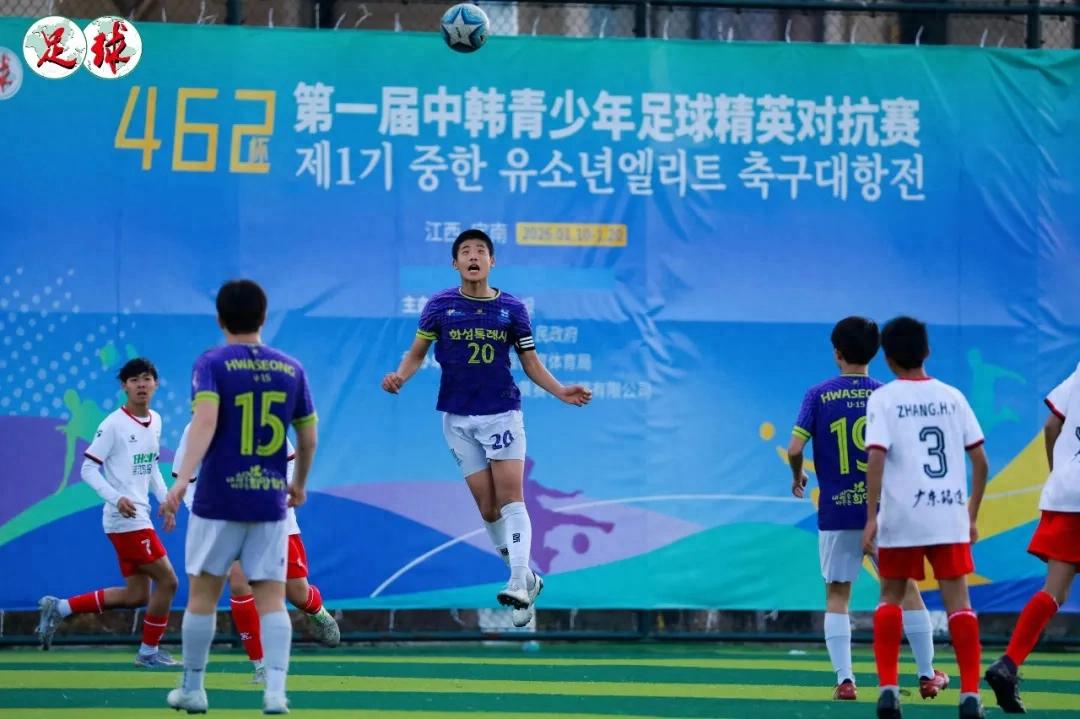
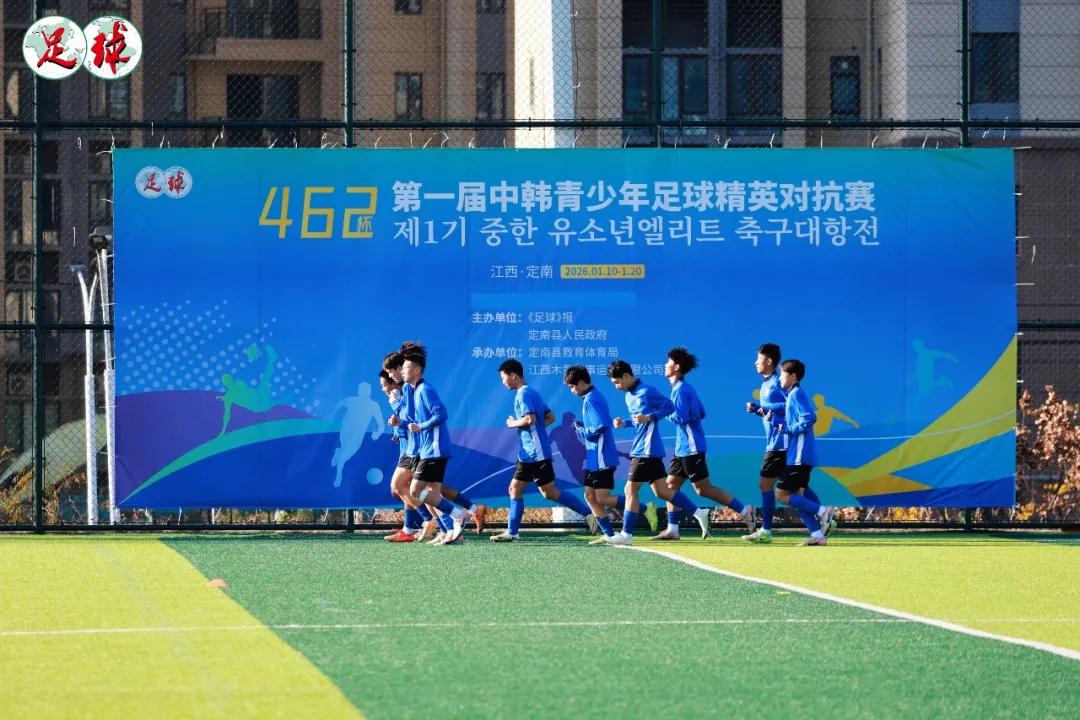
Chief reporter Chen Yong reporting from Dingnan, Jiangxi As the saying goes, skill is revealed only when facing a worthy opponent, and true talent is shown through repeated practice. Only strong rivals can highlight one’s gaps and guide efforts, and only through relentless refinement can one truly grow stronger. The inaugural “462 Cup” China-Korea Youth Football Elite Competition was conceived with this in mind.
“In 2025, we played over 50 matches, but fewer than five were at such high intensity and fast pace.” After the match between Wuhan Three Towns and HSFA Hwaseong in the “462 Cup” inaugural China-Korea Youth Football Elite Competition, Wuhan Three Towns’ head coach Long Cheng remarked this. His words reflect the biggest gap between Chinese and Korean football — the presence of high-intensity, fast-paced, quality matches. This gap cannot be concealed by the 32 China-Korea matches in this tournament or by the 12 high-level China-Korea clashes in the first seven matchdays, where Chinese teams recorded 5 wins, 1 draw, and 6 losses. Of course, the results also demonstrate the progress of Chinese youth football and the greater potential for growth within.
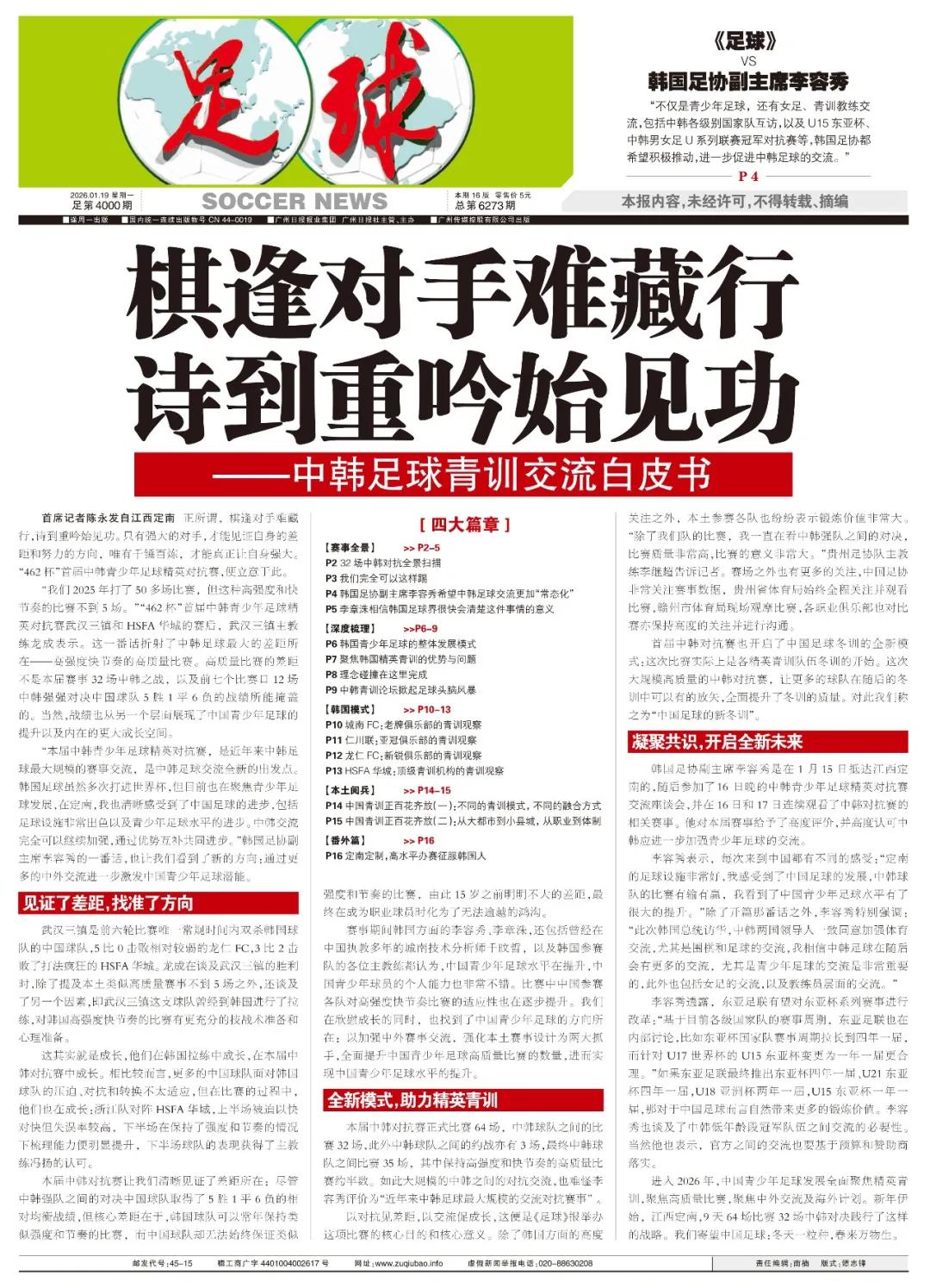
“This China-Korea Youth Football Elite Competition is the largest scale football exchange between China and Korea in recent years and marks a new starting point for football exchanges between the two countries. Although Korean football has qualified for the World Cup multiple times, it is currently focusing on youth football development. Here in Dingnan, I clearly sensed the progress of Chinese football, including excellent football facilities and improvements in youth football levels. The exchange between China and Korea can certainly be strengthened further, complementing each other’s strengths to advance together.” These words from Lee Yong-soo, Vice Chairman of the Korean Football Association, also point to a new direction: further stimulating the potential of Chinese youth football through more international exchanges.
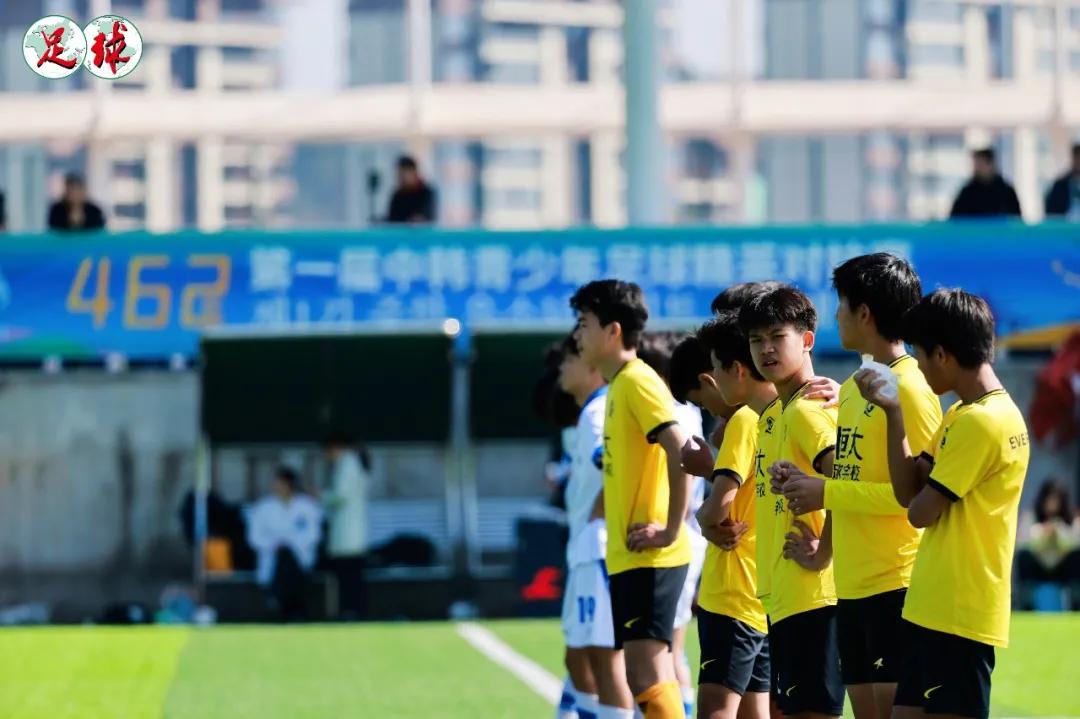

Wuhan Three Towns is the only Chinese team in the first six rounds to have defeated Korean teams twice in regular time, beating the relatively weaker Yongin FC 5-0 and narrowly defeating the aggressive HSFA Hwaseong 3-2. When discussing Wuhan Three Towns’ victories, Long Cheng mentioned not only the scarcity of similar high-quality domestic matches (fewer than five) but also another factor: the team had previously trained in Korea, which gave them better tactical and psychological preparation for Korea’s high-intensity, fast-paced style of play.
This is precisely growth — they developed during their training in Korea and continued to grow throughout this China-Korea competition. In contrast, many other Chinese teams struggled to adapt to the pressure, confrontation, and transitions posed by Korean teams. However, they are improving through the matches: Zhejiang team, facing HSFA Hwaseong, was forced to match their pace with a high error rate in the first half, but in the second half, while maintaining intensity and rhythm, their organizational ability clearly improved, earning praise from head coach Feng Yang.
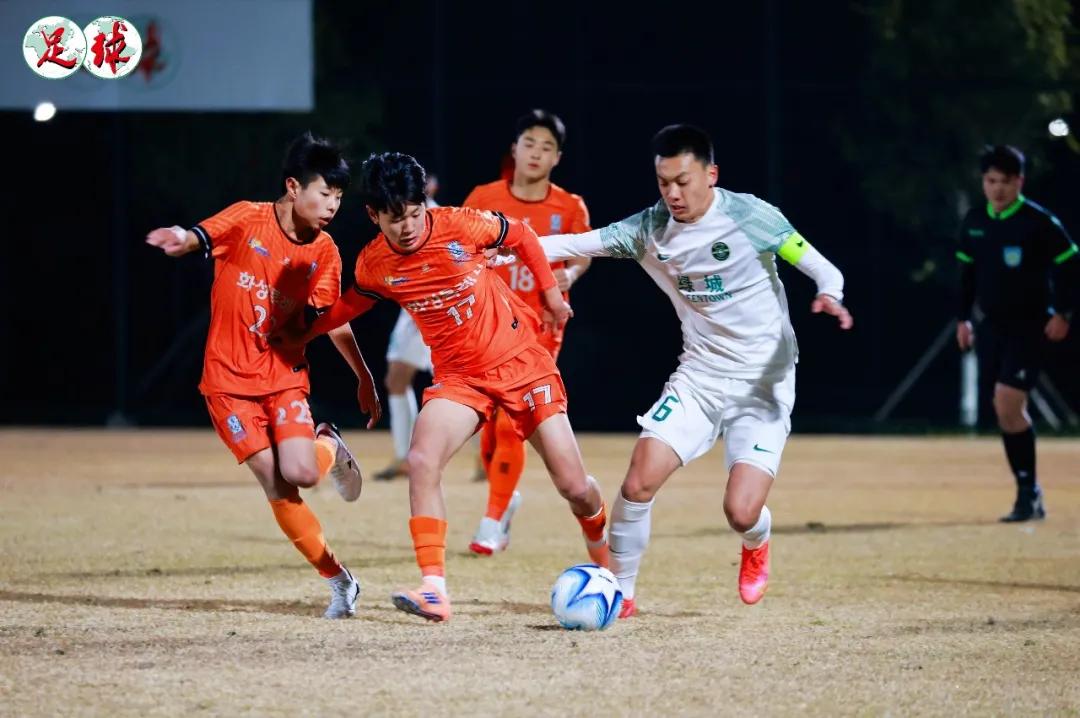
This China-Korea competition clearly revealed the gap: although Chinese teams achieved a relatively balanced record of 5 wins, 1 draw, and 6 losses against strong Korean teams, the core difference lies in the fact that Korean teams can consistently maintain such intensity and pace year-round, whereas Chinese teams cannot sustain this level consistently. As a result, a small gap before age 15 eventually becomes an insurmountable chasm by the time players turn professional.
During the event, Korean officials Lee Yong-soo and Lee Jang-soo, along with Seongnam’s technical analyst Chun Min-cheol — who coached in China for many years — and various Korean team coaches, all acknowledged the improvement in Chinese youth football and the strong individual abilities of Chinese youth players. The Chinese teams’ adaptability to high-intensity, fast-paced matches is gradually increasing. While we are pleased with this growth, we have also identified the direction for Chinese youth football: to comprehensively enhance the quantity of high-quality matches by strengthening international exchanges and improving domestic competition design, thereby elevating the overall level of Chinese youth football.
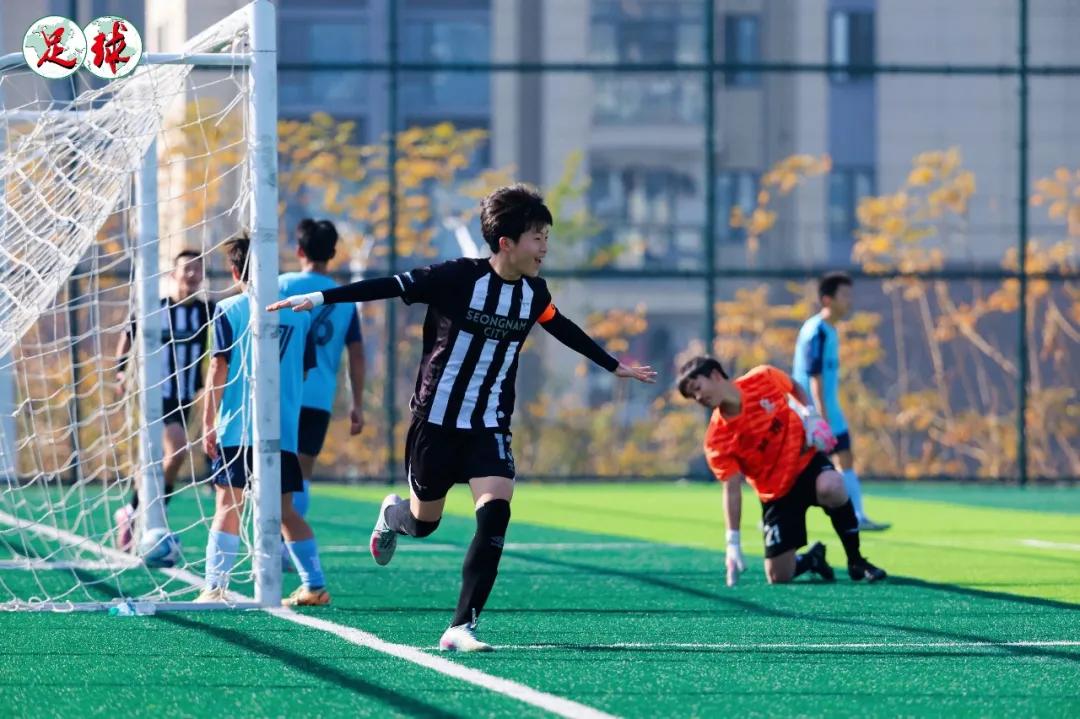

This China-Korea competition featured 64 official matches, with 32 between Chinese and Korean teams. Additionally, there were about 3 friendly matches between China and Korea, totaling 35 matches between the two nations, roughly half of which maintained high intensity and fast pace. Such a large-scale exchange between China and Korea is why Lee Yong-soo described it as “the largest China-Korea football exchange and competition in recent years.”
Measuring differences through competition and fostering growth through exchange is the core purpose and significance of this tournament organized by Football Newspaper. Besides the strong attention from Korea, domestic teams also expressed that the experience was extremely valuable. “Besides our own matches, I watched the clashes between strong Chinese and Korean teams; the match quality was very high and the significance immense,” said Li Jichao, head coach of the Guizhou Football Association team. Beyond the field, there was even more focus: the Chinese Football Association closely monitored match data, the Guizhou Provincial Sports Bureau watched all matches, the Ganzhou Sports Bureau attended in person, and professional clubs maintained high interest and communication.
The inaugural China-Korea competition also initiated a new model for Chinese football winter training: this event effectively marked the start of winter training for elite youth teams. This large-scale, high-quality China-Korea competition allowed many teams to train with clear targets during their subsequent winter sessions, significantly improving the quality of winter training. We call this the “new winter training” for Chinese football.

Korean Football Association Vice Chairman Lee Yong-soo arrived in Dingnan, Jiangxi on January 15 and participated in the China-Korea Youth Football Elite Competition exchange seminar on the evening of the 16th. He also watched related matches on the 16th and 17th. He gave high praise to this event and strongly supported further youth football exchanges between China and Korea.
Lee Yong-soo stated that every visit to China brings new impressions: “The football facilities in Dingnan are excellent, and I have witnessed the development of Chinese football. Matches between China and Korea have had wins and losses, but I see a significant improvement in the level of Chinese youth football.” Beyond his opening remarks, Lee particularly emphasized: “During the recent visit of the Korean president to China, leaders of both countries agreed to strengthen sports exchanges, especially in Go and football. I believe there will be more football exchanges between China and Korea in the future, particularly in youth football, which is very important, as well as in women’s football and coaching exchanges.”
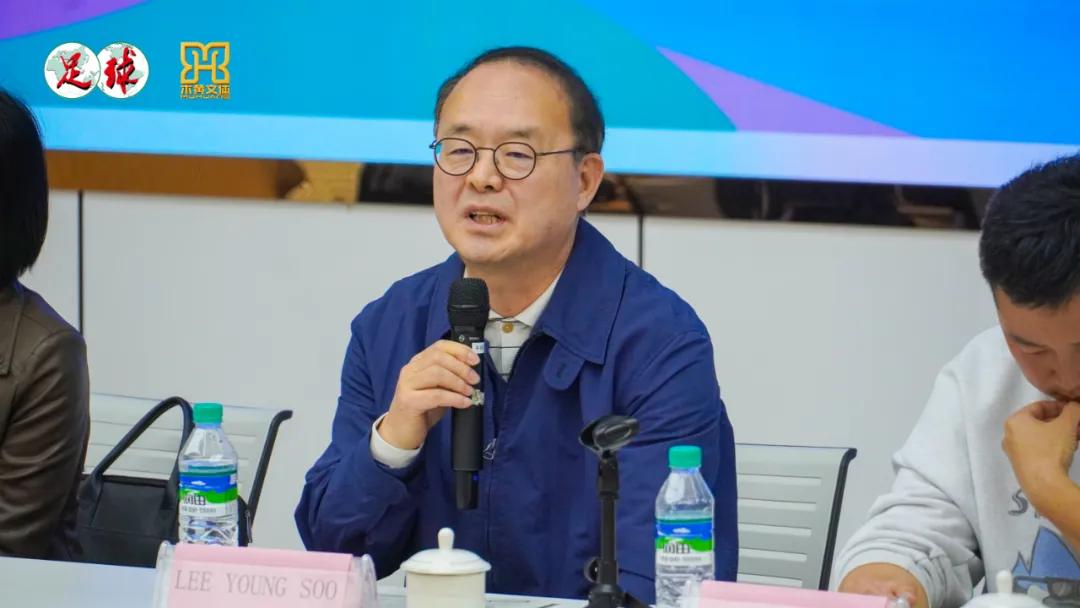
Lee Yong-soo revealed that the East Asian Football Federation is considering reforms to the East Asian Cup series: “Based on the current competition cycles for national teams at various levels, the EAFF is internally discussing extending the East Asian Cup national team cycle to every four years, while making the U15 East Asian Cup, which serves as preparation for the U17 World Cup, an annual event. If the EAFF ultimately implements a four-year cycle for the East Asian Cup and U21 East Asian Cup, a two-year cycle for the U18 Asian Cup, and a yearly U15 East Asian Cup, it would naturally bring more valuable experience for Chinese football. Lee also mentioned the necessity of exchanges between champion teams of lower age groups from China and Korea. Of course, he noted that official exchanges also depend on budgets and sponsor support.”
Entering 2026, Chinese youth football development is fully focused on elite training, high-quality matches, international exchanges, and overseas programs. At the start of the new year in Dingnan, Jiangxi, 64 matches over 9 days, including 32 China-Korea confrontations, have put this strategy into practice. We look forward to Chinese football: planting a seed in winter, and watching all things flourish in spring.


Wonderfulshortvideo
The footwork, the finish 🤌


Did you get it? 🤔😅
The Wirtz x Sané link-up 🔗
Haaland’s movement 🥵
Which counterattack is
When you use your girlfriends shower 🚿 @Emily Bourne @LUSH
🤤🤤
 Links
Links
 Contact
Address:UNIT 1804 SOUTH BANK TOWER, 55 UPPER GROUND,LONDON ENGLAND SE1 9E
Number:+85259695367
E-mali:[email protected]
 App
App


