



Focus of China's Youth Training Review: Each Professional Club's Youth Development Has Its Own Characteristics


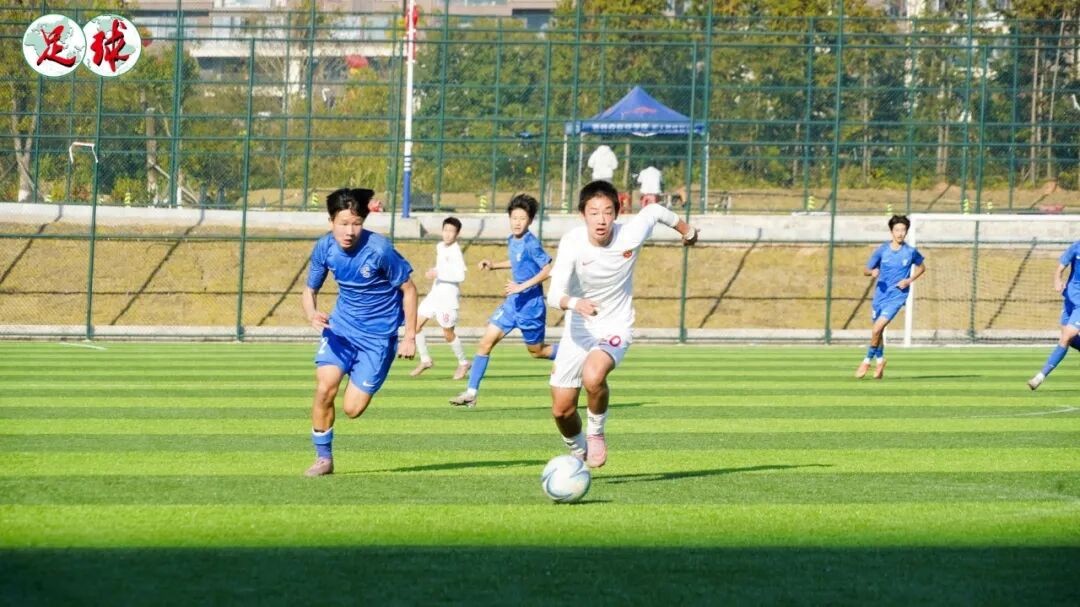
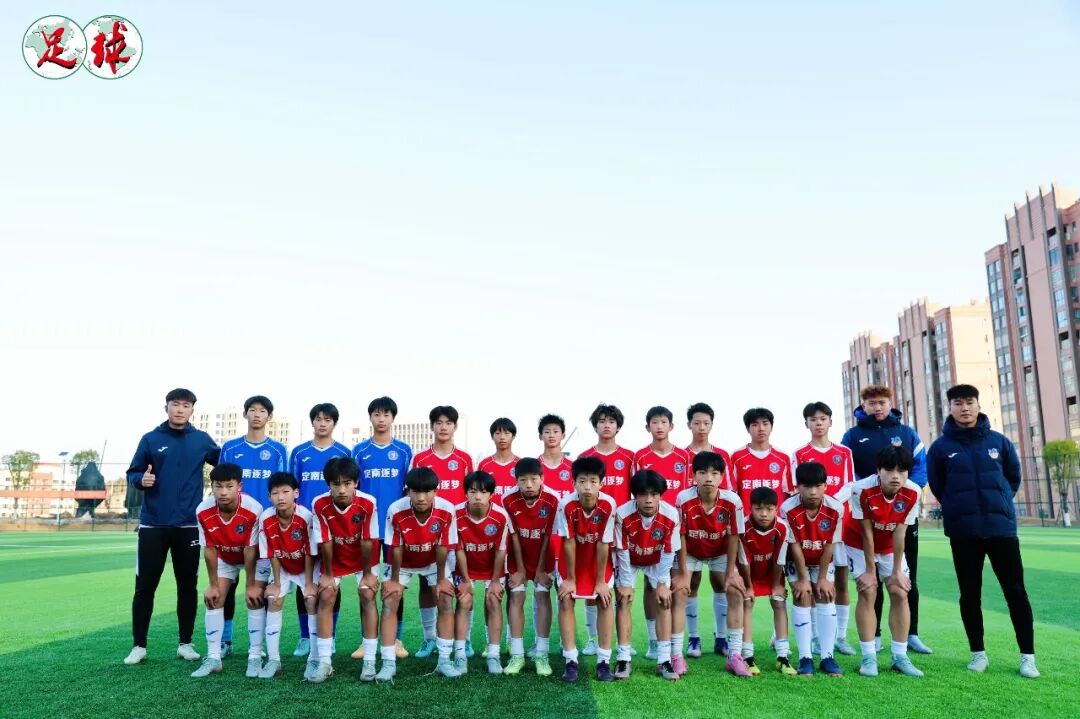
Zuo Ruifa reporting from Dingnan, Jiangxi The first China-Korea Youth Football Elite Challenge saw nine professional club youth teams appear in Dingnan. Apart from Zhejiang, Haigang, Sanzhen, Mingtou, Henan, and Xinpengcheng, it also included the former Guangzhou club’s Evergrande Football School team, the Chengdu Football Association team continuing the Rongcheng tradition, and the Dingnan Dream Team co-built by Dingnan Sports Bureau and Dingnan Ganlian.
These teams have different backgrounds and training models, showing multiple developmental and even integrated approaches. However, there is no industry consensus on the best model; each club chooses the optimal path based on its own conditions and youth training philosophy.

Zhejiang FC exemplifies the “professional club youth squad + football school” model, combining comprehensive youth team structure and effective linkage with the first team, continuously replenishing fresh talent through an efficient scouting system. For instance, Zhejiang’s U15 team participating in the “462” Cup, having no national games last year, reinforced both older and younger squads with eligible players. After this redistribution, through the cooperation of youth training, technical, and finance departments, seven new players were recruited a month ago.
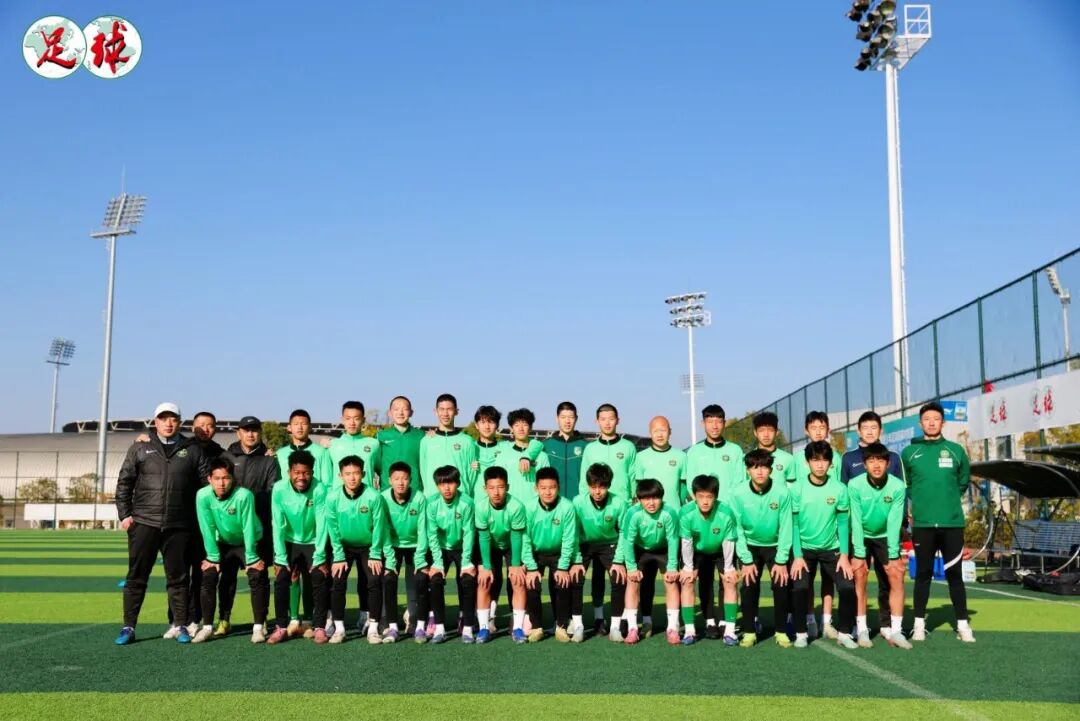
The Dingnan trip marked the first public appearance of this restructured U15 team. Head coach Feng Yang sees the China-Korea Challenge as an excellent opportunity to integrate the team and evaluate new players in preparation for the youth games and the three major ball sports events. Japanese youth training director Tomoyoshi Chitani emphasizes that while improving short-term competitiveness, long-term goals must be maintained: “It’s not that the team disappears after one official tournament; we must continue strengthening and nurturing player development.”
Zhejiang FC’s elite youth system is still evolving. Currently, the elite elementary squads have all relocated to Quzhou, integrating with local quality education and facilities, aiming for better physical and mental growth in a normal learning environment. Meanwhile, the middle school elite squads at the Zhongtai base Green City Football School are also improving through close collaboration among club departments.
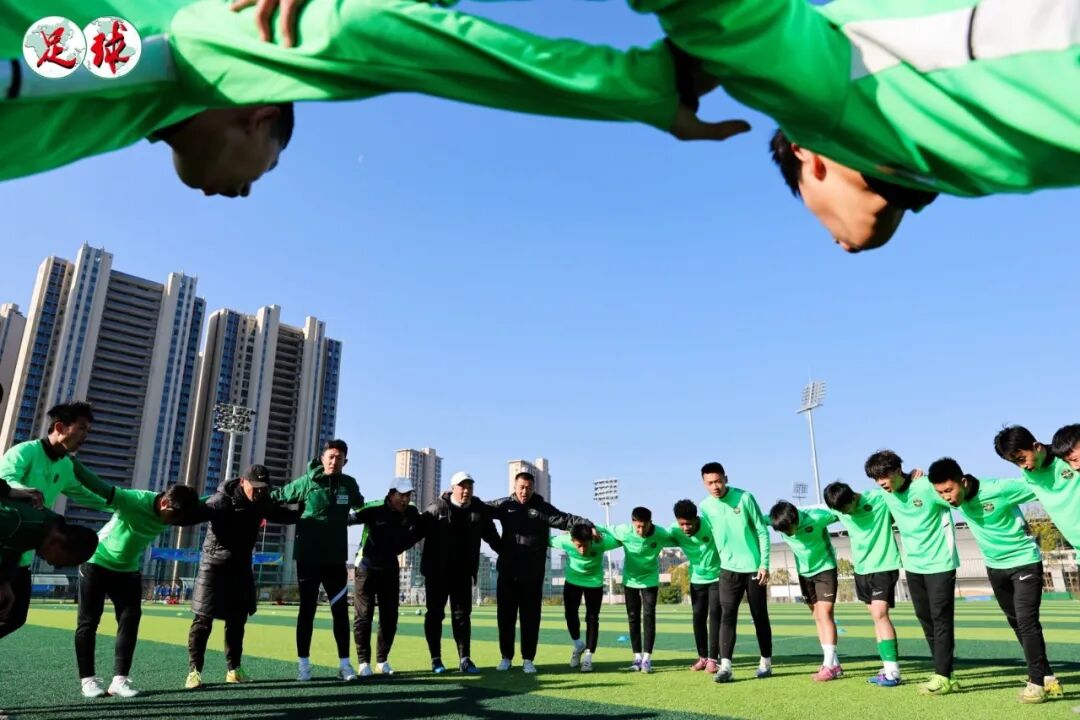
Notably, during the China-Korea Challenge, Zhejiang U15’s daily match data was sent back to the club for joint analysis with Japanese coaches on the front line.
Taishan’s youth training model is similar to Zhejiang FC’s, with its own base and football school, and both club and youth system developing together. Although Evergrande Football School no longer has a club, it still participates in professional club youth competitions, inheriting Guangzhou’s youth training philosophy, recruiting nationwide, and maintaining a very strong youth team.
Last year was a fruitful one for Evergrande Football School’s youth training. The U13 team won the national youth championship in their age group, while the U15 and U17 squads claimed undefeated titles in the Chinese Youth Elite League. In this China-Korea Challenge, their 50 goals in six rounds, tenacious style, and quick transitions were widely praised.

Unlike Zhejiang FC and Evergrande Football School, which had clubs before their youth systems, Haigang’s youth training is unique among the 12 Chinese teams in Dingnan. Originating from a decade of development at the Genbao Football School, Haigang gained its club status starting from China League Two, representing a typical case of “youth system first, club later.”
Haigang, having won three consecutive Chinese Super League titles last season, has youth training achievements reflected in the first team. From Liu Xiaolong and Bao Shimon’s promotion in 2023 to Li Xinxiong and Kuai Jiwen’s rise in 2025, many young players have grown through top league and national team experience.
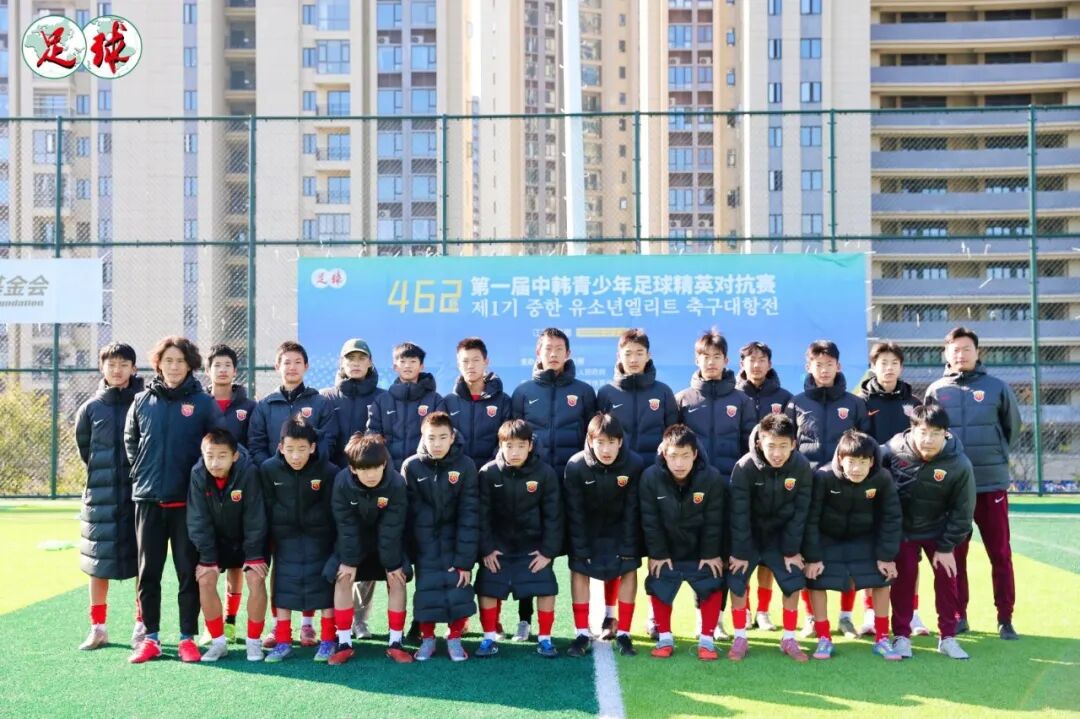
According to Haigang U15 leader Wang Youwei, the club maintains close cooperation with Xu Genbao, and in recent years has also partnered with Japan’s Osaka Sakura club and Shanghai Yangpu District Sports School, forming a trinity youth training system of Genbao Football School, Haigang youth squads, and Haigang Yangpu Sports School — a “football school + youth squad + sports school” structure.
All Haigang U15 players in this event come from the club’s youth squad, coached by elite youth trainer and AFC A-level coach Kazuo Shimizu from Osaka Sakura. Chinese assistant coach Wu Ming said that cooperating with the sports school helps ensure training time for players still in compulsory education.
Wu Ming noted that although Haigang is the CSL champion, nationwide recruitment is still limited: “Few parents are willing to send their young children to Shanghai.” Additionally, they face competition for youth resources from local rivals Shenhua.
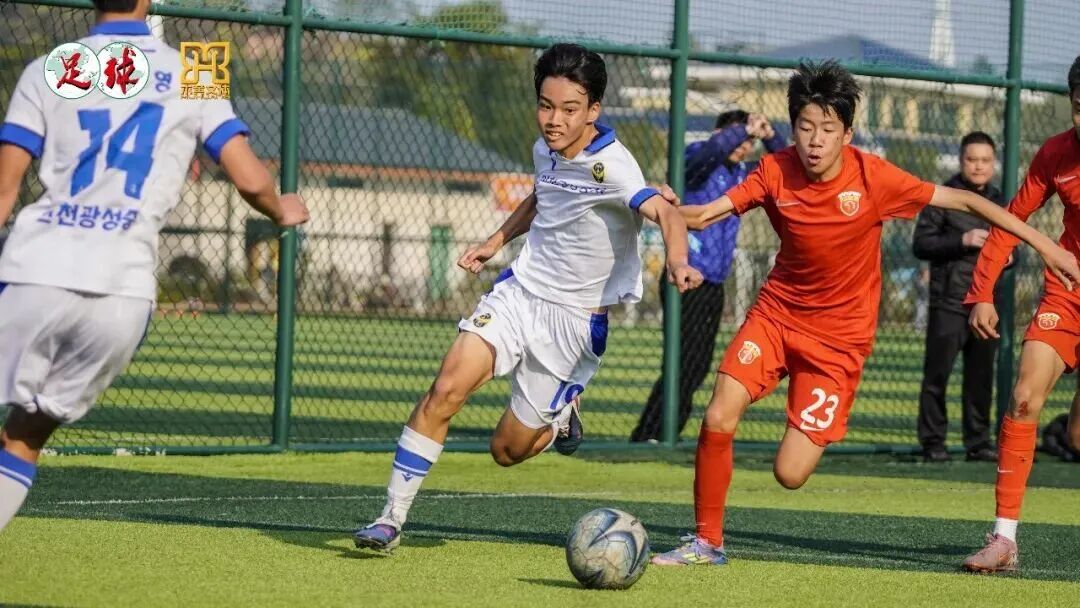
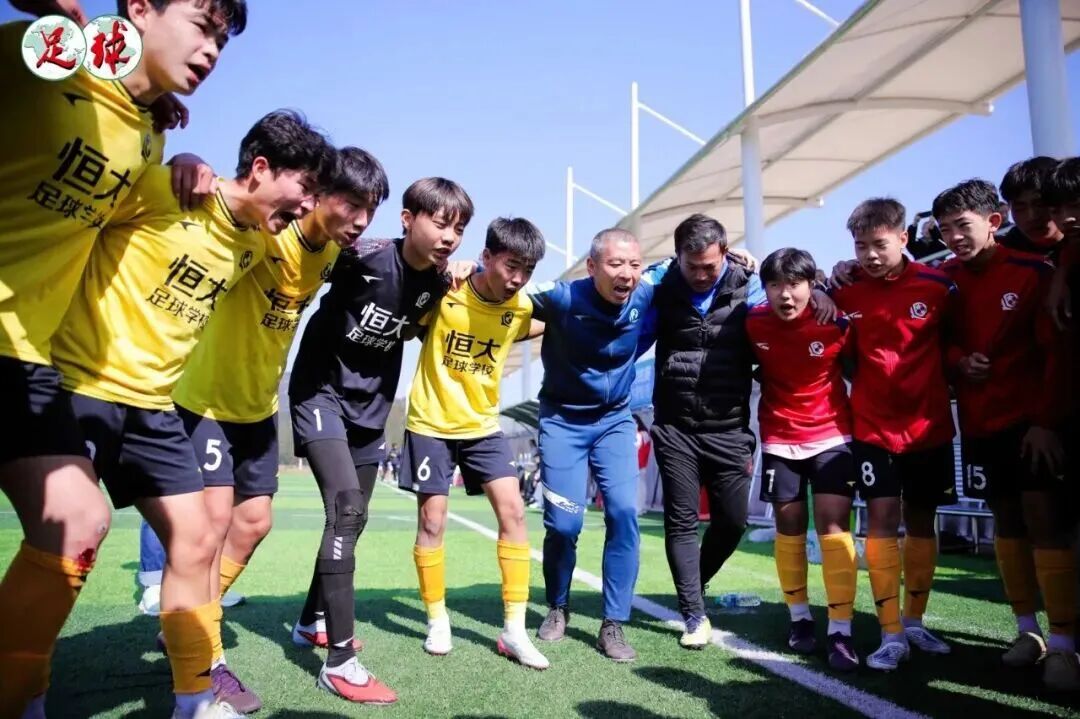
In the China-Korea Challenge, only Incheon United and Haigang U15 remained unbeaten in the first phase. Haigang demonstrated its youth strength and gained thorough experience. In the fourth round against HSFA Hwaseong, trailing by two goals at halftime, assistant coach Wu Ming urged players: “With such a fast pace and great chance to improve, you must grit your teeth!” They ultimately won 4-3, becoming the first team to beat Korean opponents twice in the tournament.

As established clubs, Henan is not as renowned for youth training as Taishan. Newly relocated Xinpengcheng, with almost no youth training history, shows a strong will to root locally and develop steadily. The China-Korea Youth Challenge, as a new event, witnessed the transformation and rebirth of Henan and Xinpengcheng’s youth systems.
The Henan Jianye Football School at Zhongmu base is now history. The Henan U15 team competing in Dingnan was formed only a year ago, mostly selected through tryouts in Zhengzhou, Luoyang, Kaifeng, and Xinxiang. After formation, the players were centralized at Baisha Middle School in Zhengdong New District for study and training. Upon arrival at the competition site, they gained valuable growth opportunities.
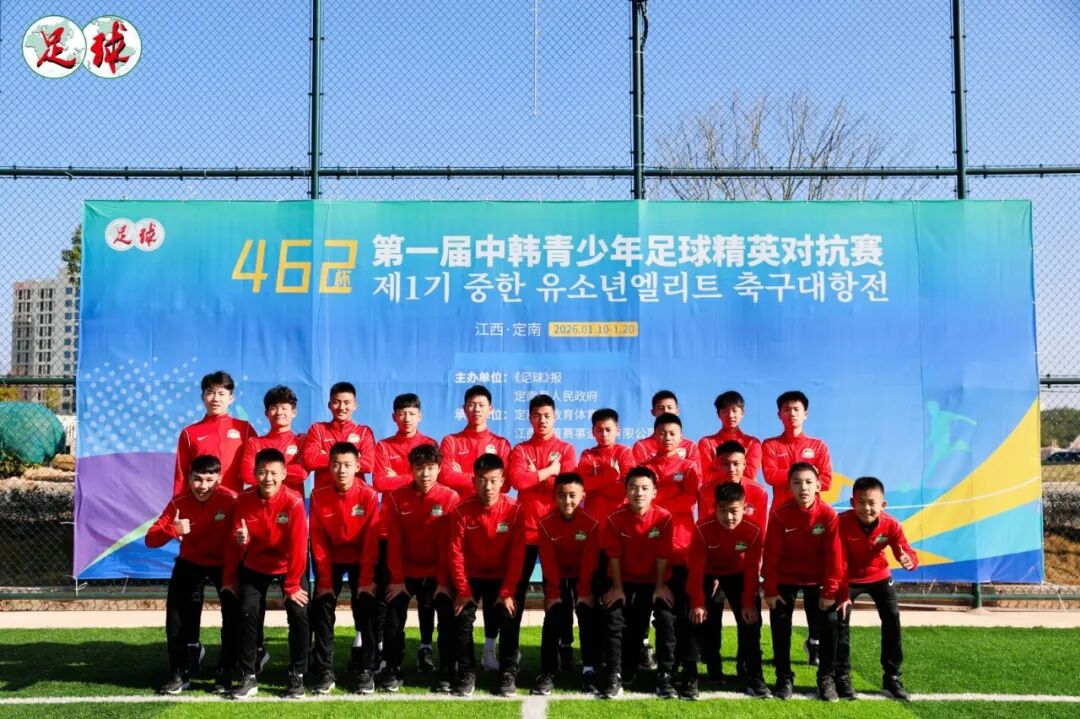
If Henan, recruiting broadly and seeking school cooperation, is undergoing transformation and improvement, then Xinpengcheng, starting from scratch, faces the birth of a youth training system. Participating in a high-level, intense China-Korea Challenge is a fresh start for their youth training careers. Although they did not win in six matches during the first phase, the team gained much experience.
Xinpengcheng’s head coach Yin Deqiang comes from the Luneng Football School, showing the club’s emphasis on quality coaching and player resources.
Xinpengcheng’s number 6, Lu Kenan, scored two goals in the first six matches, attracting outside attention. Little known is that he hails from Xishuangbanna, Yunnan, and is only a trial player. To expose his son and seek opportunities, Lu Kenan’s father, Lu Xincheng, also came to Dingnan. He admits limited knowledge of Xinpengcheng’s youth training but is interested due to the city’s influence and foreign investment background: “I came to Dingnan partly to learn more about Xinpengcheng’s youth system, and partly to let my son be evaluated through competition,” Lu Xincheng said.
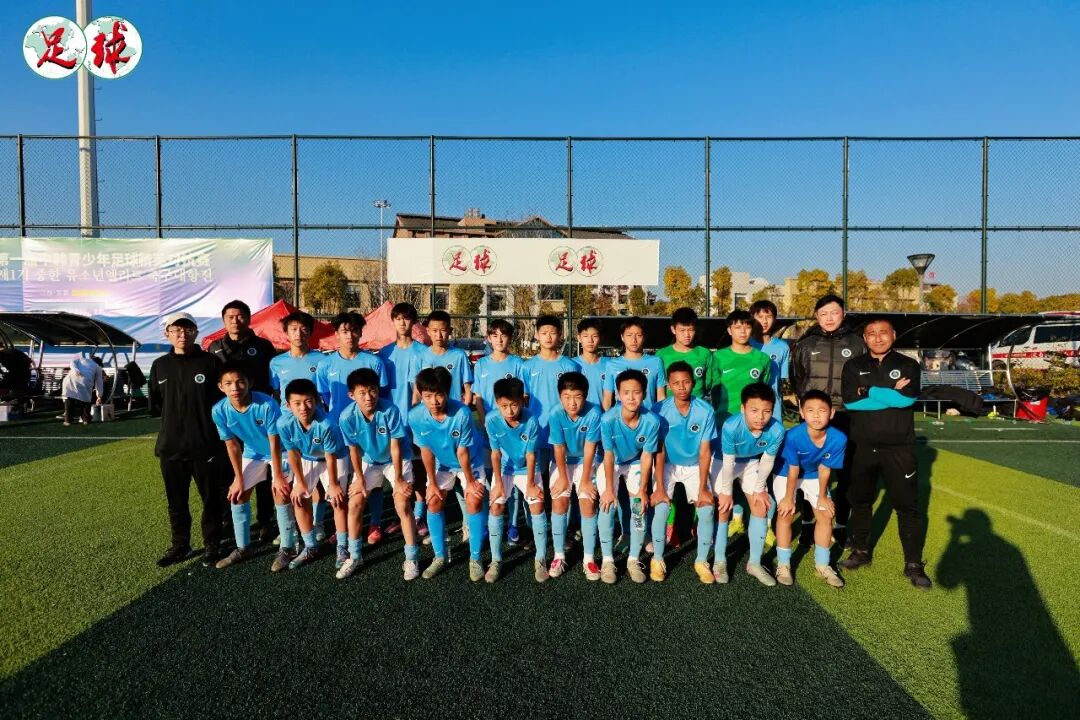

Chengdu and Wuhan are key football development cities; their football associations’ elite youth squads represent top domestic youth training. The Chengdu Football Association and Sanzhen U15 teams competing in Dingnan share similar youth training backgrounds, each contributing four outstanding players to the U15 national youth team. Their differences lie mainly in team formation time and depth of cooperation with professional clubs.
Chengdu FA’s U15 team was formed four years ago, coached by staff appointed by the city FA, with players studying and living at Chengdu No. 5 Middle School. Their competition goals this year include the Sichuan Provincial Games and National Student Games. Head coach Li Gang said this squad is a key focus for Rongcheng and may be acquired as a whole. The city FA and clubs will negotiate to find mutually beneficial cooperation models that promote player growth.
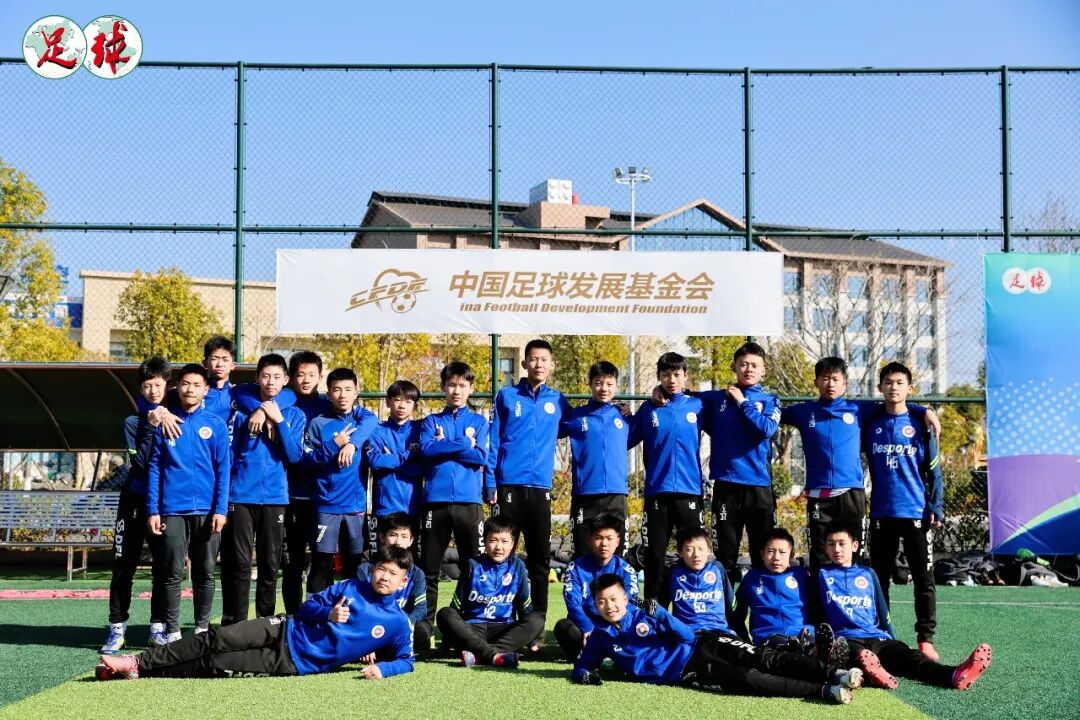
Wuhan FA continues close cooperation with Sanzhen, jointly dedicated to discovering and nurturing Wuhan football talents. The FA’s elite squads at various age levels have progressively gained higher-level training through professional club platforms. Supported strongly by the local FA, Sanzhen U15 has over six years of experience, with mature tactics. Their double wins over Korean opponents in the first phase of the China-Korea Challenge are no coincidence. In the fifth round, a 3-2 victory over HSFA Hwaseong demonstrated their “persistent possession, patient organization, and wearing down the opponent,” as captain Wei Haichen described.
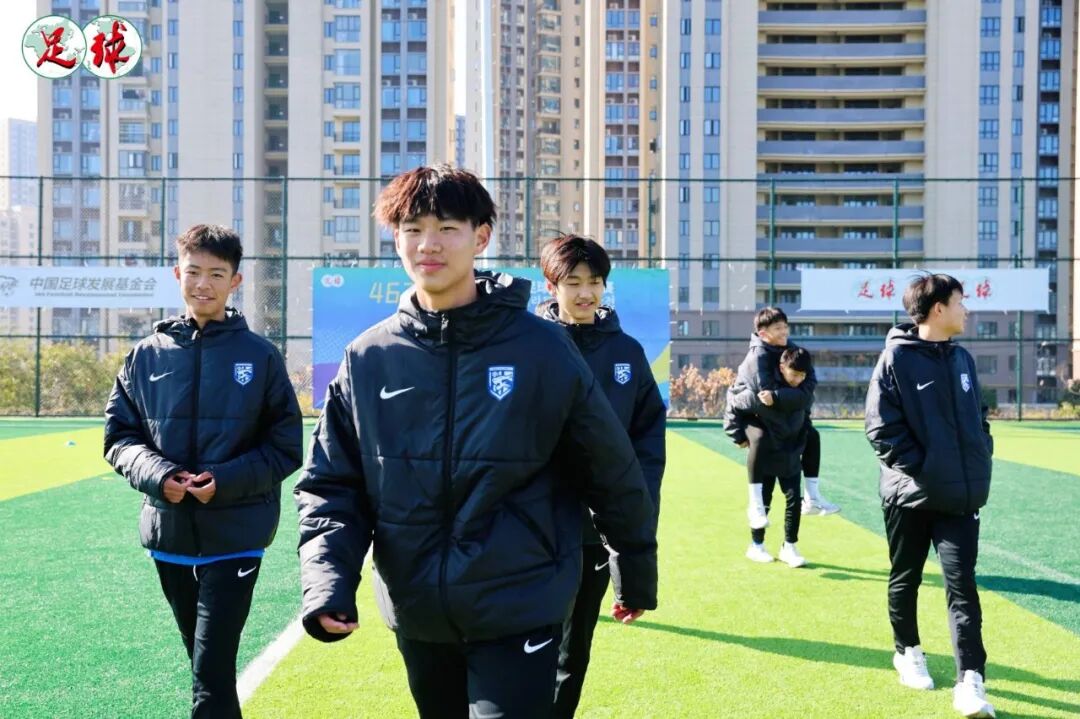
The Chengdu and Wuhan teams have established a youth training model where “local football associations and club youth squads” advance side by side. Chengdu FA has both male and female youth squads, registered youth training institutions, and ready professional club channels; the synergy among these three is being optimized. In the short term, mass supplying national team players has weakened the teams in the China-Korea Challenge; but in the long run, seamless integration between local FA elite training and professional clubs remains a vital issue.
Although the main players were called up to national youth teams affecting match results, Li Gang believes other players gained growth. He cited forward Liu Junlin as an example: “This kid has good technical skills. Through frequent matches against Chinese and Korean teams, his ball control, decision-making, personal will, and team awareness have all improved significantly.”
Besides the aforementioned teams, Dingnan Dream Team is jointly built by Dingnan Ganlian Football Club and local sports authorities; Guangdong Mingtou evolved from a community youth training organization into a professional club, also cooperating with local sports systems.


Wonderfulshortvideo
The footwork, the finish 🤌


Did you get it? 🤔😅
The Wirtz x Sané link-up 🔗
Haaland’s movement 🥵
Which counterattack is
When you use your girlfriends shower 🚿 @Emily Bourne @LUSH
🤤🤤
 Links
Links
 Contact
Address:UNIT 1804 SOUTH BANK TOWER, 55 UPPER GROUND,LONDON ENGLAND SE1 9E
Number:+85259695367
E-mali:[email protected]
 App
App


