



Branding San Zhen with "Bravery": New Coach Mora Focuses on Improving Every Metric, Avoiding Empty Goals



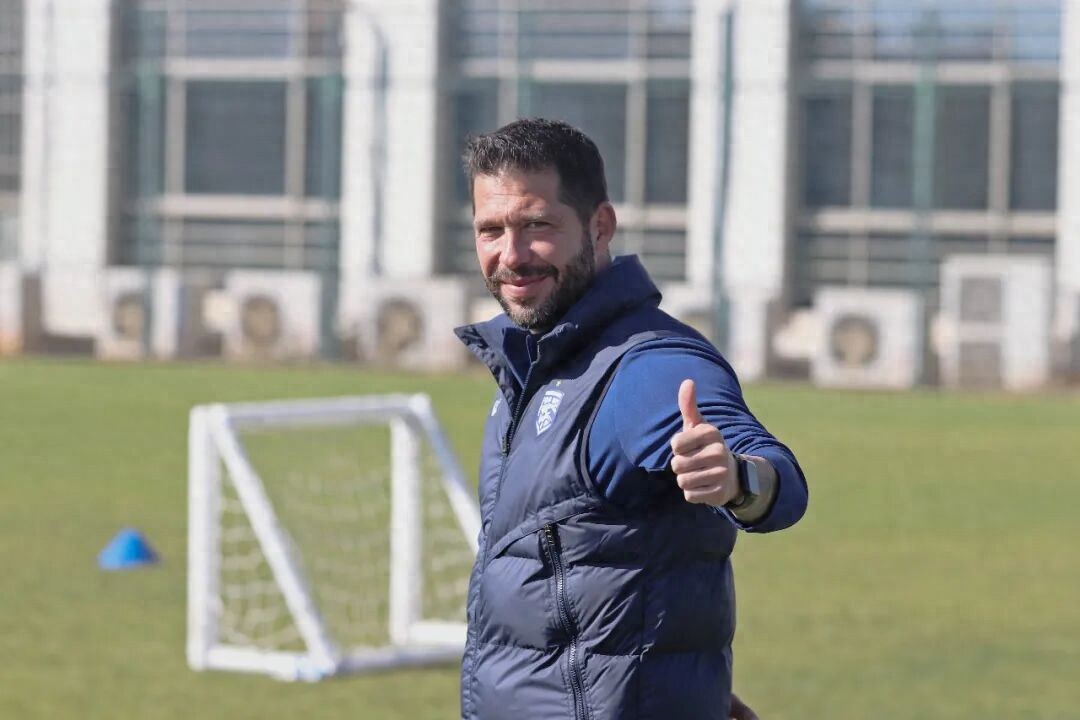
Reporter Lu Mi, Kunming With a coaching background spanning more than 300 professional matches across the Americas and Asia and a strong passion for Chinese culture, Mexican Mora has assumed leadership at San Zhen. This progressive coach, adept at blending cultures, is no stranger to challenges in various football settings.
During the winter training in Kunming, Mora is quickly getting to know the players and building the system. The football collaboration crossing borders raises curiosity about what sparks it might ignite and how it will reshape San Zhen’s destiny—everyone is watching closely.
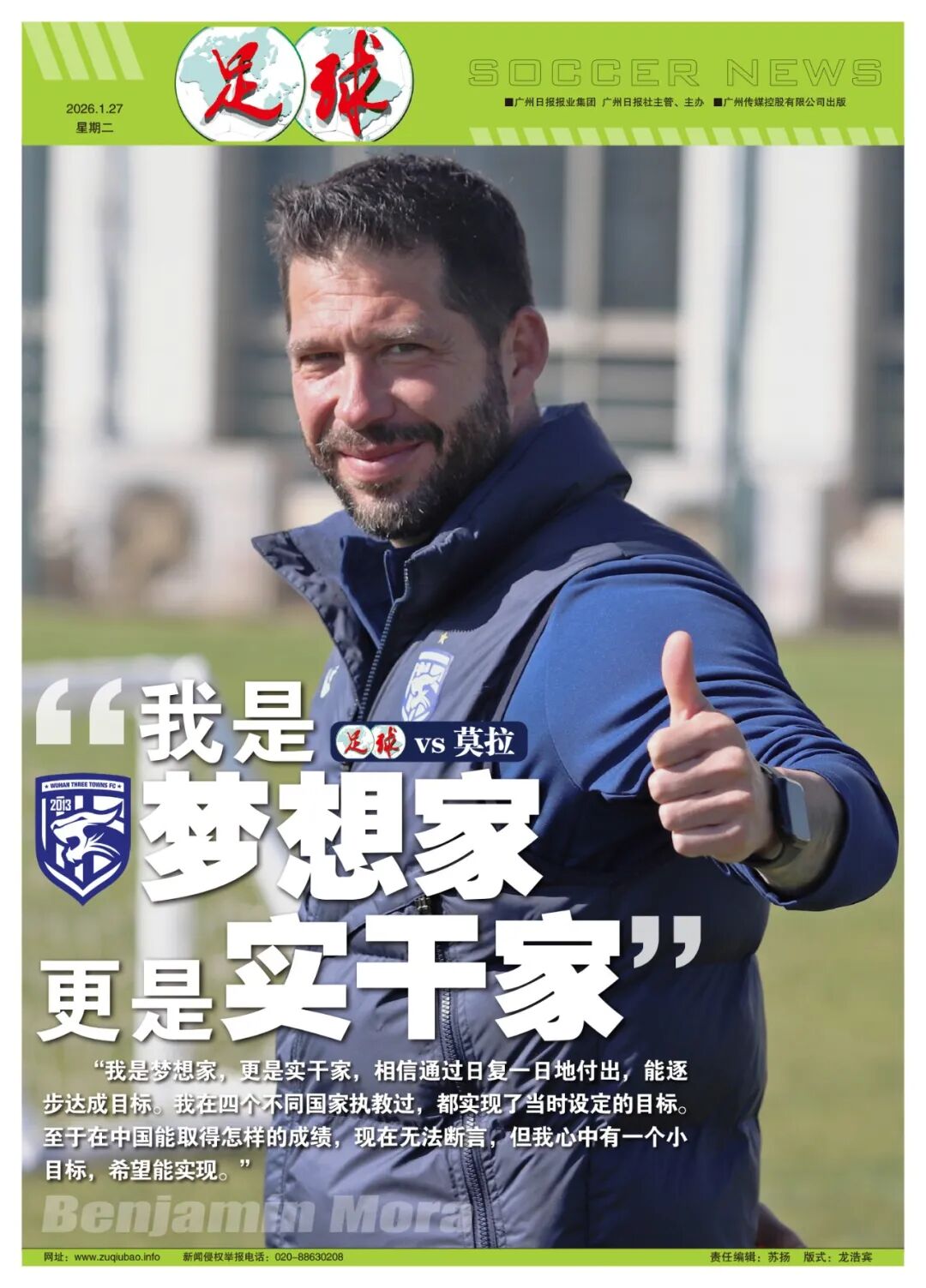
Recently, Mora granted an exclusive interview to our newspaper, stating, "I am both a dreamer and a doer."
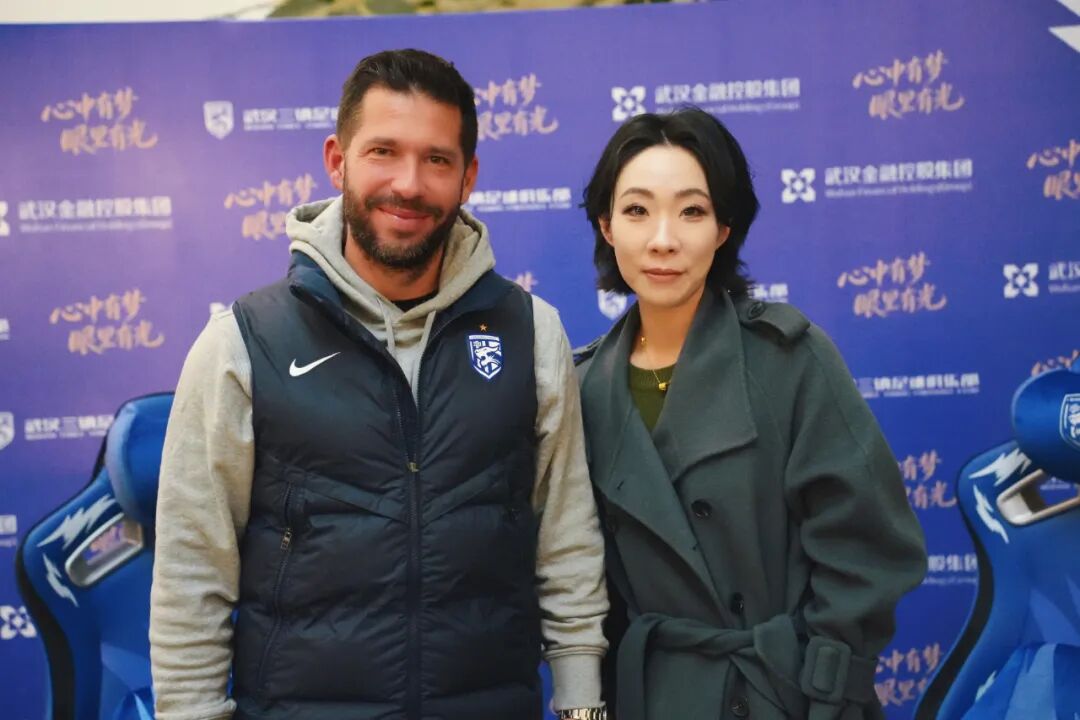

◆ Football Magazine: You have coached in multiple leagues across the Americas and Asia. How has that experience helped you in coaching San Zhen?
Mora: First of all, football is a global sport with universal fundamentals—the same ball, the same sized pitch, and whether coach or player, the core goal is winning. However, each country has distinct cultural customs, and players’ mindsets and daily habits vary. As head coach in China, I must first understand the local context and then tailor my coaching plans accordingly to help players perform their best. Coaching in Mexico was smoother because my understanding and acceptance aligned closely with the players. In Asia, cultural differences are more pronounced. For example, while coaching Johor in Malaysia, I realized that you can’t just follow a routine—you must actively adapt to local customs to work effectively. Ultimately, we all live on the same planet; emotions and thoughts connect us. The key is communicating more with players and seeing things from their perspective to ensure team cohesion and fighting spirit.
This is my first time coaching in China. Previously, I accumulated 300 professional league matches across four countries. Taking charge of San Zhen is a significant challenge. I have always been fascinated by Chinese culture and customs and am thrilled to experience it firsthand. I will apply my past coaching experiences to this new role.
◆What motivated you to accept San Zhen’s offer? During the three weeks before deciding, what key information did you focus on?
I enjoy challenges and exploring the unknown, and I have always been interested in China. This was a major factor in considering the offer. When San Zhen extended the invitation, I immediately saw it as a great opportunity—not only to work and live in China but also to deeply understand the club’s full structure. I’m interested in everything from the first team’s operations to youth training programs. My family fully supports my decision, and I plan to bring my spouse and children to live here in the future. From our first talks, the club’s professionalism impressed me greatly, which was key to my joining. Later, I sensed mutual respect and encouragement between staff and the club, boosting my confidence in the collaboration. During those three weeks, I focused on core team data: repeatedly watching match footage, analyzing statistics, understanding players’ technical traits, reviewing last season’s tactics, and reflecting on why some matches fell short of expectations. This analysis will form the foundation for my work ahead. Next, I will start with details to identify areas for improvement and reinforcement to help the team achieve better results.
It’s worth mentioning that when I arrived in Kunming early morning, staff told me thousands of fans were following my updates on the club’s Douyin live stream. This support deeply touched me and showed the fans’ enthusiasm and expectations. Here, I sincerely thank Wuhan’s fans. Let’s work hard together this new season to create better achievements!
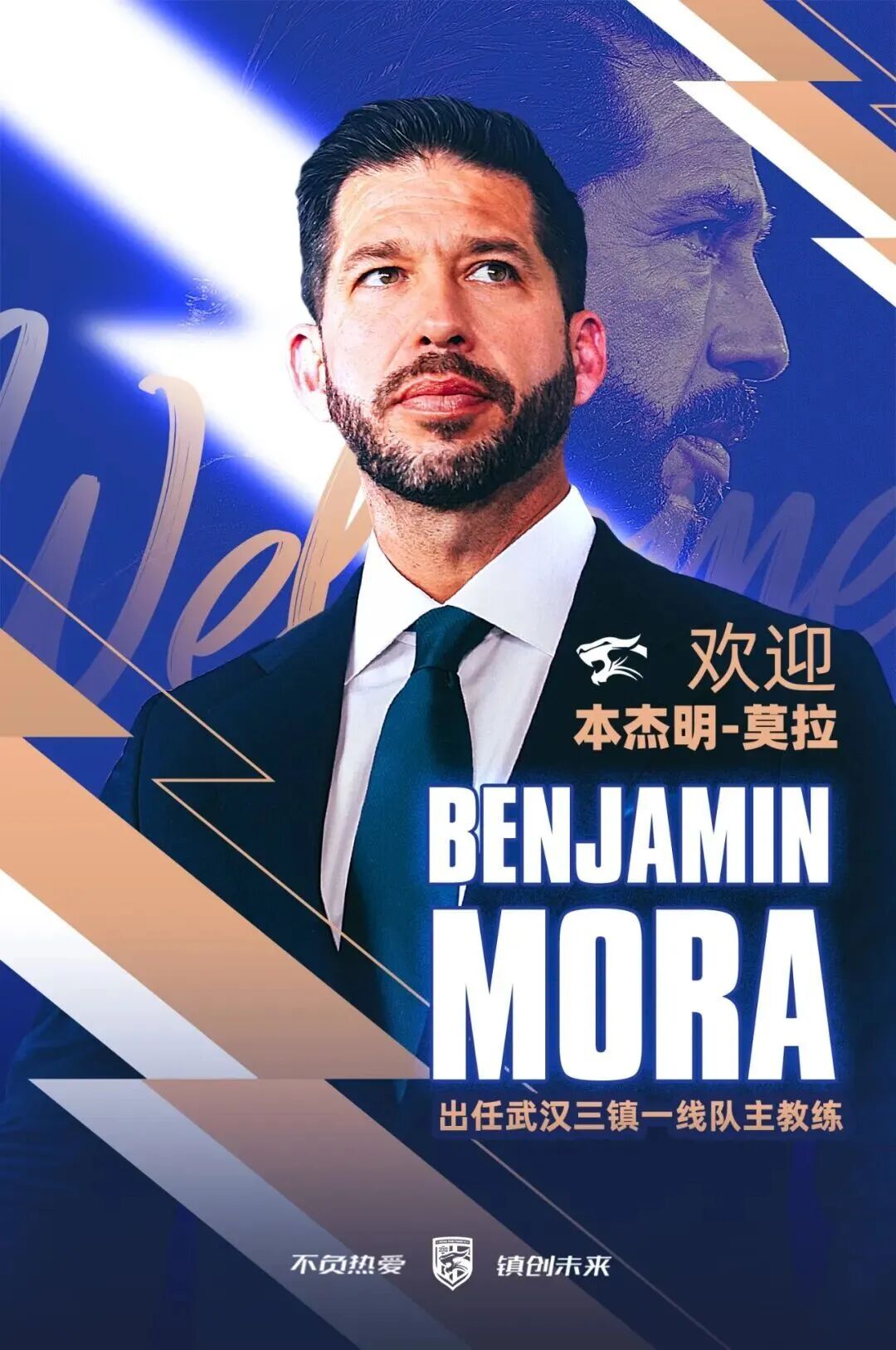
◆What are your views on the current competitive landscape and playing style of the Chinese Super League?
Based on my early observations, when coaching Johor, I faced Shandong Taishan in the 2019 AFC Champions League and Guangzhou Evergrande in 2022. Many Chinese players left a strong impression—they are quick, physically robust, and effective in attack-defense transitions. Even after several years, I still believe these traits define the CSL. Teams emphasize quick transitions, and players generally have excellent physical fitness, running ability, and endurance.
◆As the first Mexican head coach in the CSL, how do you expect your coaching style to interact and integrate with the league’s mainstream tactical systems?
I think it will be a mix of both clashes and integration—a kind of chemical reaction. When I coached in Malaysia, I was also the country’s first Mexican coach, though the league level was not very high. I aimed to build a team that controlled possession and played aggressively, drawing from some English Premier League tactical models. Later in Canada, as the sole tactical leader, I led the team to good results. The Canadian league’s style resembles MLS—generally aggressive—but I emphasized starting from defense. Coming to China, I believe the first step is to understand the team’s previous tactics and characteristics, then adjust rather than rebuild from scratch. I think the team had good phases before, and I like their style. Moving forward, we need to strengthen defensive stability, lay a solid foundation, and then refine and enhance attacking details.
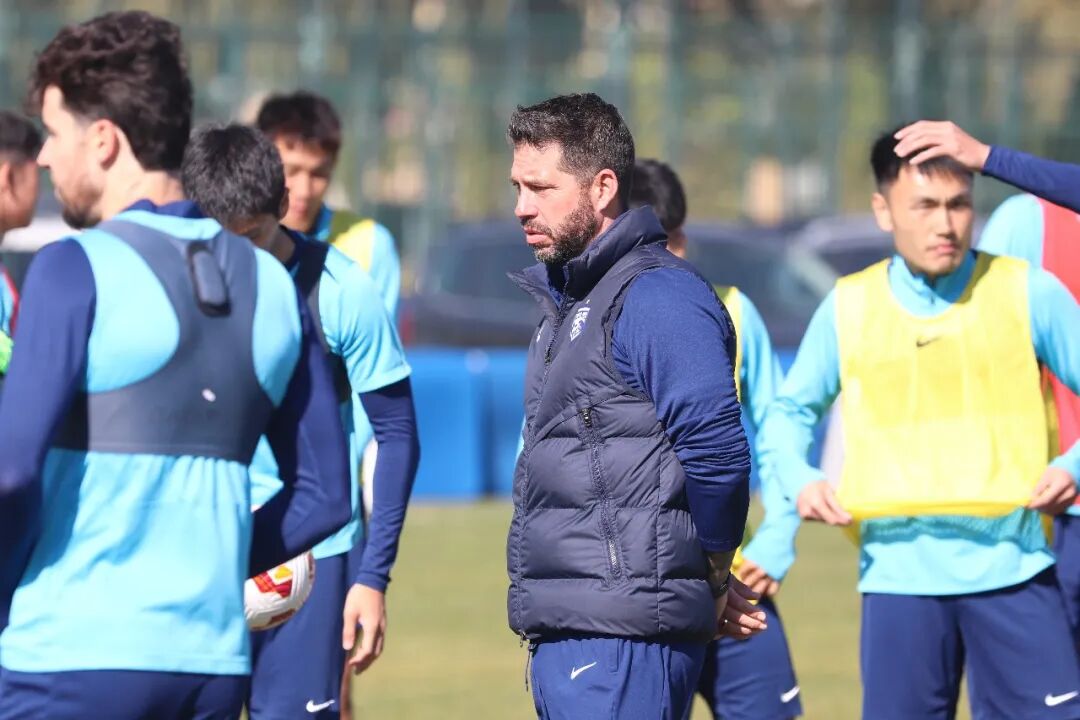

◆Football Magazine: Mexican coaches rarely go abroad, right?
Mora: That’s true, but personally I prefer to explore the world and was very willing to come to China. I’ve coached in several countries, gaining rich experience and deep cultural understanding. Wherever I go, I’m confident in quickly adapting. After years in football, I can calmly handle coaching challenges. Also, Mexicans tend to be open-minded, and I am no exception, which helps me integrate into different football environments.
◆After this period of interaction, what new insights do you have about San Zhen’s player composition and team atmosphere?
I haven’t been with the team long, but through training and matches, I’ve been observing the players. One challenge is memorizing global player names, which is tough for a Mexican, but I now know about 80% of the players’ names and technical traits. The team is currently in winter training and initial setup, so it’s too early to draw conclusions. What’s certain is the team has good potential, with experienced players like Liu Yiming, He Guan, and Zhong Jinbao who can support the squad.
◆Your contract is only for one year. Does this short-term deal put pressure on you? What are the club’s performance expectations?
In professional football, a coach’s tenure depends on results or performance, which is normal. So, this one-year contract doesn’t pressure me; I’ve been through many ups and downs in this field. I respect the club’s evaluation standards. For me, the main focus is daily training—the quality of each session and weekly feedback are my core measures.
◆Deng Zhuoxiang has transitioned to director and led the team last season, facing many challenges in relegation battles. Have you communicated with him?
Deng plays an important role in the club this year, and we’ve had in-depth discussions. He provided me with team data, last season’s strengths and weaknesses, and player characteristics, which helped me quickly understand the squad. This support aids my daily training and helps me adapt and coach better.
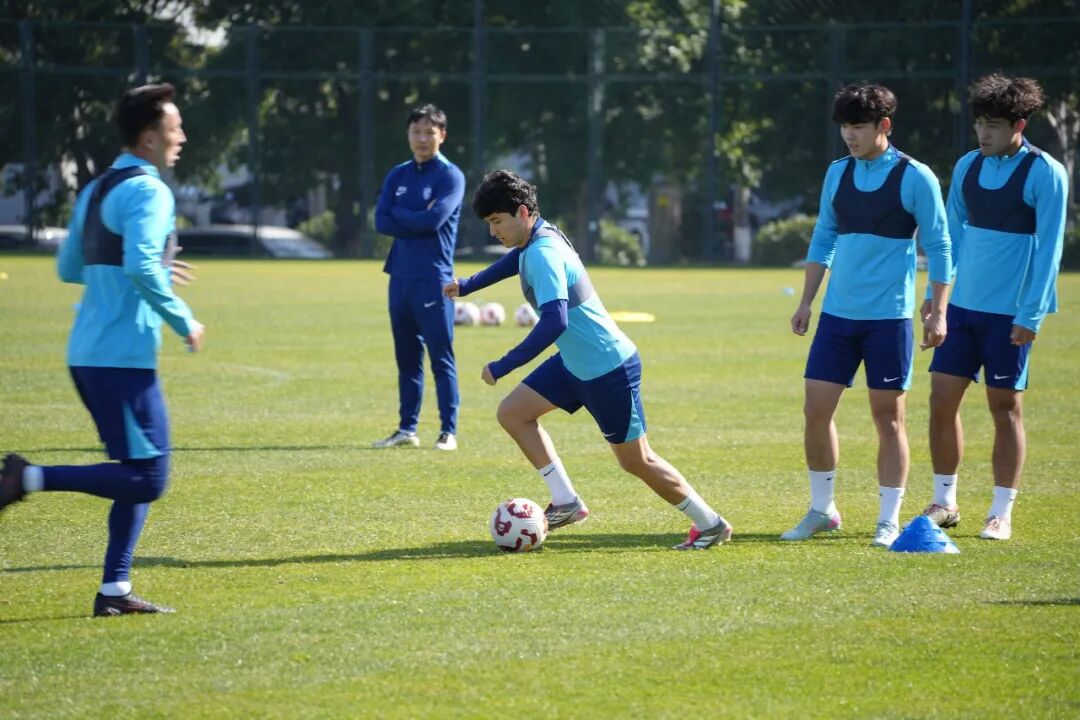

◆Football Magazine: During Kunming winter training, only Shaoer is present as a foreign player, with four foreign player slots still to fill. What is your plan for foreign signings?
Mora: There are many excellent players on the market. Our main criteria go beyond ability—we value players’ hunger for matches, the league, and team success. Contract terms are also crucial. The process is indeed complex and lengthy, but I’m confident we will sign the four needed foreign players. Regarding the plan, I aim to add one player each to defense and midfield, and two to the forward line (Editor’s note: the four foreign players will join the team in Thailand).
◆The team has seen major personnel changes this year, and you’ve just arrived. Is blending the team a big challenge?
This has two sides. On one hand, some capable players have left, which is a loss. On the other, new signings fill gaps and may bring fresh energy and different playing styles. I believe with systematic coaching, the team will improve in tactics and personnel. It’s like having new seeds and tools for a field—we can plan to fill the gaps well. Of course, change takes time; we can’t rush. I will blend the team as quickly as possible within my ability to deliver good performances soon.
◆You have coached many underdog teams and achieved their best historical results. Does your "underdog beating favorite" experience fit San Zhen’s current development needs?
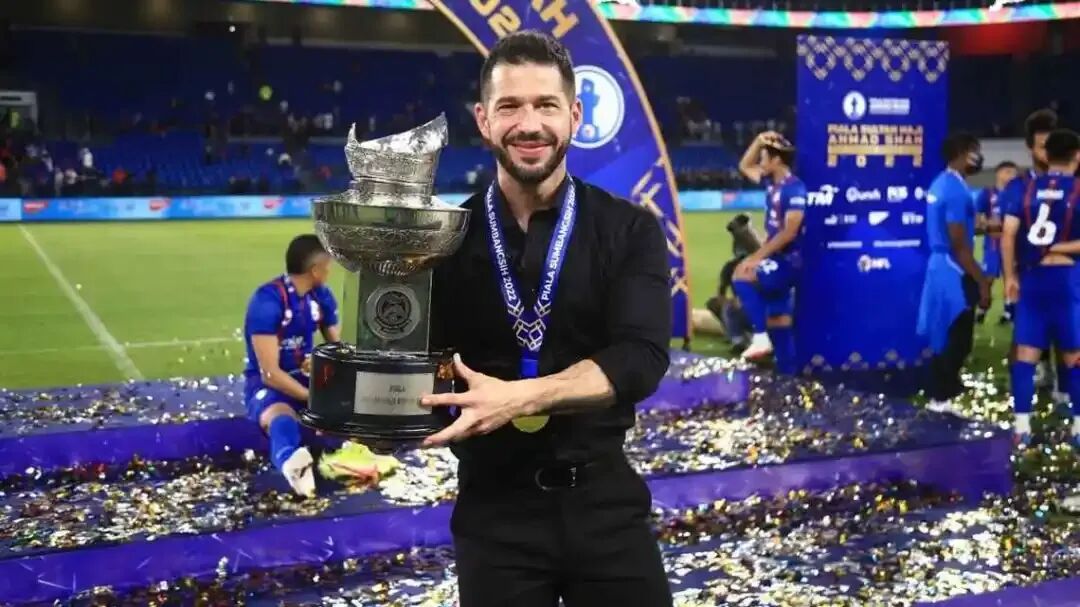
Every team is different. In Malaysia, I led a strong team to their best AFC Champions League result; in Canada, I coached a weaker team to break 10 club records; in Mexico, I exceeded expectations with a weaker team, aiming for 25 points but achieving 40. San Zhen’s situation differs, but I have proven myself in various teams and am confident in helping this team grow.
◆What are the main focuses during Kunming winter training? How do you develop local players when foreign players haven’t all arrived?
We are pushing for foreign players to join as soon as possible. Currently, winter training in Kunming focuses on two things: first, fitness preparation to ensure players meet physical and endurance standards before the league starts; second, instilling tactical concepts without stressing details yet, while encouraging players to try different positions. As long as everyone understands the core ideas of attack and defense, integrating with foreign players later will be smoother. For local players, I focus on improving their tactical understanding and physical condition. After taking over, I found Chinese players focused in training, able to follow instructions strictly and understand well. My training will progress step by step, delivering one or two core demands daily for offense and defense. Foreign players are important in CSL, but I believe local players’ abilities will grow with deeper training and understanding.
◆When coaching Johor, you selected 44 young players. San Zhen also aims to develop youth. What selection and development mechanisms will you implement?
I don’t recall the exact number of young players selected then, but during seven years coaching in Malaysia, I worked with over 200 players, many young. The mechanism isn’t complicated: first observe and select talented youth players, then create tailored training and development plans to help them quickly improve football concepts, skills, and tactics, enabling them to adapt to first-team training and match rhythm as soon as possible.

◆Football Magazine: San Zhen narrowly avoided relegation last season, and outsiders predict the same pressure this season. What are your goals?
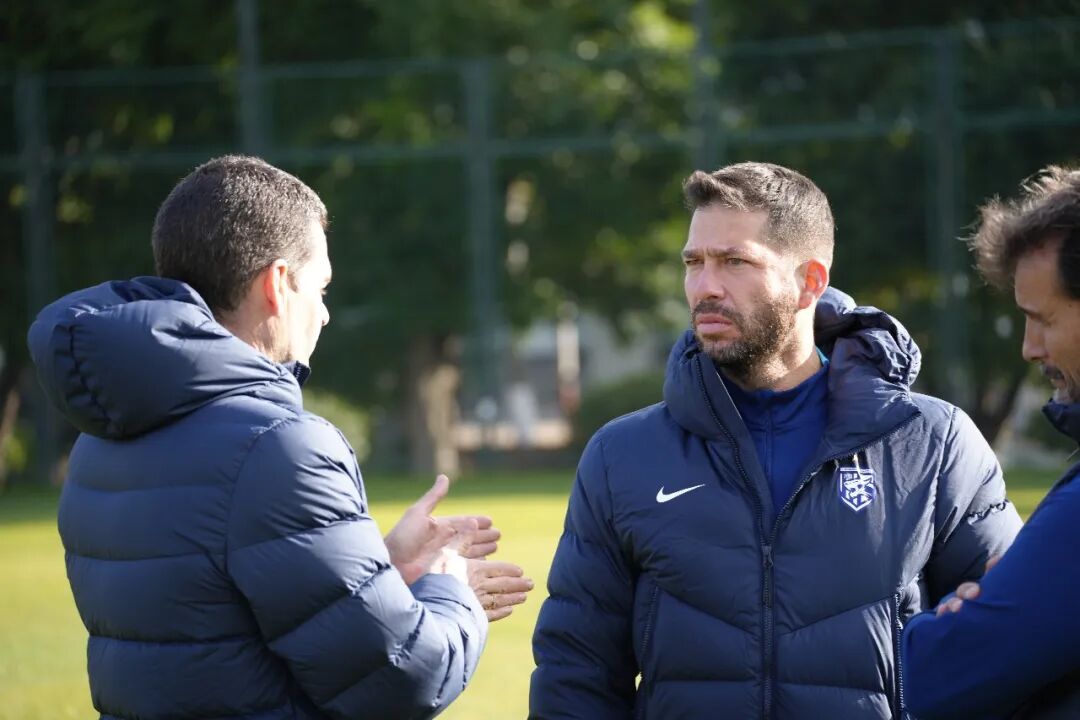
Mora: I’ve reviewed the club’s rankings and goal difference data from last year and previous years. My main goal is to improve the team’s performance metrics across the board—league standing, goals scored, goals conceded—all have room for significant improvement. In short, raising all key metrics is the top priority.
◆San Zhen has achieved much before. What personal mark do you want to leave on this team?
I want to imprint bravery and never-give-up spirit on this team. Players must boldly execute tactics on the field, never hesitate against strong opponents, and never fear winning or losing. Regardless of the outcome, they must fight until the final minute and never surrender.
◆As a coach emphasizing team cohesion, how do you manage the locker room?
Managing the locker room is crucial. In modern football, a coach acts more like a manager. My style seeks balance—I don’t want to be authoritarian or overly strict, nor do I want to be too lenient and spoil players. From experience, I know when to be firm and when to relax. The key is achieving a healthy balance with the players.
◆What kind of support do you expect from the players and the club respectively?
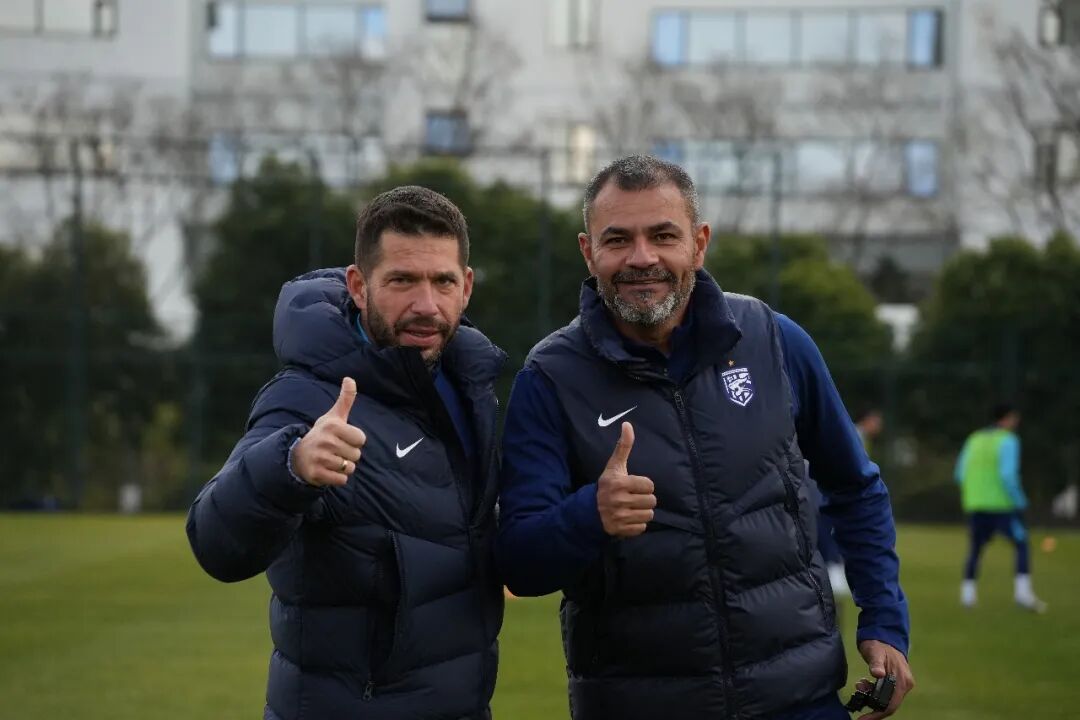
Players are the heart of football. Without their support, even the best coach is powerless. I want them to fully express their abilities and embody the style I aim to build. As a coach, I’m more a guide, providing tactics and training methods, but the players execute decisions on the field. I hope for genuine mutual effort—I help players improve, and they fight hard on the pitch supporting my work. As for the club, since they chose me, I trust they will provide the necessary support for my work.
◆If you achieve the season goals smoothly, do you consider a long-term coaching role at San Zhen? What is your vision for the team’s future development?
I am a dreamer but also a pragmatist, believing that through daily effort we can gradually reach our goals. I have coached in four different countries and met the targets set there. What I can achieve in China remains to be seen, but I have a small goal in mind. The team’s future core is to first stabilize the foundation, then steadily enhance competitiveness and develop sustainably. I never think too far ahead; the most important now is to focus on current work—building team cohesion, establishing solid defense, and organized offense; scouting and strengthening weak positions with domestic and foreign players, laying a solid groundwork step by step. Only when the team is stable and improving will I consider long-term coaching possibilities.



 Links
Links
 Contact
Address:UNIT 1804 SOUTH BANK TOWER, 55 UPPER GROUND,LONDON ENGLAND SE1 9E
Number:+85259695367
E-mali:[email protected]
 App
App


