



The senior national team and the U23 national team are likely to merge in March.



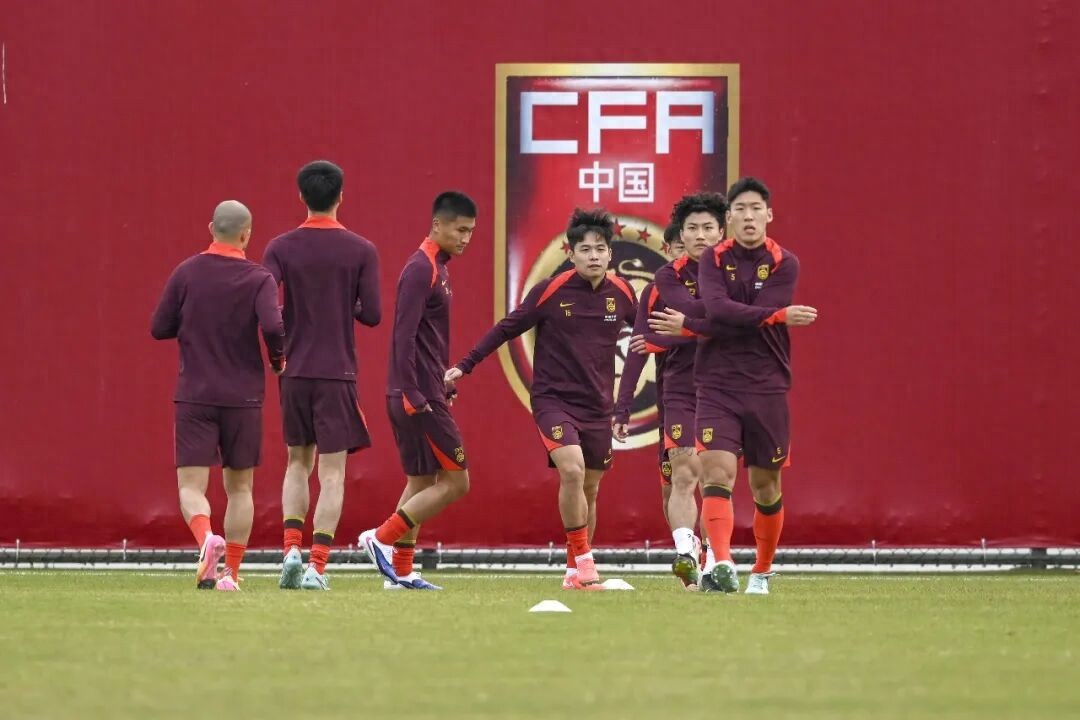
Reported by journalist Chen Yong. After the U23 national team came back to China, the senior national team concluded their friendly against Uzbekistan on the 27th and finished their initial training camp before returning home. The players from both squads will resume winter training at their clubs following a short break, preparing for the 2026 league season. Fans will next see them either on the Chinese Super League pitch or during the national team’s training camp in March.
The U23 national team returned home after completing the U23 Asian Cup. After such a major tournament, the players will have about 7 to 10 days off before going back to their respective clubs to prepare for the 2026 league season.
Although the senior national team’s West Asia training camp ended later, compared to the U23 players who went through a highly intense and competitive official tournament, the senior players are less physically and mentally fatigued. Therefore, their rest period can be shorter, and the timing for both senior and U23 players to return to their clubs is roughly the same. This gives each club about a month to fully prepare for the new season. Many foreign players also only rejoin their teams at the end of January. However, for the three teams participating in the AFC Champions League Elite competition, their schedules are tighter: Shanghai Shenhua, Chengdu Rongcheng, and Shanghai Port will play the 7th round on February 10th and 11th, and the 8th round on the 17th and 18th.
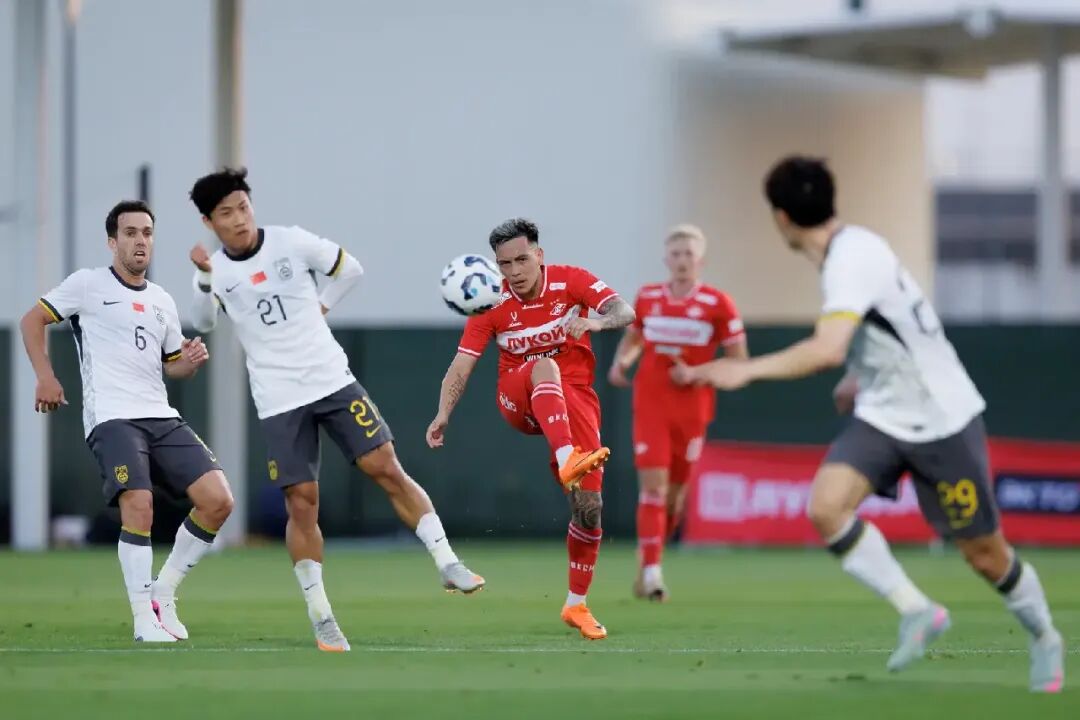
During this West Asia training camp, the senior national team achieved a record of 1 win and 2 draws: In the first match against a third-tier UAE league team, they won comfortably 2-0 with goals from Lin Liangming and Zhang Yuning; the second match saw a step up in opposition against Moscow Spartak, ending in a 2-2 draw with goals by Lin Liangming and Zhu Pengyu; and the final game against Uzbekistan also concluded 2-2, with Lin Liangming and Xie Wenneng scoring. Overall, the team’s performance was 1 win and 2 draws.
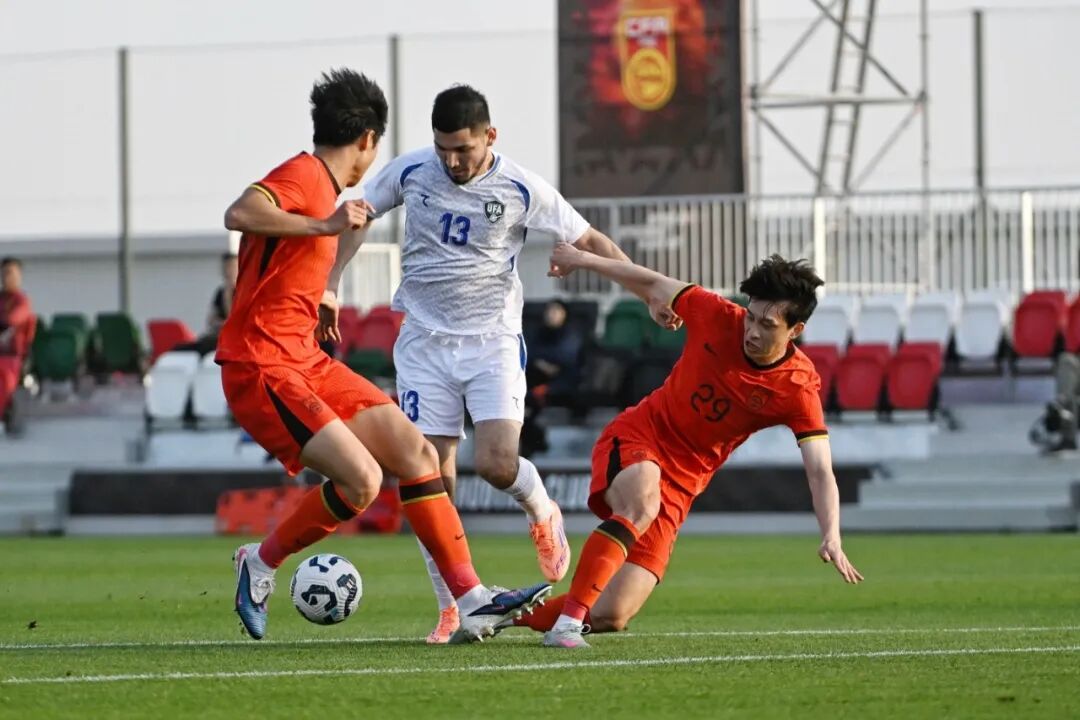
In the match against Uzbekistan on the 27th, the senior team initially took a 2-0 lead, but after making lineup adjustments, Uzbekistan scored twice to equalize. Despite this, the team showed a strong spirit, and the match successfully served both tactical practice and player evaluation purposes.
After the U23 and senior national teams have returned home, the next two months will be managed by their clubs. In March, the senior national team will regroup and travel to Australia for upcoming matches. At that time, the main squads of both teams will likely merge, with standout U23 players such as Wang Yudong, Bai Helamu, Kuai Jiwen, Xu Bin, Hu Hetao, Liu Haofan, Peng Xiao, Wumitijiang, Yang Xi, and Li Hao expected to be called up to the senior team.
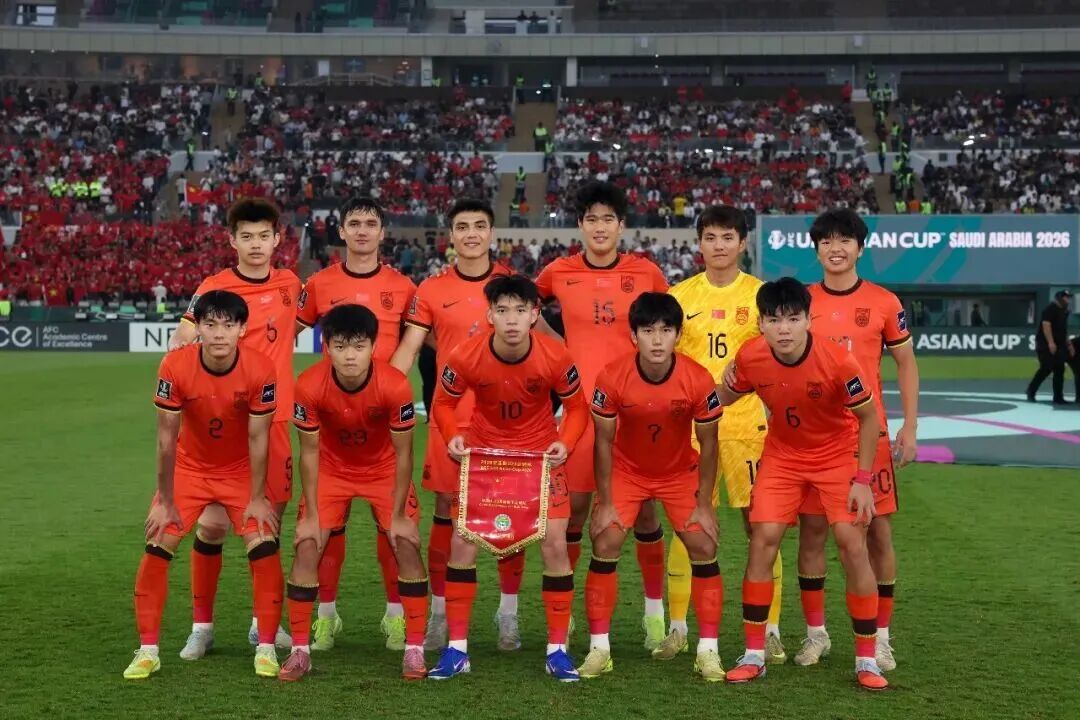
Overall, it seems appropriate that about one-third of the U23 players join the senior national team. This approach allows the U23 players to bring their fearless and confident spirit to the senior squad while ensuring a higher proportion of young players to truly rejuvenate the senior team, including changes in training and match atmosphere.
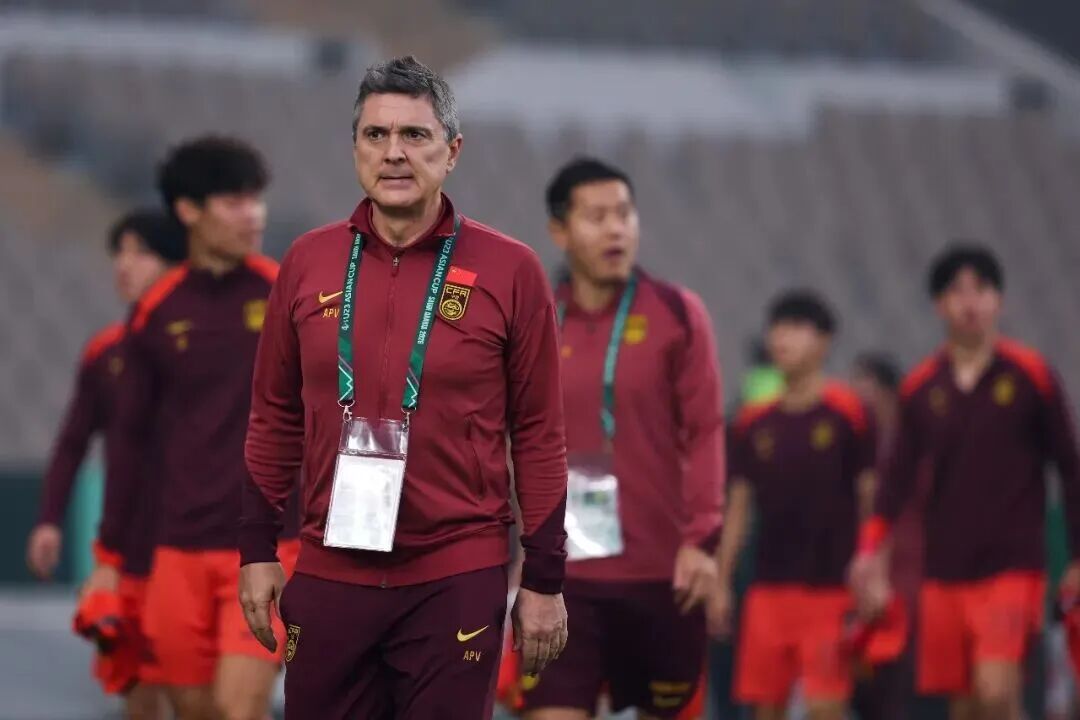
Given the actual needs for the senior team to call up U23 players, it may be necessary for the U23 team to adjust its formation strategy. Currently, the U23 team’s only remaining task is the Asian Games scheduled for September this year. Considering the senior team’s recruitment of U23 players and the preparation demands of the 2005-age group Olympic team, as well as the strong possibility of Antonio coaching the Olympic team in the future, it might be more suitable to shift the Asian Games responsibility from the U23 team to the U21 team (the 2005-age Olympic squad).


Wonderfulshortvideo
The footwork, the finish 🤌


Did you get it? 🤔😅
The Wirtz x Sané link-up 🔗
Haaland’s movement 🥵
Which counterattack is
When you use your girlfriends shower 🚿 @Emily Bourne @LUSH
🤤🤤
 Links
Links
 Contact
Address:UNIT 1804 SOUTH BANK TOWER, 55 UPPER GROUND,LONDON ENGLAND SE1 9E
Number:+85259695367
E-mali:[email protected]
 App
App


