



'The J-League will soon rival the Premier League with just one decision'



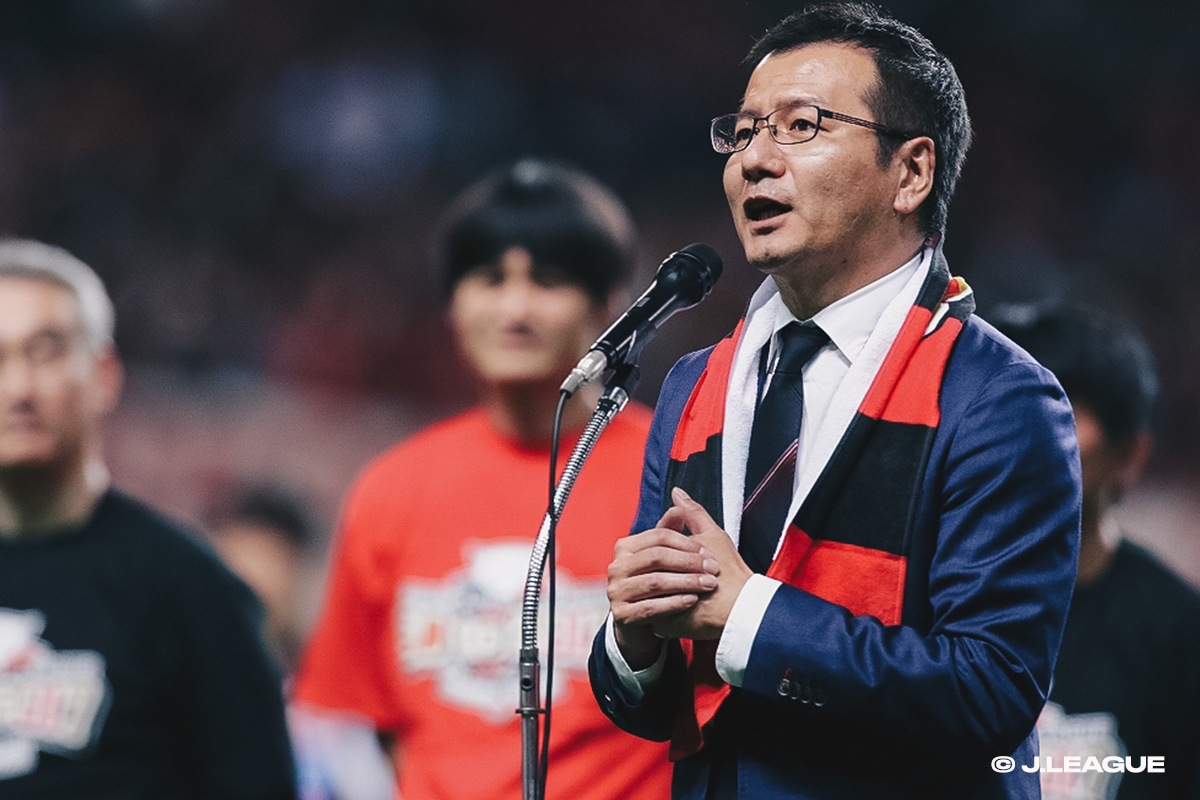
Chairman Yoshikazu Nonomura confirms that the J-League can stand toe-to-toe with the Premier League in 20 years if it undertakes a historic change: aligning its calendar with European leagues.
Japanese football is facing a systemic overhaul. Mr. Yoshikazu Nonomura - Chairman of the J-League has made a crucial decision: to abandon the traditional schedule (February to December) and switch to a new timeframe aligned with Europe’s top leagues. Specifically, after the 2026 World Cup, the J-League will start its new season in autumn and finish in the summer of the following year.
This change is not just about timing but a profound economic strategy. Nonomura believes operating on the same schedule as Europe will allow Japanese clubs to maximize player value:
"To ensure we capture competitiveness and growth in the global market, it’s essential to function under the same conditions, adjust transfer windows, and maximize transfer fees from Europe," he emphasized.
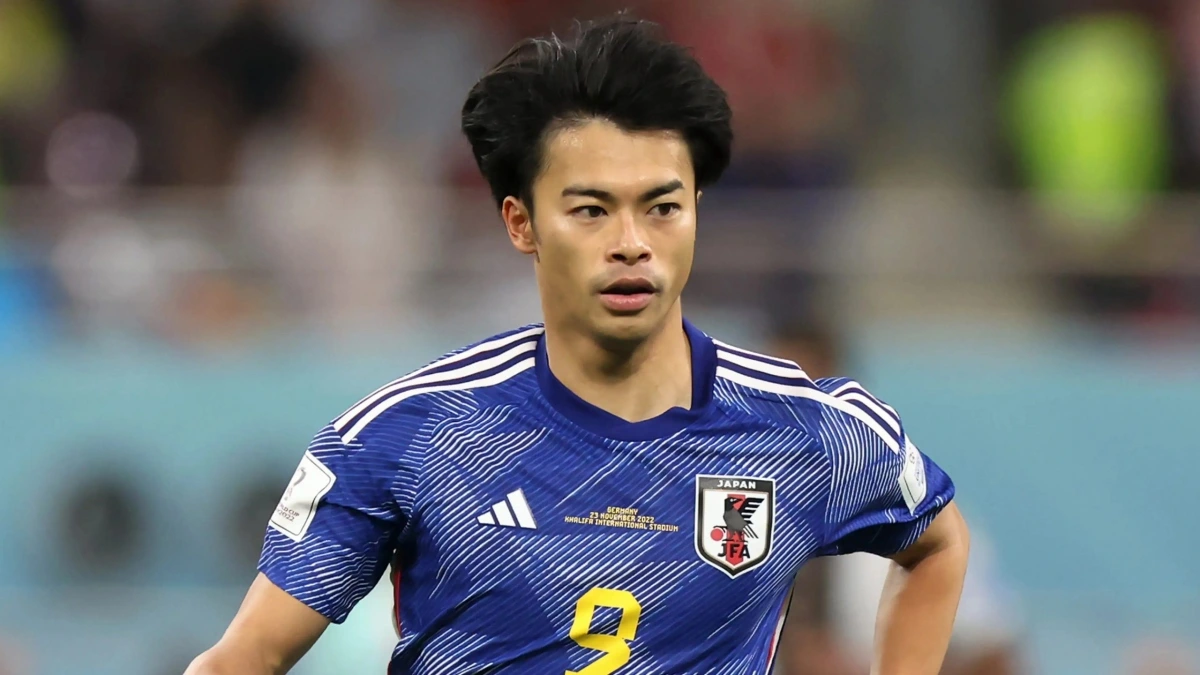
In fact, Japan has always been a "goldmine" of quality but affordable players. The clearest example is Kaoru Mitoma, who joined Brighton for only £2.5 million in 2021 before his value skyrocketed many times over.
With the new schedule, J-League clubs will no longer be undervalued and can demand fairer wages and transfer fees as they coincide with Europe’s peak summer spending period.
Chairman Nonomura sets an ambitious goal: “What we are trying to achieve is to increase gross revenue to the level of the Premier League, Barcelona, or Real Madrid. With financial scale like that, top players will naturally come to us.” Additionally, playing through the winter helps players avoid Japan’s harsh summer heat, improving match quality.
Although the J-League’s purchasing power currently lags behind the rise of Saudi Arabia, Mr. Nonomura remains confident in Japan’s football foundation. Unlike the bubble investment model that collapsed in China, the J-League has a solid base with record-high stadium attendance last season.
He affirmed: “Japanese clubs don’t invest as heavily as Saudi Arabia, but they have a more stable foundation than any other Asian country.” With proven quality as Japanese clubs consistently reach AFC Champions League finals, the financial boost from changing the schedule is expected to be the final push for the J-League to close the gap with football powerhouses.
“If the business side succeeds, it wouldn’t be surprising if in 20 years the situation looks very different from today, with all five major leagues concentrated in Europe,” Nonomura concluded optimistically.


Wonderfulshortvideo
Ganglion cyst removed


Ganglion cyst removed
User SportScoop has posted a video.
User SportScoop has posted a video.
Replying to @Computer says no.
Replying to @Computer says no.
User SportScoop has posted a video.
 Links
Links
 Contact
 App
App


