



OFFICIAL: Barca withdraws from the Super League project opposing the Champions League



Barcelona has formally exited the European Super League initiative, closing the chapter of the “unwilling alliance” with Real Madrid during their ongoing conflict with UEFA and LaLiga.
A brief statement from the Catalan club is seen as the final nail in the coffin for hopes of reviving the breakaway league that shocked European football in 2021, while leaving Real Madrid isolated as the sole club still committed to the European Super League project.
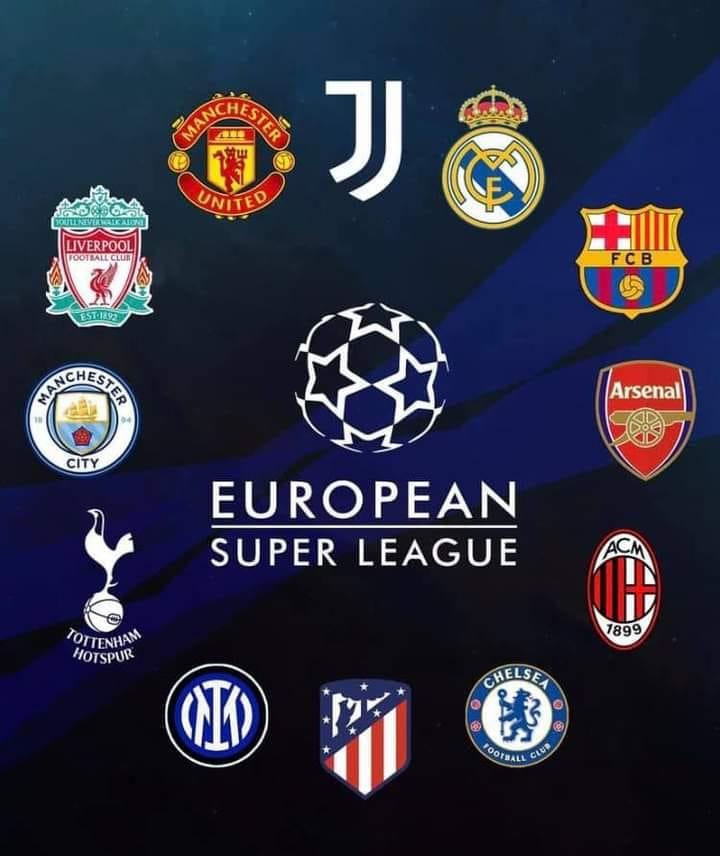
The Super League was launched in April 2021 with 12 founding clubs, including 6 Premier League teams (Arsenal, Chelsea, Liverpool, Man City, Man United, Tottenham), 3 LaLiga clubs (Real Madrid, Barcelona, Atletico Madrid), and 3 Serie A clubs (AC Milan, Inter, Juventus).
However, just days later, a strong backlash from fans, politicians, and football organizations forced the English clubs to withdraw, triggering a domino effect in Spain and Italy. Juventus was the last to leave before Barca, officially pulling out in June 2024.
Ironically, Barca’s decision comes at a time when the legal foundation for “breakaway” leagues has been strengthened. In December 2023, the European Court of Justice (ECJ) ruled that some previous UEFA regulations aimed at blocking exclusive competitions were unlawful.
Following that, in May 2024, a court in Madrid—citing the ECJ ruling—found that governing bodies abused their dominant position by threatening sanctions against clubs participating in the Super League. Based on these rulings, Real Madrid recently announced plans to pursue legal action seeking “substantial compensation” from UEFA.
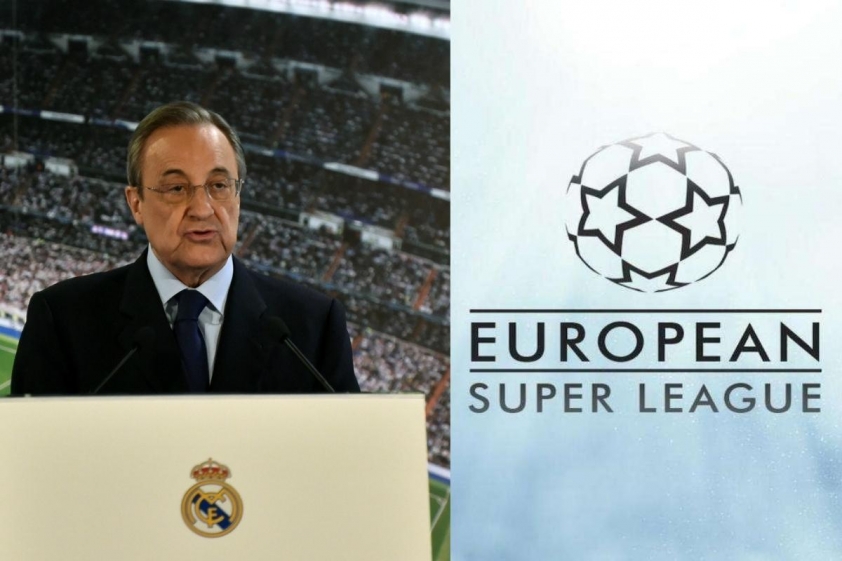
Meanwhile, the project’s promoter, A22 Sports Management, has continually rebranded the Super League with a more media-friendly model, emphasizing “openness and meritocracy,” and proposing free broadcasts via the ad-supported streaming platform Unify. Nevertheless, market realities show the Super League no longer has public allies.
UEFA acknowledged informal talks with A22 about possible compromises but confirmed no official outcomes and no plans to change the Champions League format.
Barca’s withdrawal also ends the rare “truce” between Spain’s two biggest clubs. Over the past five years, Real Madrid and Barca often stood united against UEFA and LaLiga, even jointly rejecting CVC’s investment offer into LaLiga in 2021.
However, in recent months, President Joan Laporta has taken steps to improve relations with UEFA, LaLiga, and President Javier Tebas, laying the groundwork for Barca’s reintegration into the European club system.
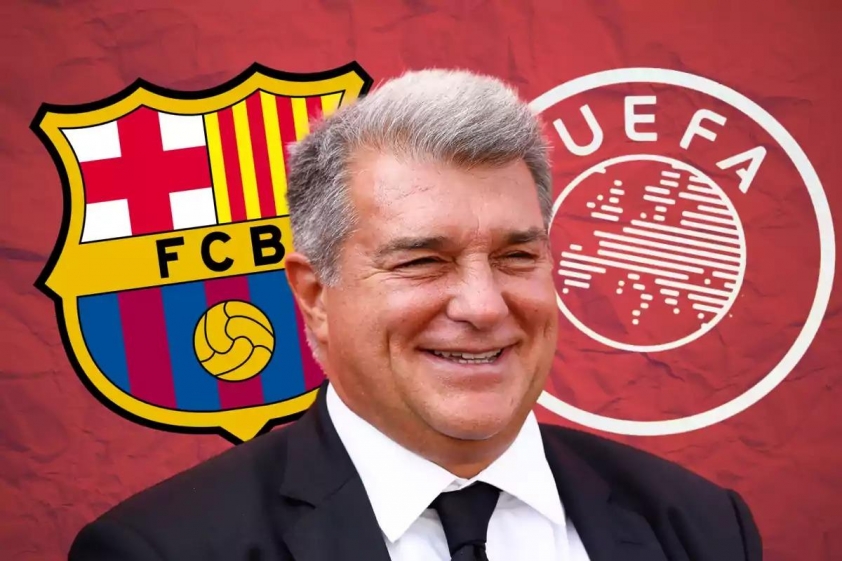
As Barca gradually leaves the “Super League orbit,” Real Madrid has increased media pressure related to the Negreira scandal—concerning Barca’s past payments to a company linked to a former Spanish referees’ chief.
Currently, Real Madrid still claims to pursue the project, but with Barca stepping away, this ambition now mainly exists on the legal front. The Super League—at least as it was once promoted as a Champions League alternative—is once again at risk of being erased from history.


Wonderfulshortvideo
User SportScoop has posted a video.


 Links
Links
 Contact
Address:UNIT 1804 SOUTH BANK TOWER, 55 UPPER GROUND,LONDON ENGLAND SE1 9E
Number:+85259695367
E-mali:[email protected]
 App
App


