



Inside details revealed on Carrick's transformation at Manchester United! The Red Devils' Zidane knows that staying low-key is the best strategy.


Carrick is no stranger to Manchester United's Carrington training ground, having served there as a player, coach, manager, and youth mentor! Before taking charge of United this time, he often sat quietly in his car in the Carrington parking lot for hours, waiting for his 15-year-old son Jesse to finish training. Staff who worked with him in the past would greet him, but Carrick always kept a low profile.
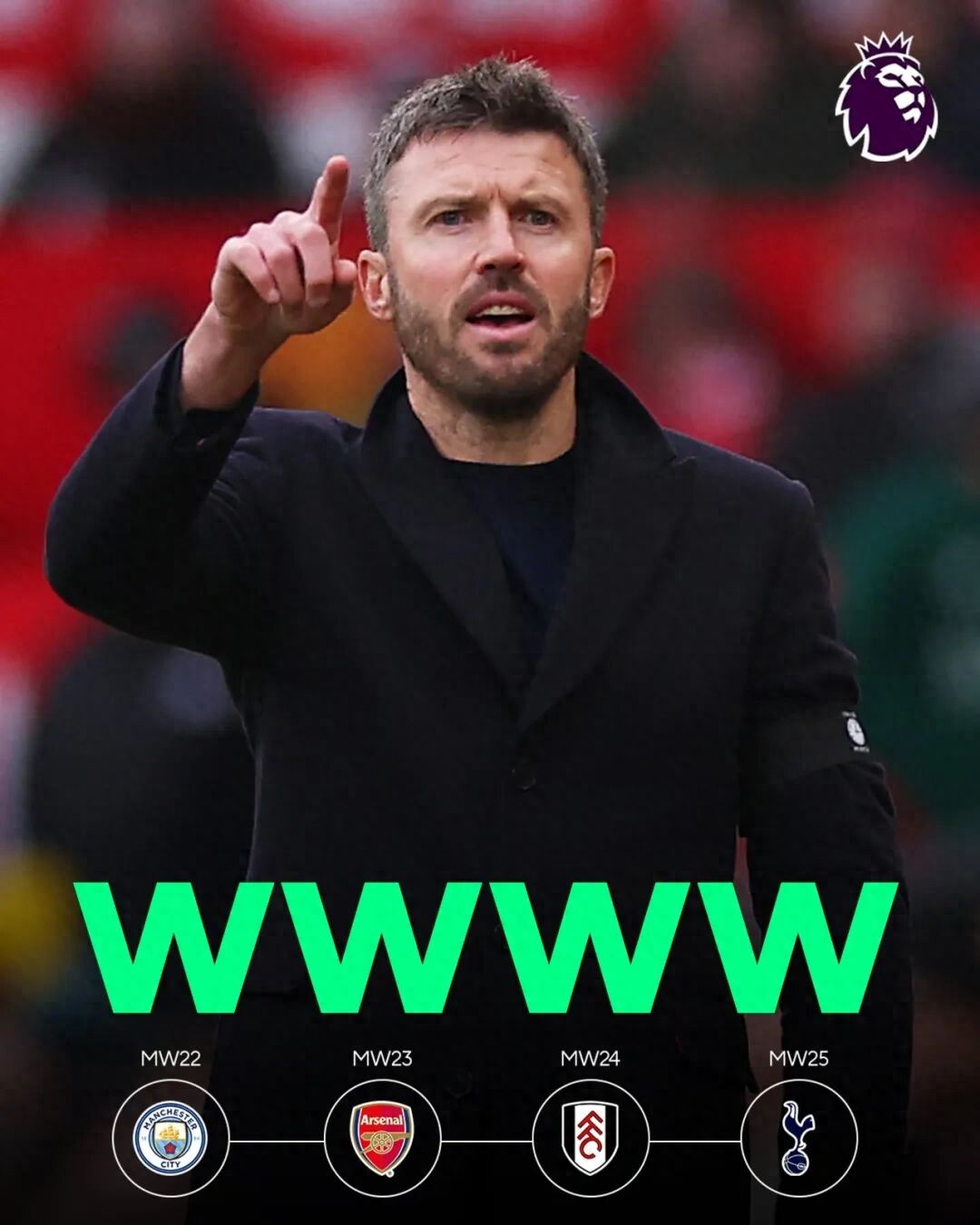
Now, Carrick can no longer enjoy peace at Carrington, as he is the first-team manager who has started with four straight wins, attracting all the spotlight. Carrick carries a huge responsibility to bring Manchester United back to where the club and fans want — the Champions League.
After being knocked out at home by Brighton in the FA Cup in January, Manchester United fans were furious, believing the season was effectively over. However, Sir Jim Ratcliffe’s Ineos group disagreed, emphasizing to interim candidates Carrick and Solskjær that the goal remains European competition, with the Champions League being the ultimate target.
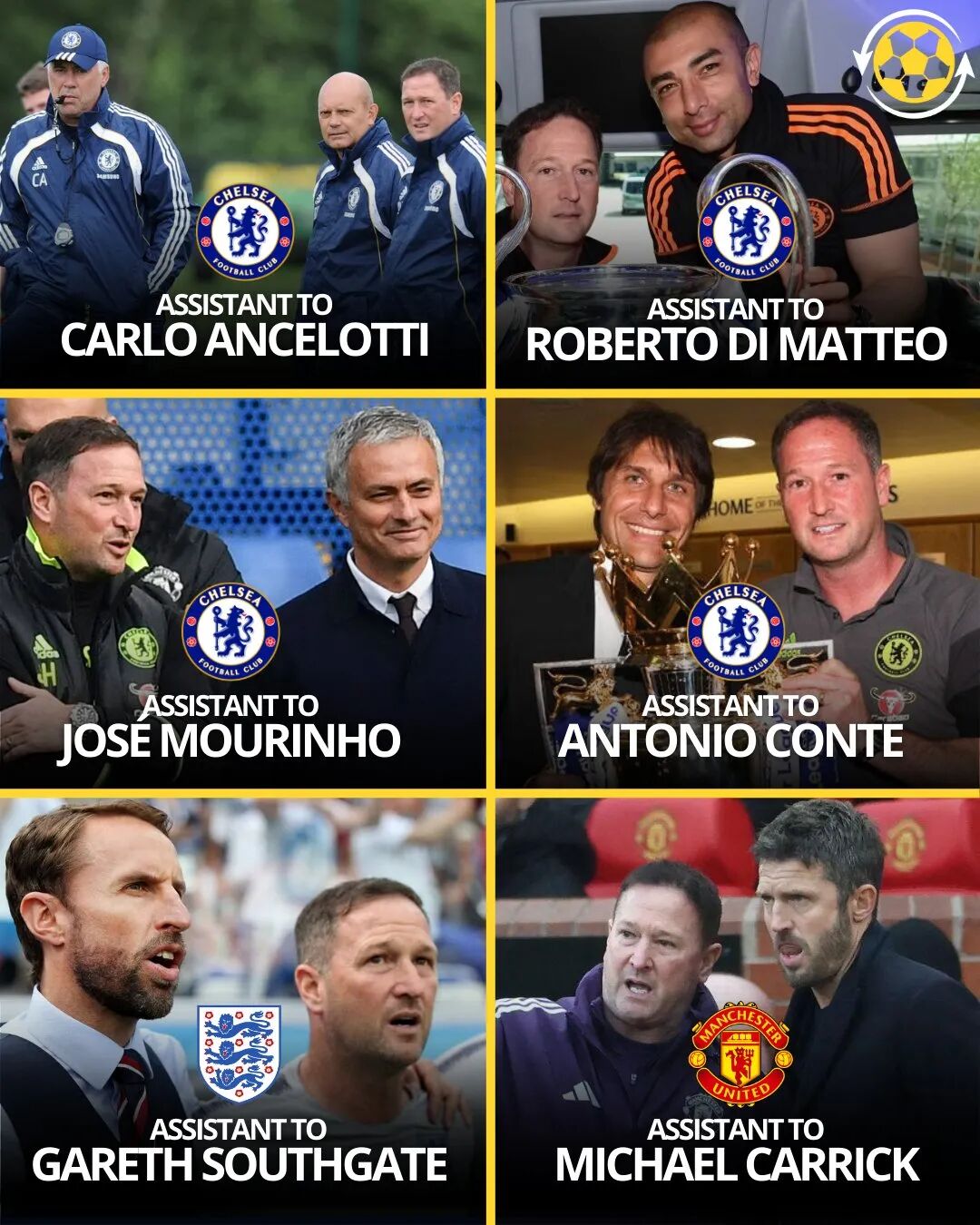
At that time, sporting director Jason Wilcox, who faced heavy criticism from fans, stressed that although United was sixth, they were only three points behind fourth-placed Leeds, making European qualification, even the Champions League, entirely possible. Carrick was eventually chosen, and the club appointed Steve Holland as his assistant — a coach who had worked with England and Chelsea, won the Premier League and Champions League, and reached the European Championship final. Since leaving the England team, Holland has lived in Manchester.
Holland is a Greater Manchester native and a lifelong Manchester United supporter. He recalls his first time watching United was in 1976 when they thrashed Tranmere Rovers 5-0, idolizing Steve Coppell, who mainly wore the number 7 shirt then. While working as a technical analyst at UEFA, Holland collaborated with both Carrick and Solskjær, making him a perfect fit as assistant coach for United.
Carrick brought in Jonathan Woodgate, a fellow Geordie, with whom he worked at Middlesbrough. Woodgate doesn't have a "Son dream," but his childhood idol was Gary Pallister, who played for both Boro and United and was a key central defender in Sir Alex Ferguson’s first United title-winning team.
Before the first match against Manchester City, Carrick had little time to prepare but was clear on two points: first, the best way to handle City is through counter-attacks, something he witnessed multiple times as Solskjær’s assistant; second, a managerial change can boost morale, so no extra motivation was needed for the game.
Carrick found that the Manchester United squad was full of players eager to impress him and finish the season strongly. Different players had different motivations — for example, Casemiro, who had decided to leave, wanted to depart with honor and was very conscious of his reputation and respect.
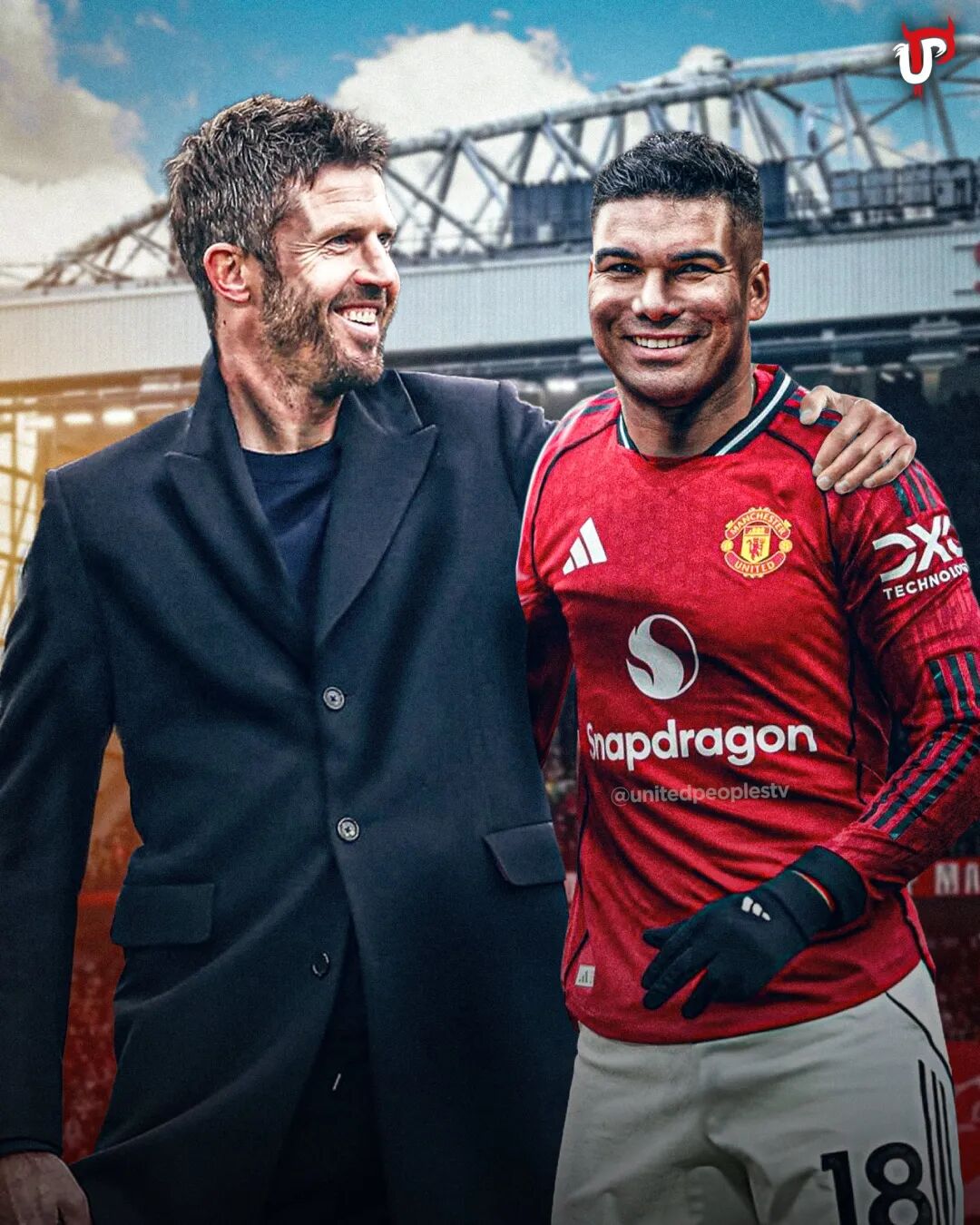
After Carrick took charge, 32-year-old "Fat Tiger" expressed gratitude, saying he had rediscovered the joy of football. Many senior United players also praised Carrick for his training methods and guidance of young players. The next point even received praise from 20-year-old academy rising star, Kobbie Mainoo.
Former United manager Rúben Amorim faced heavy pressure due to poor results and neglected the youth academy, only attending one youth match at Carrington. He also sidelined all academy graduates; under his tenure, Mainoo went eight months without a Premier League start.
For Carrick, youth development is a priority, especially since his son Jesse is also a United academy product. After taking over, he almost weekly watched youth matches, sometimes alongside Rooney, which greatly encouraged the academy system.
The atmosphere in the United dressing room has generally been positive, even before Amorim’s departure. Naturally, some negativity existed, but Carrick managed it well. His assistant Woodgate, who played for Real Madrid, helps communicate with Latin-speaking players, especially Portuguese speakers like Lisandro Martínez and Wagat.
In initial talks, Carrick emphasized to United players the honor of representing the Red Devils, which was well received. No one wanted to be criticized worldwide. Amorim claimed they were considered the worst United squad in history, and the players didn’t want that legacy; they wanted to turn things around with Carrick.
Carrick shortened training sessions significantly, usually finishing by 1 p.m., though the coaching staff welcomed players to train extra on their own. Amorim believed the solution to on-field issues was more training, so his sessions were longer, with breaks only between meetings, gym work, and before official training started.
Carrick ensured training was shorter, more focused, but very intense. Players needing treatment had to come early to Carrington. Rooney, a close friend, revealed that before the Arsenal match, United even ended training early due to the high quality, as Carrick wanted to preserve this form for the game.
The new United manager is willing to support his players, explaining to those not starting, such as Cunha and Sheshko, the reasons behind it. Players trust Carrick’s judgment partly because he was a top midfielder himself and also because of his honesty.
Assistant Holland is stricter but tells players he treats everyone fairly and expects hard work; otherwise, they face the bench or even the stands. When necessary, players are required to watch video footage on their phones after training as "homework."
Additionally, Carrick’s team arranges more targeted training, with coaches working specifically with certain players. Former defenders Woodgate and Jonny Evans provide special guidance to young defenders Aiden Haiven and Lenny Joro.
Evans resigned from his administrative role overseeing player loans before Amorim’s departure but has now returned to the club as a first-team coach.
The Northern Irish legend also handles set pieces; Mbemmo’s opening goal against Tottenham came from a corner routine designed by Evans.
Mbemmo explained post-match: "Jonny (Evans) gathered me and other involved players to practice it during training. We tried once without success, but that attempt was crucial."
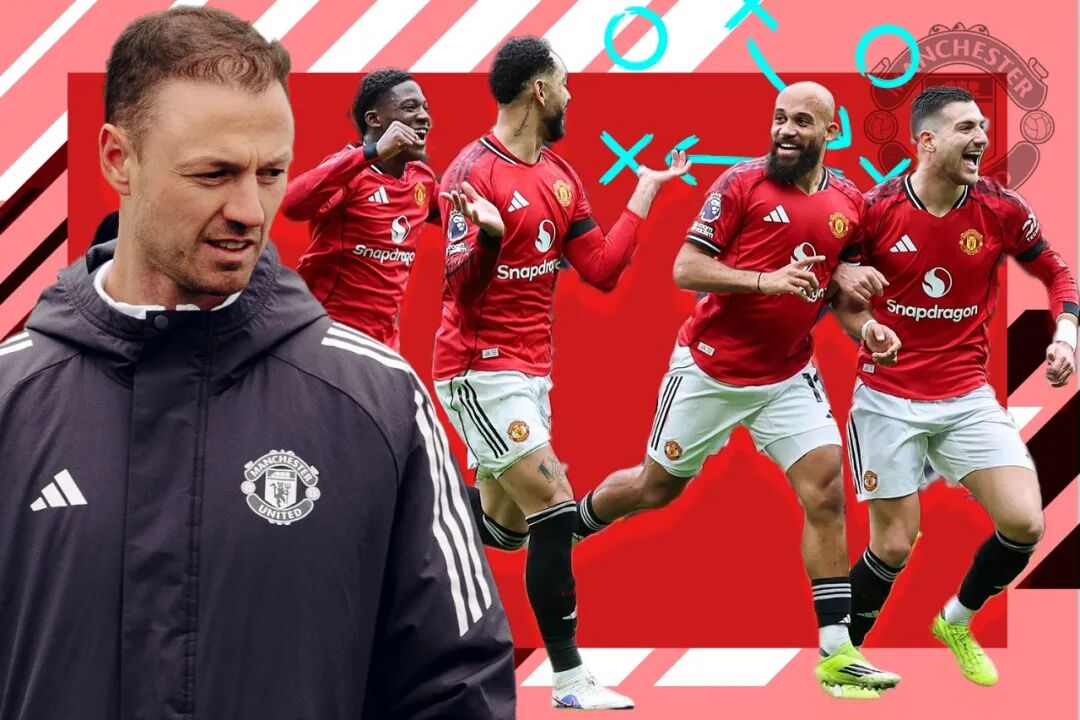
Haiven received more chances under Amorim’s three-defender system but now only trains with the first team and sees limited match time. He might not start this season, as Carrick believes he needs to improve, which he can achieve in training.
With Holland leading training sessions, Carrick has more opportunities for one-on-one talks, mainly with midfielders. Meanwhile, academy graduate Travis Binnion works closely with young players like Sheshko and Doku, both performing well.
Carrick also adjusted some team routines to boost morale. On matchdays, United first return to Carrington to eat and hold meetings together before taking the bus to Old Trafford, which now departs 10 to 15 minutes later than before. Carrick wants more fans on the sidelines to energize players during warm-ups.
Post-match, Carrick differs from Amorim, who rarely engaged with players due to poor results and fear of heated disputes, preferring to analyze calmly the next day. Carrick is not afraid of communication but saves detailed analysis for a few days later, sharing some privately with individual players and some with the whole team.
Carrick is also enthusiastic about data. United’s analysis team has undergone major changes recently; former head Paul Brand left for UEFA, but core members remain, maintaining close contact with Holland and Woodgate during matches.
After the winning streak, Carrick consistently sends a clear message to the squad: "This is just the beginning." Having been in professional football for a long time, he knows morale can swing wildly in the short term. They are undoubtedly in a honeymoon phase now, but who knows how long it will last?
In last weekend’s game against Fulham, United squandered a two-goal lead but were saved by Sheshko’s late winner. This match reminded the team they haven’t truly succeeded yet and must keep fighting. So far, Carrick’s work has exceeded expectations, impressing with his calm demeanor, cooperative attitude, and appropriate tactics.
Compared to the more outgoing Amorim, Carrick understands that staying low-key suits both himself and Manchester United better. His team performs better and has a strong chance to return to the Champions League next season. Achieving that goal means success for him, regardless of whether he stays permanently.
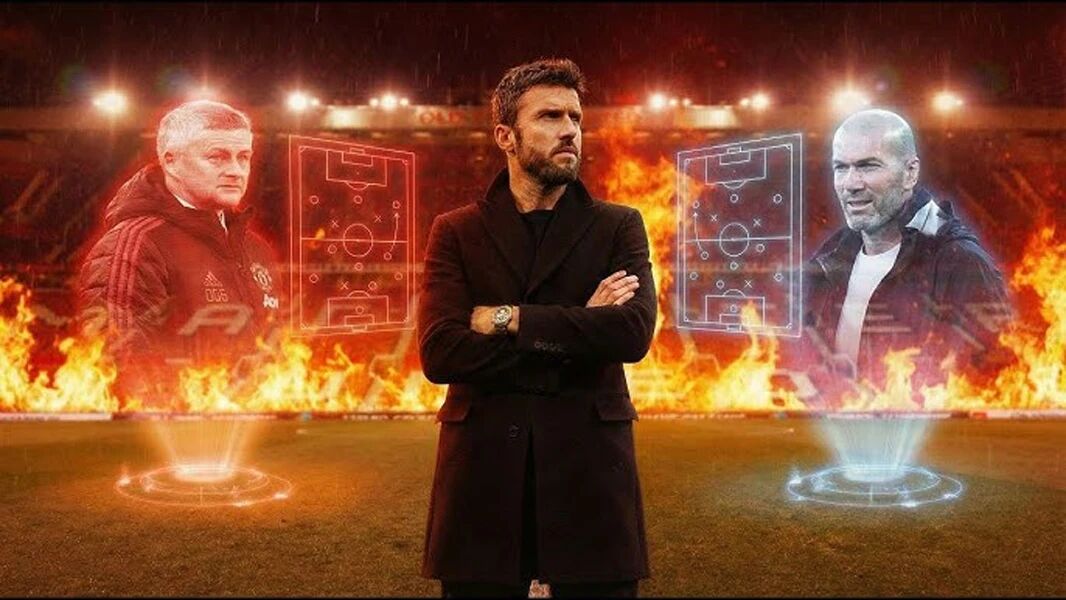
As a player, Carrick mostly made sideways or backward passes, earning the nickname "Carrick the Invisible" for being too ordinary. But he knew that 90% of the time, maintaining team rhythm relies on those simple passes. His coaching style is similar — like Manchester United’s version of Zidane. Zidane was more flashy as a player but was called "Zizou the Invisible" as a coach because fans thought he did little, yet Real Madrid won La Liga and three consecutive Champions League titles. The truth is, both Zidane and Carrick excel by putting the right people in the right roles and doing the right things at the right times — easier said than done.


Wonderfulshortvideo
User SportScoop has posted a video.


 Links
Links
 Contact
Address:UNIT 1804 SOUTH BANK TOWER, 55 UPPER GROUND,LONDON ENGLAND SE1 9E
Number:+85259695367
E-mali:[email protected]
 App
App


