



Driven by national-level strategy, the comprehensive launch of “New Diplomacy for Chinese Football” is underway.



Chief reporter Chen Yong reports. In 2026, Chinese football is showing remarkable changes, rapidly embedding itself into the world football scene through professional leagues, national teams at all age levels, youth football, and a broad national overseas framework. Differing from past diplomatic efforts centered on FIFA and AFC, since 2025, China has promoted comprehensive development of football by implementing innovative overseas programs.
Especially over the past week, Chinese football has been launching the “New Diplomacy for Chinese Football” at a higher level and with greater intensity, aiming to boost the overall advancement of Chinese football. Overseas training camps and exchange matches involving professional clubs and youth teams are thriving.
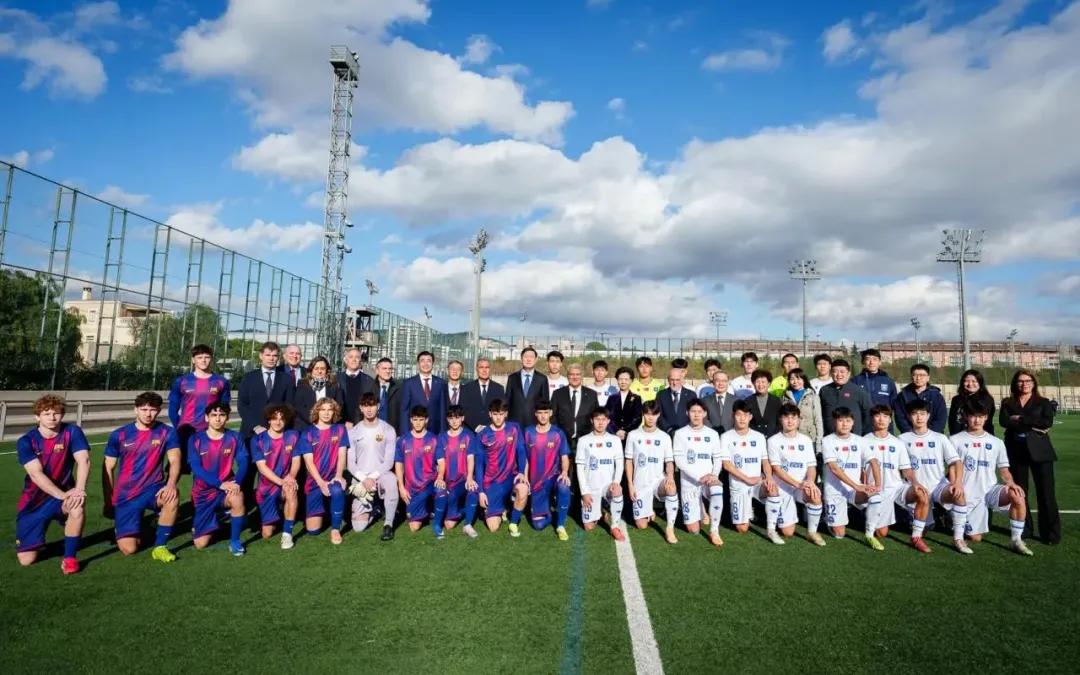

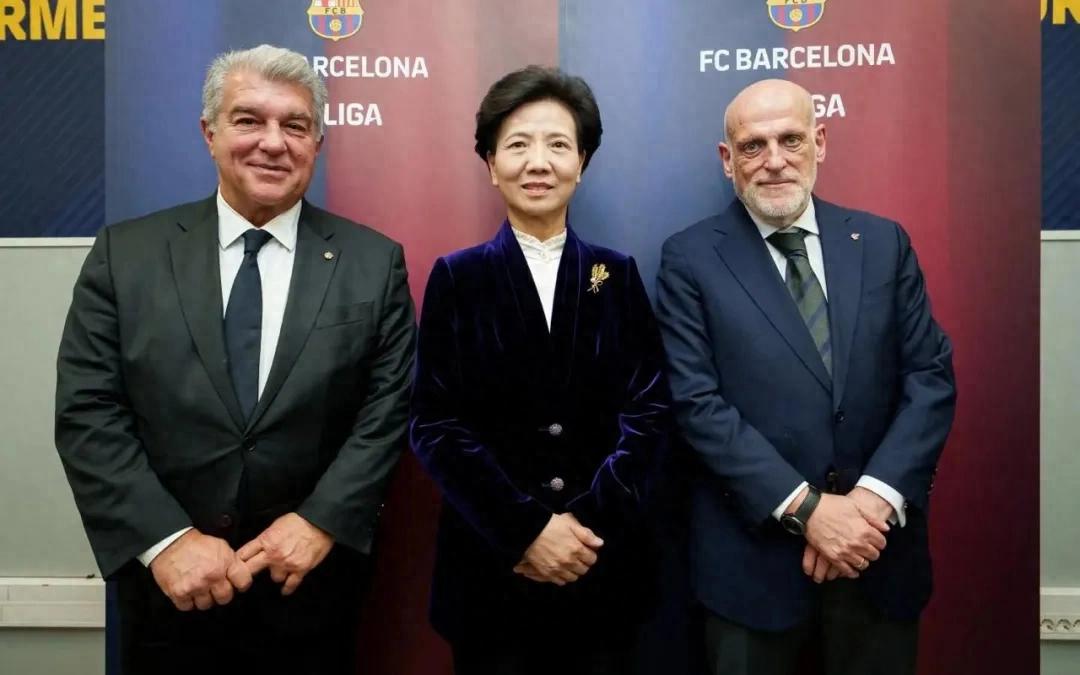
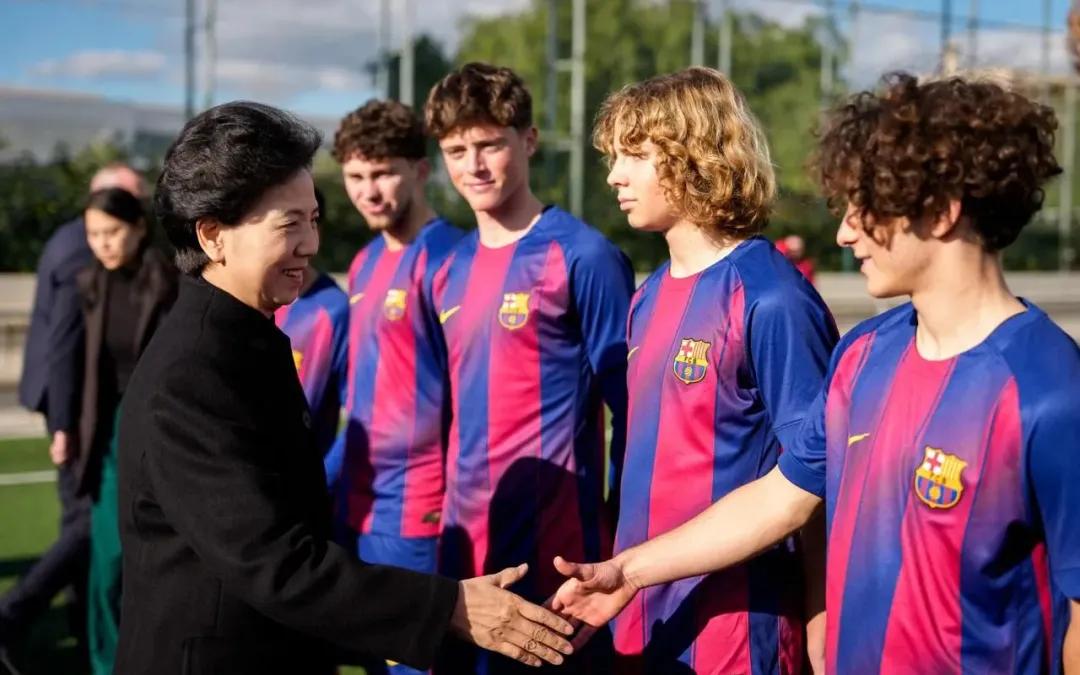
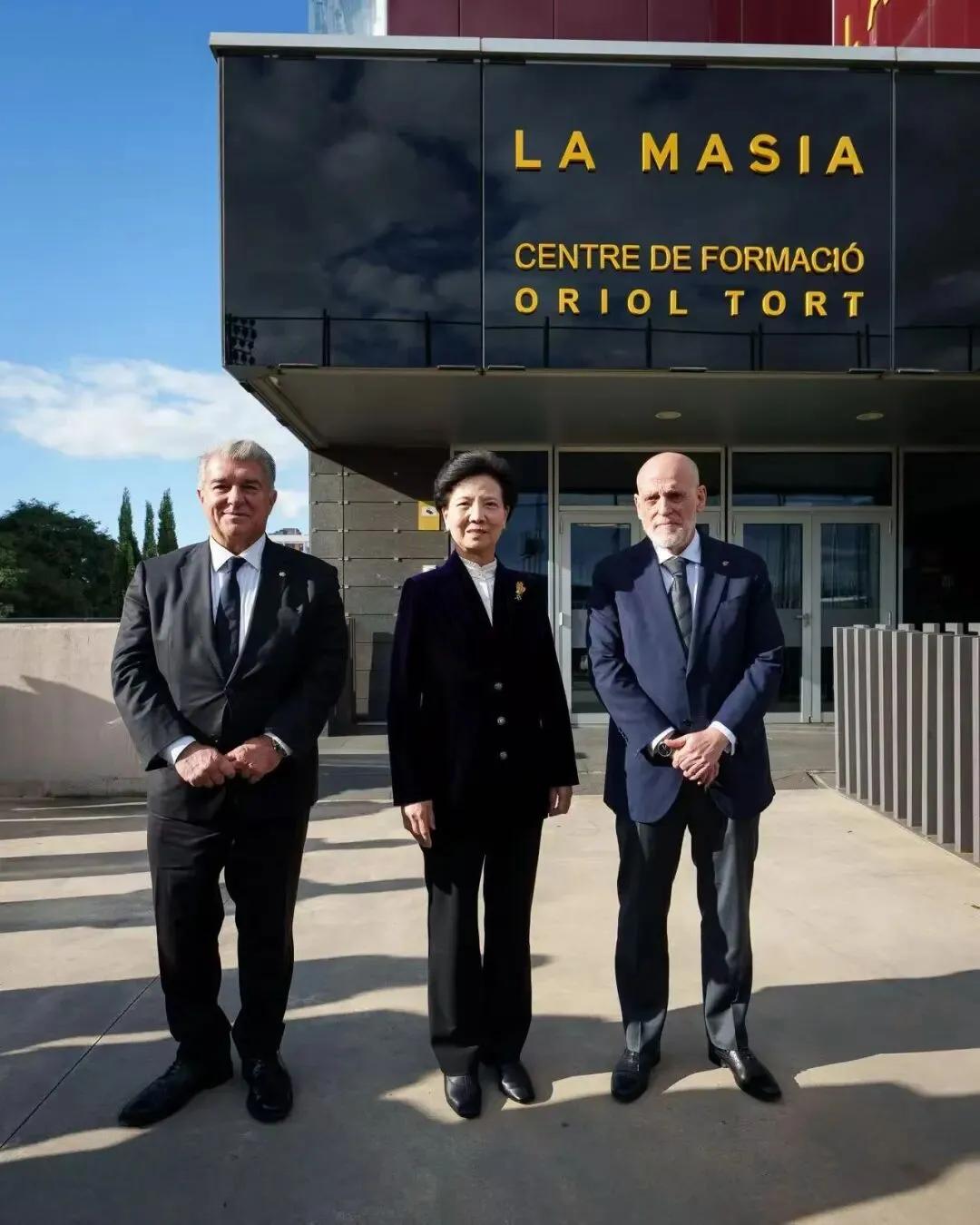
On February 5th, FC Barcelona announced: “Barcelona Football Club President Laporta and La Liga President Tebas jointly welcomed the Chinese delegation led by State Councilor Chen Yiqin to visit La Masia youth academy. The delegation included over 30 members such as Chinese Football Association Chairman Song Kai, China U23 National Team head coach Antonio Puche, and Chinese Ambassador to Spain Yao Jing.”
The delegation’s visit focused on an on-site study of Barcelona’s globally recognized youth training system. Afterwards, both sides exchanged experiences on talent development through a seminar and explored future cooperation opportunities. During the visit, the Shandong Taishan U18 team played a friendly against Barcelona’s U17 team, narrowly losing 1-2 under the leadership of coach Cui Peng.
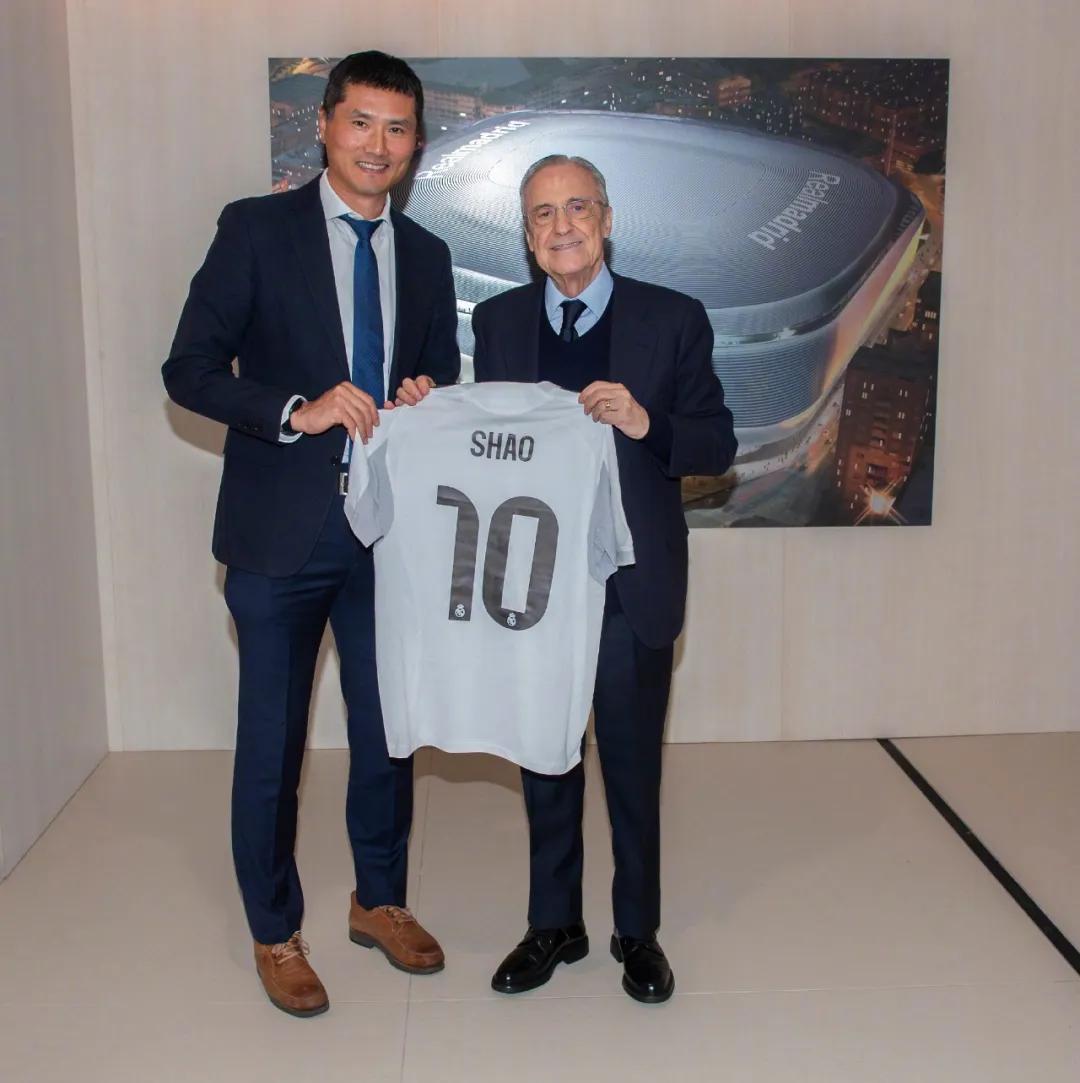
On the same day, Real Madrid issued a statement: “Real Madrid warmly welcomed Mr. Shao Jiayi, head coach of the Chinese men’s national football team. President Florentino Pérez had a cordial meeting with Coach Shao, exchanging jerseys. Mr. Shao toured the Real Madrid Sports City, observed youth team training, and engaged in professional discussions with fitness coach Pintus and medical director Dr. Niko Mihic.”
During this high-level visit of Chinese football officials to Spain, the Spanish Football Federation and La Liga signed memorandums of understanding with the Chinese Football Association. Both football governing bodies pledged to carry out exchanges focusing on technical and professional aspects, particularly youth training. Cooperation will also cover data analysis, international major event collaboration, broadcast rights management, public relations, and technological applications.
“I am honored to be appointed as a strategic advisor. This is not just a ceremonial title; I will work tirelessly. Chinese football needs to rank among the world’s top 10 at both national team and professional league levels,” Tebas said in an interview. He noted that China has built 160,000 football fields and incorporated football courses in schools. “With these foundations, the next step is to leverage these advantages to build a strong professional league and a powerful national team.”
Chinese Football Association Chairman Song Kai stated: “To raise football standards, the Chinese government has introduced multiple policies. Progress has been made in youth training and infrastructure. Our Chinese coaches are cooperating at La Masia youth academy and played a match at the training base yesterday. We recognize that there is still significant room for improvement.”
Chinese Football Federation Chairman Li Kemin remarked: “Tebas has given us tremendous support by introducing a series of development-promoting rules. We hope to learn from Spanish professional football. China must start with youth, drawing on the experience of football powerhouses to revive the sport, promote football in schools, and enhance competitive standards. Although we finished as runners-up in the U23 Asian Cup, we still need to adopt more advanced governance models.”
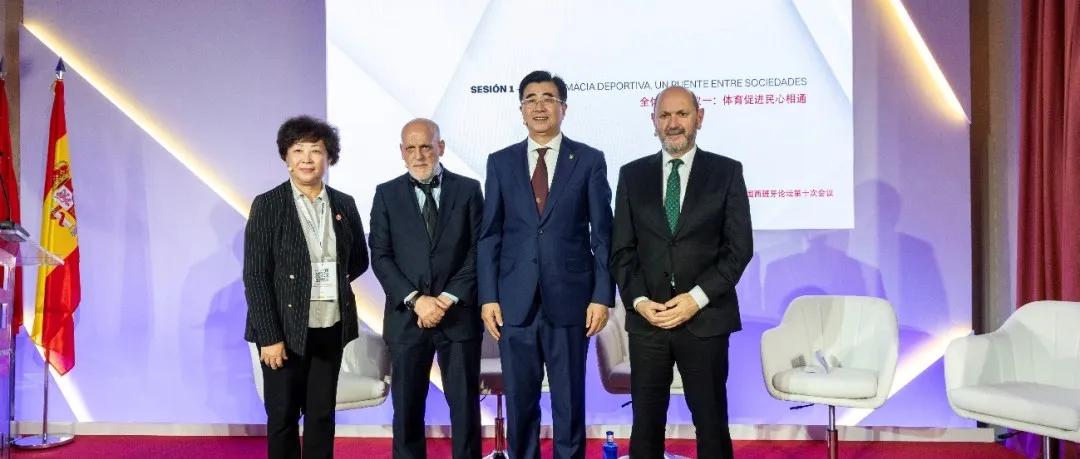

In 2025, China achieved notable results in traditional football diplomacy, maintaining strong ties with FIFA and AFC, successfully securing hosting rights for the 2027 AFC U20 Men’s Asian Cup and the 2026-2028 AFC U17 Women’s Asian Cup.
The new football diplomacy focuses not only on strengthening ties with FIFA and AFC but also on fostering breakthroughs in Chinese football’s overall development—including professional leagues, youth football, and national team construction—through comprehensive exchanges with football-advanced countries.
Progress made in 2025 includes but is not limited to: formulating the “Chinese Football Talent Overseas Training Action Plan,” sending players and coaches in batches for medium- and long-term training and study in football-developed countries to solidify youth training foundations; full participation of national teams at all levels in international competitions, with the U19 team attending the Toulon Tournament in 2026 and the U16 team continuing at the Montaigu Tournament, while actively promoting national teams’ involvement in other international events; signing cooperation memorandums with countries like France and Vietnam; organizing Shandong Taishan U17 team’s training in France; hosting advanced seminars on healthy professional club development with clubs from La Liga, Bundesliga, Ligue 1, and the Premier League; and holding Sino-British youth football training exchanges with the Premier League and its clubs.
Entering 2026, overseas exchanges have accelerated further. Besides national-level and Chinese Football Association and Federation overseas plans, professional clubs have fully resumed overseas training camps, and youth players have begun more frequent international exchange matches.
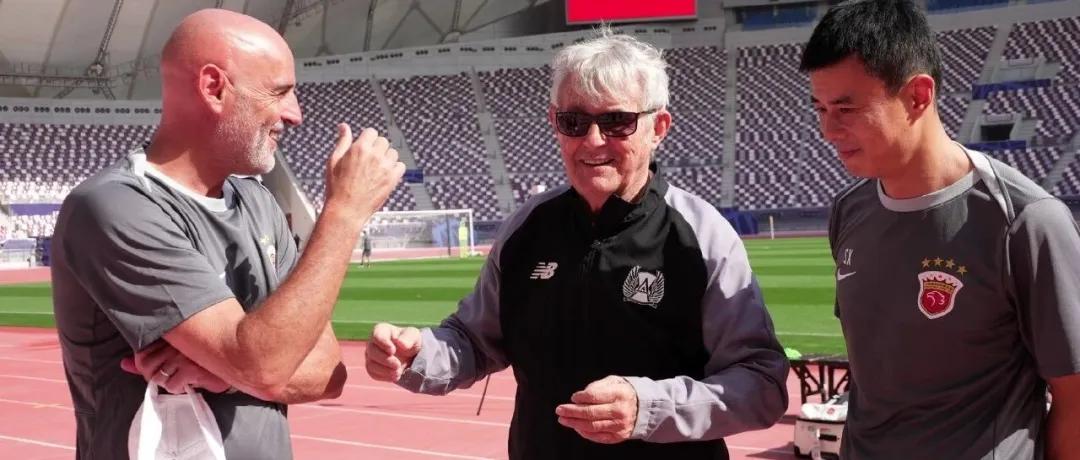
At the professional club level, out of 16 Chinese Super League teams, 14 started winter training abroad this season: six teams including Beijing Guoan, Henan club, Shenzhen Pengcheng, Wuhan Three Towns, Liaoning Ironmen, and Chongqing Tonglianglong trained in Thailand; five teams including Shanghai Shenhua, Zhejiang club, Yunnan Yukun, Qingdao West Coast, and Dalian Yingbo trained in Dubai, UAE; Chengdu Rongcheng trained in Abu Dhabi, UAE; defending champions Shanghai Port trained in Doha, Qatar; Tianjin Jinmen Tiger trained in Alicante, Spain. Overseas winter training not only helps CSL teams improve tactics and especially transition speed but also reflects the professional league’s healthy recovery.
At the youth football level, the Chinese Football Association organized youth winter training for the first time in 11 years. A highlight of this year’s youth winter training is the increase in international exchange matches: in mid-January, the China-Korea Youth Football Elite Challenge in Dingnan featured 35 matches between Chinese and Korean teams; currently, youth teams from Korea, Kazakhstan, Thailand, Vietnam, and Indonesia are competing extensively with Chinese youth teams in Guangdong and other regions; Qingdao West Coast’s U13 and U11 squads recently trained in Barcelona, Spain, receiving professional coaching from Barcelona’s youth trainers.


Wonderfulshortvideo
User SportScoop has posted a video.


 Links
Links
 Contact
Address:UNIT 1804 SOUTH BANK TOWER, 55 UPPER GROUND,LONDON ENGLAND SE1 9E
Number:+85259695367
E-mali:[email protected]
 App
App


