



Chinese champion club aims to recruit Đình Bắc



As reported by Sohu, Guangxi Hengchen from China is looking to acquire Nguyễn Đình Bắc, the leading scorer of the 2026 U23 Asian Cup, as part of their strategy for the new season.
Sohu’s website highlights that Chinese football is paying special attention to Nguyễn Đình Bắc, the brightest young star of Vietnam’s U23 team at the 2026 U23 Asian Championship. The article states that a Chinese club has targeted the 21-year-old striker, with Guangxi Hengchen, a newcomer in China League One, considered the most likely destination.
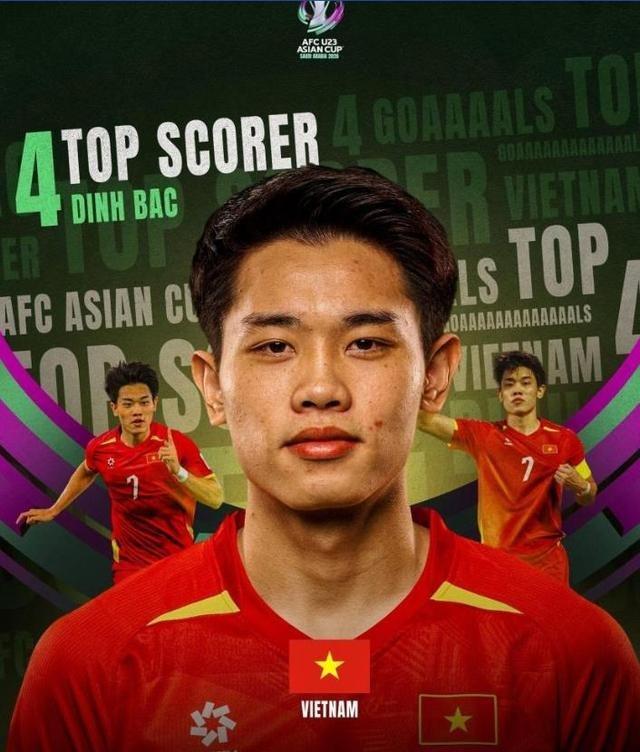
Sohu comments that Nguyễn Đình Bắc is emerging as the new symbol of Vietnam's young generation of players following the continental tournament. At the 2026 U23 Asian Championship, the forward born in 2004 led the attack, playing a crucial role in helping Vietnam’s U23 team defeat South Korea’s U23 squad to secure third place. Đình Bắc personally scored 4 goals and assisted 2, earning the top scorer title, a feat that Chinese media highly praise for his long-term potential.
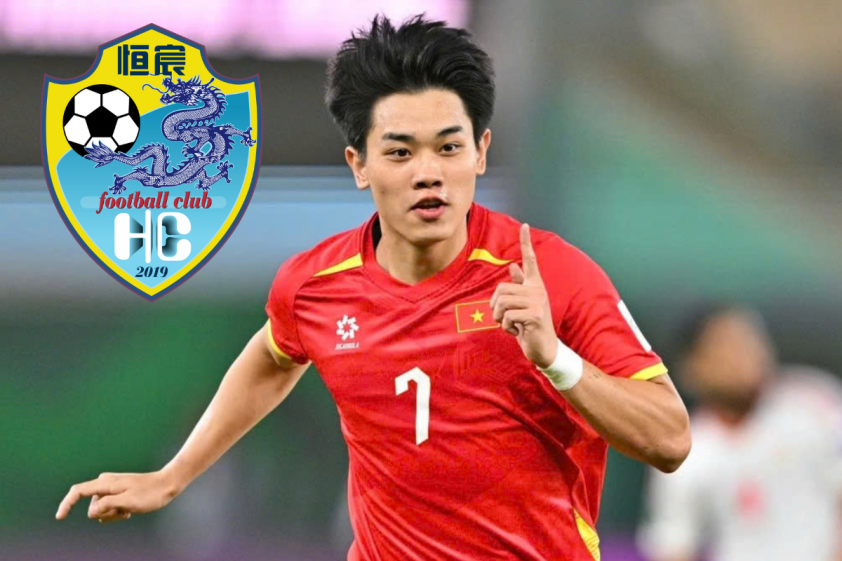
Besides his skills, Sohu particularly emphasizes Guangxi Hengchen as a promising club for Đình Bắc’s future. This team recently won the Chinese League Two title, earning promotion to China League One next season. Notably, Guangxi Hengchen is compared by Chinese media to the "next Guangzhou Evergrande" due to its strong financial backing, ambitious goals, and the rapid construction of its own stadium. These factors indicate the club aims not only to avoid relegation but also to make significant progress soon.
Sohu analyzes that Guangxi Hengchen targeting Nguyễn Đình Bắc fits their strategy of building a youthful, talented squad at a reasonable cost. Compared to many foreign players from Europe or South America, the Vietnamese U23 striker is valued at about 300,000 Euros, much lower than other players with similar achievements in the U23 Asian Championship.. This is seen as a "smart investment" deal, reducing financial pressure while potentially creating long-term value if the player excels.
If this transfer happens, Sohu believes it will be a notable turning point not only for Nguyễn Đình Bắc personally but also for the transfer trends of Chinese clubs. Boldly recruiting top young talents from Southeast Asia like Đình Bắc could open a new, practical, and sustainable path for Chinese football during its rebuilding phase.


Wonderfulshortvideo
User SportScoop has posted a video.


 Links
Links
 Contact
Address:UNIT 1804 SOUTH BANK TOWER, 55 UPPER GROUND,LONDON ENGLAND SE1 9E
Number:+85259695367
E-mali:[email protected]
 App
App


