



FIFA faces a major potential change due to the naturalization scandal involving the Football Association of Malaysia.



The case involving seven naturalized players of the Malaysian national team is approaching a decisive moment.
At this time, the Court of Arbitration for Sport (CAS)is regarded as the sole authority capable of delivering the final verdict, which will not only directly affect the Football Association of Malaysia (FAM) but also impact how FIFA’s regulations are enforced.
According to sports lawyer Zhafri Aminurrashid, the key issue in this appeal does not lie in technical or standard competition rules. Instead, the core problem stems from birth certificates issued to the same group of players by two different sovereign countries.
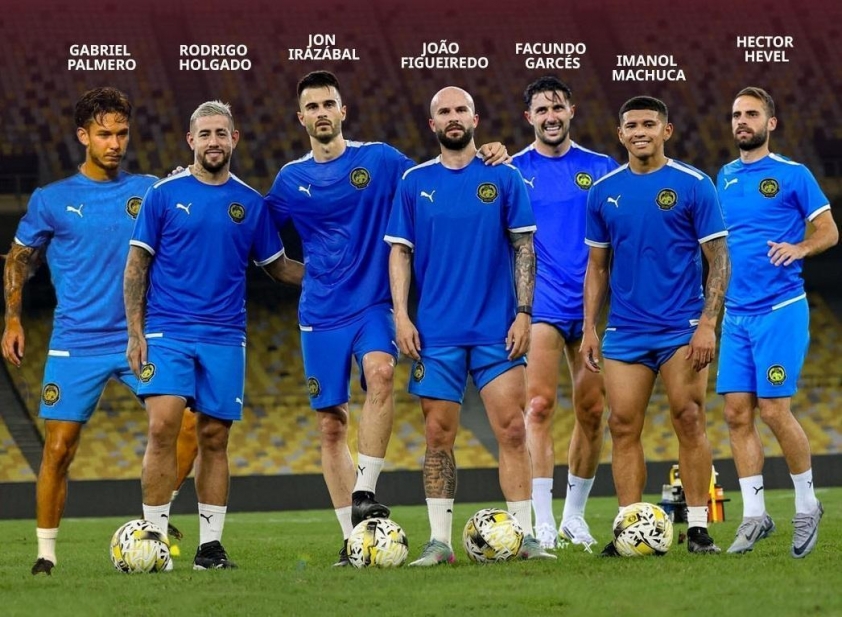
Zhafri believes this is a rare and highly sensitive situation in international football. The fact that two countries both confirm the players’ birthplace has put FIFA in a difficult position, as the organization lacks the legal authority to determine which birth certificate holds more validity.
“There are two birth certificates issued by two sovereign nations. FIFA does not have the authority to decide which certificate takes precedence. This is a legal matter between countries, not simply a football regulation issue,” Zhafri emphasized.
For this reason, CAS is considered the only body with sufficient jurisdiction to make the final ruling. If CAS recognizes the birth certificates issued by Malaysia, FIFA must comply and allow all seven naturalized players to continue representing the Malaysian national team.
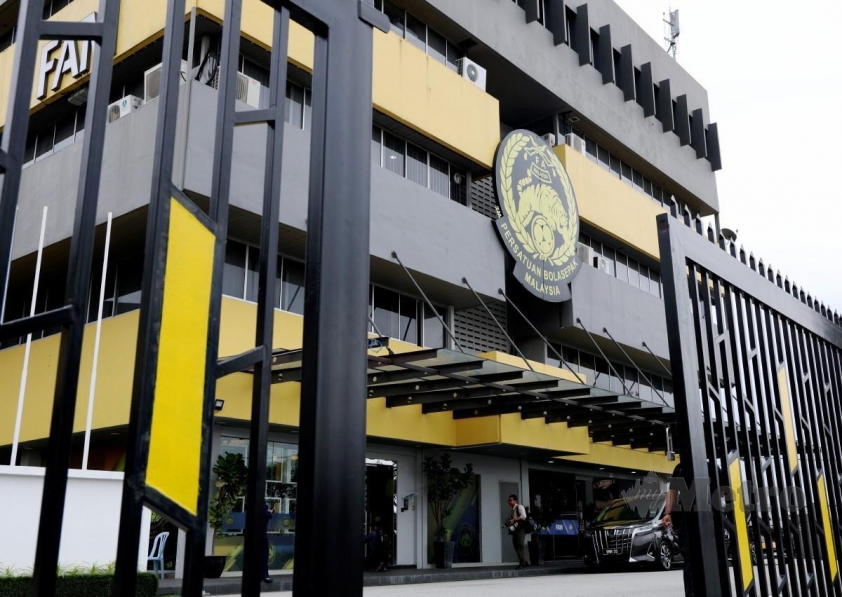
The issue extends beyond Malaysia alone, as it could have far-reaching consequences for FIFA’s current regulatory framework. When asked about the long-term impact, Zhafri said that FIFA will likely have to review and adjust rules related to nationality, origin, and player eligibility.
“If CAS rules in favor of the birth certificates issued by Malaysia, FIFA will have to permit all seven players to return to play. There are two birth certificates from two sovereign countries. FIFA lacks the authority to confirm which birth certificate holds more value than the other,”he stated.
This means the CAS ruling will not only affect the Malaysian team but could also set an important precedent for many other countries in the future, especially those national teams that utilize naturalized or foreign-origin players.
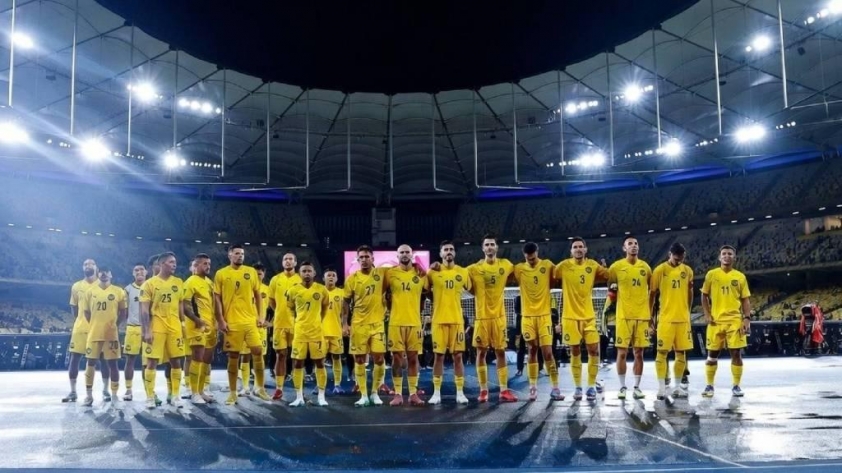
On FAM’s side, the association maintains its legal stance and places high hopes on the upcoming CAS decision. In the context of increasingly fierce competition in Southeast Asian football, being allowed to fully use their naturalized players is crucial for Malaysia’s ambitions on the continental stage.
According to plans, the result of FAM’s appeal involving the seven naturalized players will be announced by CAS at the end of February. This is seen as a potential turning point not only for the Malaysian national team but also for how FIFA handles sensitive legal issues in modern football.



Wonderfulshortvideo
User SportScoop has posted a video.


 Links
Links
 Contact
Address:UNIT 1804 SOUTH BANK TOWER, 55 UPPER GROUND,LONDON ENGLAND SE1 9E
Number:+85259695367
E-mali:[email protected]
 App
App


